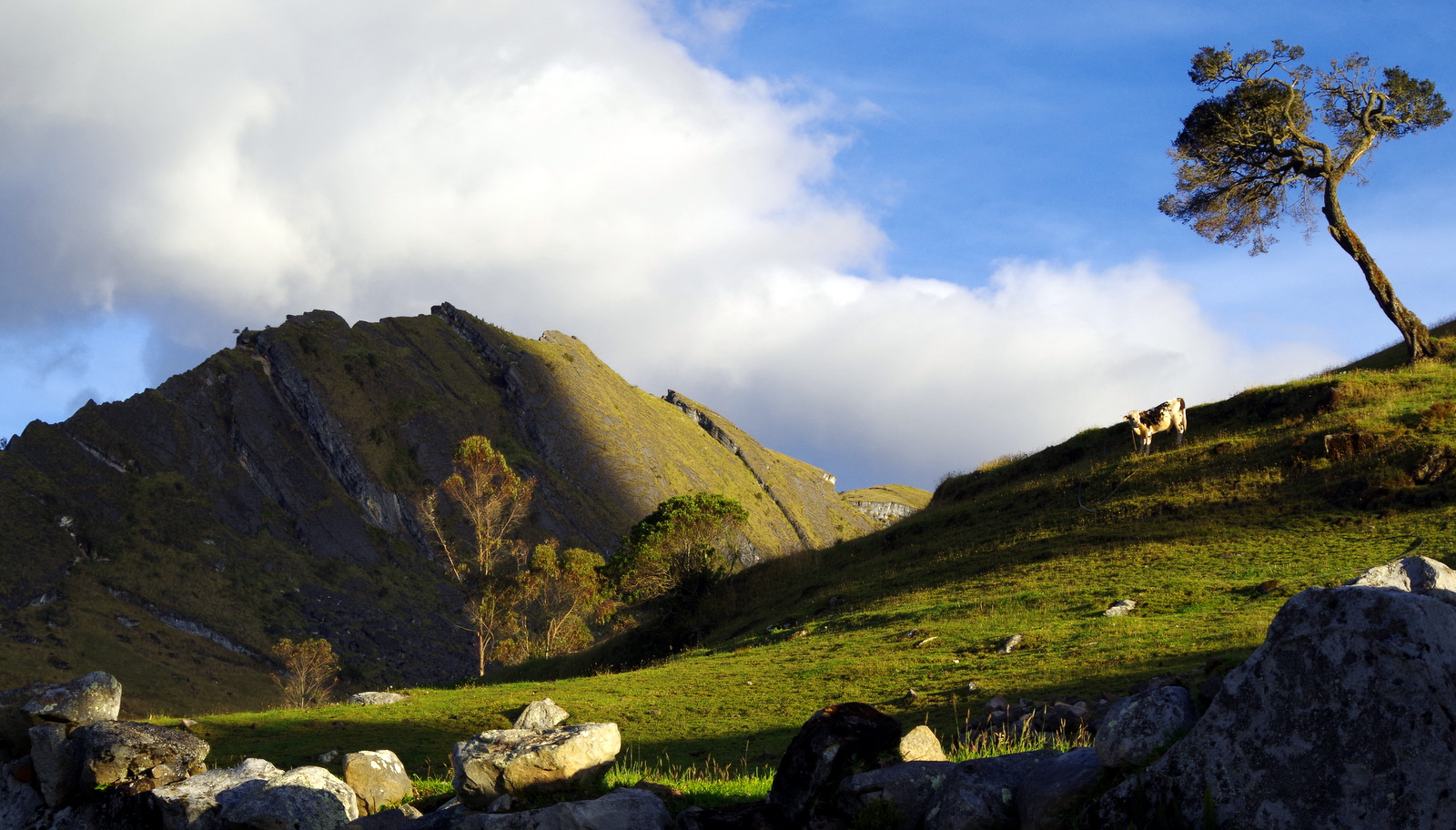
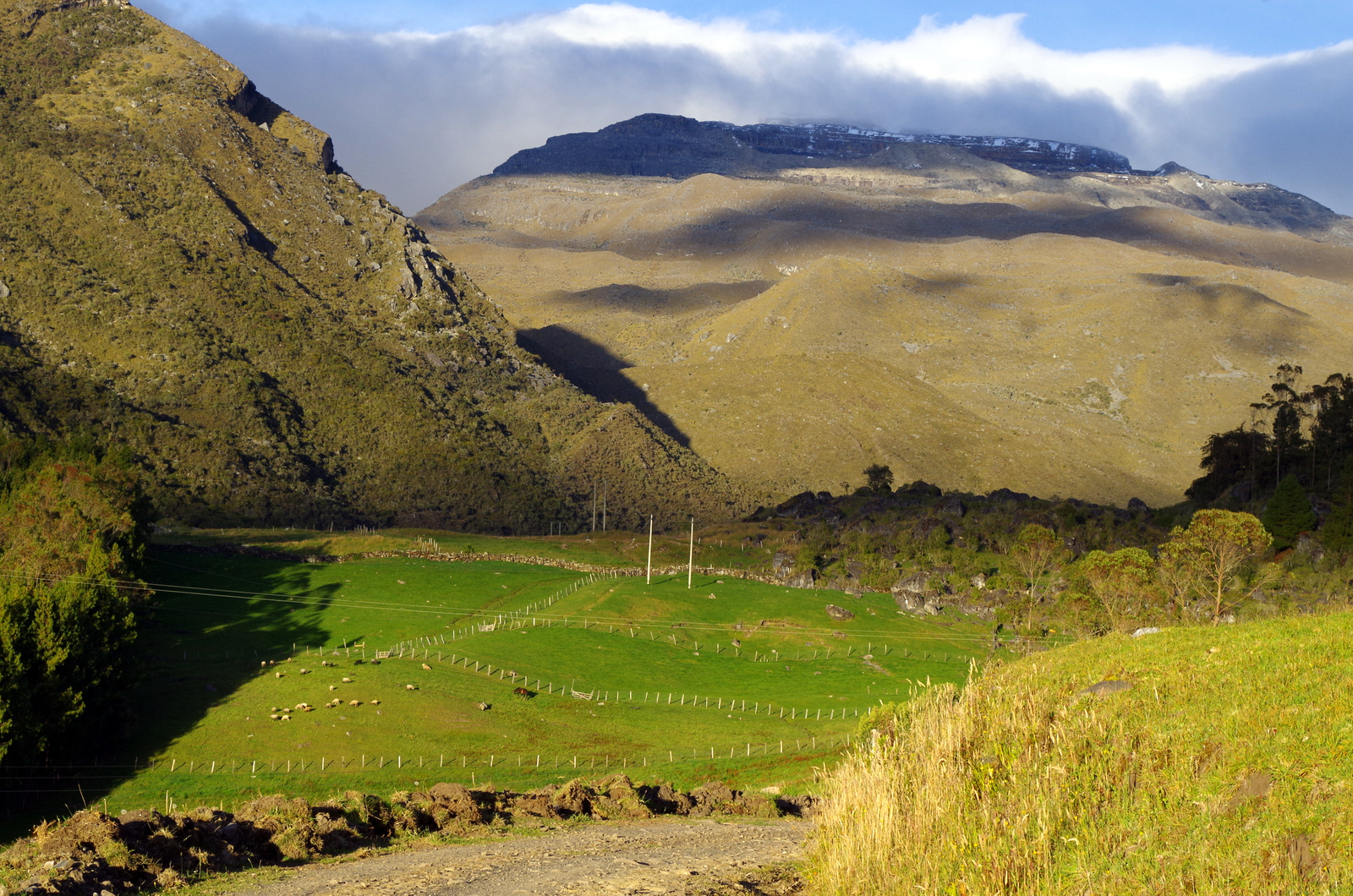
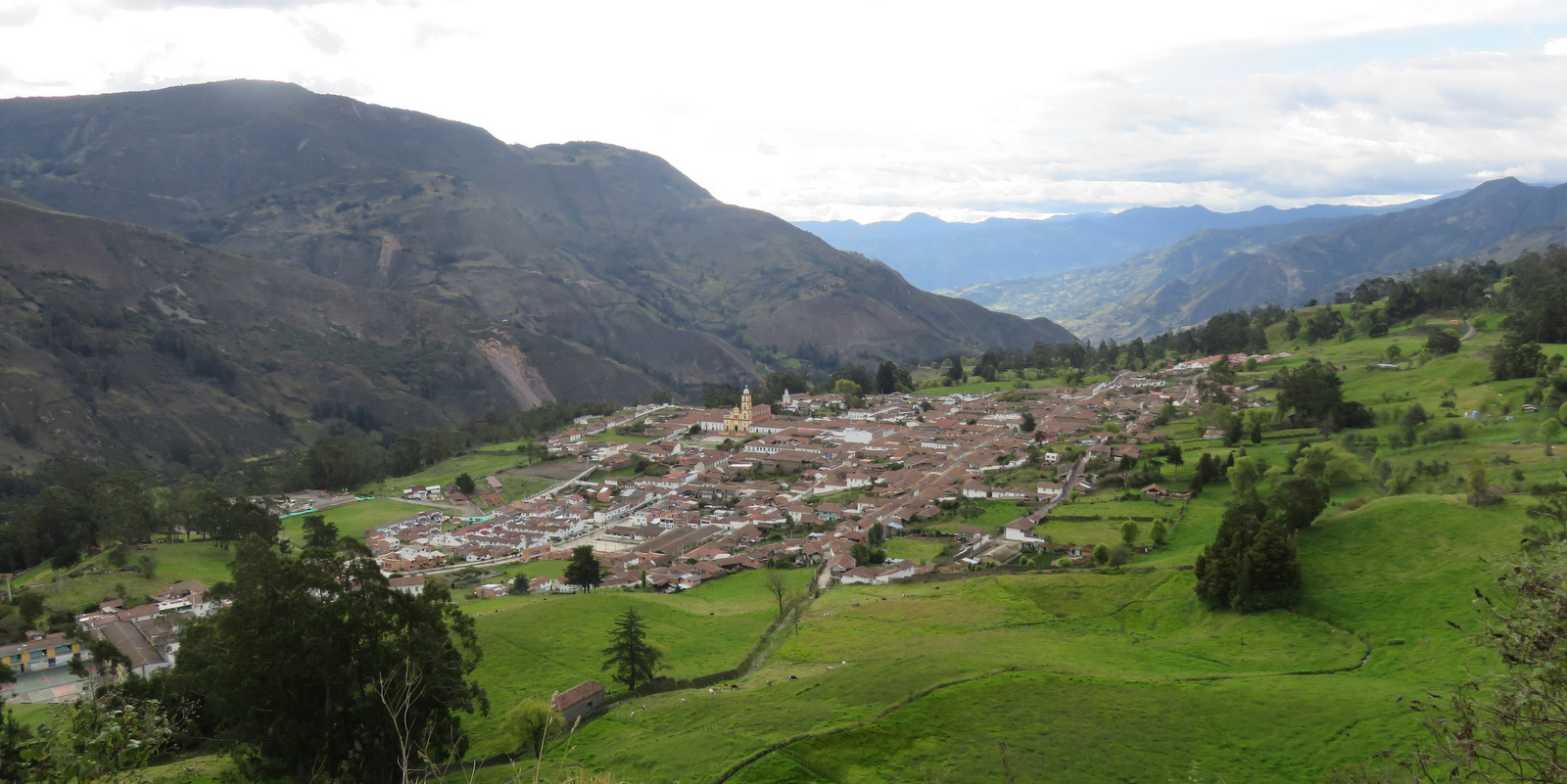
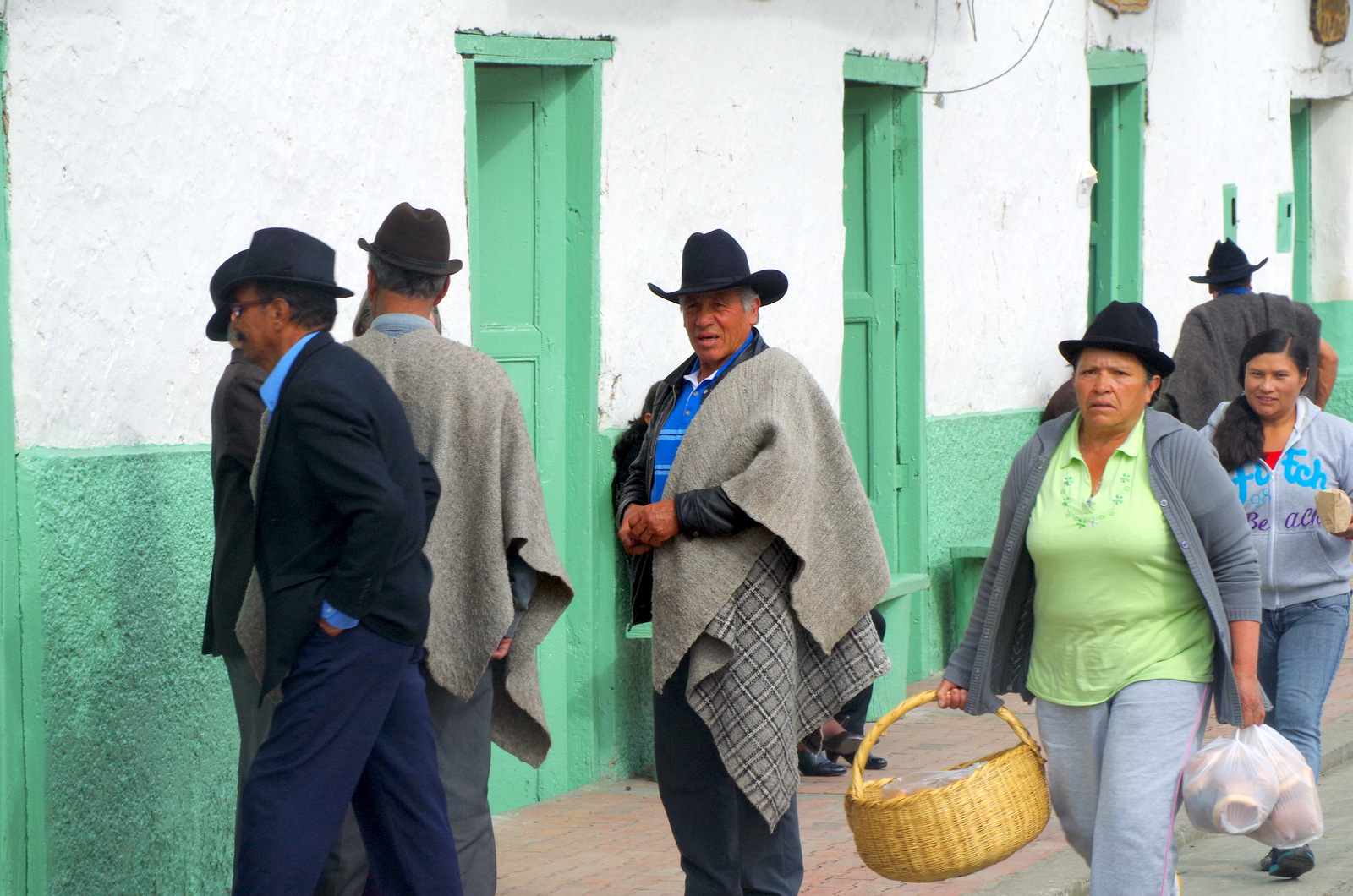
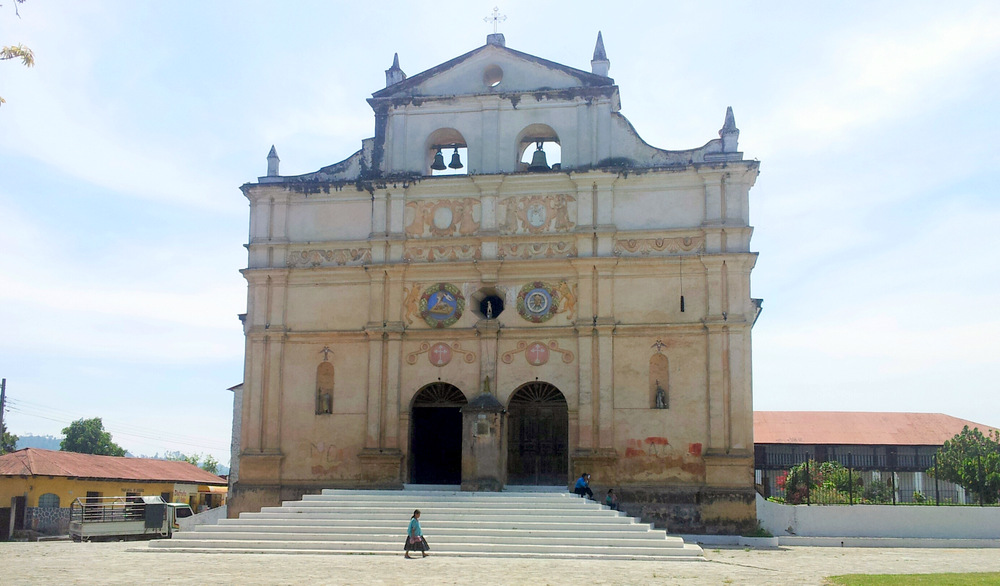
Coffee country and volcan Machin

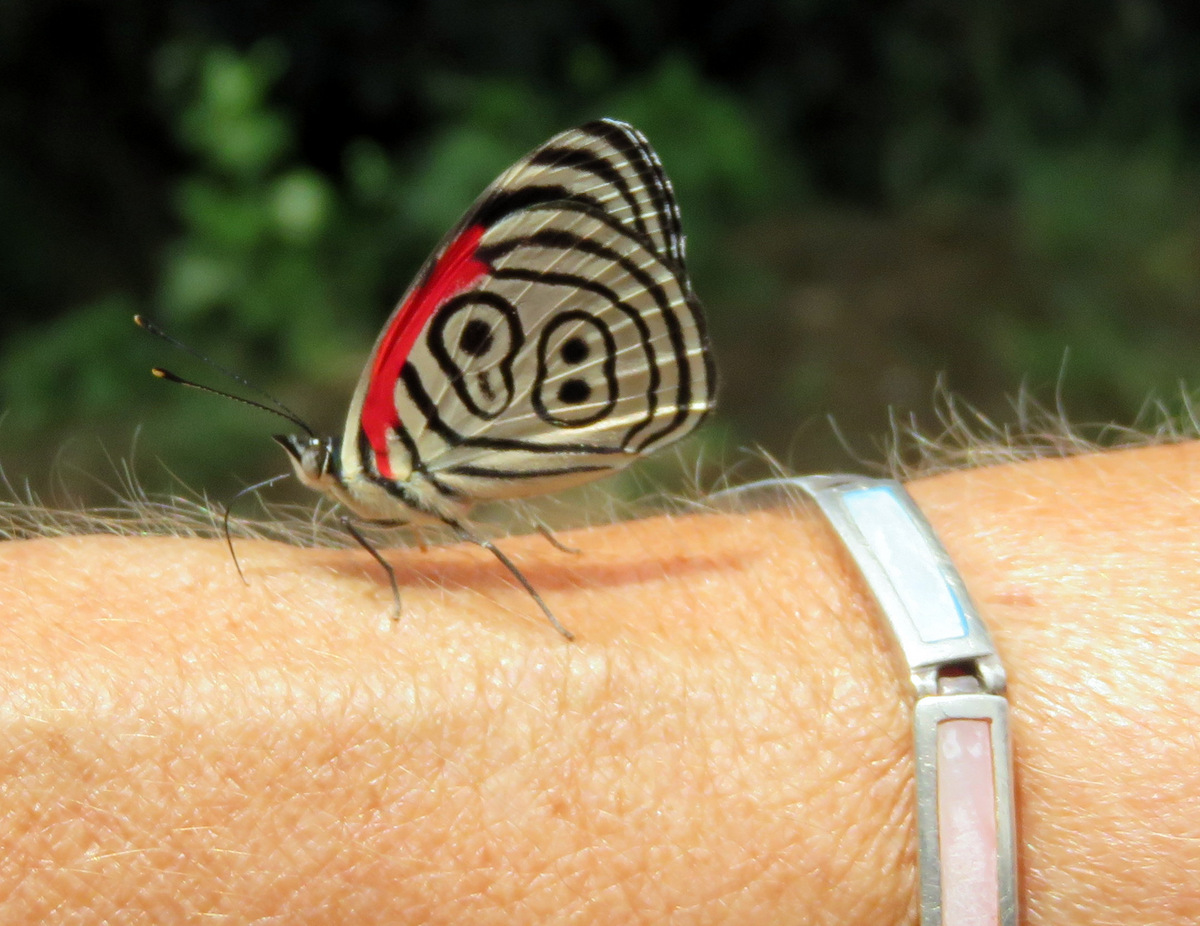
IMG_1283

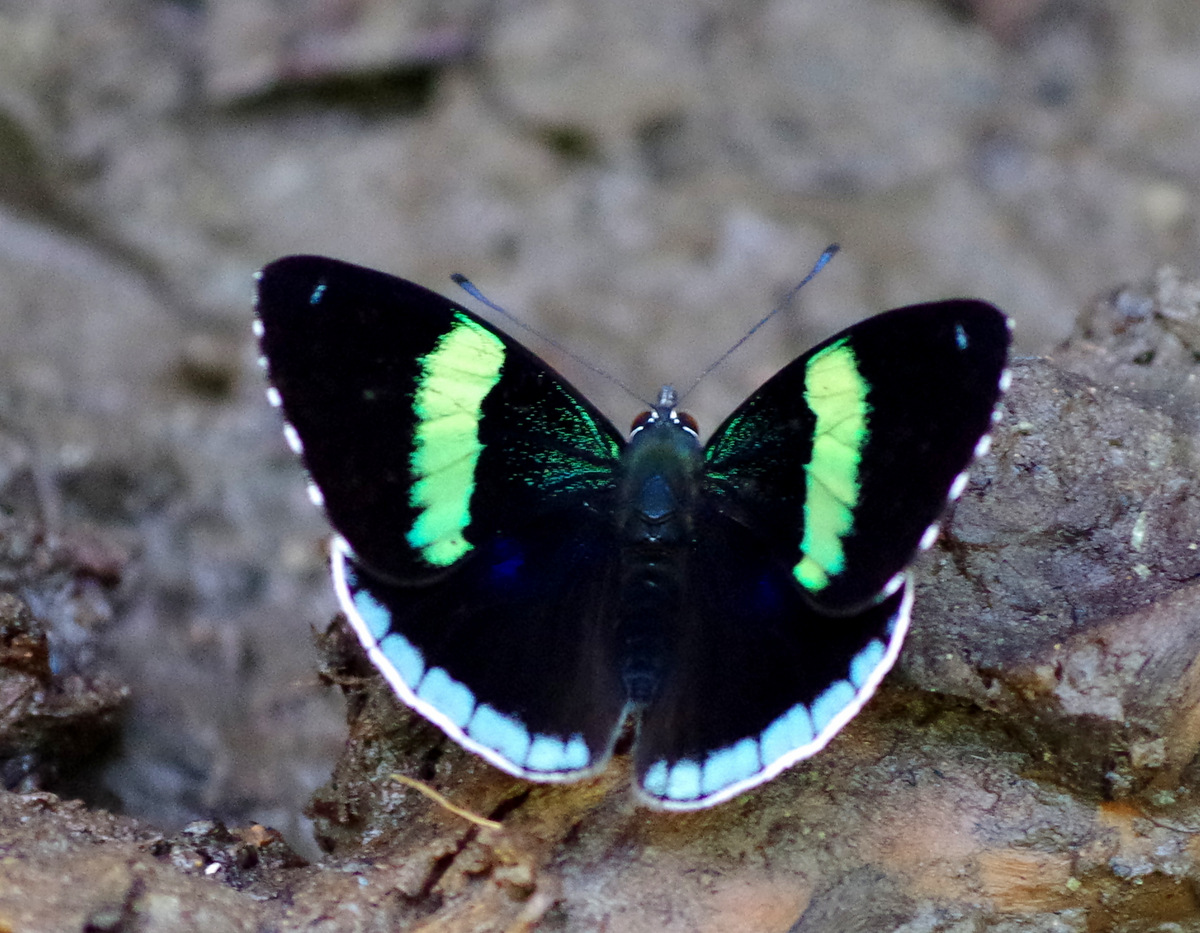
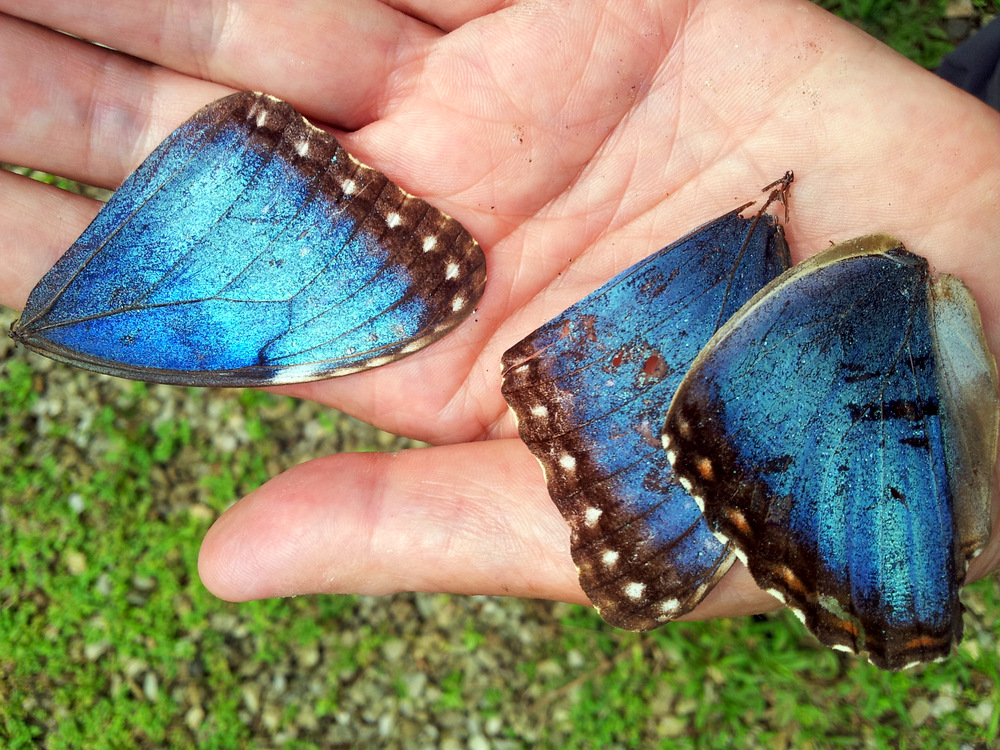
The famous “Cramer’s Eighty-eight” butterfly landed on my arm and hung out for a while.

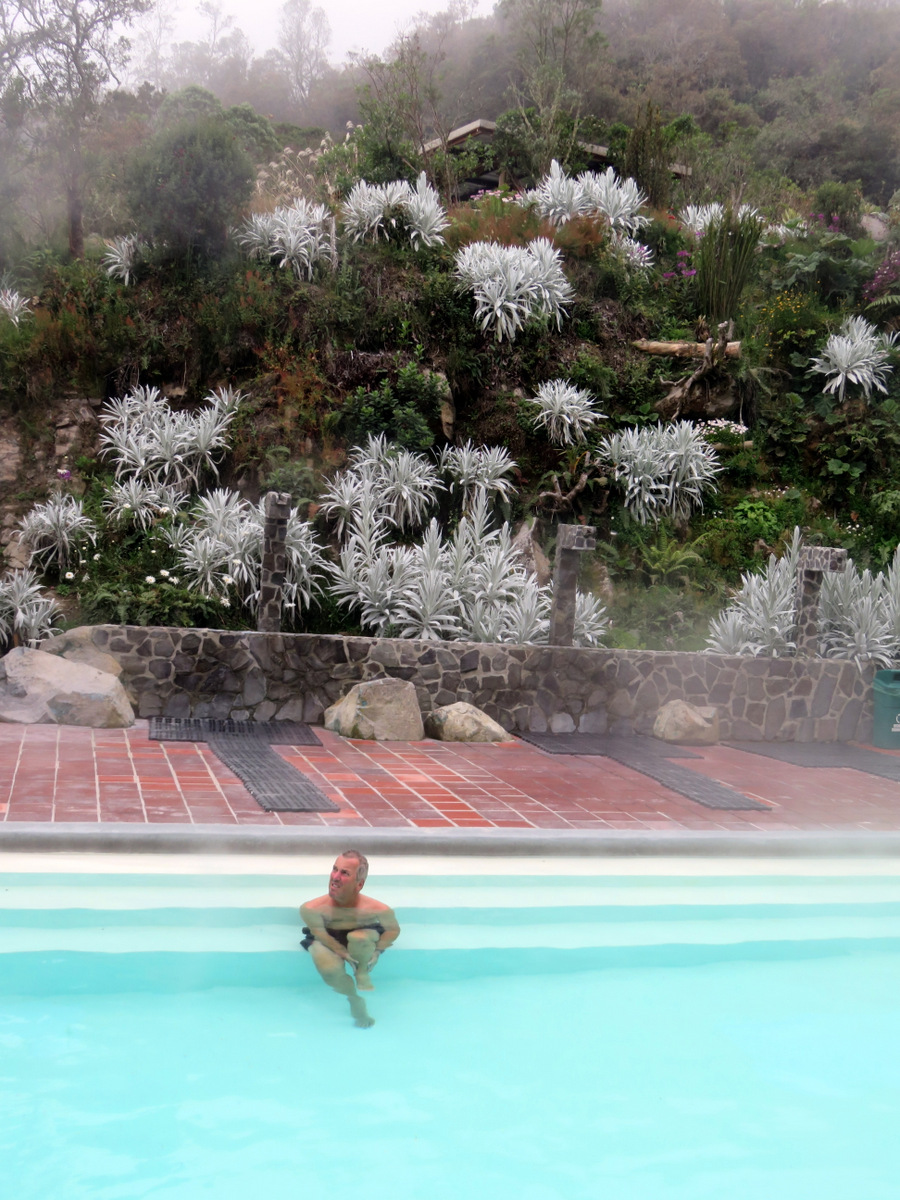
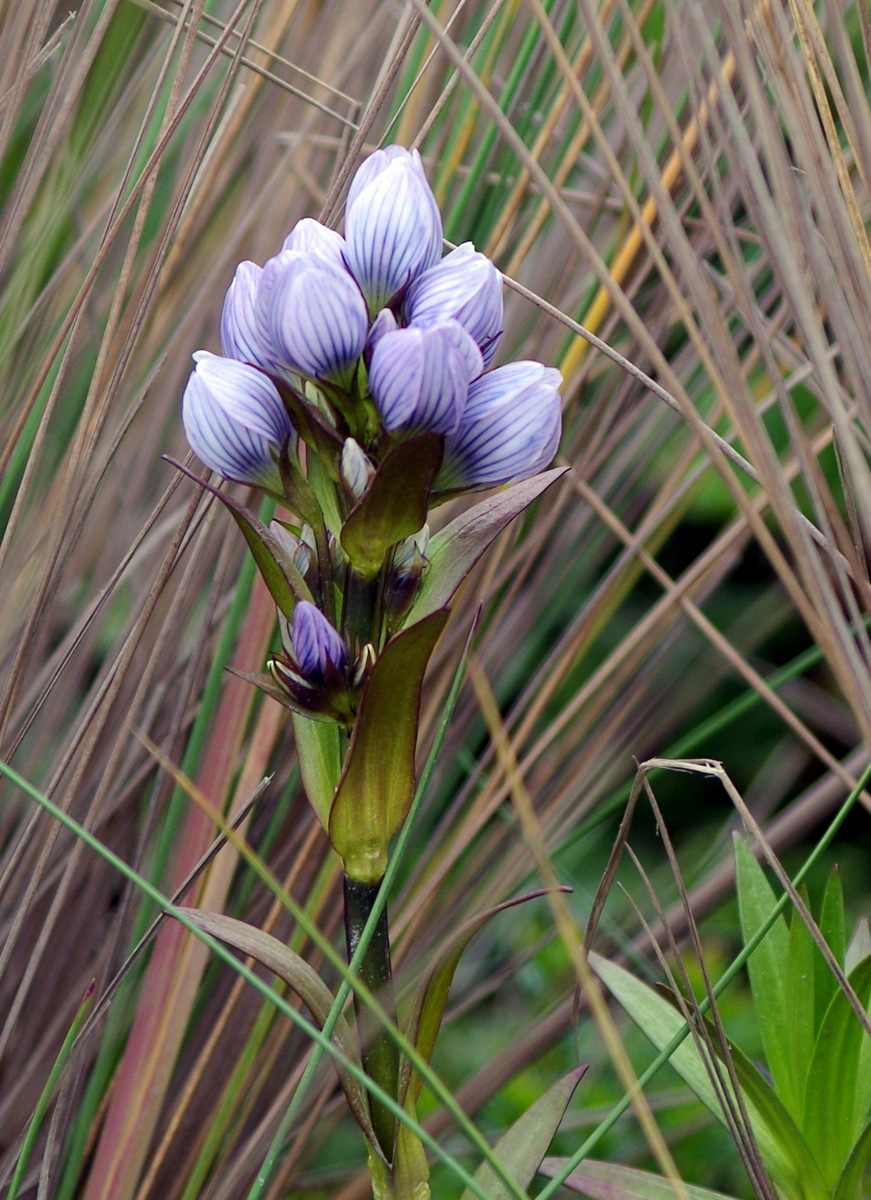
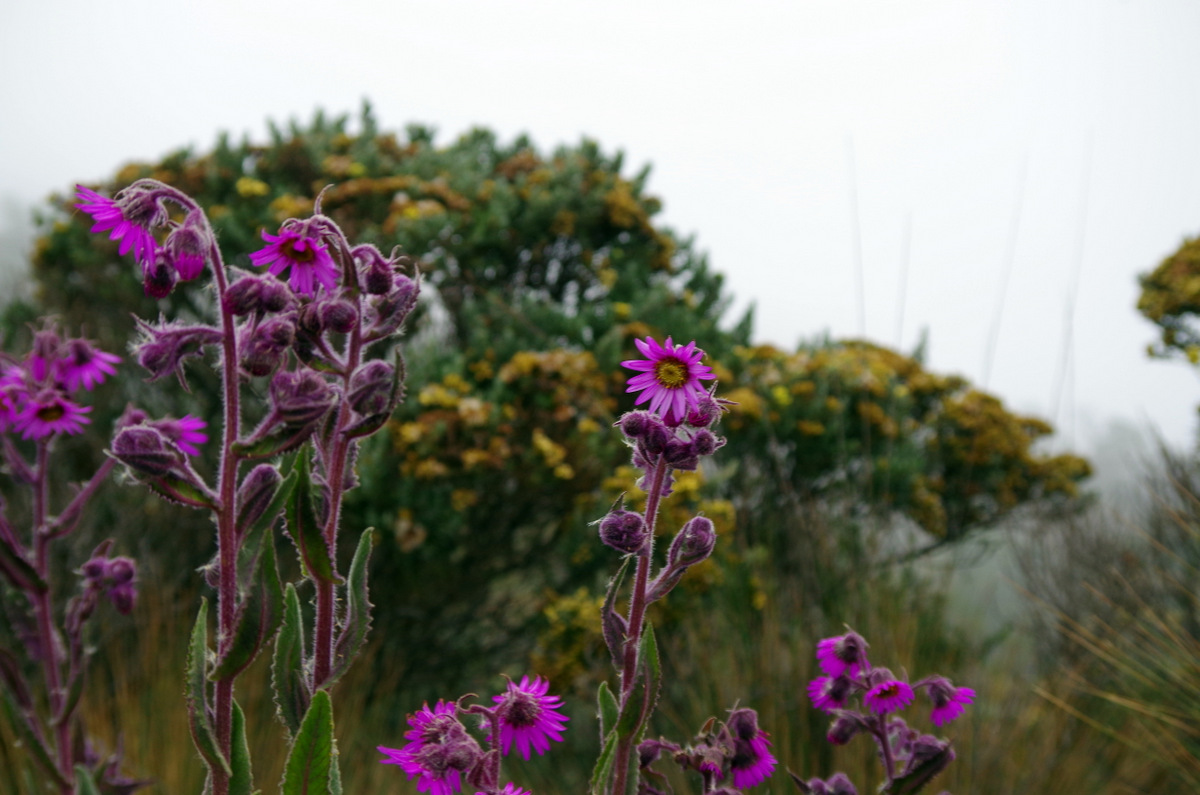
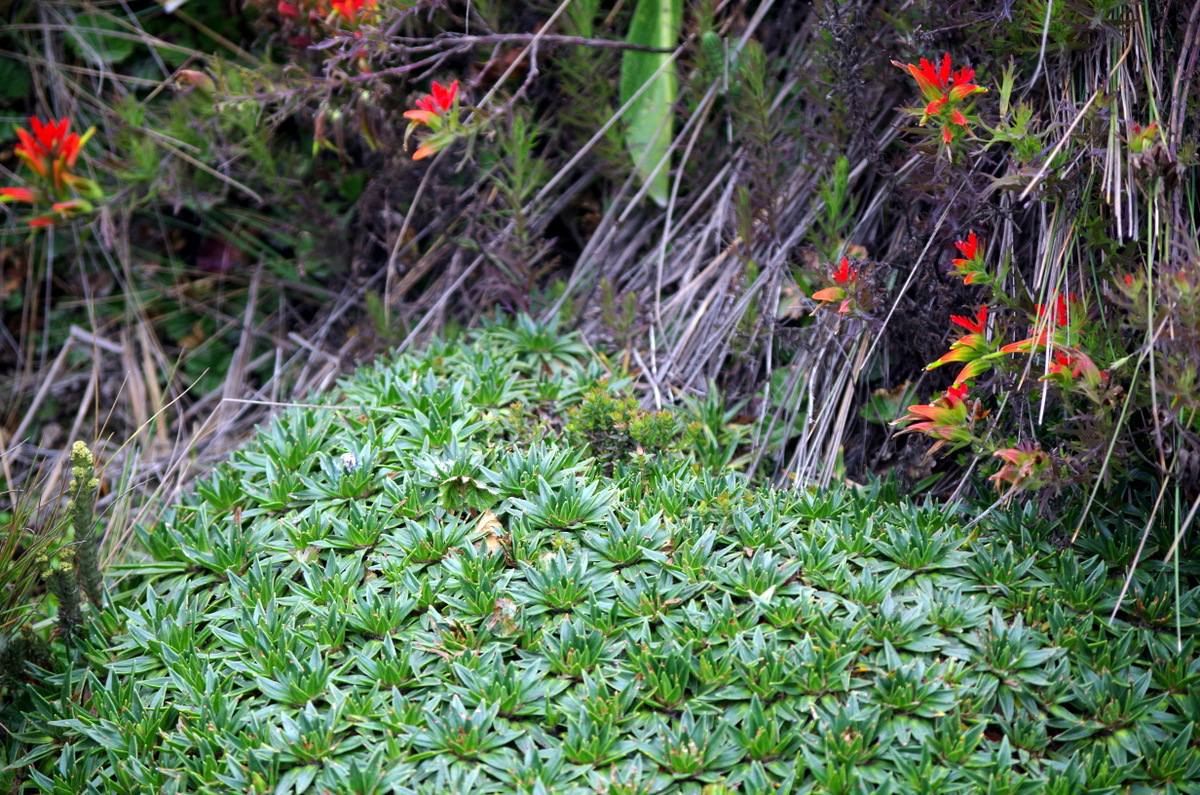
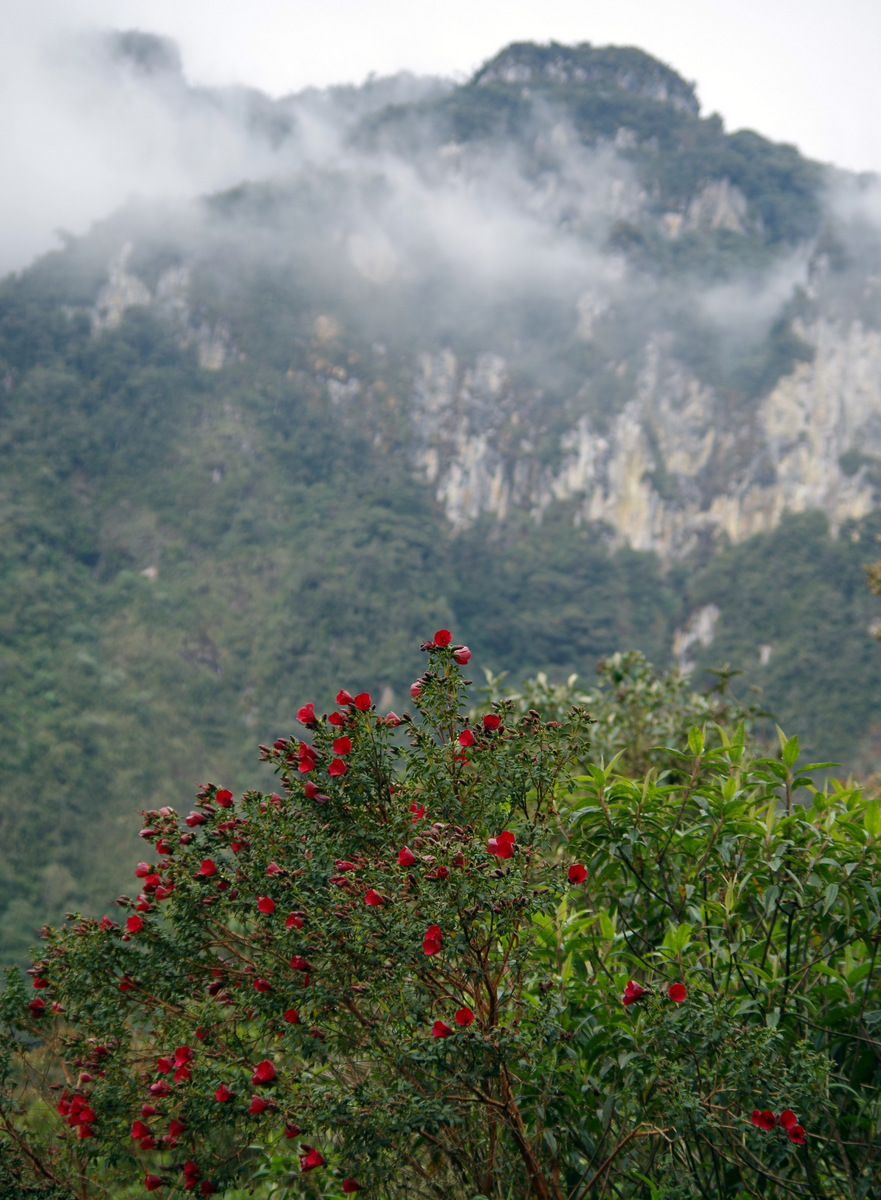
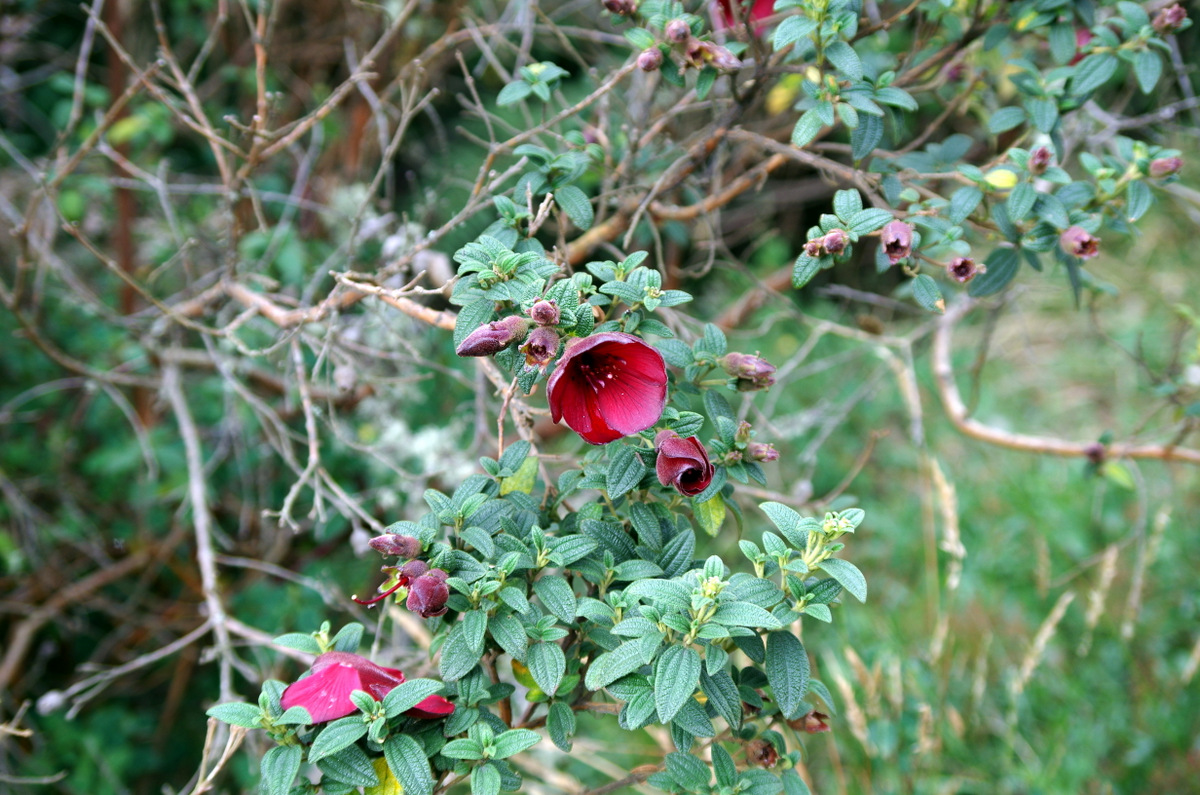
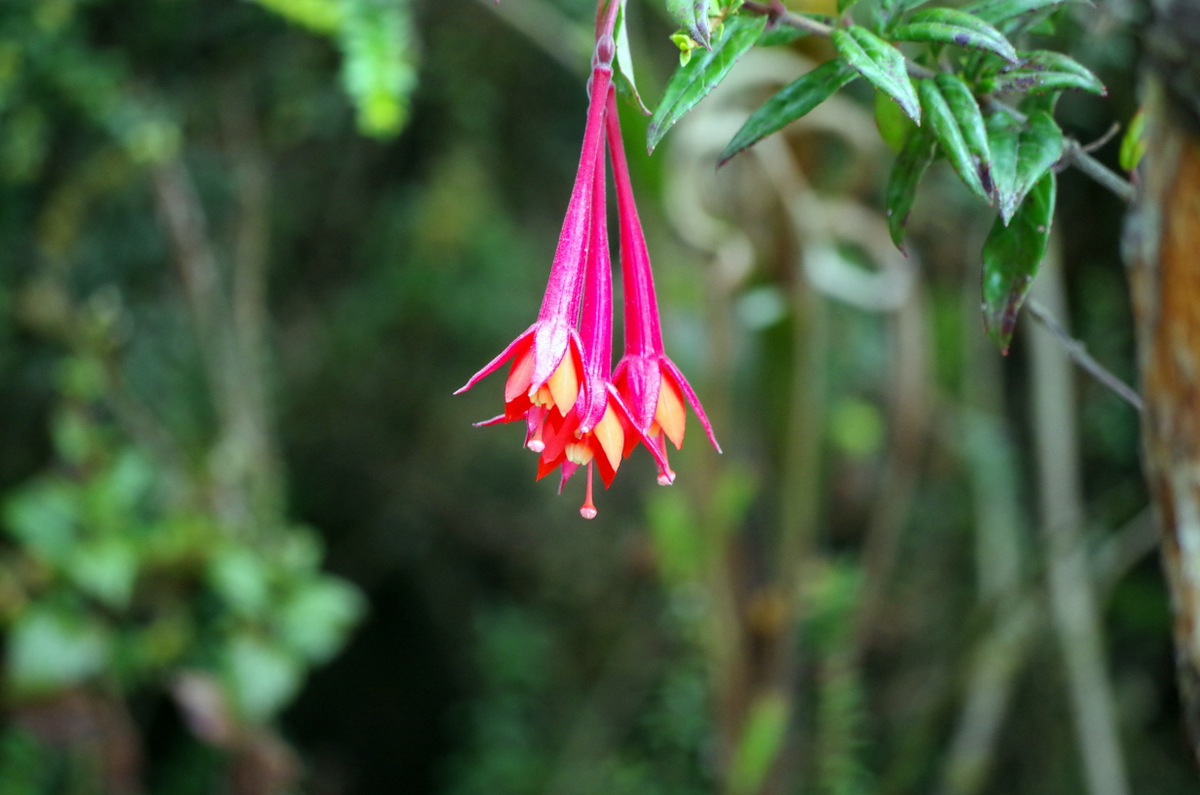
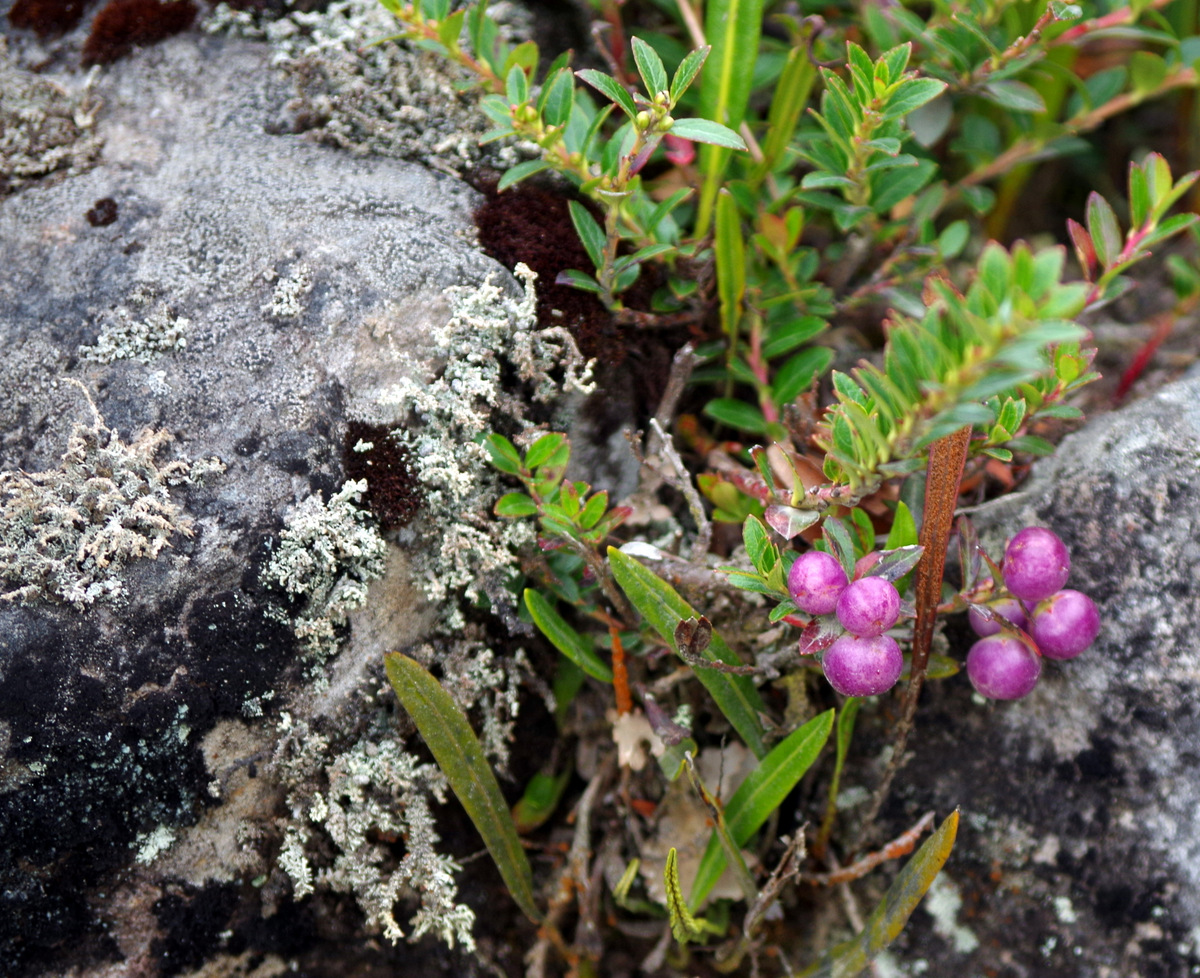
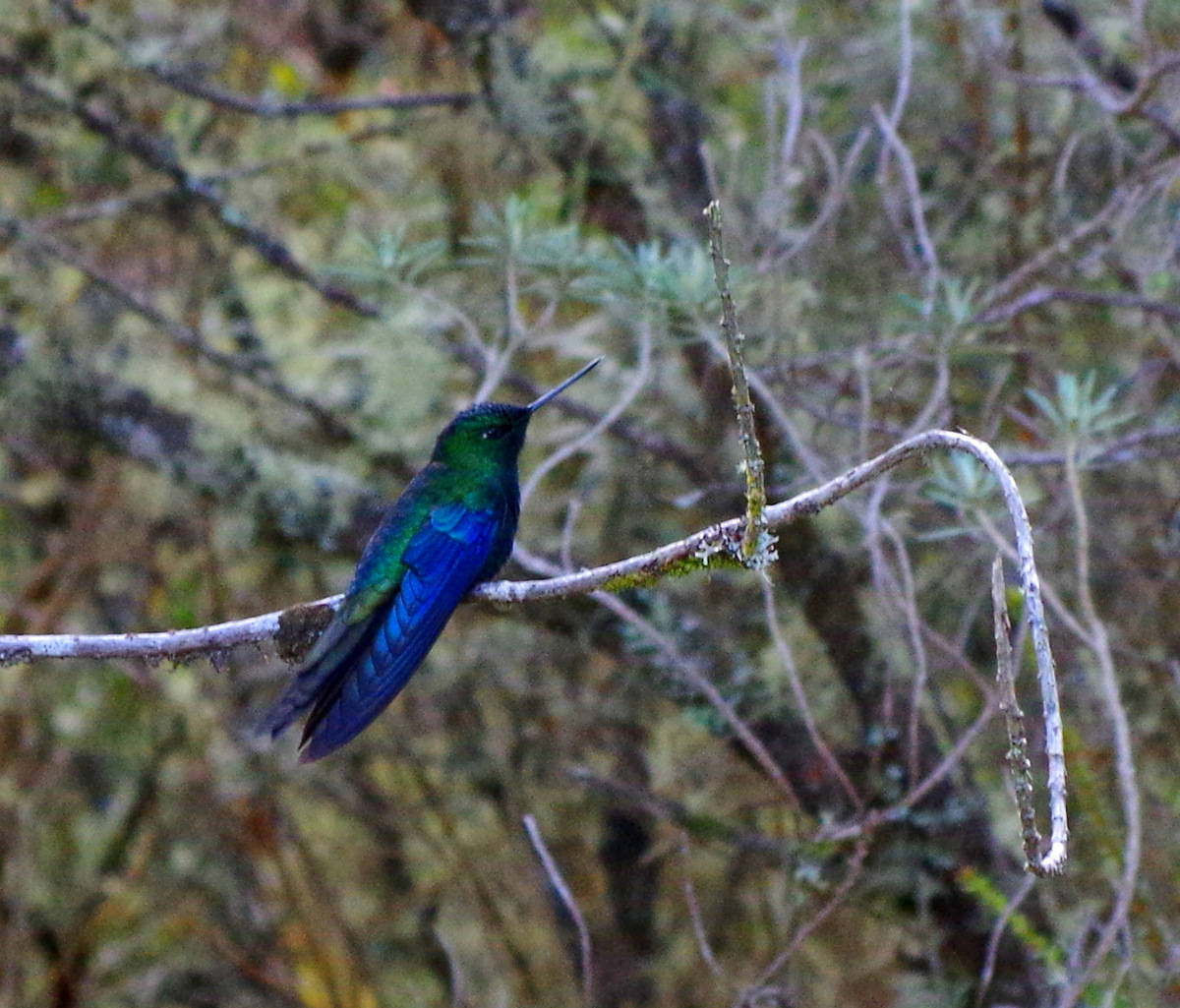
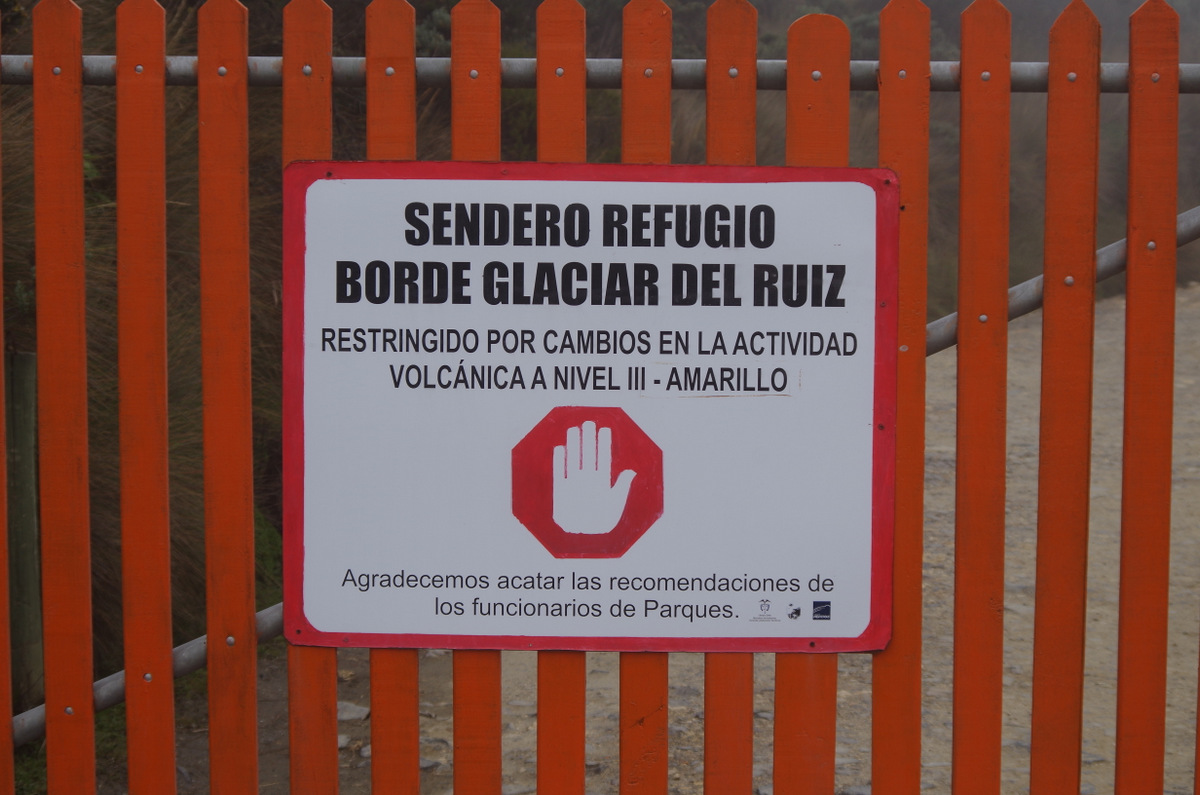
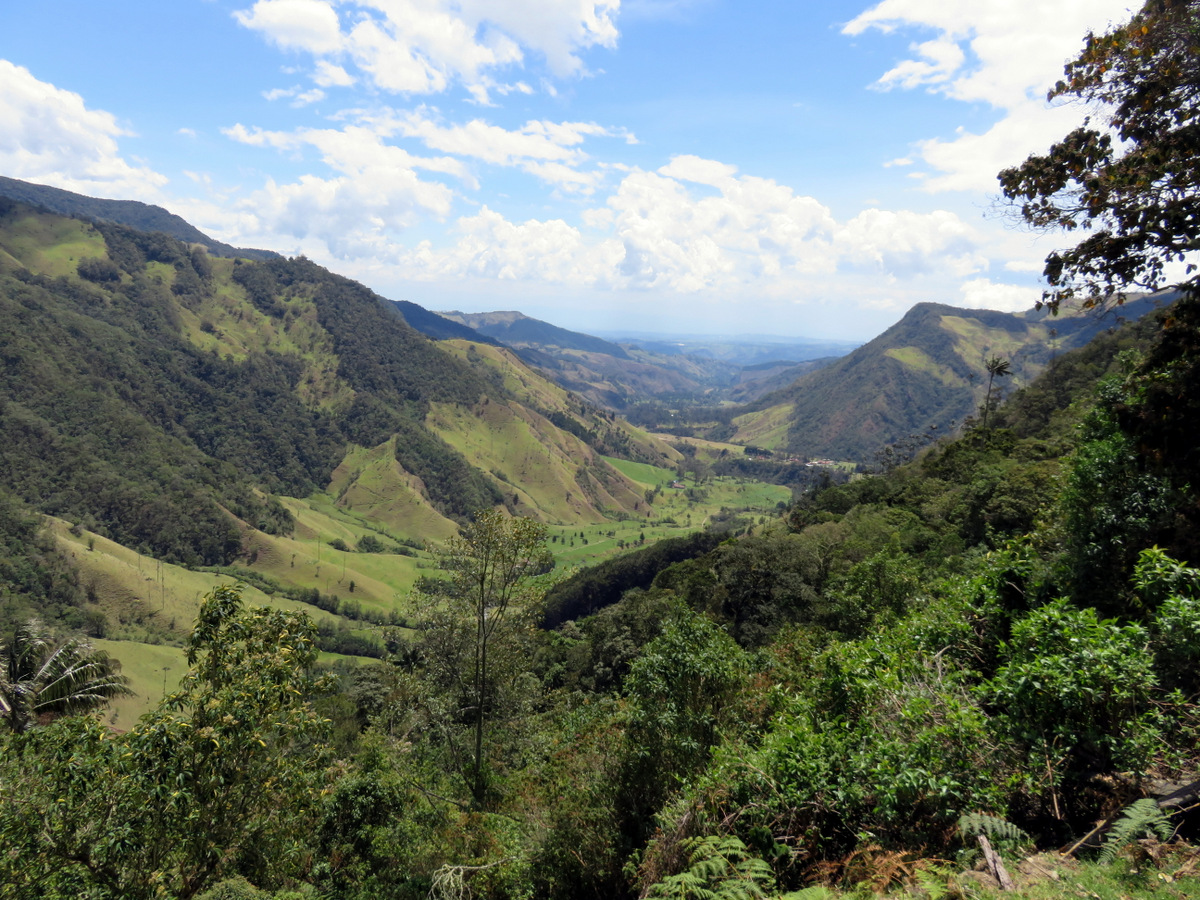
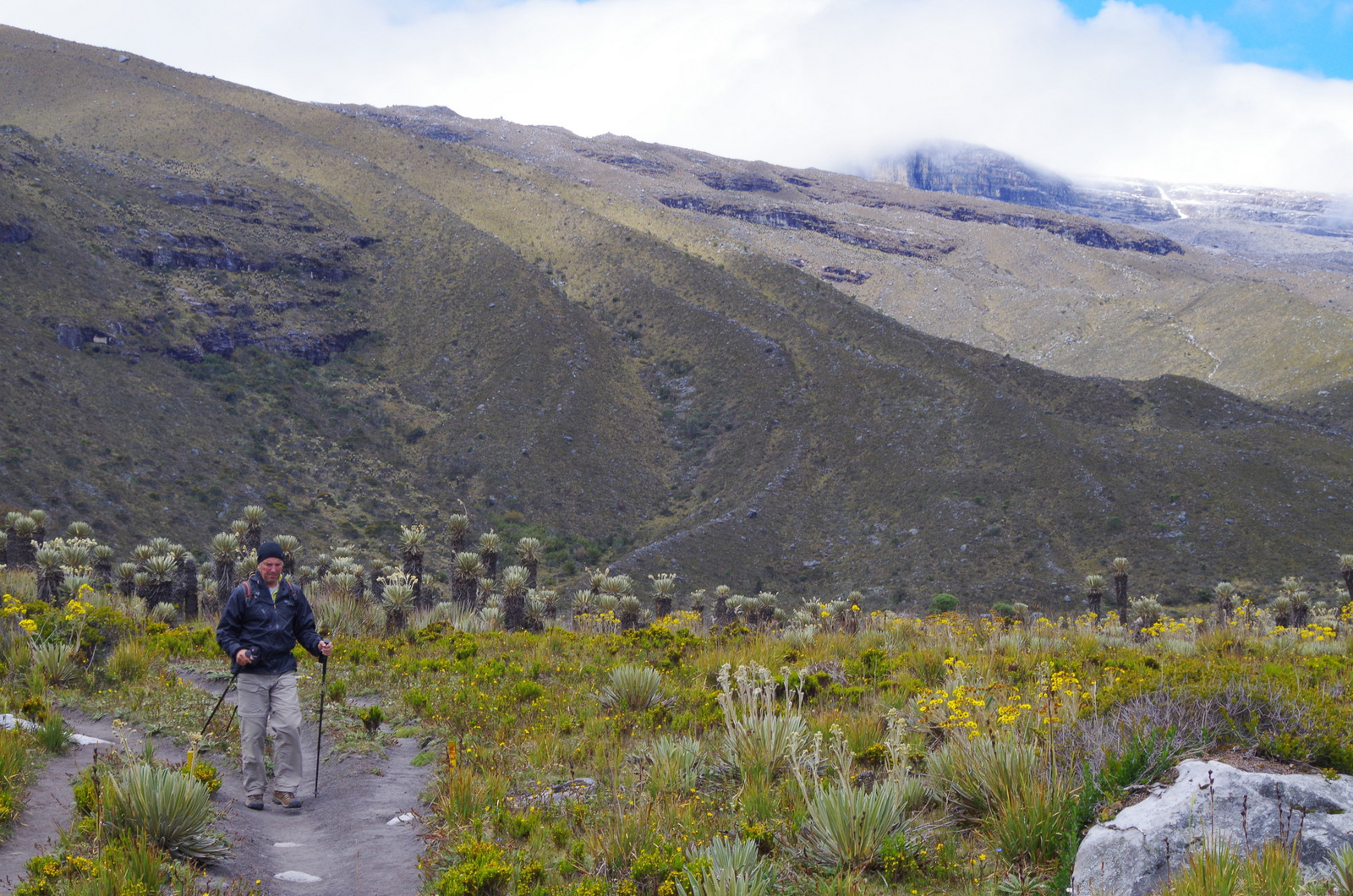
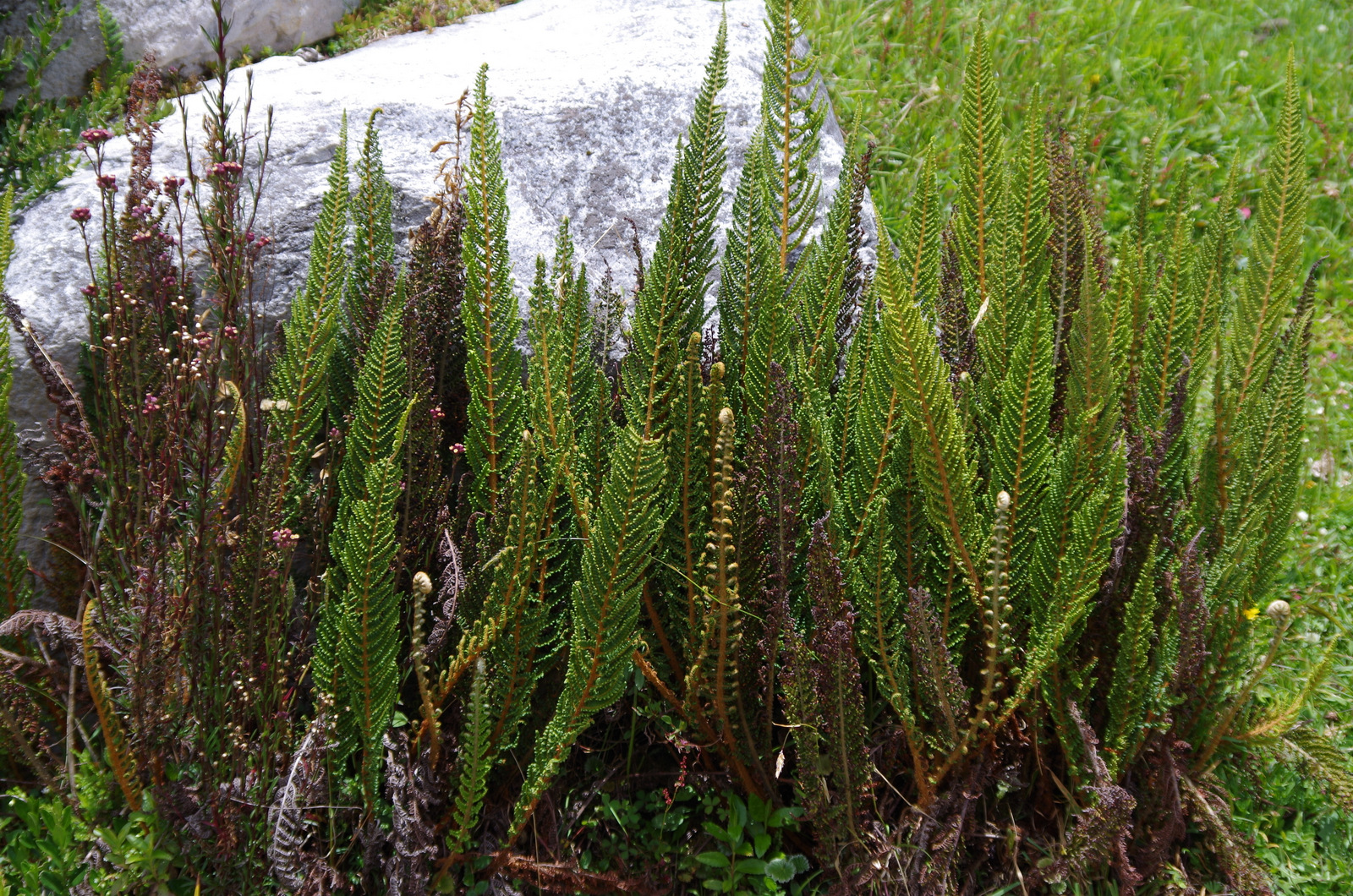
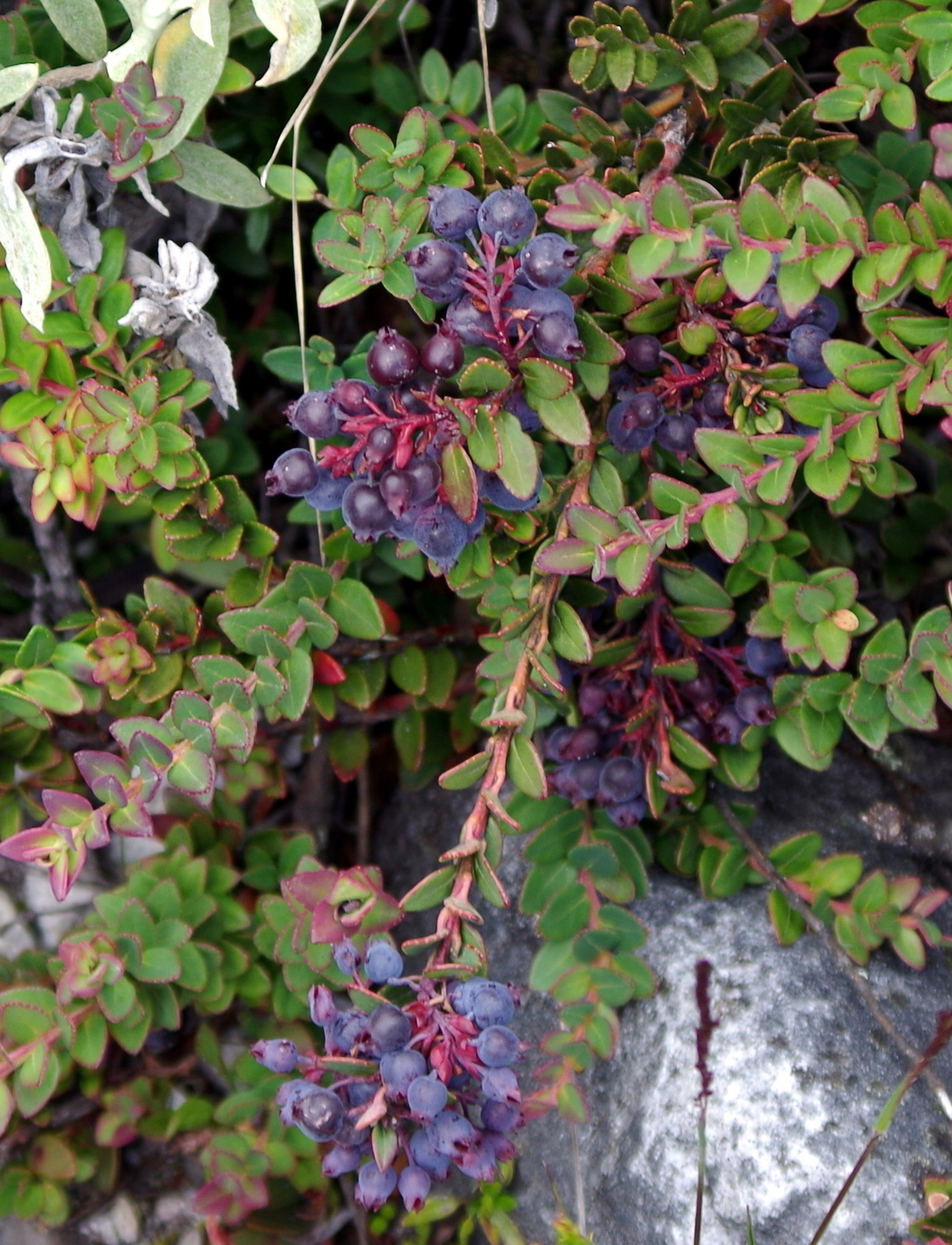
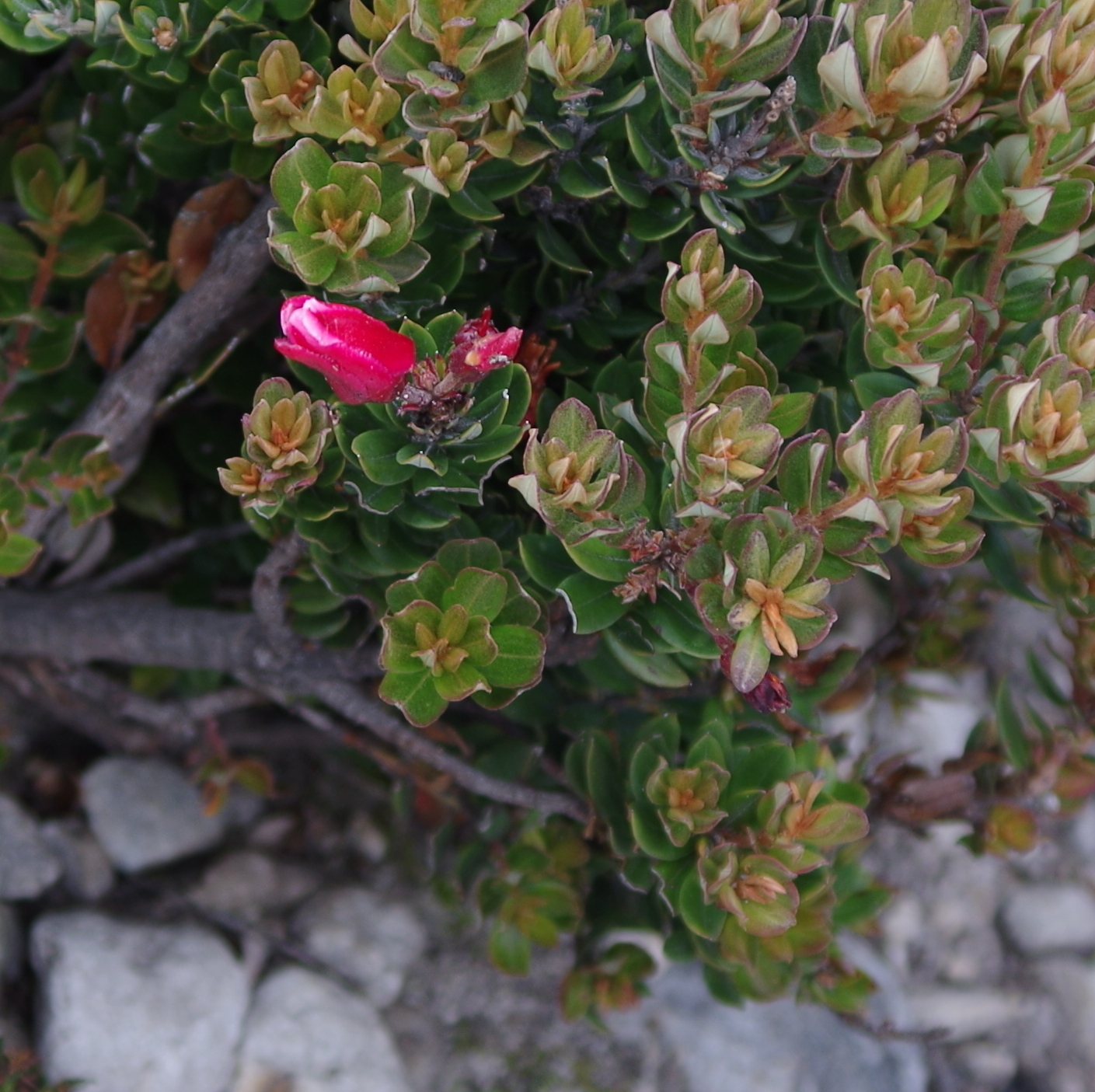
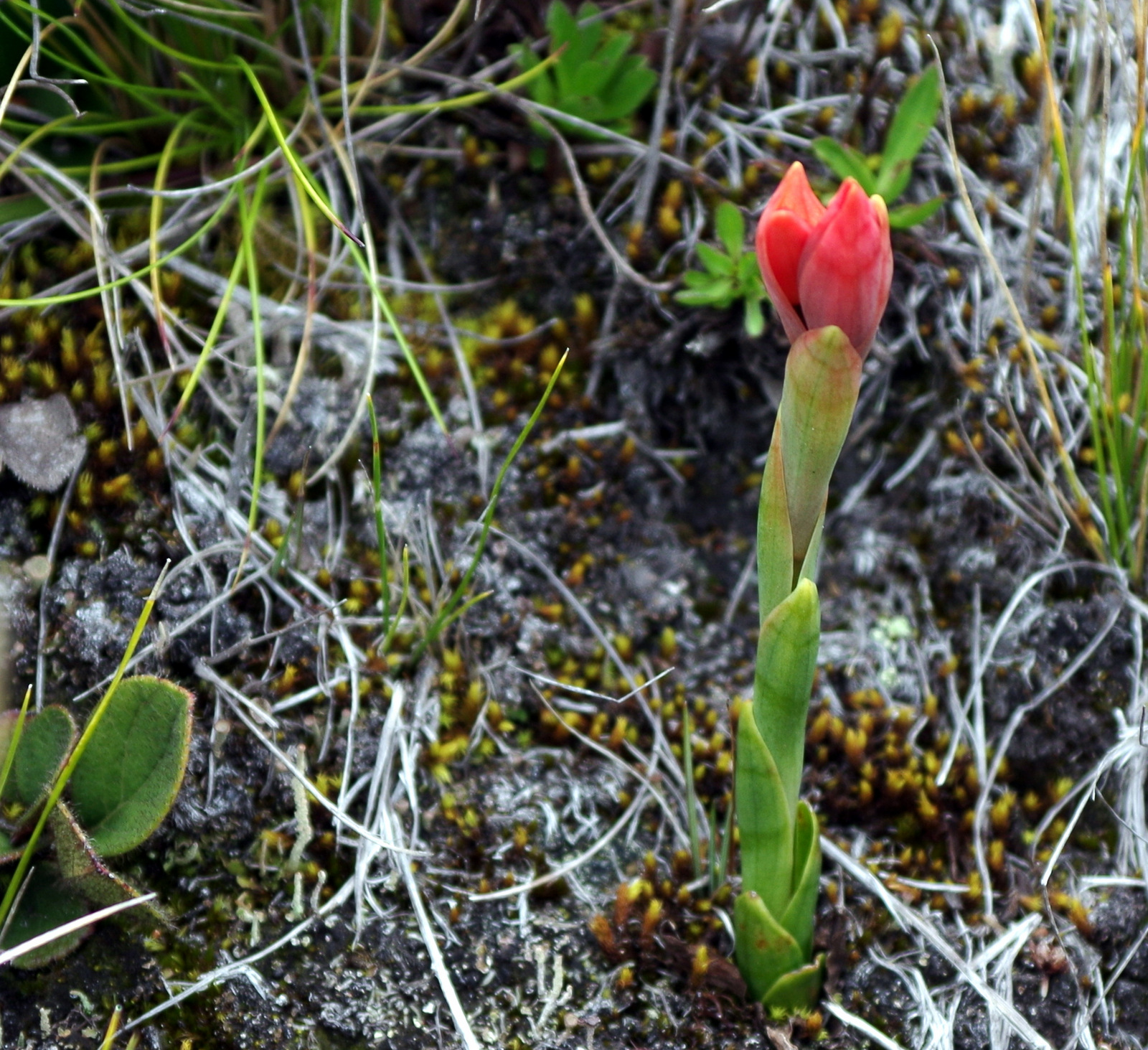
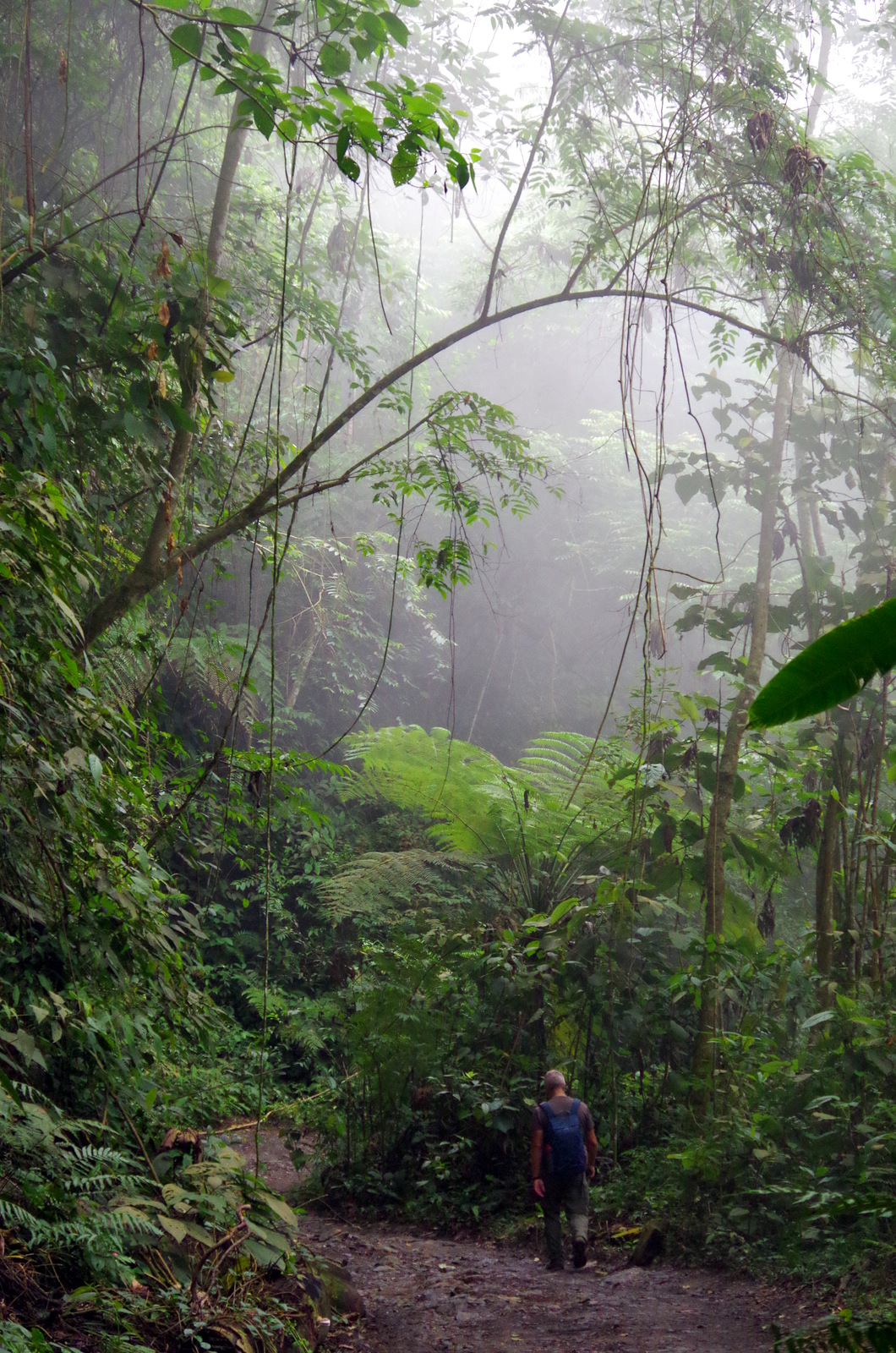
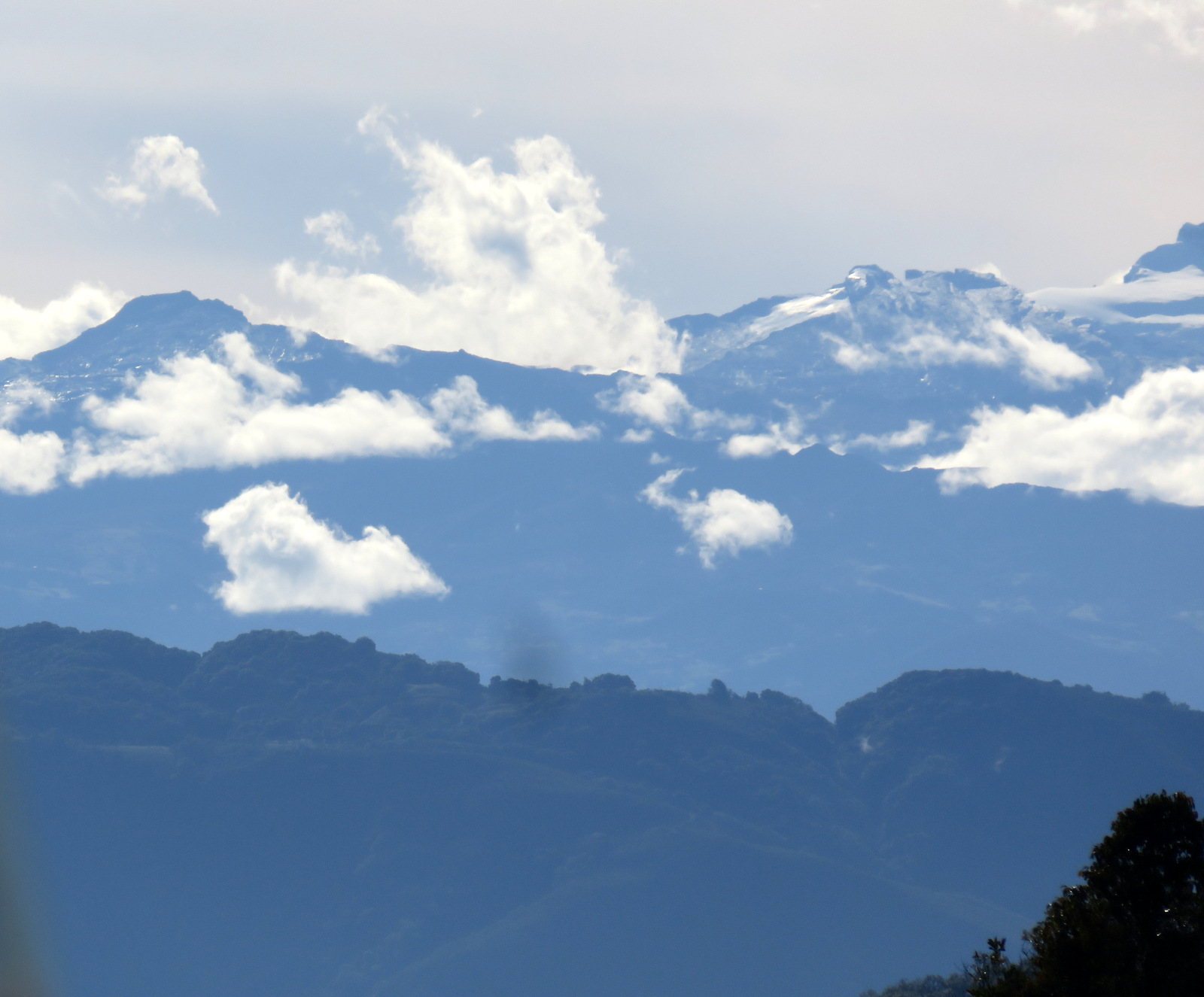
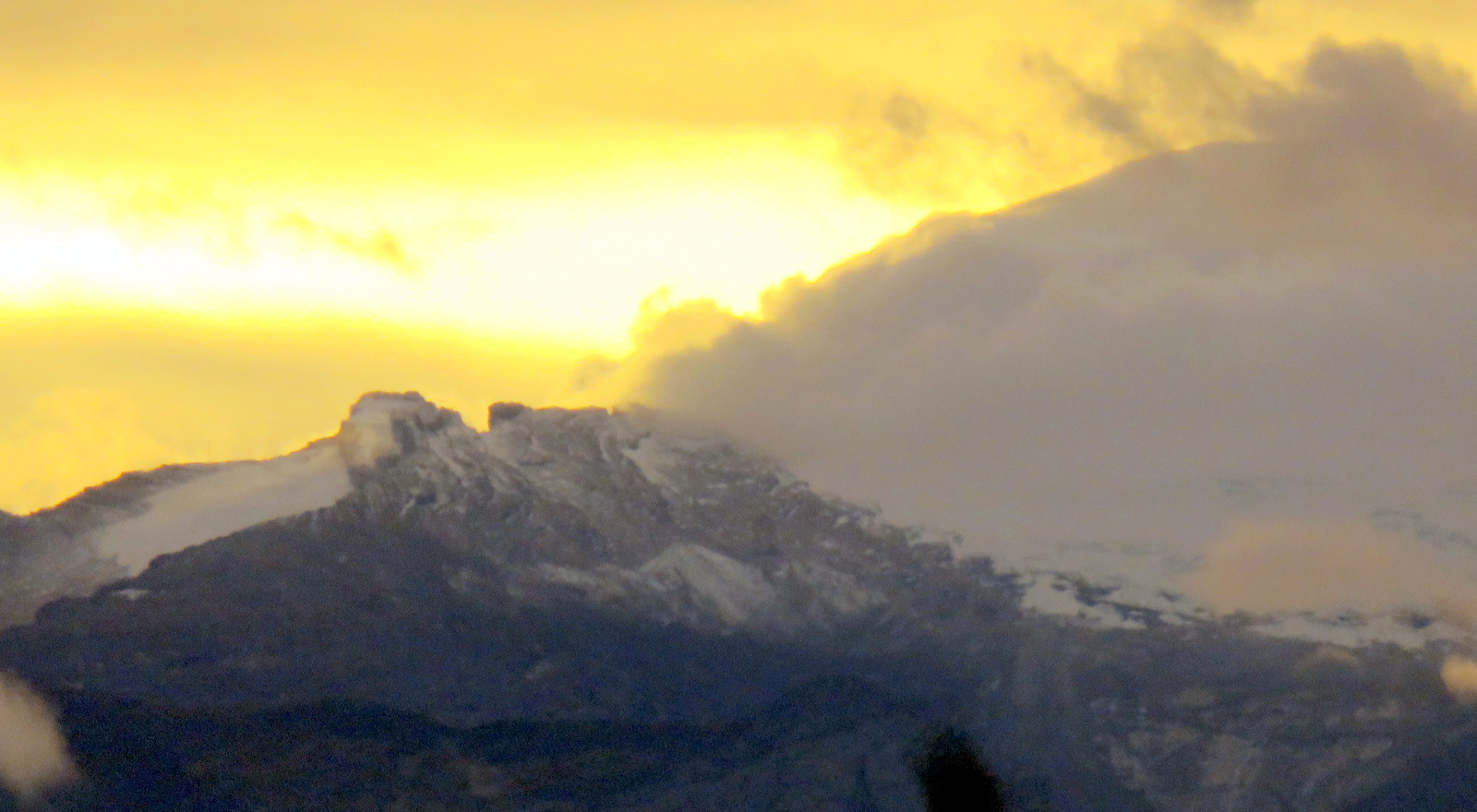
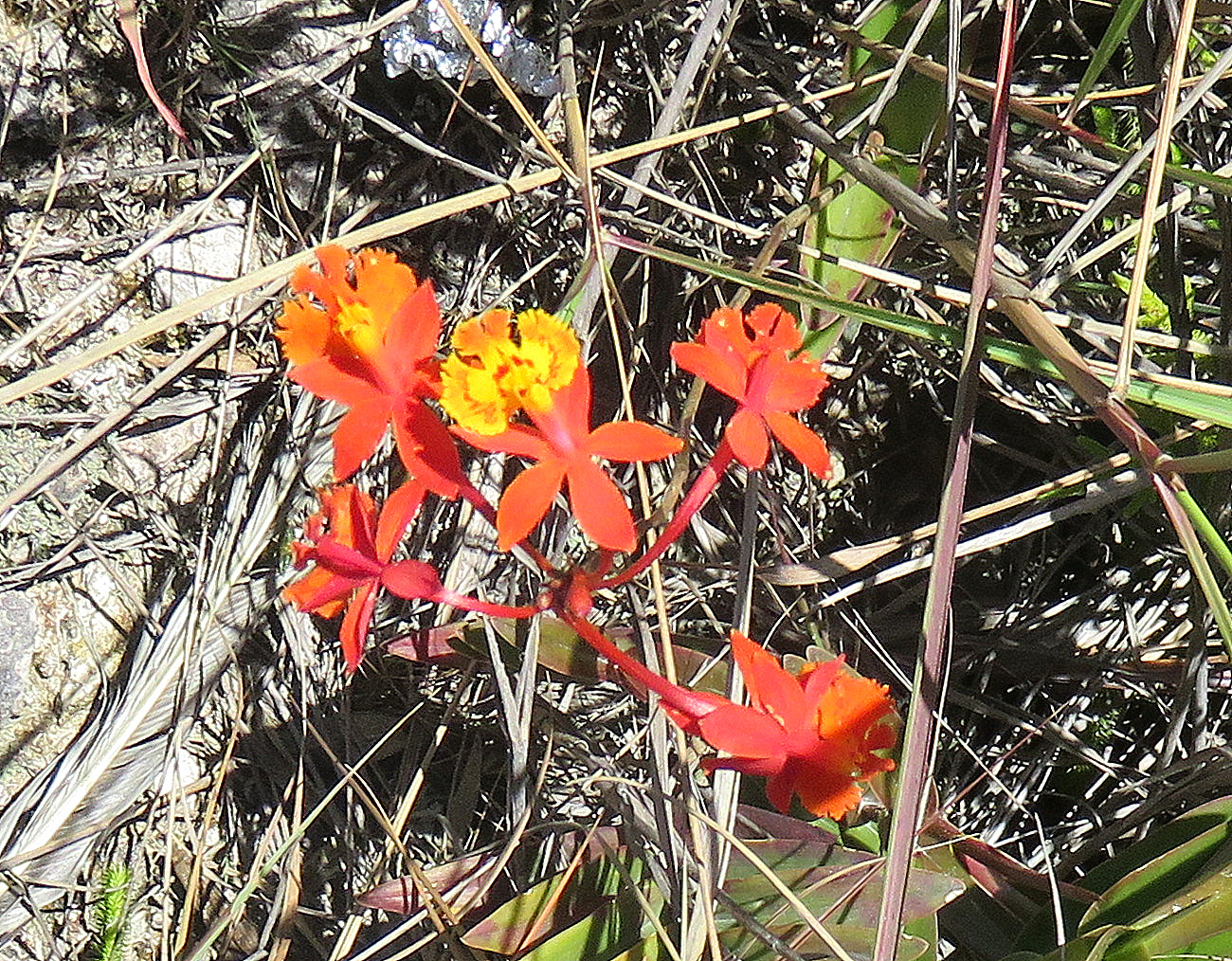
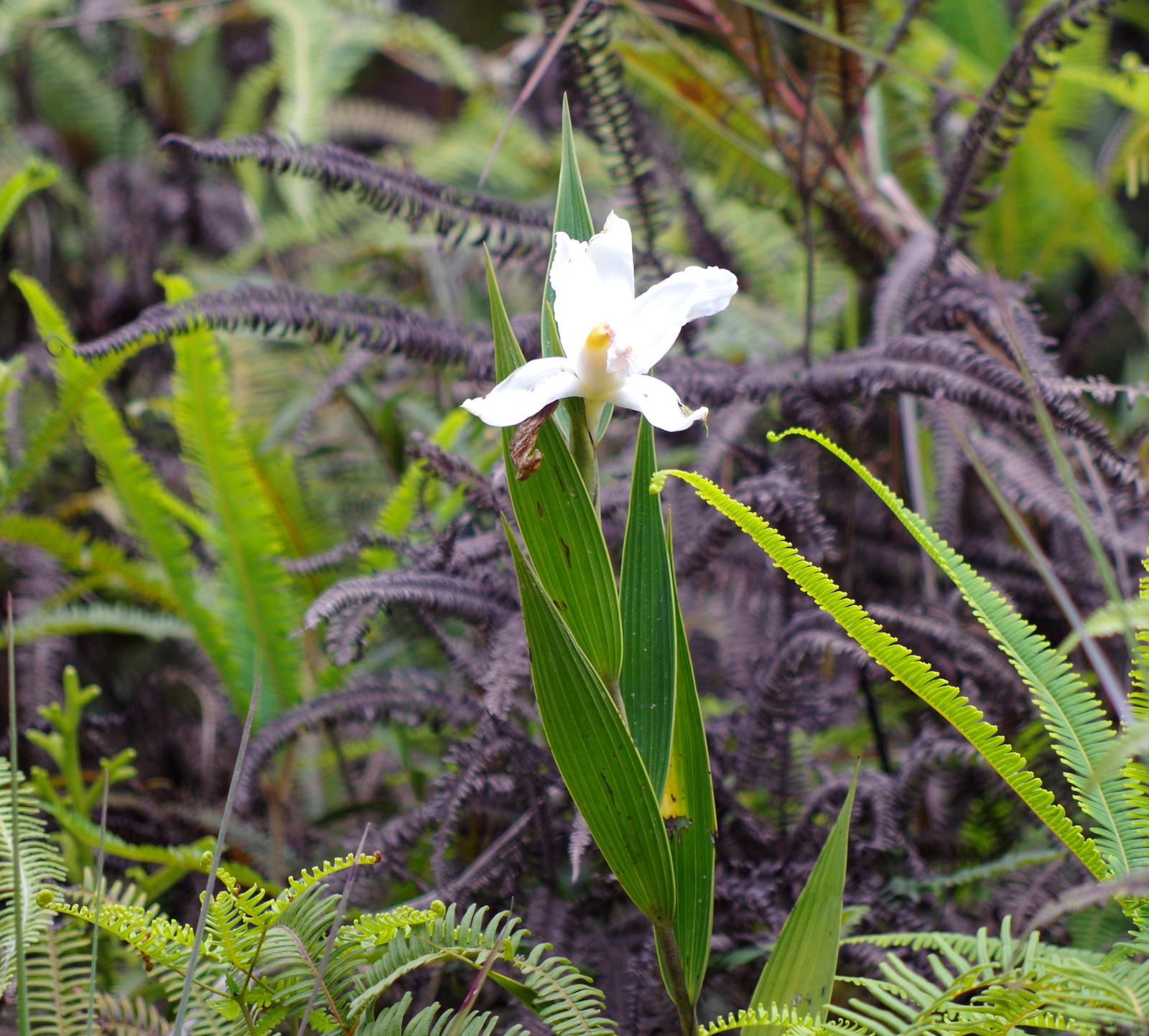
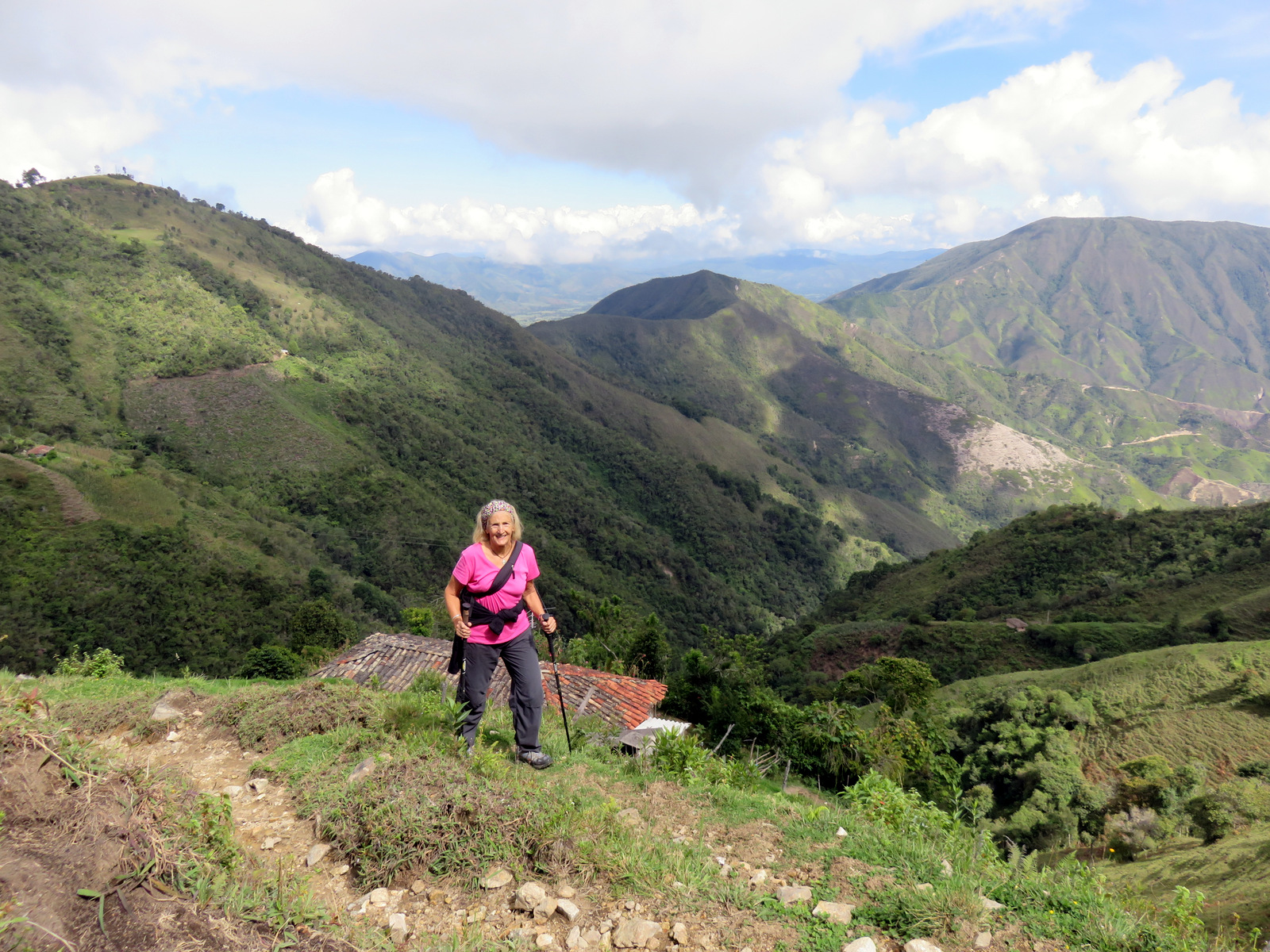
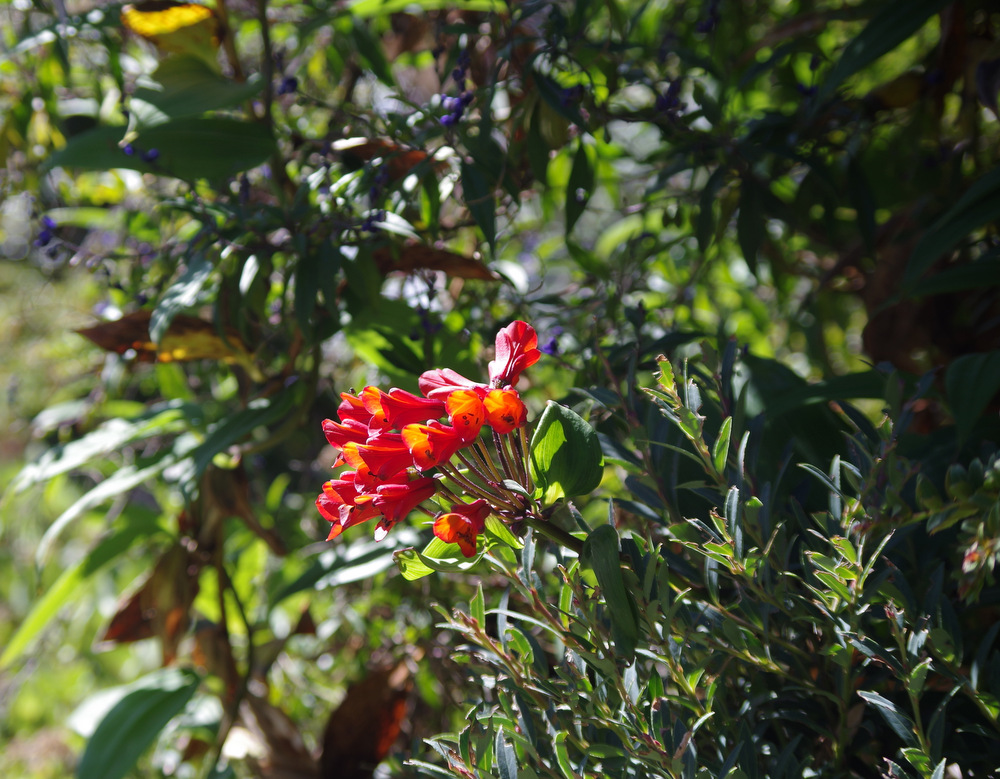
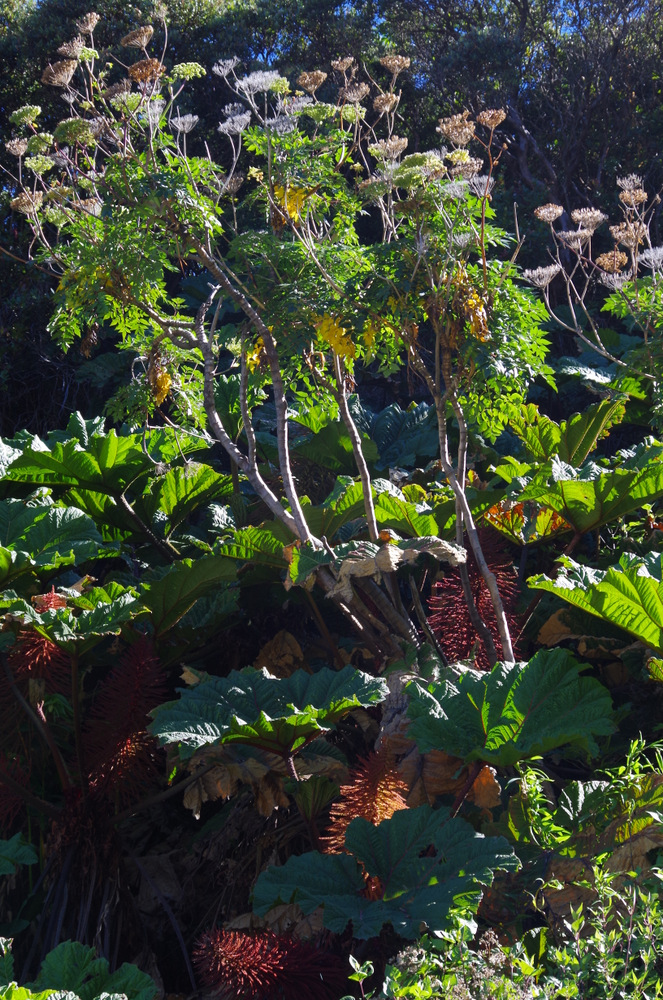
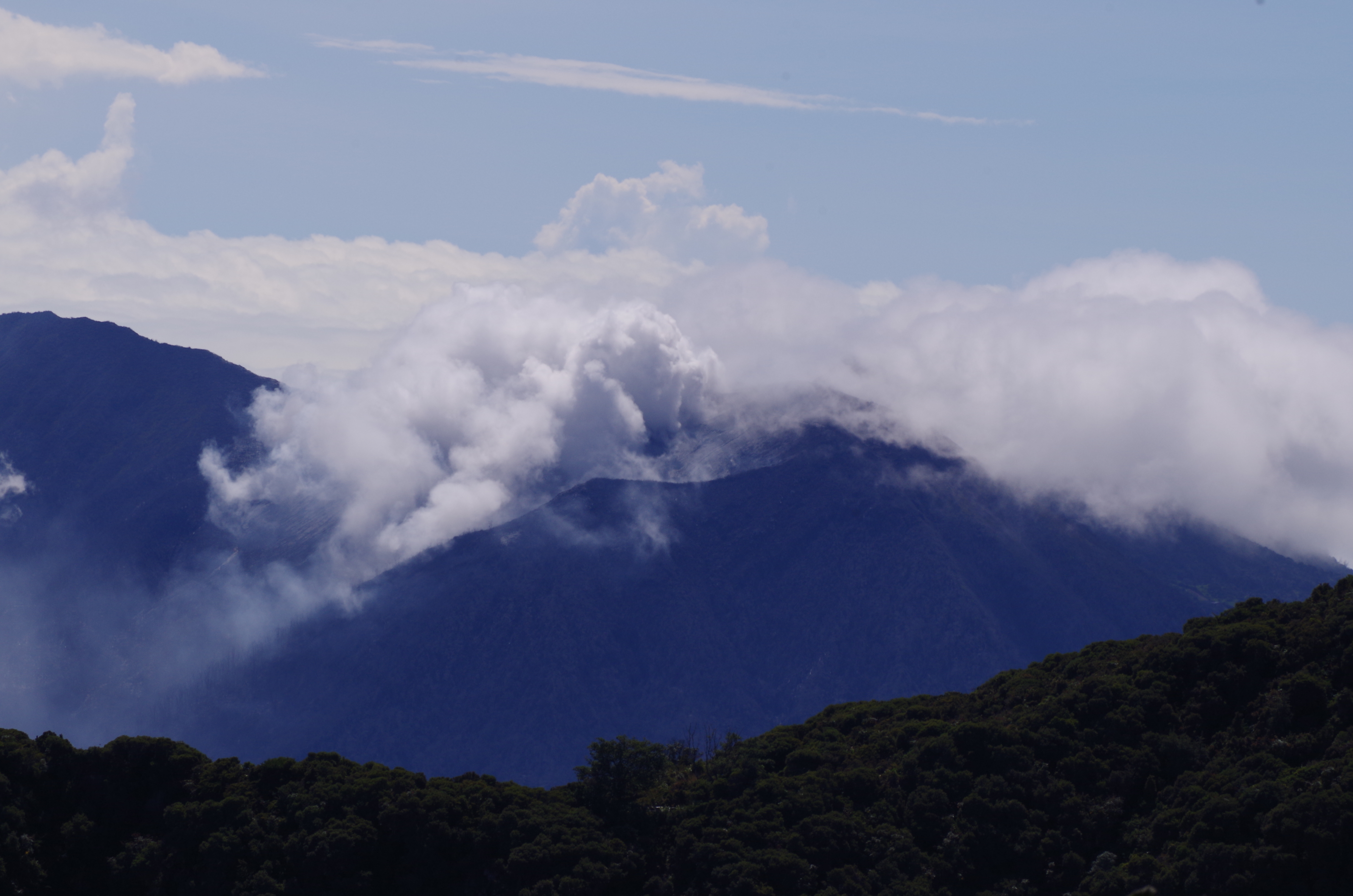
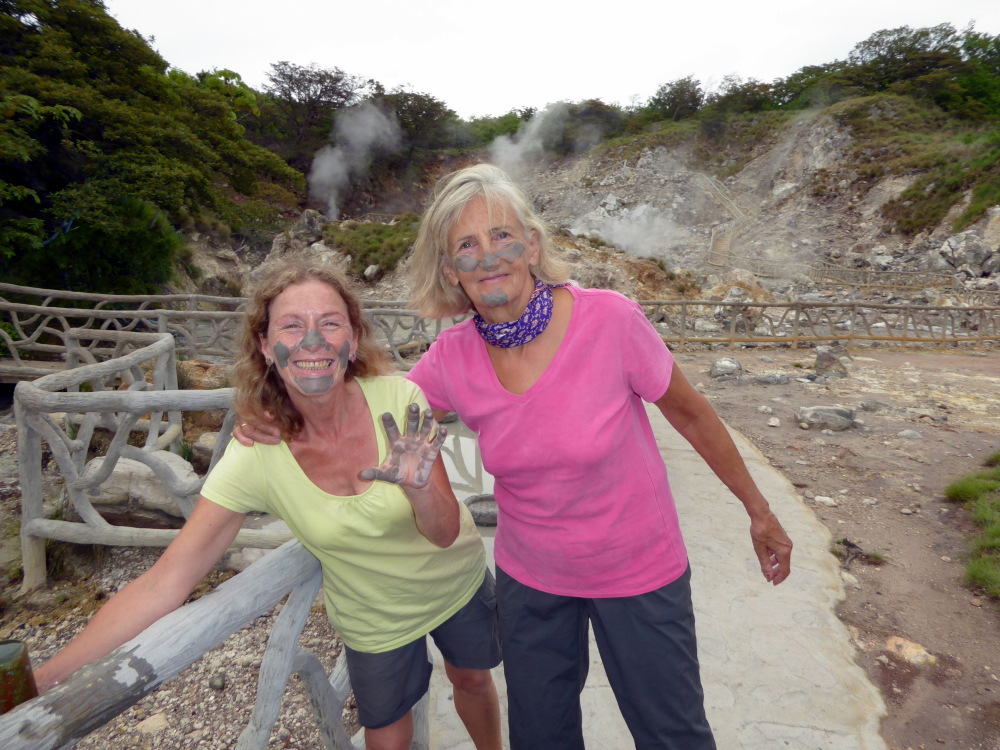
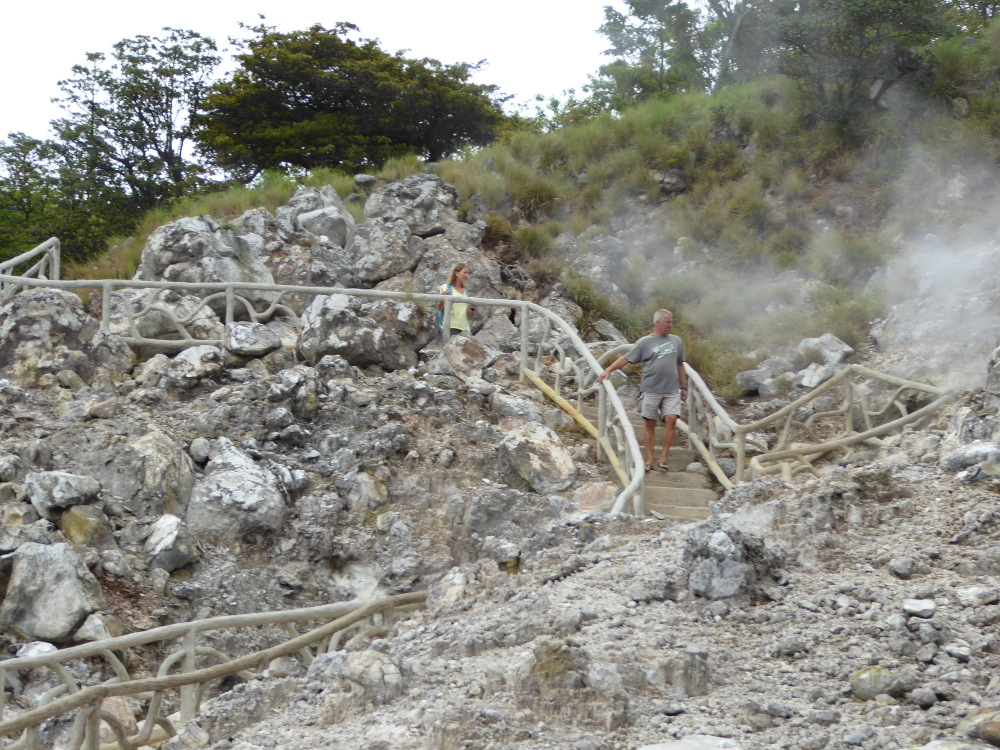
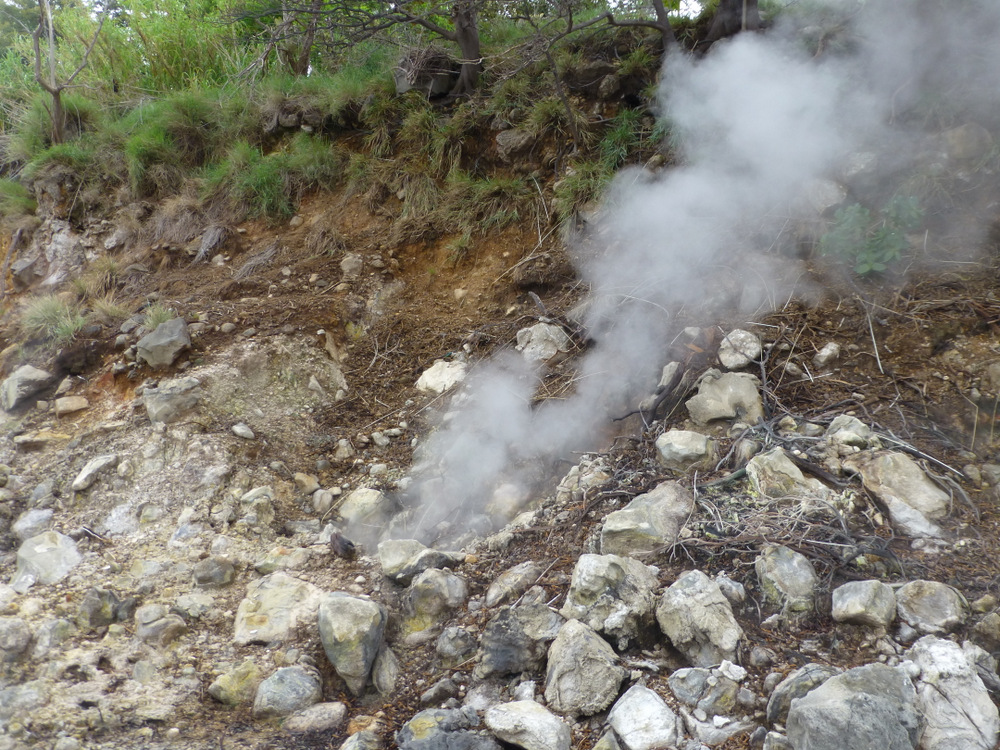
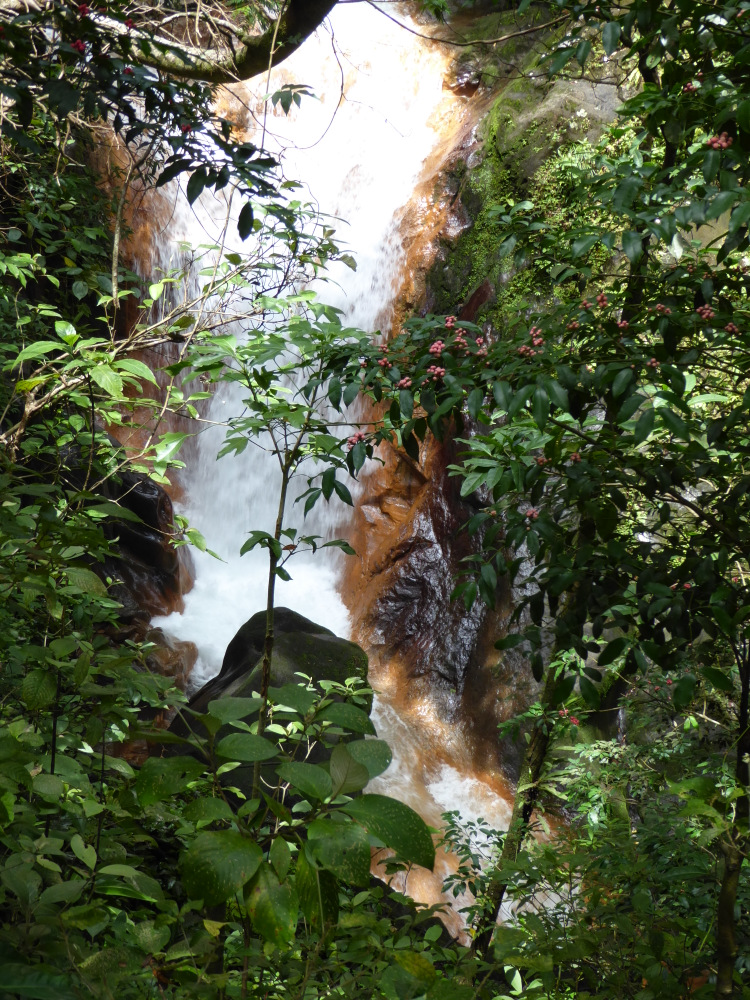
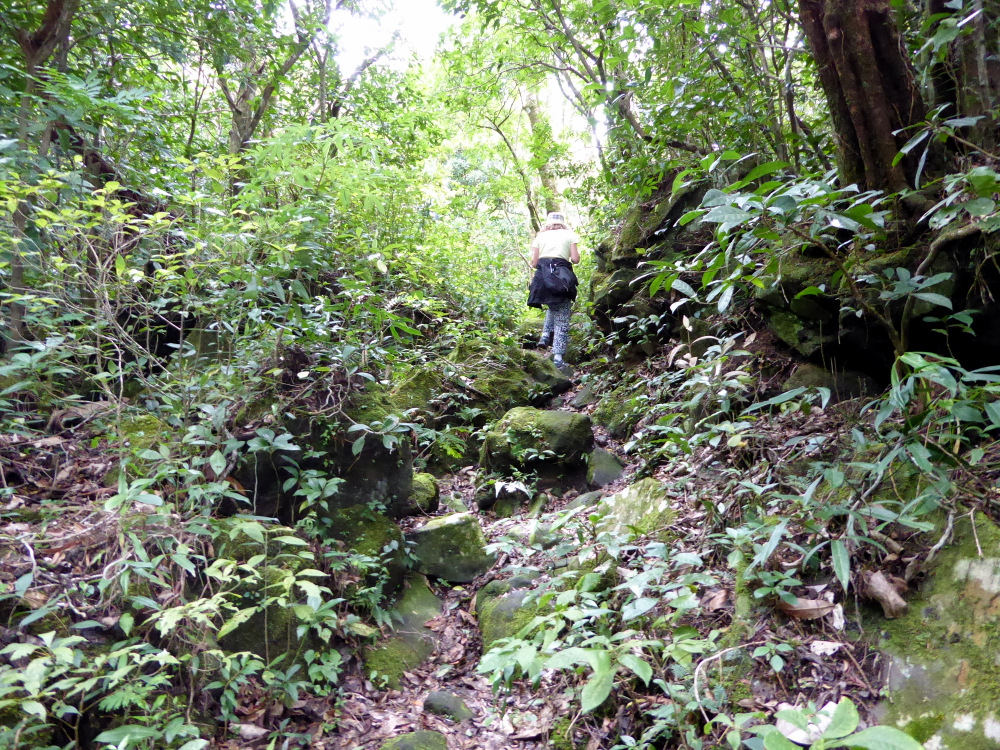
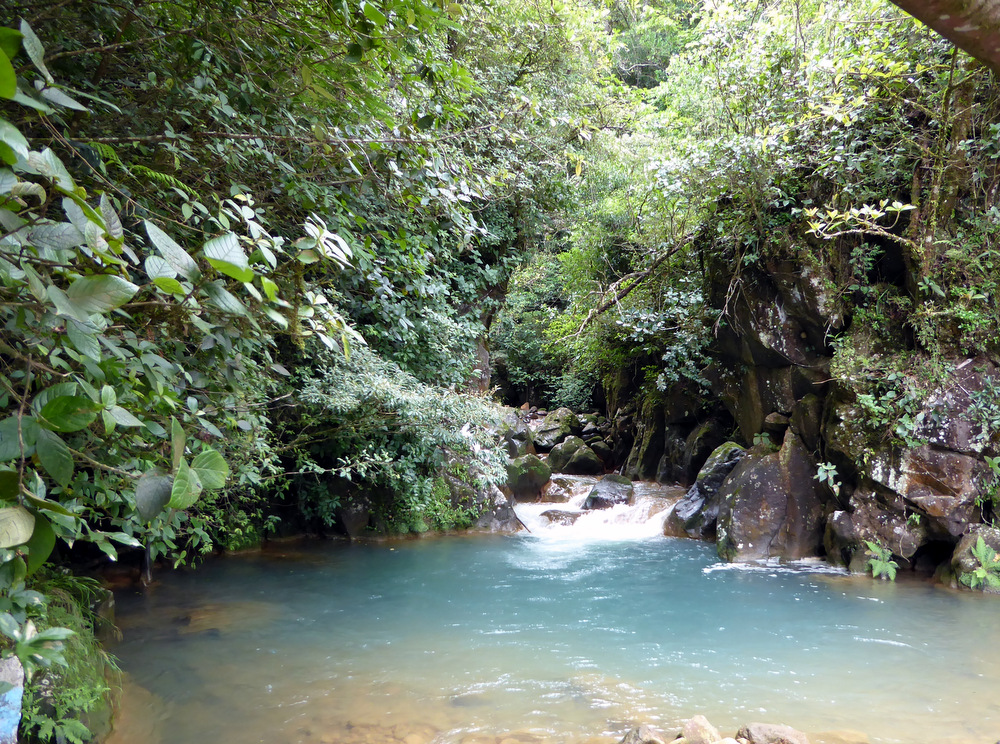
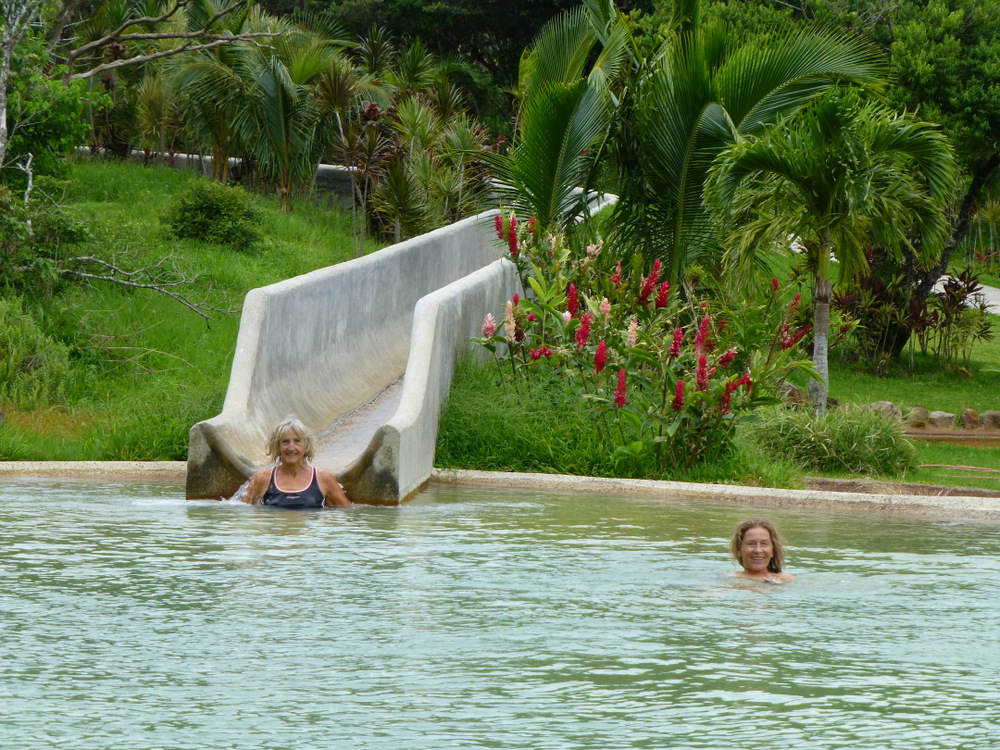
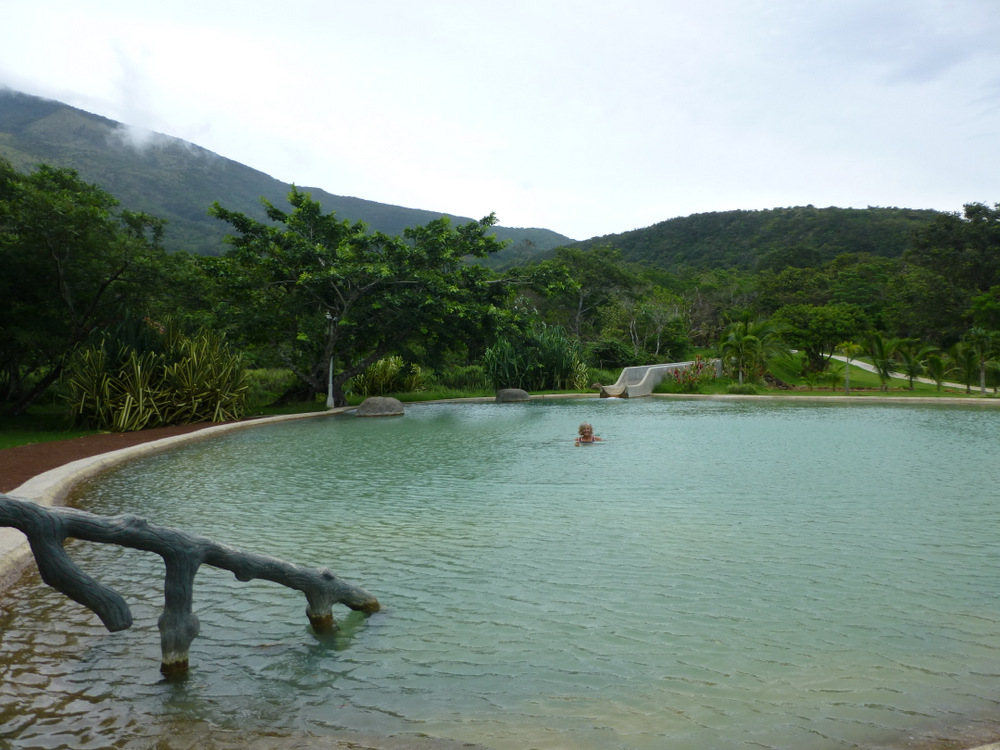
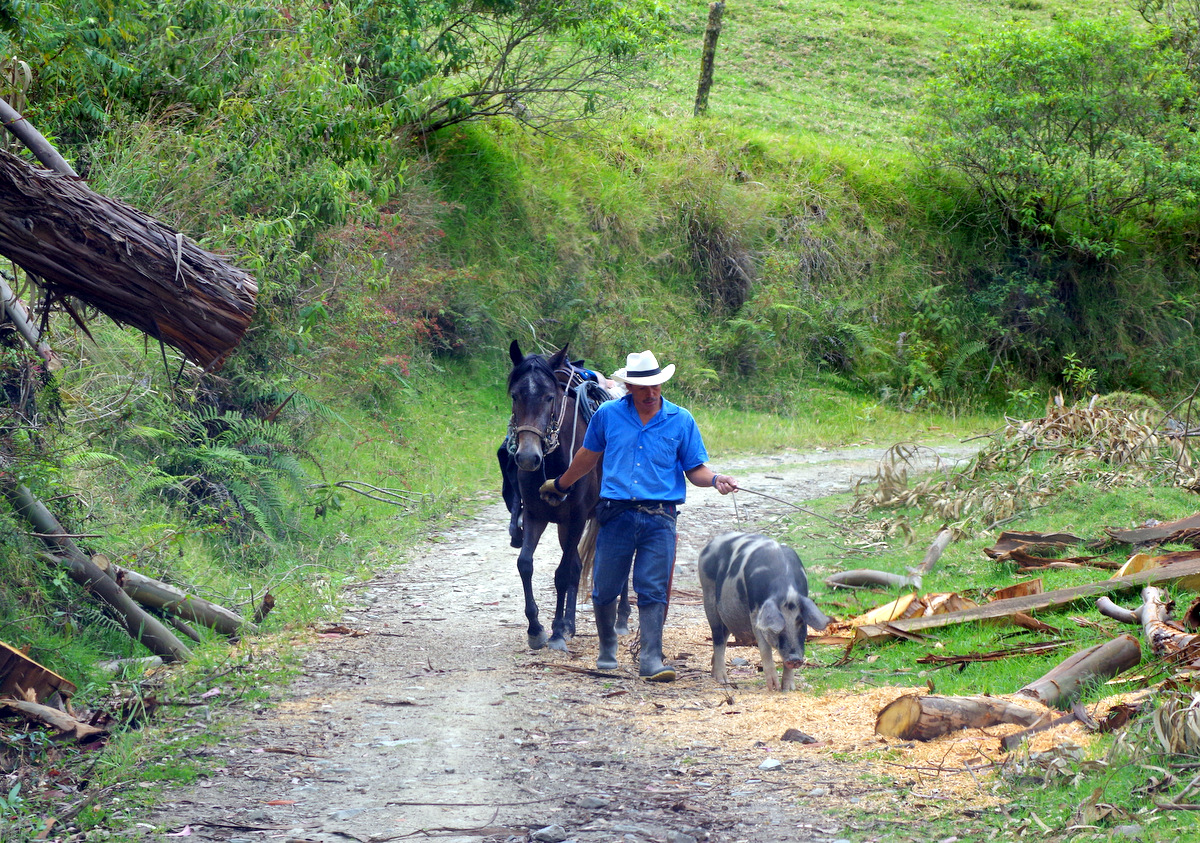
Colombia is famous for its coffee. So we went looking for Juan Valdez, the campesino and his mule Conchita that has been advertising Café de Colombia all over the world for many years. Leaving Bogota we headed west and first drove to Los  Nevados National Park in the central Cordillera of the Colombian Andes. The 5,300 m-high volcano Nevado del Ruiz dominates Los Nevados.  At the Thermales Ruiz we camped, relaxed in the hot water and did some bird watching. The next day though the fog rolled in and the trails to the volcano were closed due to recent volcanic activity. On our walks we could not get over the unusual and beautiful wildflowers and other plants that grow at such a high altitude.

IMGP4457

IMG_1235

Thermales Ruiz

IMGP4466-001

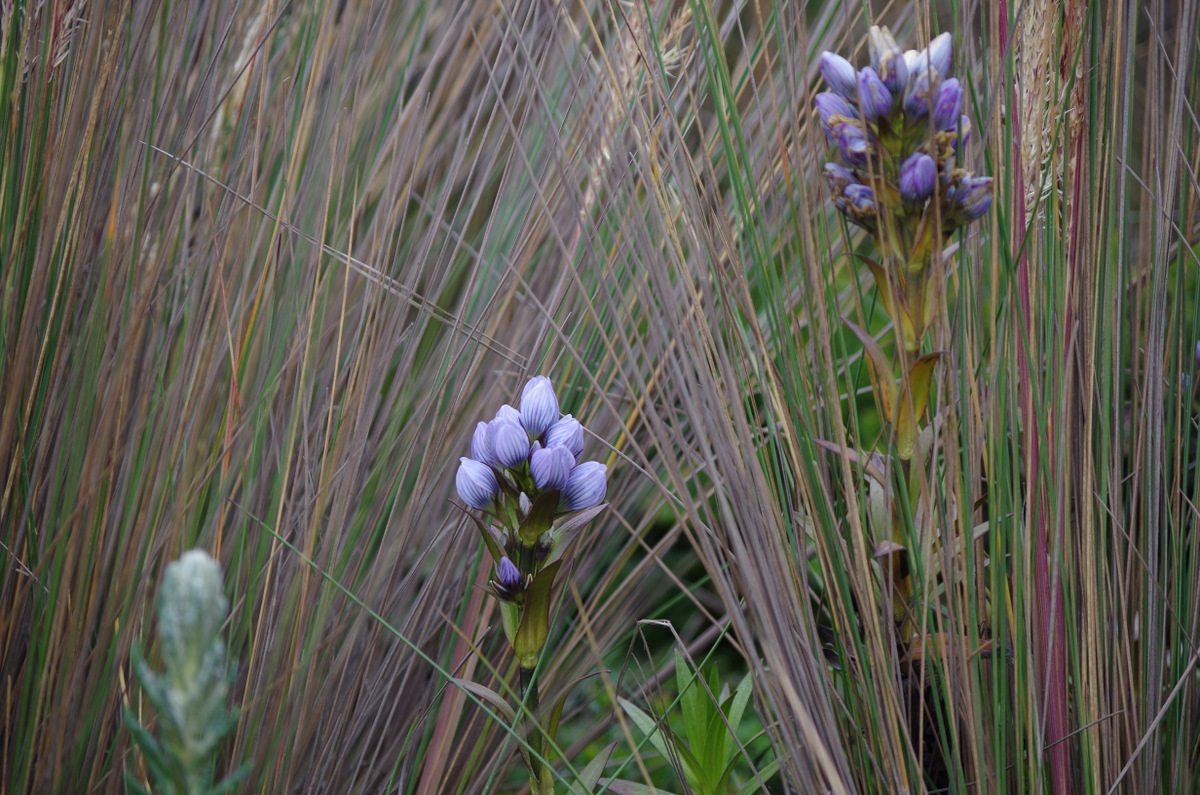
Gentian ? Enzian?

IMGP4466 IMGP4463IMGP4467

IMGP4422

IMGP4411

IMGP4420

Bleeding heart?

IMGP4418

IMGP4453 IMGP4448

IMGP4458

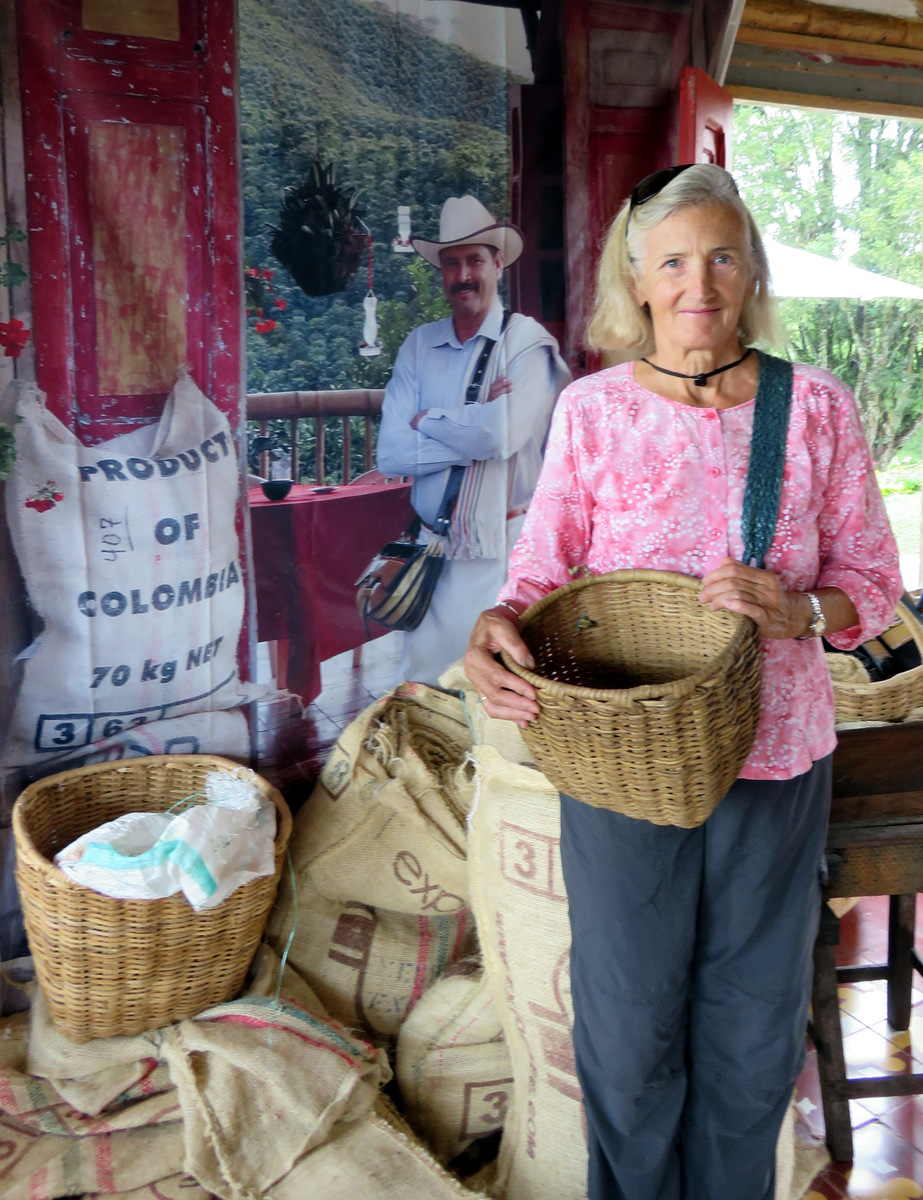
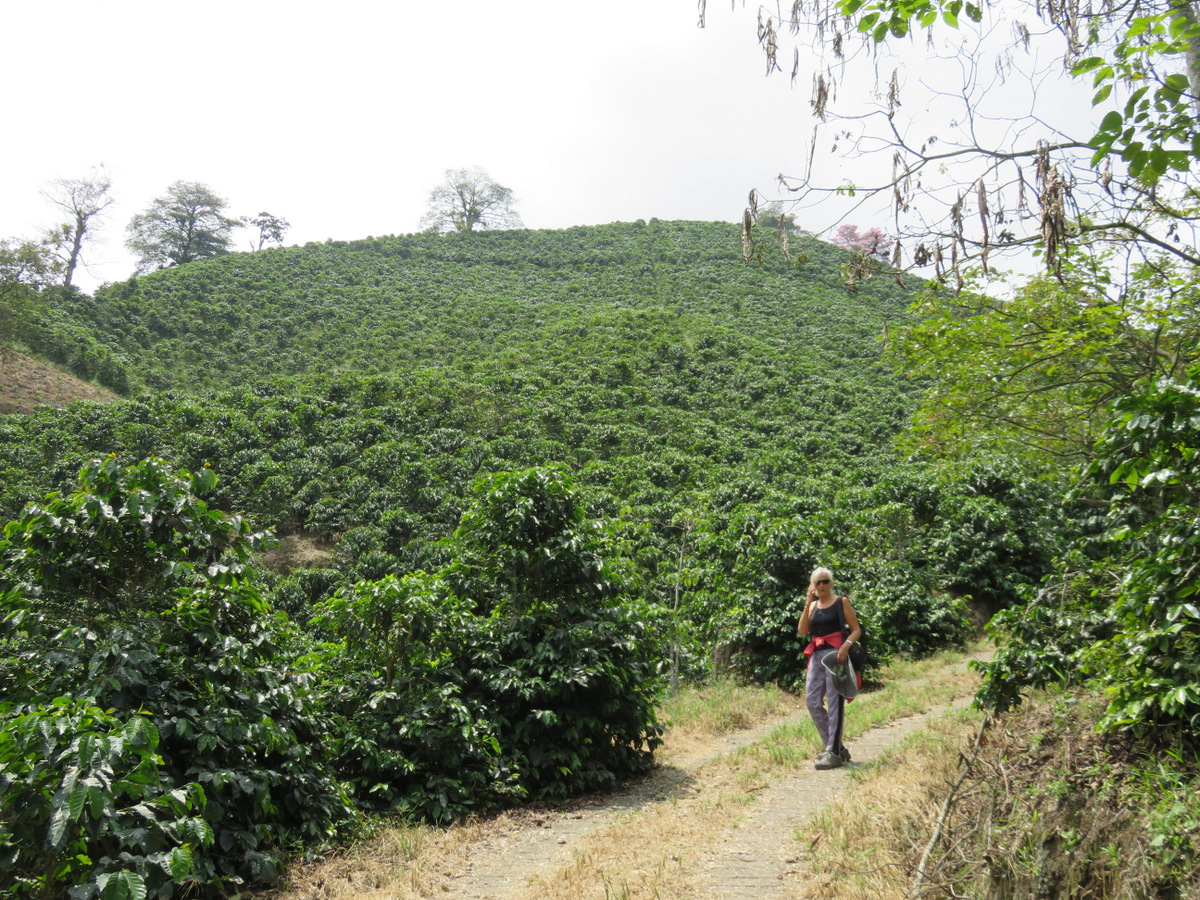
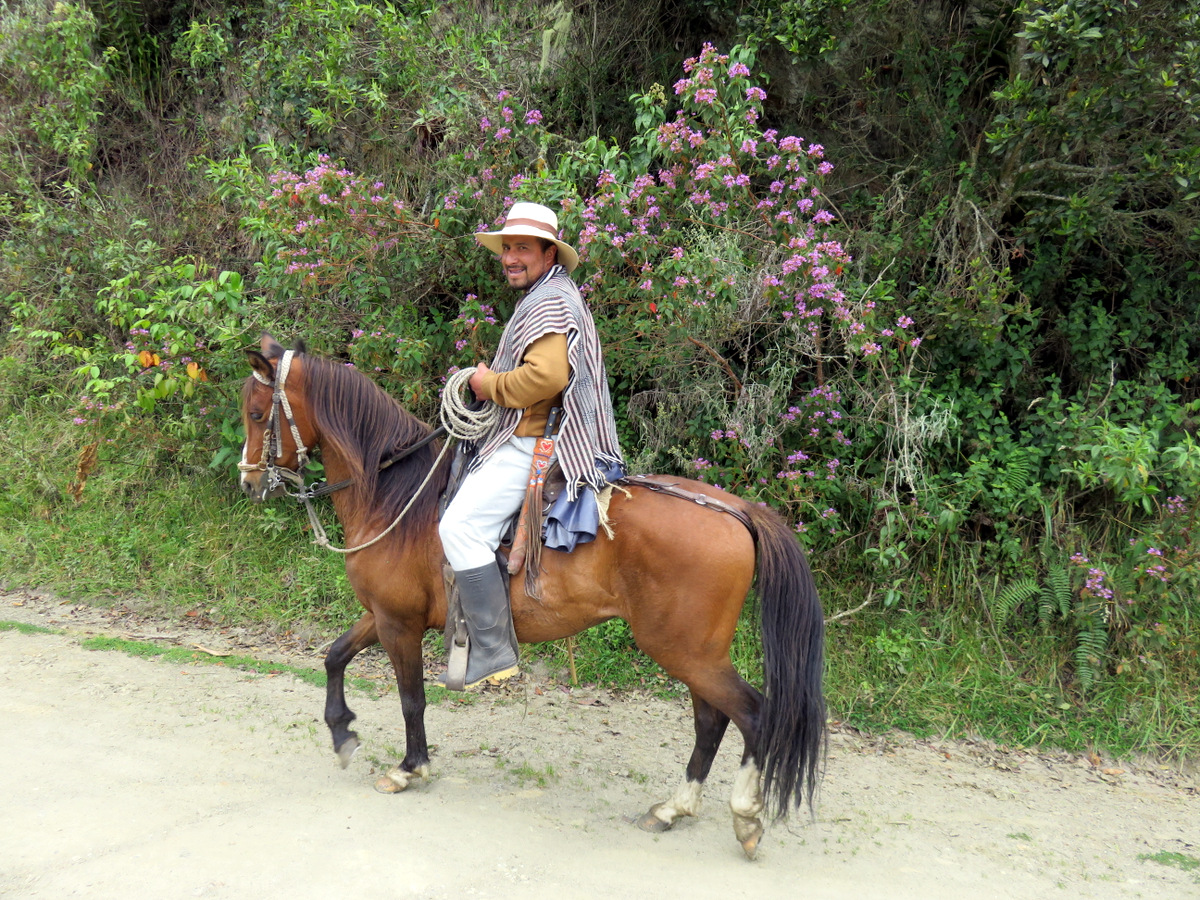
We left, crossed over the Rio Magdalena to Manizales and camped at Hacienda Guayabal in Chinchina. 64 hectar of coffee plants on steep hills, we saw the coffee harvest and production and drank great coffee. There we finally ran into Juan Valdez.

IMG_1312

Juan Valdez is watching you!

IMG_1321

Coffee cherries, ripe for the picking (yellow and red anyway)

IMG_1284

C A F F E E trink nicht so viel Kaffee…..lala

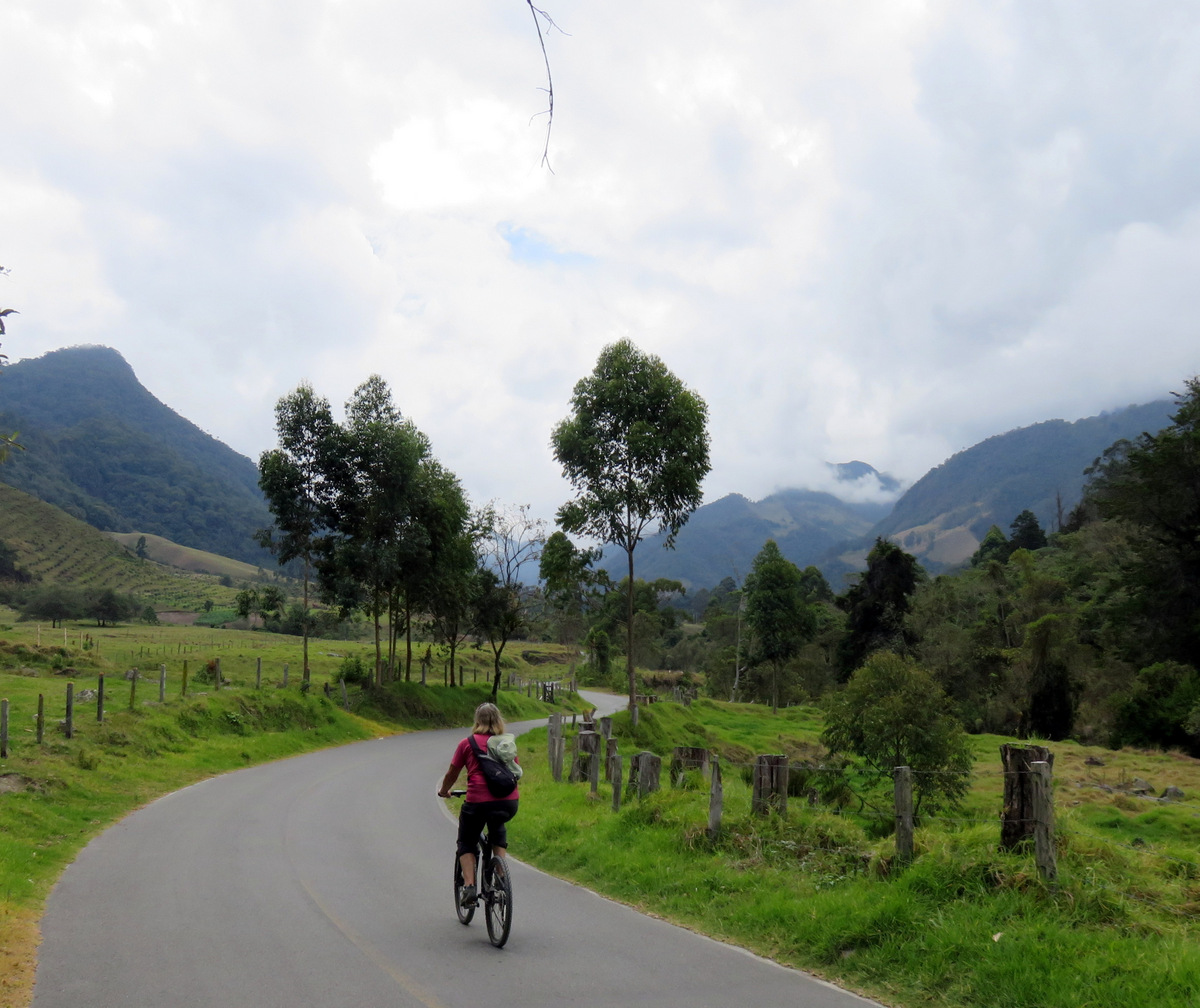
On to Salento we went, broke out the bicycles and rode to the Valle do Cocora, famous for the very high wax palms, the nation tree of Colombia.

IMG_1333

Riding up the Cocora Valley.

IMGP4506

Wax palms grow up to 60 meters in hight.

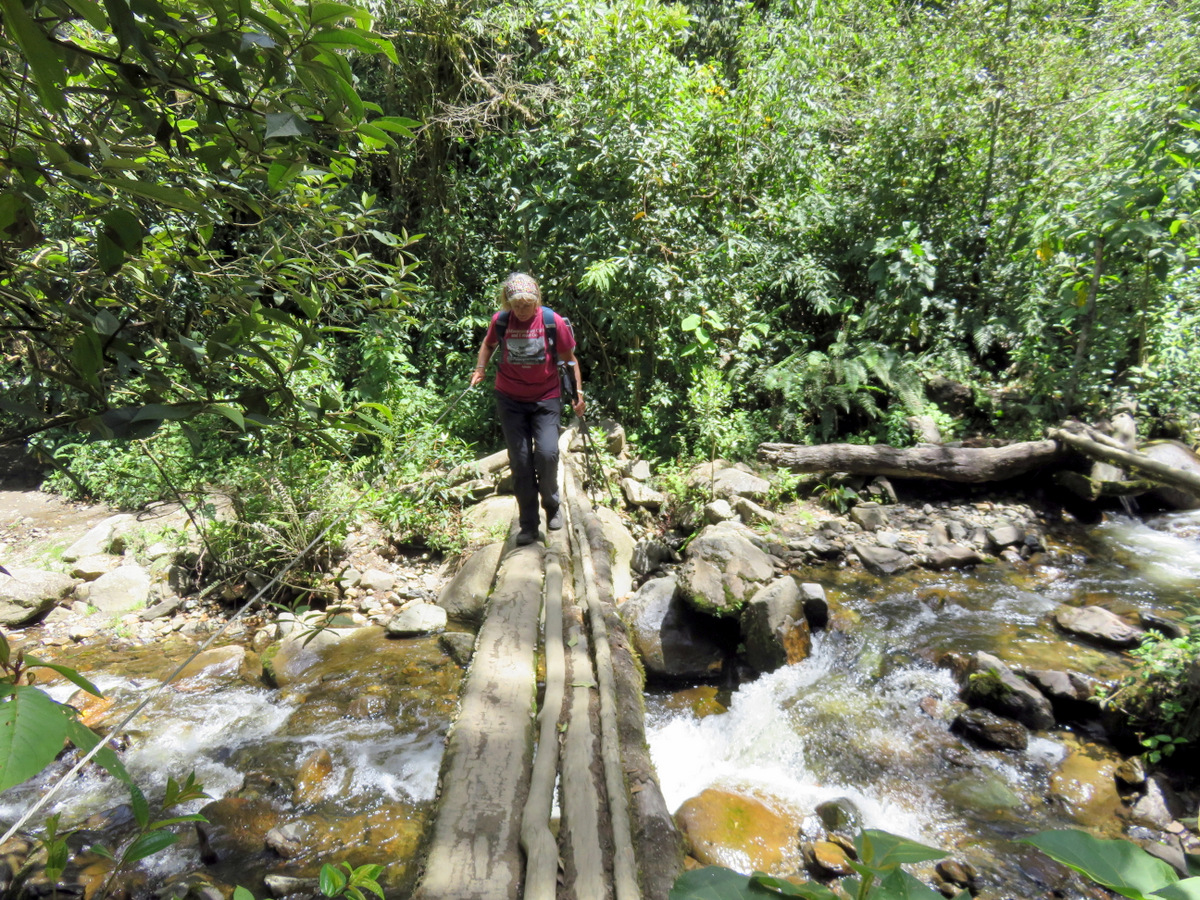
Salento is a pretty town , has great climate and is a major tourist destination. People from other parts of Colombia come here on the weekends. It is also crowded with backpackers and has many hostels. We did the popular hike to the hut in the hills, drank hot chocolate with cheese (you put them in the hot chocolate) and enjoyed the views.

G in Salento

Salento and hiker.

IMG_1418

Views of Cocora Valley.

IMG_1398

IMGP4494

That’s a loooong tail!

IMGP4493

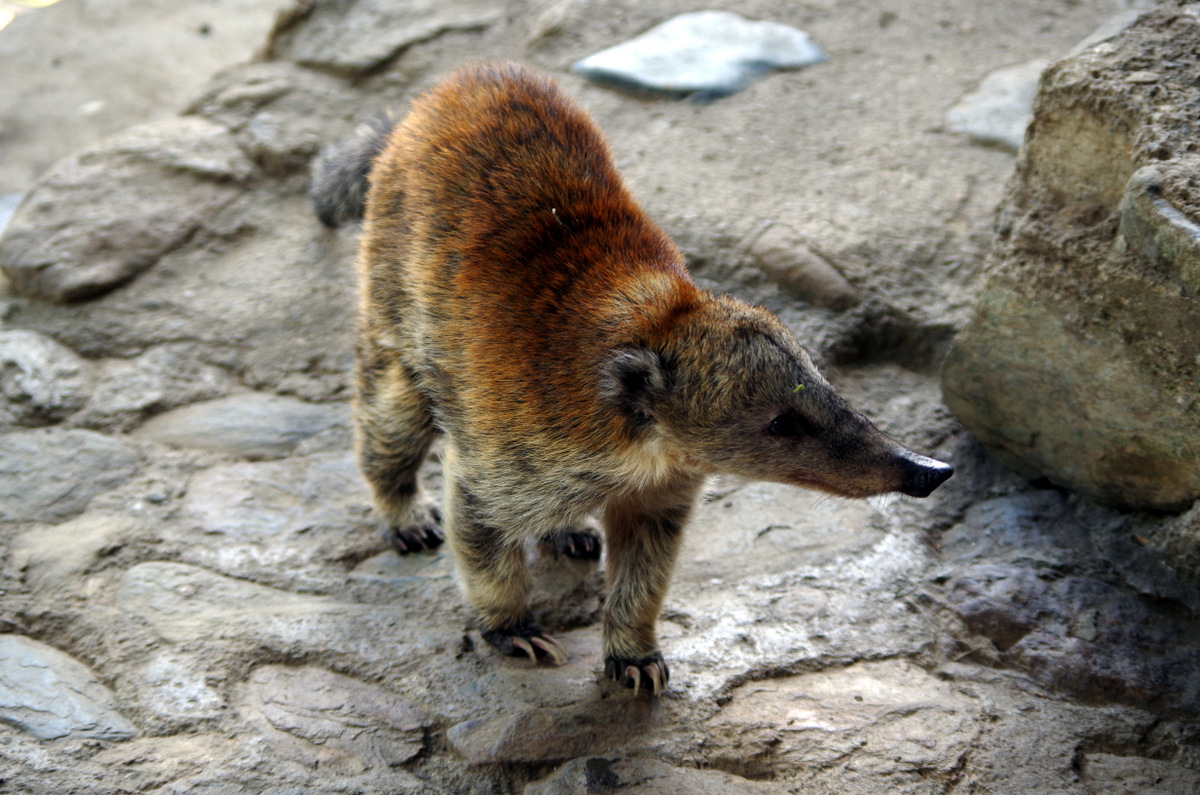
Coati at the “hot-chocolate-and-cheese-hut”.

IMGP4492

IMGP4491 IMGP4487


IMGP4495

Hot chocolate and cheese…..

IMG_1353

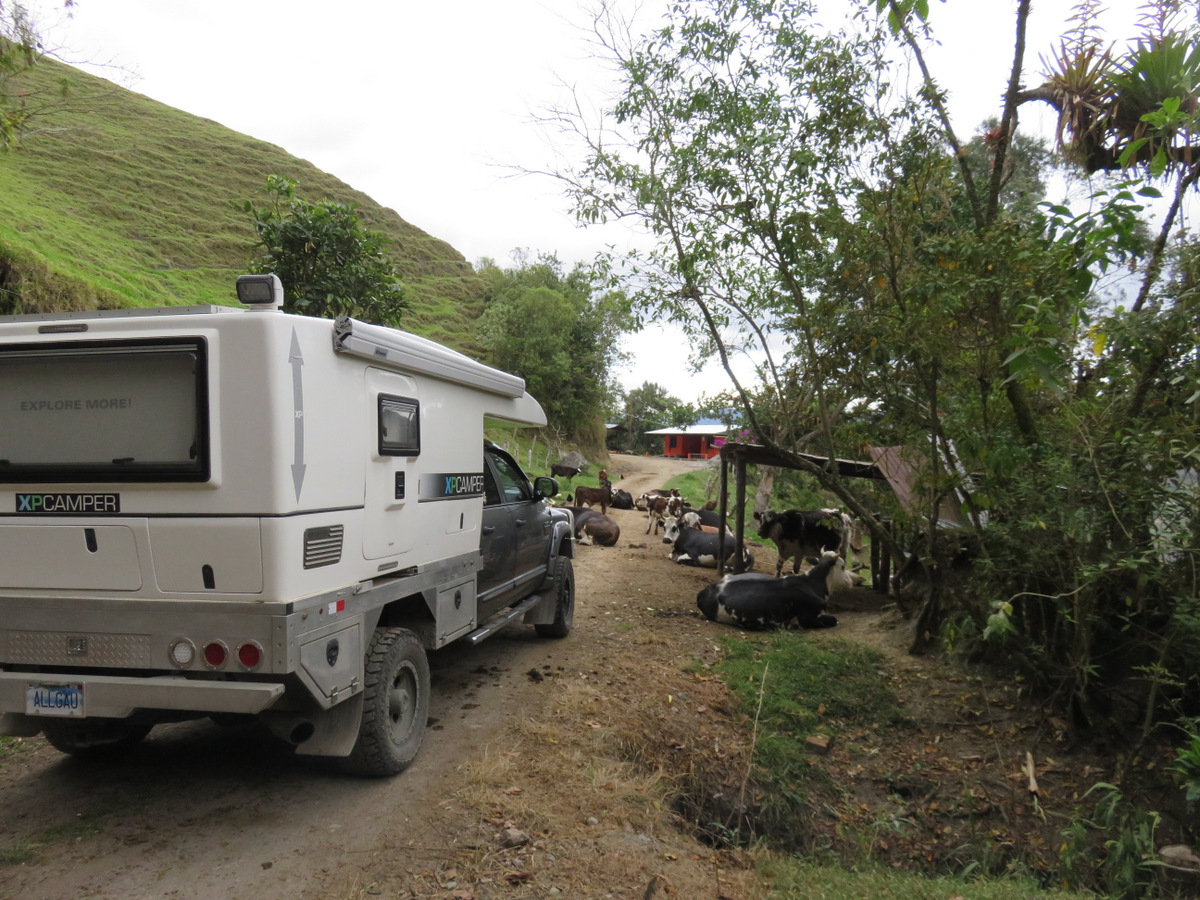
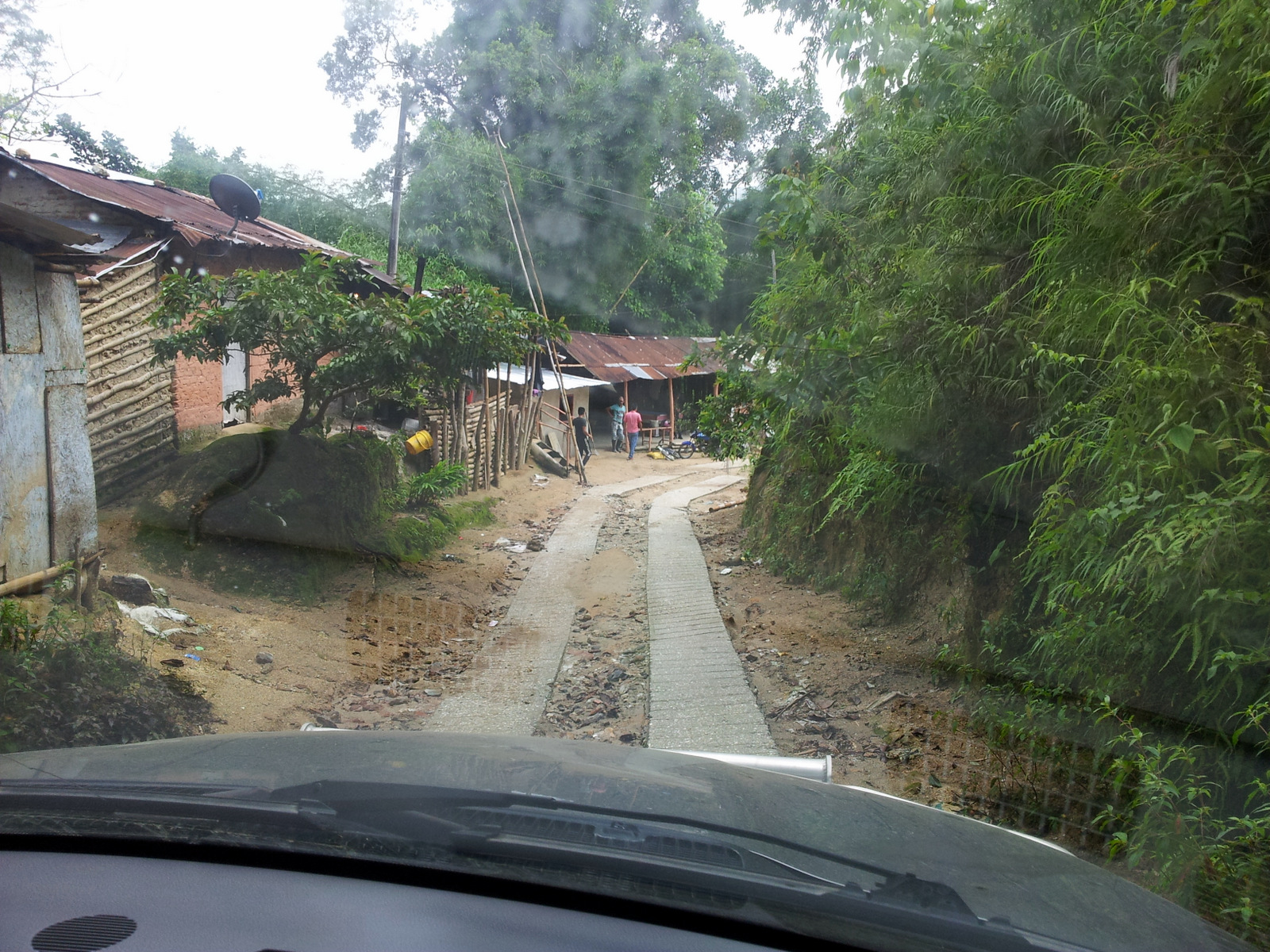
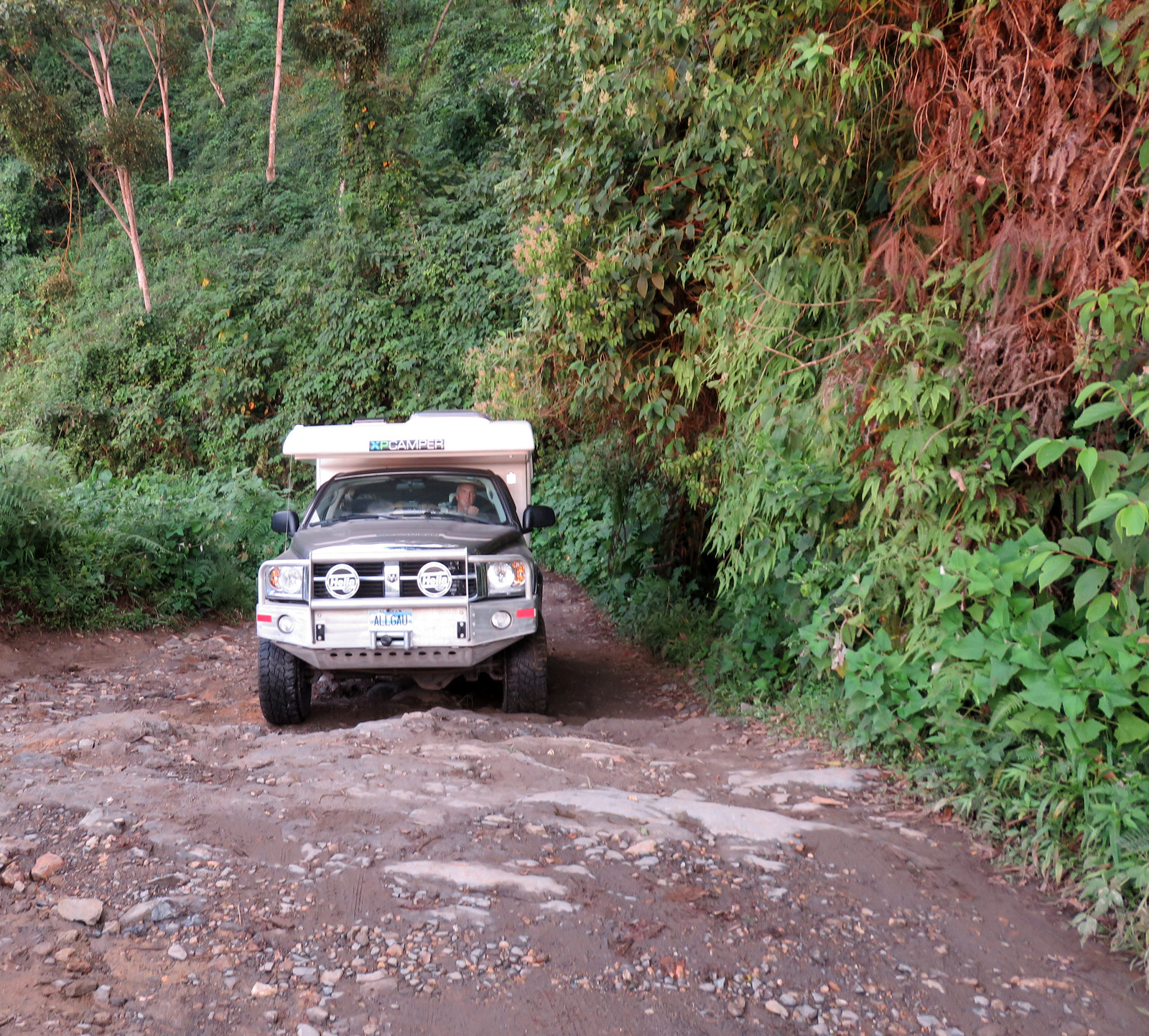
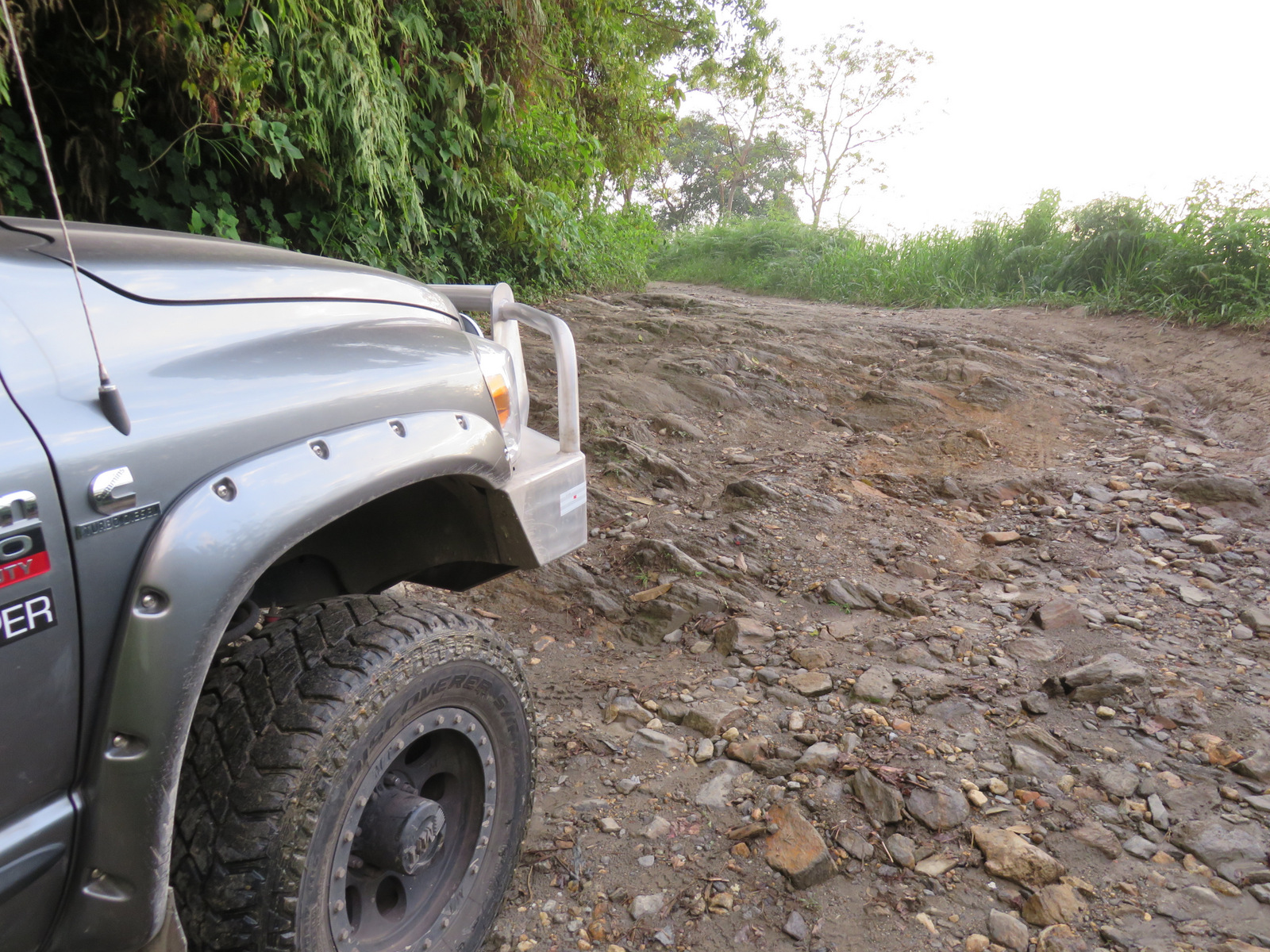
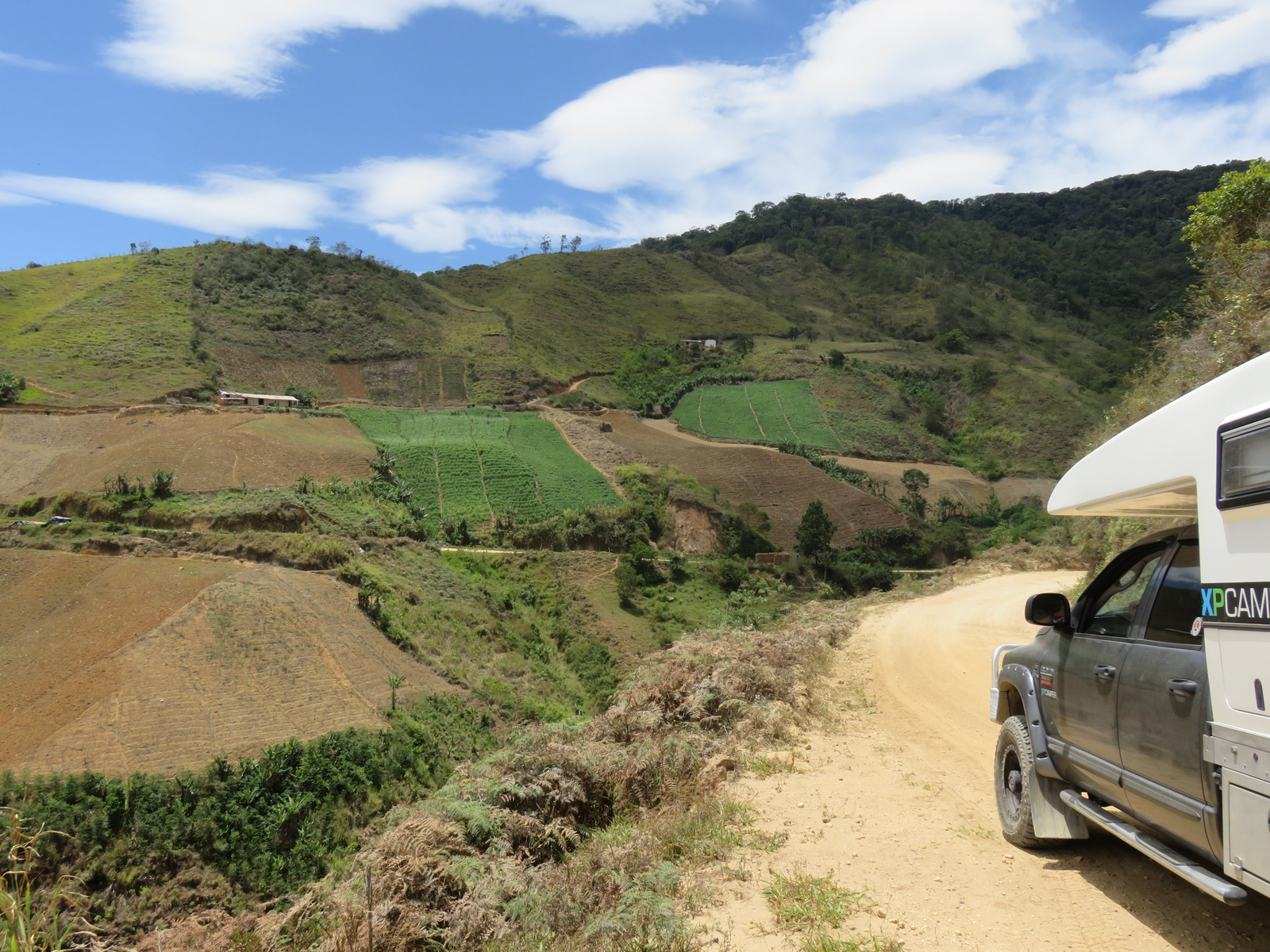
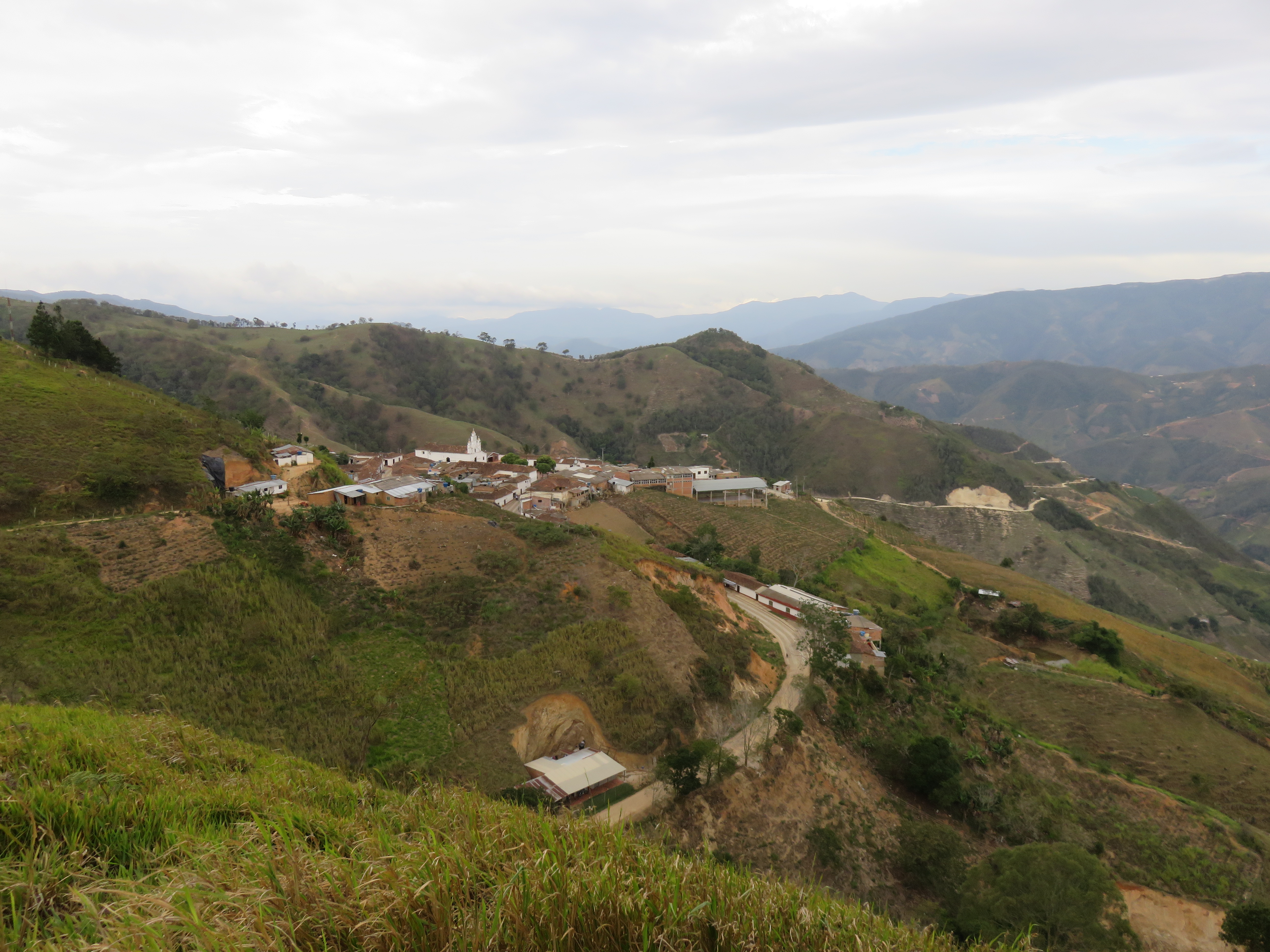
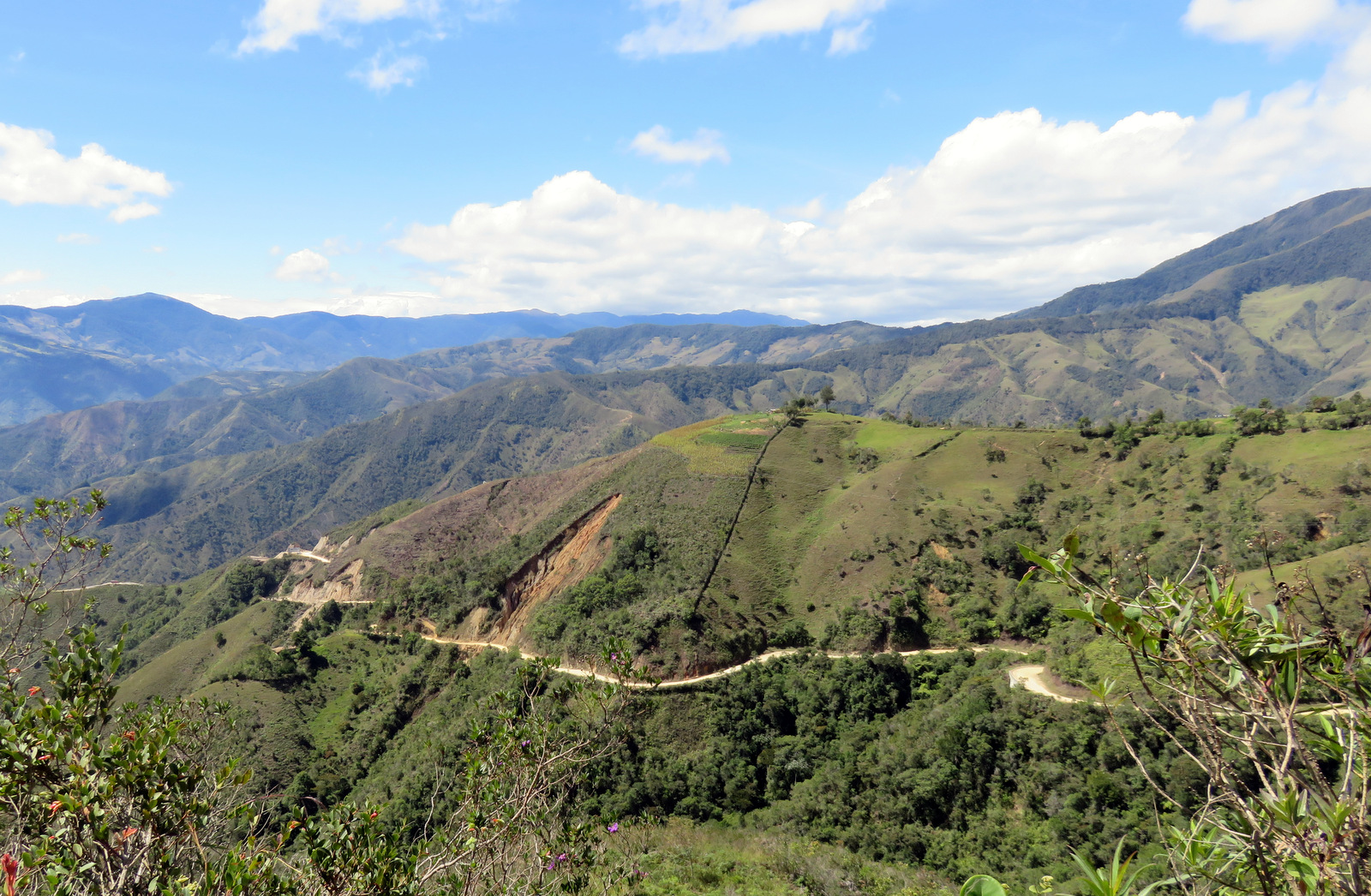
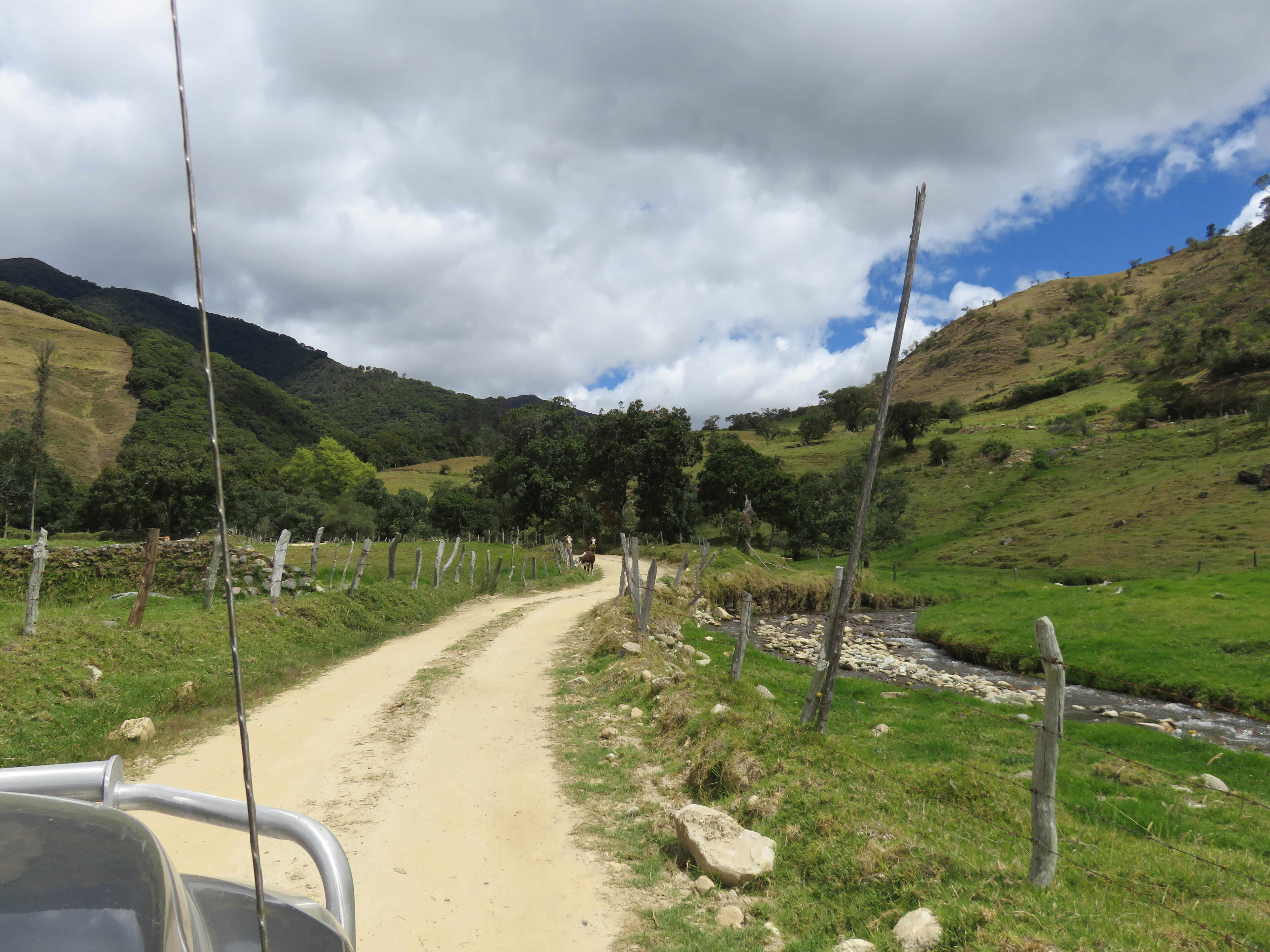
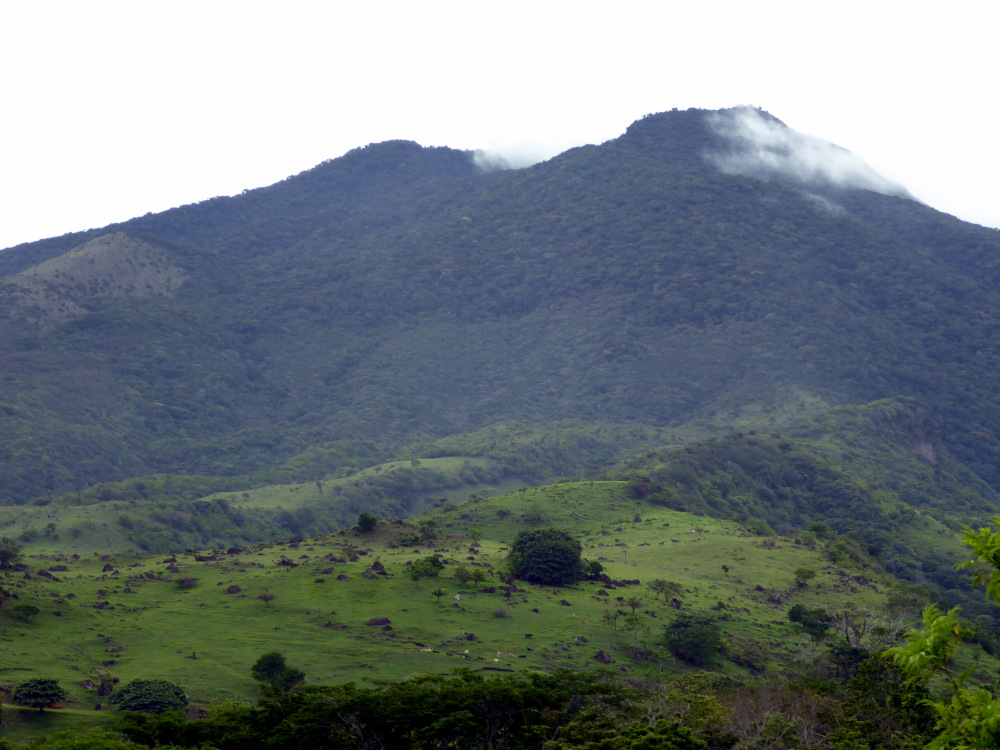
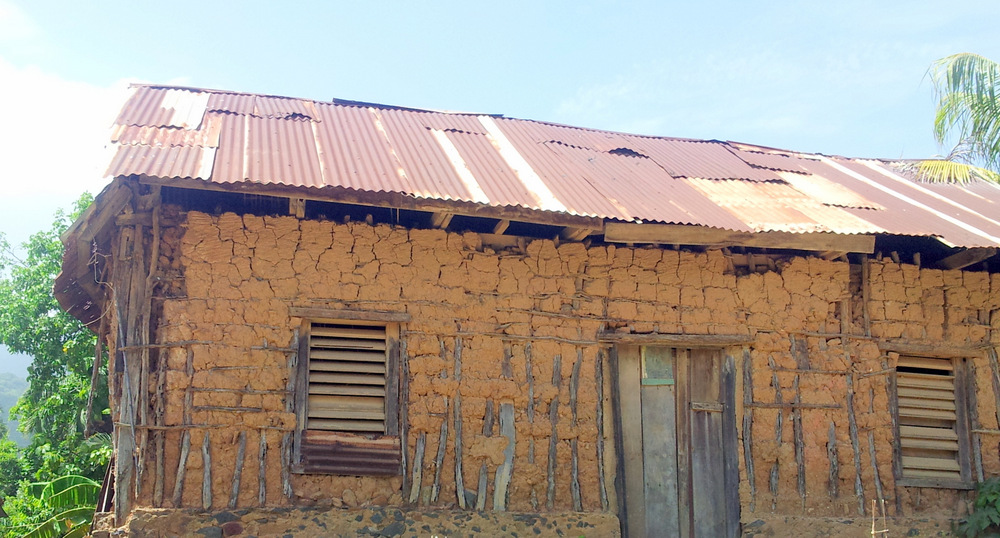
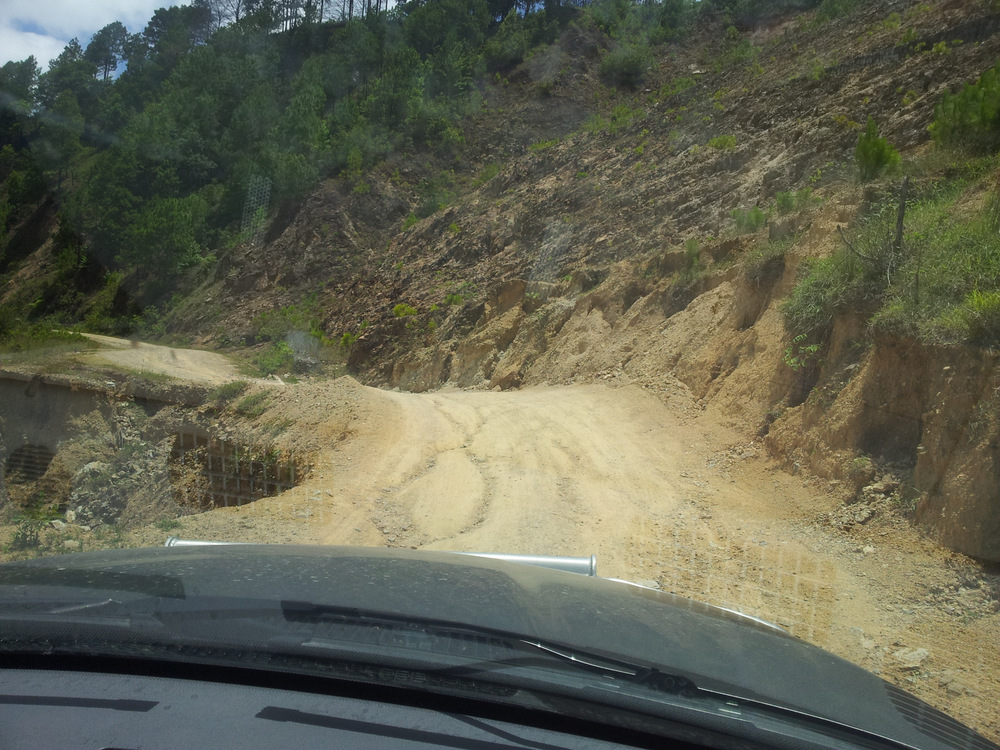
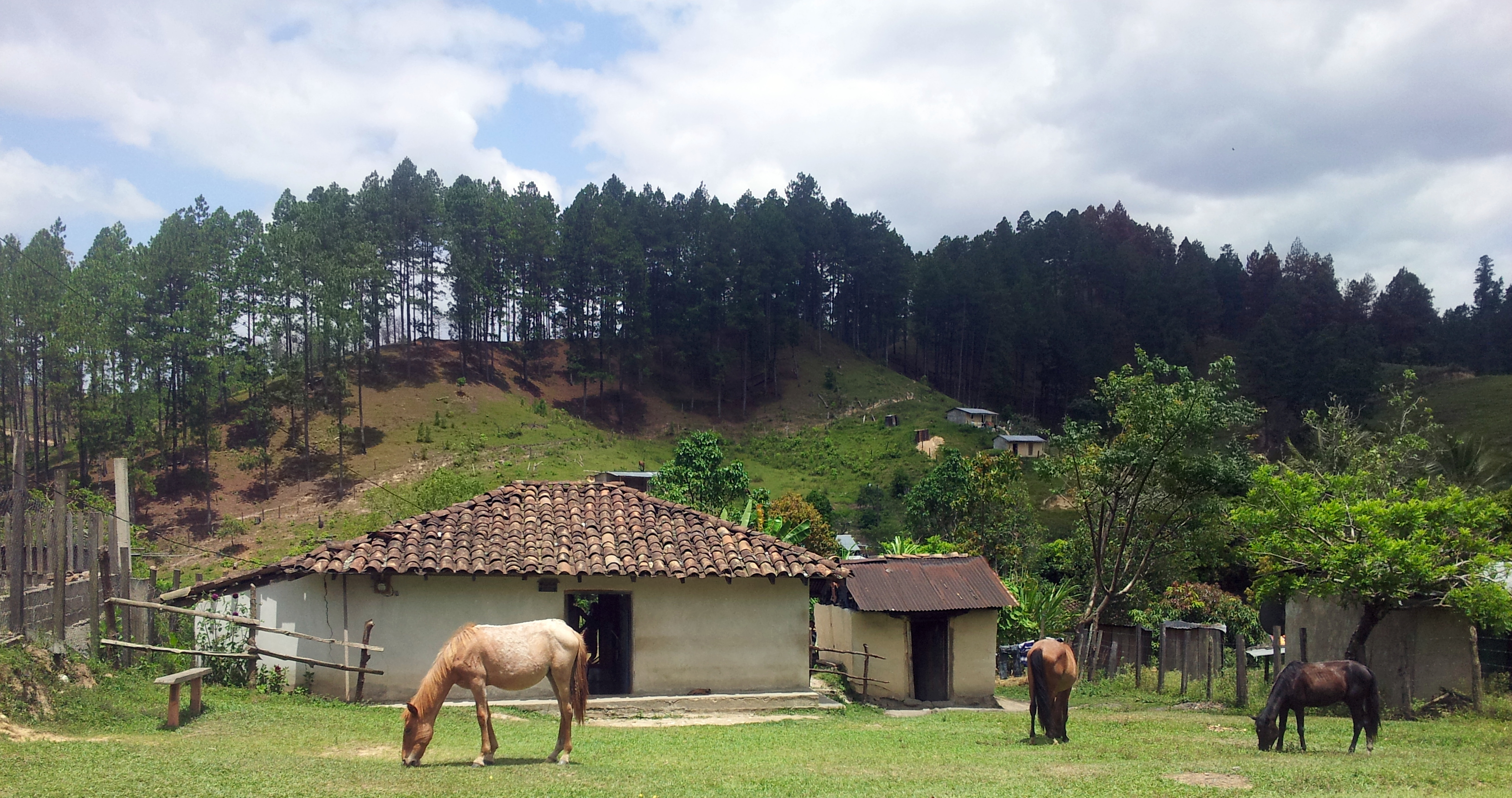
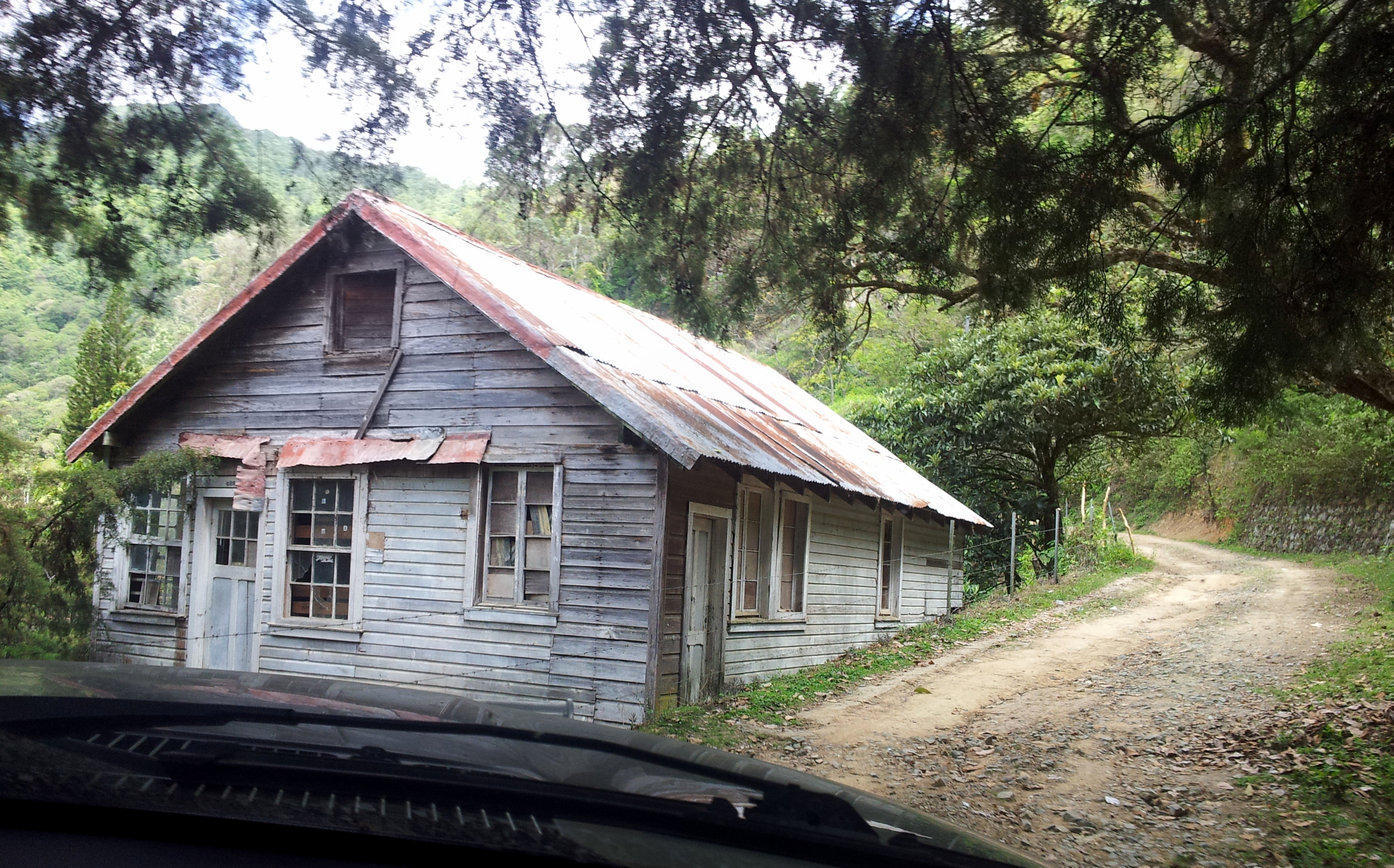
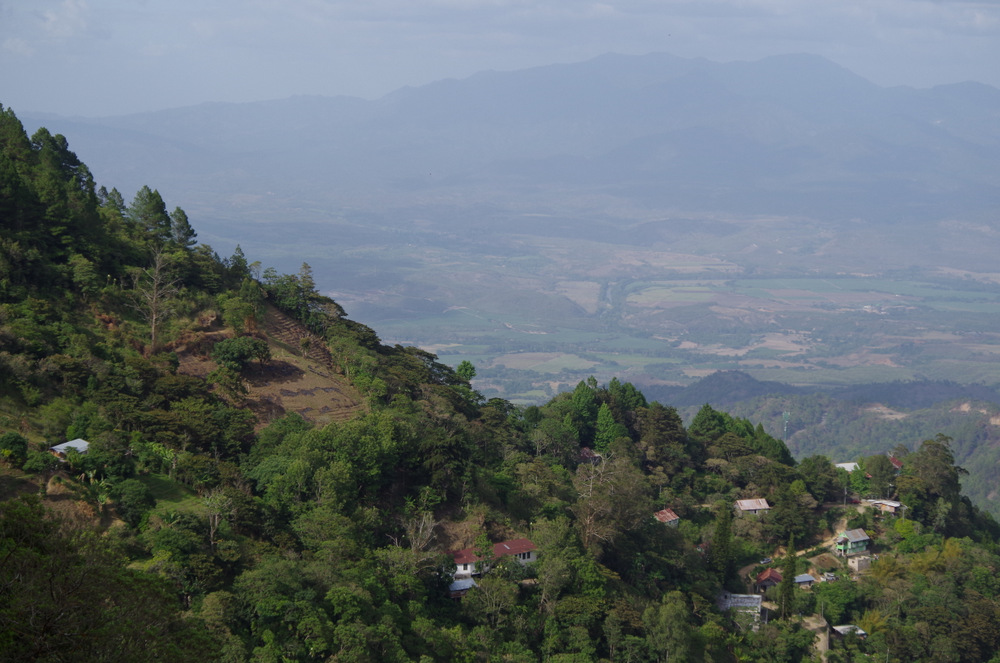
In town we talked to the owner of a bicycle rental and he pointed out a road on a map that goes over the mountains to Ibarra. He said there are many more wax palms on that route. We wanted to see that, so we took off and headed out of Salento up into the mountains again. It was a beautiful drive, single track dirt road (4×4 not needed) and winds its way over passes and through valleys. In Toche we took a left and continued up again. When it got late in the day we camped beside the road under the peak of Cerro Machin Volcano, near a hot spring. There was no traffic at all other than people on horseback or on foot. And the wax palms were everywhere, whole forests, we came to realize that they actually grow in/as a forest and what we had seen in the Valley de Cocora were sad remnants of a forest that had been cleared for cattle farming.

IMGP4514

A wax palm forest untouched.

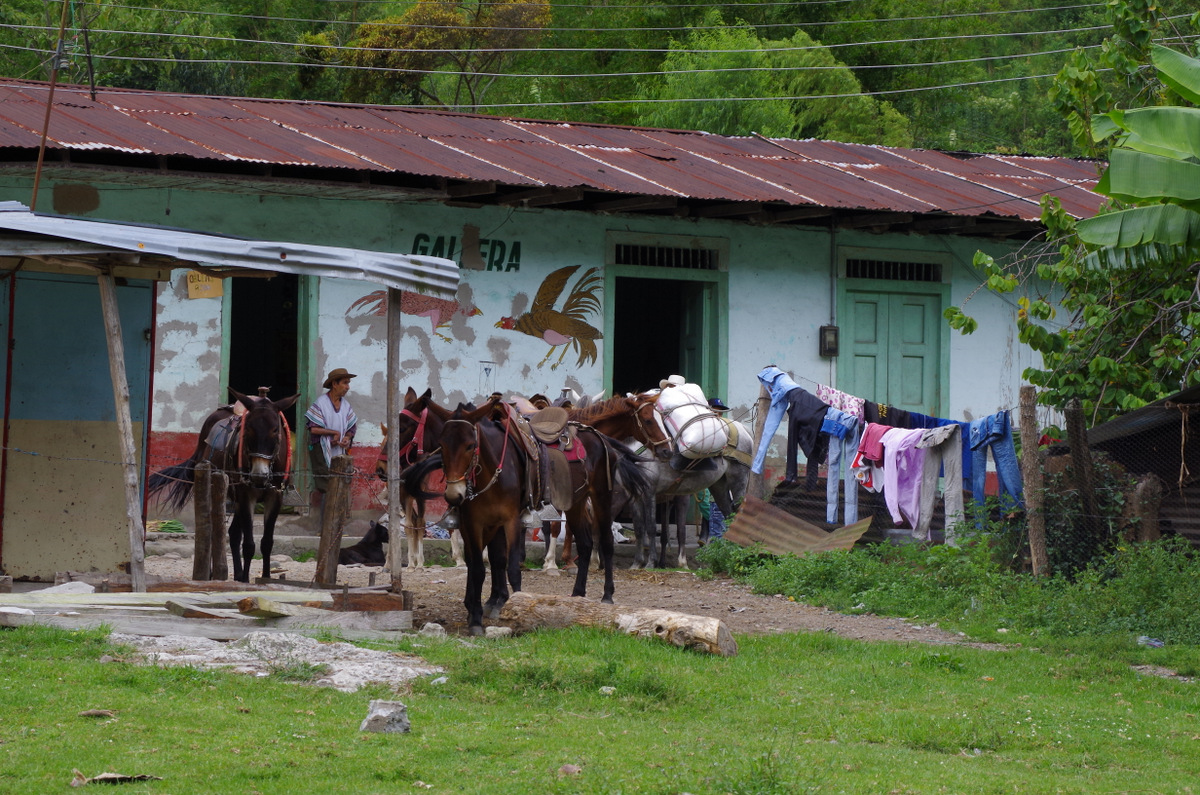
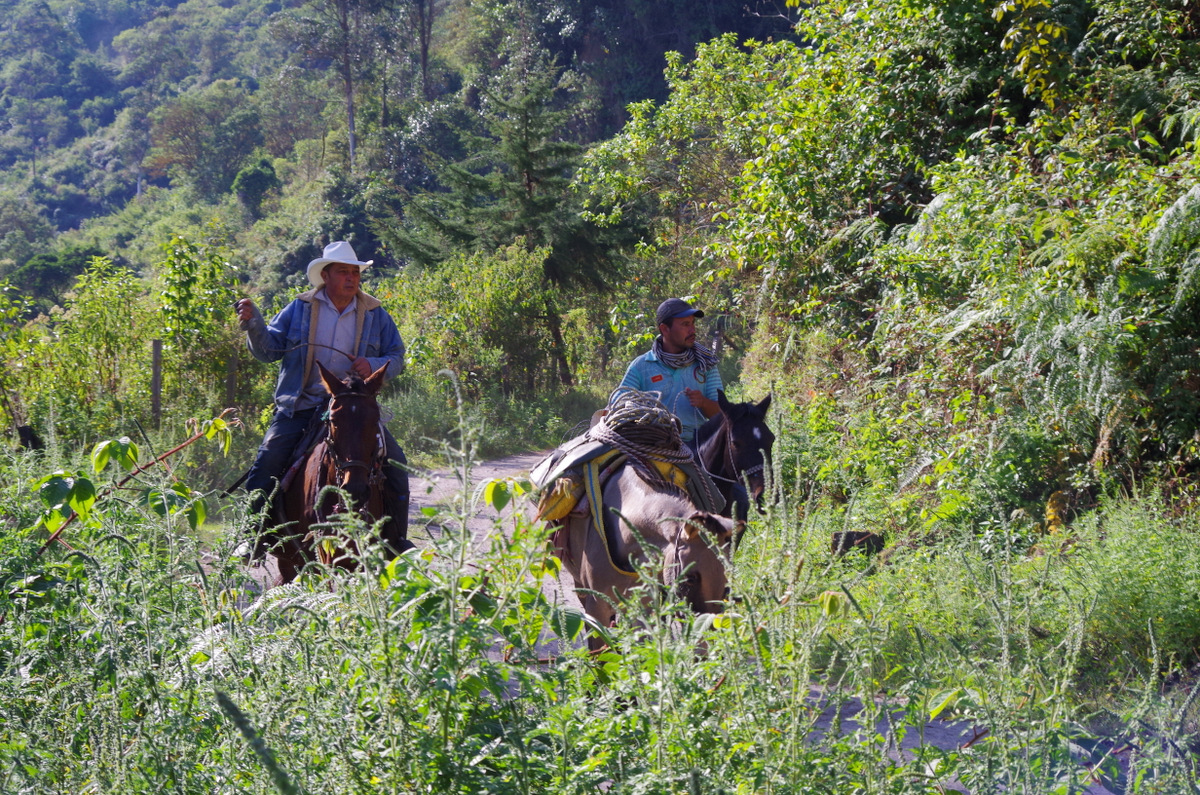
Roadside attractions on the drive from Salento to Ibarra via Toche and Machine volcano.

IMG_1455

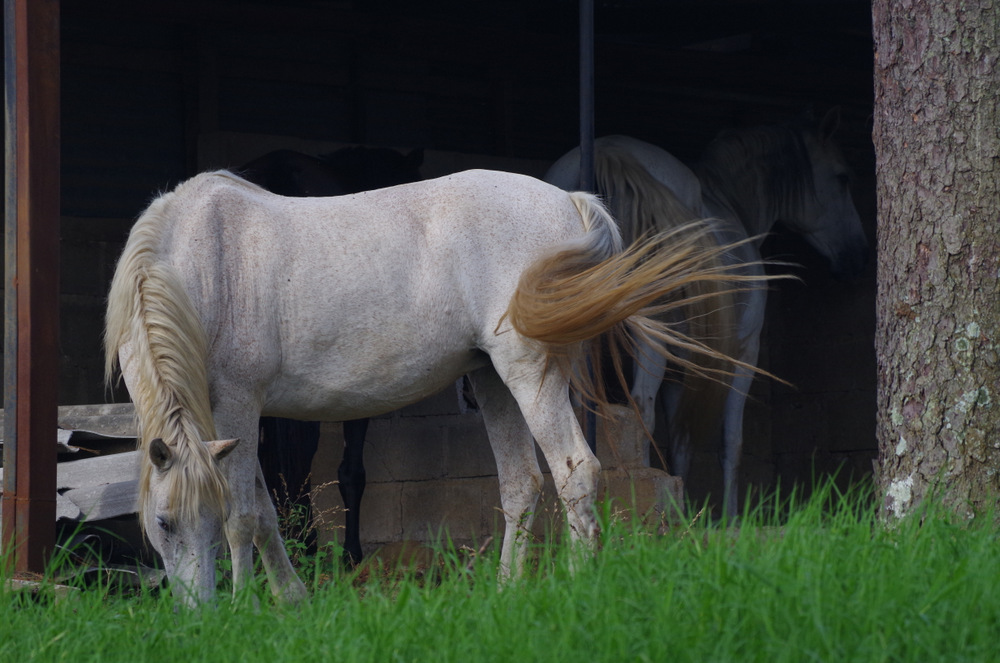
Paso Fino Columbiano

IMG_1452

IMG_1495

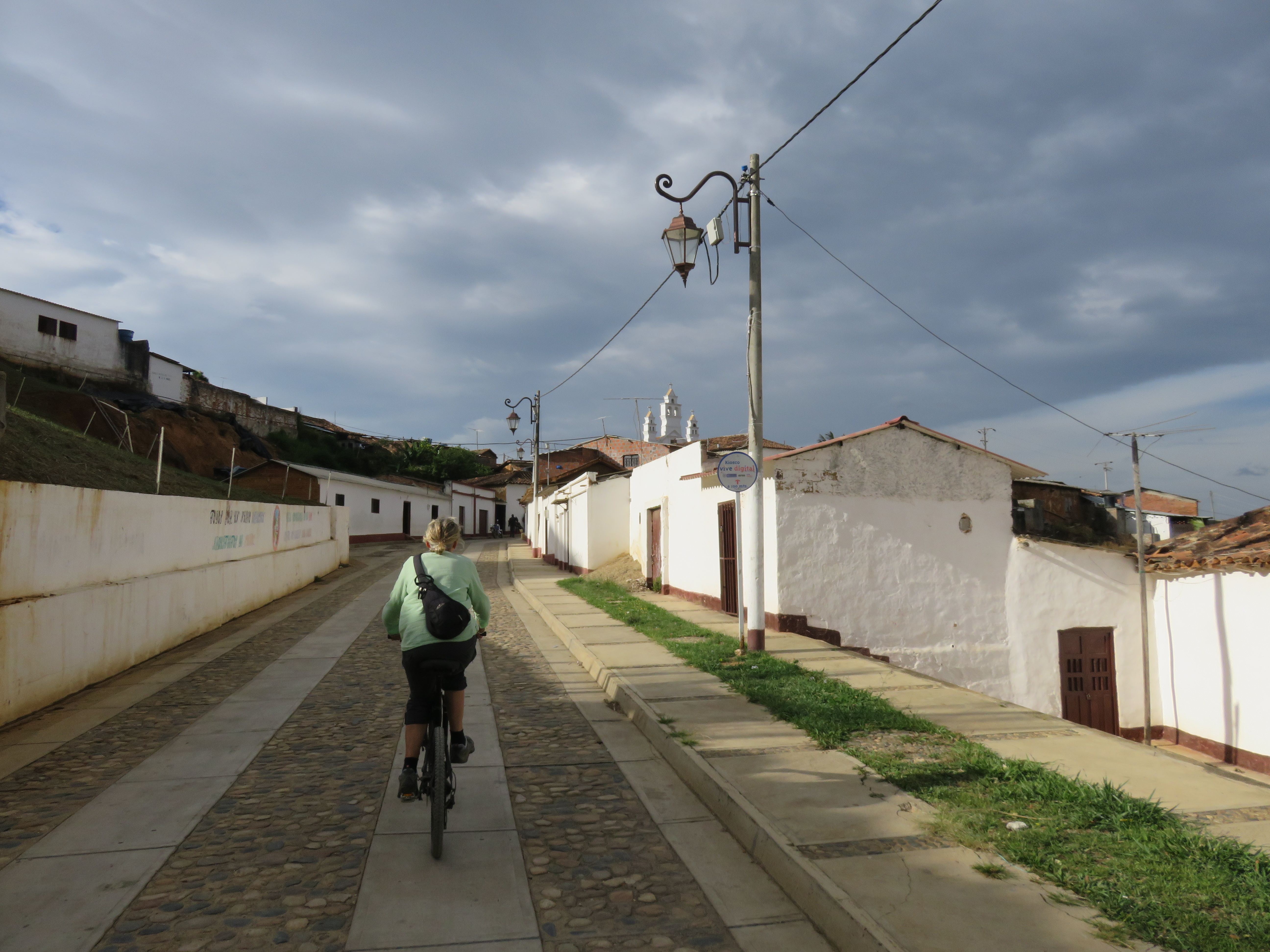
Toche

IMGP4544

 Toche town center.

IMGP4548 IMGP4543

IMG_1491

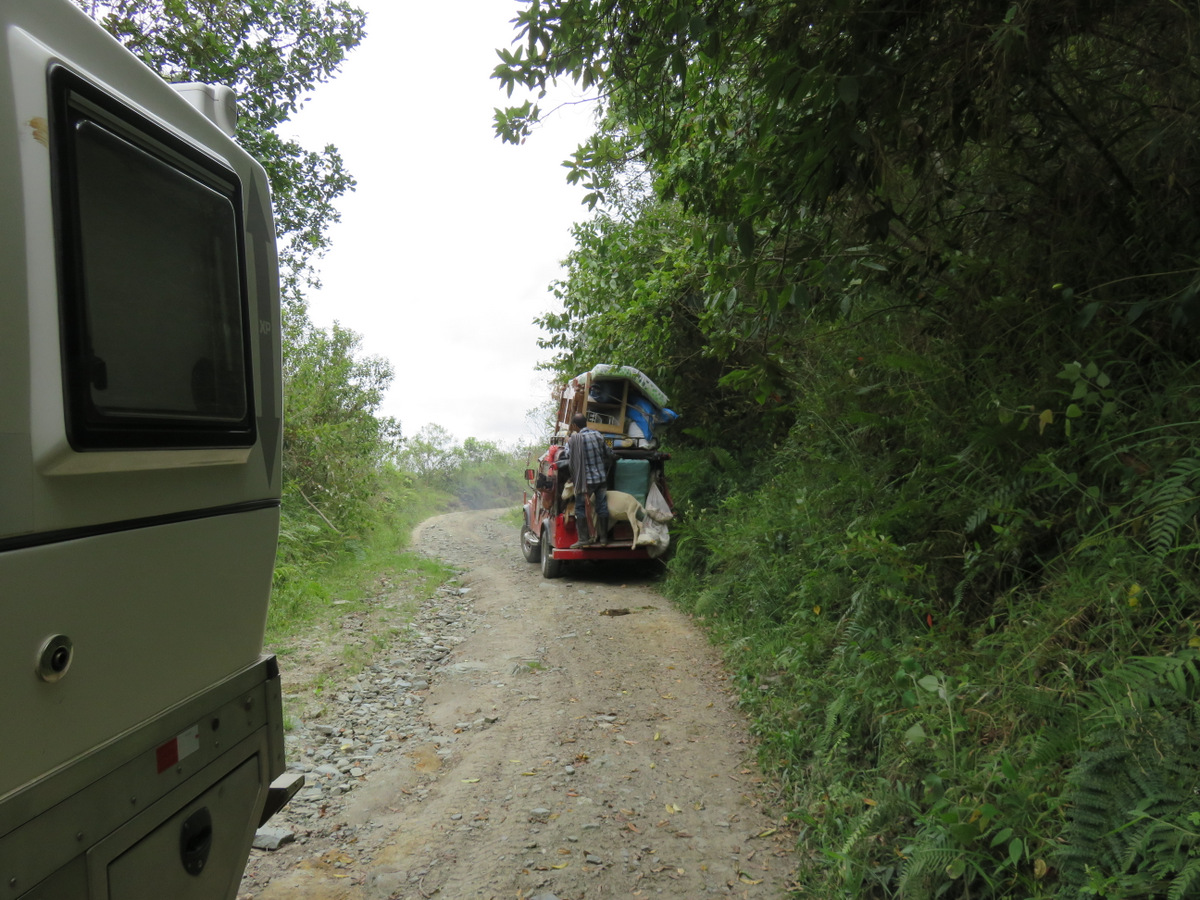
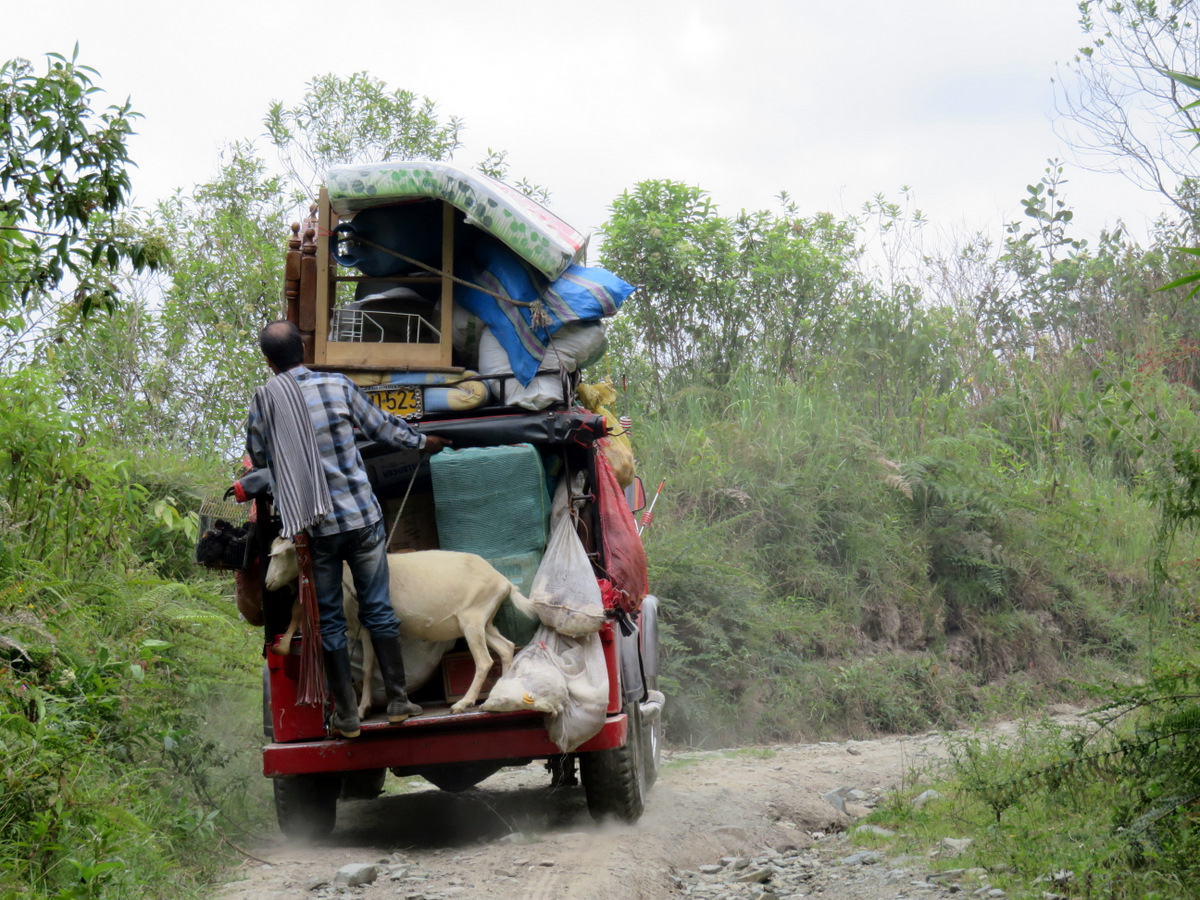
Moving truck.

IMG_1493

IMG_1482

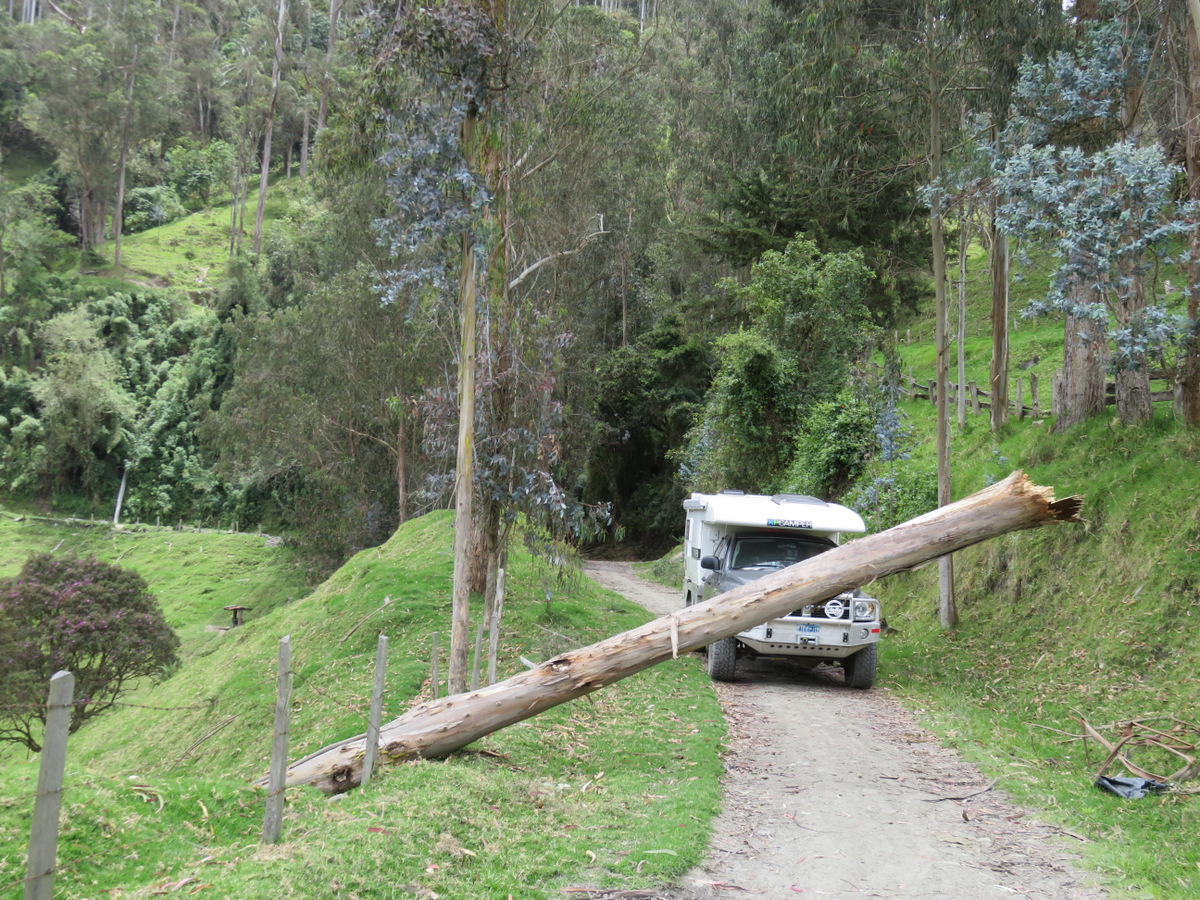
Oops

IMG_1489

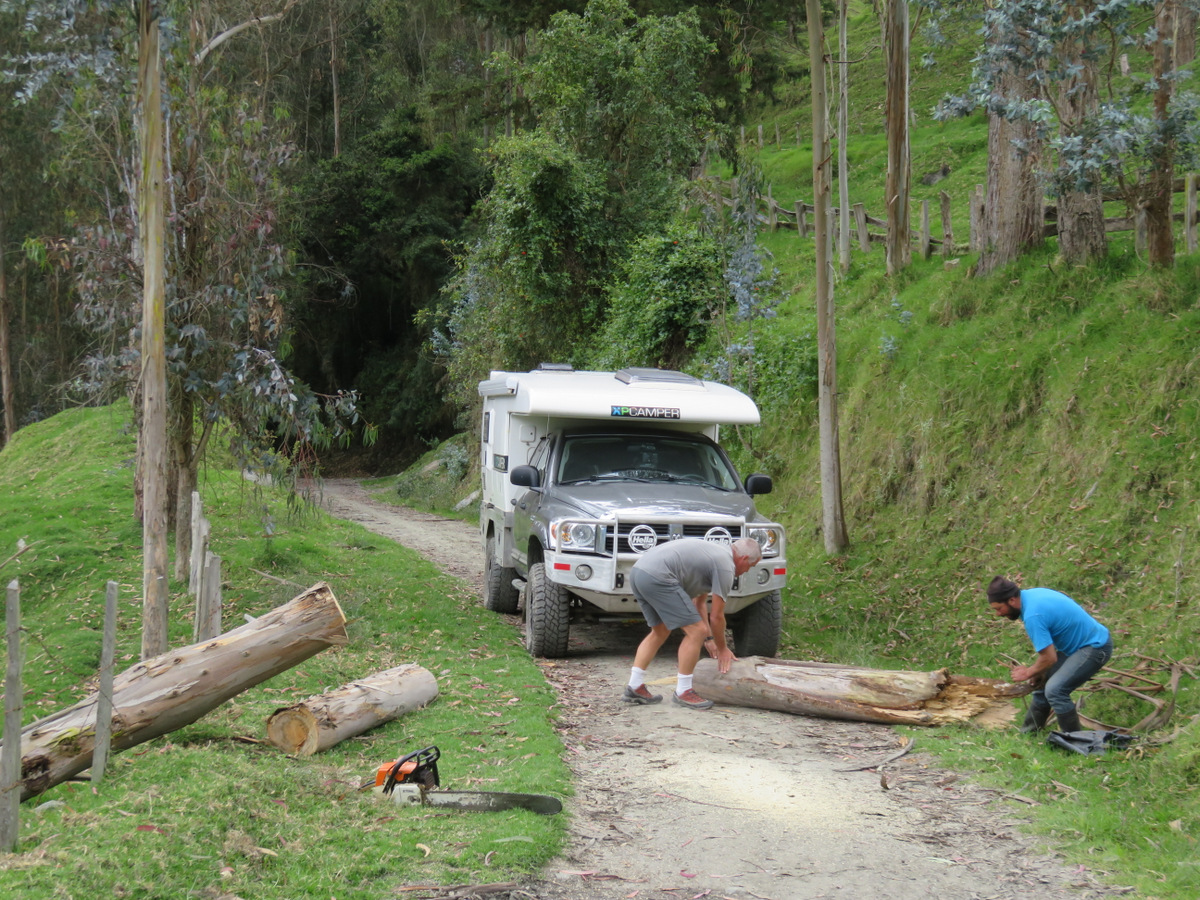
It took Günter a while to find this nice man that just happened to have a chain saw.

IMG_1449

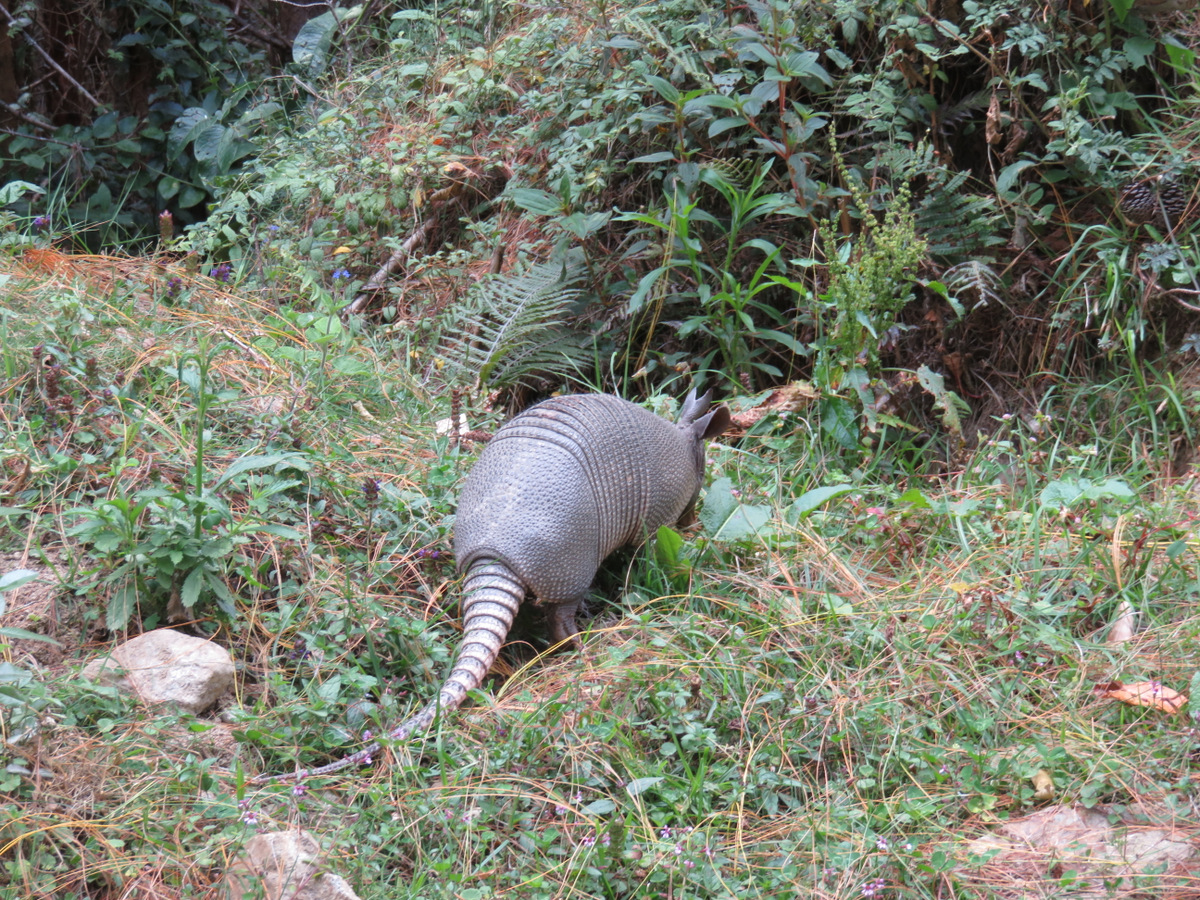
armadillo – Gürteltier


IMG_1497


It was a two-day drive and we are glad we took this route. Günter has driven over 40 000 miles by now and is doing a great job. I, Sissi, have driven 100 meters so far.

Posted in Colombia | 5 Comments

Caño Cristales

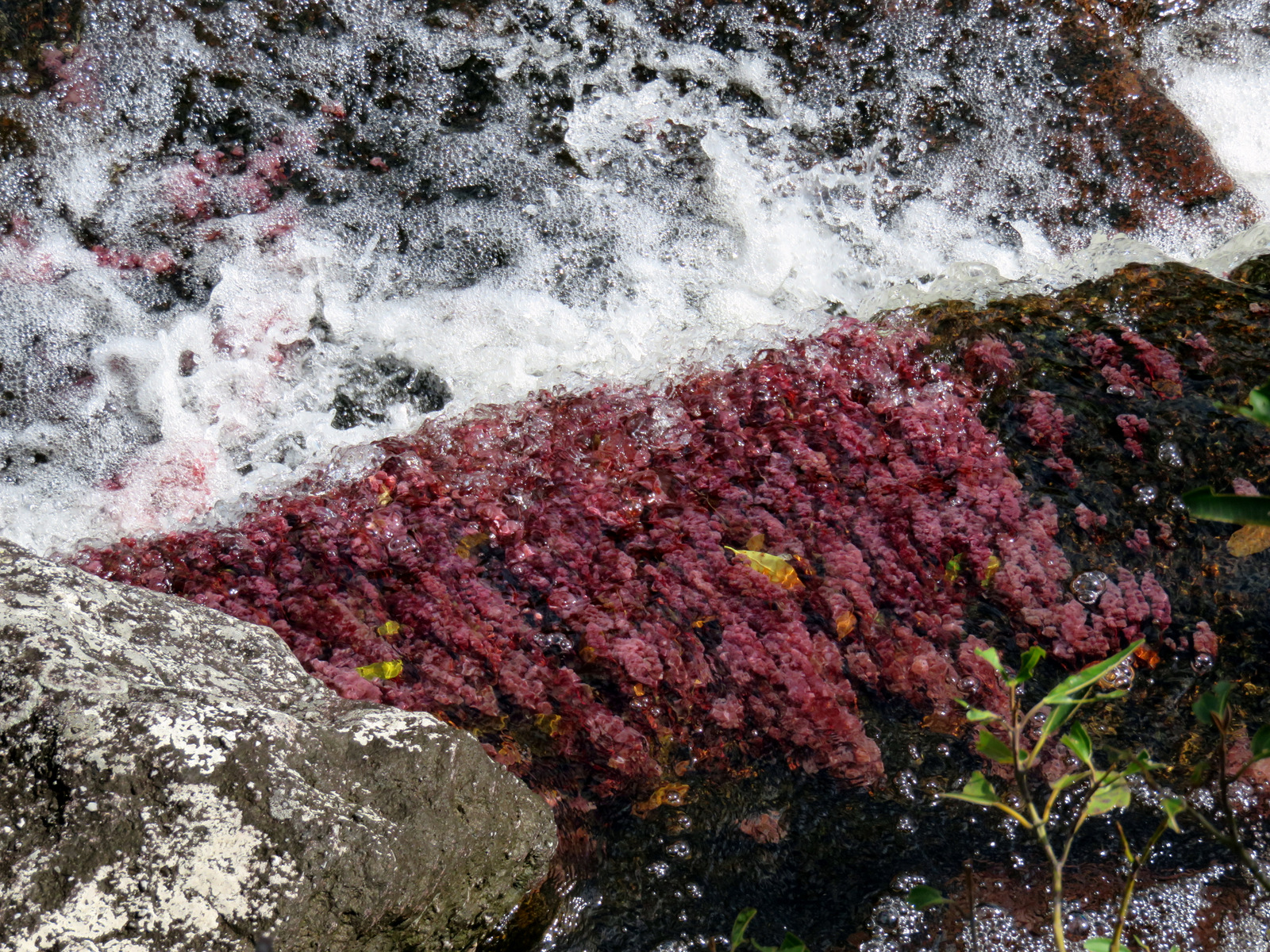
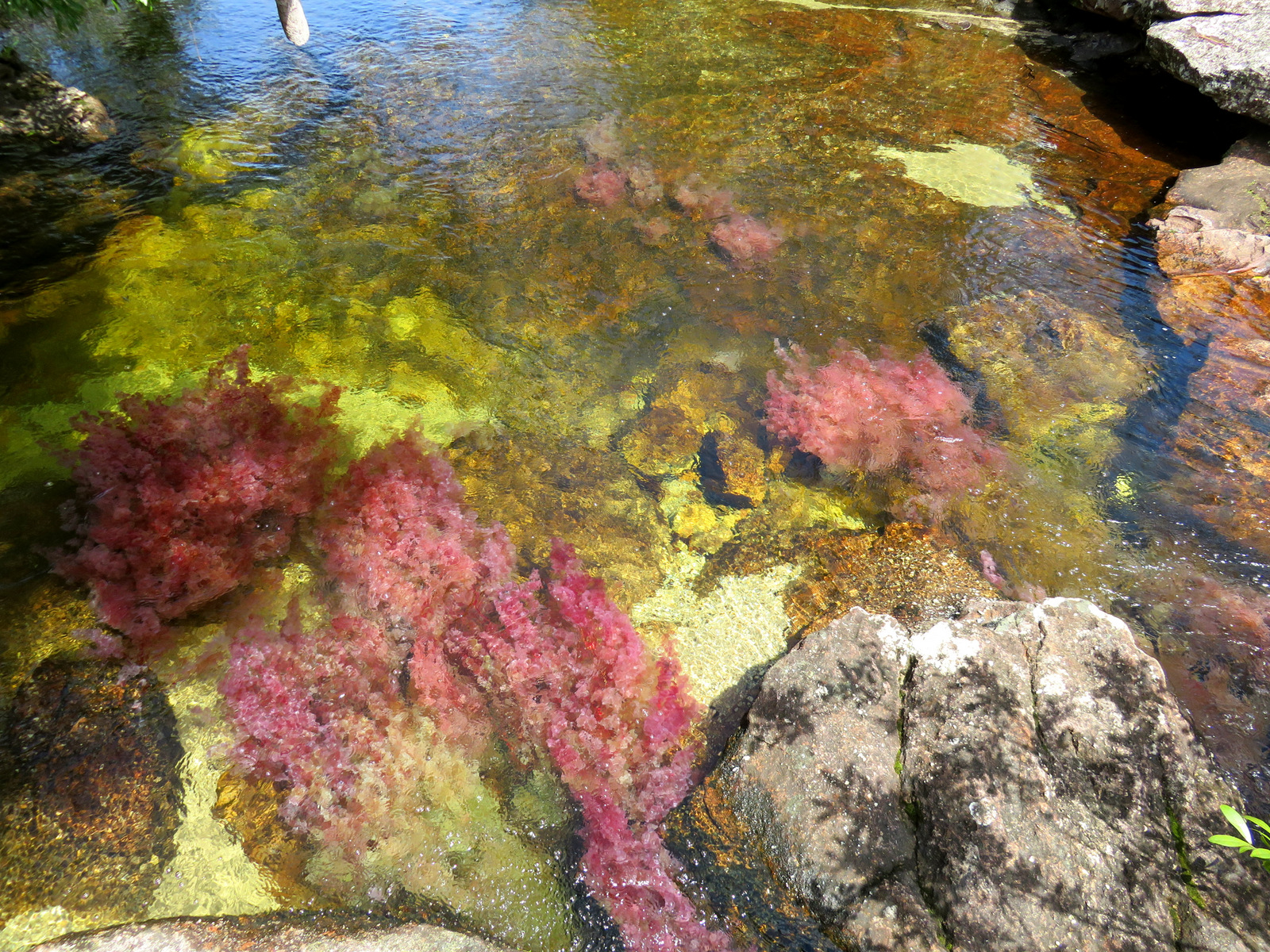
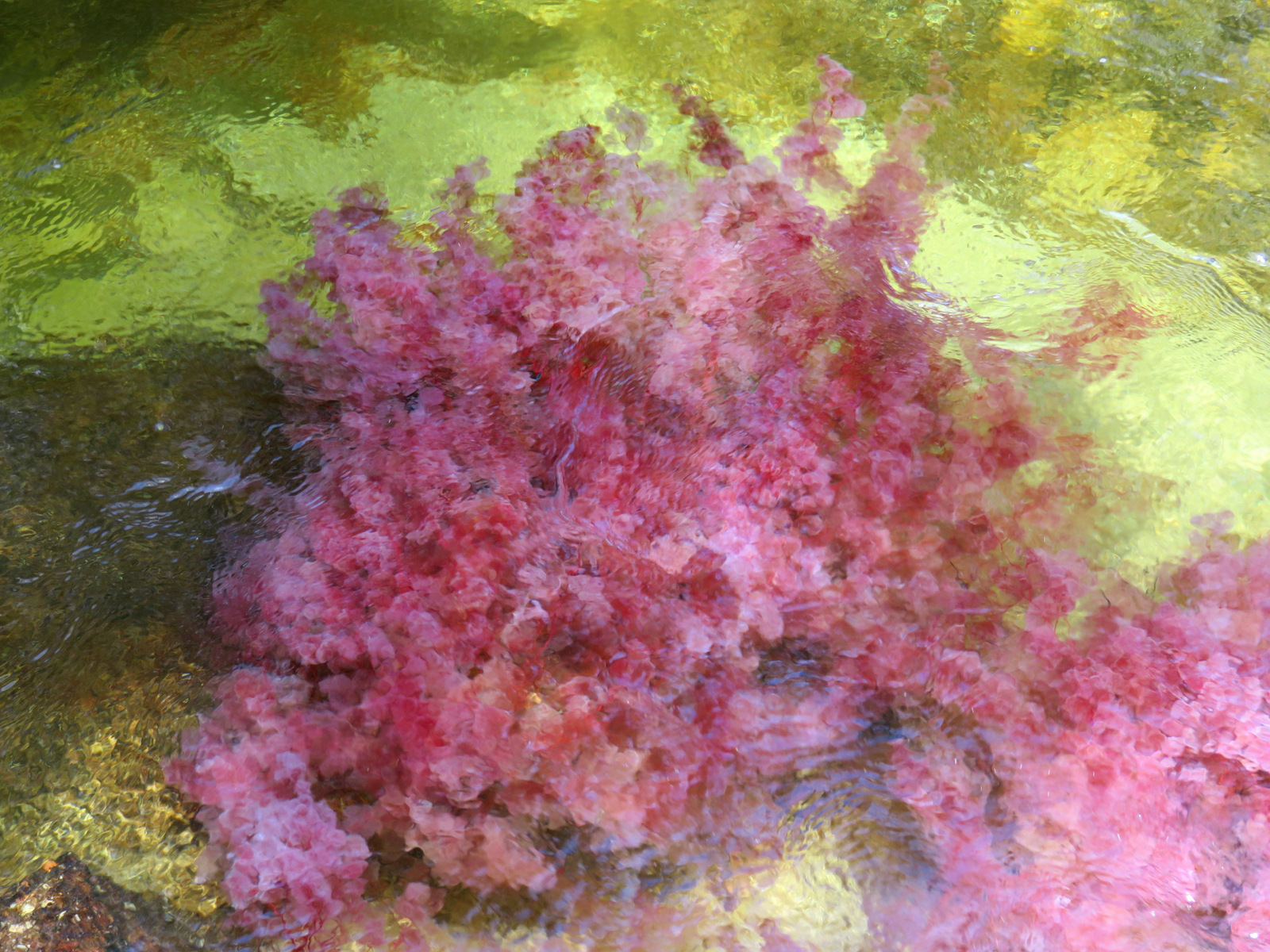
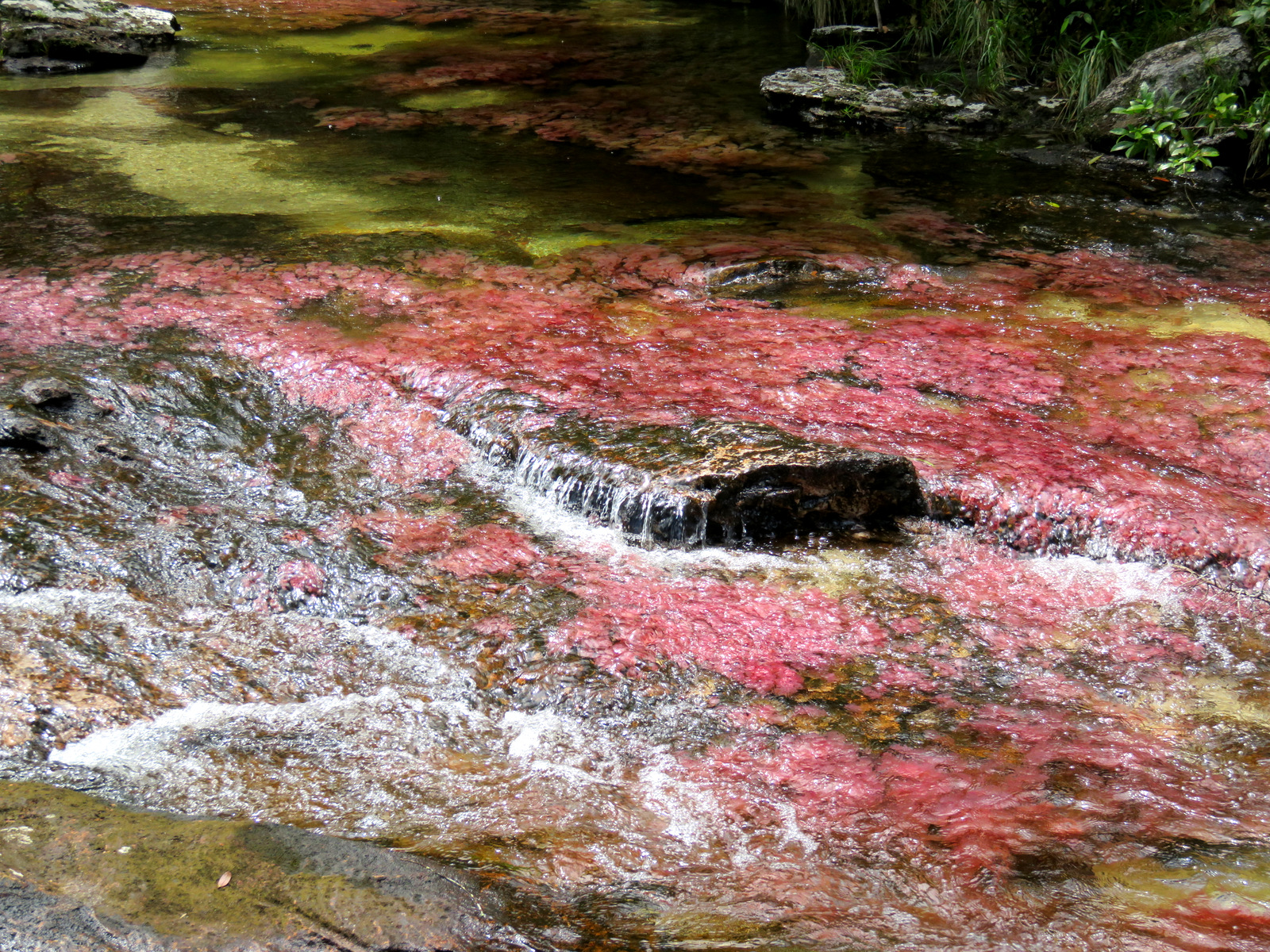
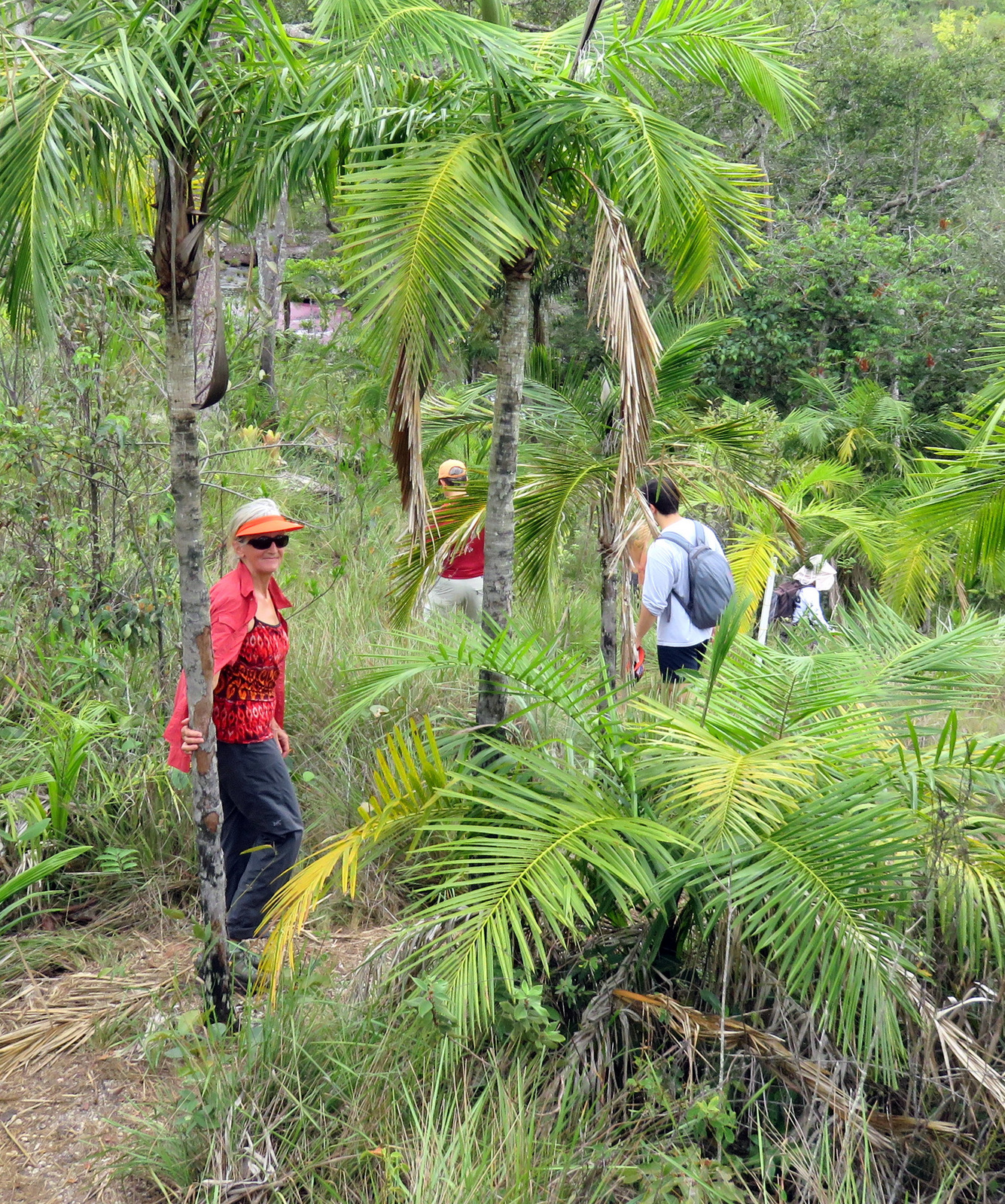
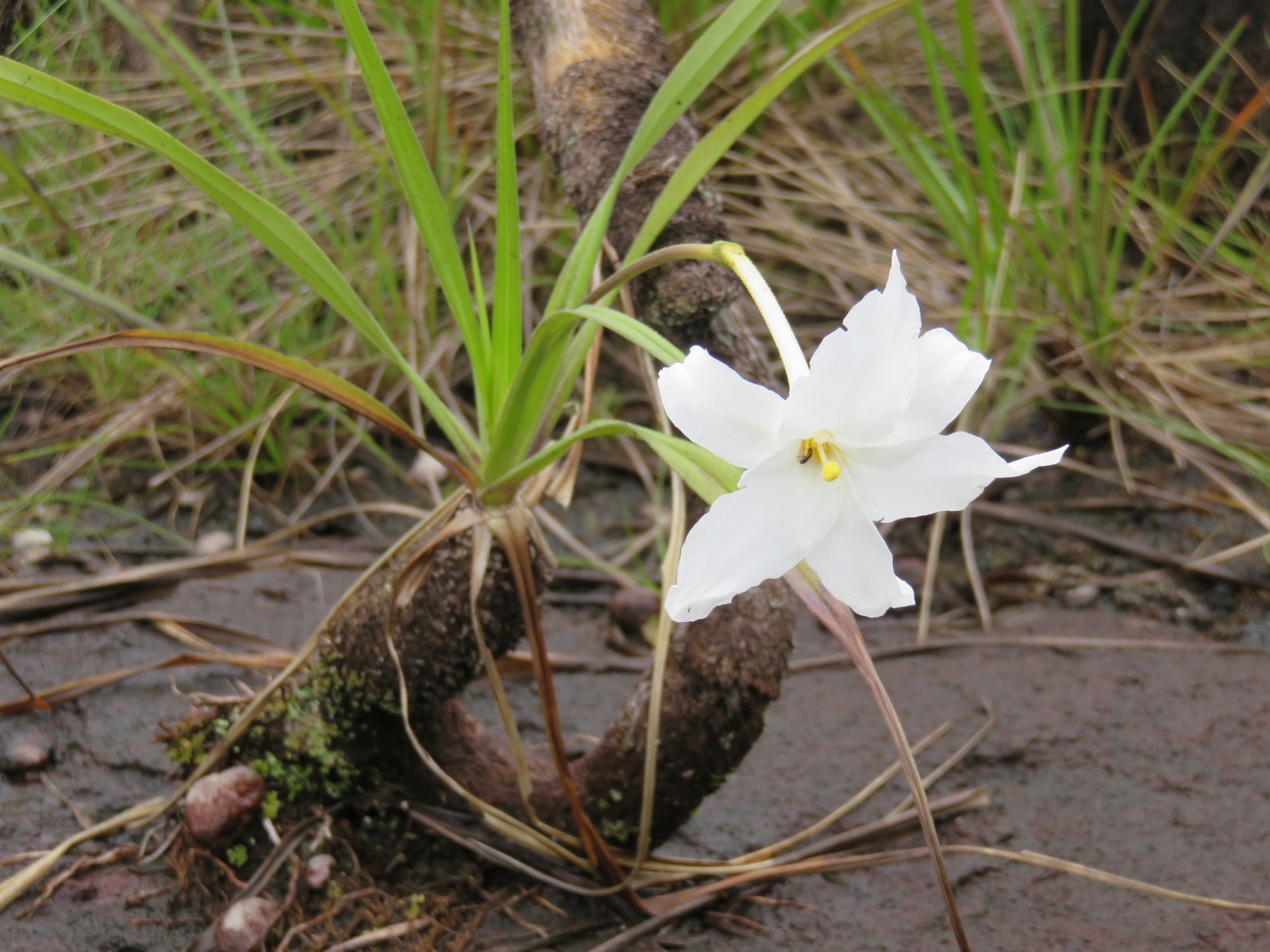
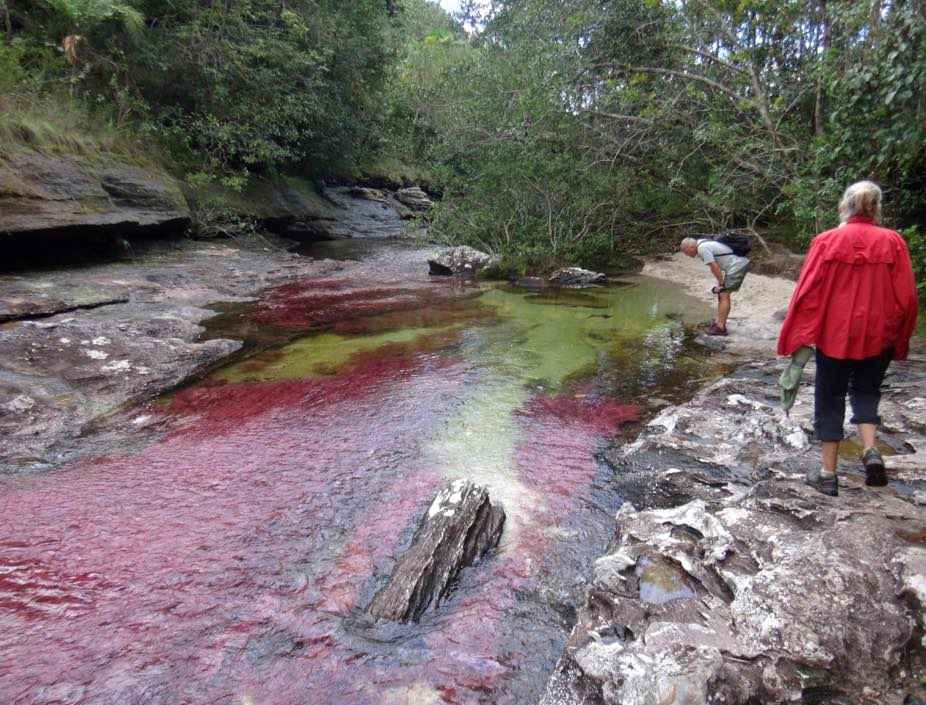
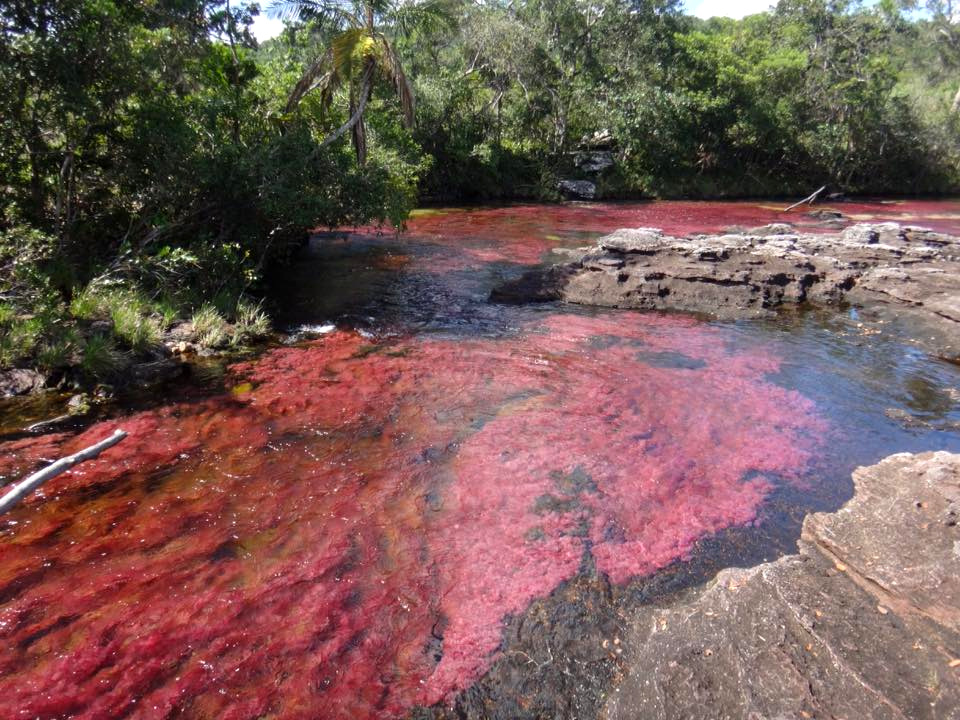
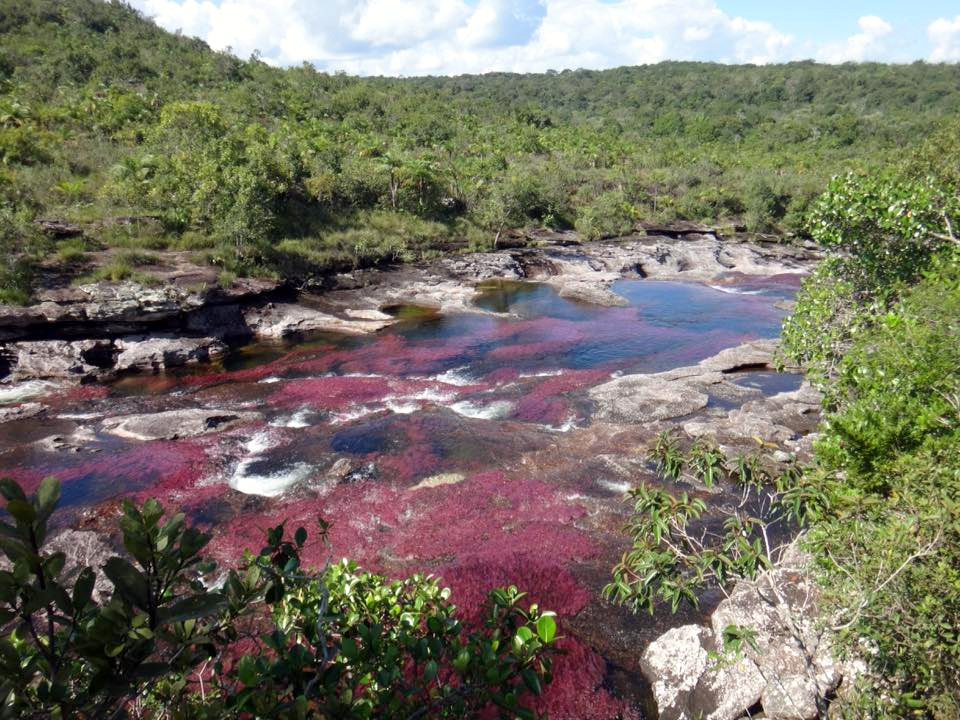
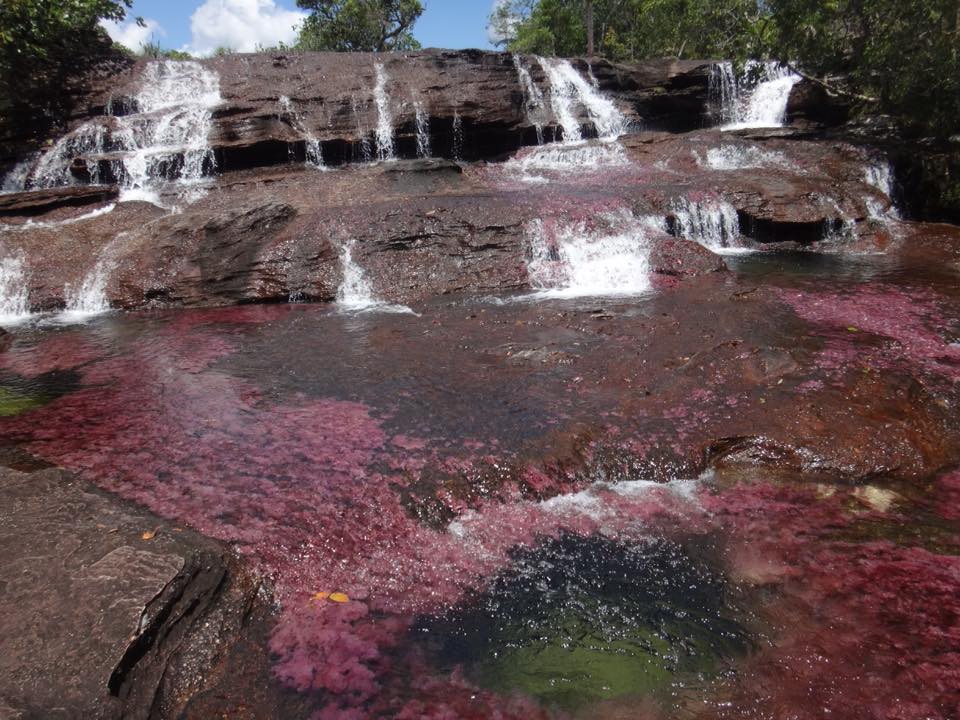
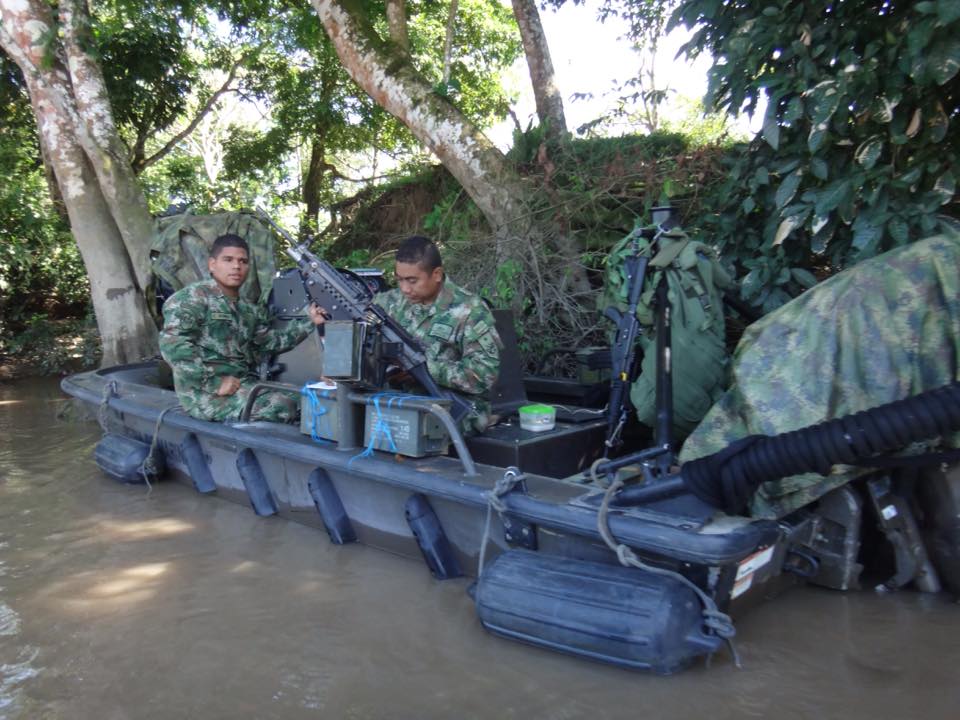
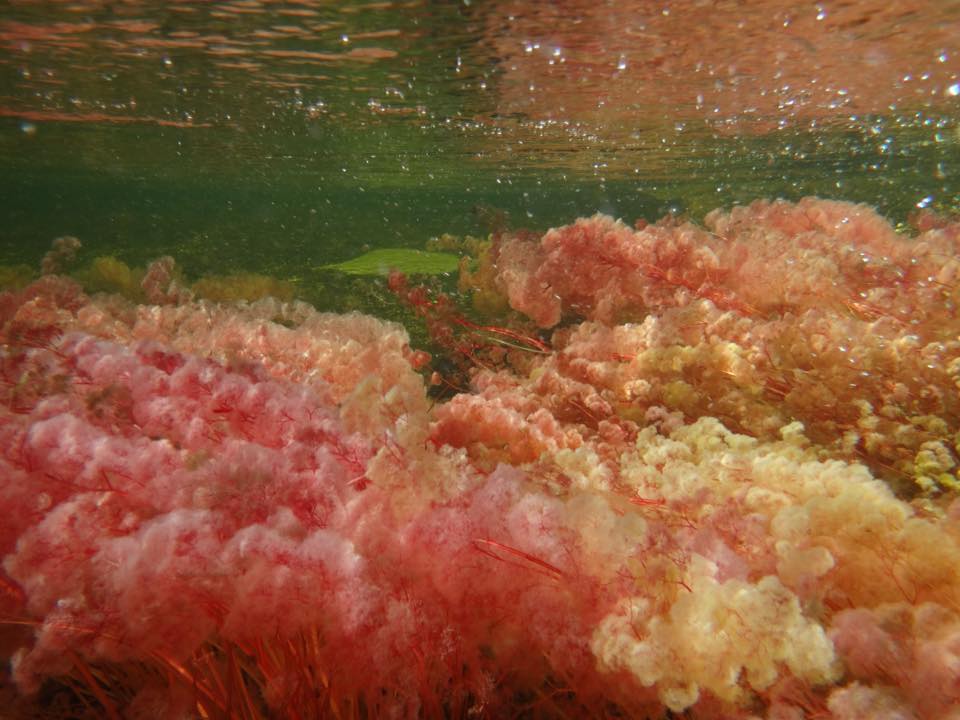
On the drive down from the mountains of Cocuy our brakes really squeaked a lot and we decided to go to Bogotá, have the brakes fixed, get an oil change and have ” Dodgie ” looked over. During that time we could check out Bogotá and try to go to Cano Cristales. We had watched a BBC documentary a while ago about the “blooming” rivers Cano Cristales near Macarena, Colombia. The “Lonely Planet” made short mention of it so we started to research a little more. Macarena is a small hamlet of around 500 people, it lies in an area that is part of the FARC territory. Some of the rivers in that area are home to an unusual plant called Macarenia clavígera. Where it is exposed to the sun it turns bright red in the summer months, in shady spots it is green or grey. A fascinating sight, we read that August is one of the best months to view this phenomena. The military does not allow you to drive to this part of the country, access by boat on the Guayabero river is off-limits as well. It is too dangerous and even the town of Macarena is protected by 5000 Soldiers, you can fly in, get a room and a guide, hike the rivers and after a few days fly out again. Laura from Caminantes del Retorno in Bogotá  made all the arrangements for us. Fly in with a small propeller charter plane (we are used to that from Alaska) and fly out with a military owned plane.

20150809_121303-1

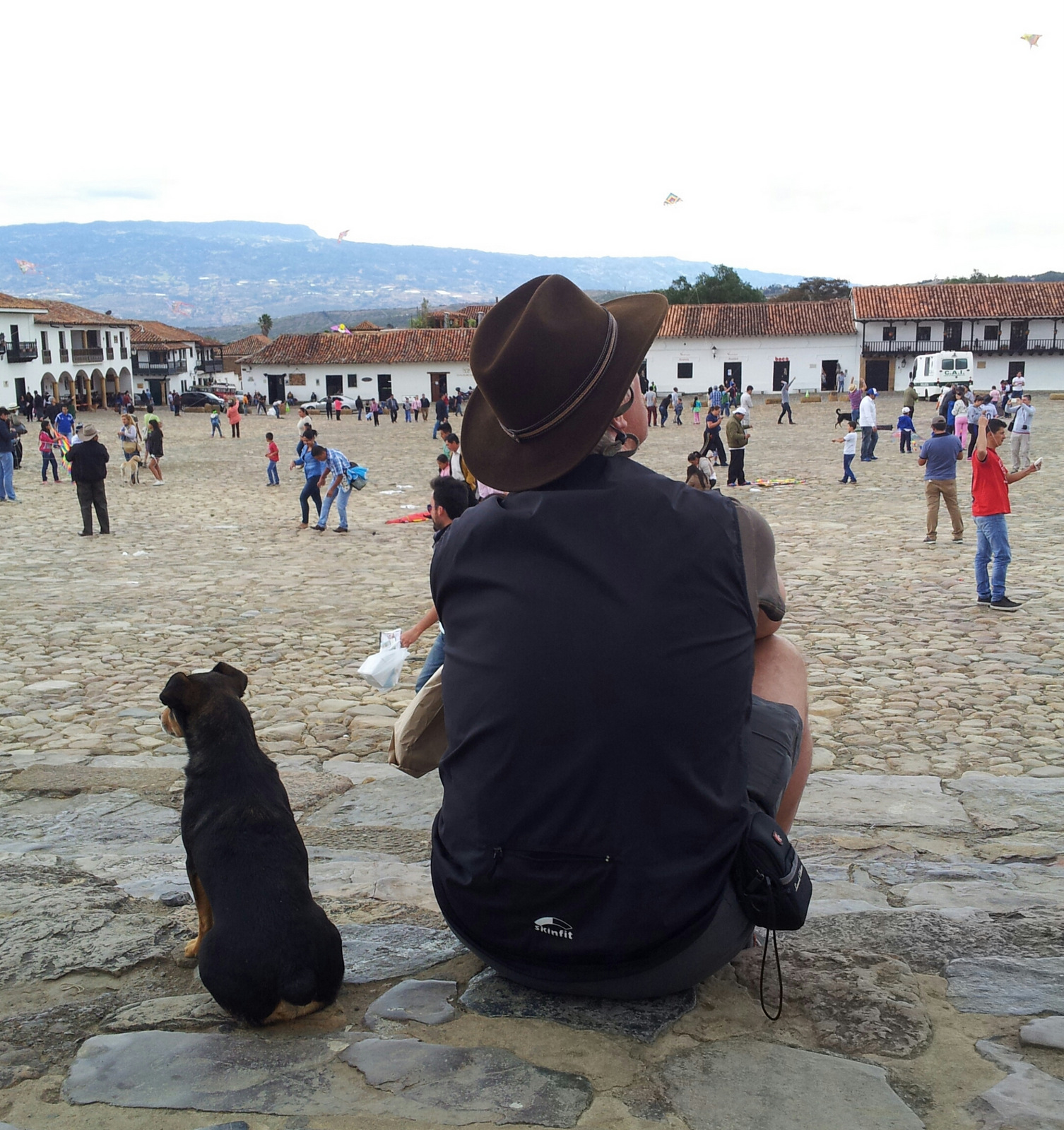
Flying kites in Vill de Leyva.

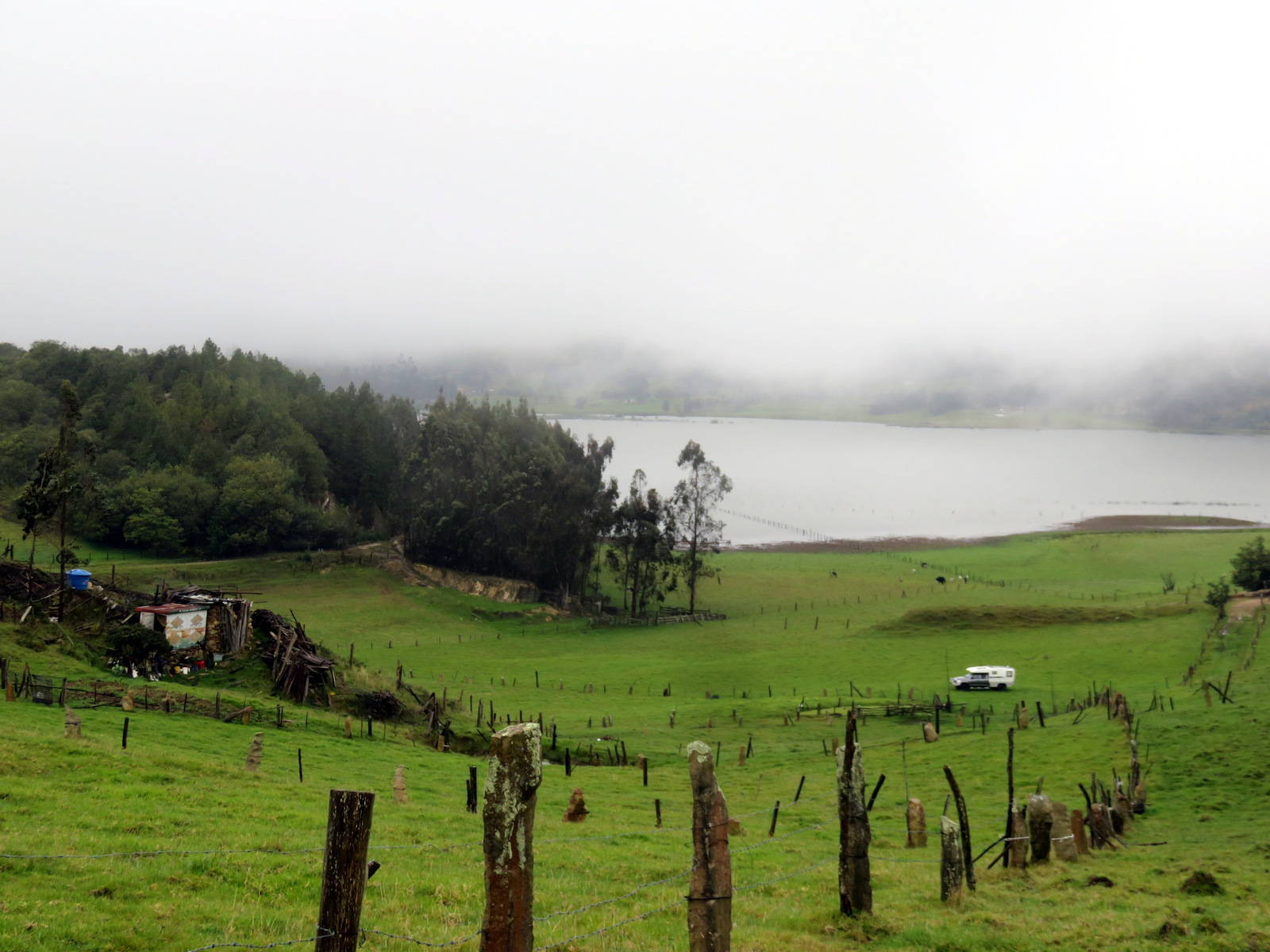
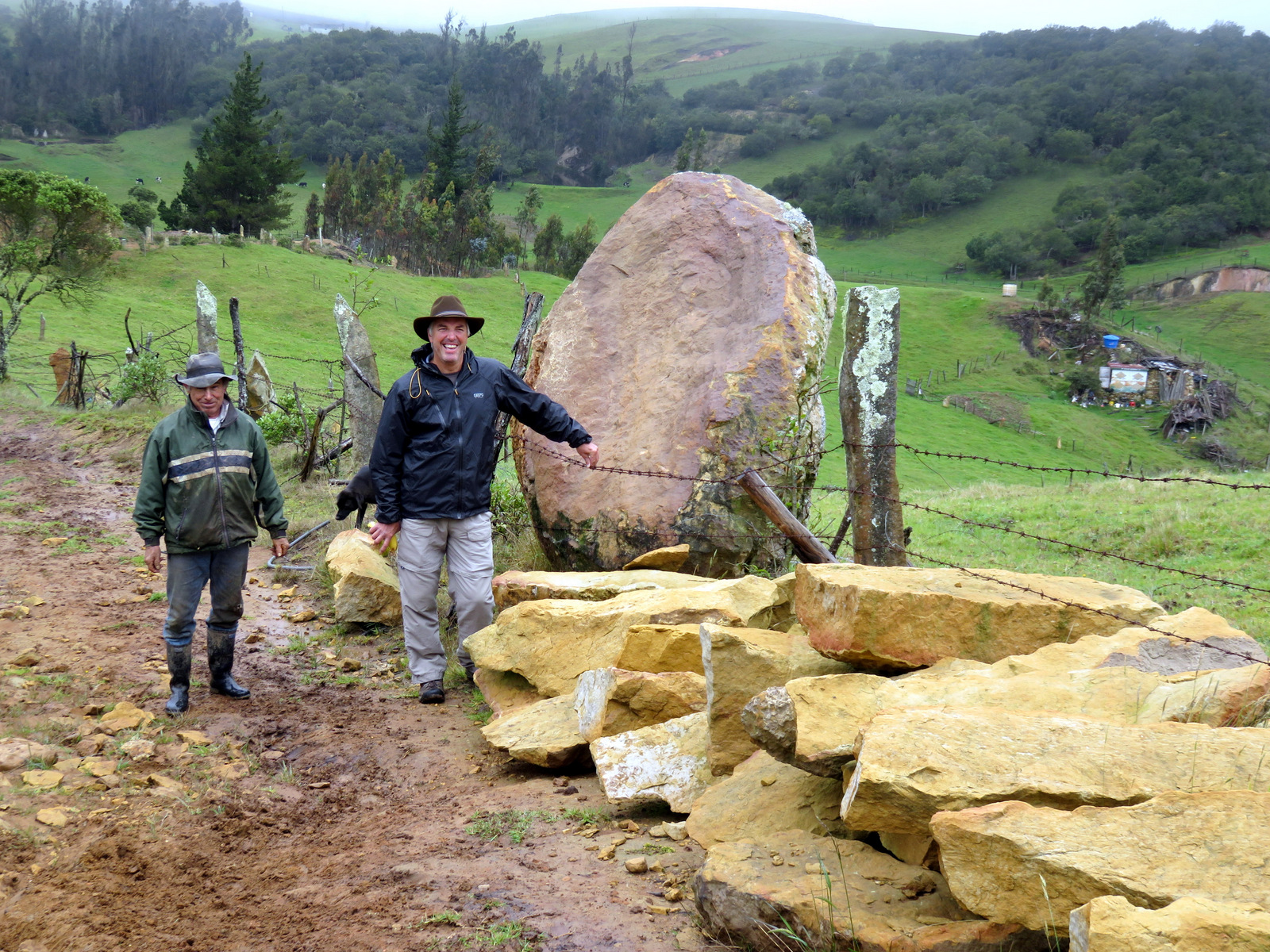
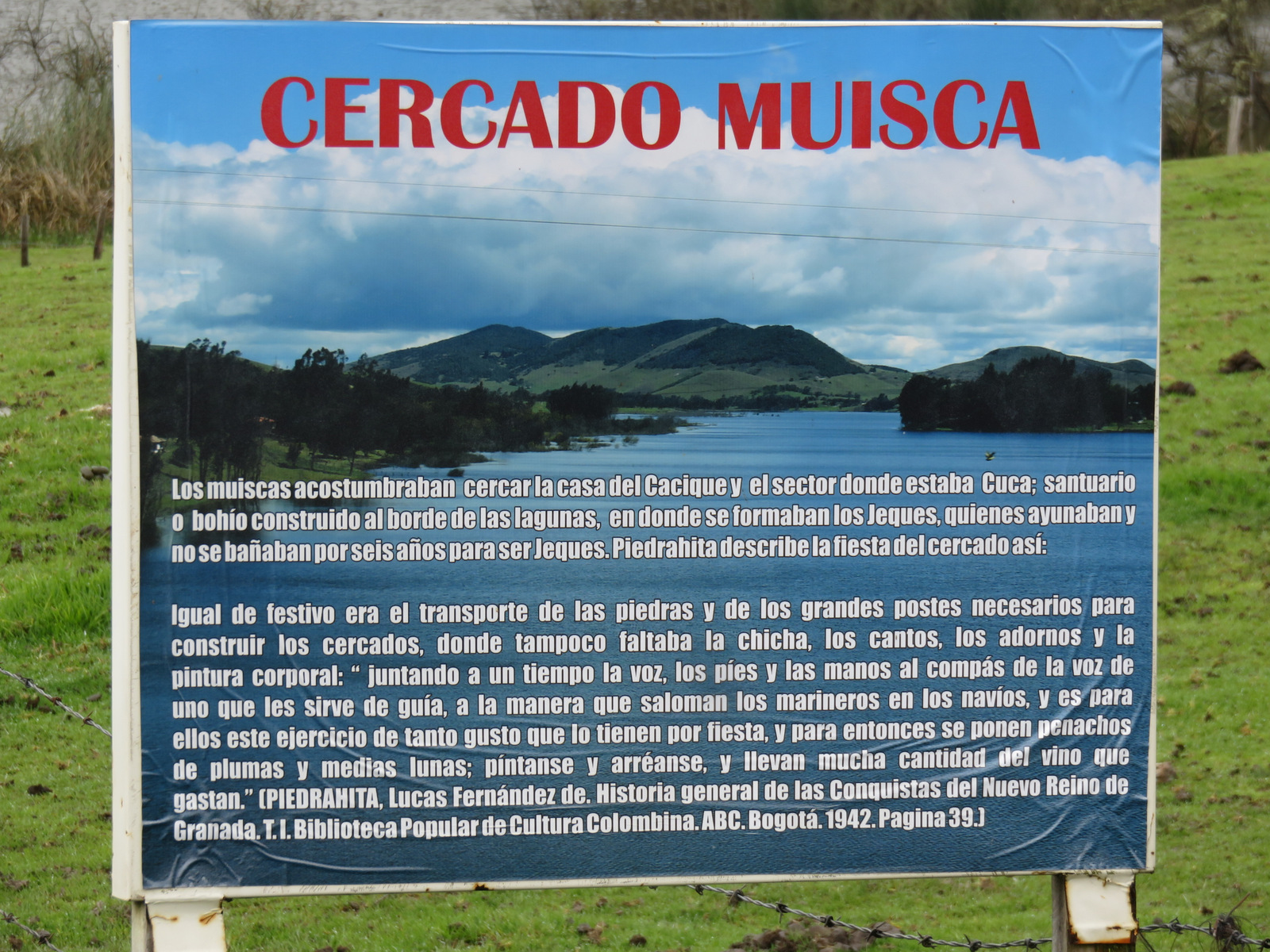
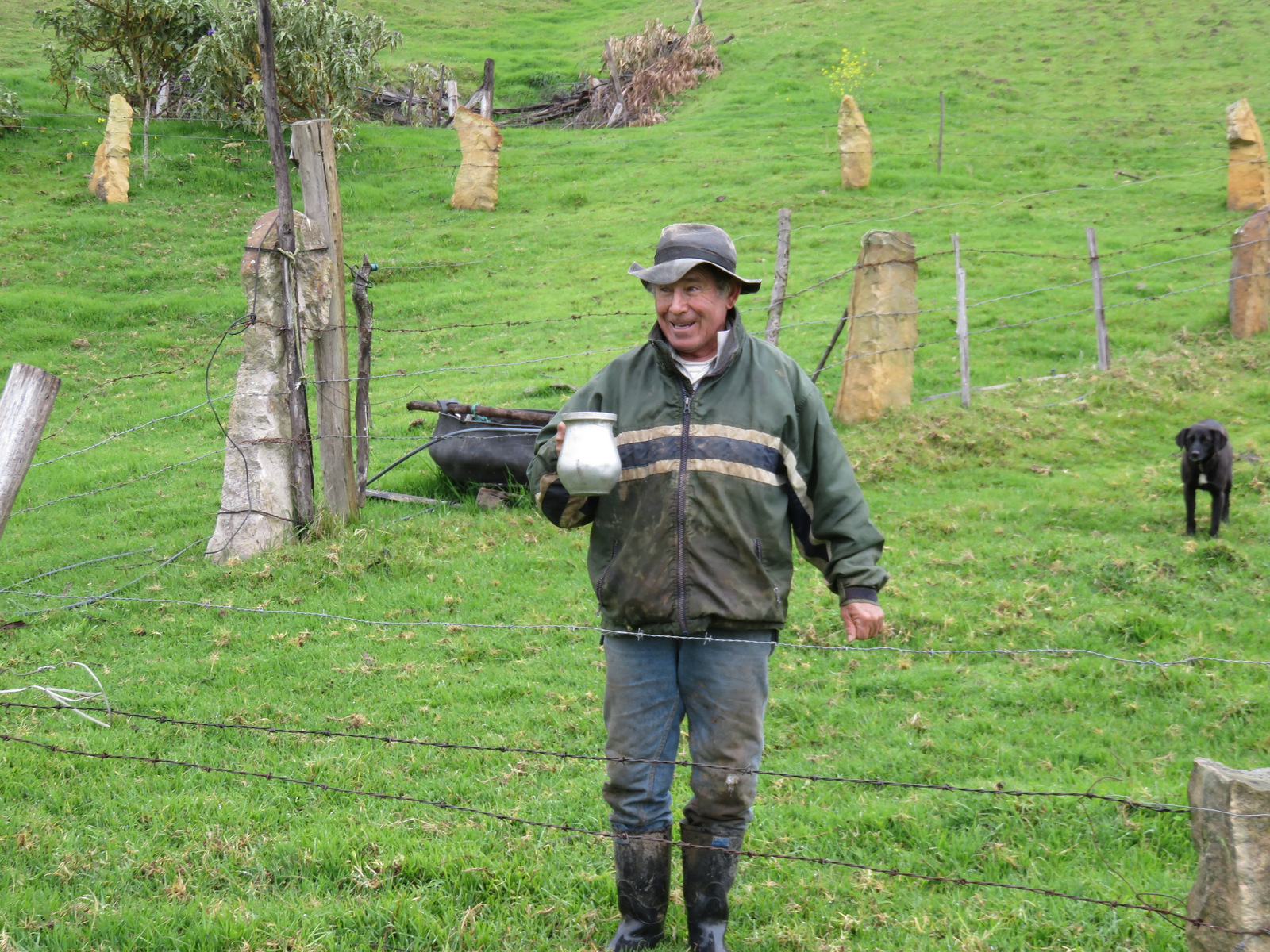
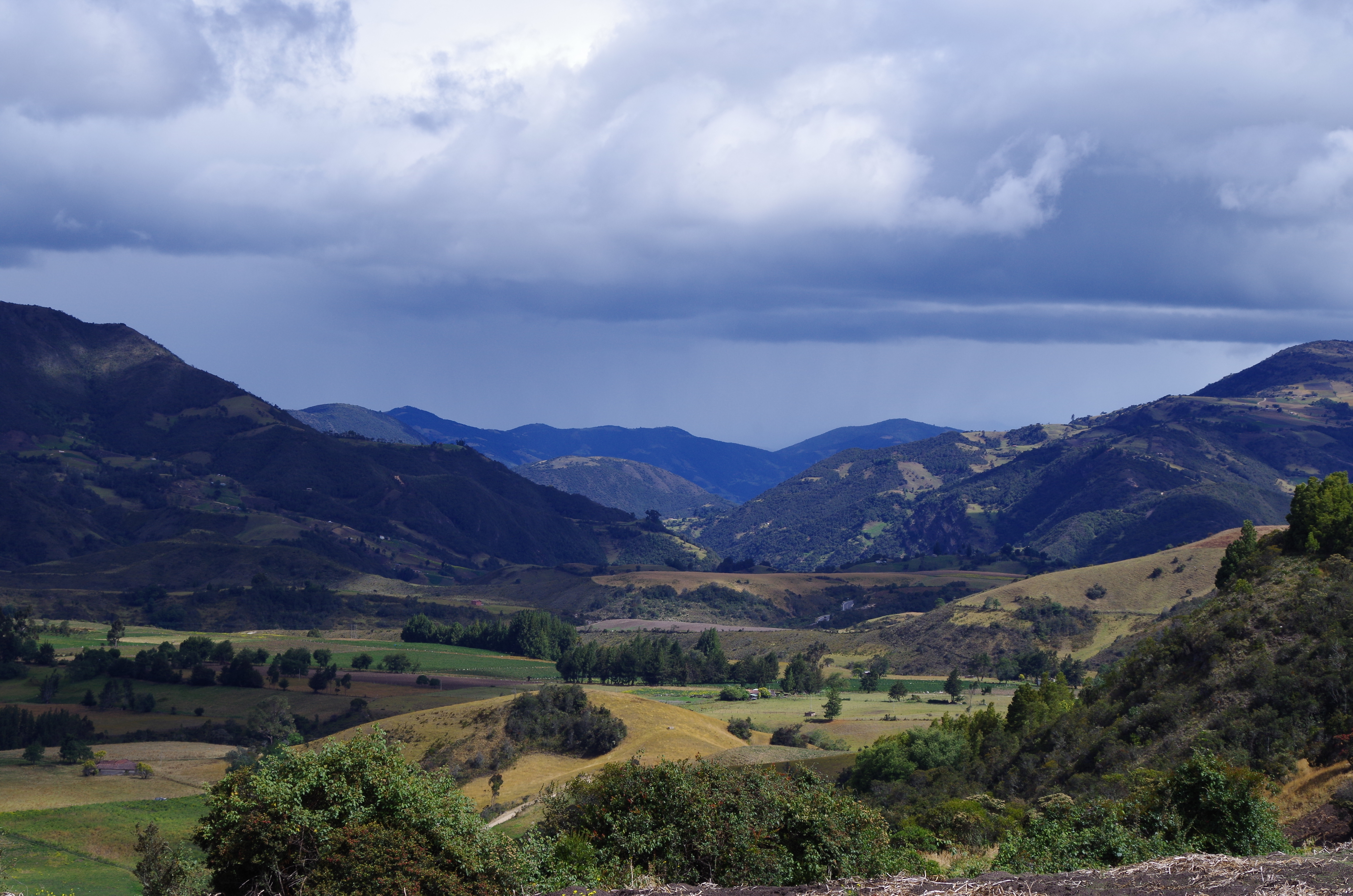
On the way to Bogotá we relaxed at Villa de Leyva for a few days, spent a night in a field near Suesca lake where the farmer Eusebio came down from the hill and told us all about his farm. He took us for a walk on his property and brought us fresh milk in the morning. The fence posts in that area are made of rocks chipped of large boulders. He told us this is the way the Muiscas did it and he is part Muisca.

IMG_0882

Our camping spot near Suesca lake on Eusebios finca.

IMG_0885

This is how they make the fence posts, chipped out of a rock.

IMG_0901

IMG_0896

Fresh milk in the morning! Note the rock fenceposts.

IMG_0899

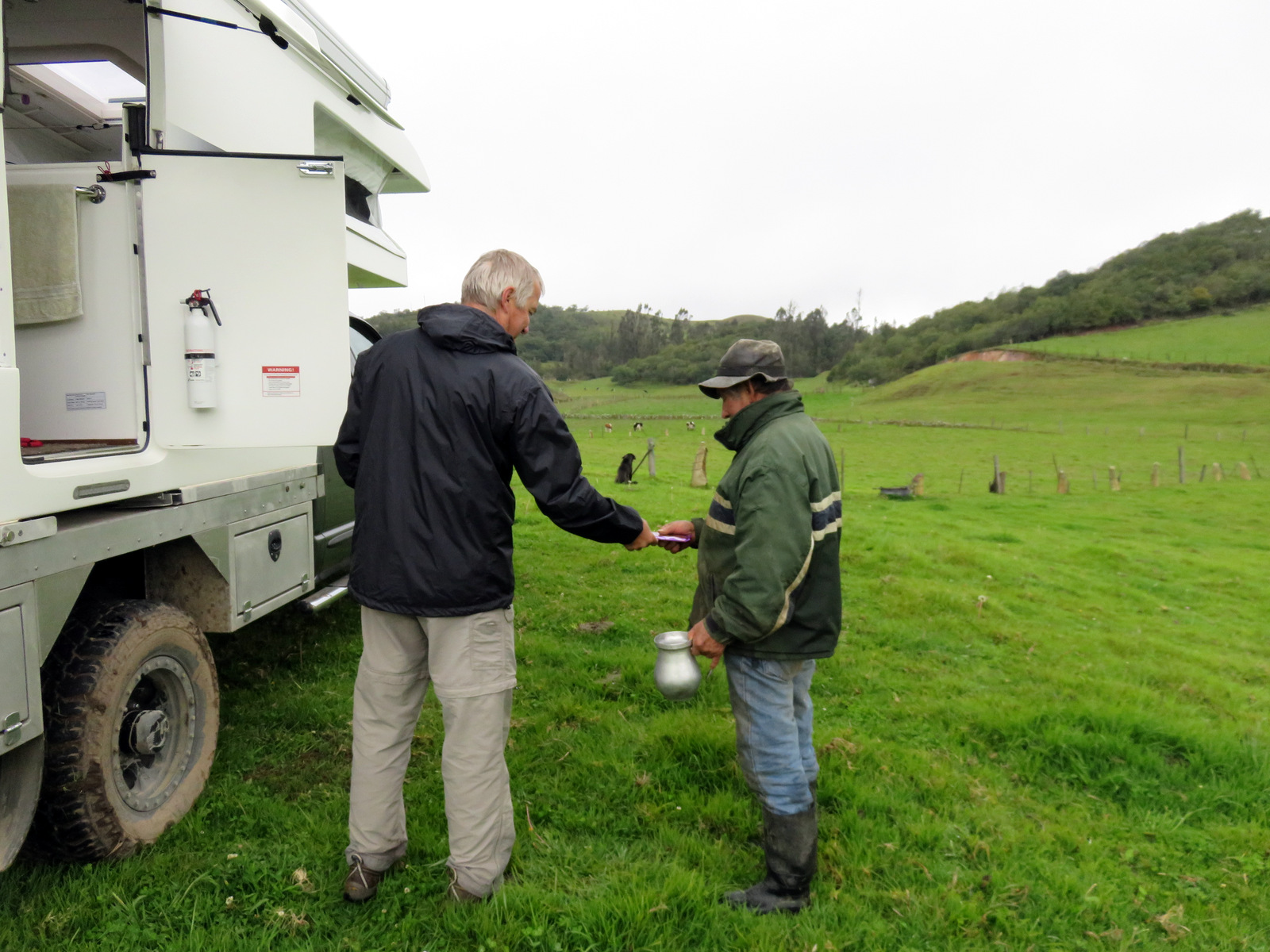
German chocolate in return.

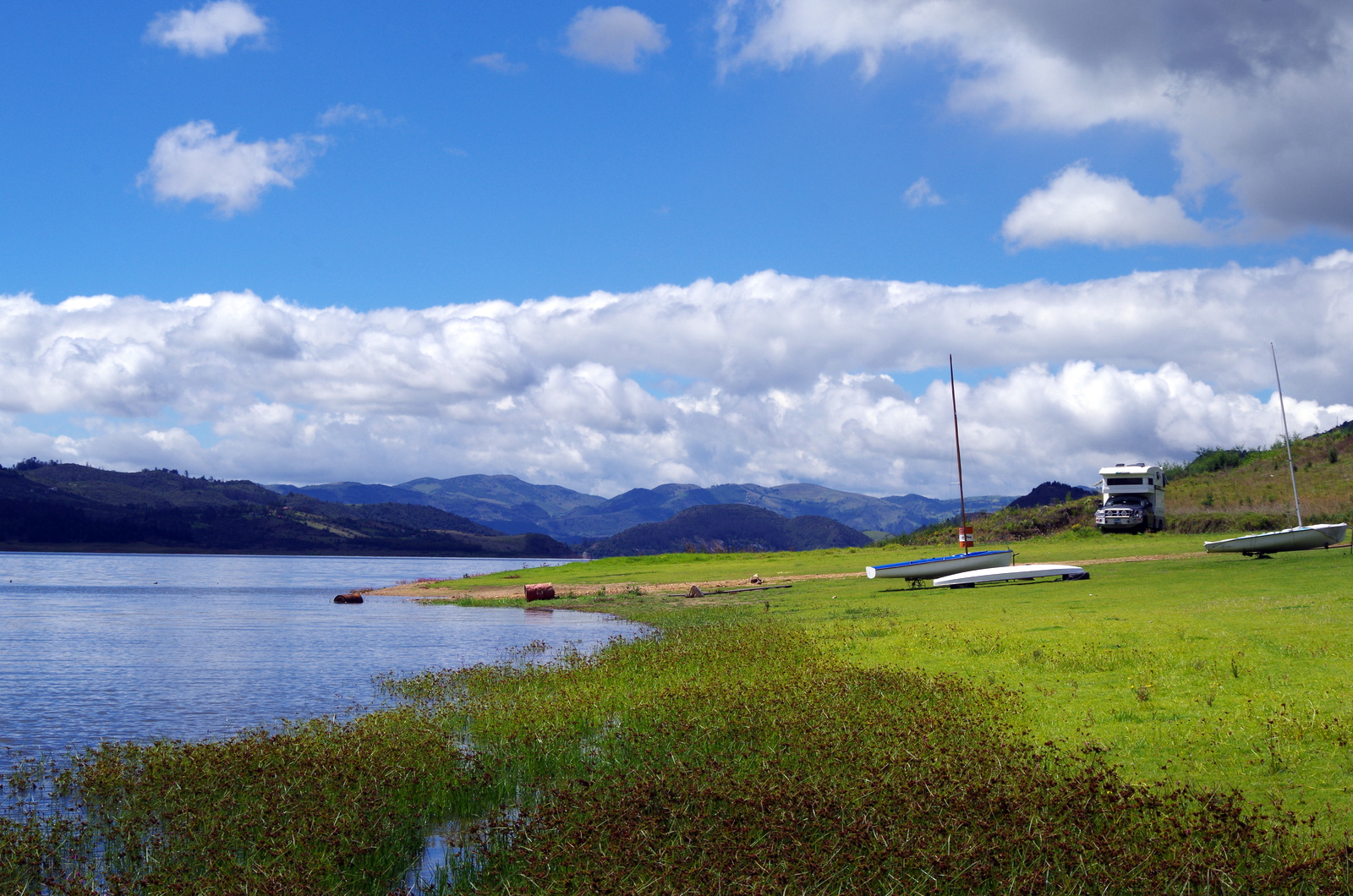
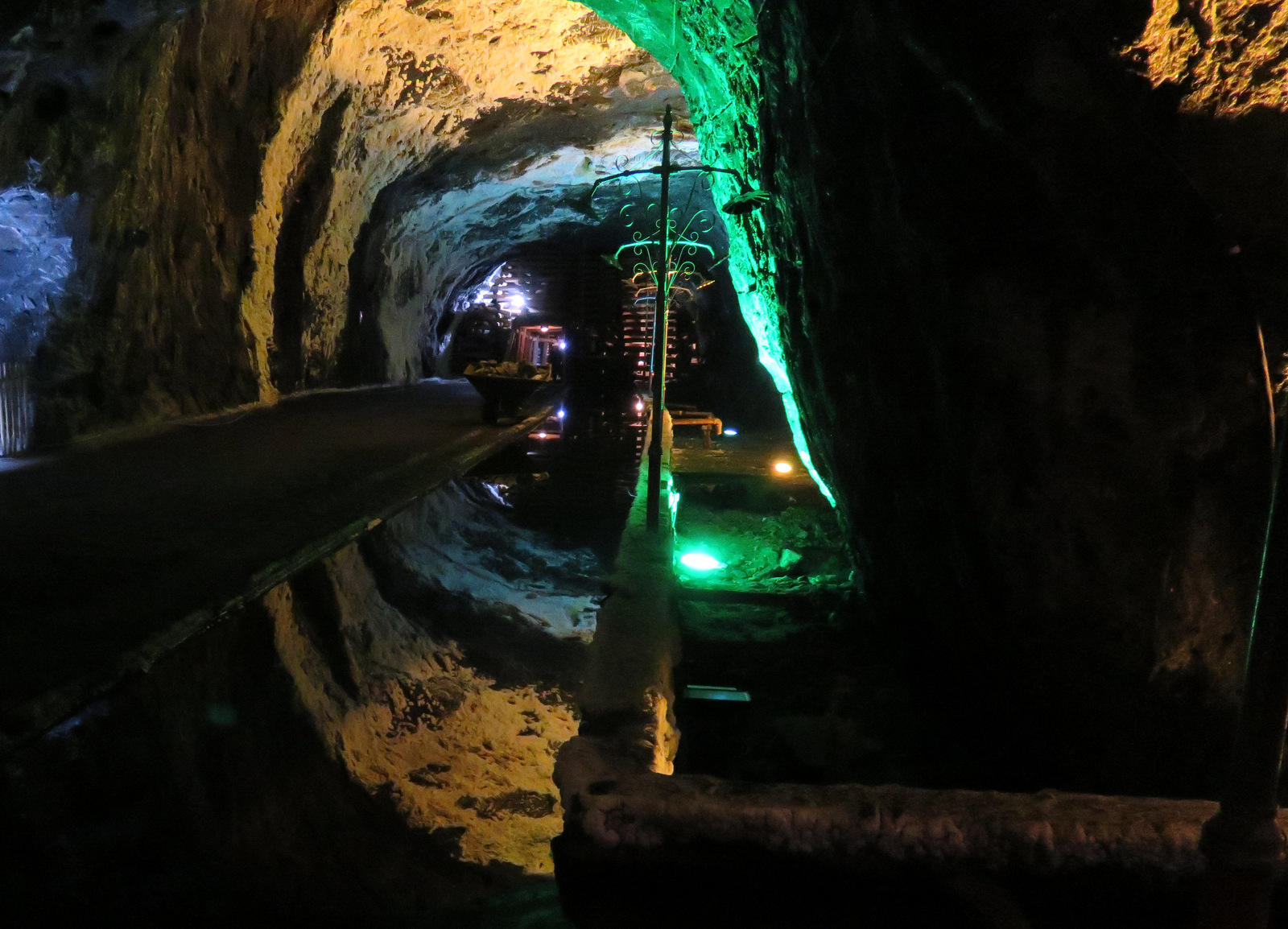
Then we toured the salt mine in Nemocon, camped at the shores of the lake near the town of Guatavita, ate the best Bavarian Cream dessert ever in Iza and finally made it to Bogotá. All the time the scenery was absolutely beautiful, you drive on windy roads up passes, down valleys, along lakes.

IMGP4395

Near Guatavita.


IMG_0911

In the salt mine.

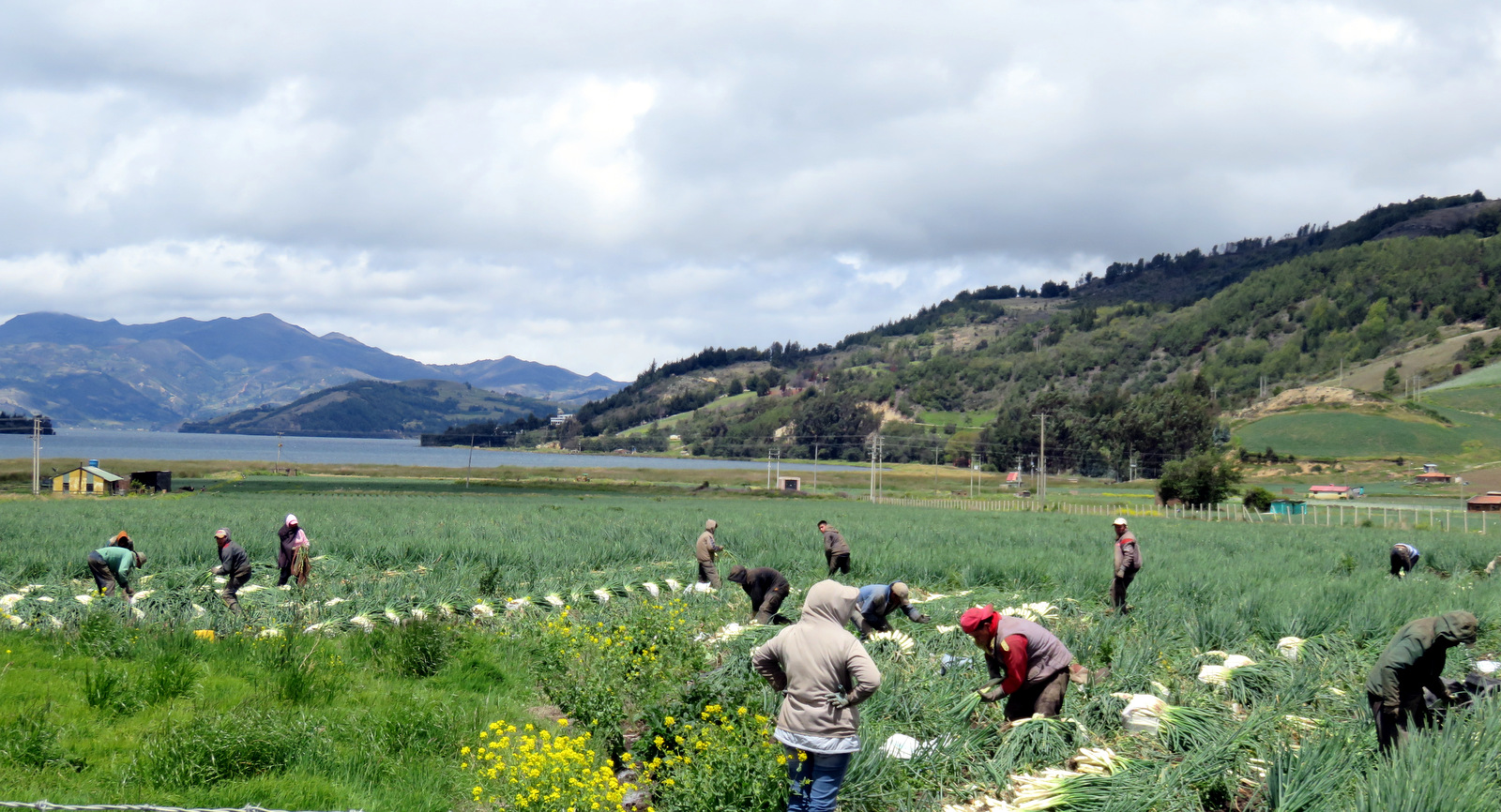
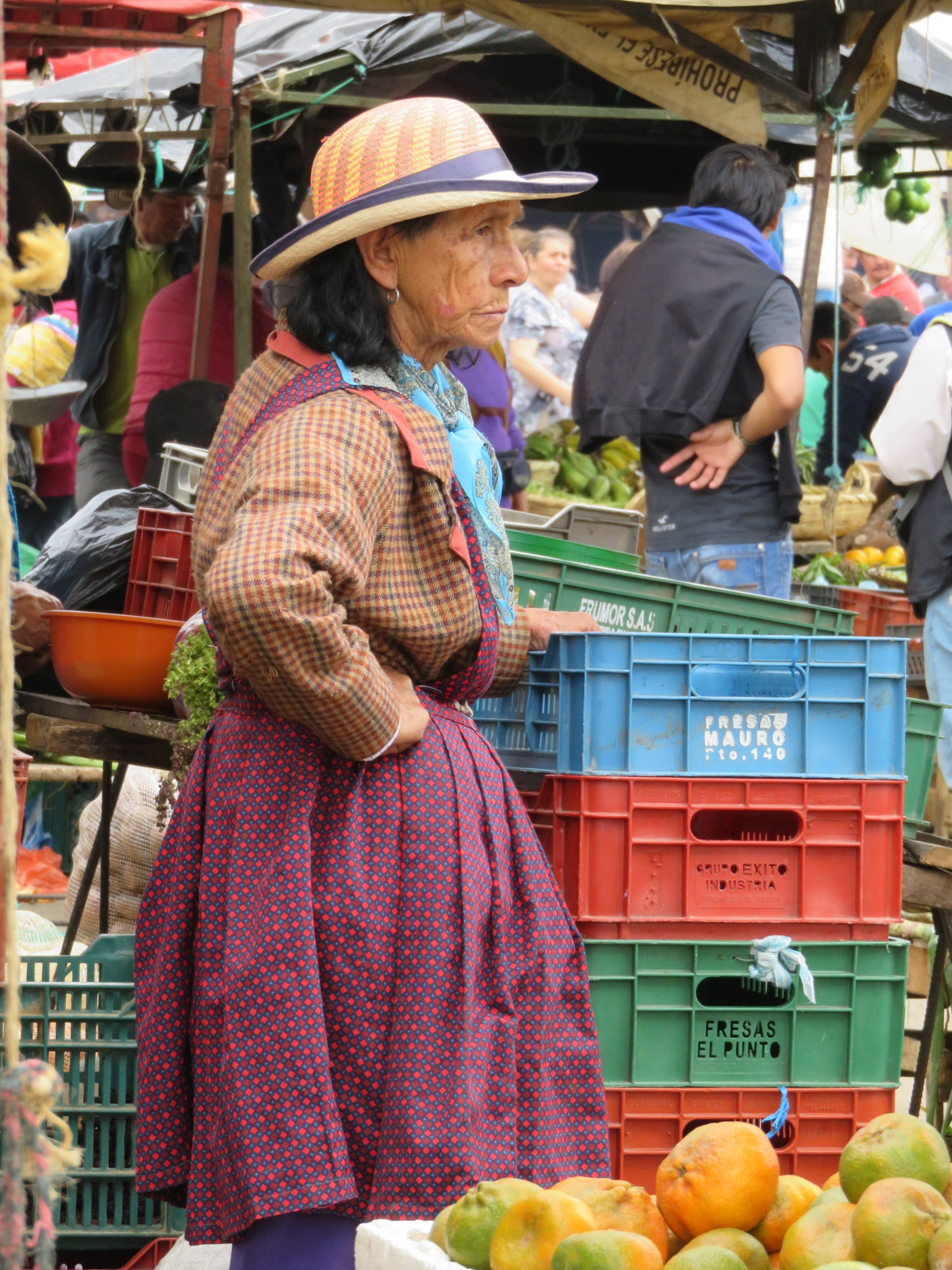
You pass people walking, on horses, watch the onion harvest along lake……… and people hanging out in the little towns.

IMG_0744

Onion harvest

IMG_0788

20150809_121123-1

Finally we dropped the camper off at Iguana 4×4 the best repair shop in Colombia, spent two days in Bogotá and then flew to Macarena.

IMG_1229

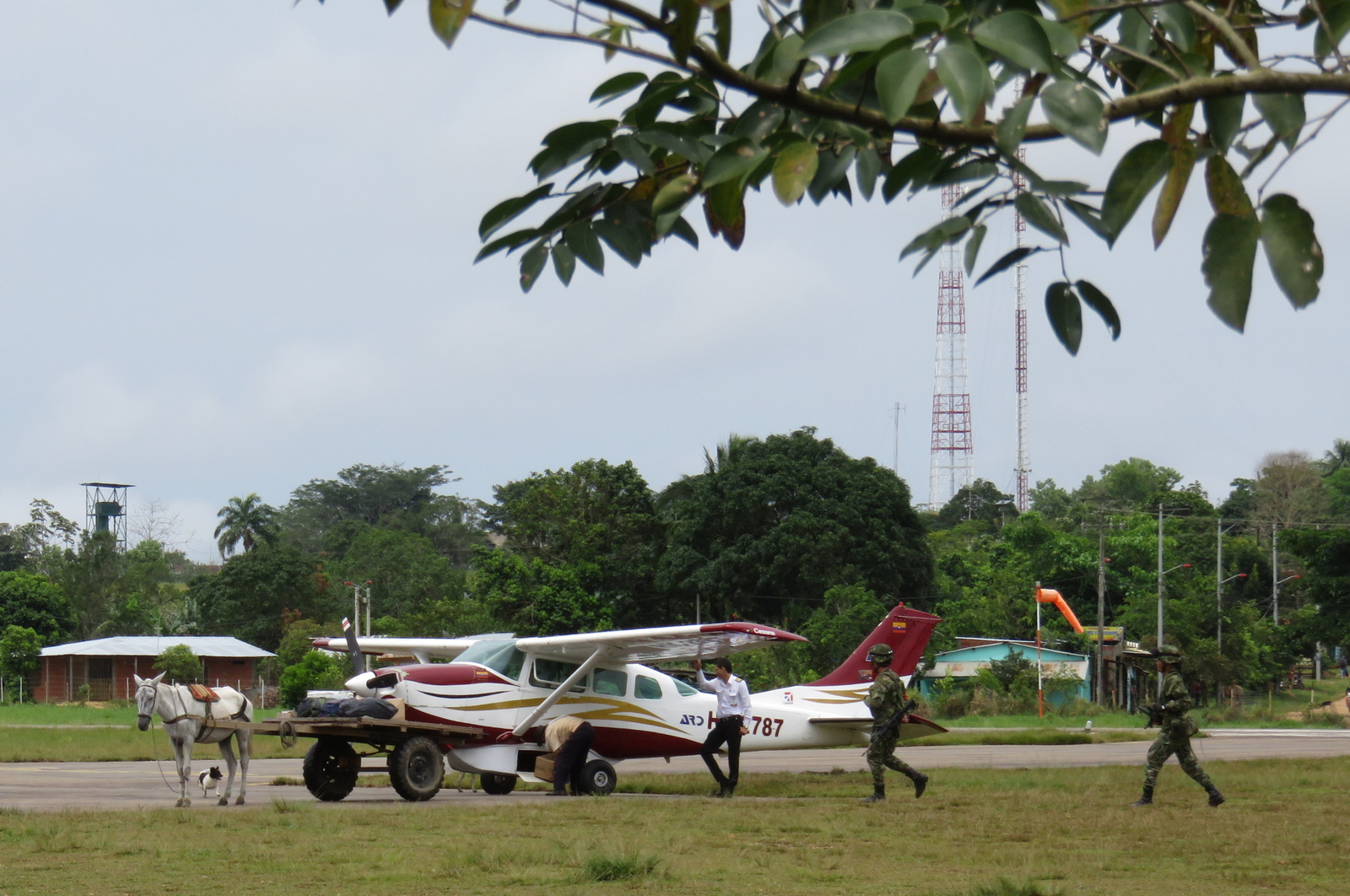
Airport Macarena.

IMG_1226

Macarena

IMG_1186

IMG_1210

The Llanos.

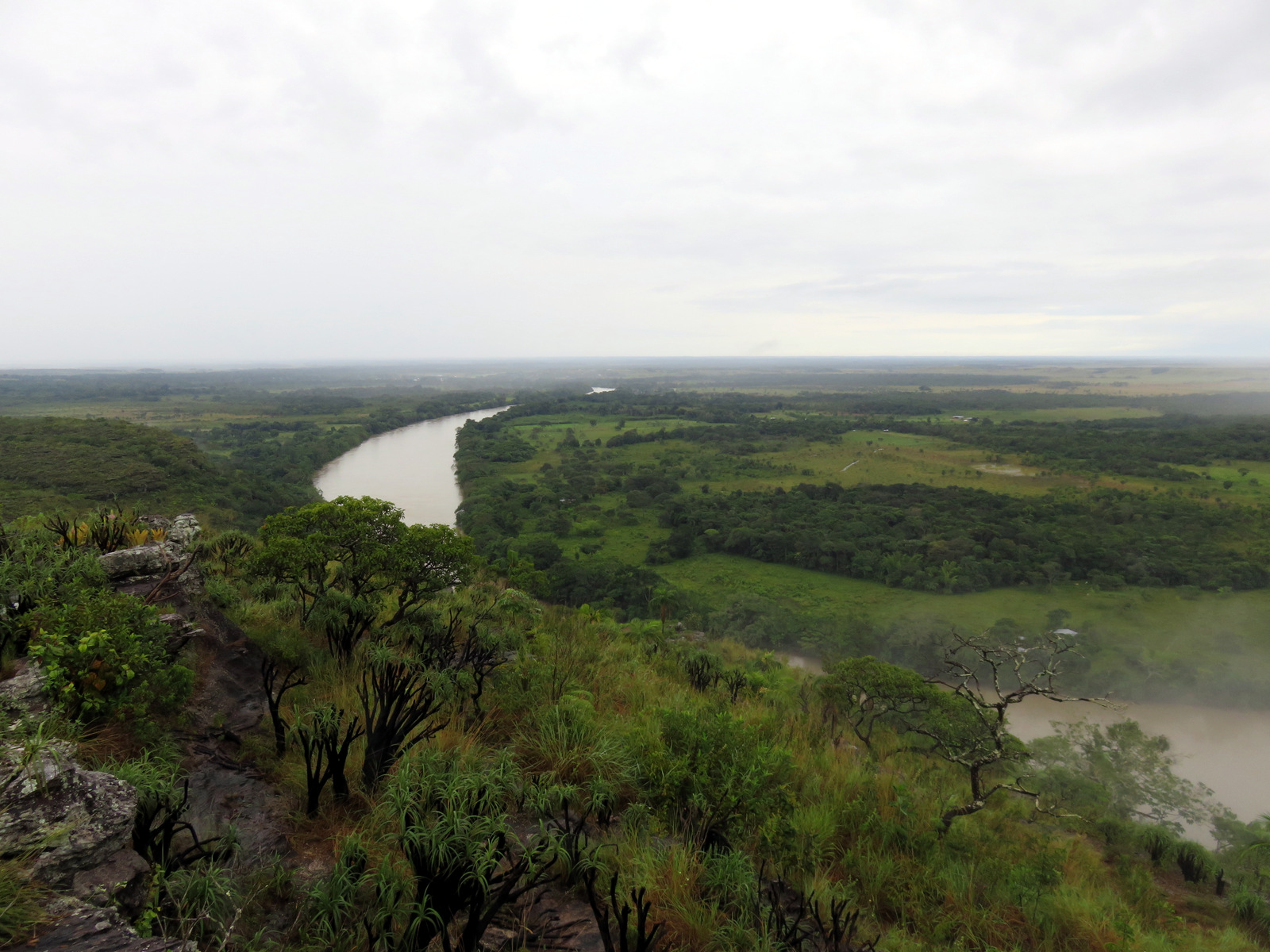
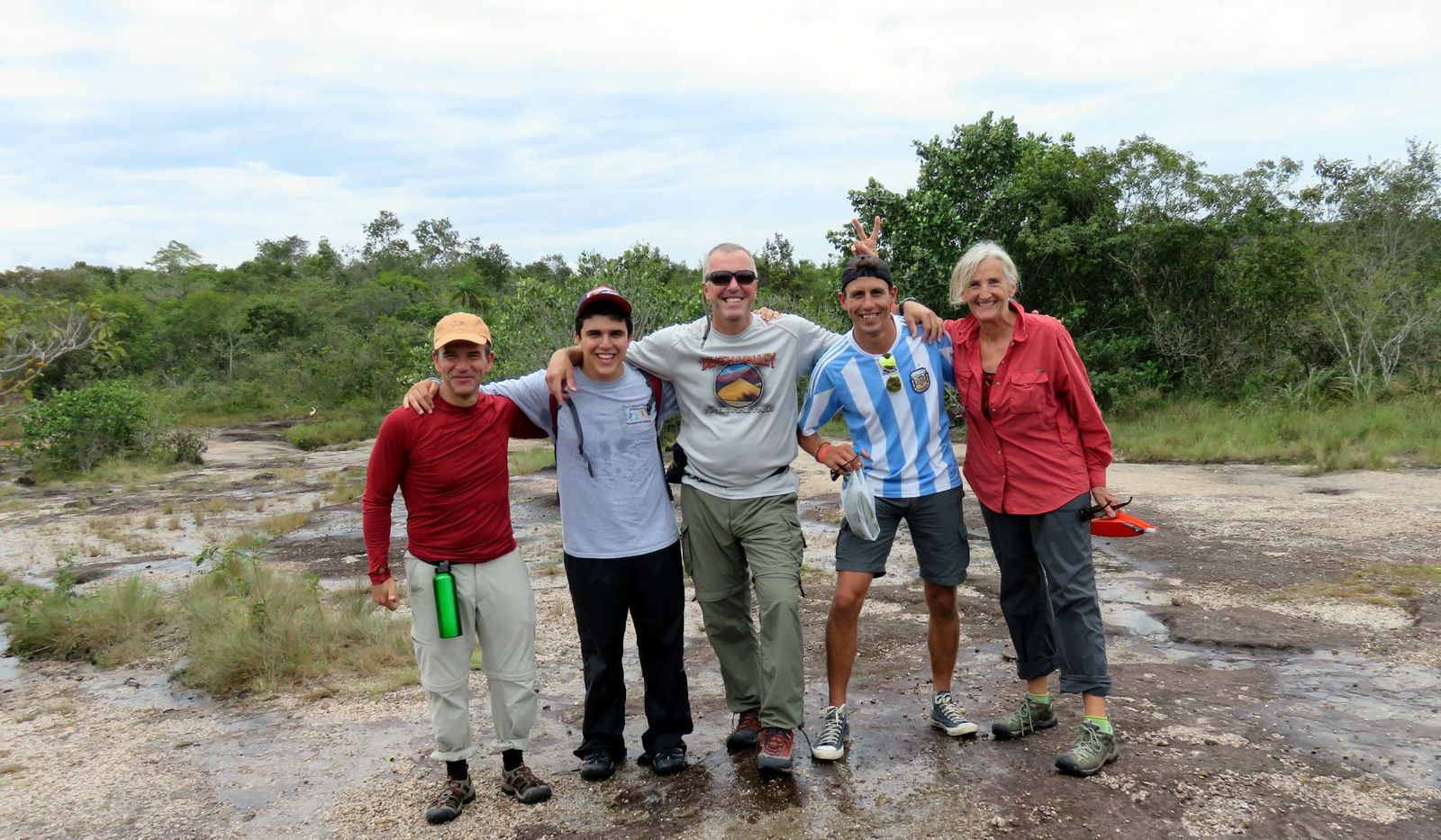
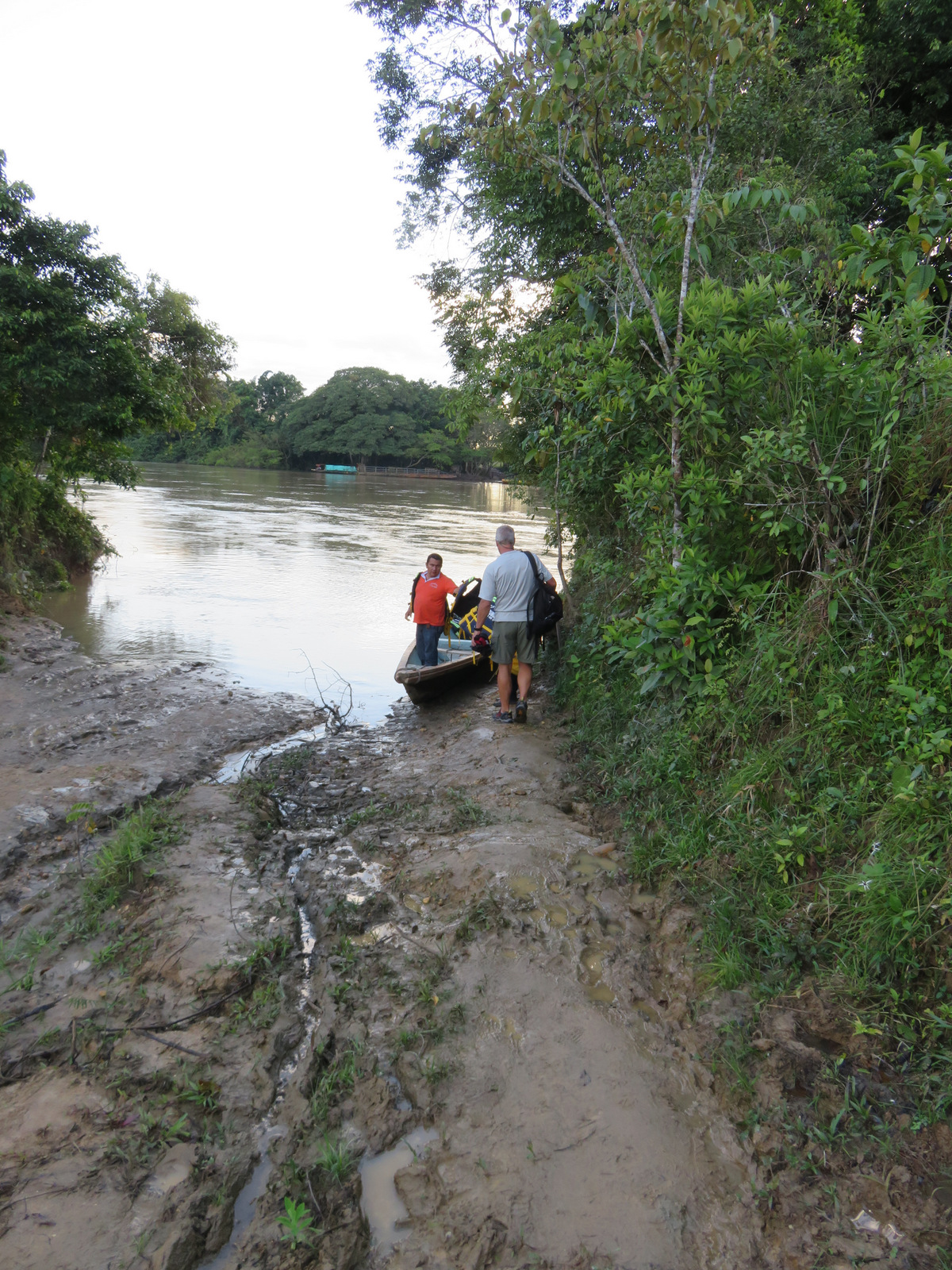
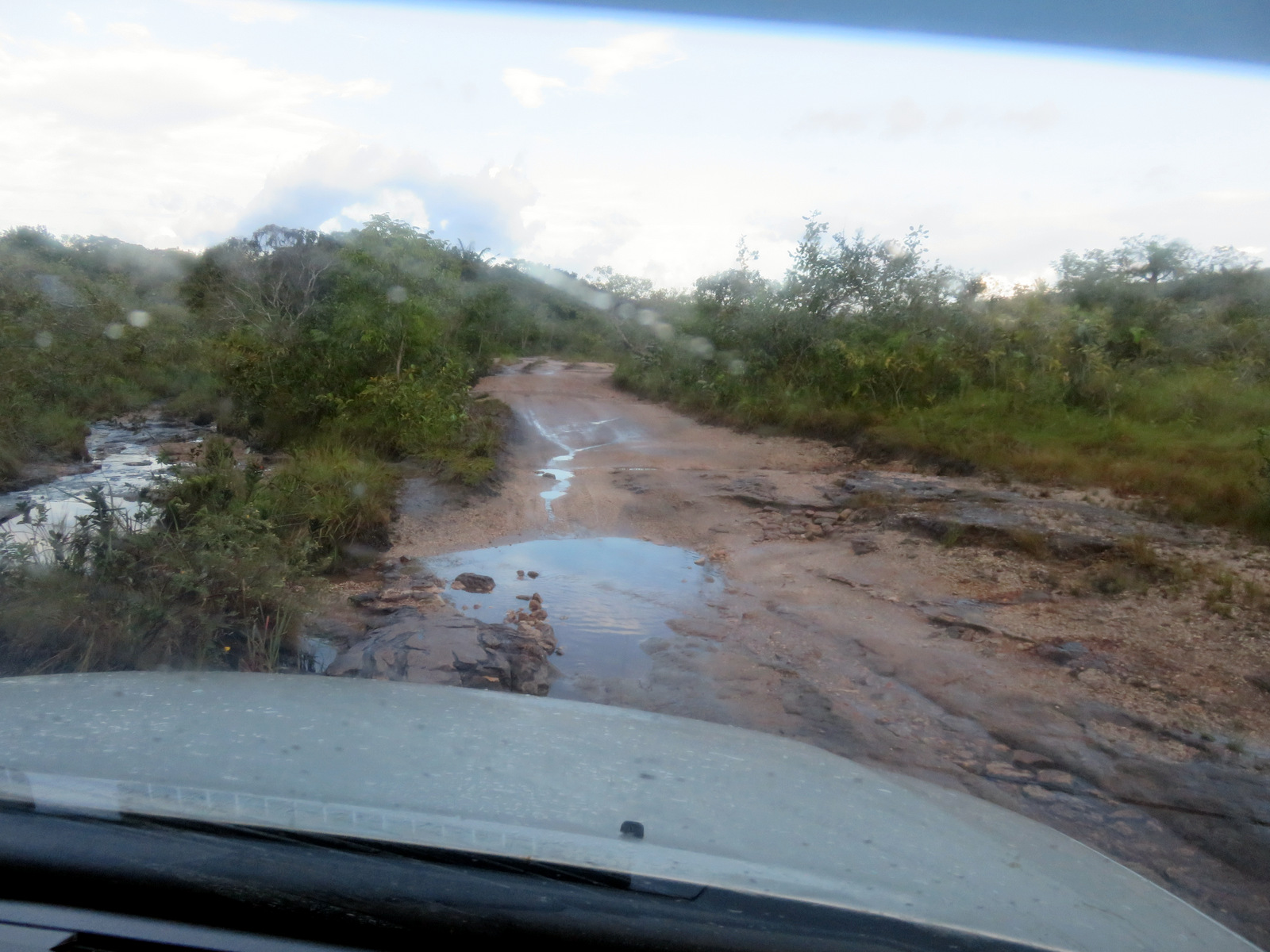
There our luggage was picked up by a mule cart and soon we were in our room at a small hotel. Juliana, a local young lady, was our guide. She was great, together with our new friends Diego and Ricardo and “Senor Dulce” aka Robin the speedy Belgian, we took the long-boat (hewn out of one huge tree) upriver where we got dropped off and picked up by a small truck that took us into the hills on a crazy rough road.

IMG_1043

The TEAM!

IMG_1148 IMG_1145

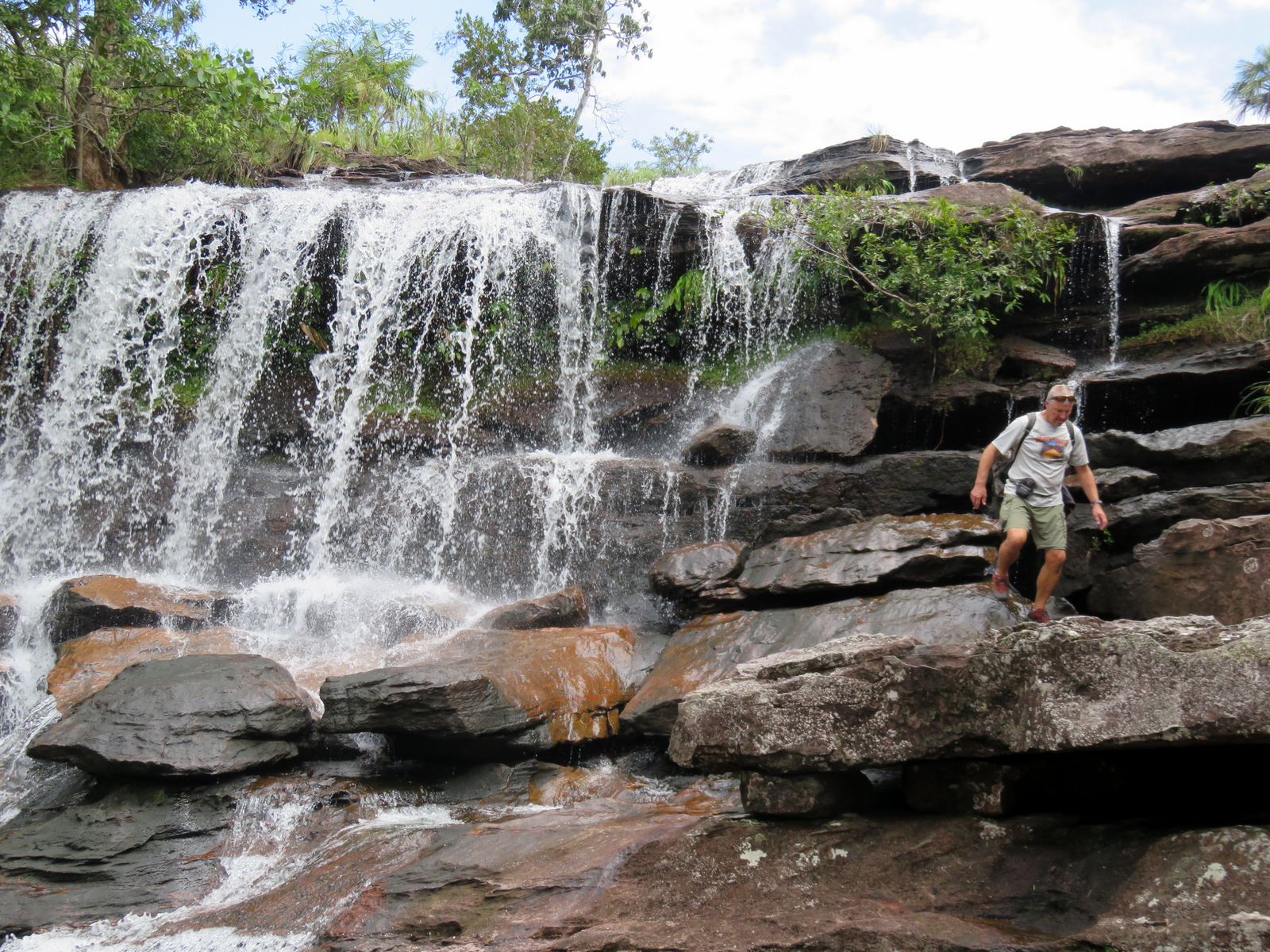
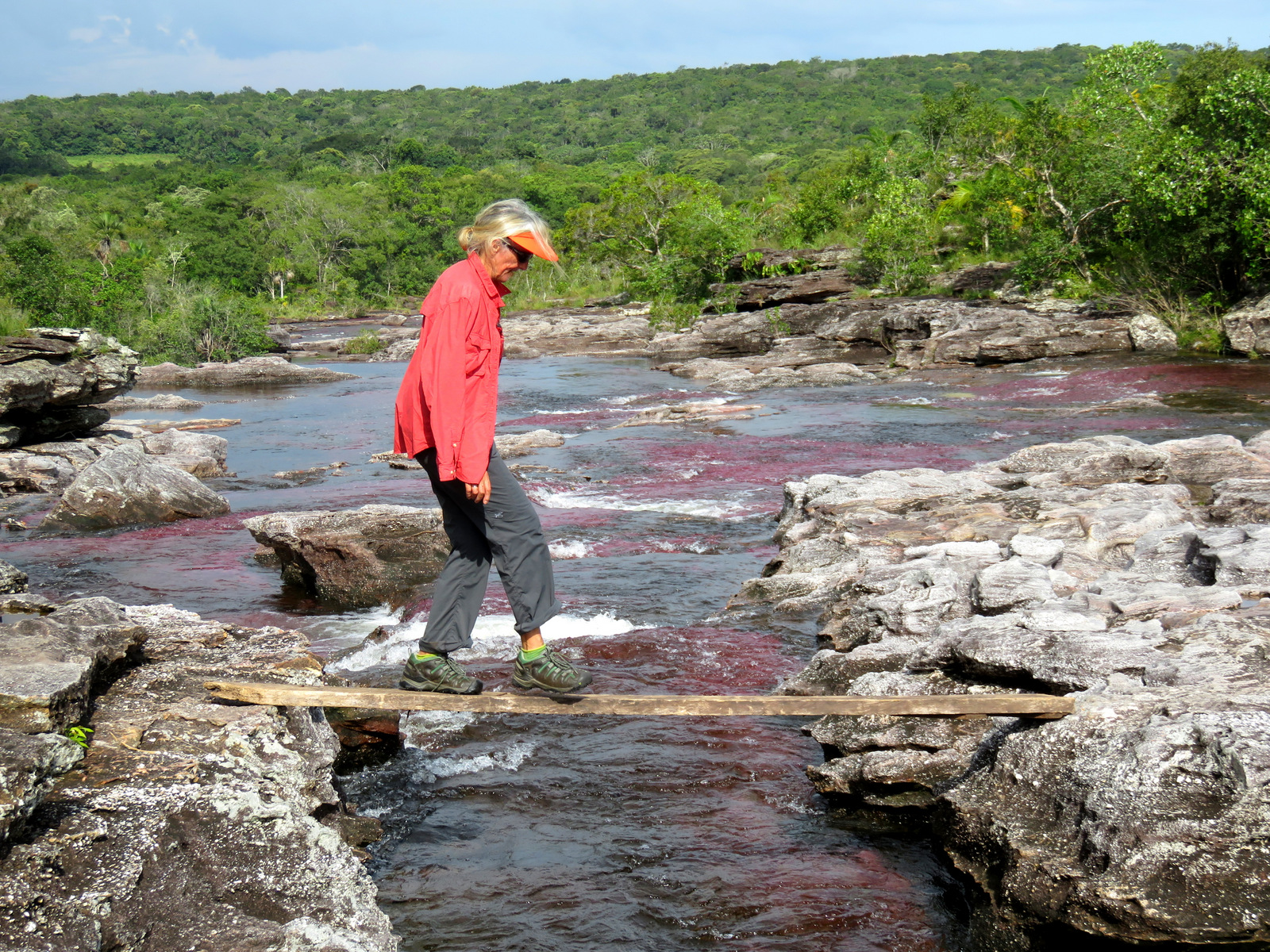
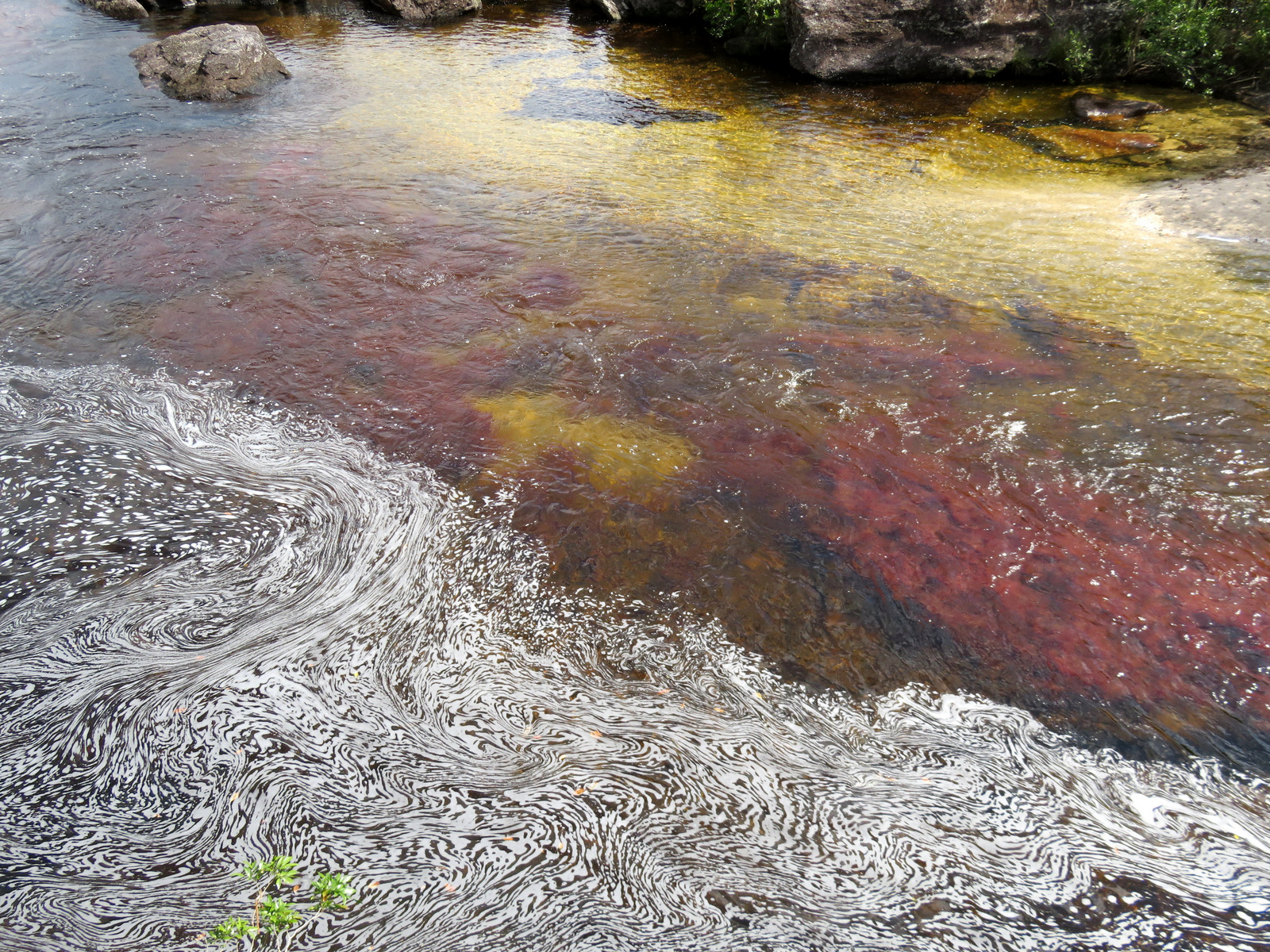
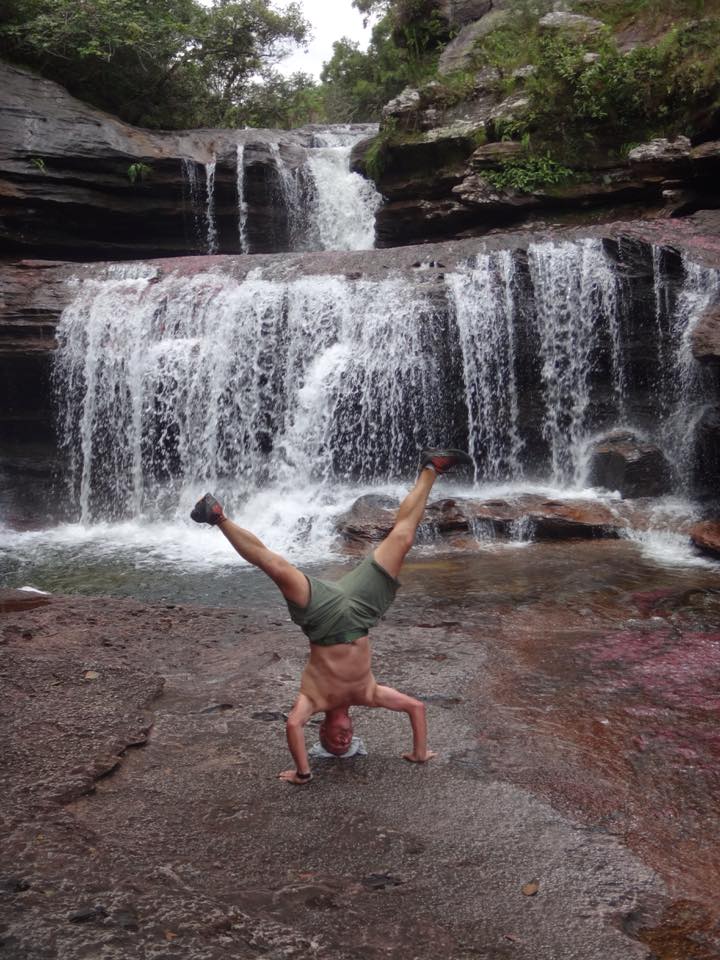
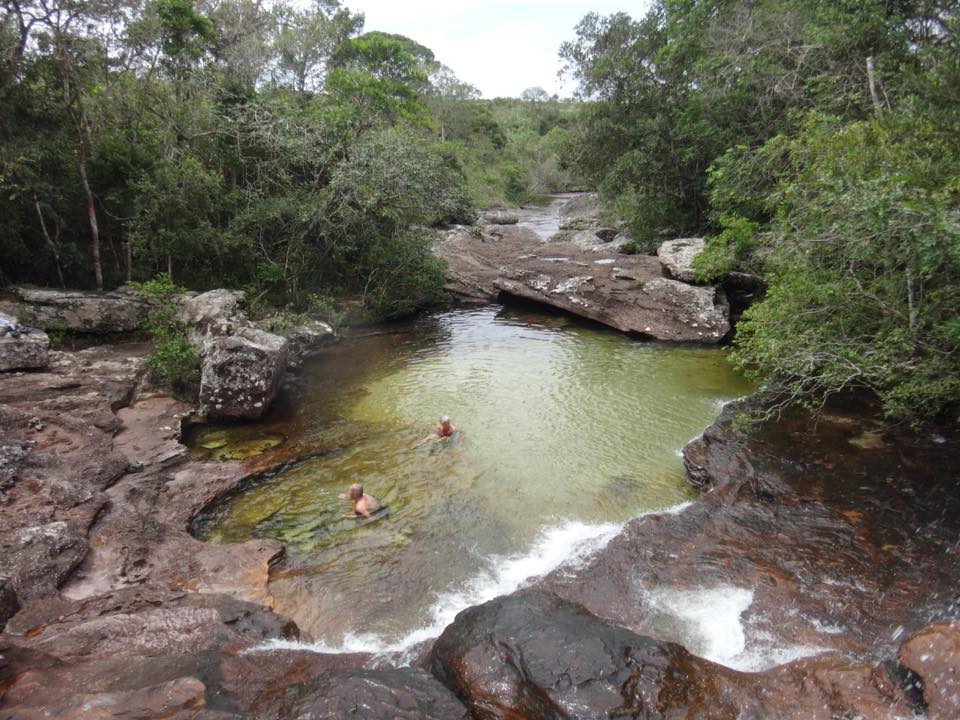
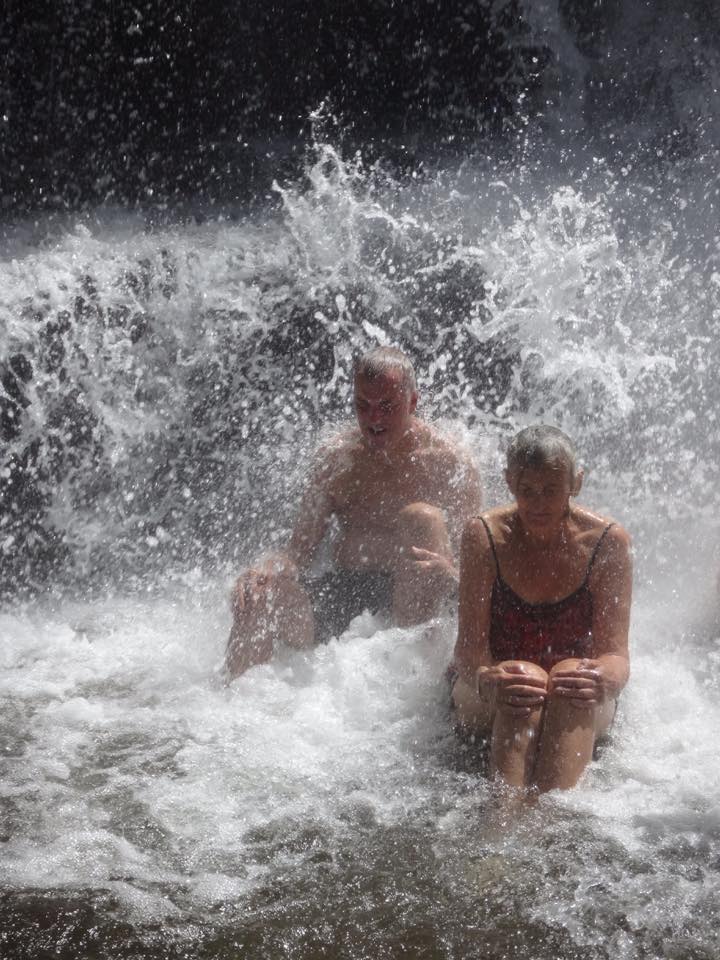
Then we started hiking, through the hills, down to creeks, past waterfalls, we waded through streams, and there it was: A flood of red fronds that reminded us of the red skeins of salmon roe. A psychedelic swirl of red, grey and green, aquamarines push up against eddies of red and fingers of yellow cut through pockets of bright green. Hard to put into words.

IMG_1083

Many waterfalls to negotiate.

IMG_1118 IMG_1093 IMG_1092 IMG_1088

IMG_1138

The only dry crossing, the rest of the time you have to wade.

IMG_1129 IMG_1126

IMG_1067

…or swim.

IMG_1058

…and hike some more…..

IMG_1055

This is a frailejone as well!!!

11828552_10153614185443223_1764109536004937925_n 11828553_10153614184368223_4538370066879345276_n 11863373_10153614200398223_960252882724868846_n

11880552_10153614170588223_4197164834472162448_n

Flannelfalterraupe!

11873354_10153614153278223_2078577263708221481_n

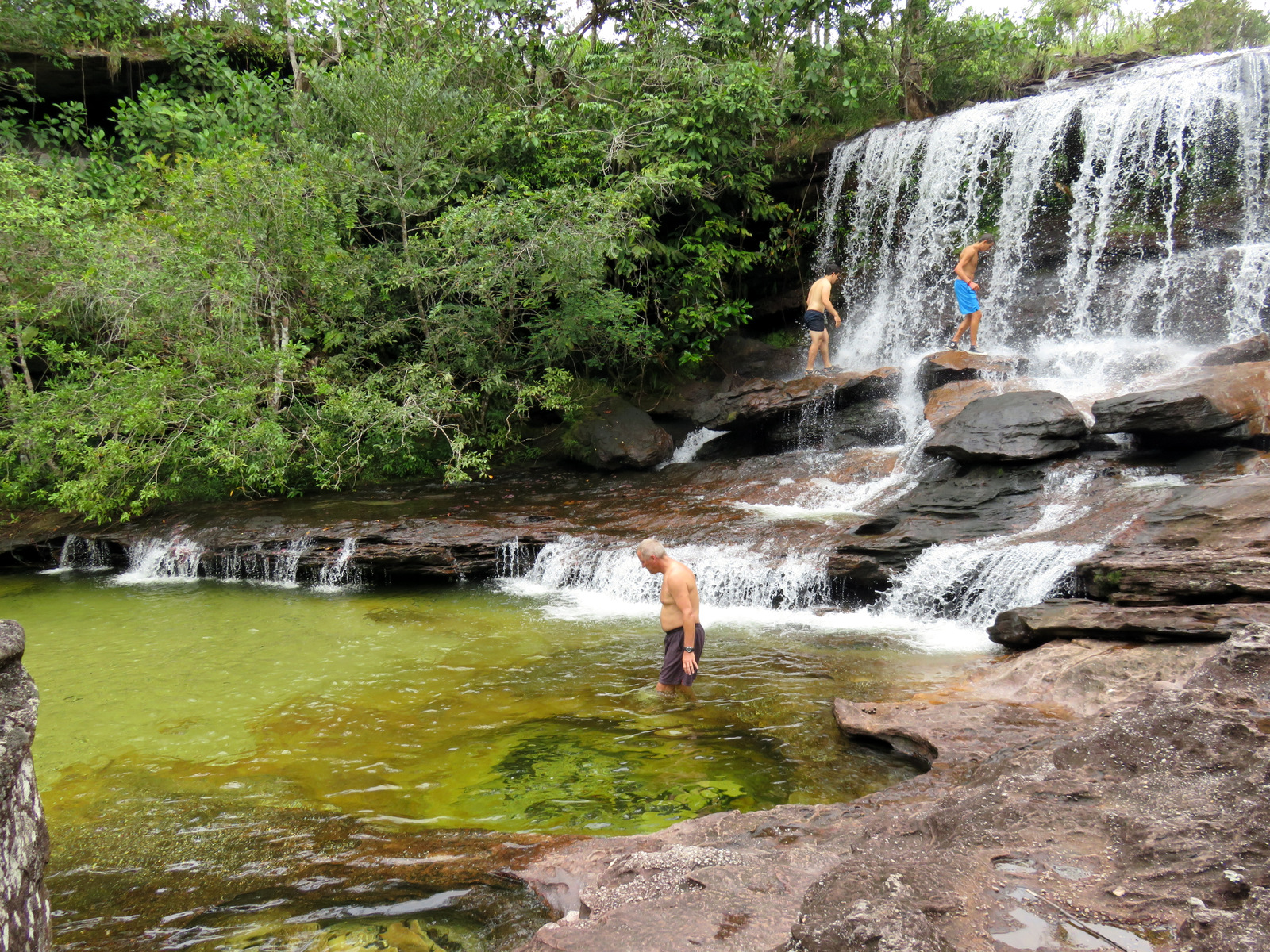
Cooling off in the swimming hole.

11889543_10153614203743223_5604392285252531495_n 11885365_10153614187558223_5428964683700366385_n

11903989_10153614172028223_2841928164236052418_n 11904075_10153614169623223_6953621829191331811_n 11905379_10153614155678223_4021799479695642774_n

We hiked all day for two days, it was hot, but we had plenty of water, both days Juliana brought along a delicious lunch wrapped in banana leaves. This is a popular tourist destination for Colombianos and we had fun driving into the hills with them one evening in – so we could watch the sunset. The ladies screamed every time we drove through a mud hole and at one point I though we would roll over, haha, in the end we all screamed.

11870900_10153614220578223_8413785562016022549_n

IMG_1141

They protected us!

In the morning of the third day, Juliana did a quick hike to a view-point on top of a hill and then we went to the airport where the mule cart took out packs back to the plane and we headed back to Bogotá.

Go back

Your message has been sent

Warning
Warning
Warning
Warning

Warning.

Posted in Colombia | 2 Comments

Sierra Nevada del Cocuy

We had seen the snow-covered peaks from our camp spot at the pass between Mogotes and San Joaquin and we were looking forward to going there and do some hiking. It was the end of July and the weather up there this time of year can be cloudy and rainy, but that would not stop us. We have clothing and attitude for almost every kind of weather.

IMGP4303

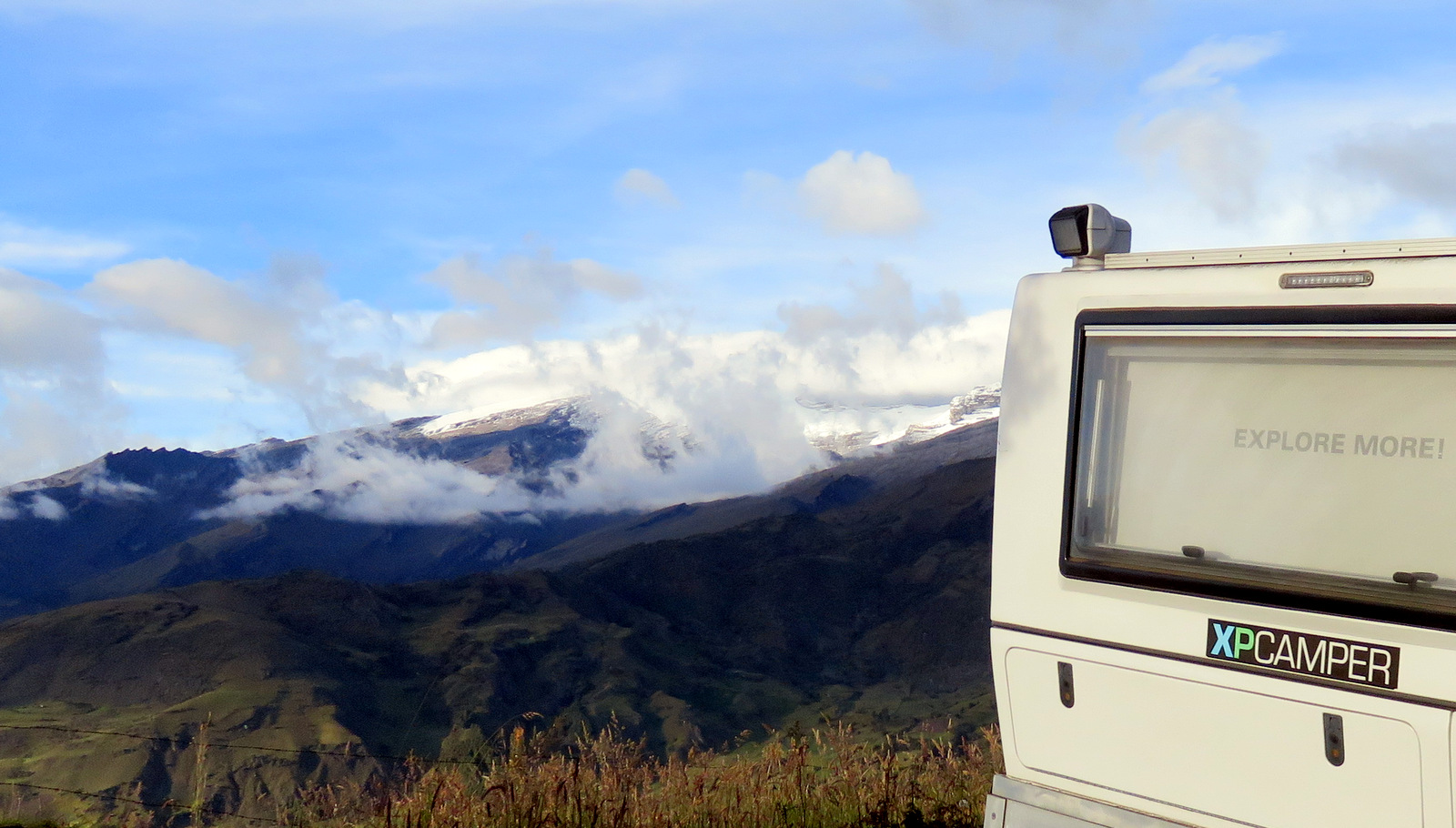
The mountains are calling.

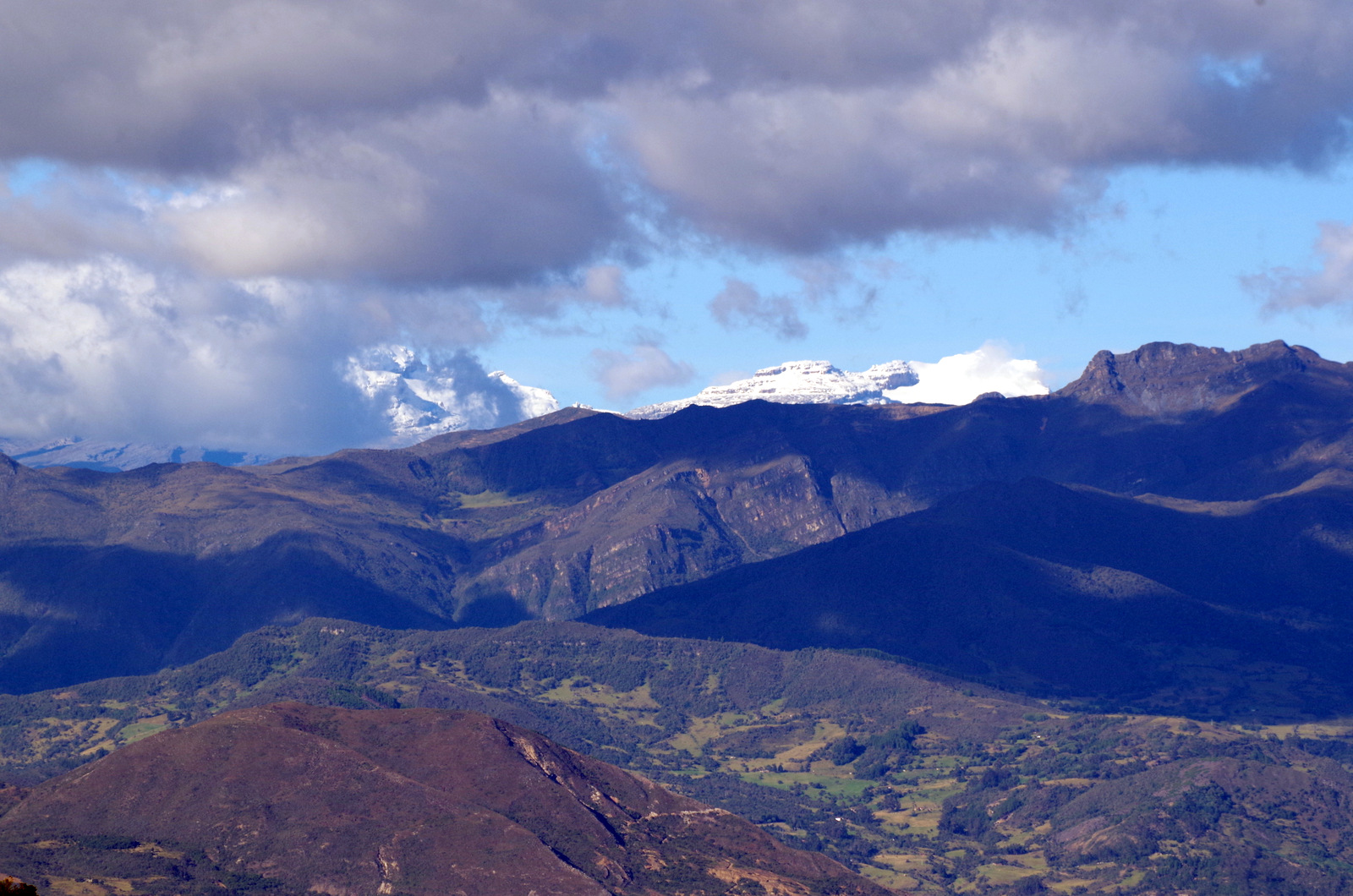
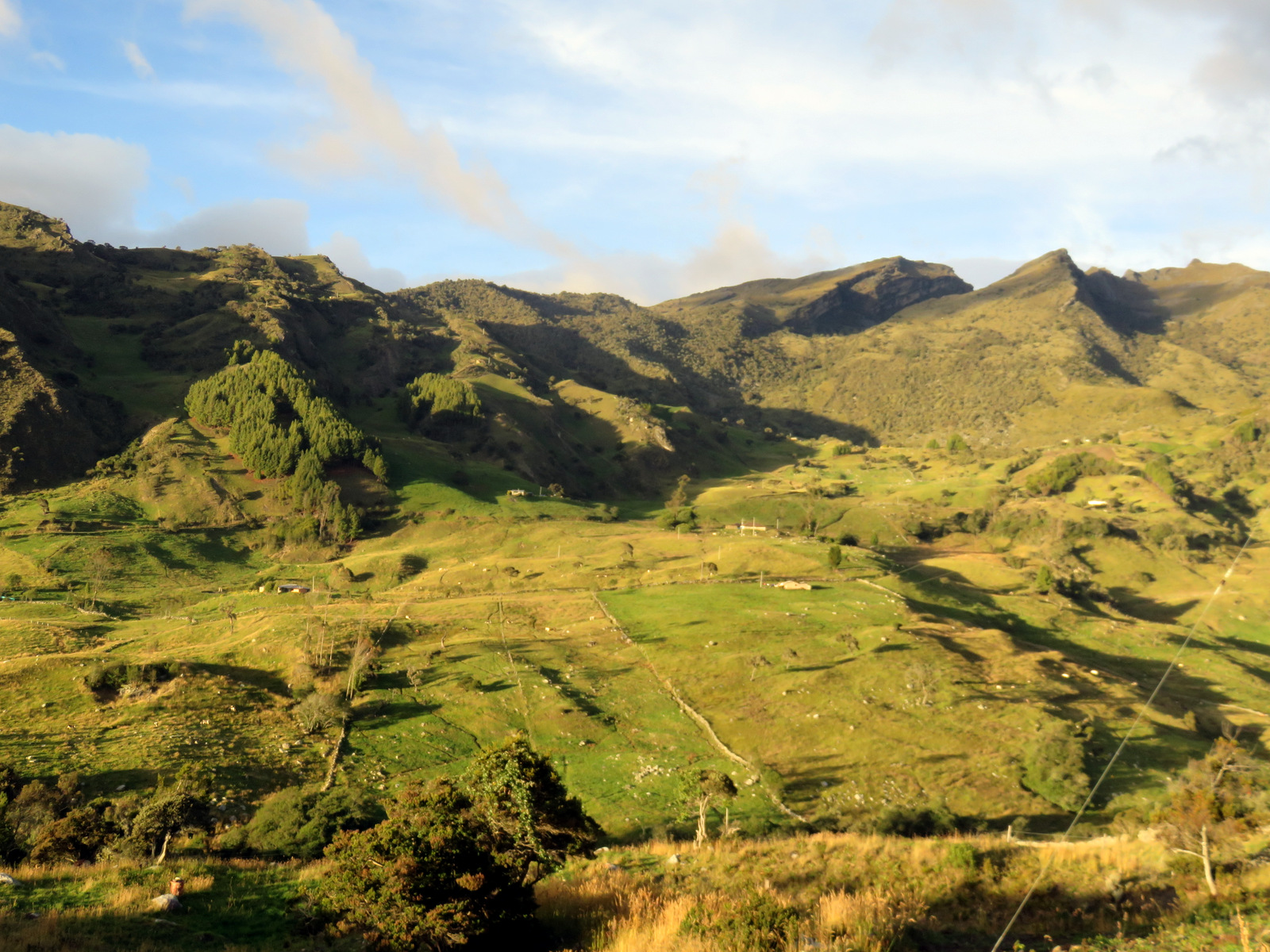
The Sierra Nevada del Cocuy consists of two parallel mountain ranges with several peaks that are over 5000 meters high and covered by glaciers.

IMGP4320

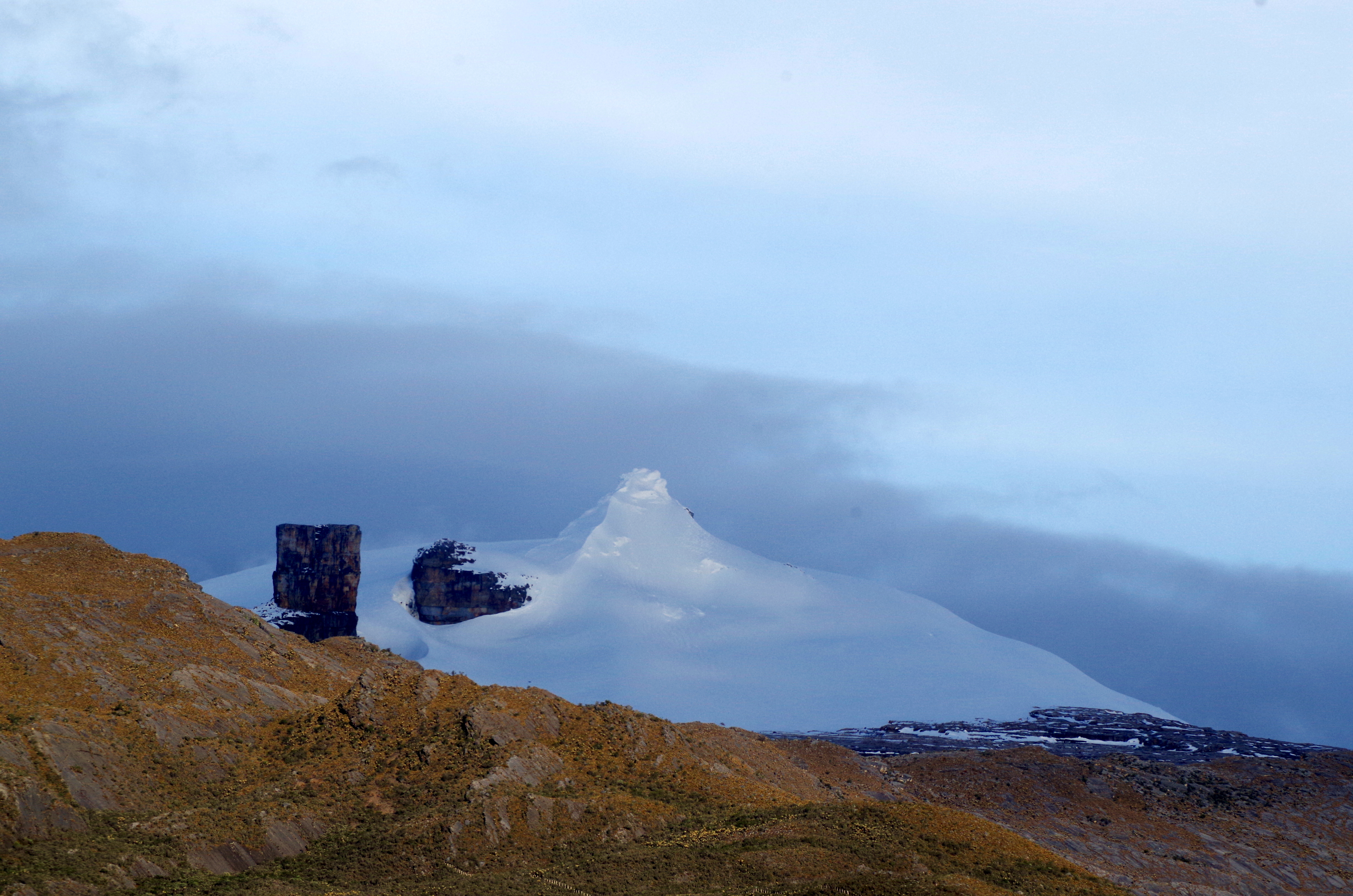
Pan de Azúcar and Pulpito del Diablo.

Map Cocuy

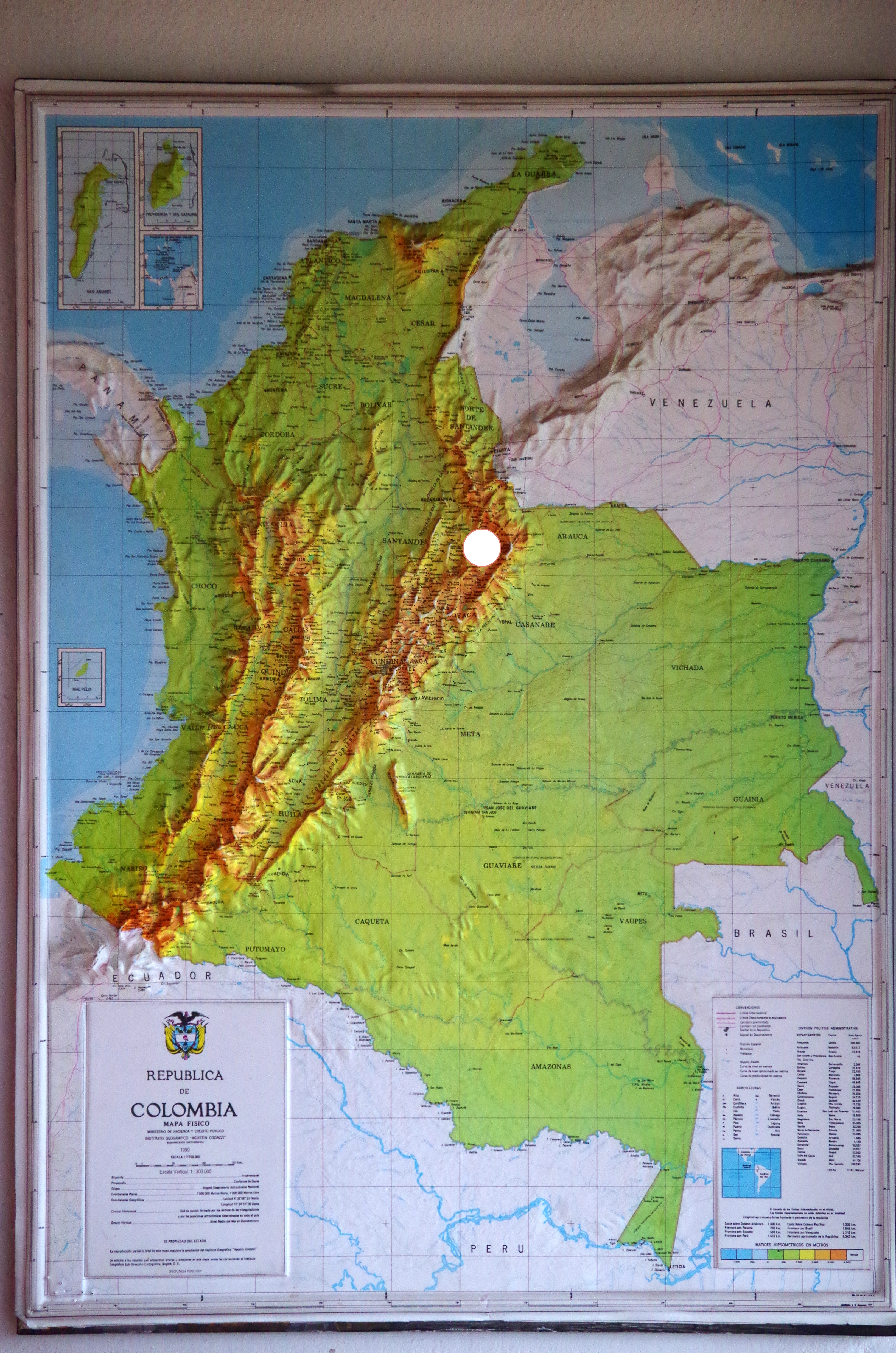
Colombia and Cocuy, the white dot.

But first we needed water, our tank holds around 270 liters and so far we were able to get good drinking water for it, now it was almost empty. Some overlanders just buy bottled water for drinking and fill the tank with non potable water for other uses. In the little town of Capitanejo there is a water purification plant so we headed down into the valley of the Chicamocha River. The water plant is very new and the owner proudly gave us a tour, we topped off the tank and were on our way again soon. Up a side valley we drove on a windy dirt road, a long one, it was slow going and the countryside very arid for a while. For those situations we plug-in our electronic device and listen to NPR podcasts that we usually download when we have wifi.

IMG_0633

IMG_0714

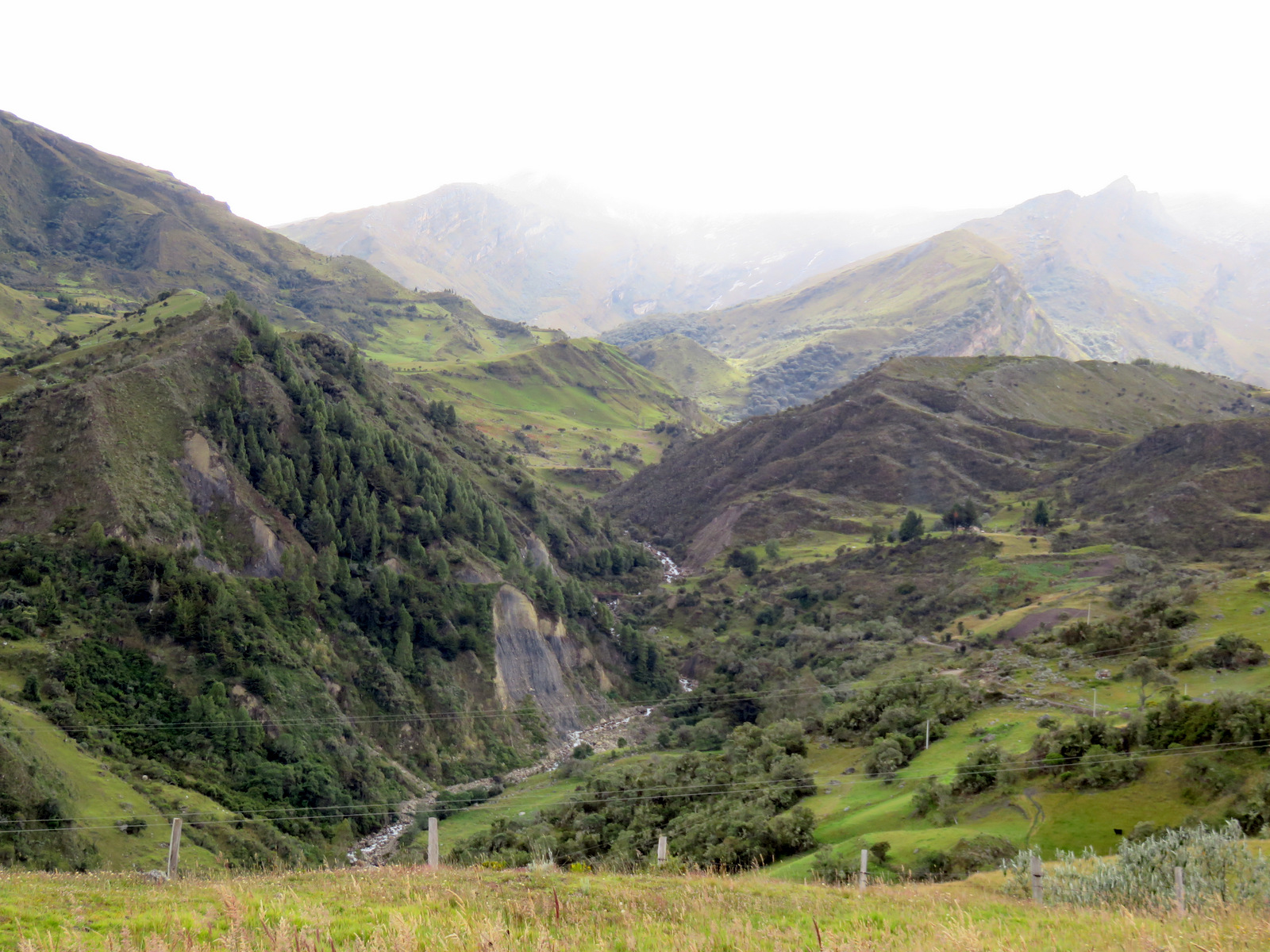
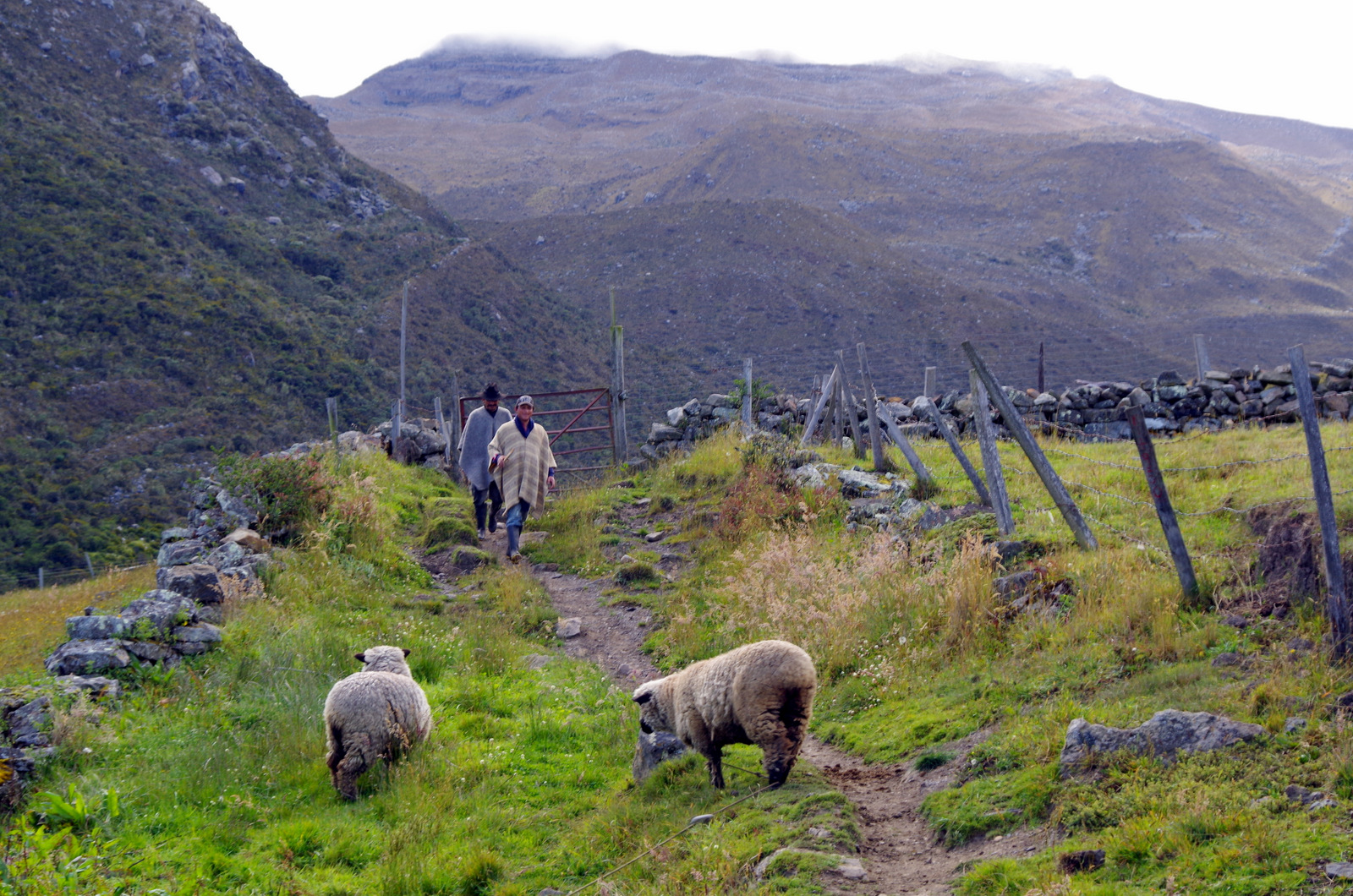
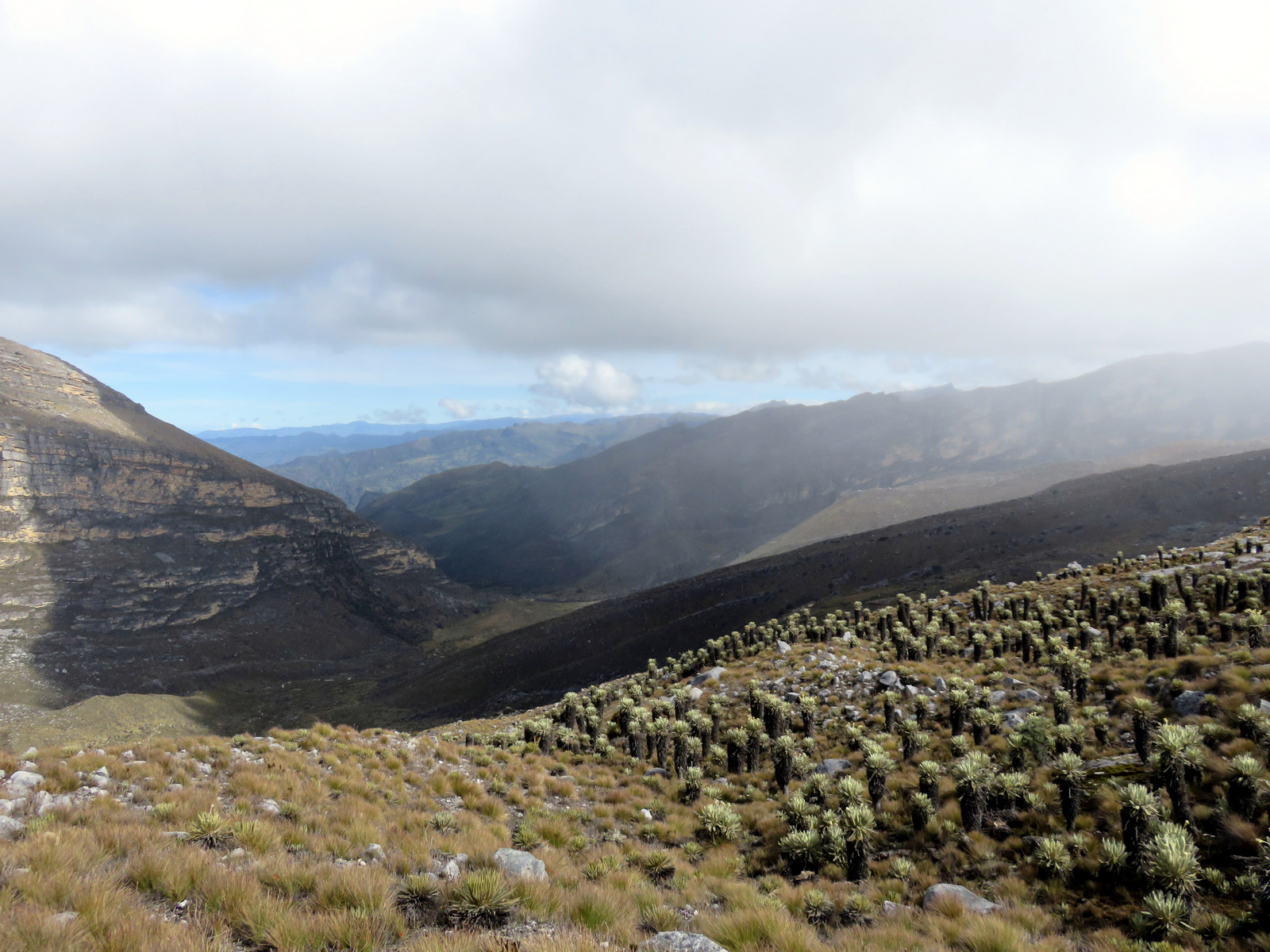
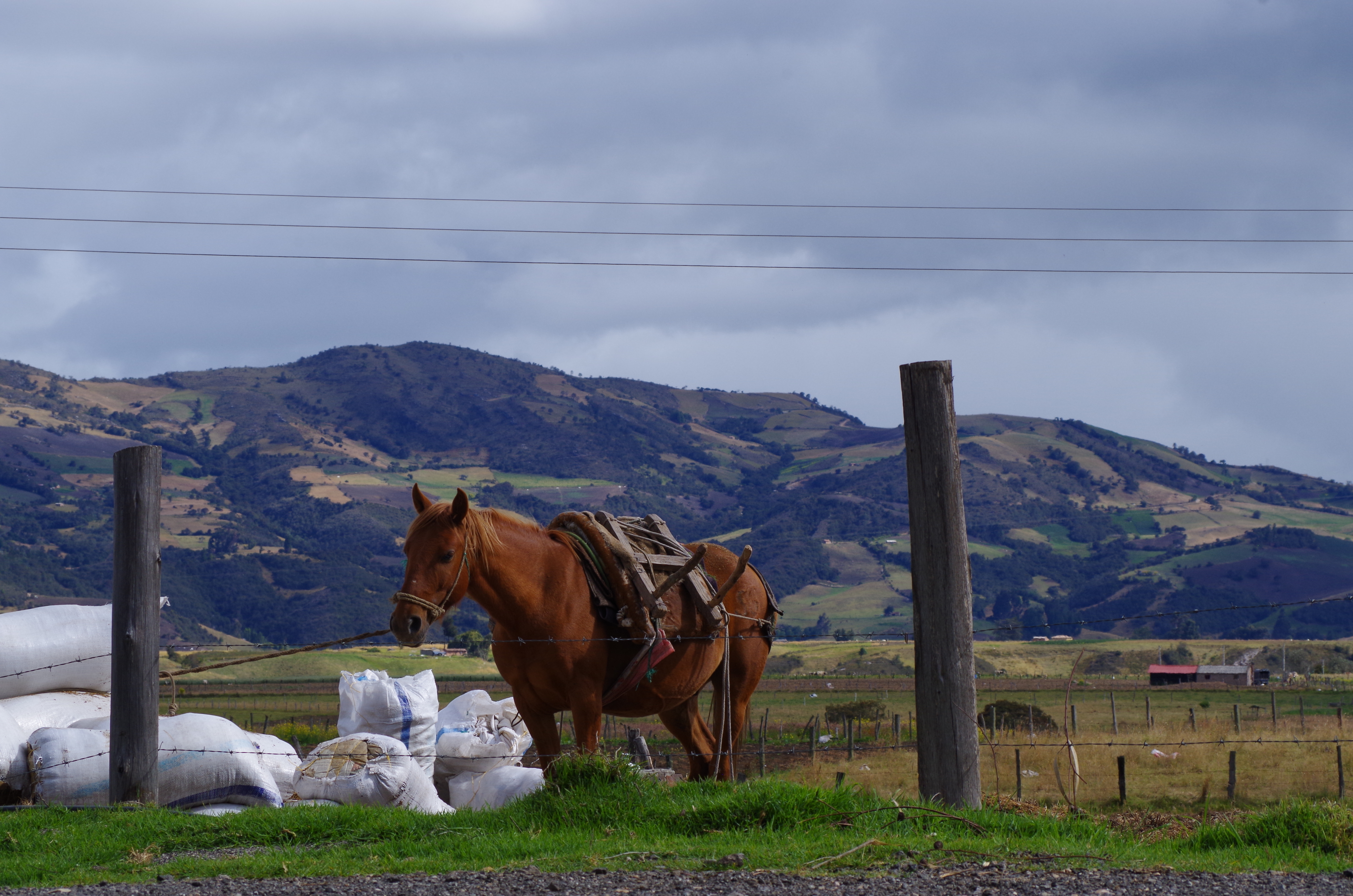
As we climbed higher it got greener and we passed little farm settlements, people on horses and loaded mules or donkeys. The countryside opened up and there were valleys and plateaus dotted with cows and sheep. The snow-covered peaks were getting closer, the air thinner and the temperatures lower. But oh, it was so beautiful, so much like the Alps (without big hotels and ski lifts everywhere).

IMG_0625

IMGP4323


IMGP4324

IMG_0623

El Cocuy, the town.

IMGP4312

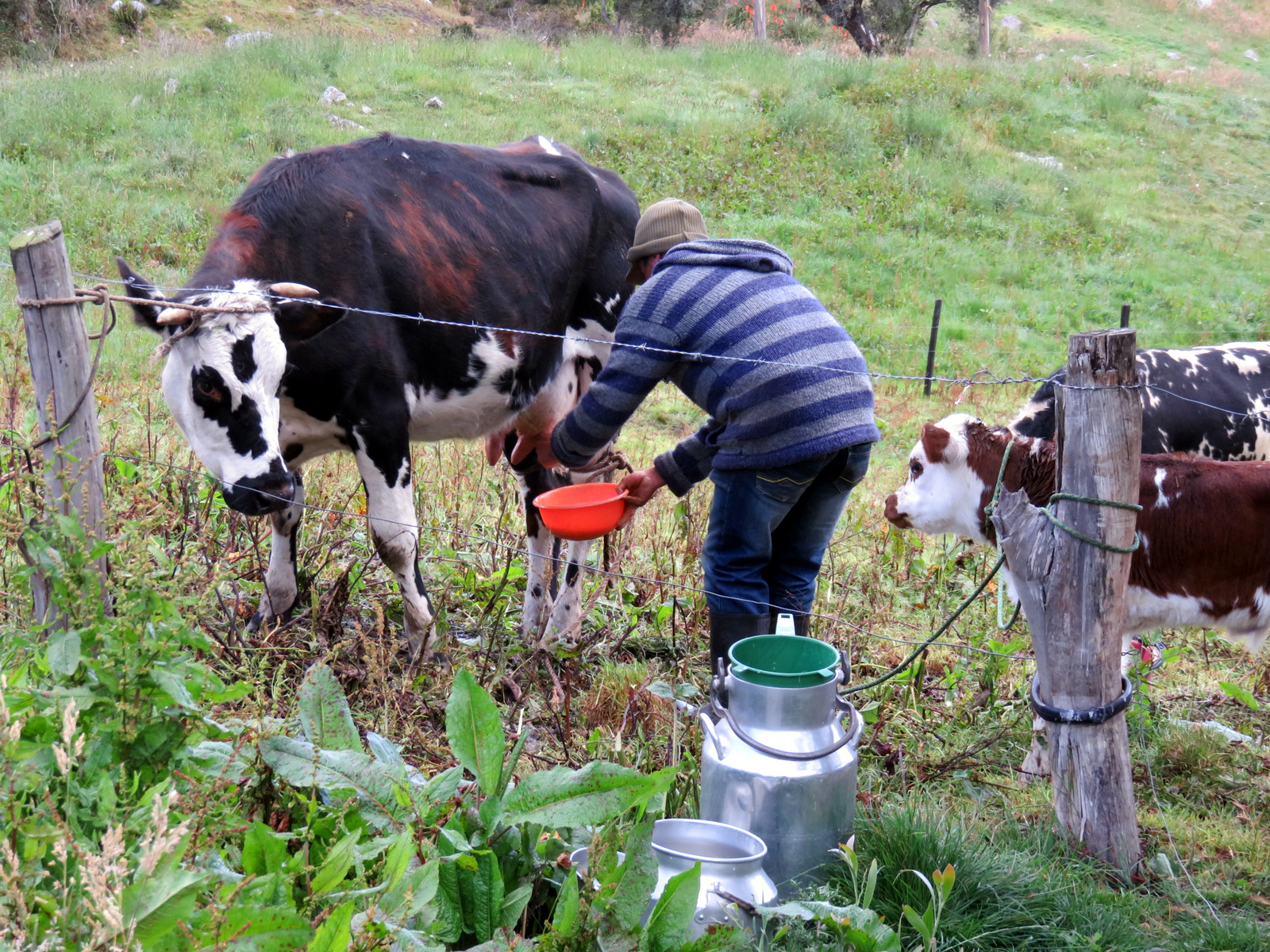
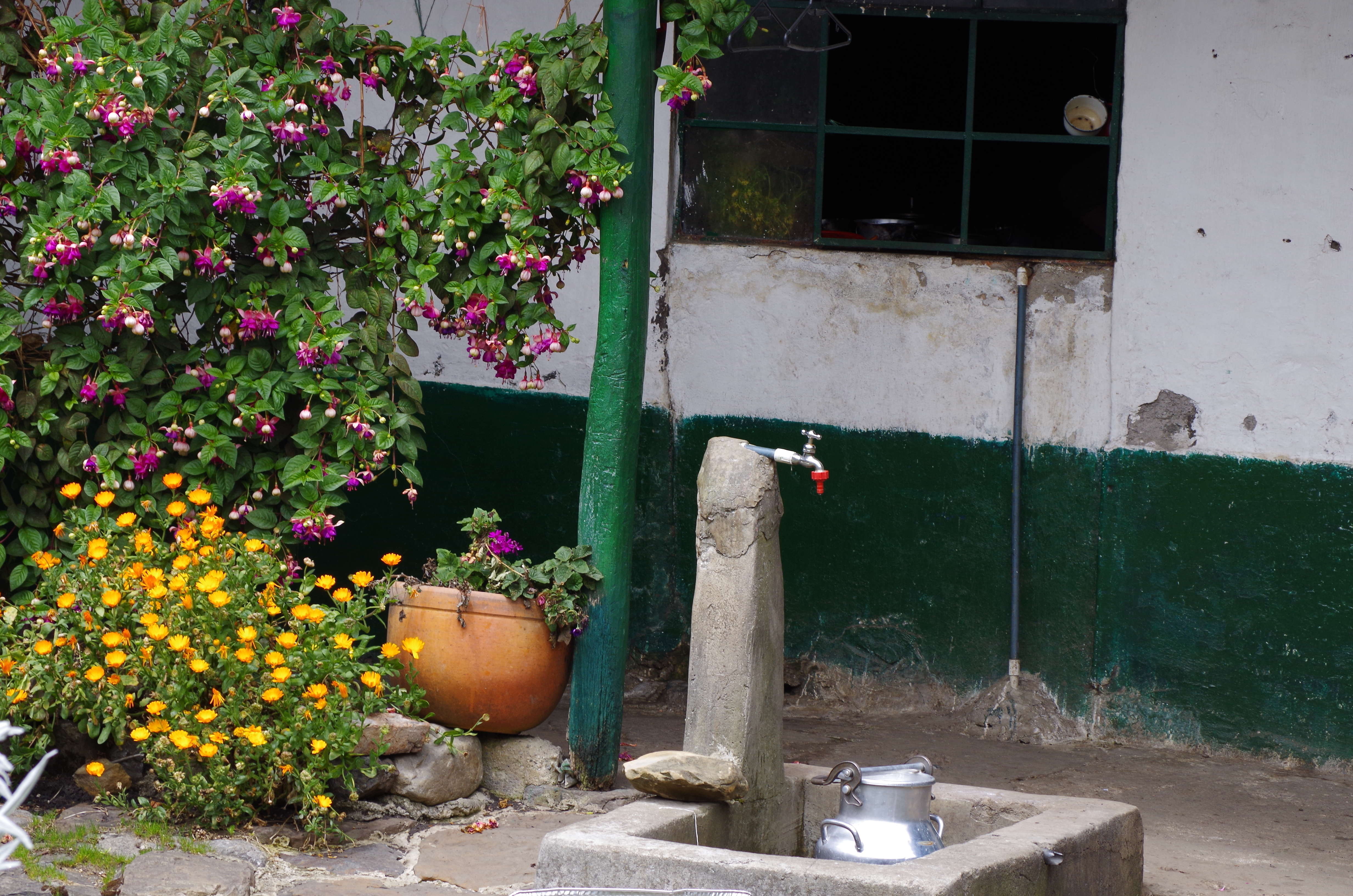
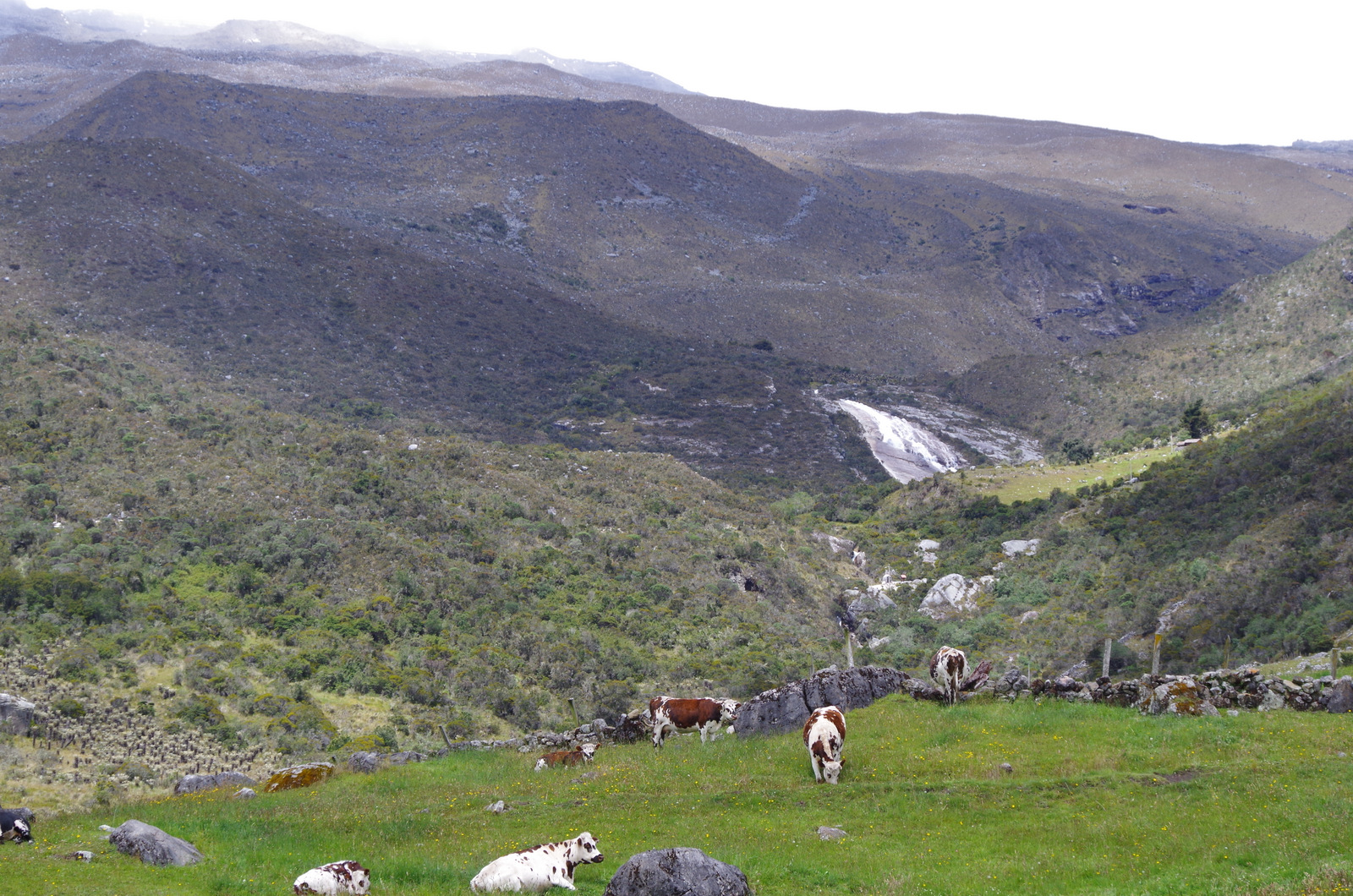
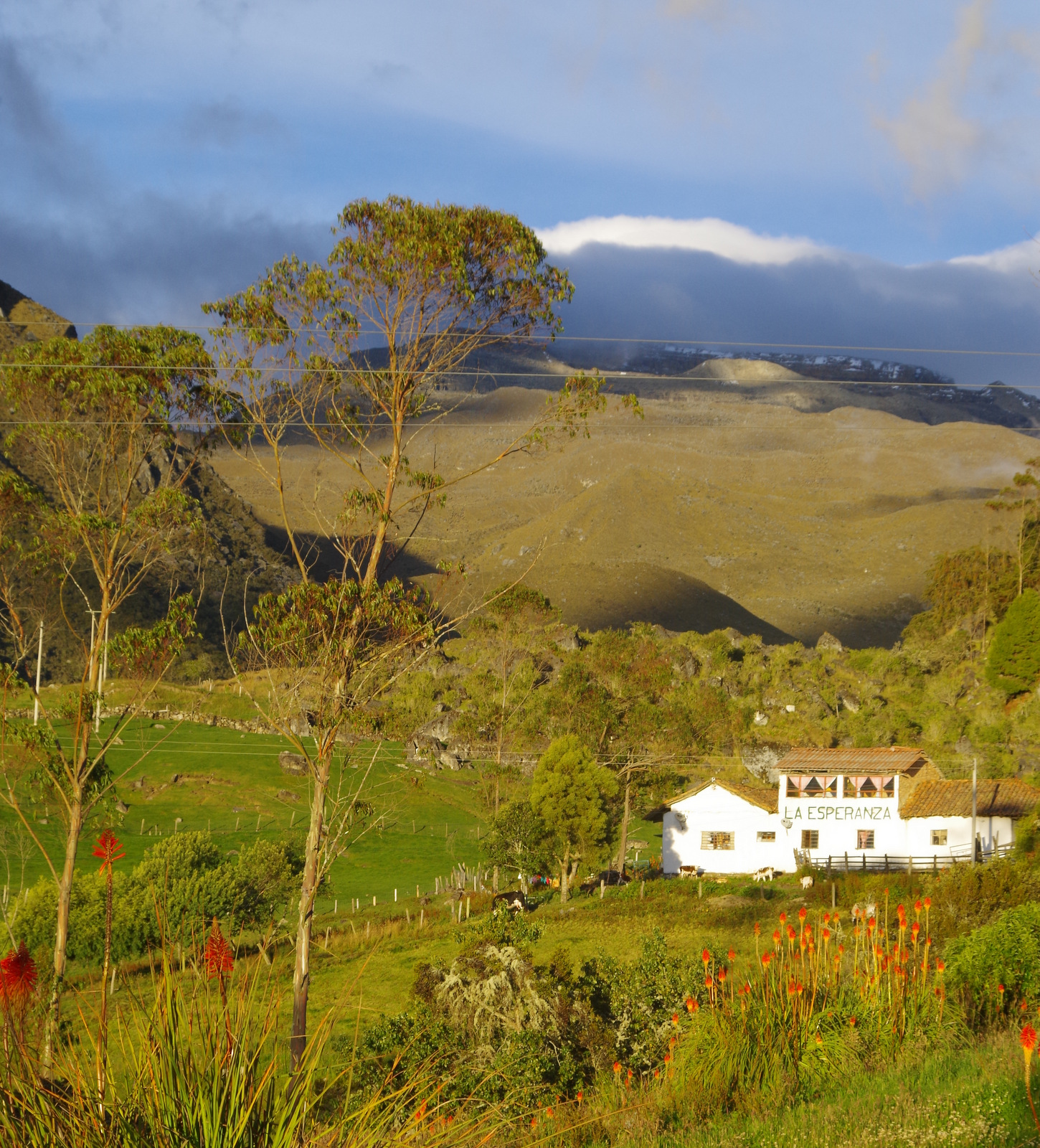
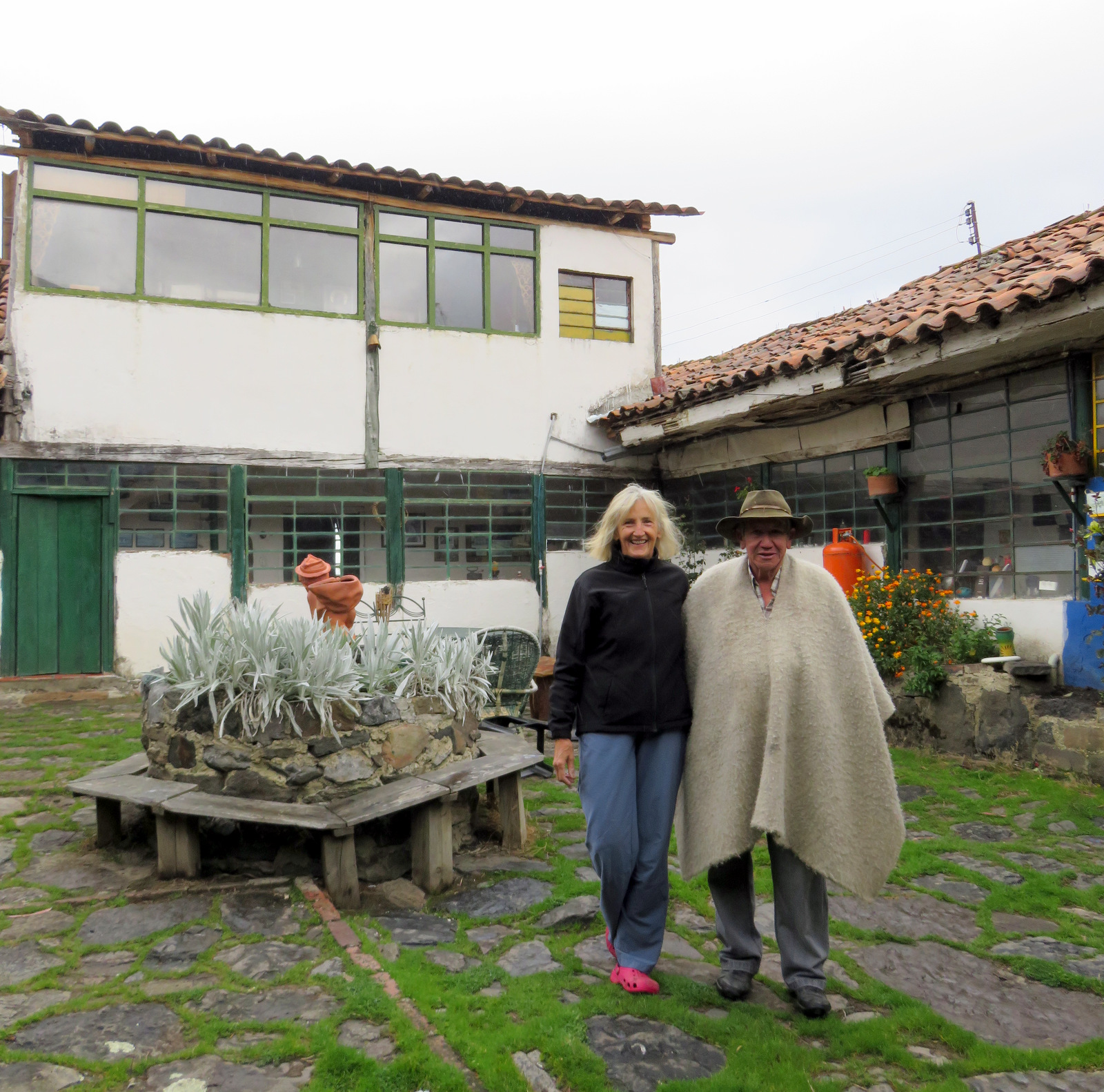
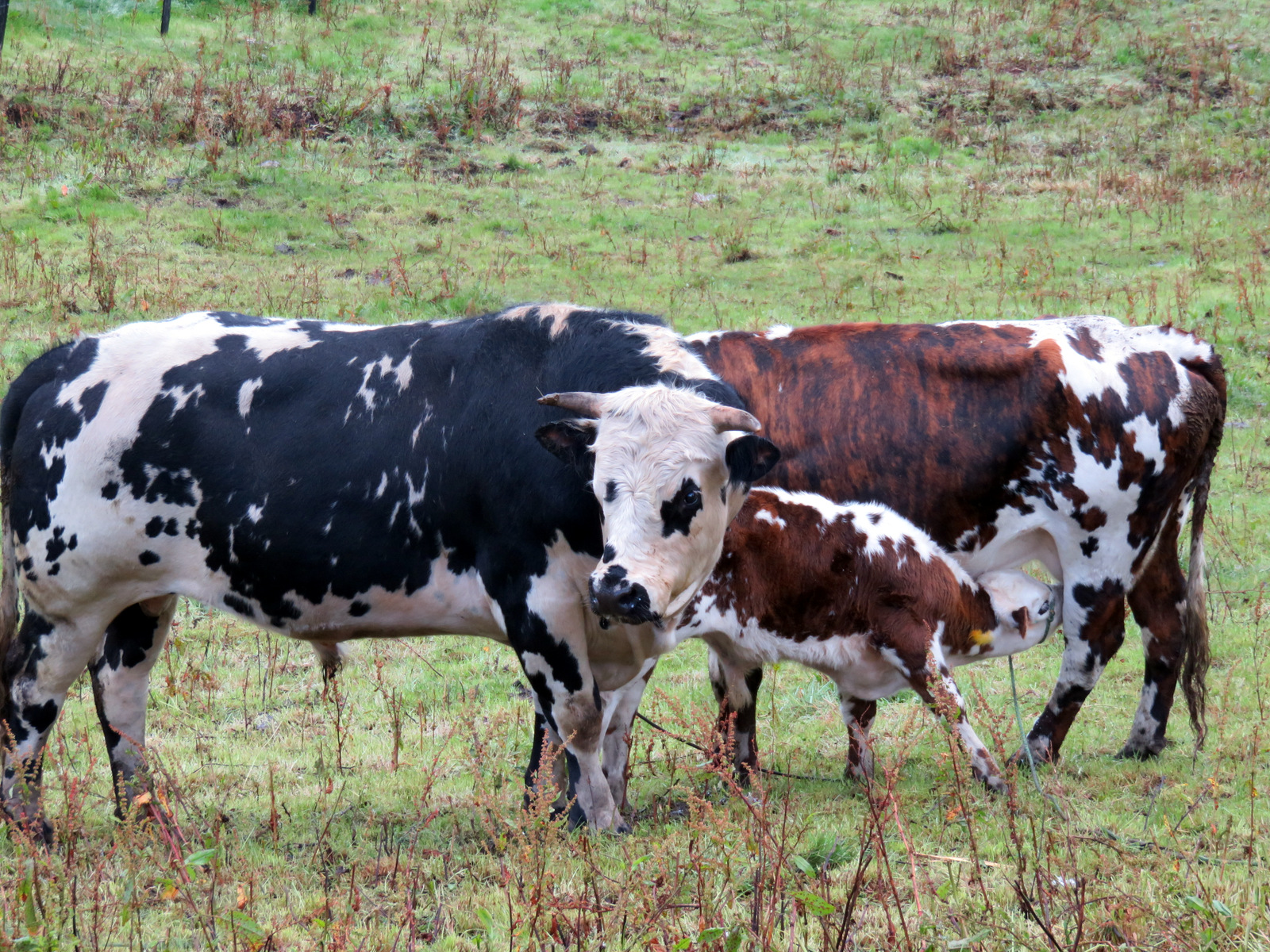
We stopped in the town of El Cocuy to get our park permit, show proof of accident insurance (we showed the Blue Cross card) and then drove to Hacienda La Esperanza at 3700 m. The owner greeted us and he and his farm workers were extremely friendly. They have Normande cows (the most popular breed in Colombia) that get milked every morning and we received fresh milk for our coffee. They also have Romney sheep and the owner told me that his grandfather had imported the breed over 100 years ago from Great Britain; the farm has been in the family for over 150 years.

IMGP4332

Hacienda La Esperanza

IMG_0691

IMG_0643

Normande cattle

IMG_0639

IMGP4381

IMGP4339

They rent rooms to hikers and climbers that come through on their multi-day treks. If they are busy you have to share your room. The food they cook is delicious and most the ingredients are from the farm. One evening we got pressed curds for dessert, with a splash of caramel sauce, delicious. Back home it is called “Zieger”, I never thought of eating it with caramel sauce. The evening meal is always served with hot sweet mint tea.

IMG_0702

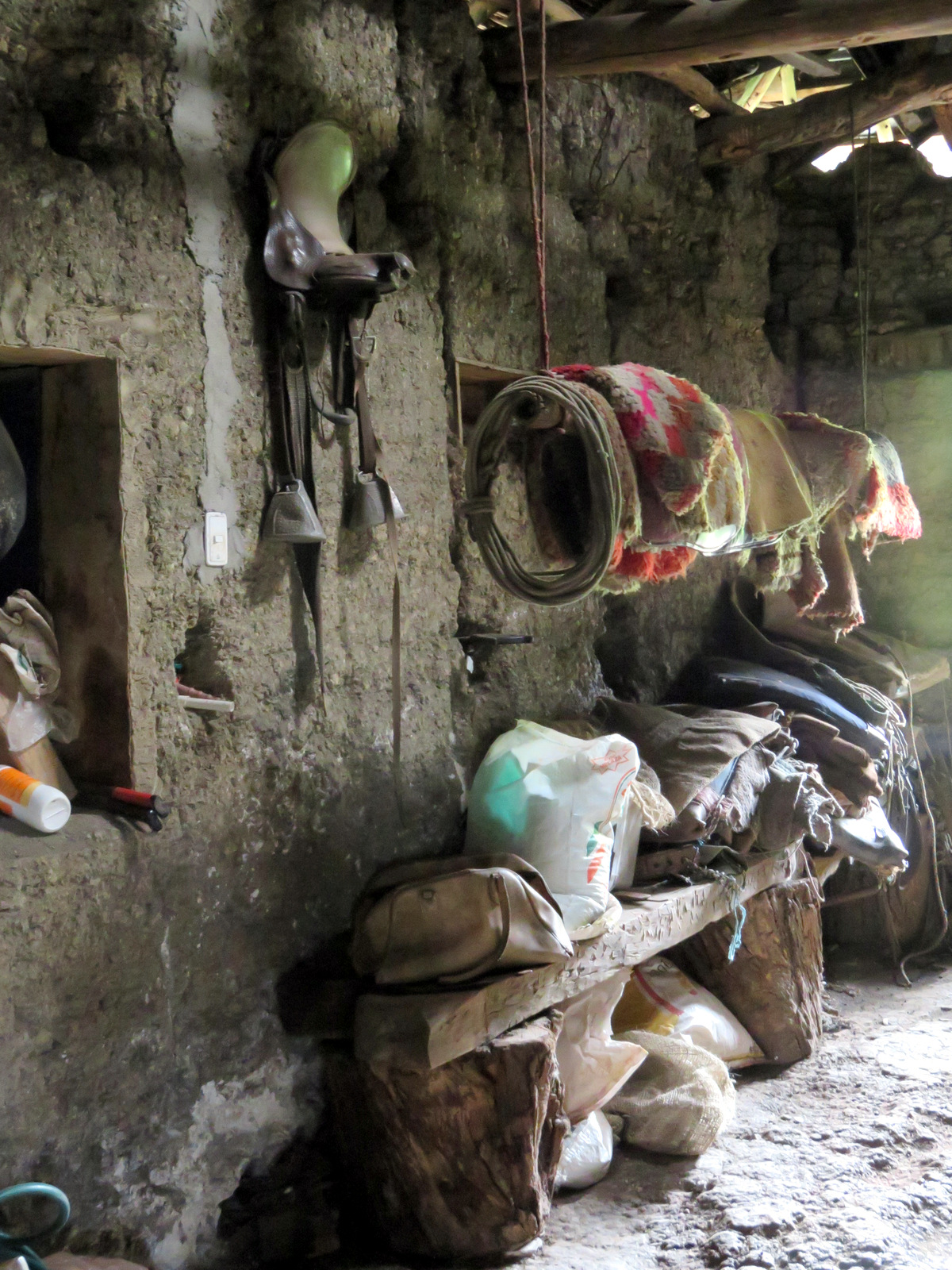
The tack room

IMG_0708 IMG_0703

IMG_0699


IMG_0698


IMG_0694 IMG_0692


IMG_0716

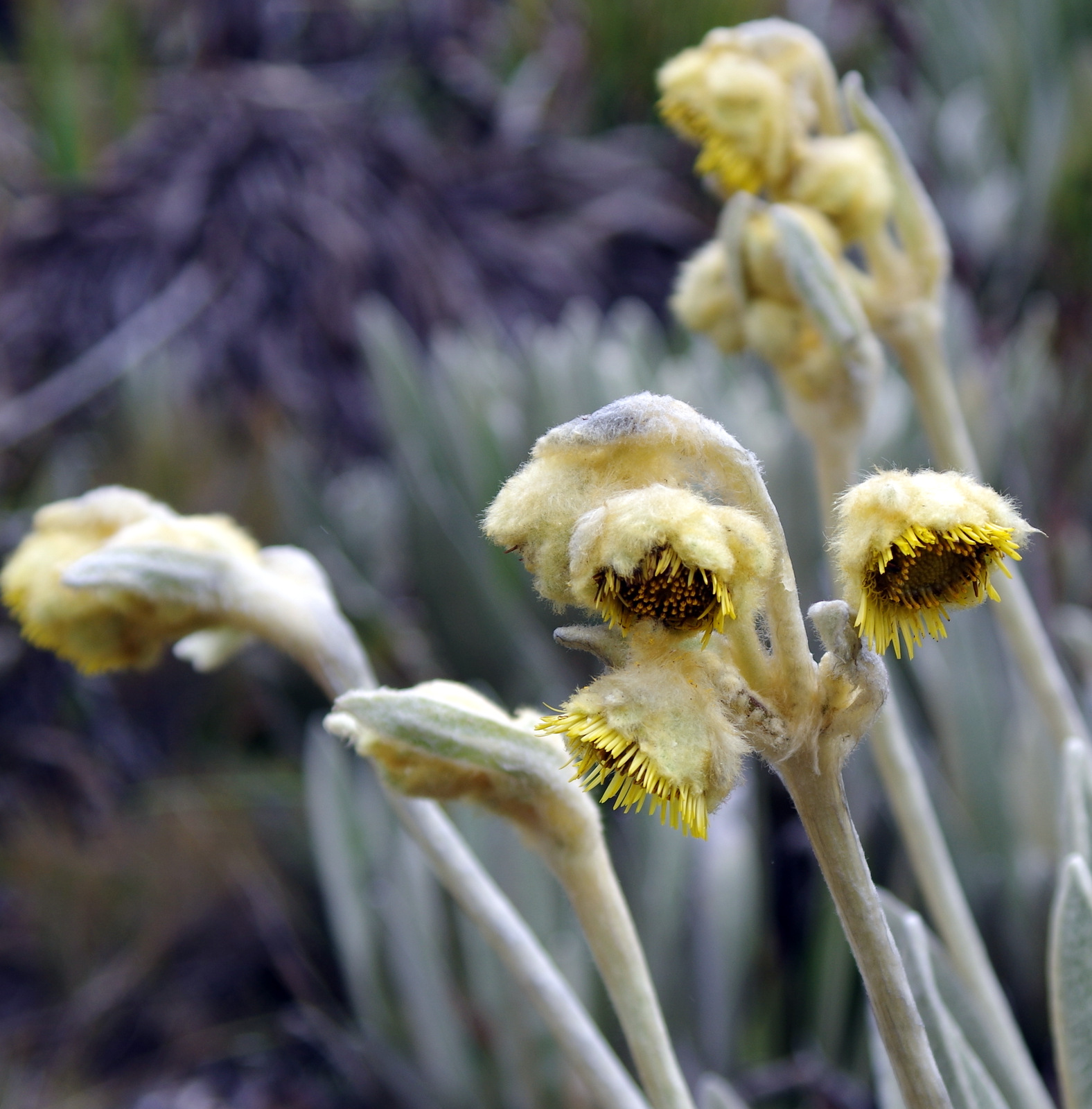
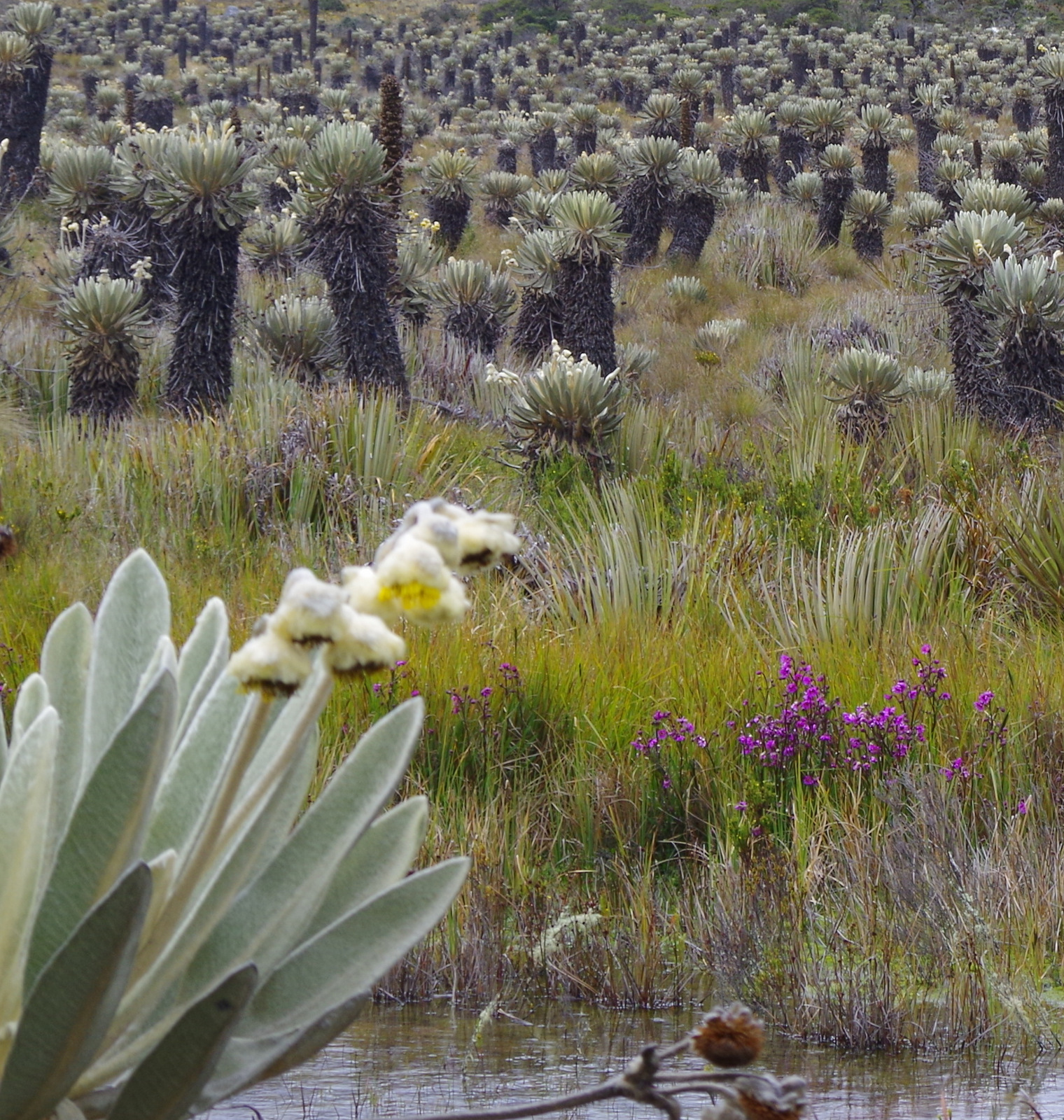
We stayed for a few days, spent the first full day hiking around the high valley and enjoying the views, flowers and birds. The endangered Andean Condor and some rare birds endemic to the area live here, as well as deer, the spectacled bear and Tigrillos (Oncilla) a small striped cat. Never saw them, but we were told by the park service ladies. Different kinds of frailejones and the important Colorado tree (that rarely exceeds 5 meters in height and grows at 4000 m) grow up there.

IMGP4380

IMGP4379

IMGP4346 IMGP4342

IMGP4363

IMGP4358

Frailejone flowers

IMGP4357

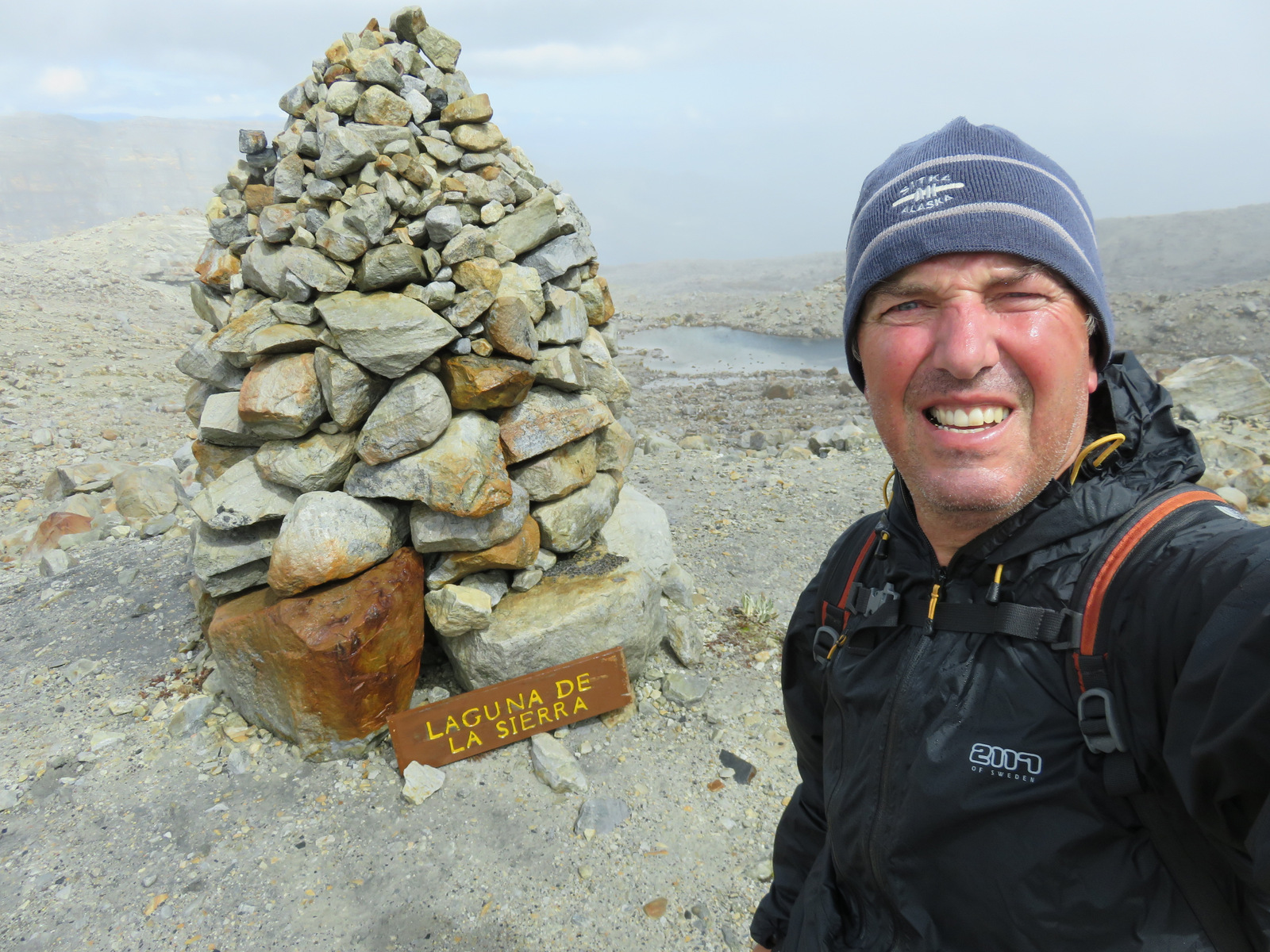
We had to wait to acclimate before we attempted to hike the 10 km up to the Laguna de la Sierra at 4800 m. To climb any of the peaks we would have to camp up there and we were not equipped for that. Still, we hiked up the second day, Günter all the way up, I stayed below the last hill and enjoyed the frailejone plants that covered the whole valley and even grew up on the rocks here and there. It was a beautiful, fairly easy hike, but the thin air slowed me down. It took Günter 2 1/2 hours to hike to the Laguna de la Sierra, then thick fog rolled in and prevented him from hiking all the way over to the glacier. When he came back down we met up and ate our lunch beside a brook under the frailejones.

IMG_0673 IMG_0666

DSCF7137-1024x768

This is a popular hike in high season (winter) and even when we were there we met a few hikers, French guys (no packs or supplies, with Converse shoes and a guitar), two American girls, and French girl with guide, and the speedy Belgian called Robin from Antwerp. That evening we all sat by the fire and talked about our travels and how amazing Colombia is. In the morning the milk truck (lechero) comes by and collects the milk from the farmers who bring the milk containers down to the road on their backs or with their horses. The truck makes many stops and hikers can catch it to go from A to B, very practical but also very slow. I could have stayed longer and made a mental note to someday come back, stay at the hacienda for a while, hike to the other haciendas and explore the valleys and mountains. Some day!

IMG_0680

The drive from El Cocuy (the town) up to Hacienda La Esperanza, as well as the drive from there to Guican and down to Soata in the Chicamocha Valley (via Guacamaya – San Mateo – La Uvita) is spectacular and one should take time to enjoy the views and countryside.

IMG_0629 IMG_0628

IMGP4374 IMGP4366 IMGP4365IMGP4350

IMGP4352

Go back

Your message has been sent

Warning
Warning
Warning
Warning

Warning.


Posted in Colombia | 5 Comments

Colombia: Cartagena to El Cocuy

20150720_095646

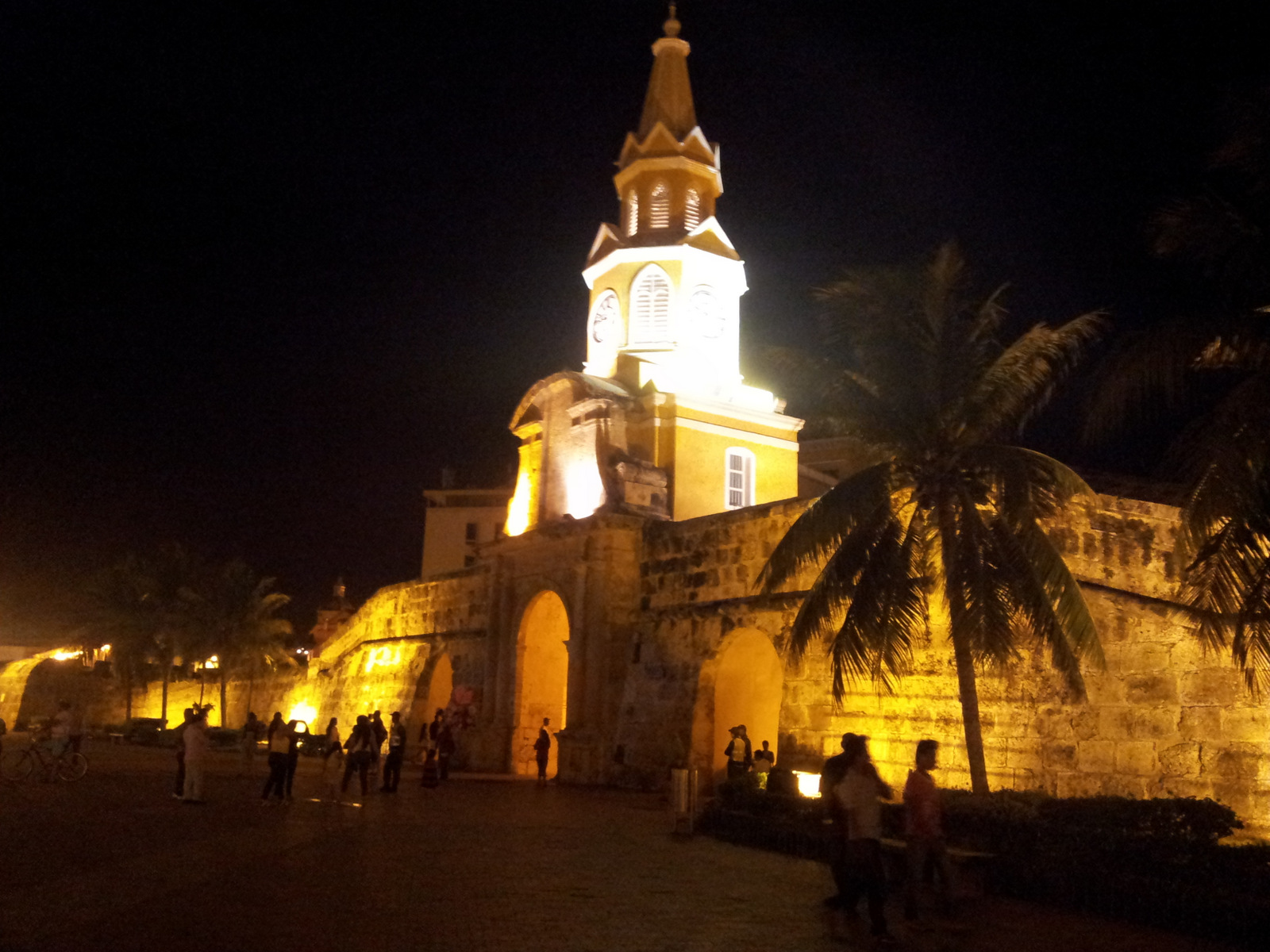
Cartagena

On the 15th of July we set sail for Colombia, said good-bye to the North American continent and the next morning we had Cartagena on the horizon. Buenos Dias South America! We disembarked in Cartagena harbor – but not our vehicles.

It takes a few days to get your vehicle back, more paperwork and waiting. I marched behind Michael from station to station and back while Vroni and Günter had to wait for us. You are required to buy life insurance in order to enter the harbor. It is a good idea to bring along some reading material for the longer wait periods.

Cartagena

The Hotel Artelleria in Getsemani was our home for a week, a nice place in walking distance to the historic town and a save parking lot just around the corner. They had A/C, a small rooftop pool and lots of fruit for breakfast.

IMG_0214

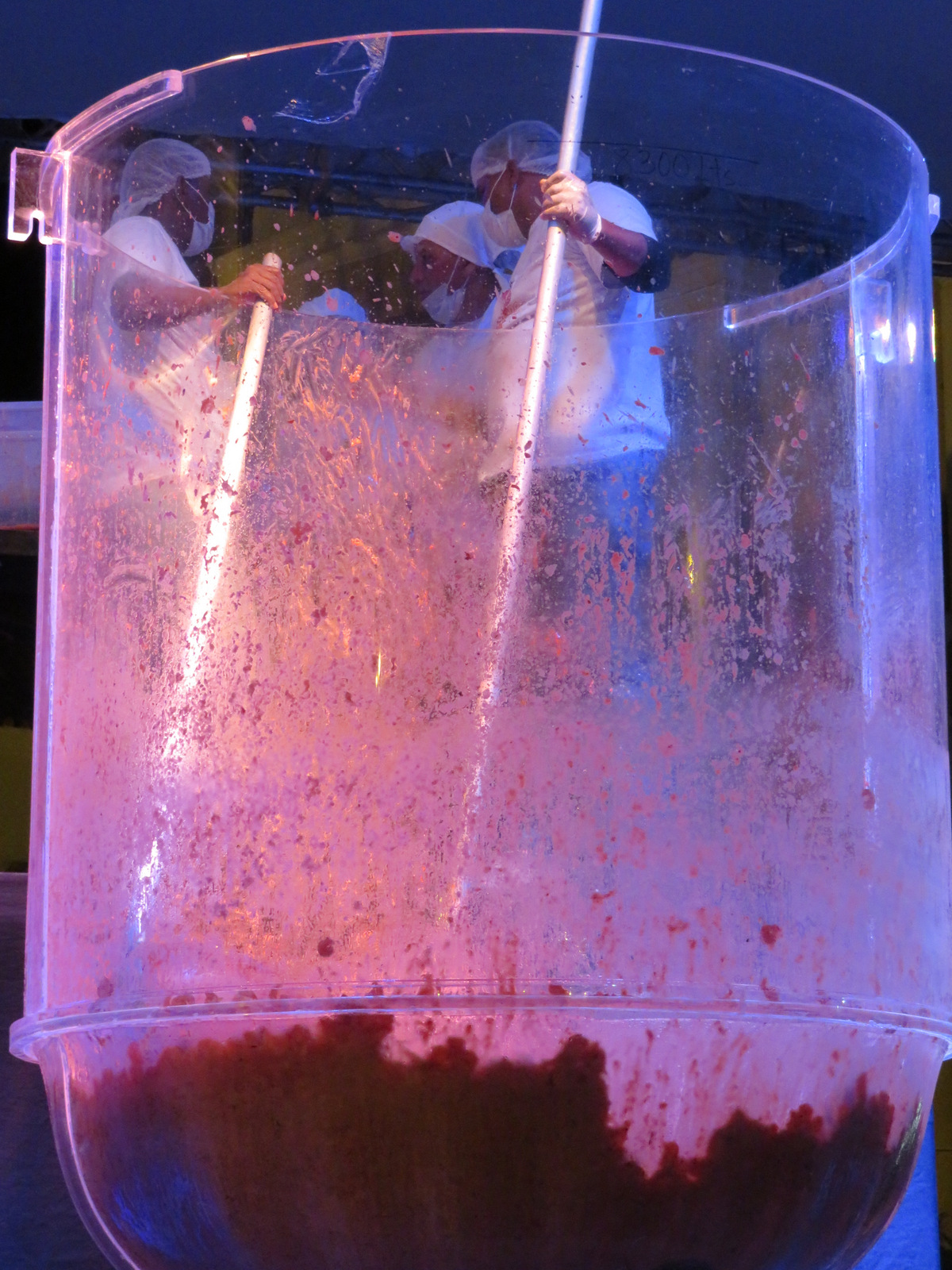
The worlds biggest shrimp cocktail.

One day when we wandered around town, we watched as a crowd gathered on a plaza. Up on stage there was a huge see-through round container, speeches were held and boxes and boxes of cooked shrimp were dumped into this container, salsa was poured and more speeches and shrimp added. Finally everybody lined up for a cup of shrimp cocktail. Not until the next day did we find out that they had broken the Guinness World record (held by Mexico) and created the biggest shrimp cocktail ever. So much for our Spanish.

IMG_0182

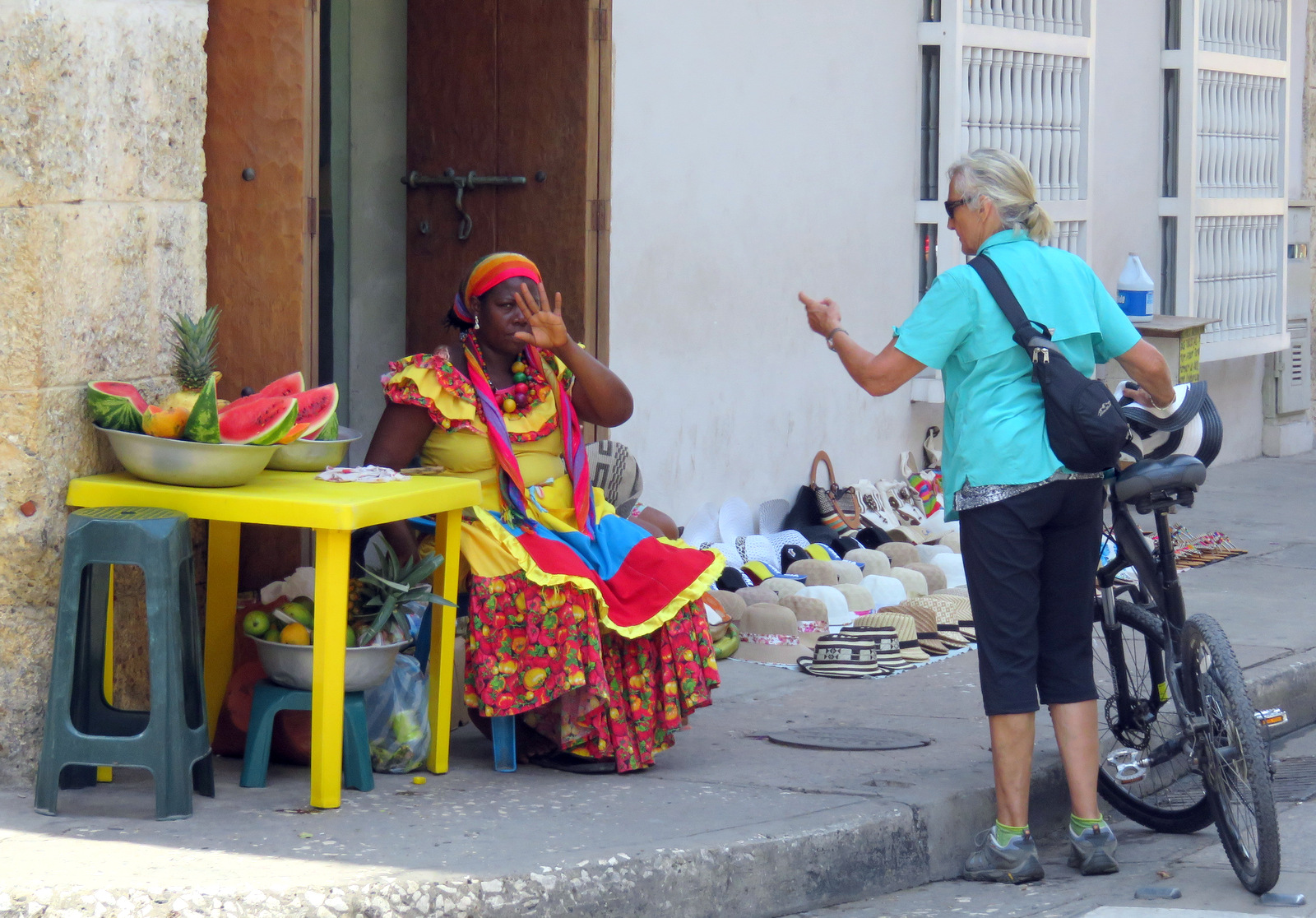
We bought some ice cold watermelon.

20150720_094056

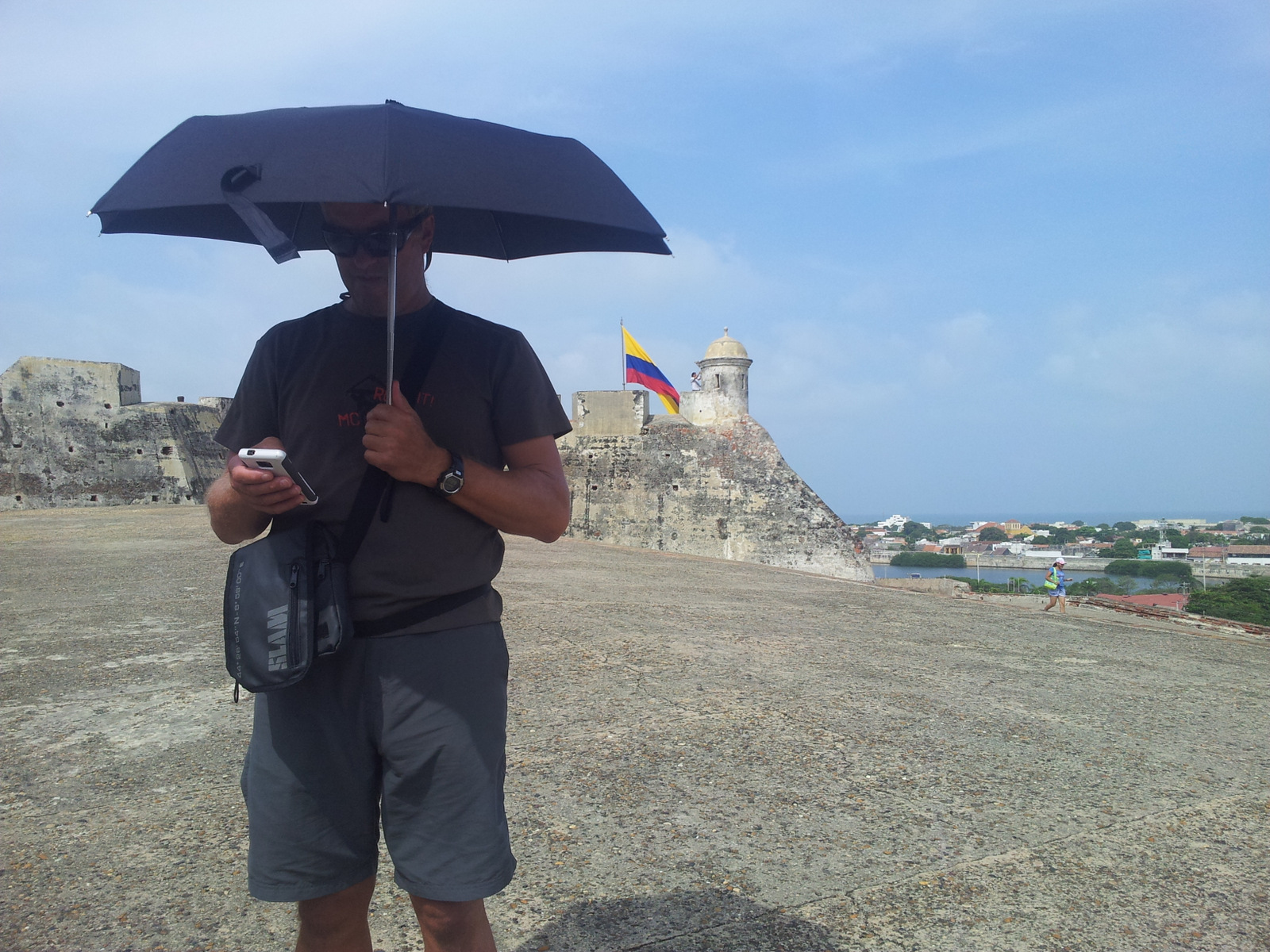
On the fort, so glad we brought our umbrellas.

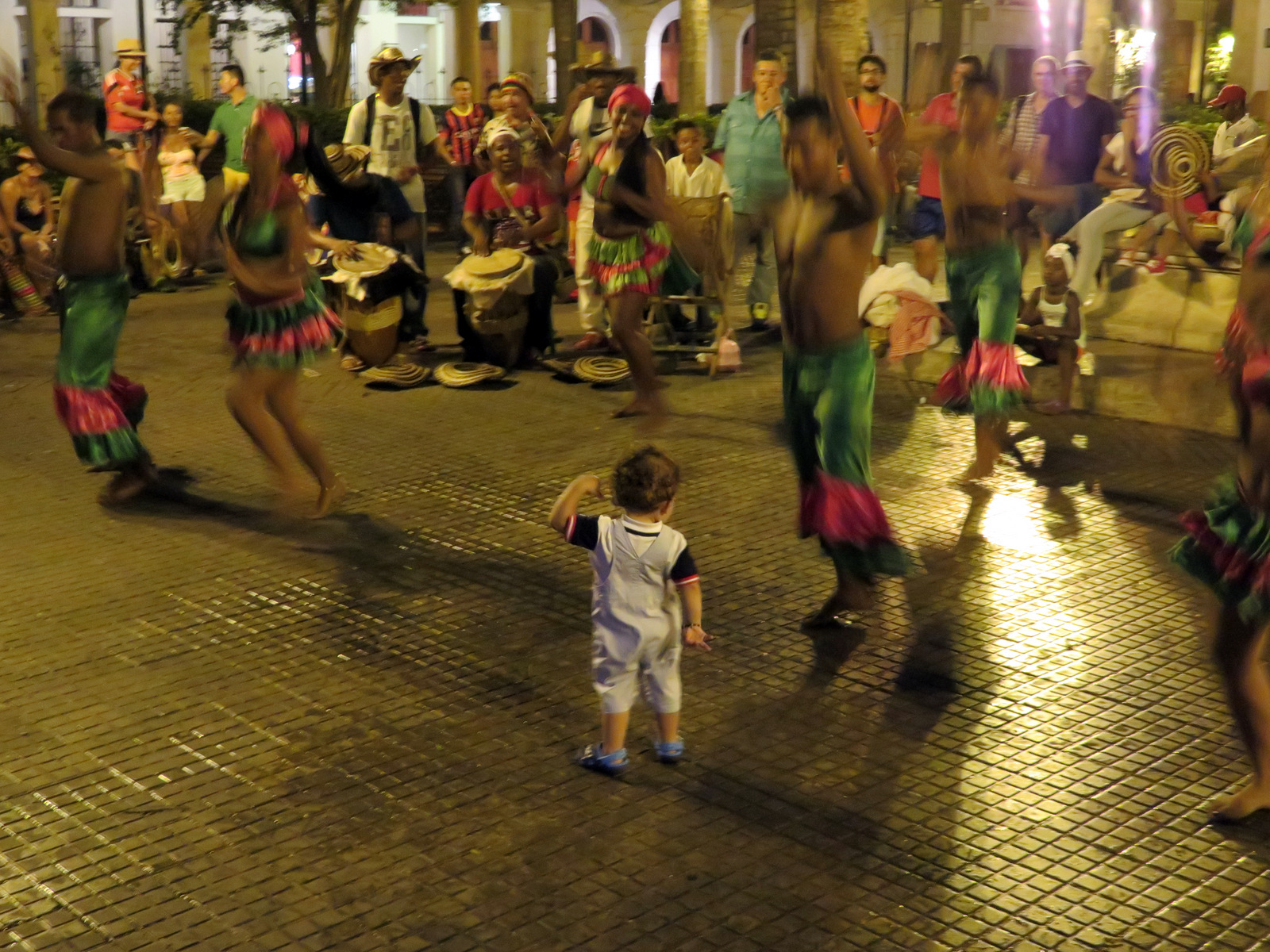
We rode the bicycles around town on Sunday morning, along the wall and through the little streets, went to a museum and all the churches. The following Monday was Independence Day with a parade, music and dancing.

IMG_0278

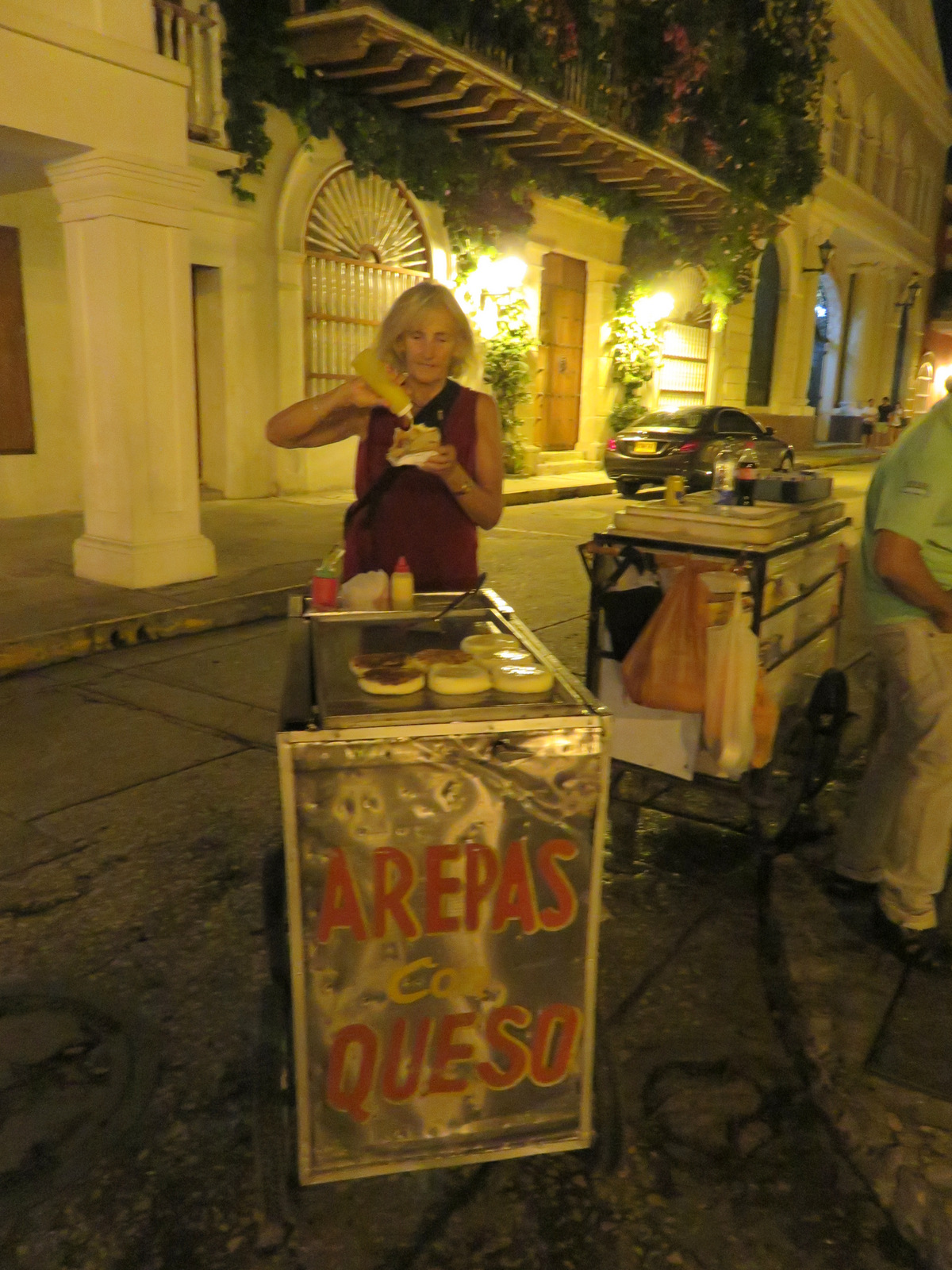
Cheese filled arepas for dinner, this one I topped with pineapple syrup.

IMG_0279 IMG_0261


20150720_205146


IMG_0234

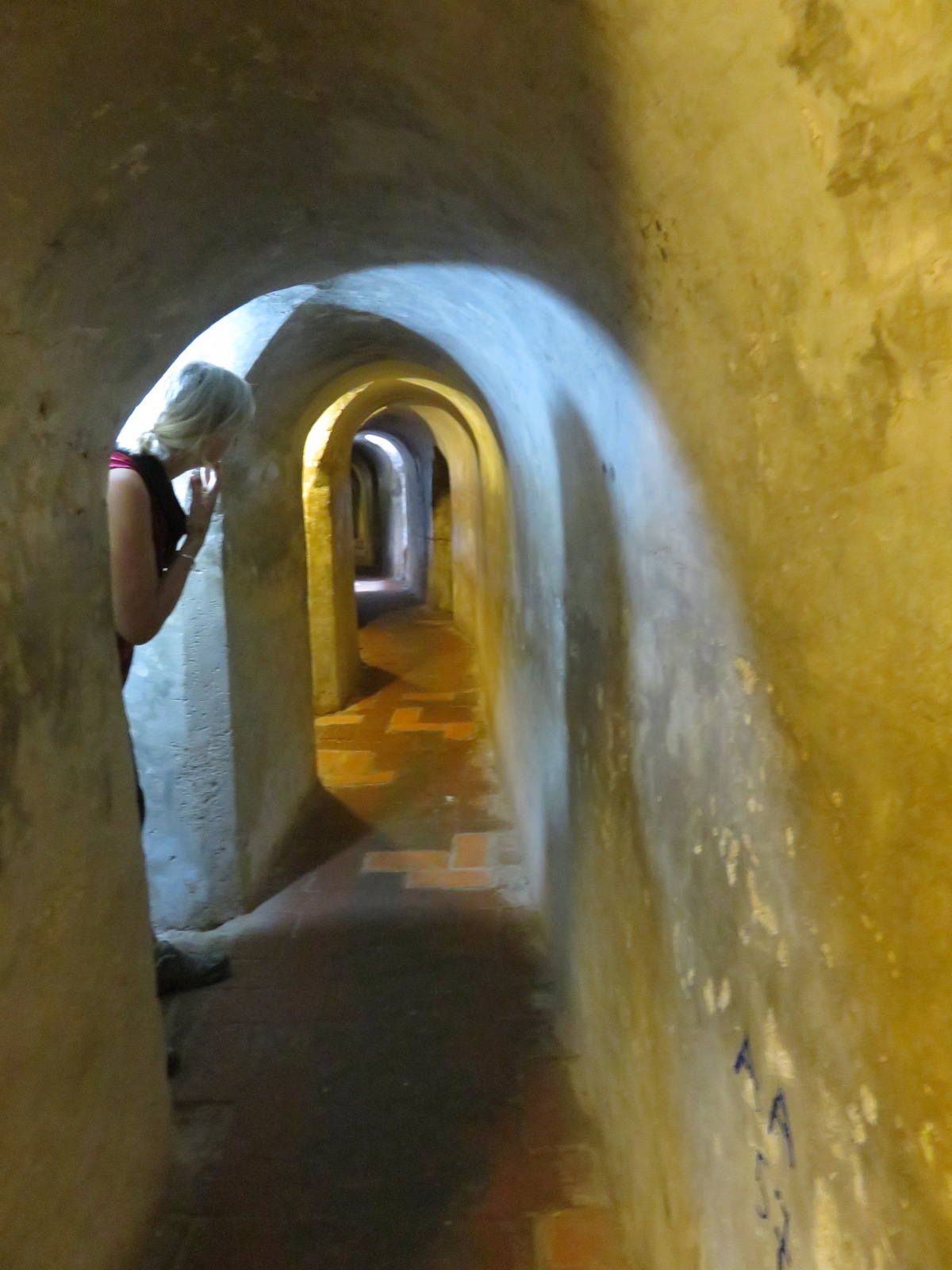
Getting lost in Castillo San Felipe

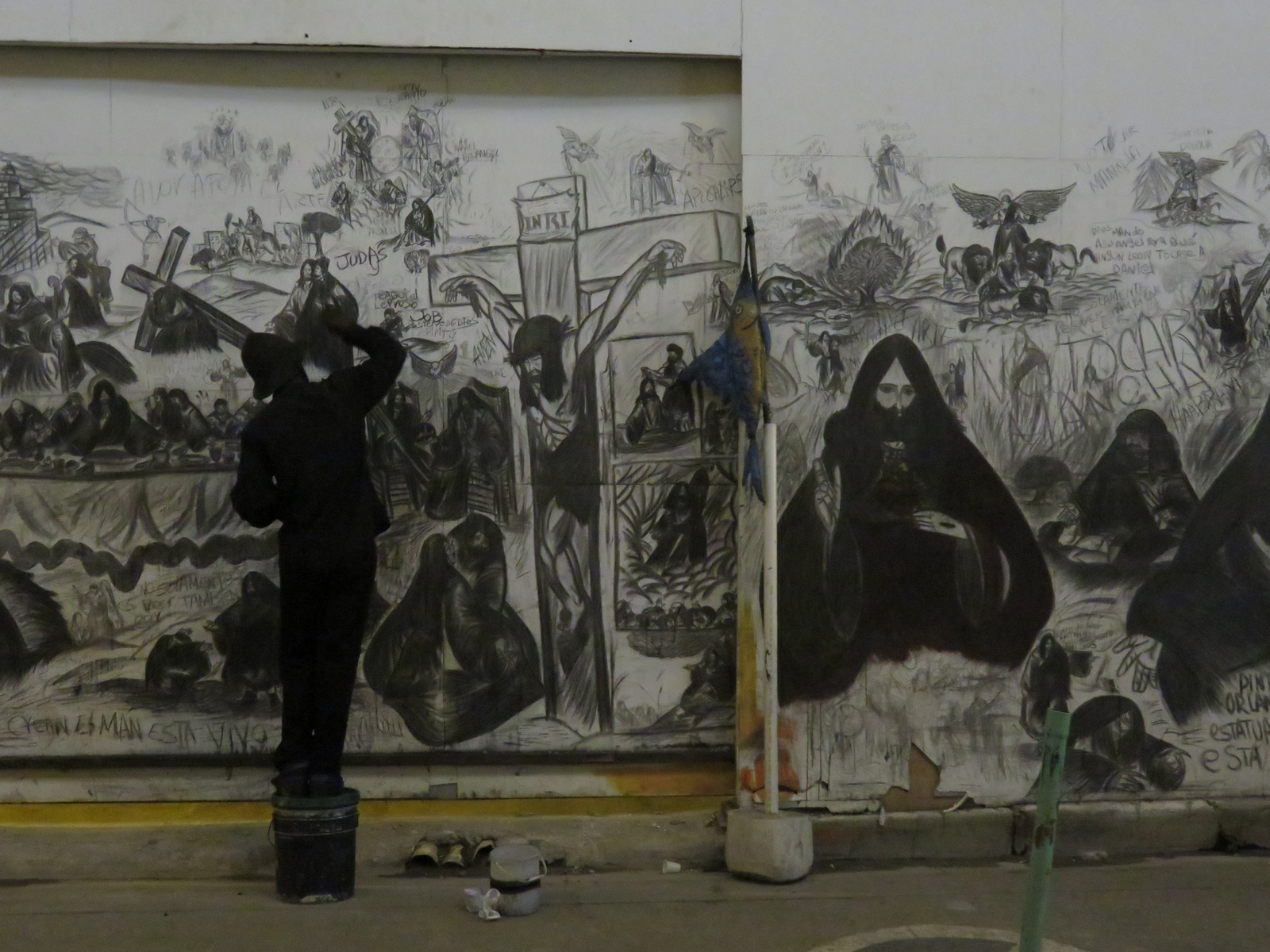
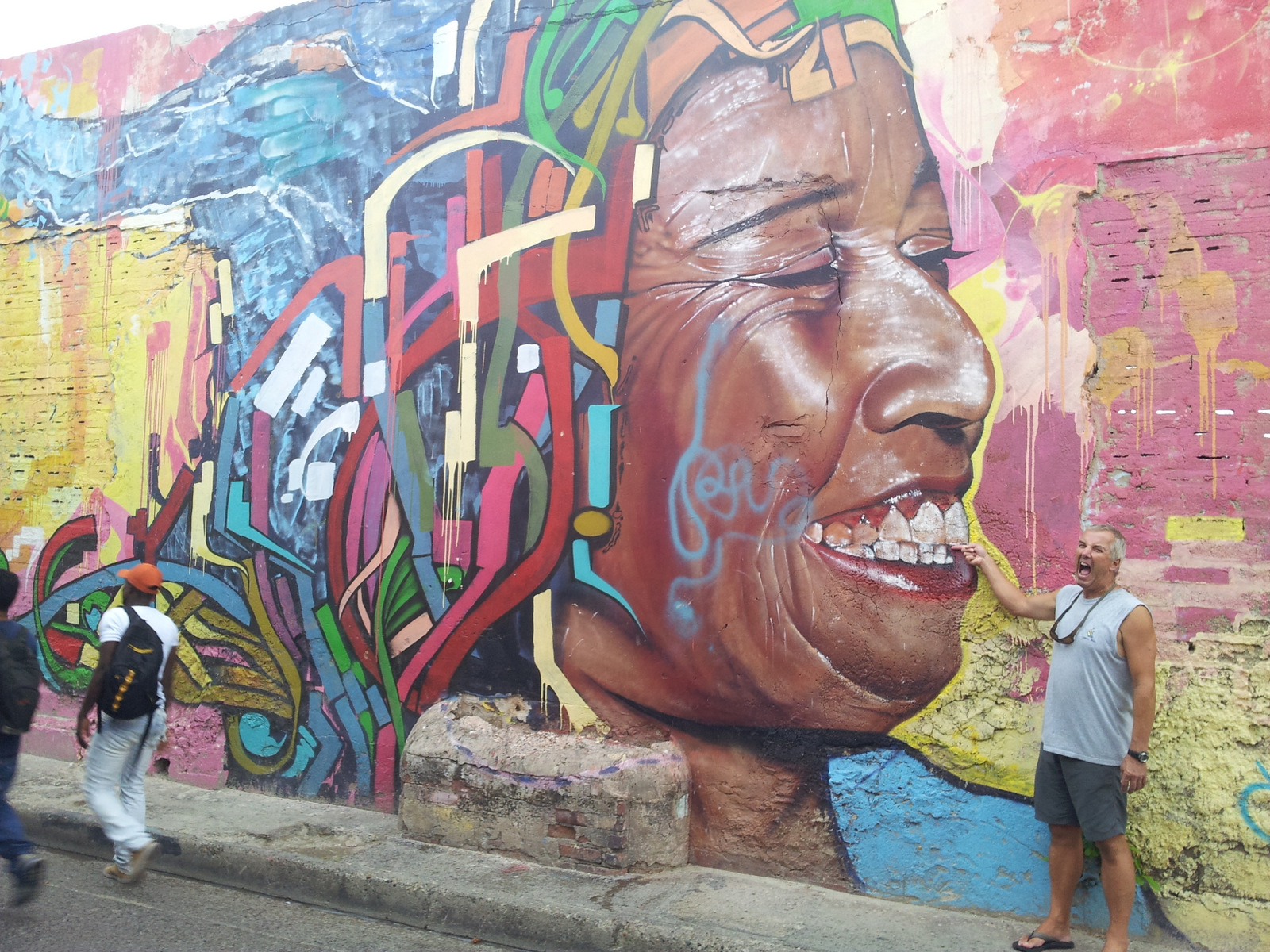
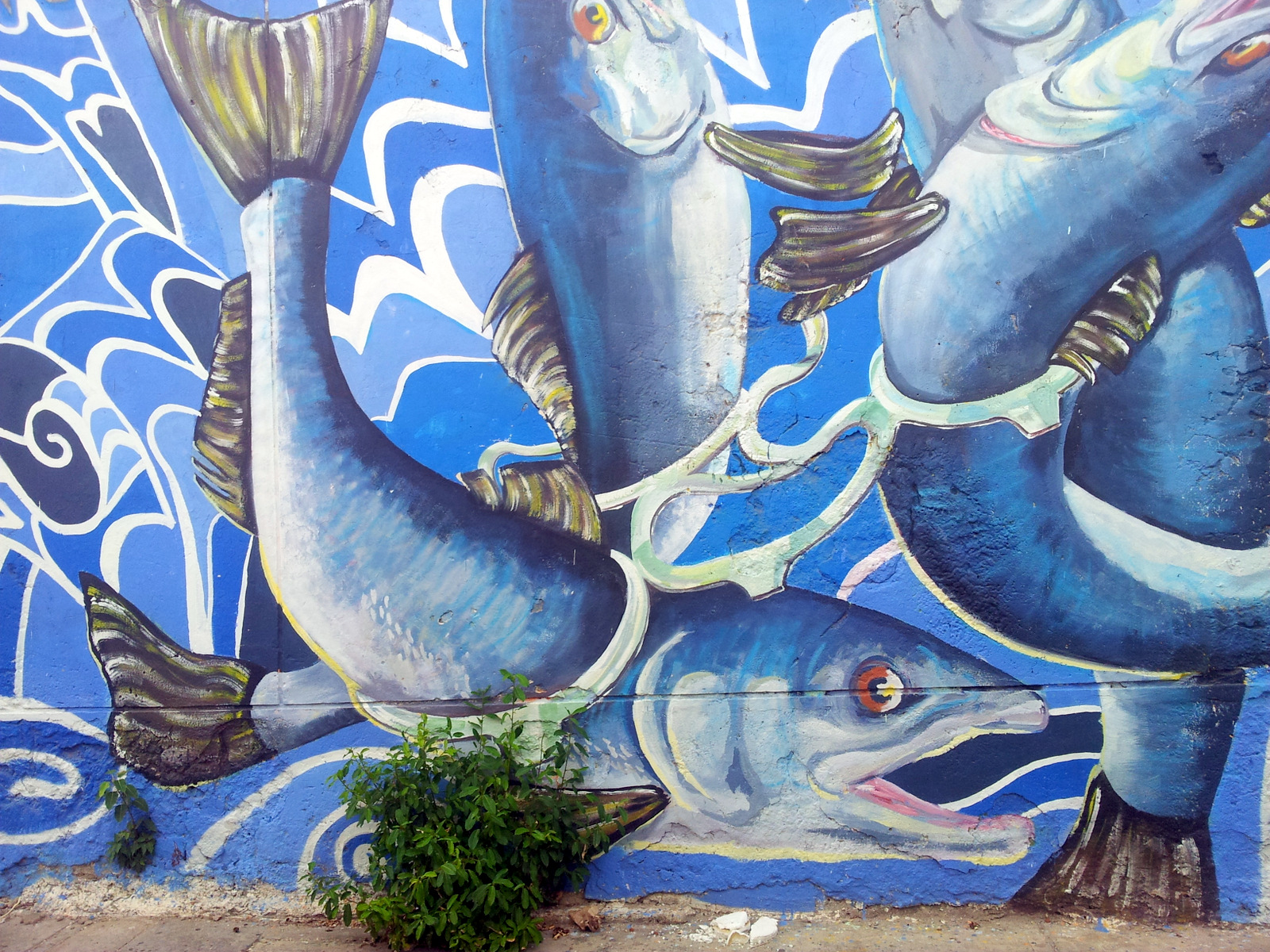
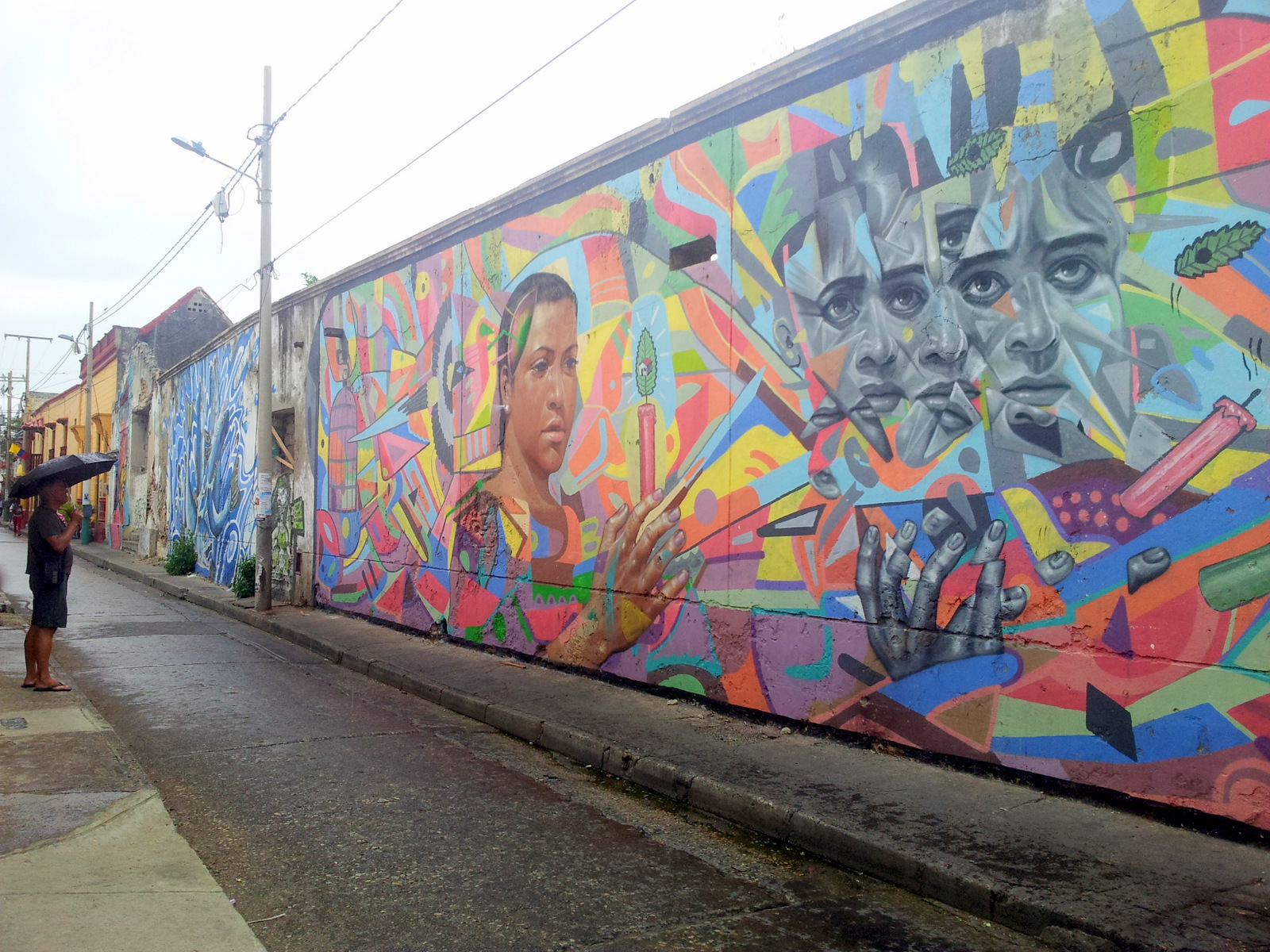
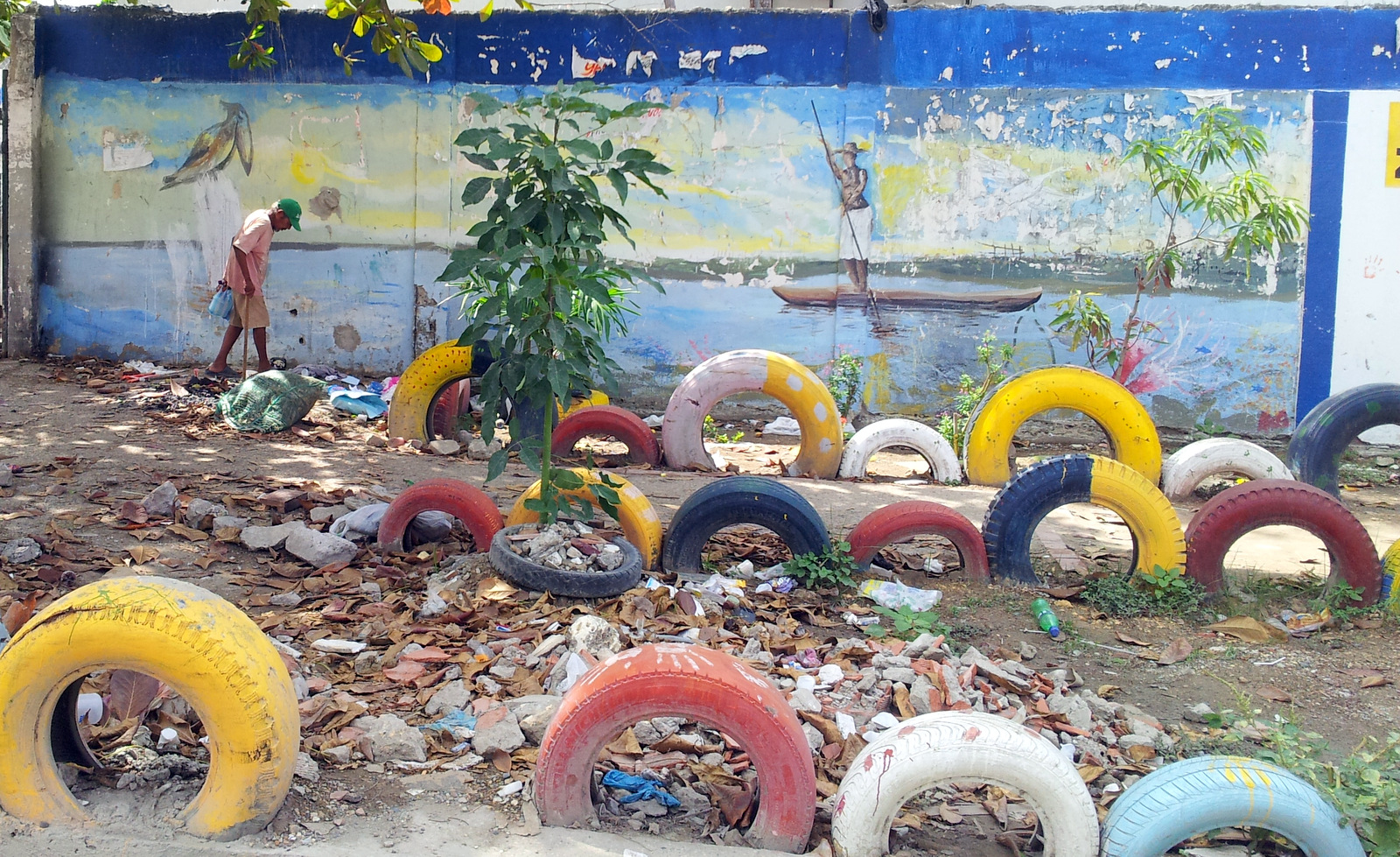
Murals around town:

IMG_0211

He only painted at night….

20150718_141130

Ohne Worte 🙂

20150720_115257

Colombian salmon?

20150720_115201

20150721_094900

Soon we had enough of city life, said good-bye to Vroni and Michael and took off for the Caribbean part of Colombia.

20150721_085750

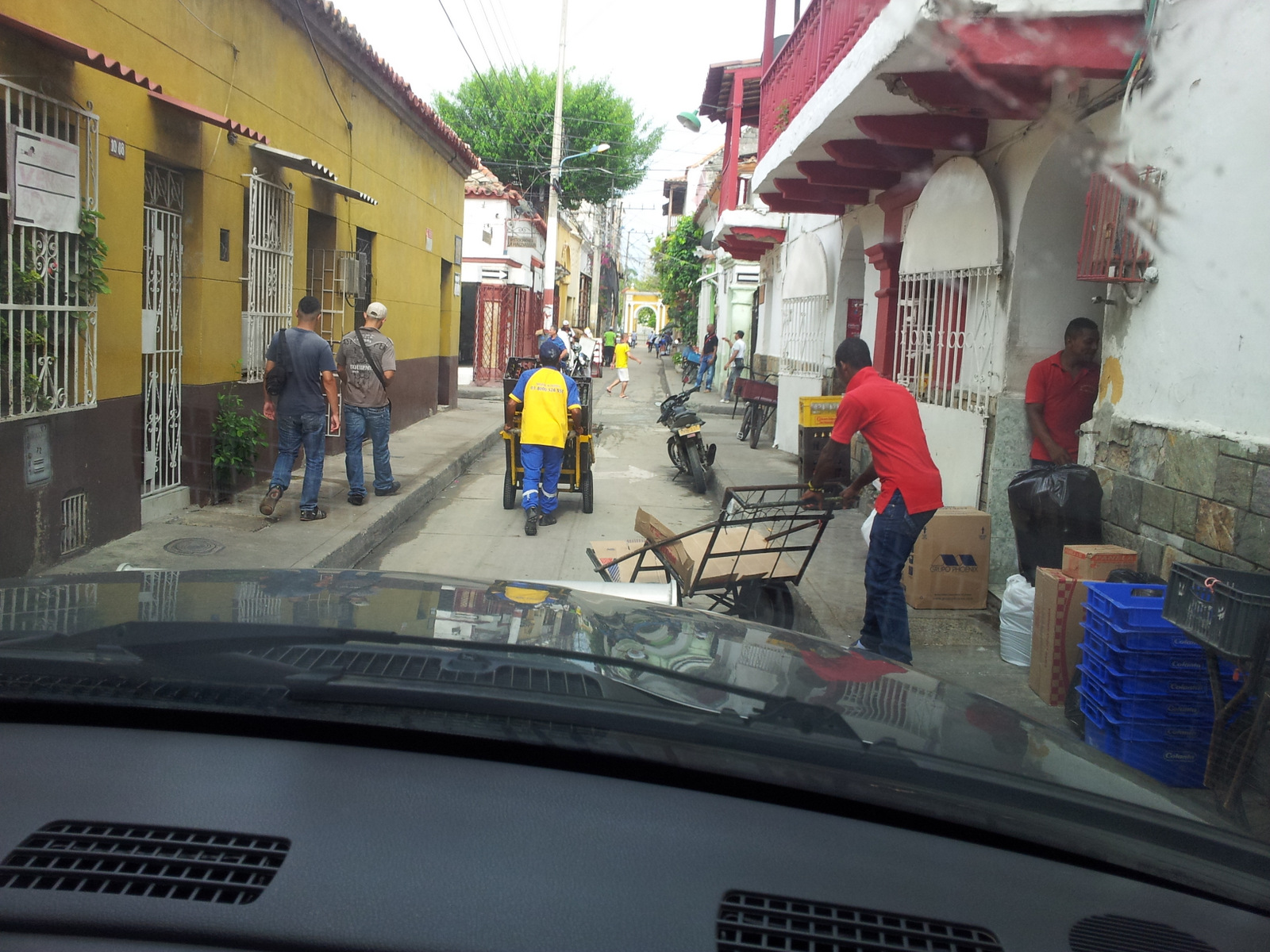
Trying to find our way out of the city.

Sierra Nevada de Santa Marta

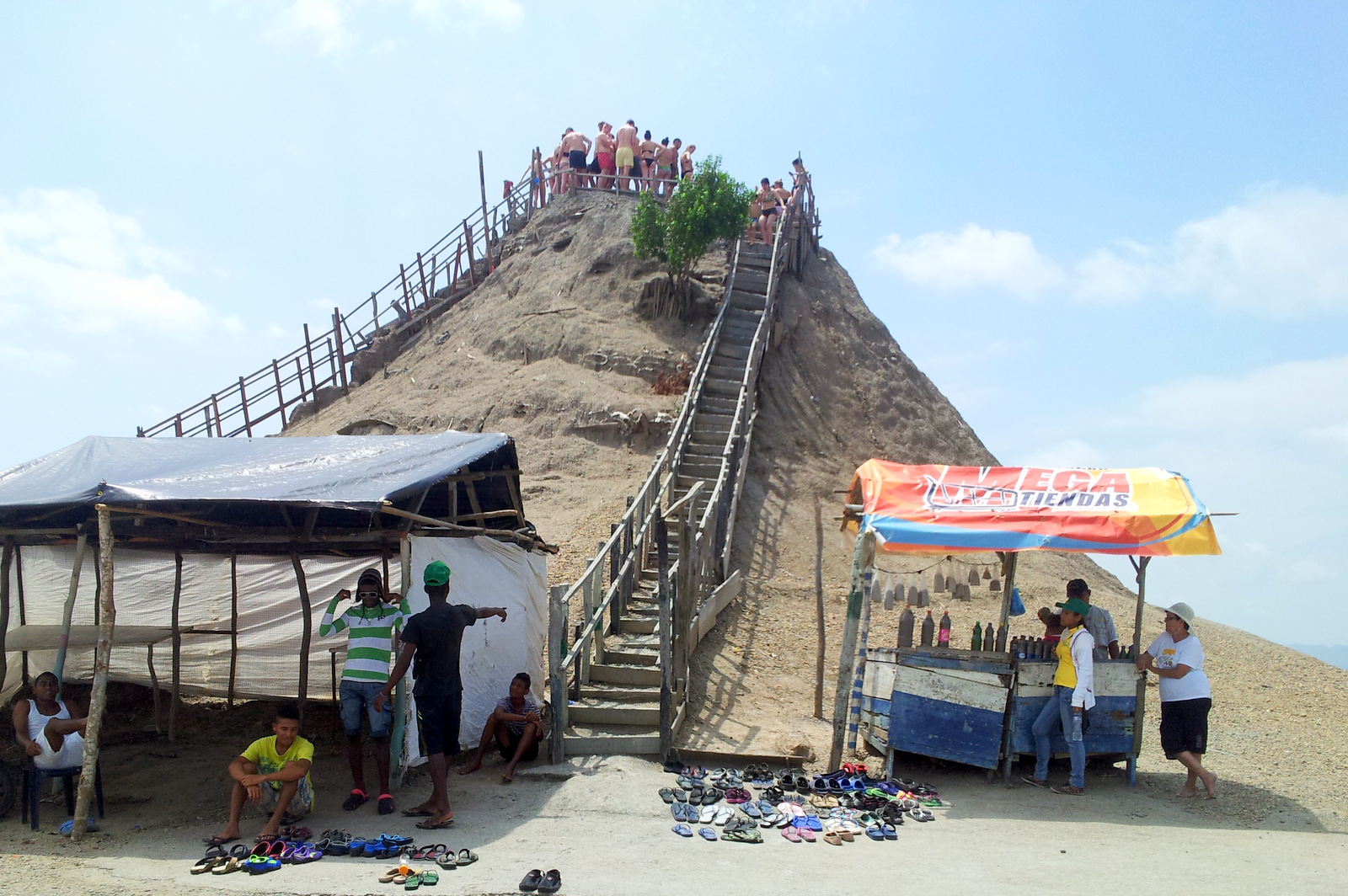
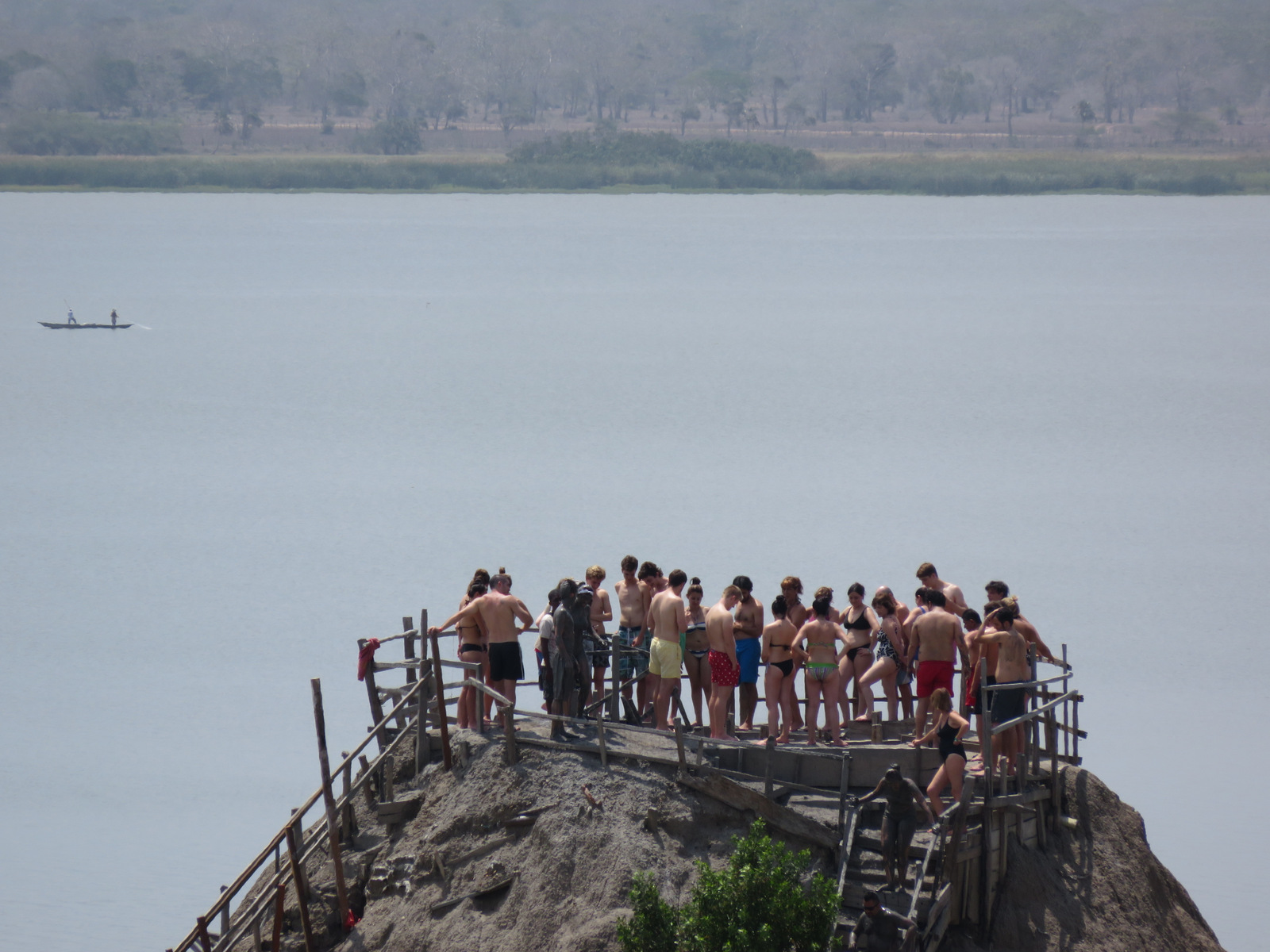
On the way there was a famous tourist spot were you can take a mud bath on Volcano del Totumo, a so-called “mud volcano” we wanted to check it out but split the scene when we saw several tour buses idling (to keep them cool) and swim suit clad tourists queued up from below and all the way up to the mud hole which is located on top of a dirt cone. For a fee you can wallow in the mud, it did not look very inviting.

20150721_105330

Mud volcano

IMG_0294

Go for it!

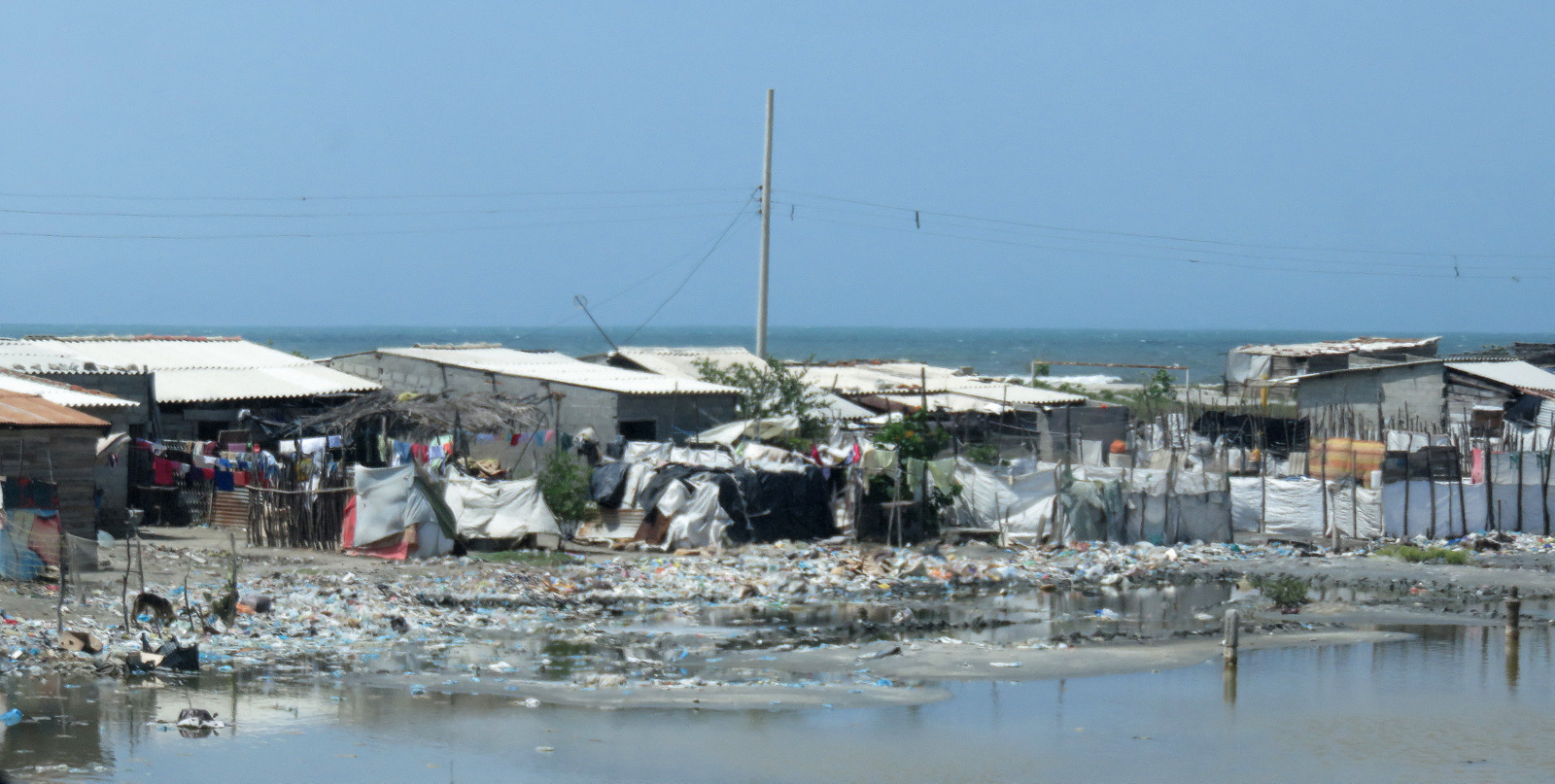
We drove on, through Barranquilla, the town was choked with trucks and slums and garbage, we needed some peace and quiet and wanted to get away from more of the same and the heat.

IMG_0295

A little blurry because it took it through the car window, the other side of the beautiful Caribbean.

So we skipped the beaches there and drove up to the cloud forest of the Sierra Nevada mountains hoping to be able to find cool air and something tranquil to spend a few days. Most of this area is a national park and most of it is closed off for hiking or exploring. It is the home of around 30 000 indigenous people, descendants of the Tayronas and holds many sacred sites including Ciudad Perdida (older than Machu Pichu). We drove up near the town of San Lorenzo, camped beside the road at around 1600 meters and went hiking. This road is pretty rough and should not be attempted without 4×4 and high clearance. We hiked higher on the road, the clouds rolled in and rolled out, the sun came and went, so did the drizzle. It was wonderfully wild up there, many birds that are endemic to only this mountain range inhabit the forest, we saw flocks of Santa Marta Parakeets, a keel billed toucan and numerous other birds. There are also monkeys and many other mammals, reptiles like the glass frog live here undisturbed. The highest peak is 5776 meters, most of the highest peaks are snow-covered, but we were not even close and never saw them.

20150722_150632

IMG_0299

Higher….

IMG_0298

…and higher.

IMGP4165

Seltsam, im Nebel zu wander! (Wondrous to wander through mists!) Hermann Hesse

IMGP4176

Howler monkeys hunkering down.

IMGP4157

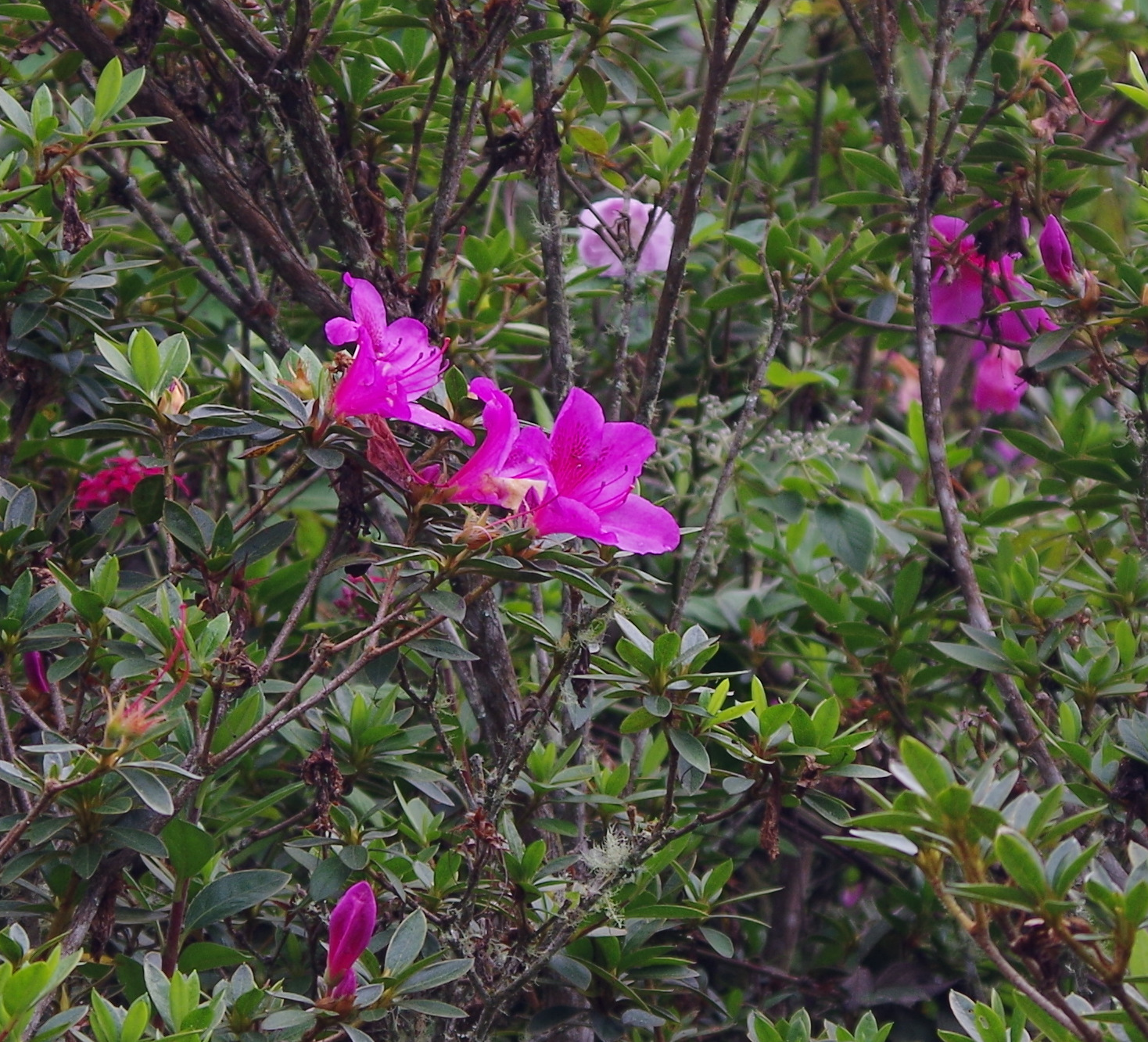
Wild azaleas.

IMGP4135

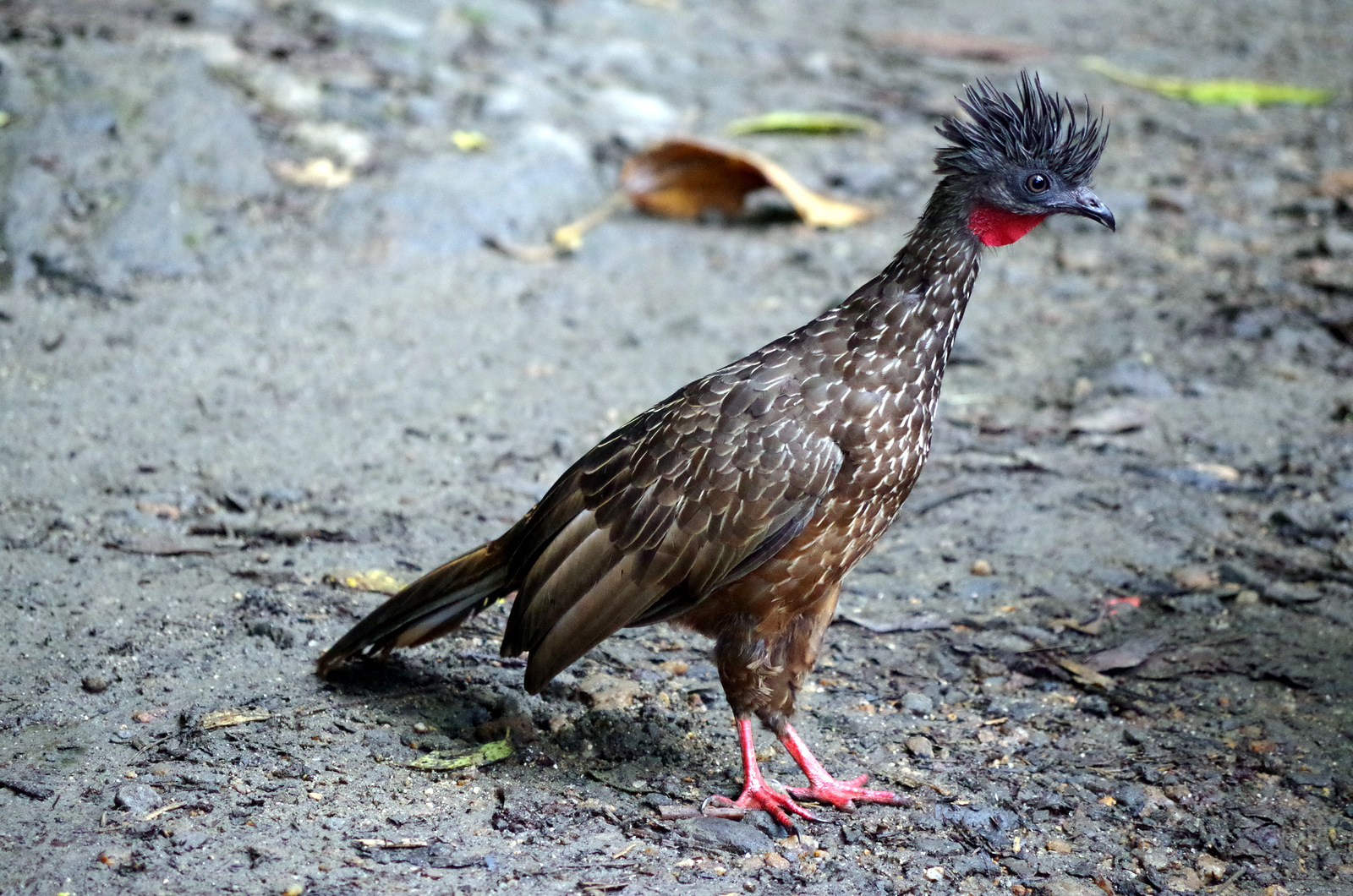
Guan

IMG_0310

Taken with the cell phone through the scope.

IMGP4125

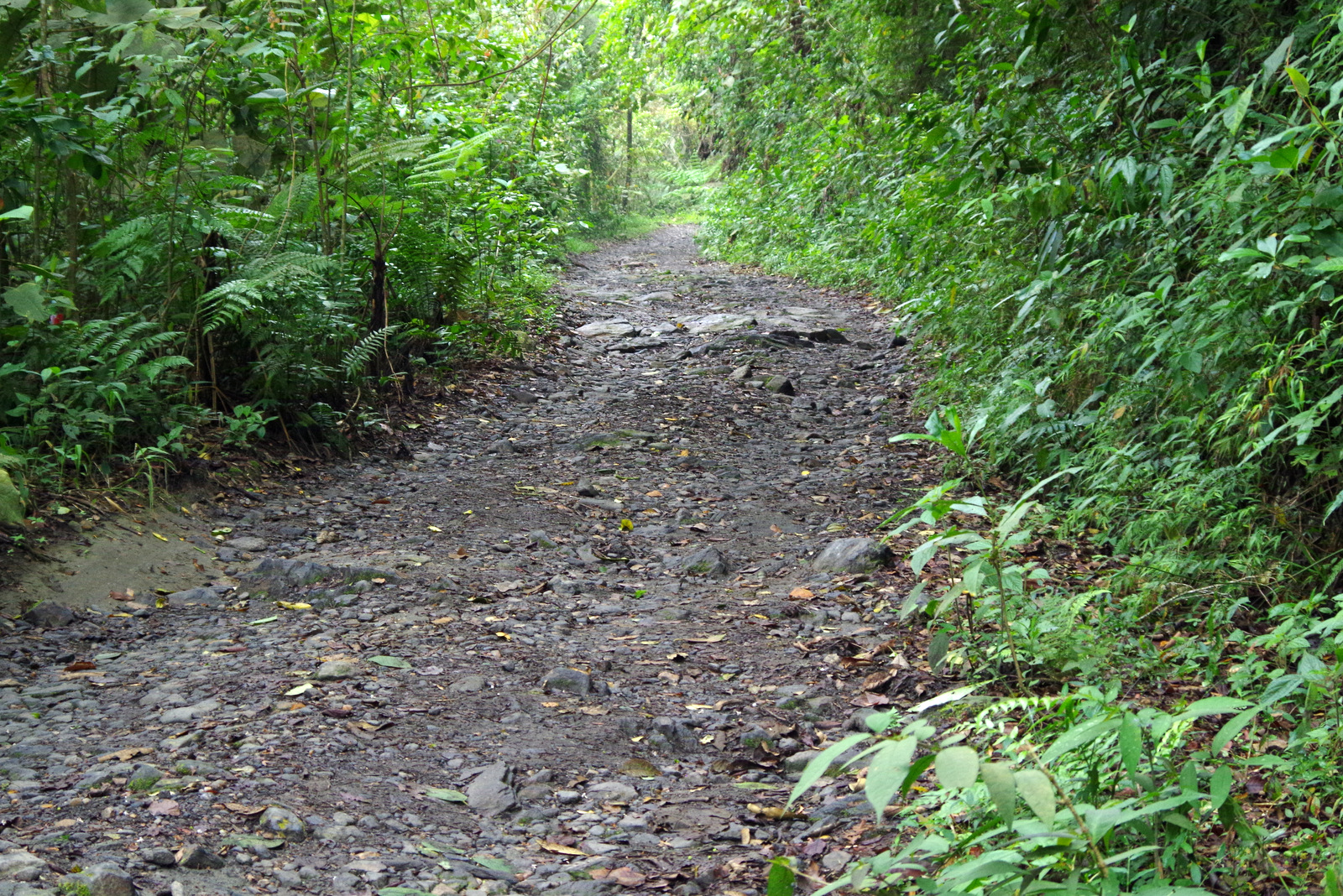
The trails go on and on.

Our next destination was some unusual rock formations called Los Estoraques, east of Aguachica. It was a long haul for Günter, the traffic in Colombia is nerve wrecking, anything goes. We saw three motorcycle accidents in one day. The road from Aguachica winds up high into the mountains and is busy with heavy trucks to and from Venezuela. It got dark and we hadn’t found a spot to camp yet, finally spent the night at the edge of a cliff beside a small restaurant that caters to truck drivers. Not very quiet but we were glad to settle in for the night after a standard Colombian meal which always consist of arepas (corn flat bread like the Mexican gordita), rice, some kind of meat and fried plantain. Los Estoraques was interesting, we had to take a guide and some areas were closed to erosion, camping is not allowed because technically the park has been closed since 2010.

IMG_0336

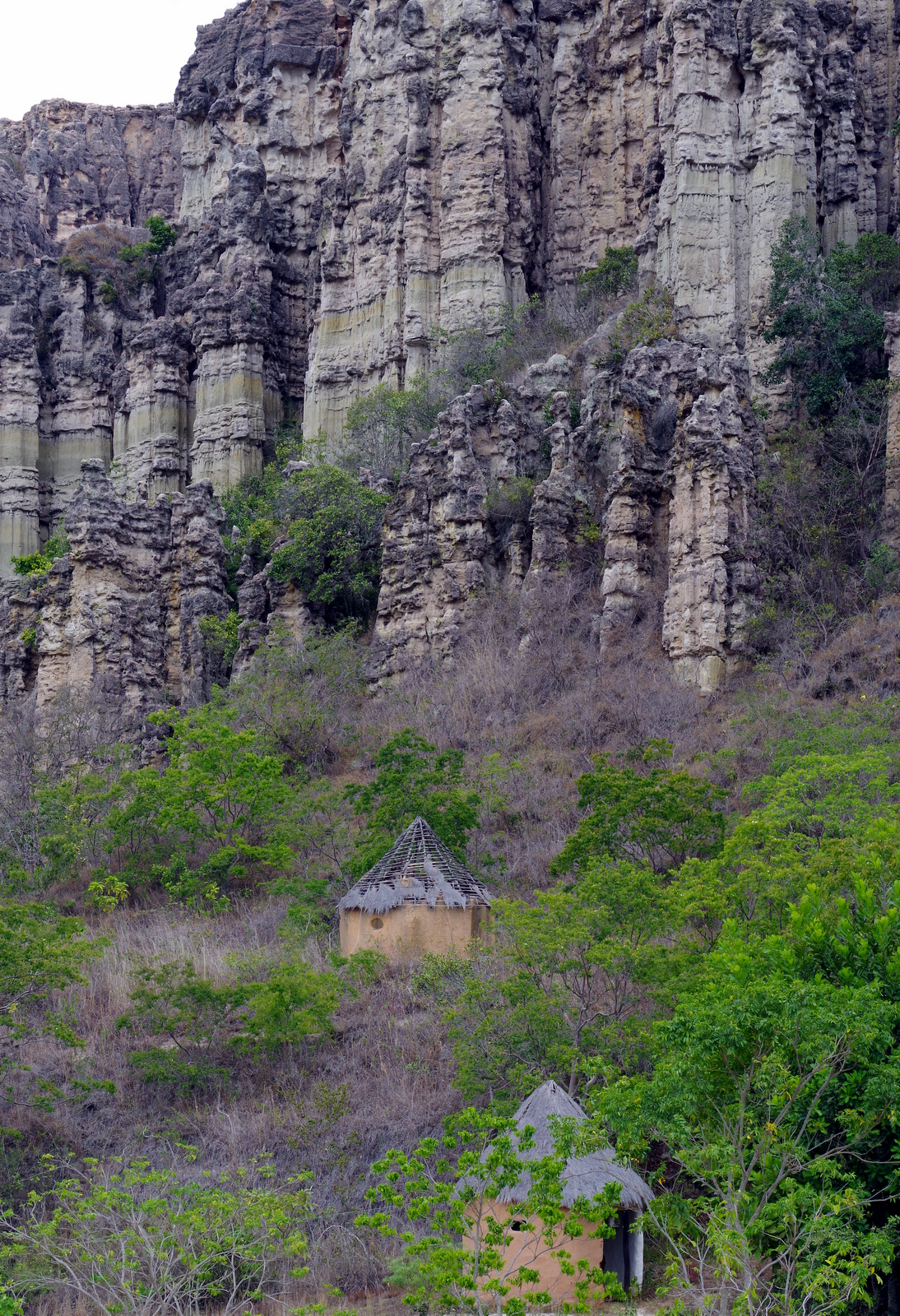
Los Estoraques

IMGP4188

IMGP4196

IMG_0406

IMGP4202

Aspacica

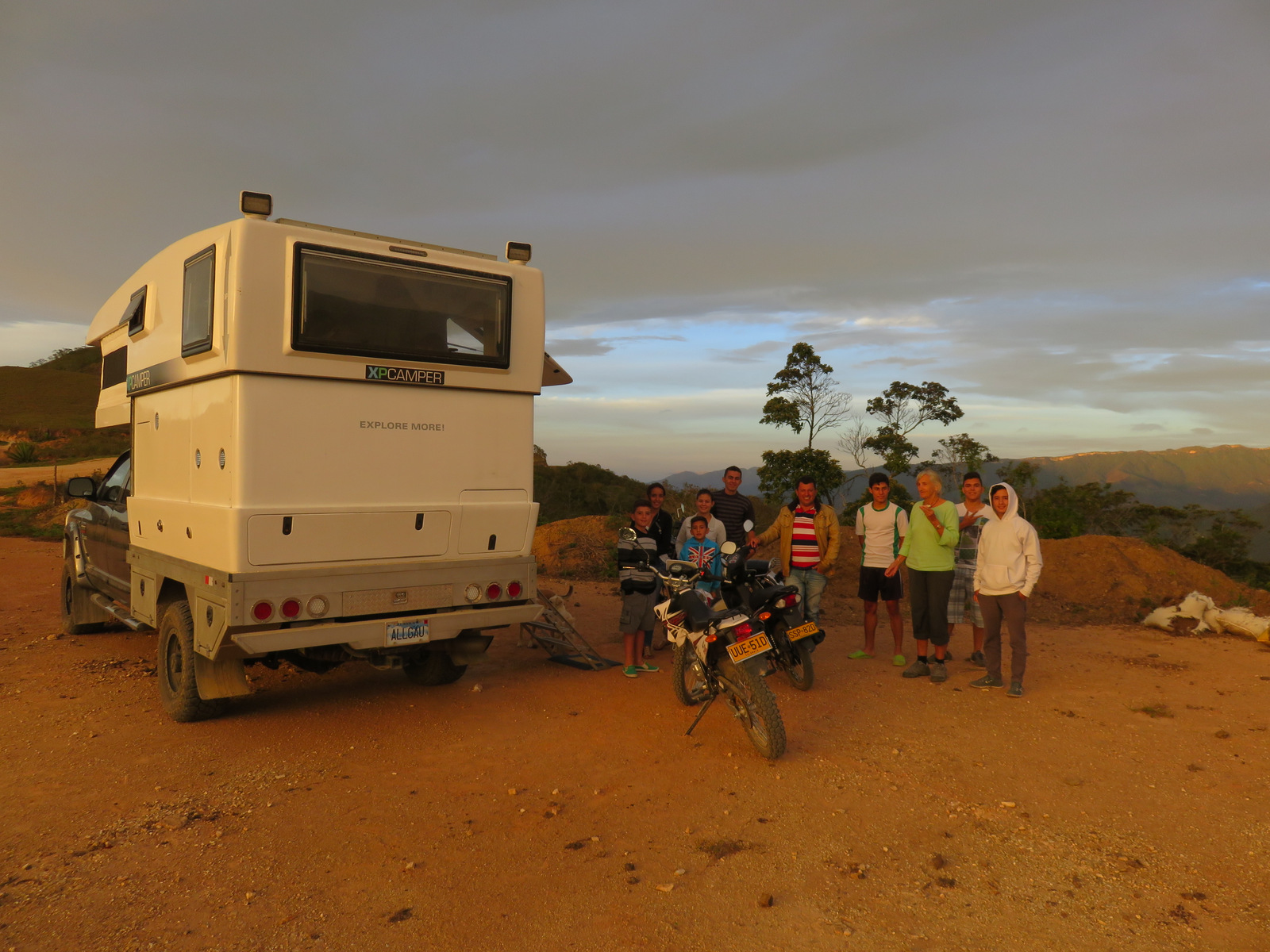
We left the site and drove east on that same dirt road, finally we saw a tiny gas station on a ridge with a great view and pulled in. The young man was very friendly and told us to park wherever we want. It was a great spot, we rode our bicycles around and over to the little colonial town  of Aspacica, which is just around the corner and very pretty, they do not get tourists and it was rather unspoiled. Just a little rural town with white washed houses, red tile roofs, a beautiful old church and people going about their business. We had lots of visitors at our camp spot the next day, everybody wanted to see our little house on wheels, they hung around for hours, called their friends and brought us fresh hot arepas.

IMG_0404

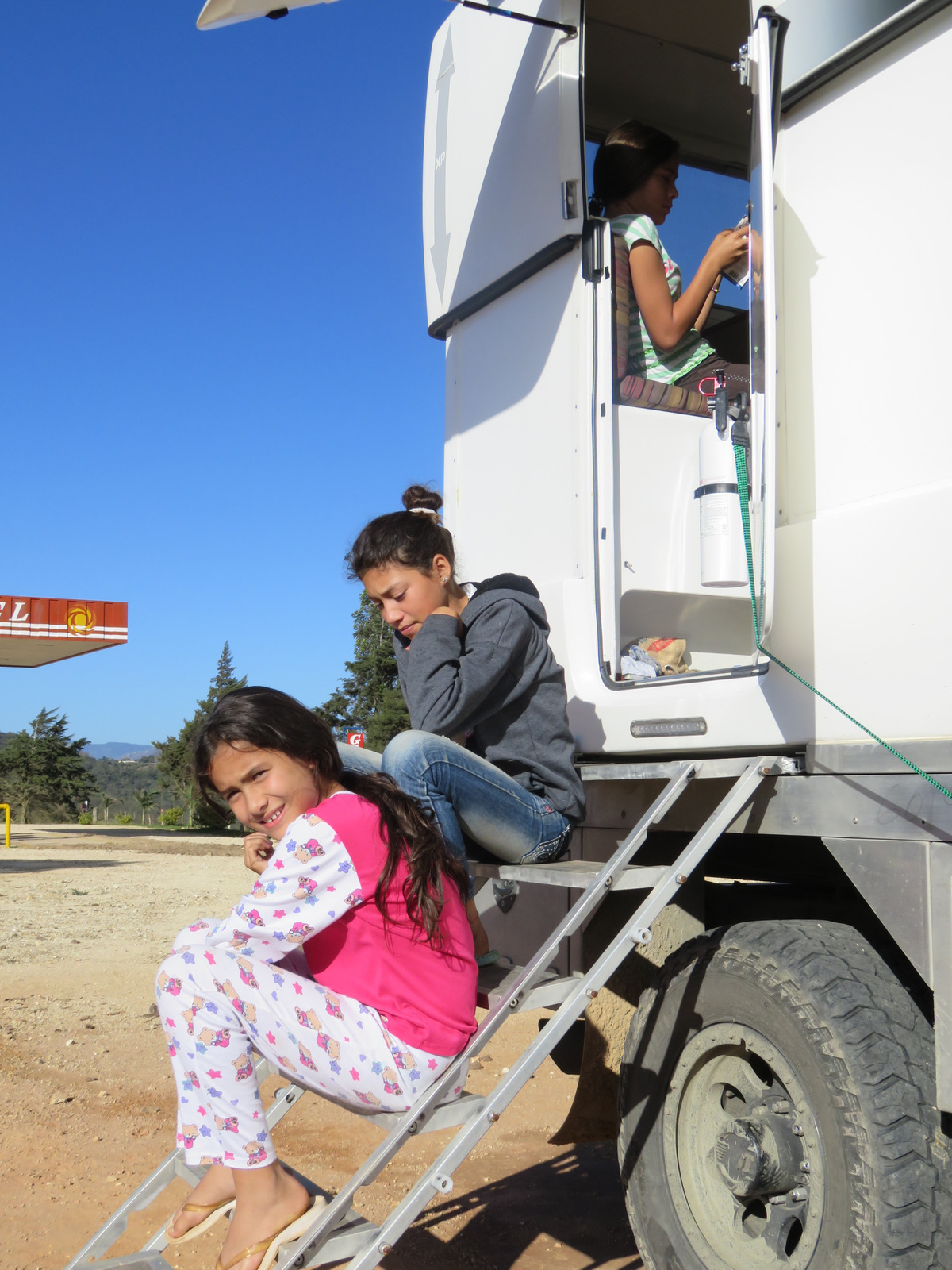
Tatiana and her girl friends, spent the night in the gas station so they could be here in the morning.

IMG_0391

Visitors, brought us arepas.

IMG_0381

Aspacica

IMG_0352

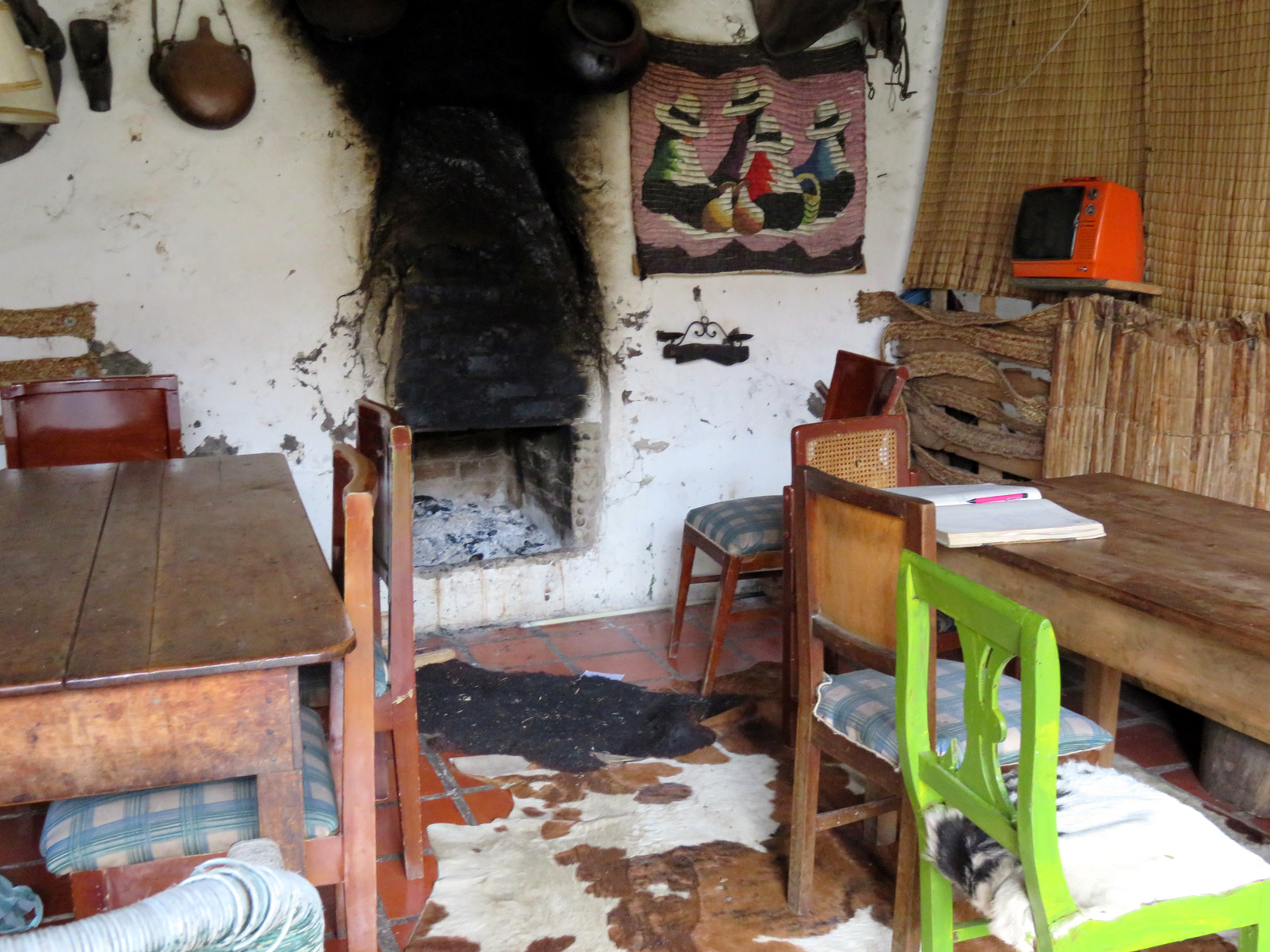
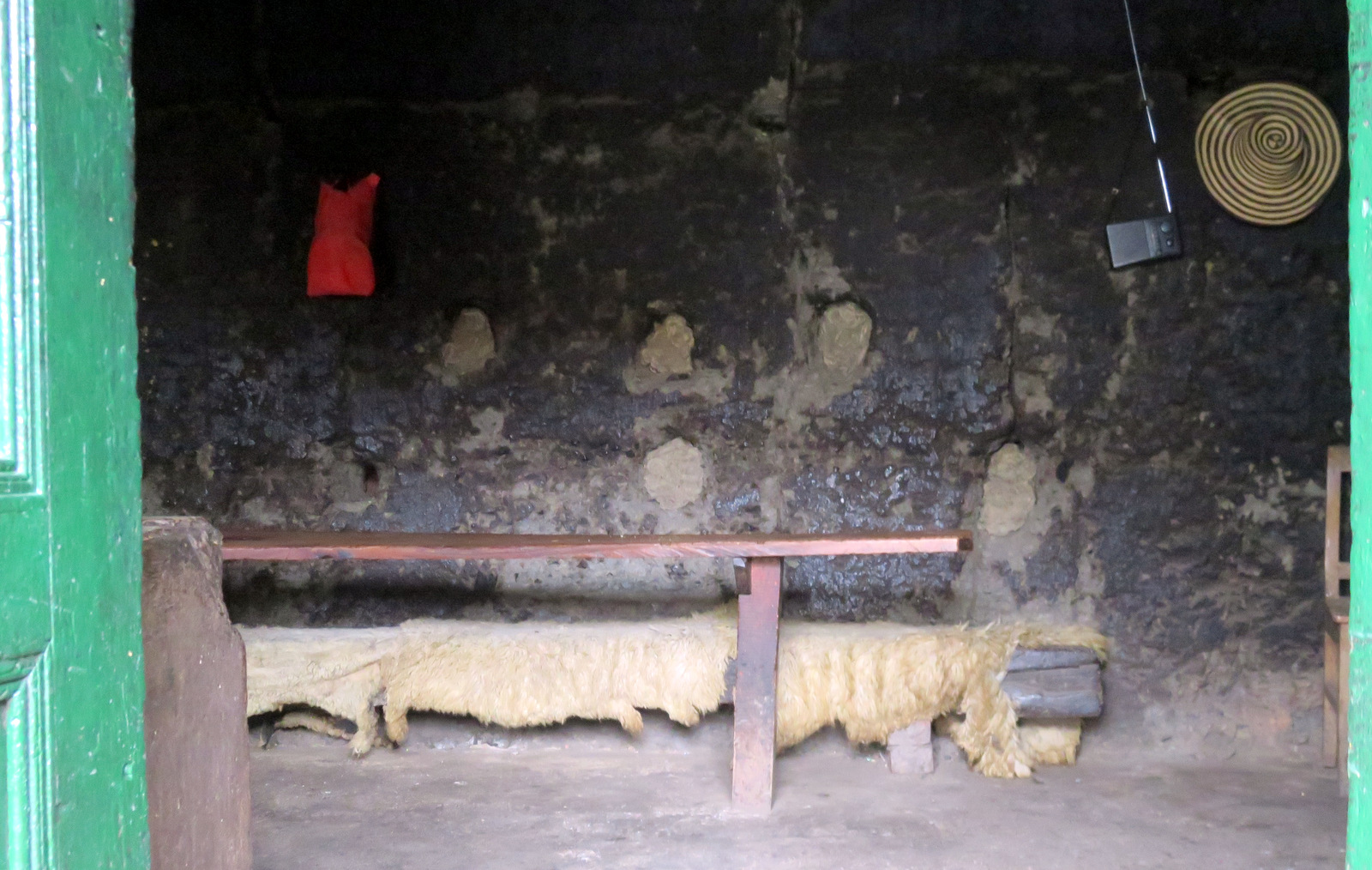
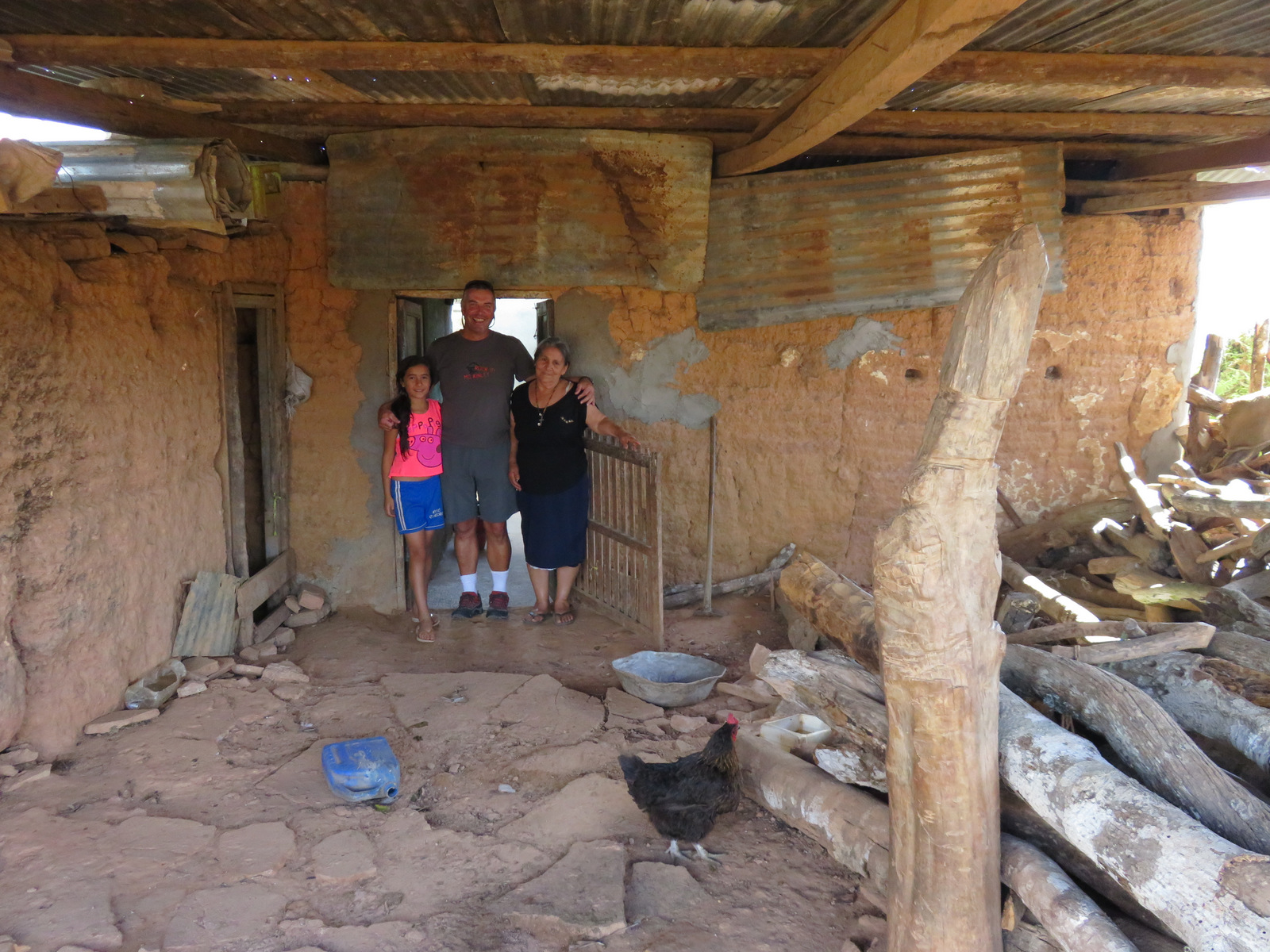
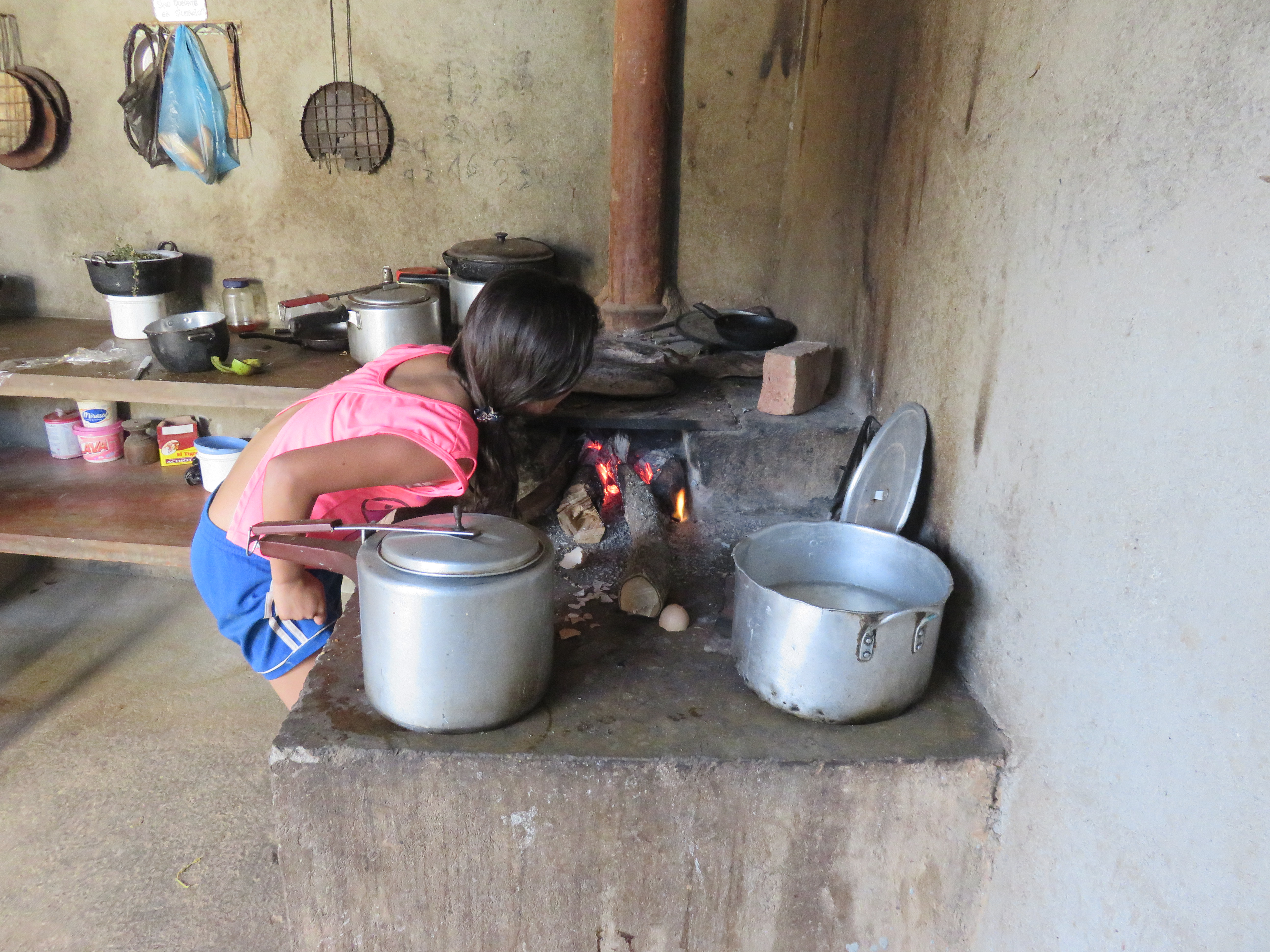
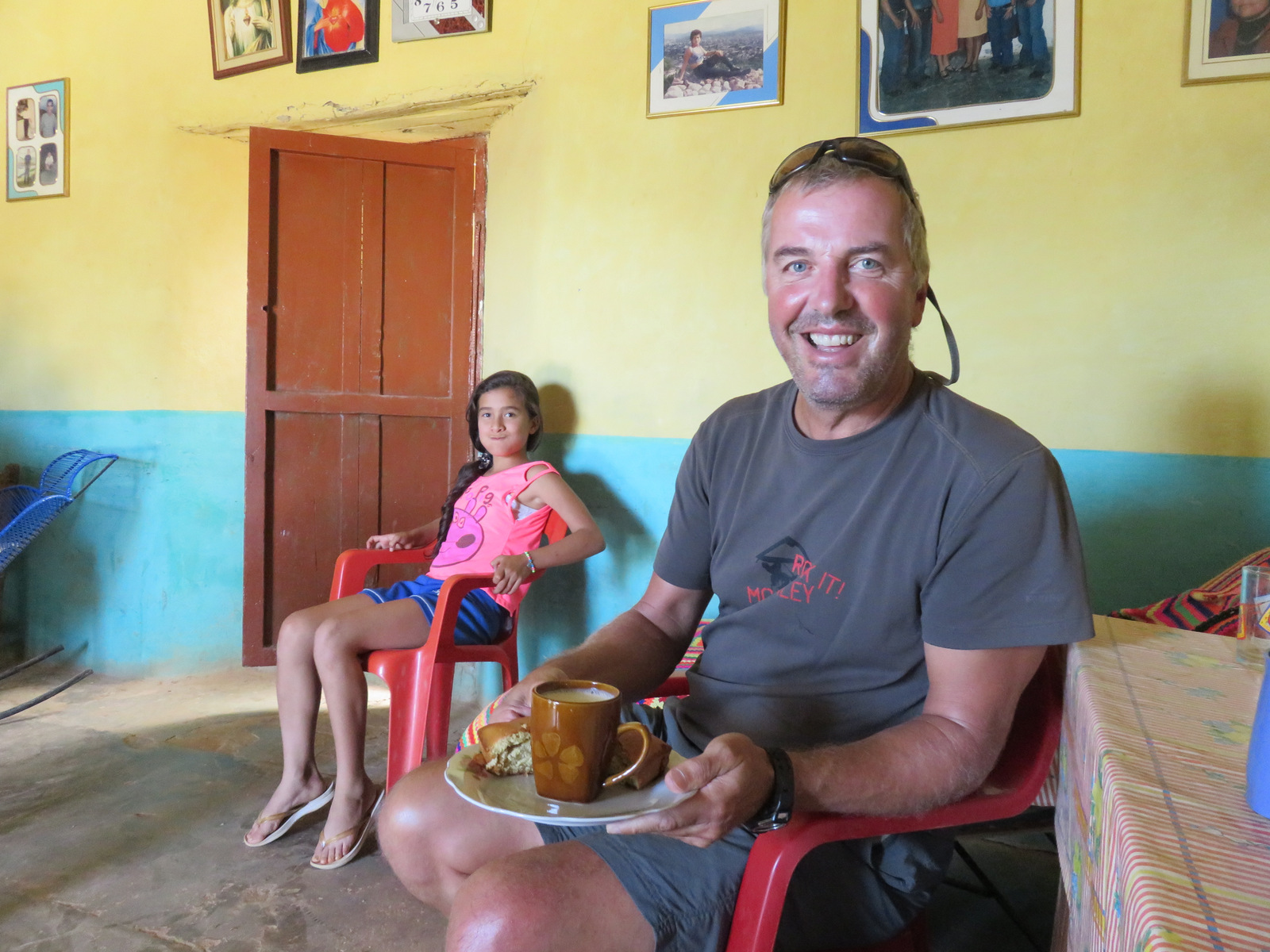
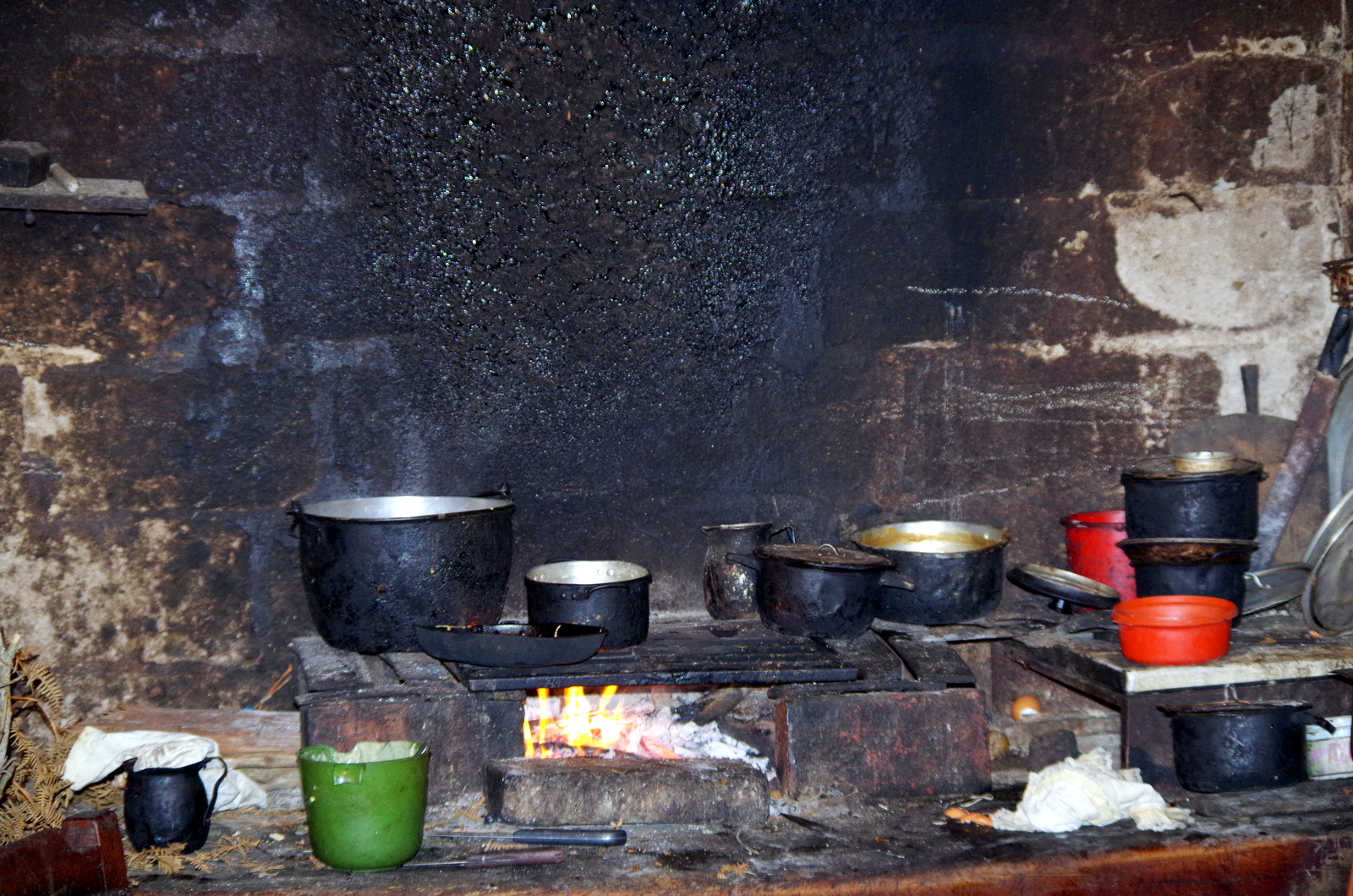
Next to our camper were some cows and soon the farmer came over to talk to us. He, Clemente, is 75 years old and was very nice, he invited us over to his house and in the afternoon we walked over. The houses usually are made of mud bricks and are white washed, simple furnishings, open fire for cooking in the attached kitchen, pictures of family members, dead an alive, are on the walls. His wife served us hot sweetened milk fresh from the cow and some kind of sweet bread. This is the second time we have been invited into people’s homes and it is always very special, I prefer this kind of experience to any tour the guide books recommend. From now on, we are going to try to do this more often. I had two little hand painted pitchers in my stash of souvenirs, bought them in Mexico somewhere, as a present we brought them to Clemente and his wife Chaya. One should not come to a home empty-handed since they will always break out some specialty and try to feed you. We promises of a return some day we left them and drove on.

IMG_0387

Aspacica

IMG_0380

IMG_0367

IMG_0364

IMG_0361

Pamplona

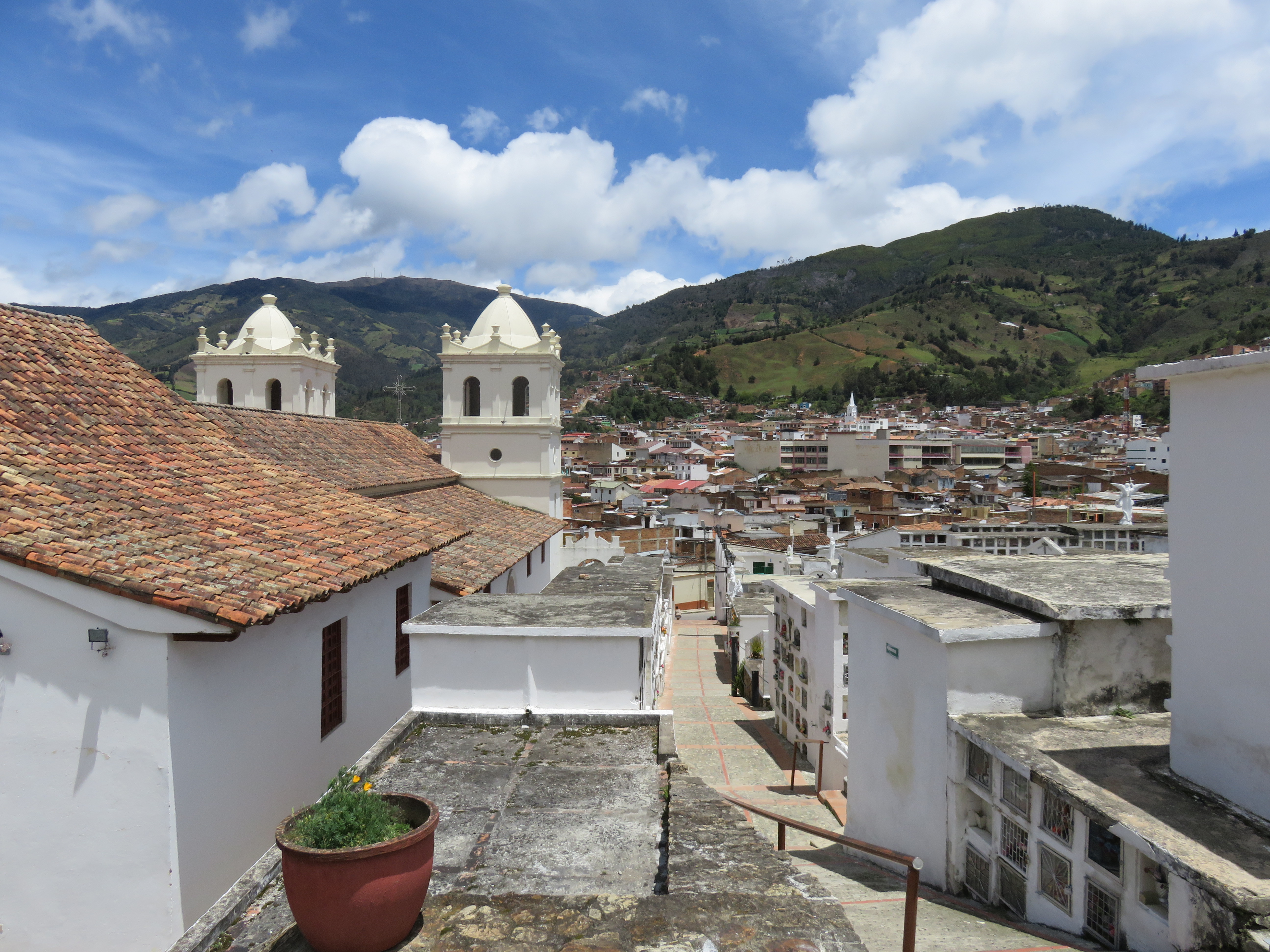
A colonial university town, it is set in a lush green valley at 2300 meters, we parked for free on a dead-end dirt road above the bus terminal, the center of town was just a short walk away and we spent a lot of time wandering around, shopped at the market, went to church and went to the little museum of their famous home town boy, Eduardo Ramirez, his art is very modern and I am not sure if I liked the art more or the building that houses the pieces.

IMG_0448

Pamplona

IMG_0427

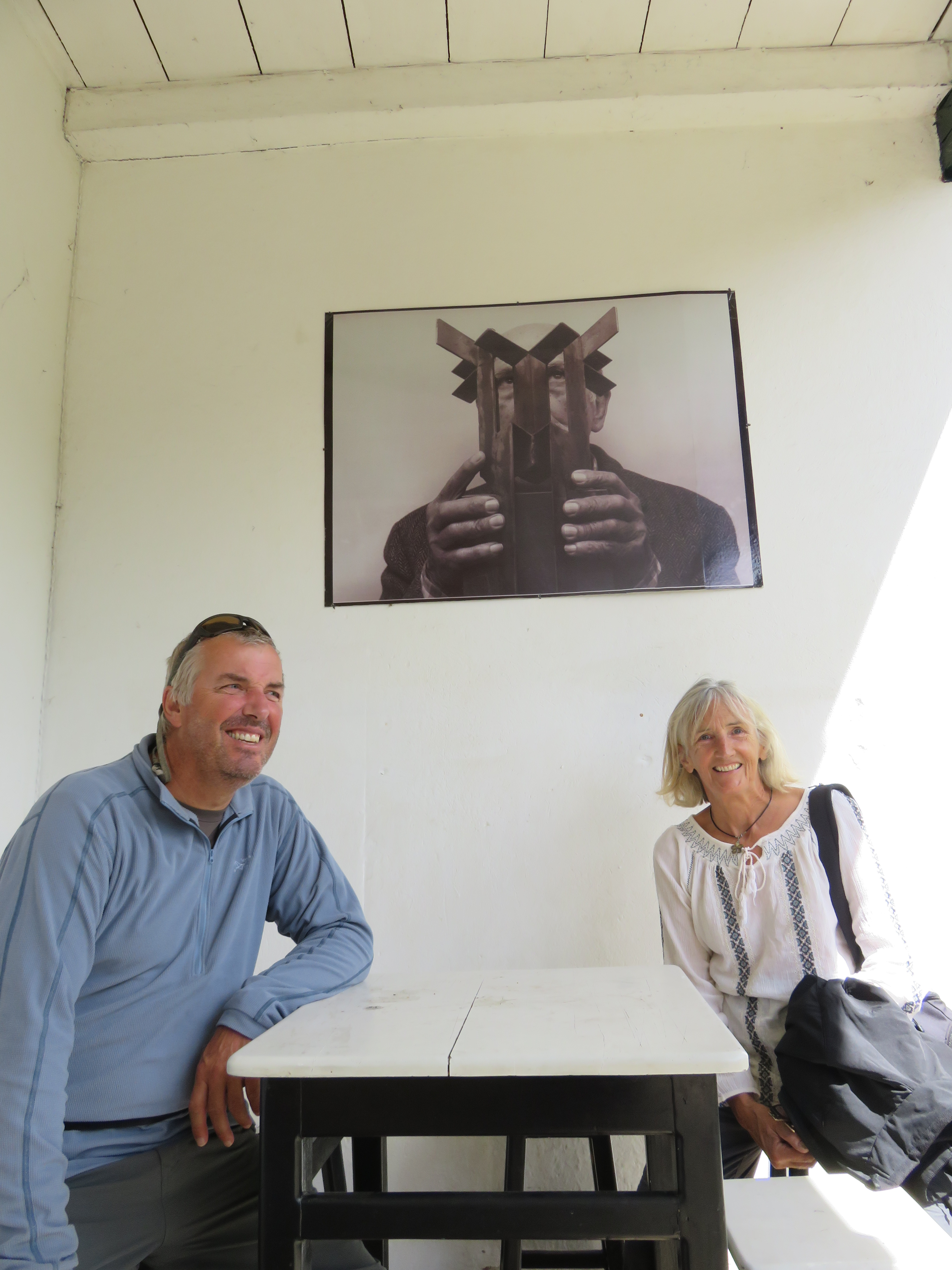
(Museo de Arte Moderno ) Eduardo Ramirez Villamizar behind us.

After a few days we were debating where to go next, head east to Medellin or go south. We started reading our guide books and then did the guide-book tour, watched paragliding in Bucaramanga, looked down onto the Canyon of Chicamocha, drank a “tinto” in Barichara and walked El Camino Real to Guane. Somewhere along the way we had driven over a long screw and it was stuck in the tire, so in San Gil we pulled into a tire shop and 15 minutes later we had the screw removed and the hole plugged, great. San Gil has a fancy mall where we found German and Swiss chocolate, almond milk for our müsle and other hard to find items. This town is geared toward adventure tourism and offers many things for that travellers looking for a thrill in nature.

IMG_0443

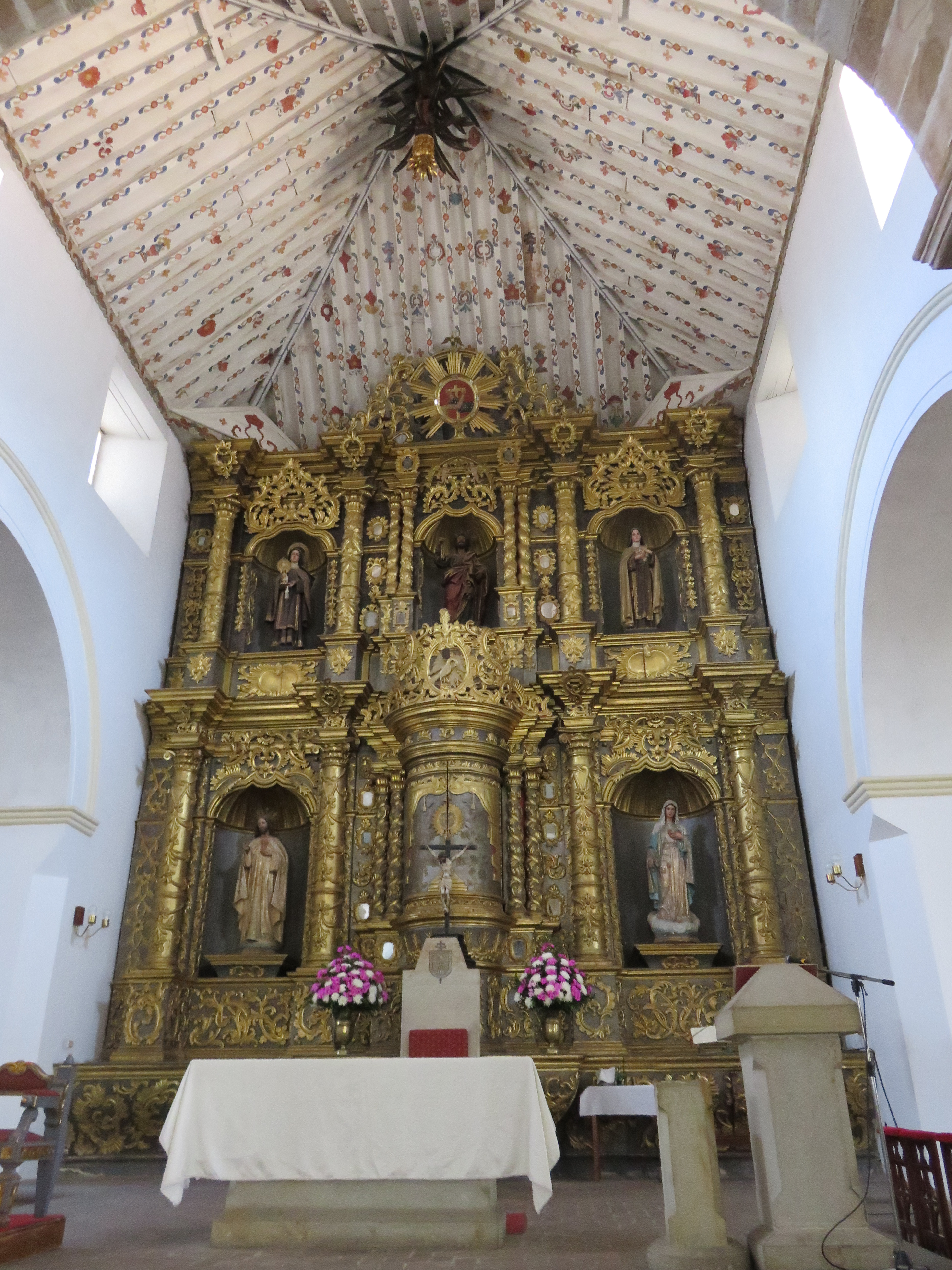
Guane, baroque altar, I loved the painted ceiling.


20150729_110921

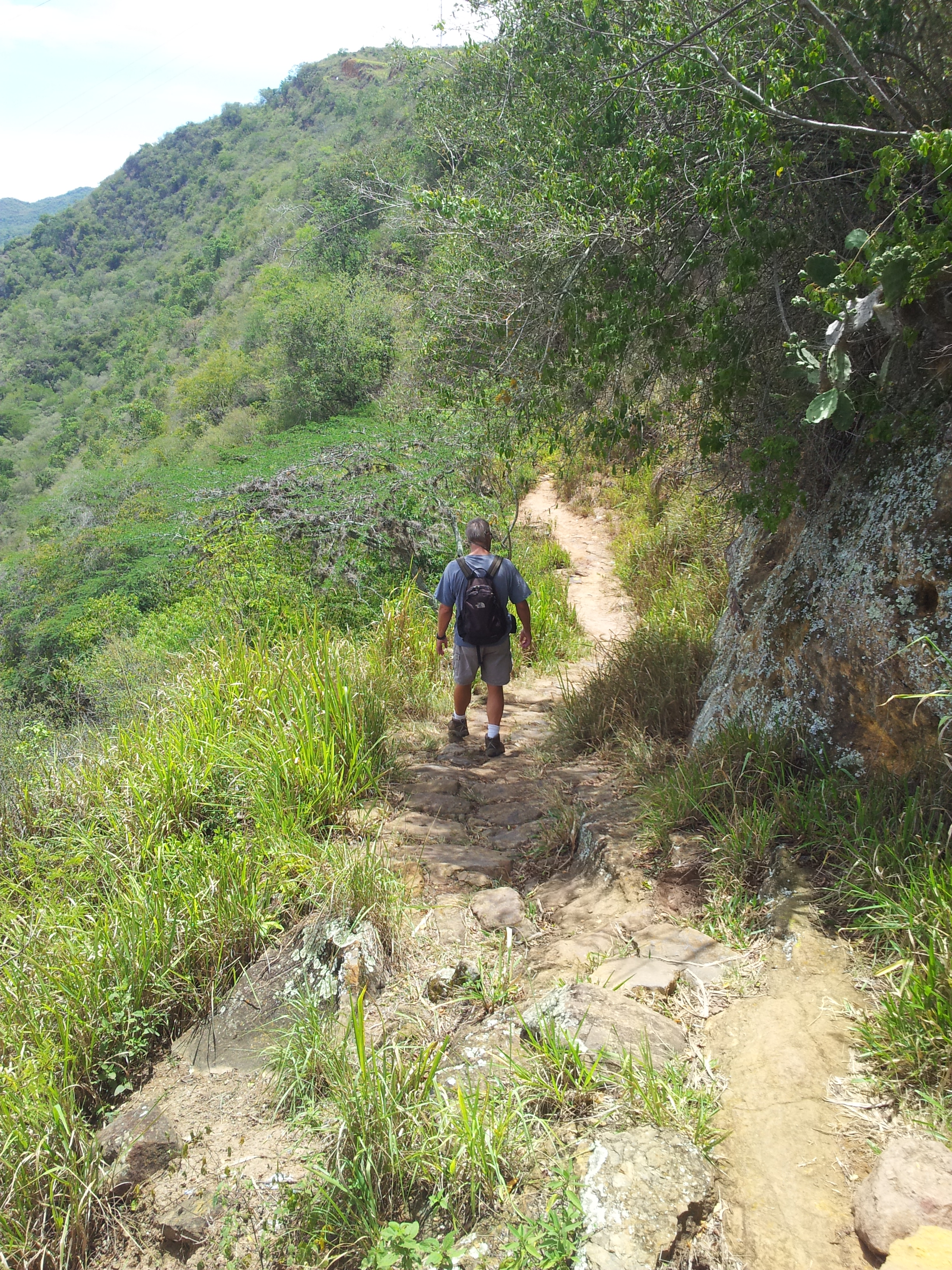
Camino Real hiker

IMG_0510

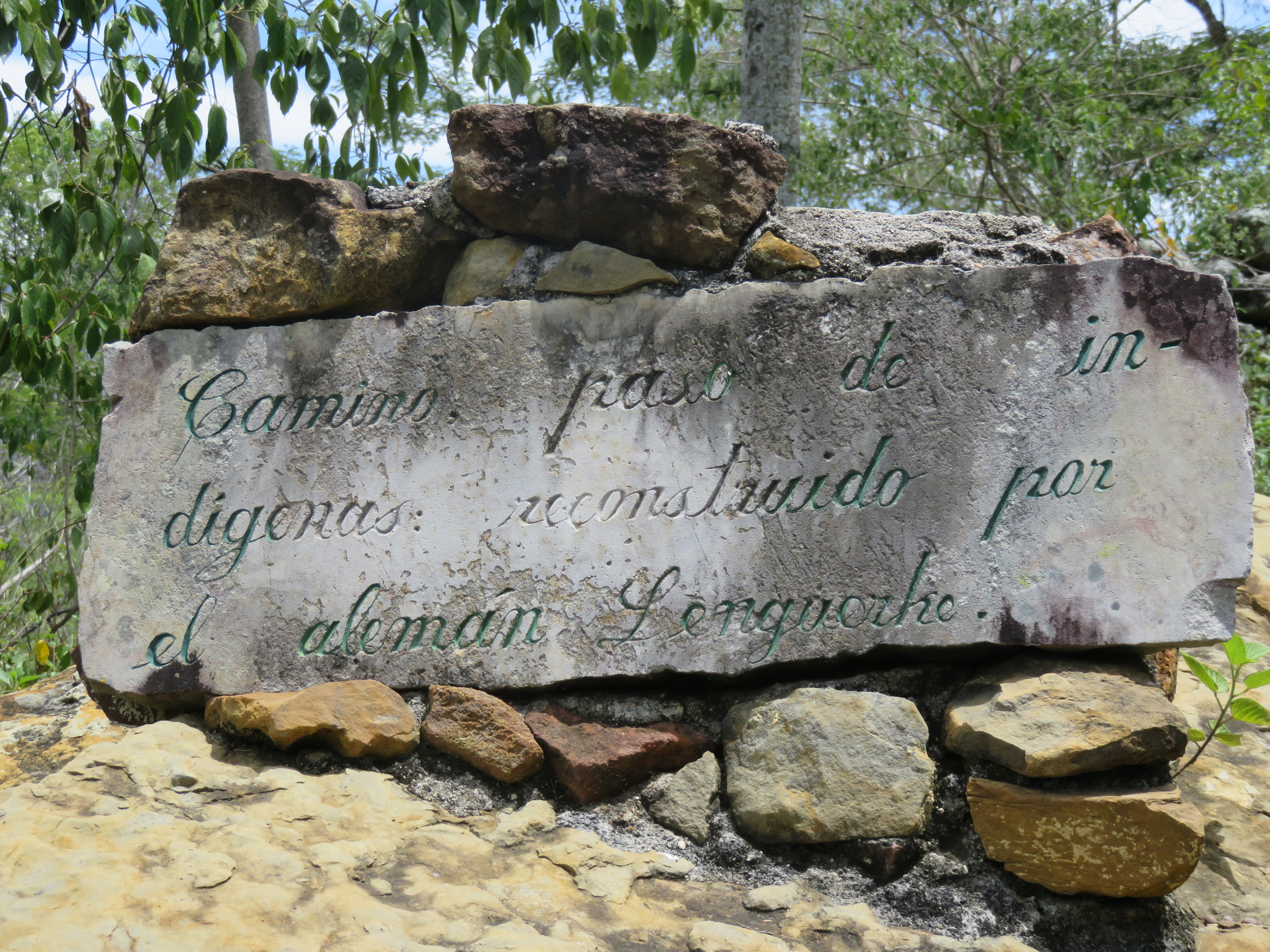
Camino Real trail was rebuilt by a German over 100 years ago.

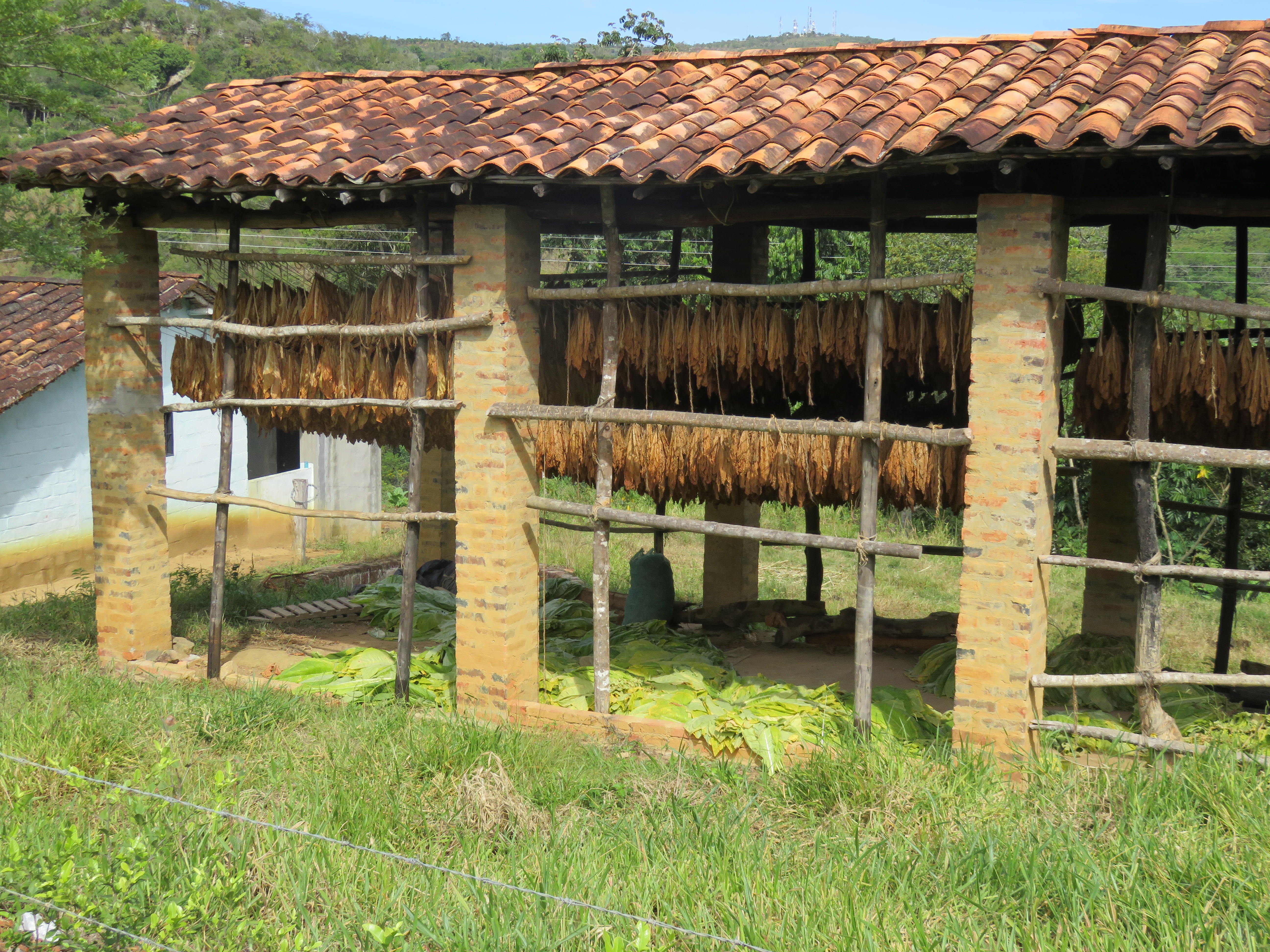
If you are drawn to adventure walks and like to follow in the shadow of 19th century explorers, then the story of German colonist Geo von Lengerke will get you motivated for a trip to Guane. Lengerke ambitiously set out to unite the highlands of Santander with the Magdalena retracing the original indigenous footpaths. Over six hundred kilometers of stone tracks once used for mules have survived and you can meander your way on these rocky trails through fruit orchards and tobacco fields .

A quote from the Bogota paper:

Heavy iron beams engraved with ‘Bremen 1867’ are now gates to private homes, and there is a particular look to the inhabitants of the Guananta region. Many are tall and fire-skinned, and when they flash a smile, their blue eyes light up. During his years in Santander, Lengerke miraculously found time to populate (thanks to his many girlfriends) the department. Wander with free roaming goats through a patchwork of narrow alleys and visit the town’s unique paleontological museum with its wall-to-wall collection of fossils. The beautiful historic stone church remains almost the same today as the day it was built four centuries ago. –


IMG_0492

IMG_0533

Tobacco

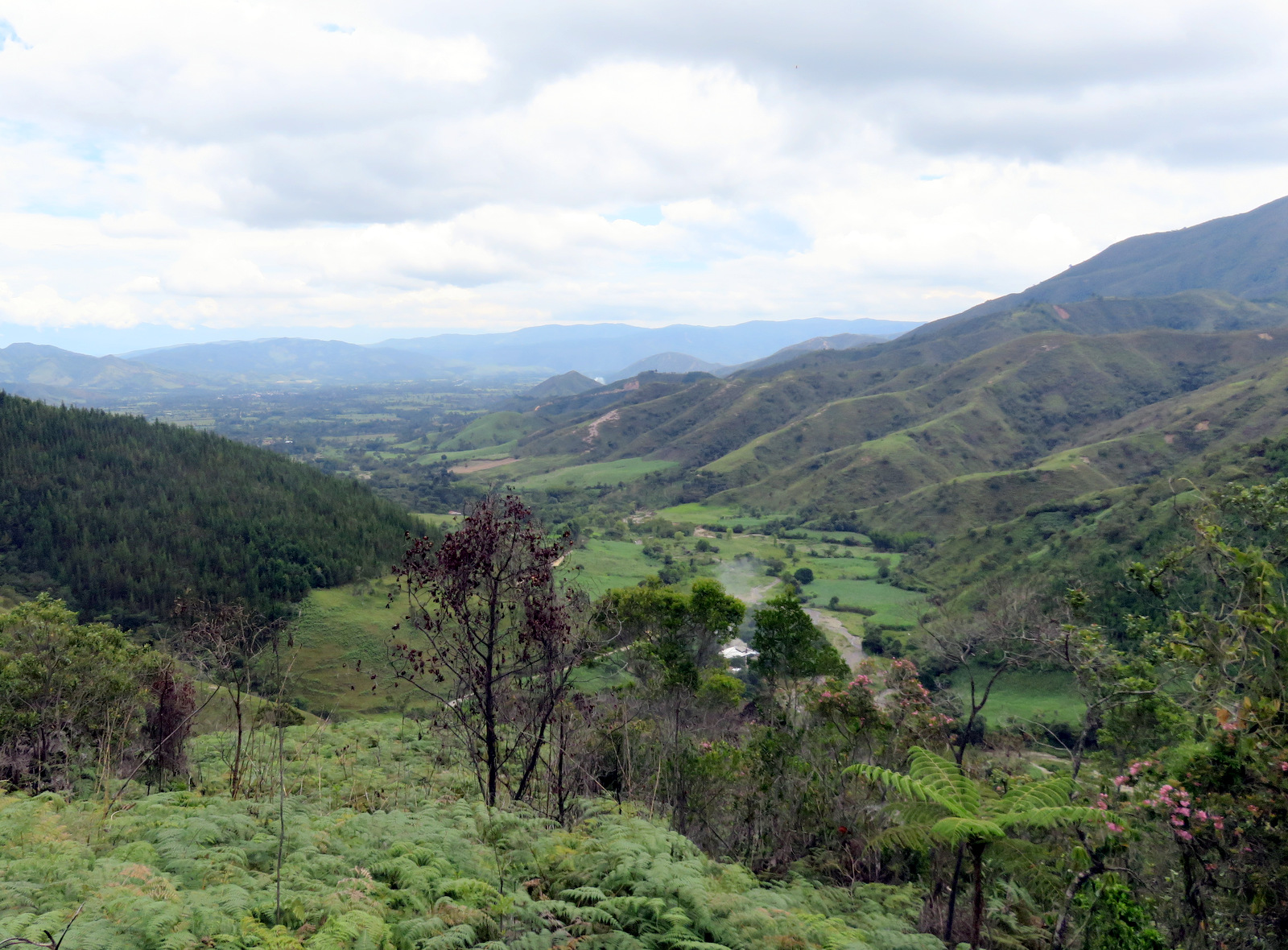
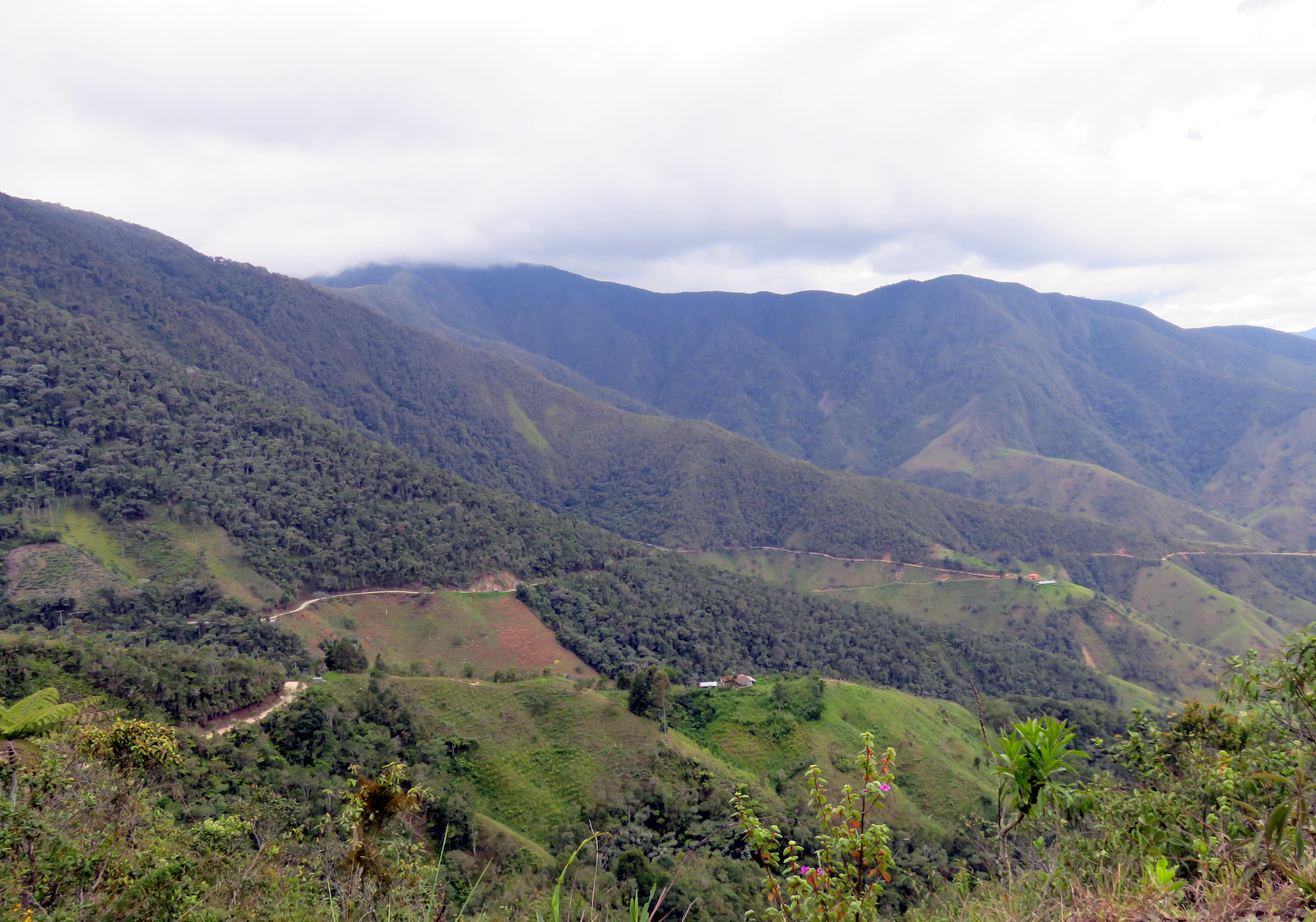
The Sierra Nevada del Cocuy mountains were next on our list, the highest mountains on the eastern range, so we had to go east again. There is a small road from San Gil to Mogotes and then on to Soata. An absolutely beautiful drive through hills and small farms, along canyons and through little towns. It is a long drive and one should plan at least two days for it because you want to stop and look. The road looks daunting sometimes but trucks and medium size buses drive it every day.

IMG_0537

Mogote in the distance

IMG_0540

The road up to the pass.

IMG_0547

Our camp spot on top.

IMG_0549 IMG_0545

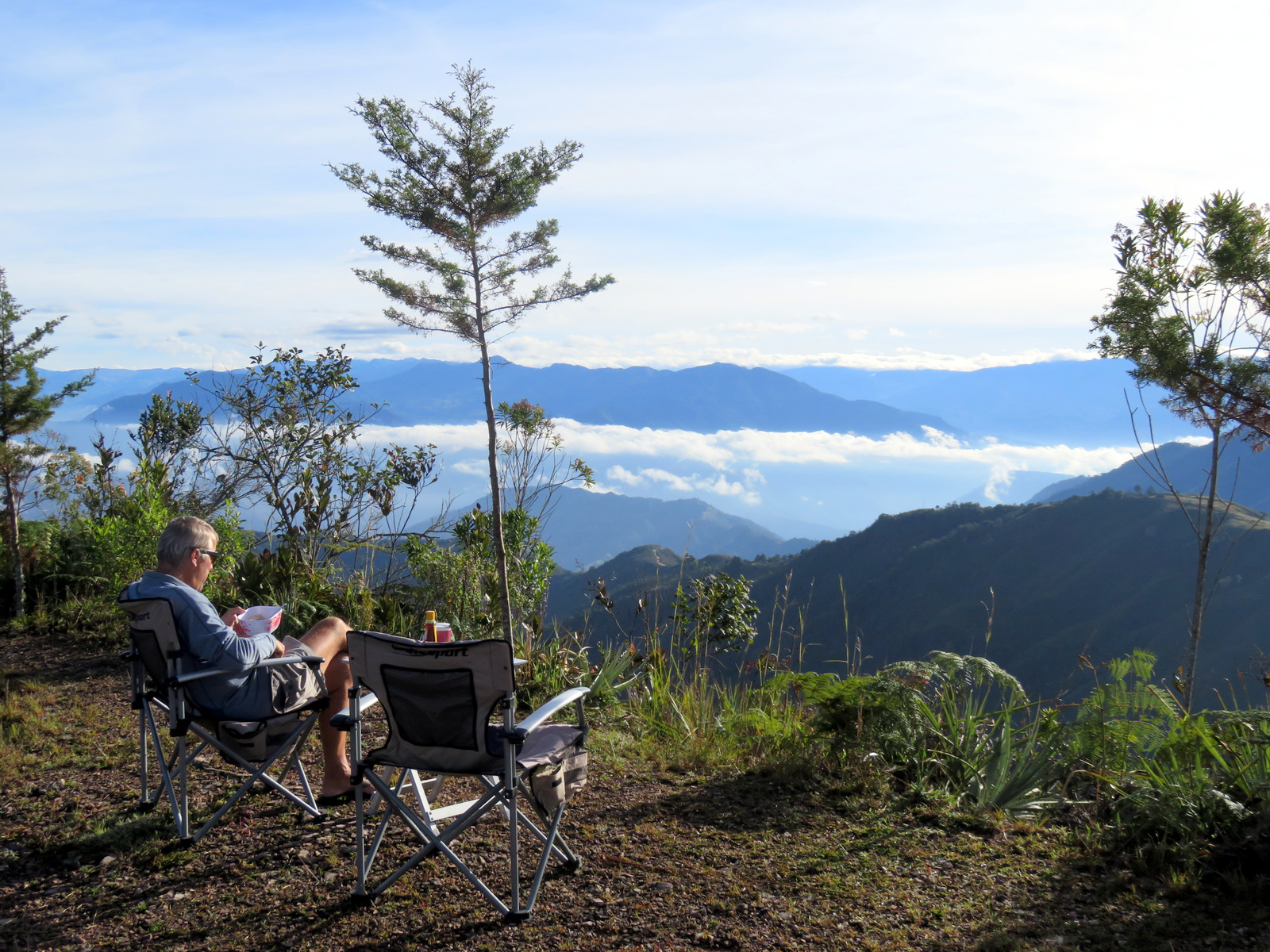
On top of the pass ( 2577 m) between Mogotes and San Joaquin we stopped early in the afternoon, the views were spectacular and the parking area large. We decided to stay and spend the night. I took the walking stick and followed one of the trails, there are little farms on the steep hillsides and they can only be reached on foot or hoof. What really amazed me were the many different orchids growing trail side, large and small, white, pink and red. 

IMG_0586

IMGP4220

IMGP4234

IMGP4231

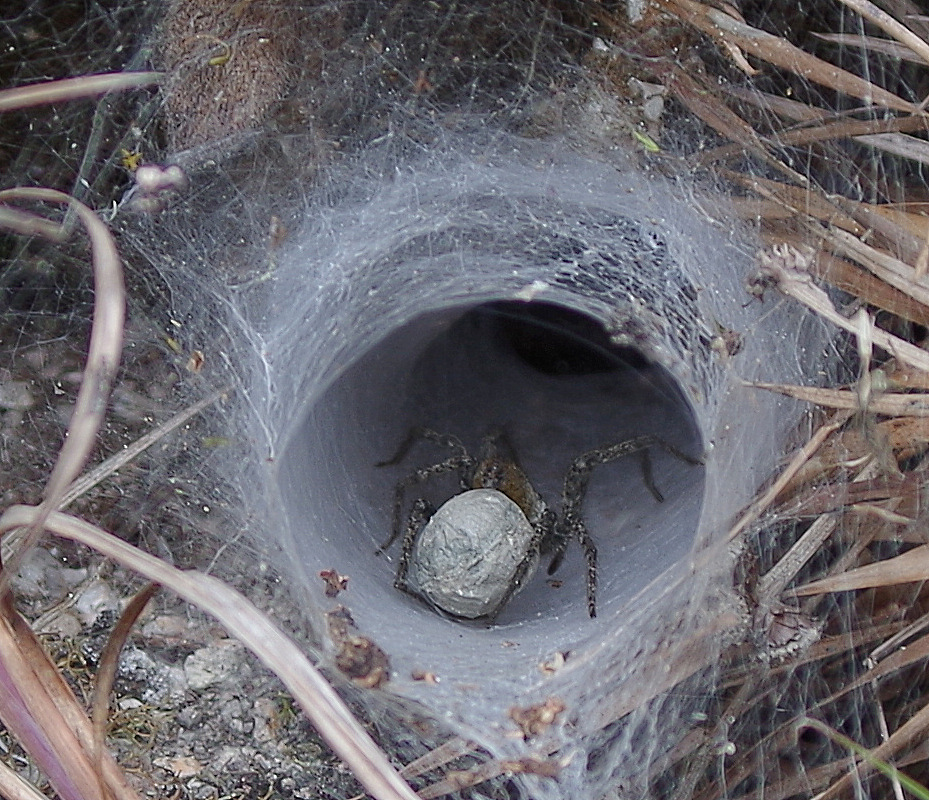
Crazy spider web.

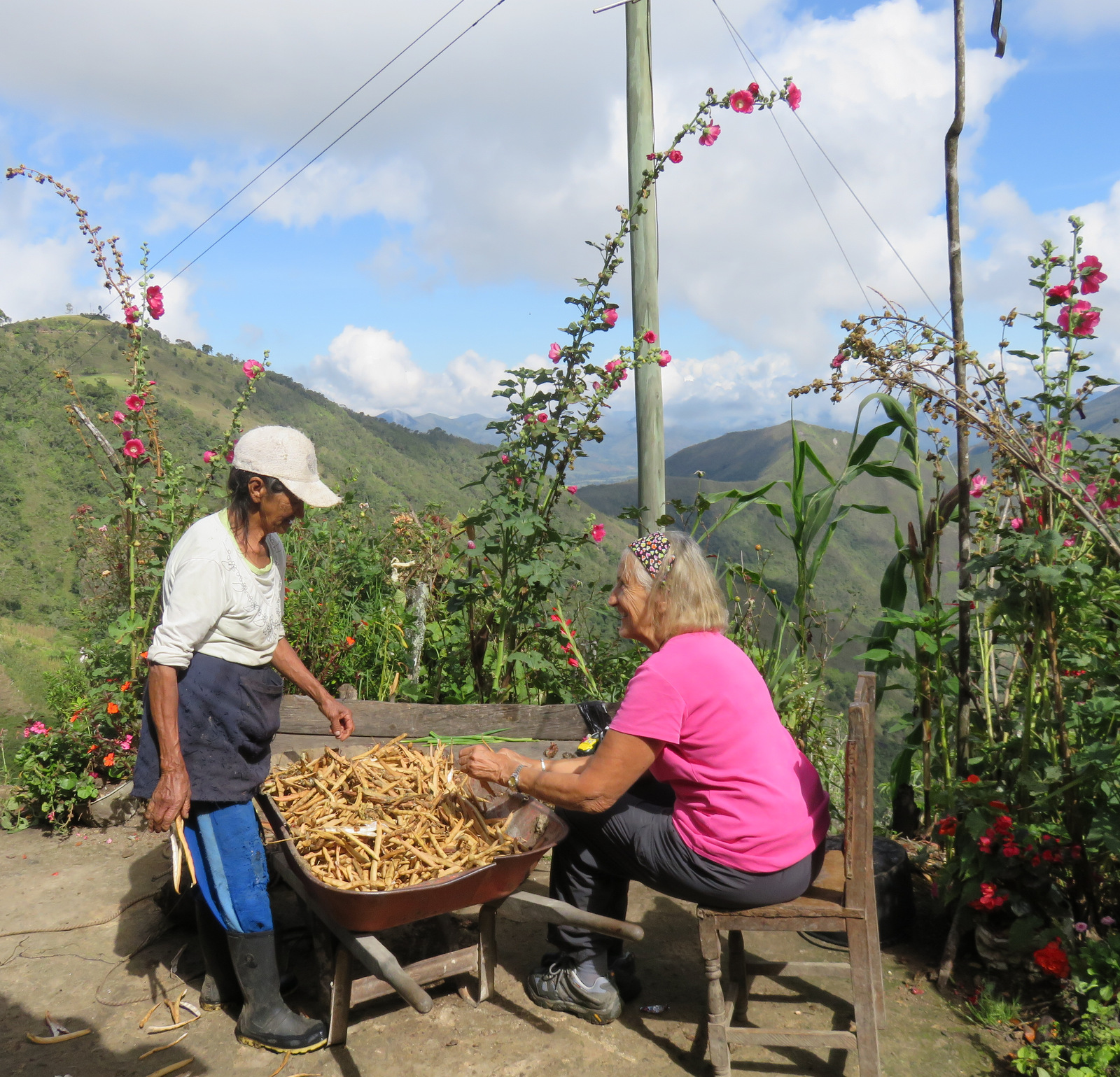
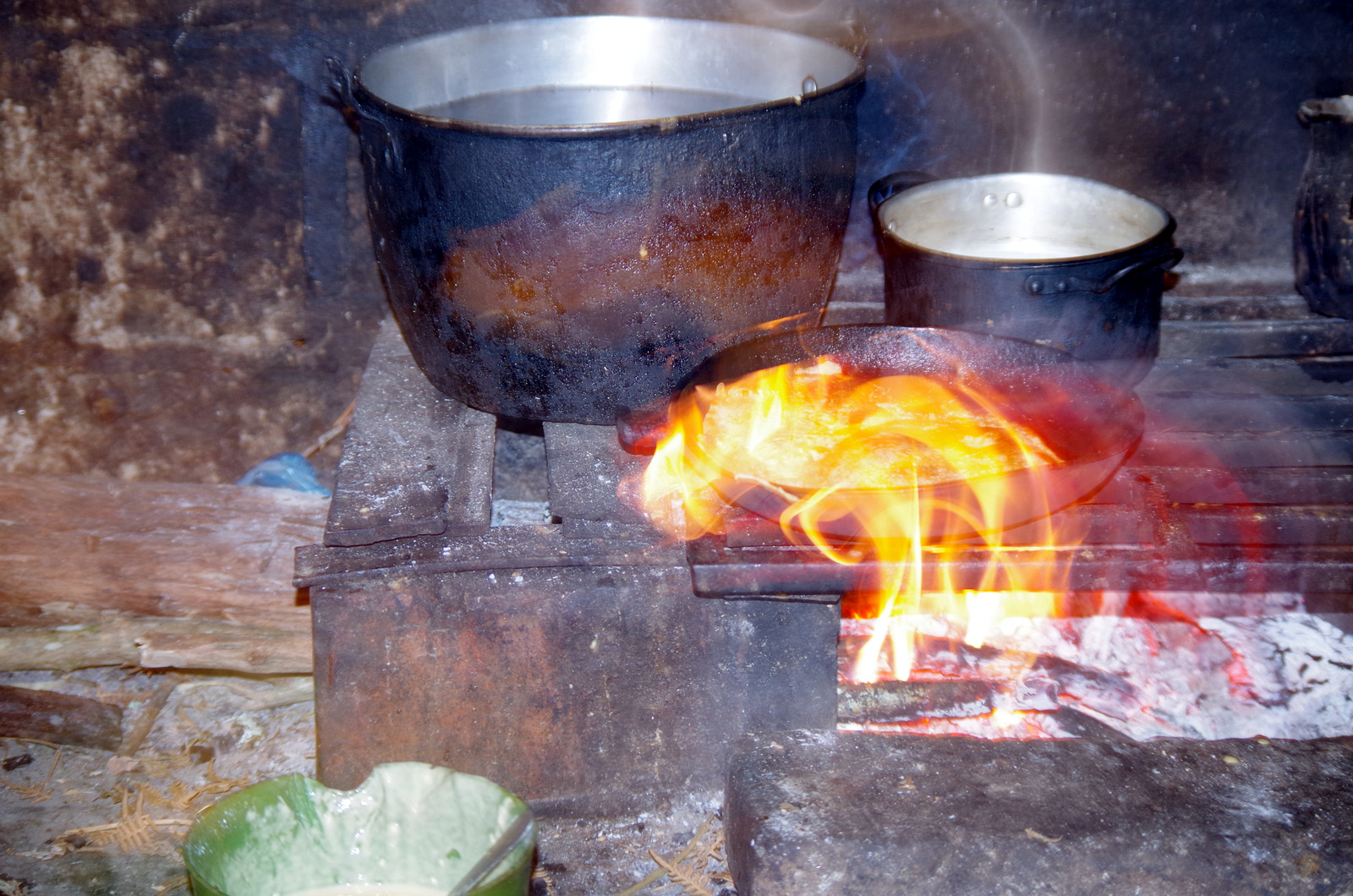
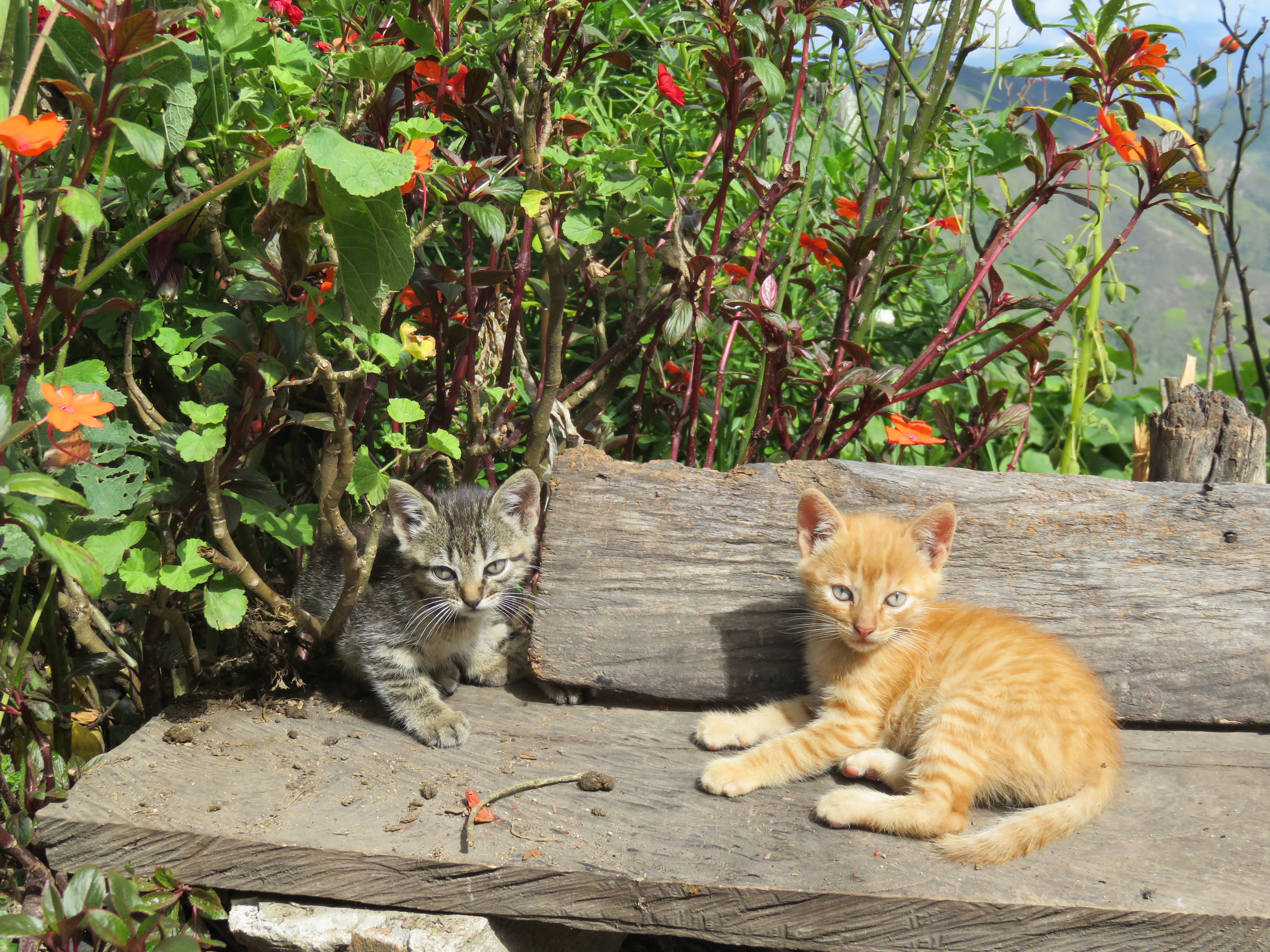
While I was hiking I saw an older (one year older than me 🙂 )woman carry up a heavy load so I waited for her, she had a strap on her forehead and on her back was a milk bucket. She was waiting for the milk truck. I sat down beside her started to ask her some questions, it it easiest to start a conversation by asking about children and grand children, they are their pride and joy. Her name was Marina and she has two cows, a donkey, chickens, cats and dogs and yes, she invited us to come down to her farm. So the next morning I took off by myself, mandarins, cookies and a chocolate cake in my pack, with trekking poles, because the trail is very steep and at times serves as a creek I think. After 1/2 hour I got to the house and was greeted by her grand-daughter Carolina that lives with her. Marina showed up with a huge root she had dug up in the woods with her machete. From what I can gather it is a special root and she chips and dries it and sells it. She tried to give me milk (not again) and then started removing beans from pods in a wheel barrow, so I helped her for a while but then she decided to cook me a sweet arepa, by now Günter had showed up and we enjoyed the treat and hot “tinto” from her own coffee beans. Her garden was overflowing with vegetables, fruit and flowers. They live self-sufficiently and rarely leave home. Every day, she milks the cows and carries the 8 to 10 liters up the steep trail to the top where we had met her. There, at 4:15 pm a truck comes and collects her milk. No wonder she is in such great shape, when we said good-bye and headed back up to our camper I looked down and I saw a tiny figure running swiftly along a steep trail towards the cows, it was Marina.

IMG_0550

The trail down.

IMGP4284

IMGP4281

IMGP4268

IMG_0558

Sweet arepa.

IMG_0560

IMGP4266

IMG_0553

Shucking red beans.

IMGP4258 IMGP4255

IMG_0556

IMG_0562

Hiking back up from Marinas granja.

IMG_0570

The road down the other side to San Joaquin.

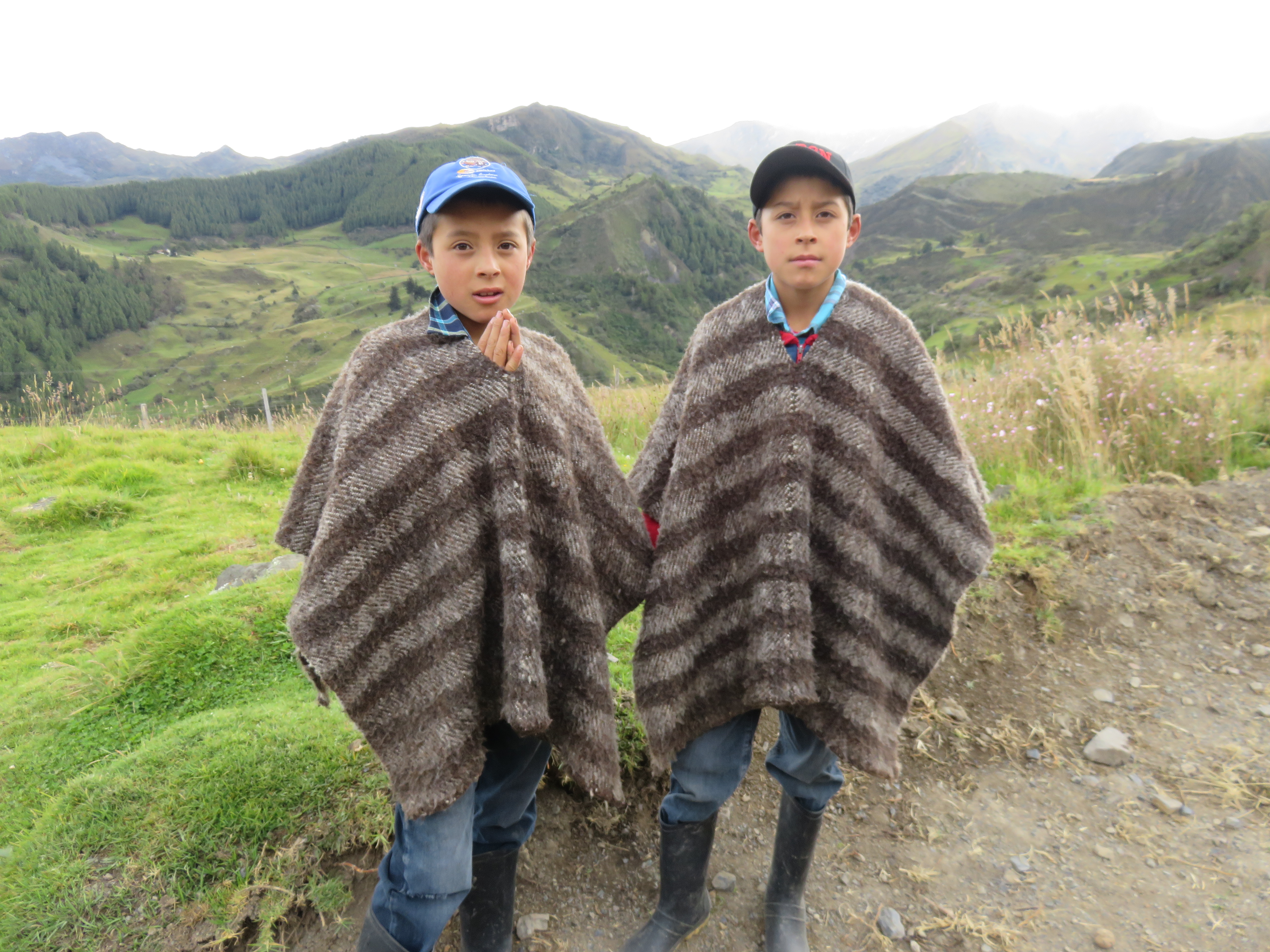
The road (64) from Onzaga south was closed and the smaller one heading east to Soata we were told is in very bad shape and washed out. We asked some men in the church square of Onzaga about an alternative and they told as a different way to drive. This route was not in our GPS and online maps, in the “real” map it was marked as a trail. Ok, we went, one can always turn around if it is not doable. Lucky we talked to those men, because this road was very, very beautiful, it follows a river all the way up to 3000 meters, through a lush valley with fields of onions, potatoes, tobacco, fava beans, cows and sheep, people with heavy wool ponchos (ruanas) and children on horses. This road meets up with the main road (55) again near Paramo.

IMGP4287

IMG_0604

Potato harvest.

IMGP4293


IMG_0594

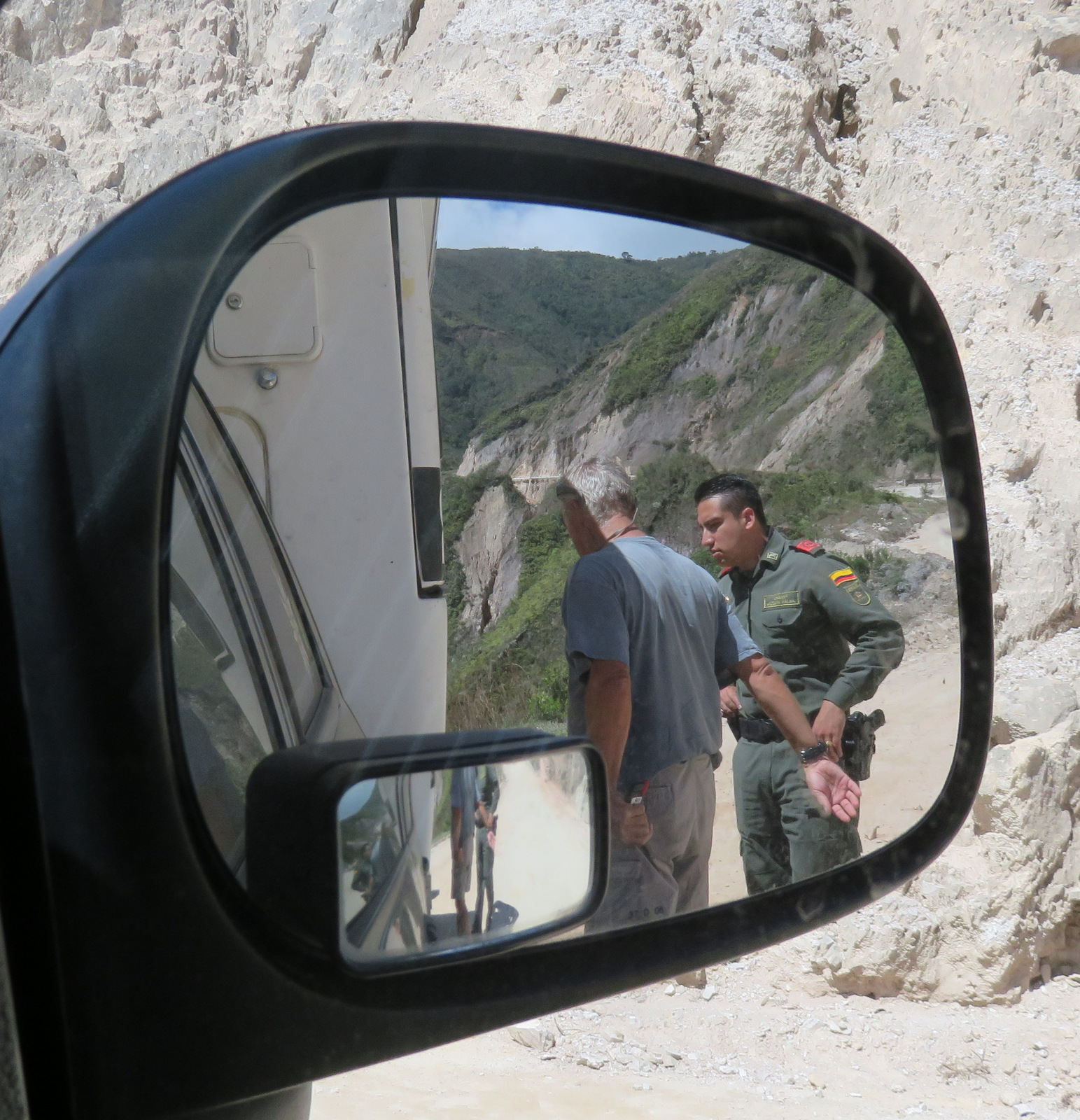
Günter stopped to put air in the tires and I took some pictures of the surrounding farms and the potato harvest when oops, I looked through the view finder (my camera has one )and there were soldiers heads popping up in a field. I talked to a drunk worker and he told me there are quite a few soldiers hidden in a nearby farm-house ruin, gully and that field.

There is also heavy military presence on the southern end of highway 64 and we were not allowed to camp there, when I was wandering through an area of frailejones I was stopped by several soldiers and told to leave immediately because it is not a safe area.

IMG_0576

Colombia has had a rough time with FARC and other guerilla groups making large areas of the country unsafe, nevertheless, it has gotten much better since the ’80s and ’90s and the areas still largely occupied by FARC are shrinking and well-known, so you do not and cannot go there.


Time to find the glaciers and snow-covered peaks of the northern Andes and on to Cocuy.


Posted in Colombia | 15 Comments

Panama

20150705_090019

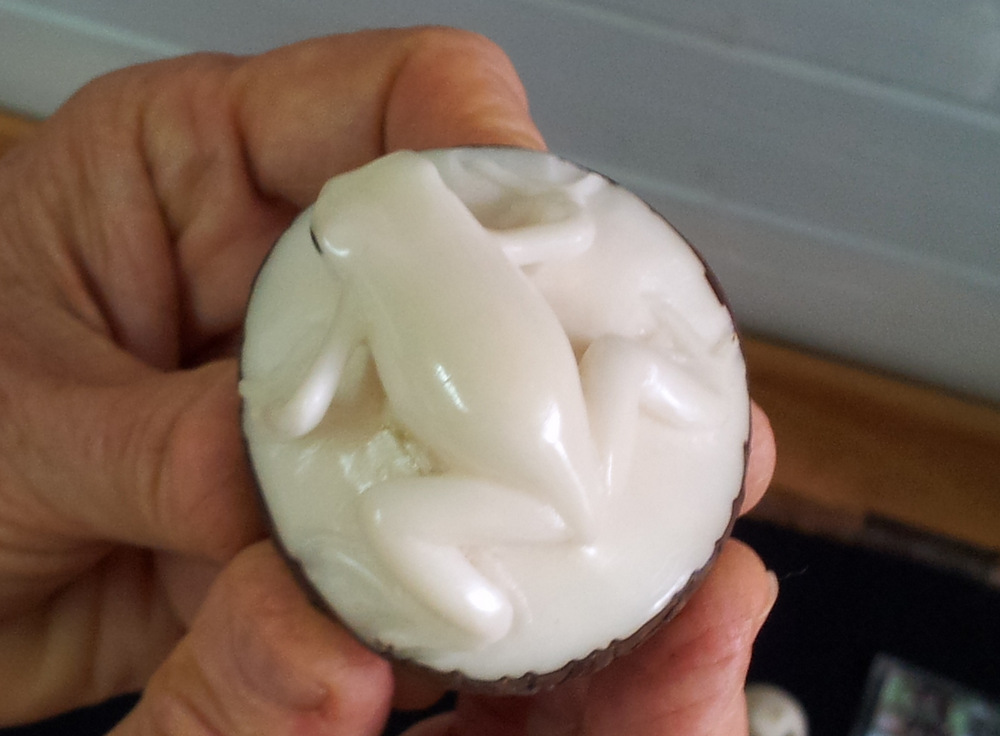
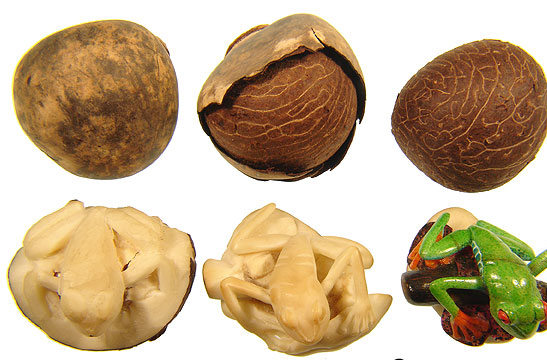
Rana, I had to buy a few.


rana

Carved from the nut of the ivory palm.

Panama is famous for The Canal” and few people choose it as a vacation destination.

Nevertheless, it has beautiful mountains, beaches, wilderness and jungle, an interesting indigenous population, rare animals and large agricultural areas. Not to forget the Expat settlements, colonial towns and of course Panama City.

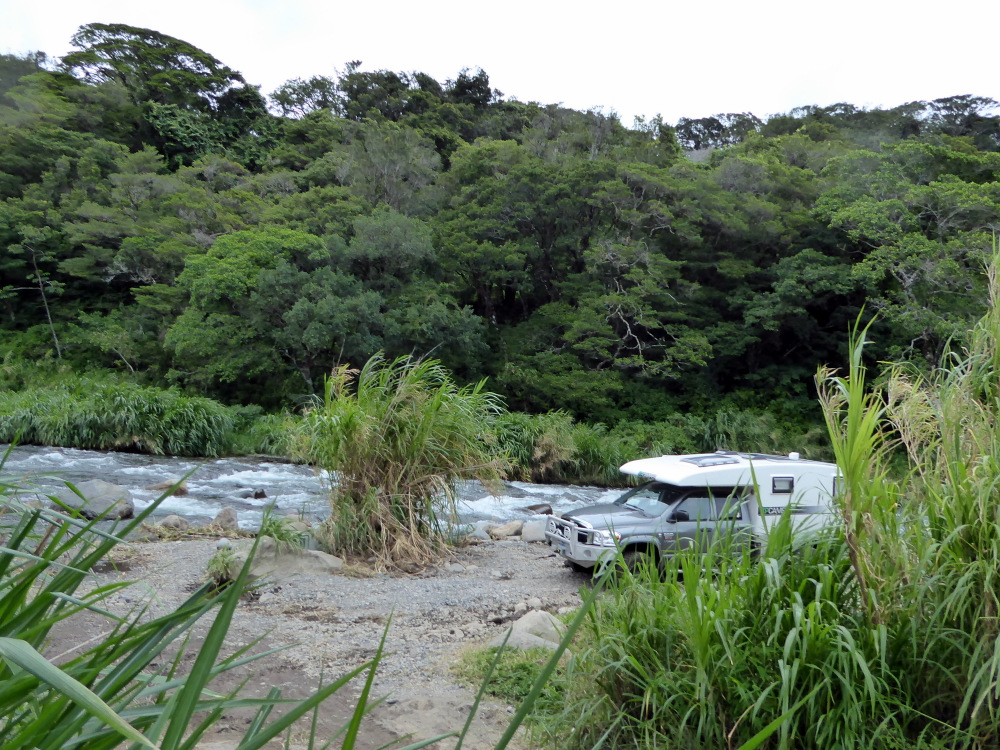
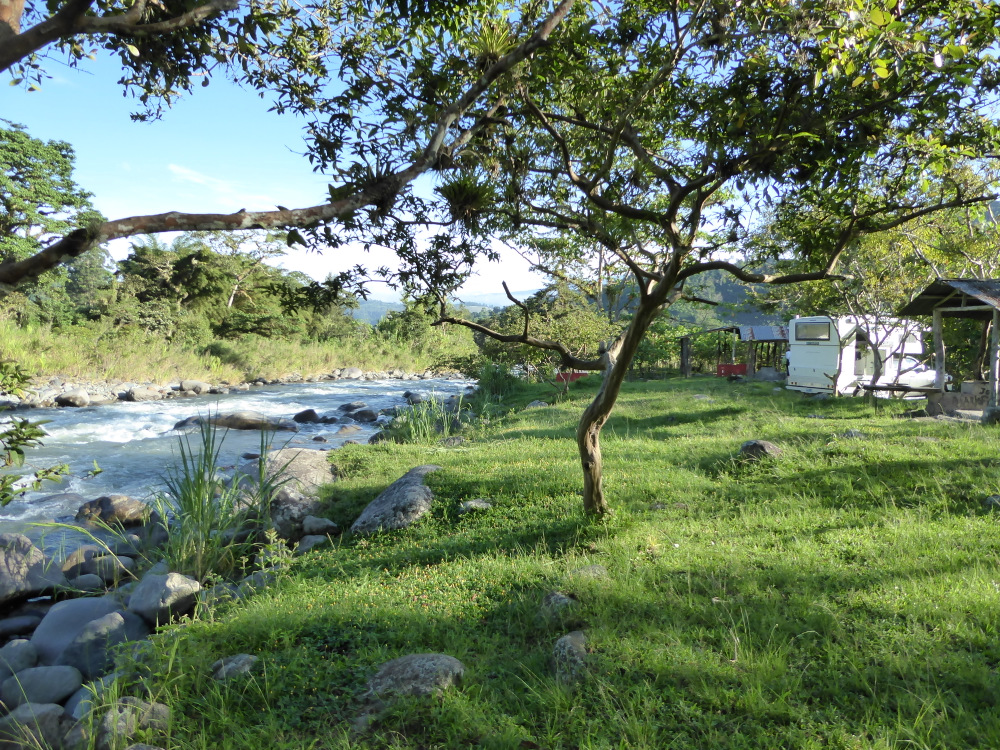
We spent a few days in the (very American) town of Boquete on the flanks of volcano Baru, close to the border to Costa Rica. First we camped on the banks of the river, then we decided to go higher and drove up a road until the pavement ended. There we found a flat spot beside the road, not easy to come by because the hills are steep and planted with coffee bushes.

P1000619

Boquete camp spot by the river.

P1000659

20150706_171308

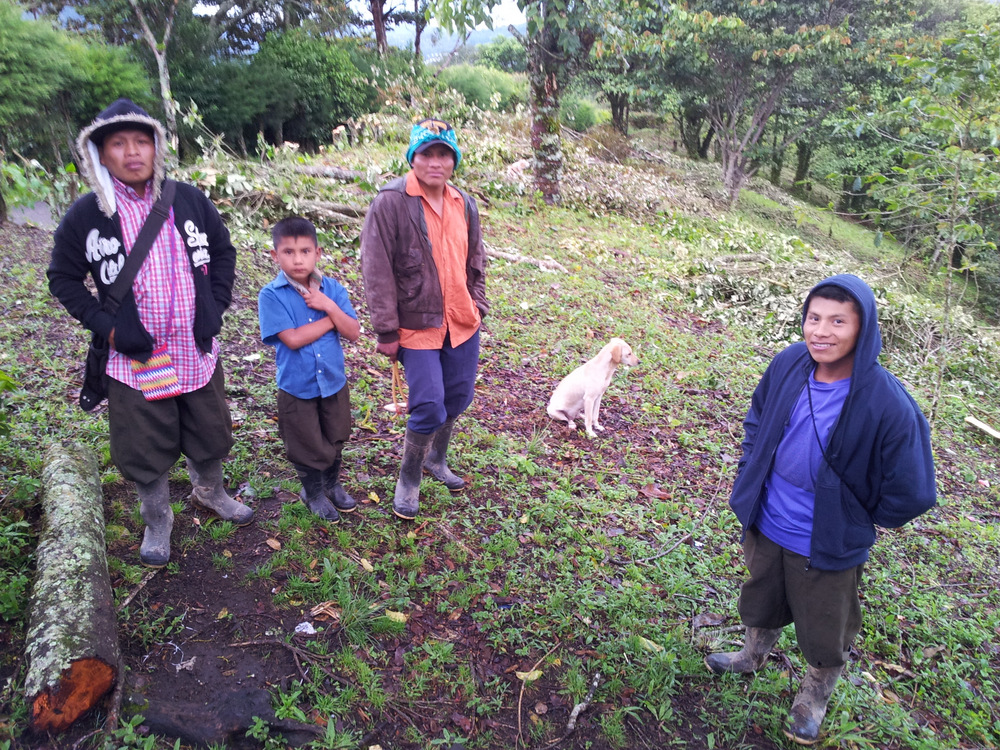
Ngäbe-Buglé tribes men

20150706_171756

P1000641

IMGP4112

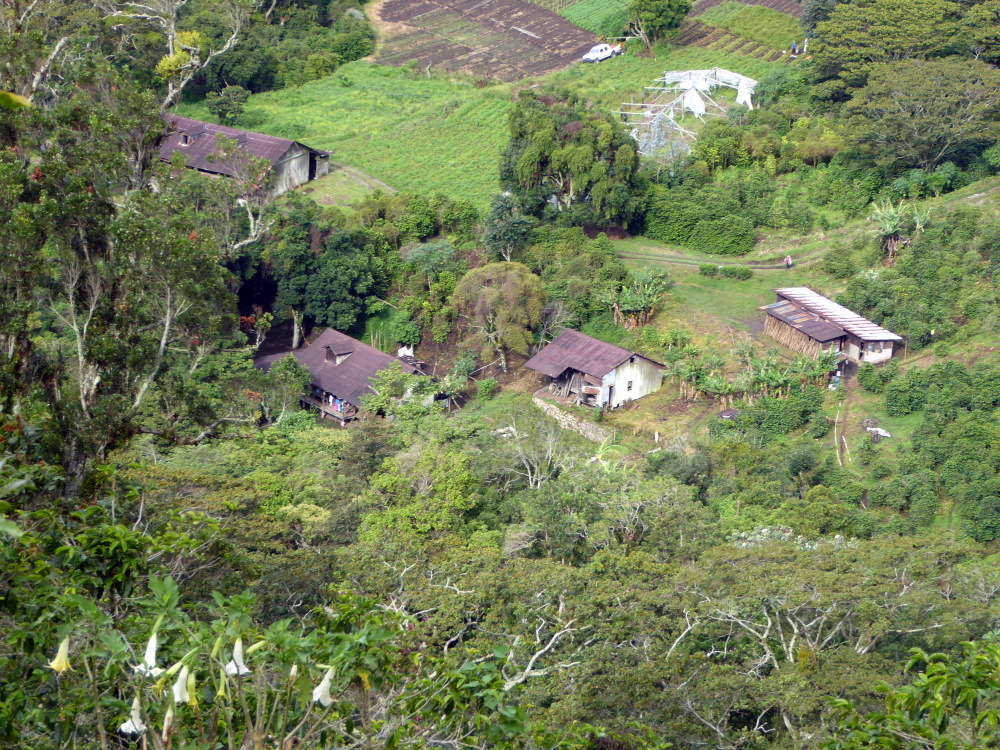
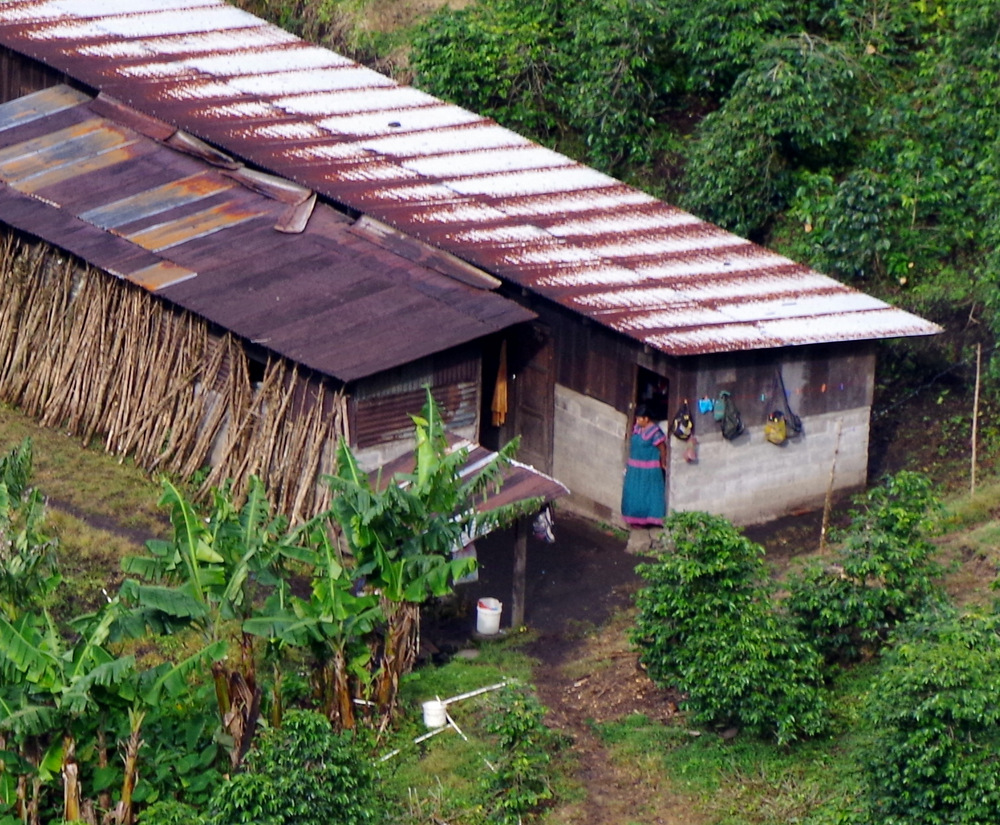
The only people up there were indigenous that worked for the coffee farmers. The hills were so step that I wondered if anybody ever tumbled down while working. Below us in a little valley was a farm-house with some outbuildings. There was no electricity and all the little houses went dark after night came, early to bed and early rise, just like us.

P1000647

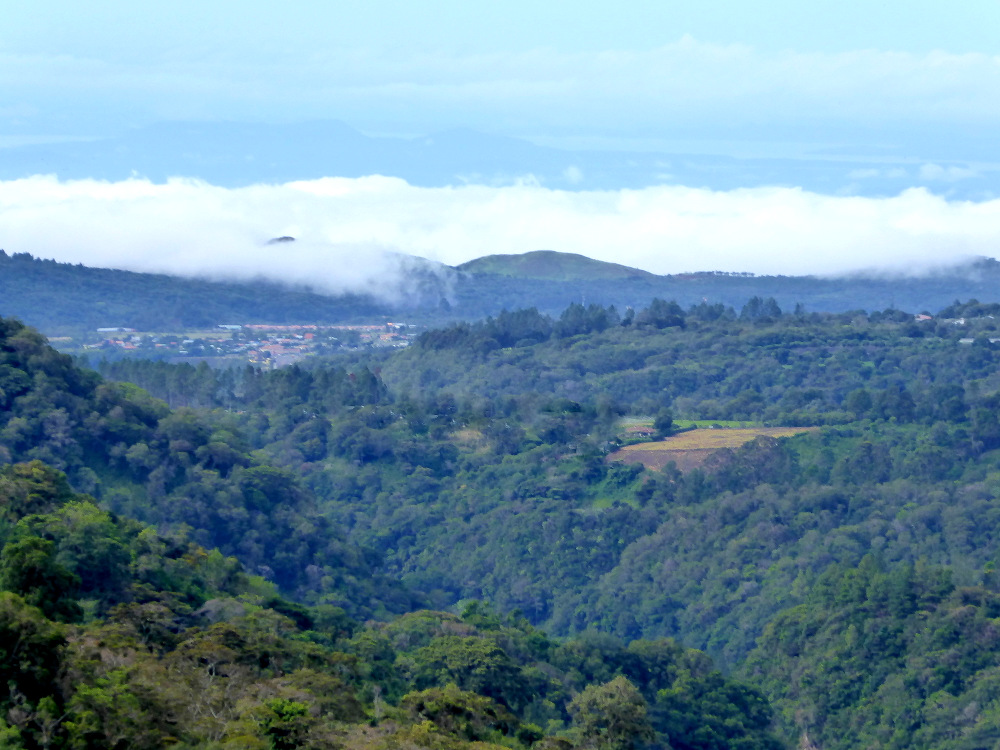
Boquete and the Pacific in the distance.

P1000645

Our camp spot with volcano Baru in the back ground.

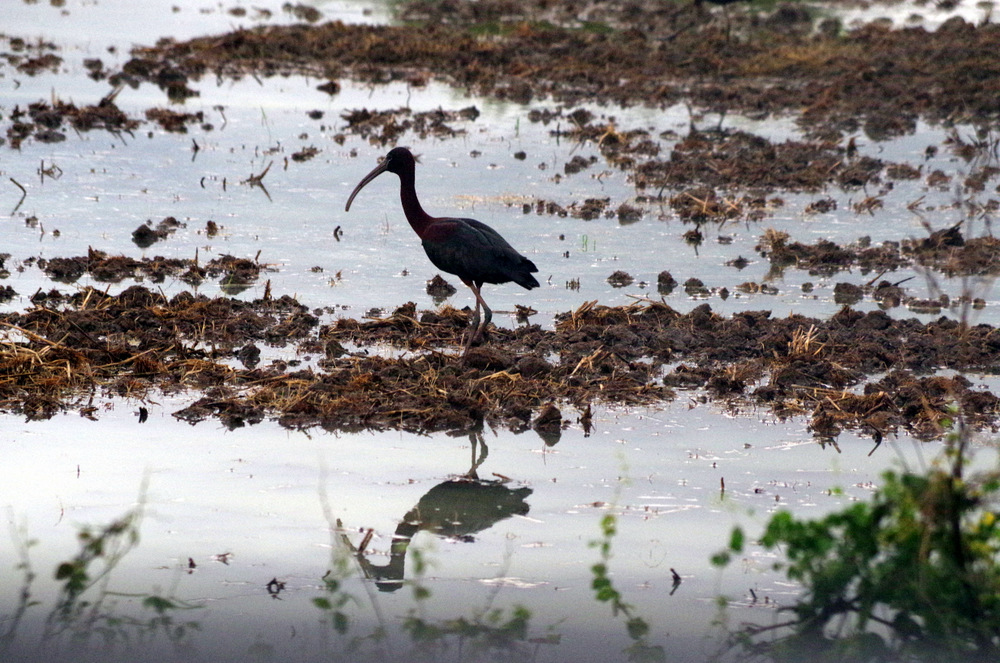
We spent a few hours in Boquete to get more copies of documents needed for the authorities in Panama in order to be able to ship our vehicle to Columbia by boat. We also used that time to go online in the local cafe and listen to the Expats tell each other about all the trials and tribulations that life in Panama brings with it. When a lady in the bakery asked Günter if he was “new” in town we decided that we probably should move on. We had to be in Colon at a certain date to drop off our car and before that we had to get a police inspection in Panama City which will not be done if it rains (because the inspector will not come outside in the rain). So we did not want to cut it too close. We had been in Panama a few years ago (yes, on vacation) but still had to pass up some interesting areas that we would have liked to explore. After a quiet night along the Rio Maria on the Finca Rita I went for a walk through the rice and sugar cane fields, the rice fields were flooded and lots of birds were everywhere. I love these early morning walks.

White faced ibis

White faced ibis

IMGP4118

IMG_0046

He is eating something….

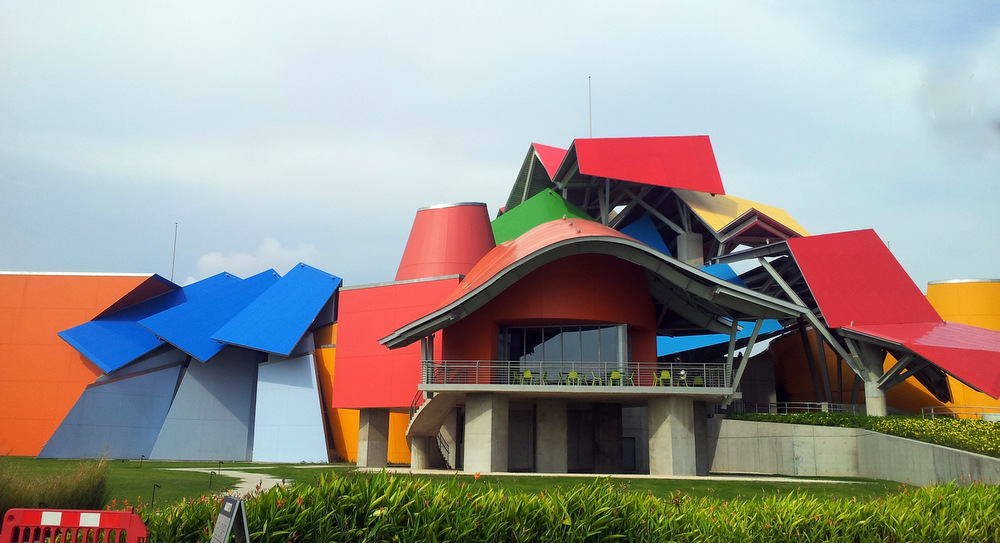
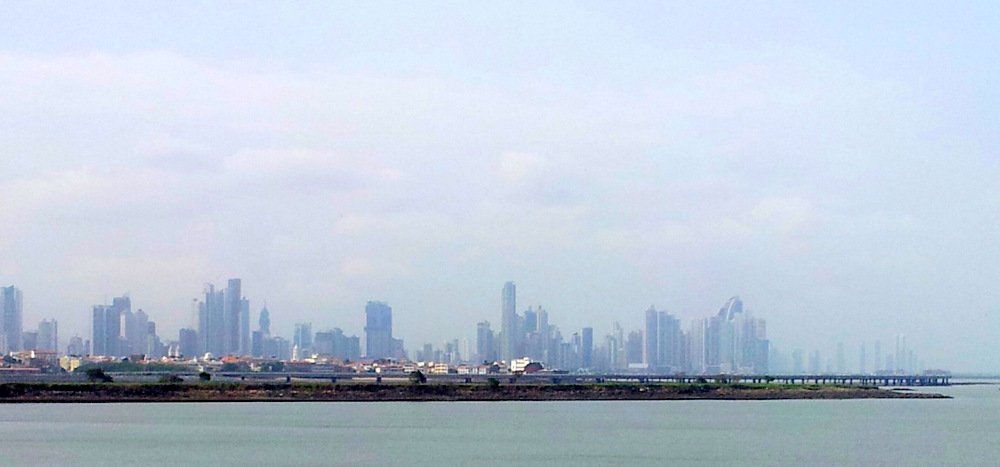
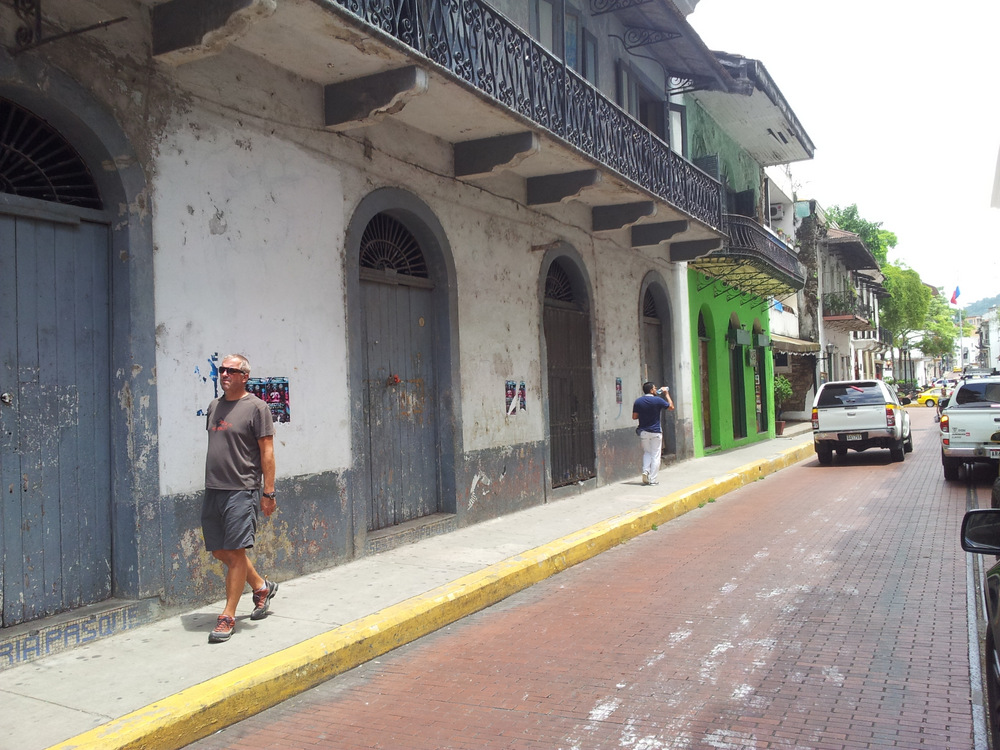
That day we drove straight to Panama City. Vroni and Michael were already there and we planned to ship our campers together. Like most “overlanders” we parked near the Balboa Yacht Club, a good location. From there you can take a taxi to the historic part of town or the mall. I walked to the Museum of Biodiversity once day, a very nice museum designed by Frank Gehry.

20150709_154053

Museum of Biodiversity

20150709_160112-1

Panama City

20150709_121207

20150709_122616

20150709_104614-1

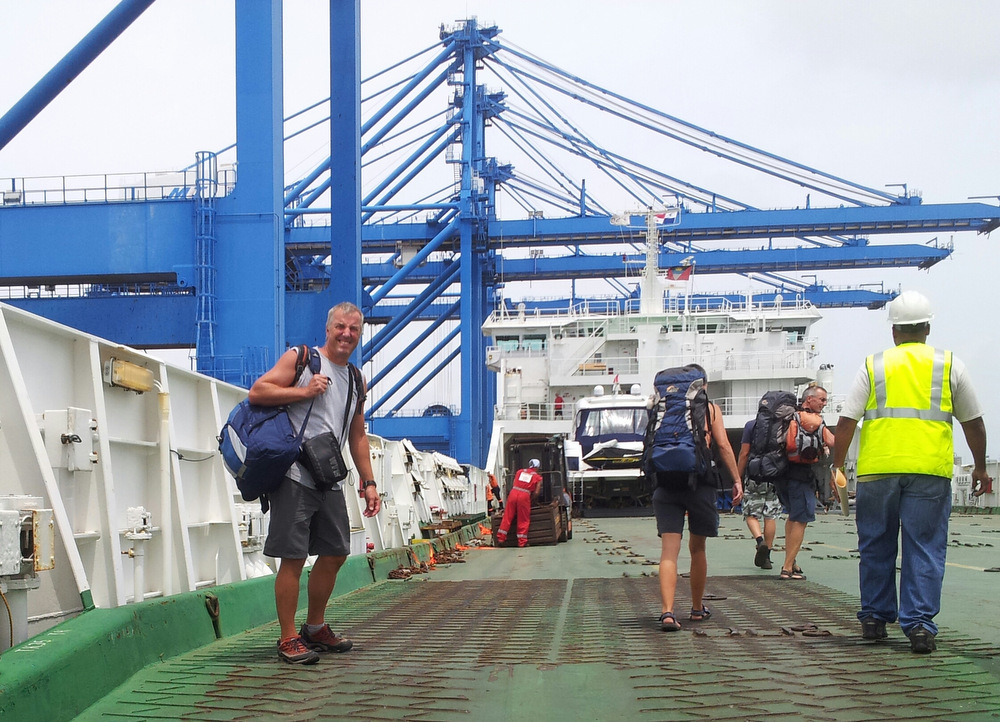
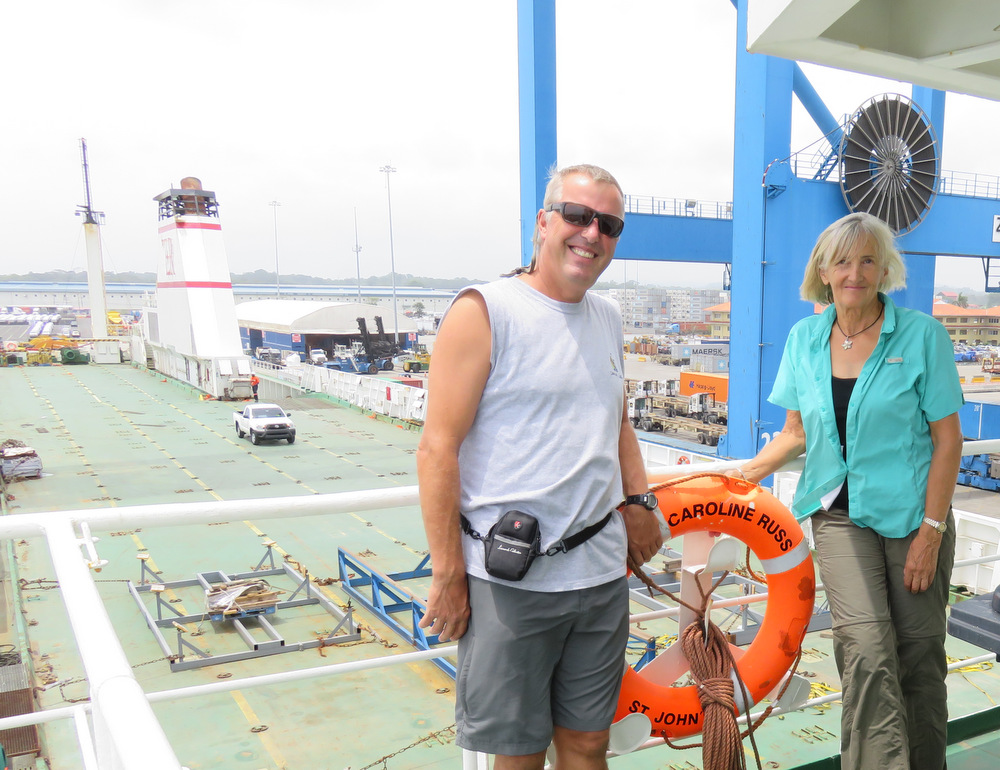
On to Colon, this place is not nice and considered dangerous, so we camped at a Hacienda/Adventure Park outside of town. A great place to wait. I will not bore you with a description of the paperwork and steps you have to go through until you finally have the car on board the ship. It is sometimes funny, sometimes infuriating and definitely tests your patience. We chose to go RoRo (travel on the ship with the car) and after 24 hours we were in Cartagena. The ship is owned by SC Line in Germany, the crew was Polish, the cabin comfortable, the food very good (Bratwurst and Sauerkraut). Vroni and Michael did not have such a good time in the dining room due to the waves and I felt sorry for them because they missed out on the good German food .

20150711_061347-1

La Granja

IMG_0059

Walking at La Granja, lake Gatun in the distance.

IMG_0048

20150711_160644

20150711_135658

20150709_074625

Waiting for the police inspection in Panama City.

20150715_113935-1

Boarding the M/V Caroline Russ with Vroni and Michael

IMG_0079

Colombia, here we come.

Go back

Your message has been sent

Warning
Warning
Warning
Warning

Warning.

Posted in Panama | 1 Comment

Costa Rica


Costa Rica

Our first stop in Costa Rica was Finca Cana Castilla in the Northwest of the country. It is a popular destination for overlanders after yet another exhausting border crossing.

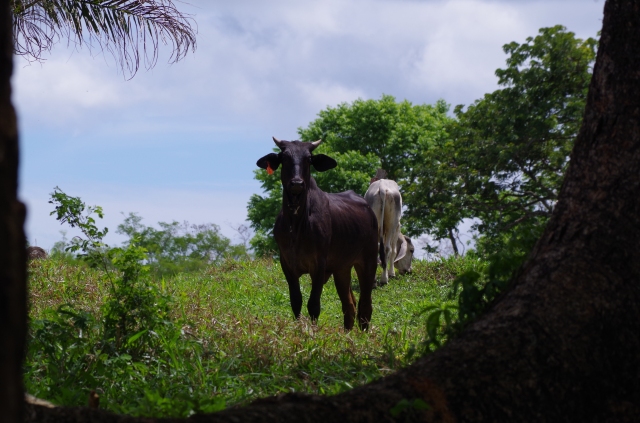
The Finca is a working farm, the owners Agi and Guido are from St Gallen Switzerland and bought it 18 years ago. A wonderful place with wonderful hosts. There were monkeys in the trees, a crocodile in the river, a baby sloth and at night lots of big toads. We took a long walk through the property, a piece of paper in hand that explained the flora, named trees, native and introduced. On top of the hill we had great views and mingled with the cows and horses.

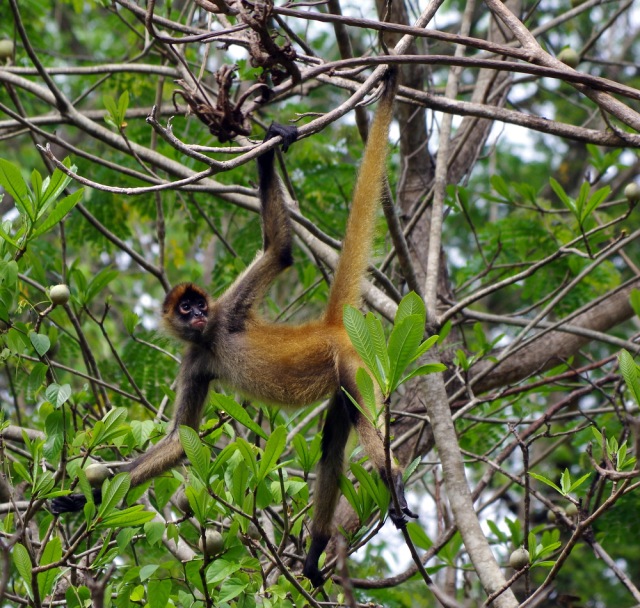
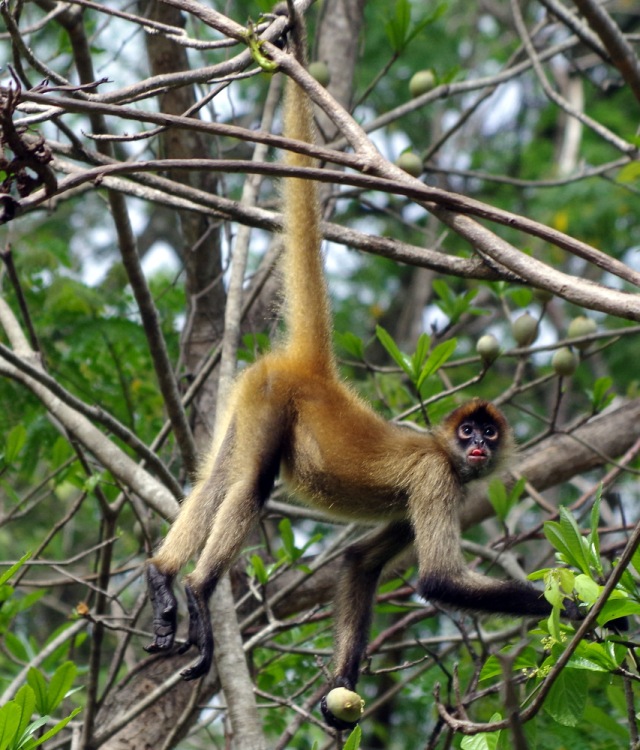
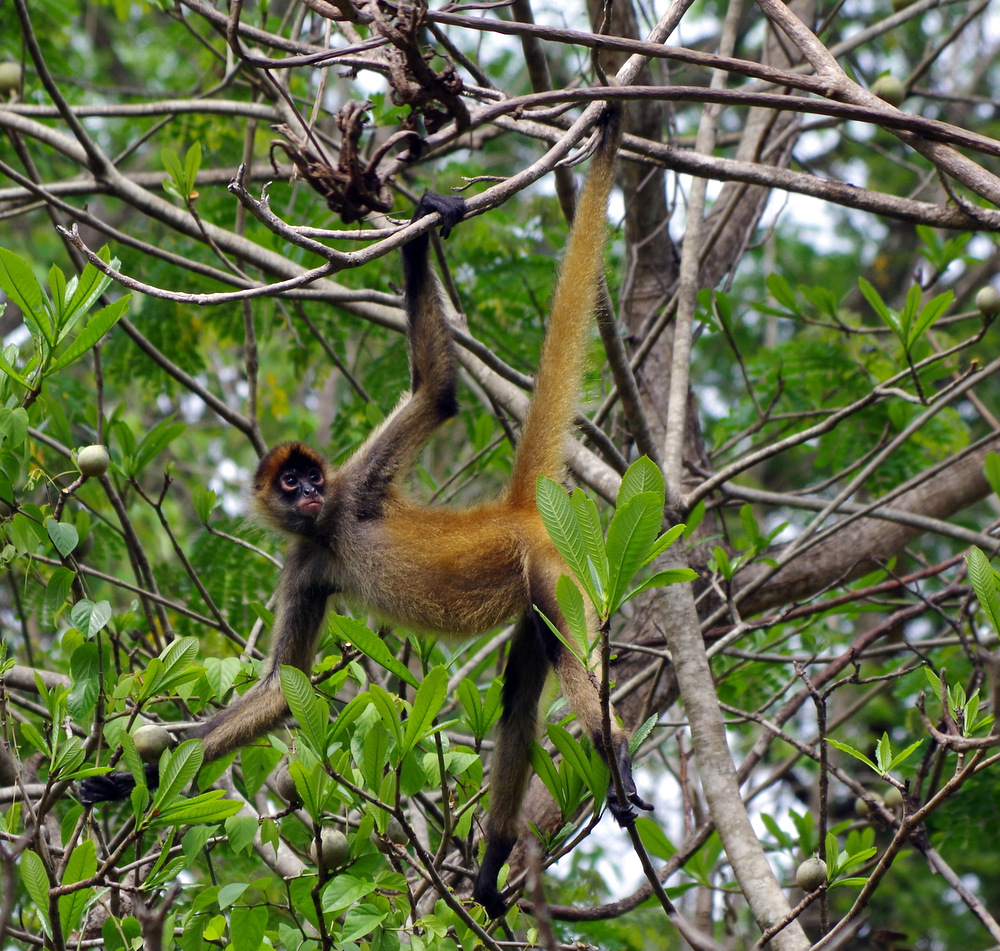
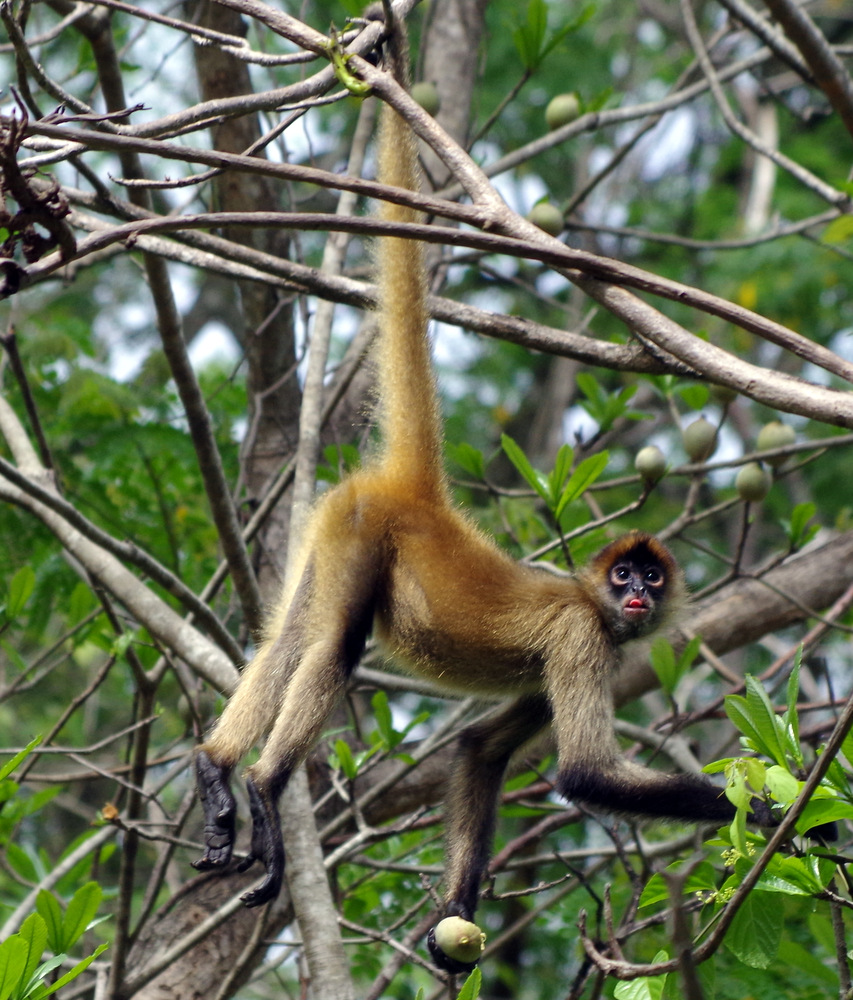
Here the spider monkeys that hung out above our camper.
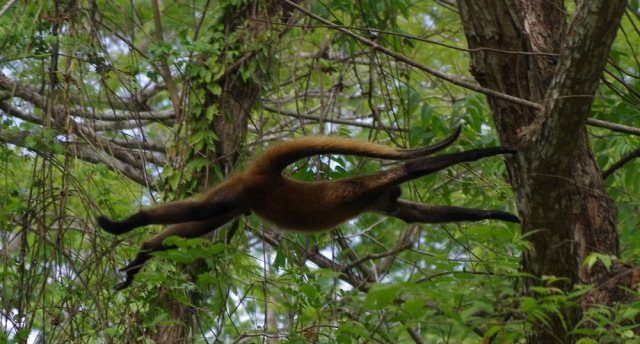
IMGP3911 IMGP3910 IMGP3903

One evening Agi prepared a delicious dinner of “Gschnetzelts mit Rösti (half potato half yucca), it was delicious and tasted so much like home.

And yes, the washing machine was waiting for us and Vroni and I did a couple of loads. It was hard to get it to dry on the line, the air was hot, but laden with moisture.
IMGP3939

Günters sister decided to come visit us for almost three weeks, she flew into San Jose from Germany. In order to make room for her we left our folding Montague mountain bikes at the Riviera hotel near the airport.

Costa Rica is a small country with lots of diversity, jungles, cloud forests, volcanos and endless beaches. Tourism is the most important industry, followed by agriculture. It used to be famous for coffee, but now the big word is eco tourism. I still haven’t figured out exactly what that is since it seems to encompass anything from “green” lodges to zip lines.

There are several National Parks and bird watchers flock here from all over the world.

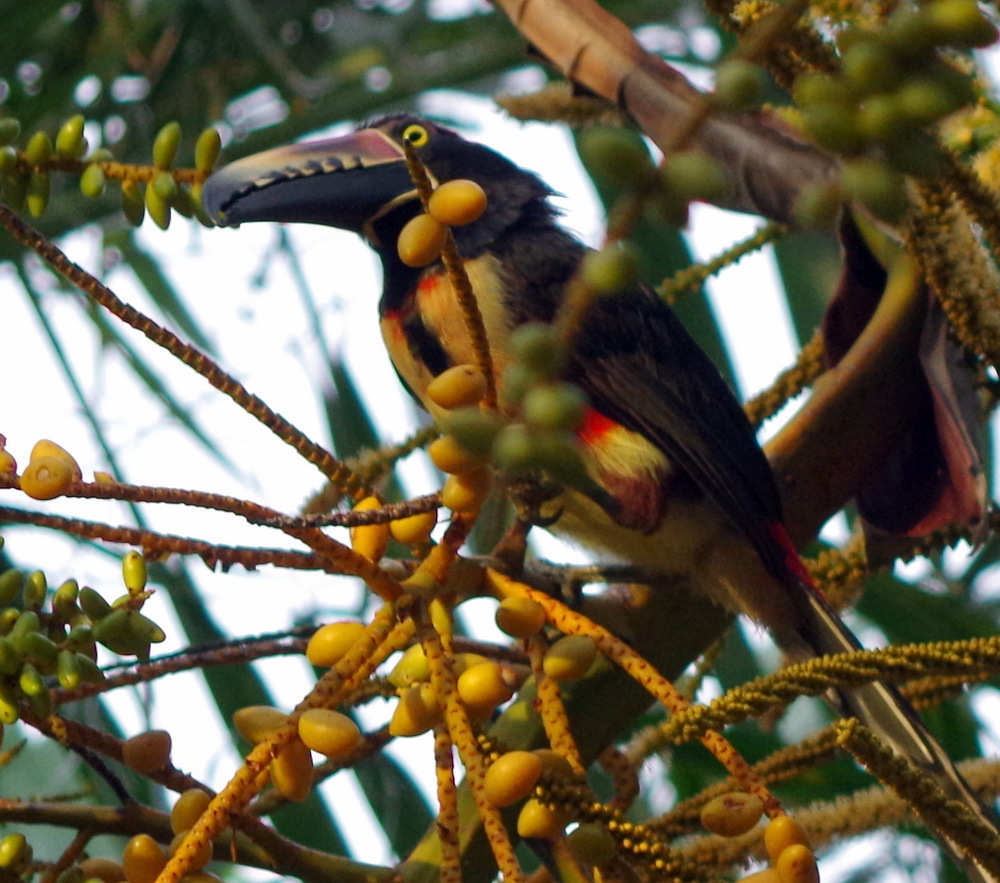
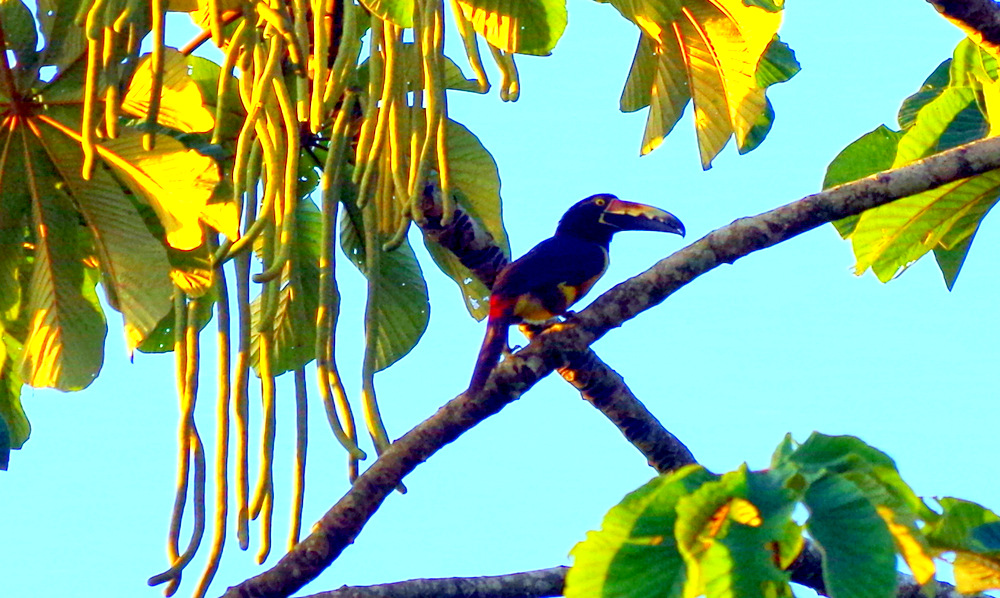
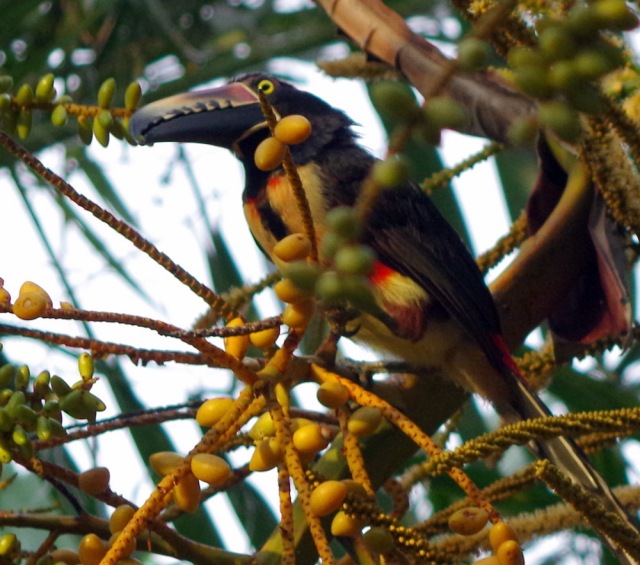
Even if you are not, it is hard not to get excited when you see toucans or a mot-mot in the wild.
IMGP3952

Fiery-billed Aracari (Toucan)

After we picked up Günters sister we decided to try to show her this country from the top: Volcano Irazu.

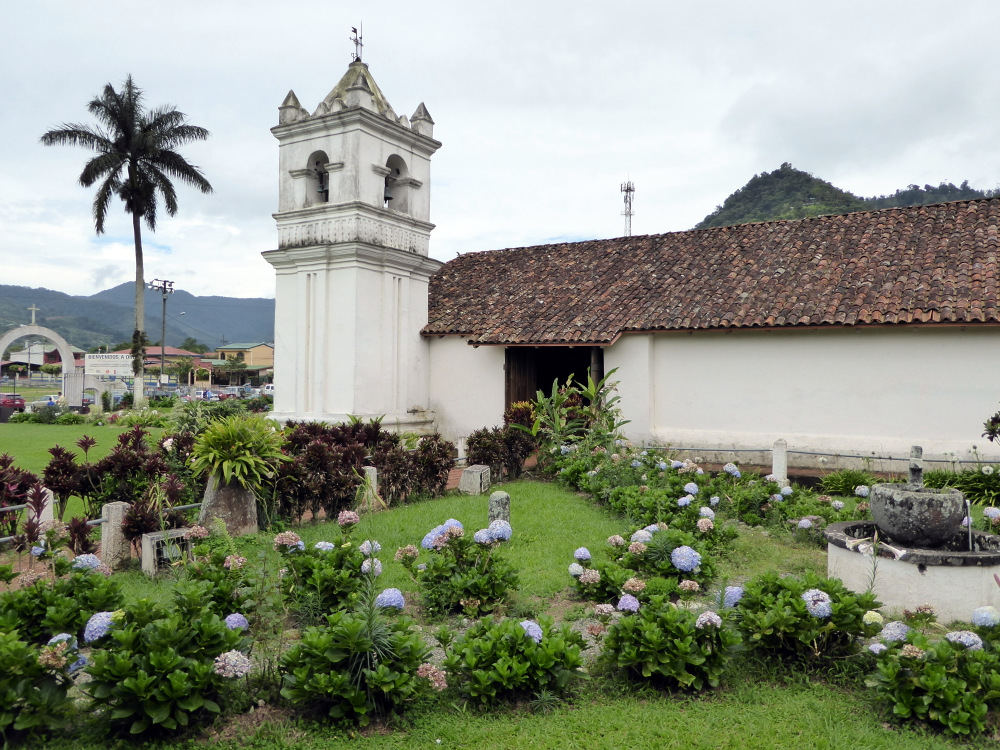
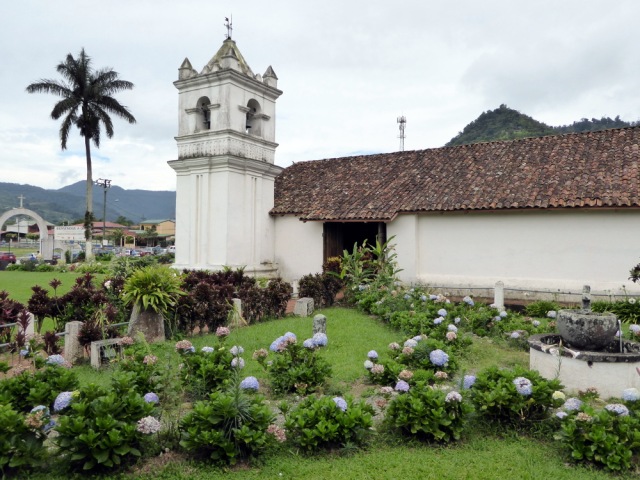
Since the volcanos are mostly shrouded in clouds, one has to get up early or camp near the entrance (a nice spot with room for several campers, but also mostly in the fog). The park opens at 8 am and that is when you should be there. The chances of a sunny top and a view are best in the morning. We chose to visit the Orosi valley and then get an early start from there. The church in Orosi is very beautiful, with wooden ceilings and walls and carved altar. Iglesia San Jose de Orosi is the oldest church in Costa Rica still in use, built in 1735.
P1000022

Orosi

P1000012

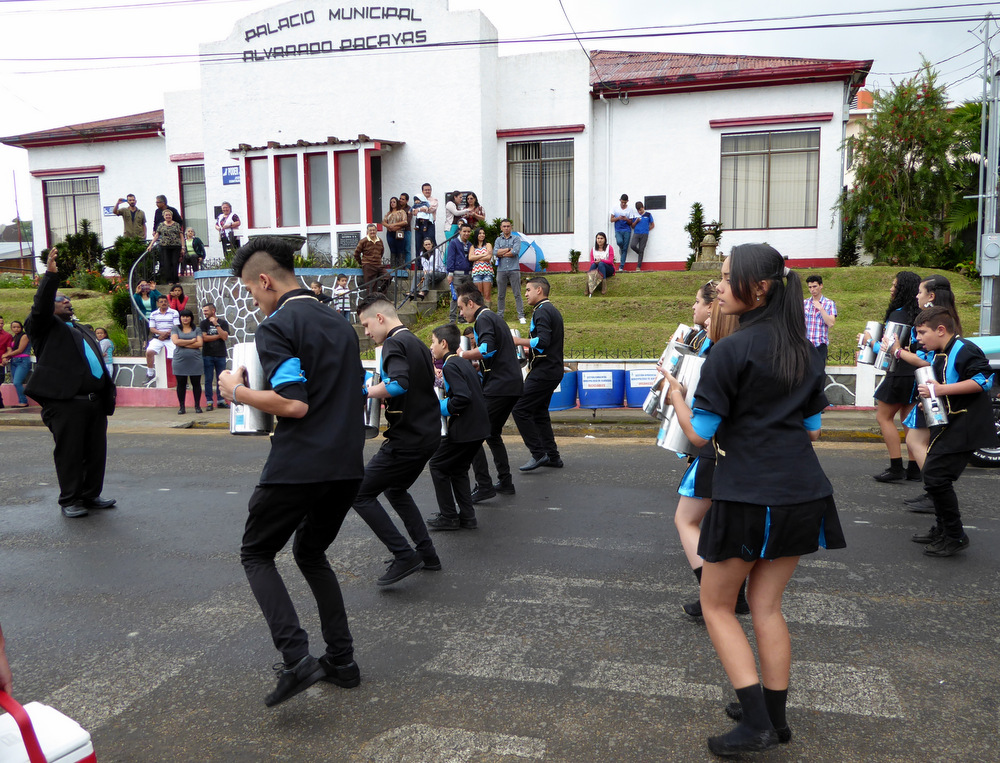
We never figured out what the fiesta was all about.

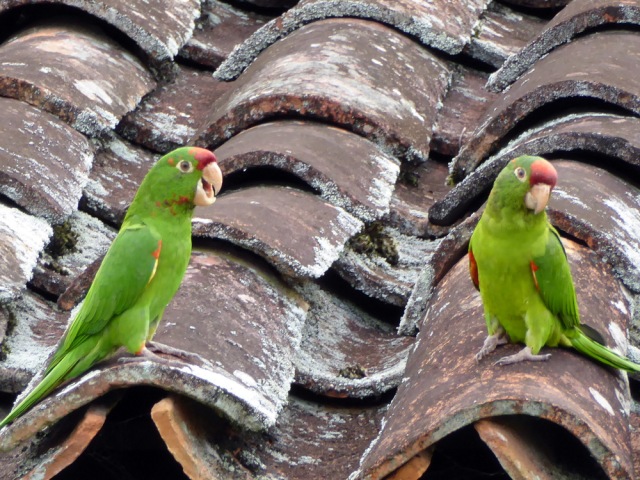
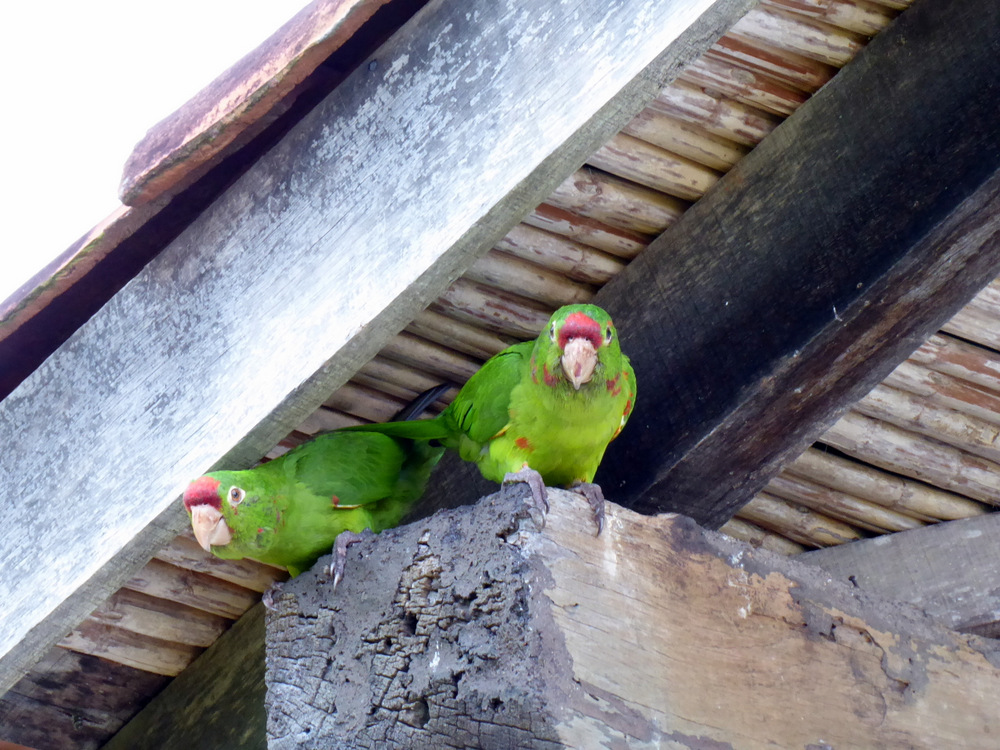
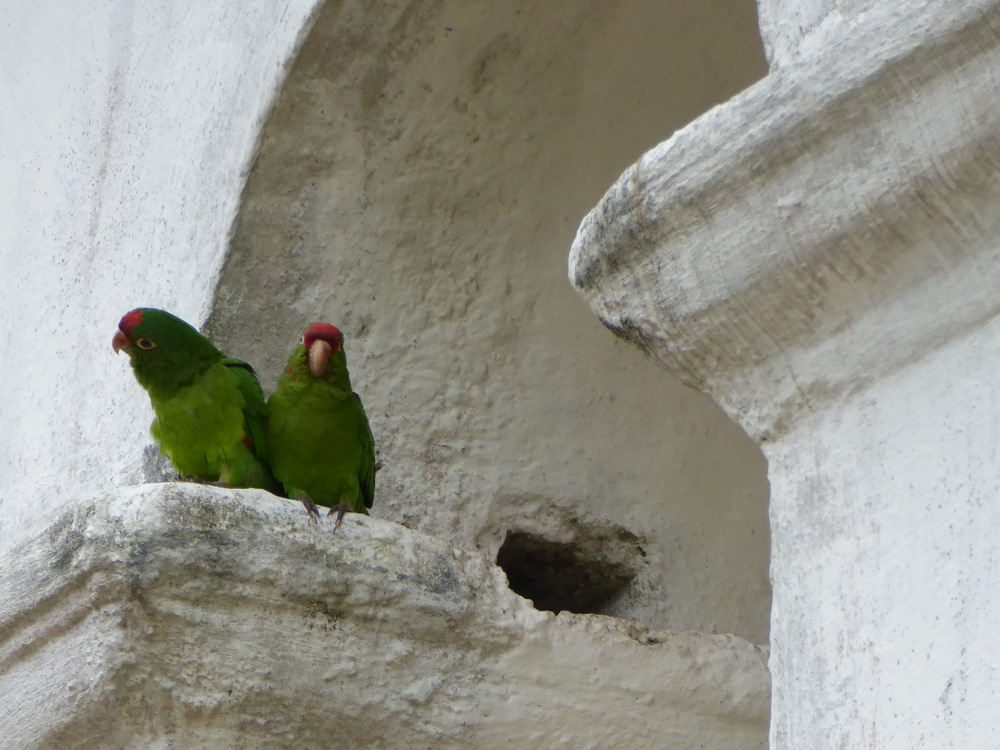
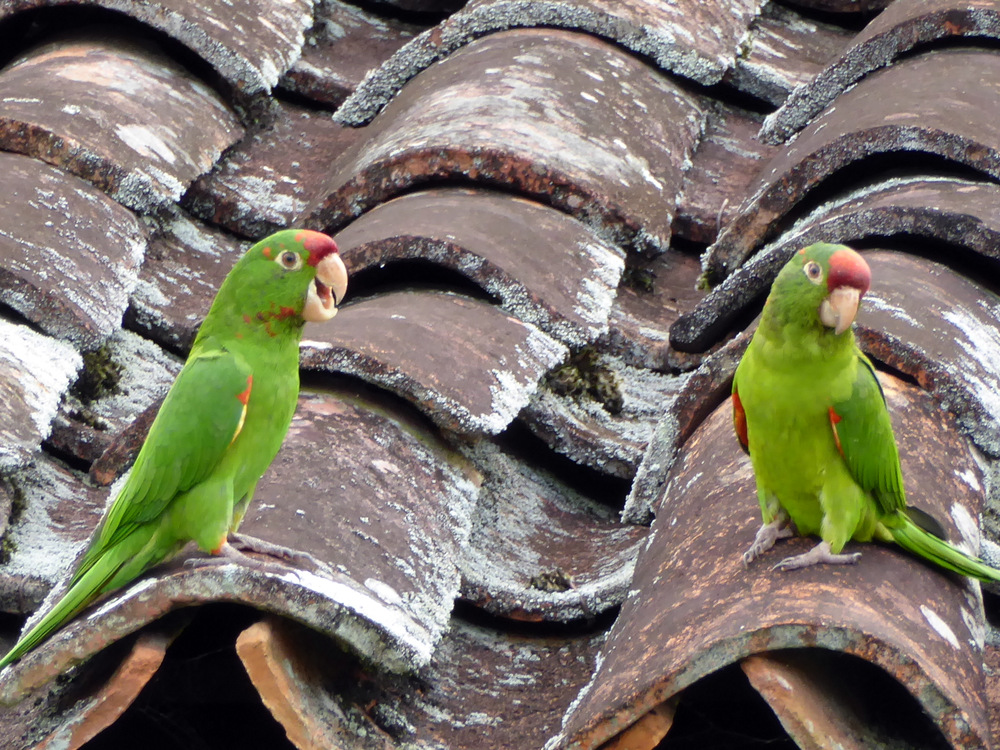
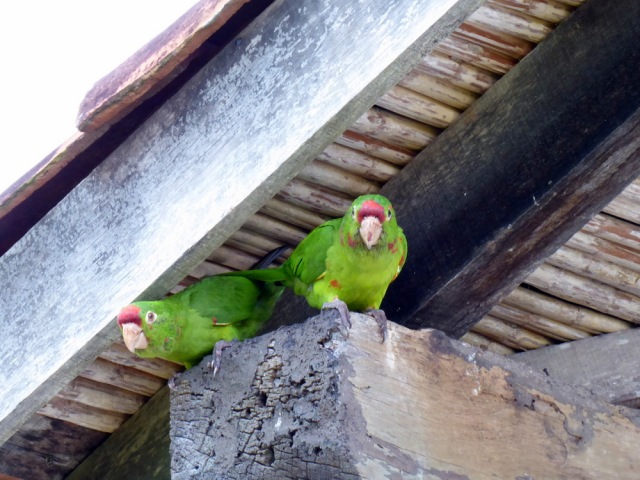
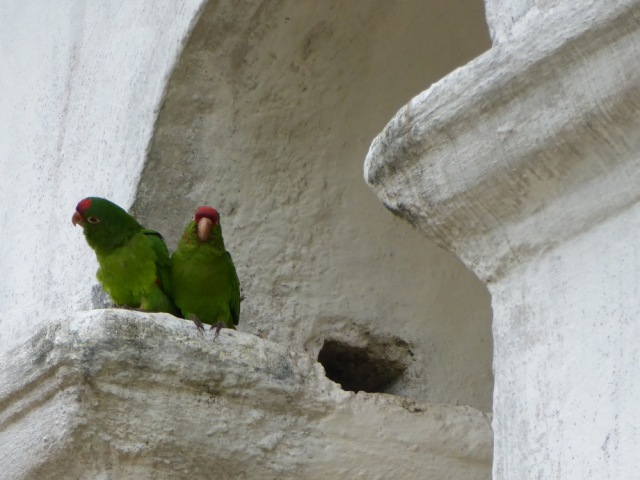
There are resident Chrimson-fronted parakeets that nest in the church tower, they were funny and playful and we spent a lot of time watching their antics.
P1000040 P1000037 P1000030

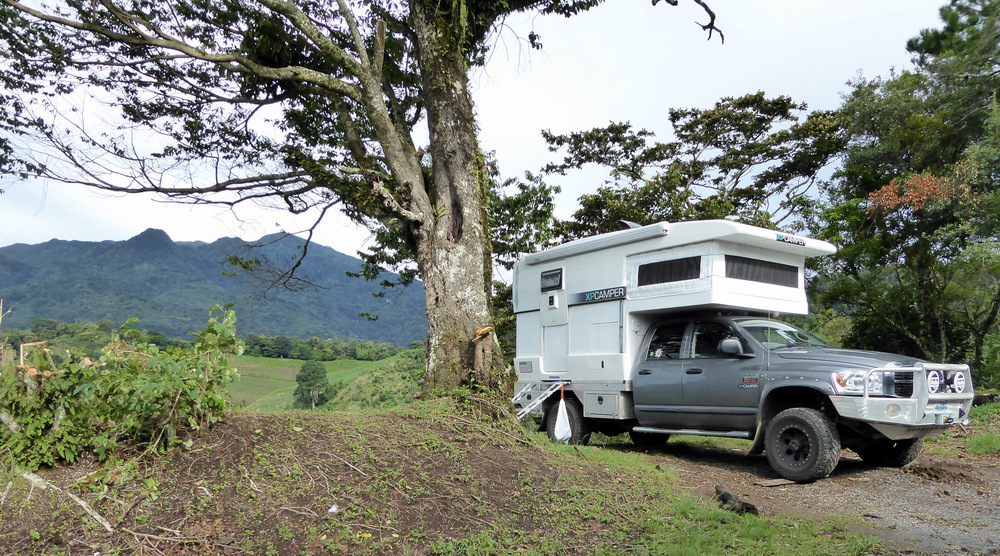
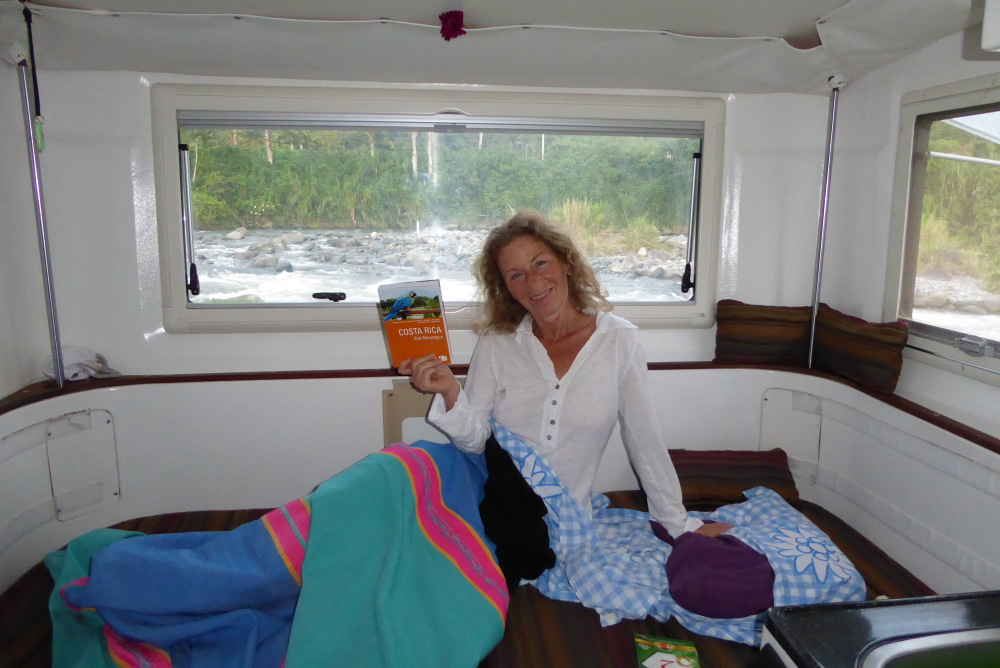
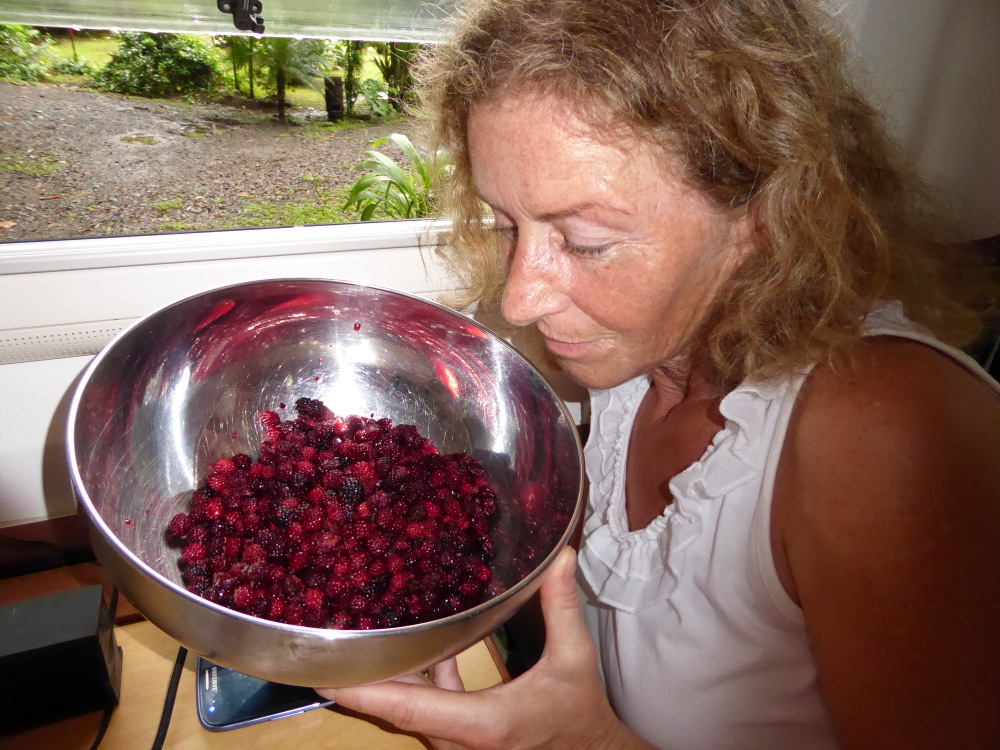
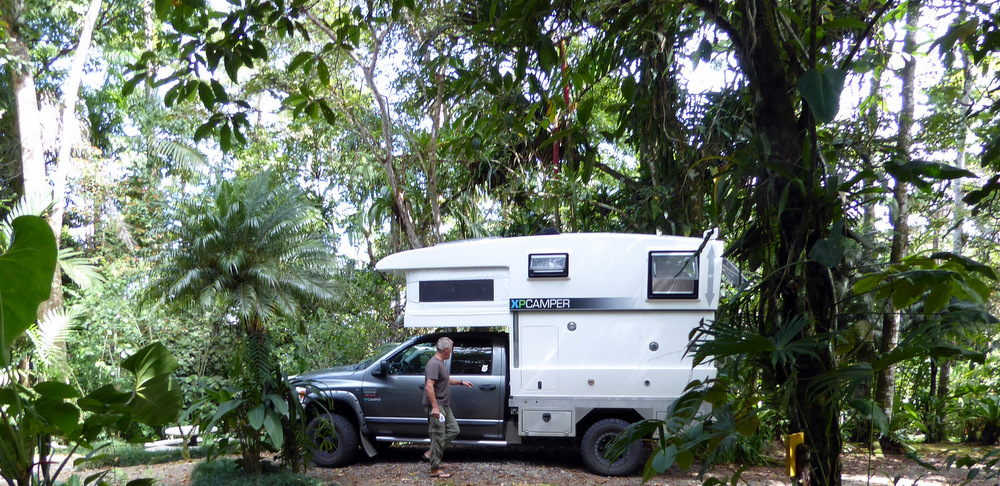
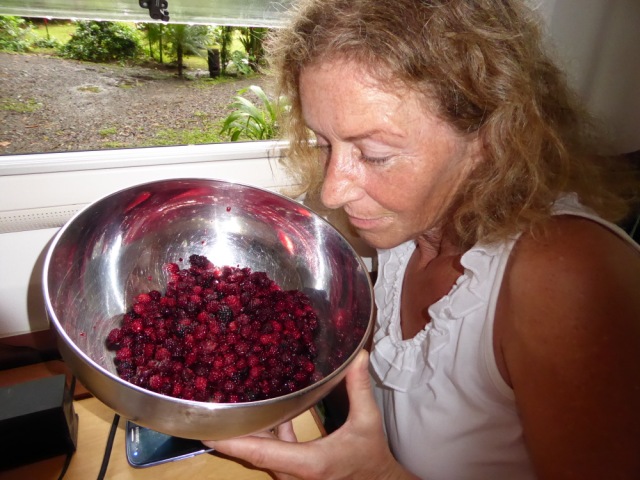
After a short visit to the Tapanti Park where we bought some vegetables from a local farmer and some wild mountain raspberries from a boy, we went to a restaurant/trout farm in Palomo on the banks of the Rio Grande the Orosi. A great spot to camp, the owner did not charge us anything and told us to enjoy. It was our first night with a visitor in our camper. The XP has ample room for one more adult, all we have to do is drop the table and there is an extra bed.
P1000066

P1000122

wild raspberries

P1000072

Eight o clock in the next morning saw us at the entrance to the Irazu Volcano National Park, the drive up was spectacular with great vistas. We watched farm workers in the morning light, there are potato fields, strawberry fields, onion fields, flower fields………cattle and goats, very picturesque. The fields were devoid of any weeds and seeing all the spraying activity, we reflected on the fact that even hier in this perfect world there is a dark side. Monsanto is alive and well.
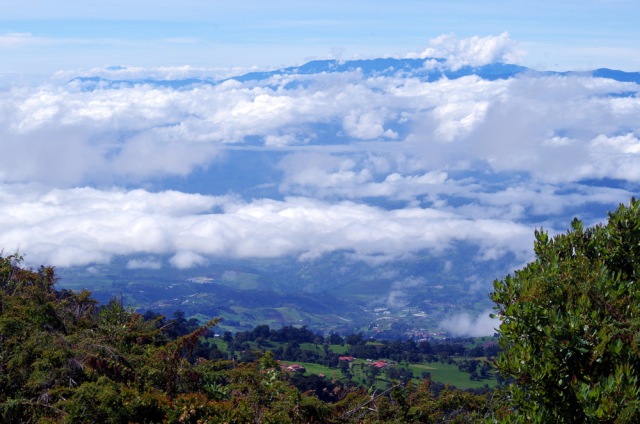
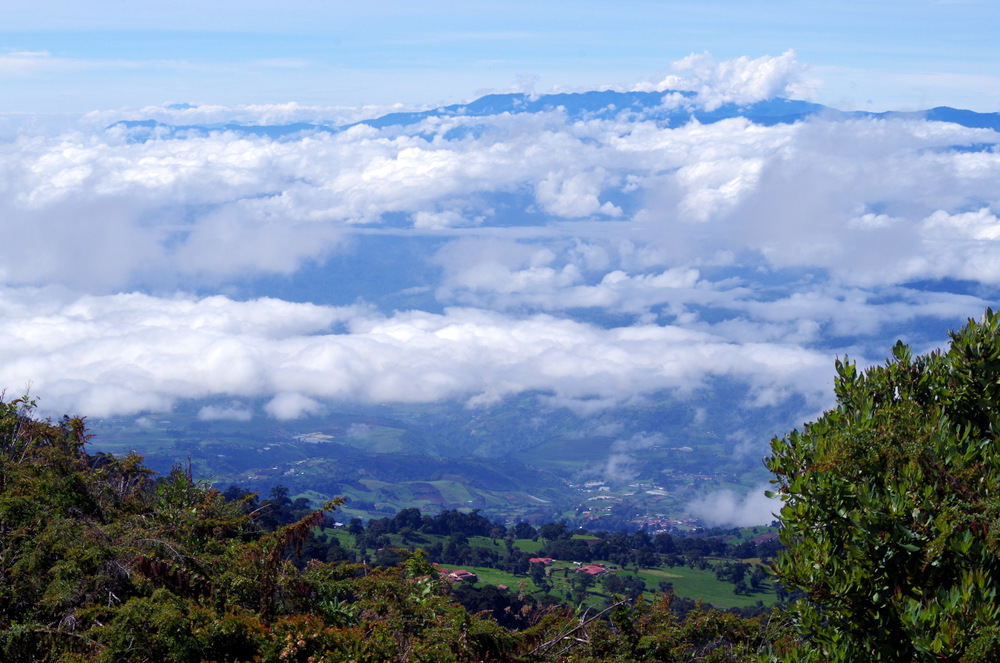
Blick vom Irazu 3432 m
Blick vom Irazu 3432 m

IMGP3980

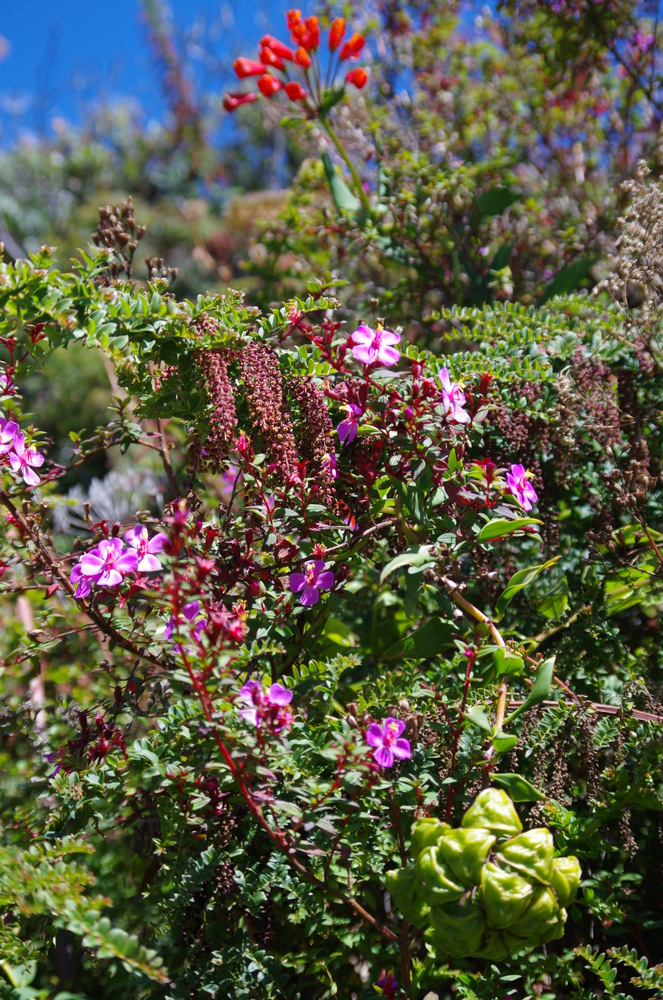
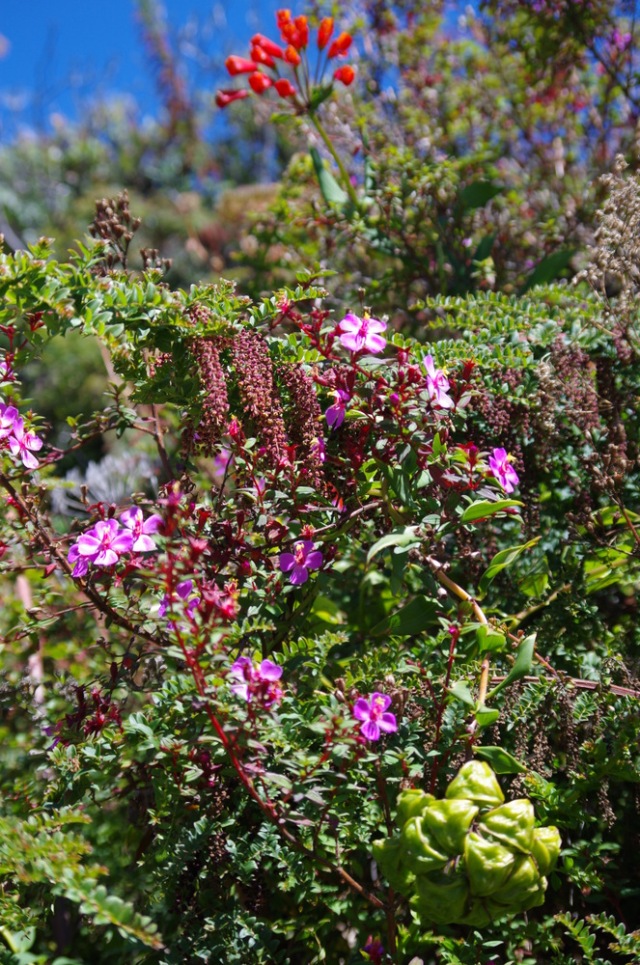
Wild flowers volcano Irazu

IMGP3970

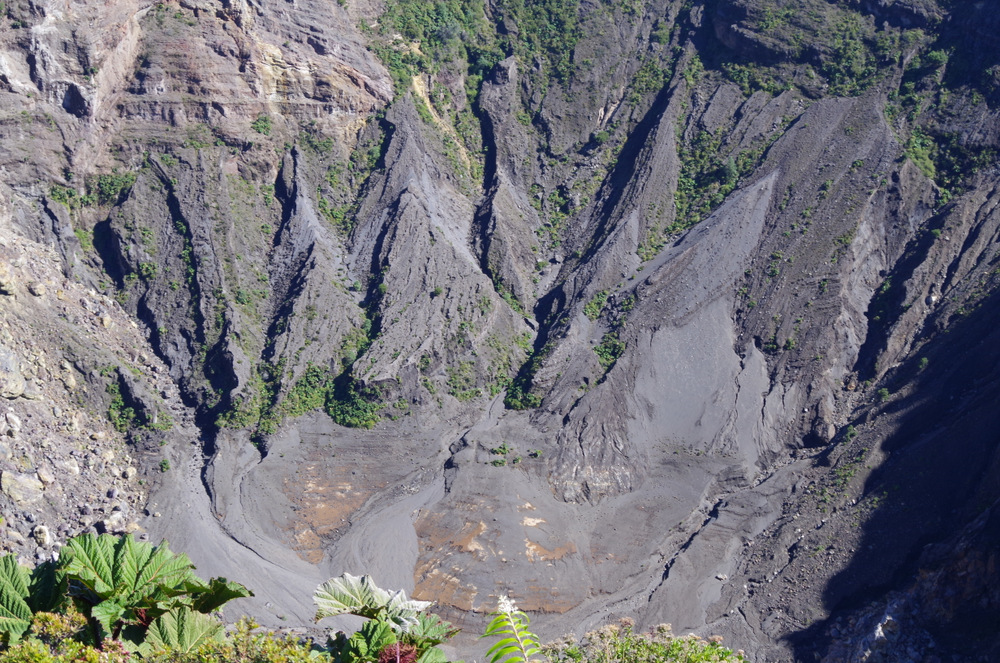
Irazu crater

IMGP3977 IMGP3966

The top of Irazu was clear and we hiked from the parking lot to the highest point at 3432 meters. There were beautiful flowering vines and bushes lining the trail and we decided to have a picnic on top of the volcano.
IMGP3985

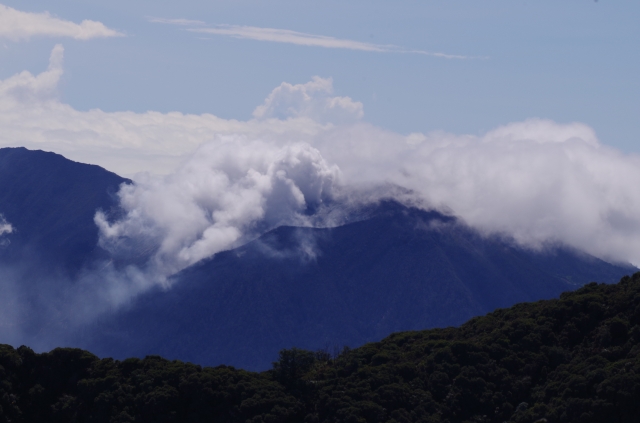
Volcano Turrialba is busy.

IMGP3999

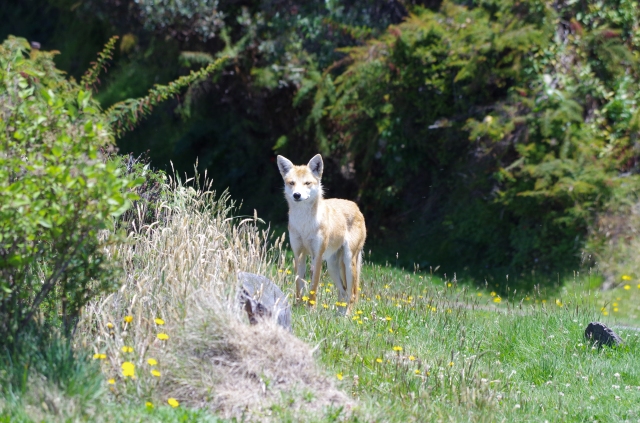
A red coyote on the summit of Irazu

At that altitude it is cool and Anita mentioned that she had thought it would be much warmer in Costa Rica. So we decided to show her the jungle and some heat. We drove to the Sarapiqui region, in Puerto Viejo de Sarapiqui we sat in front of a Soda, had a milk shake and watched the street life. The kind of tourists that comes to this region seem to be baby boomers (yes I am one too), clad in brand new safari clothing with binoculars around their neck. They are mostly from North America. The wilderness lodges on private jungle reserves cater to them. If you want to even take a short walk in those wilderness and jungle areas you have to pay a hefty entrance fee. $ 30 for a self guided one hour walk and up to $ 185 for a guided bird watching tour we were quoted at one reserve. Everything is fenced off and gated.Then there are the river runners that raft or paddle down the Sarapiqui river, no sun seekers or surfer around here.
IMGP4002

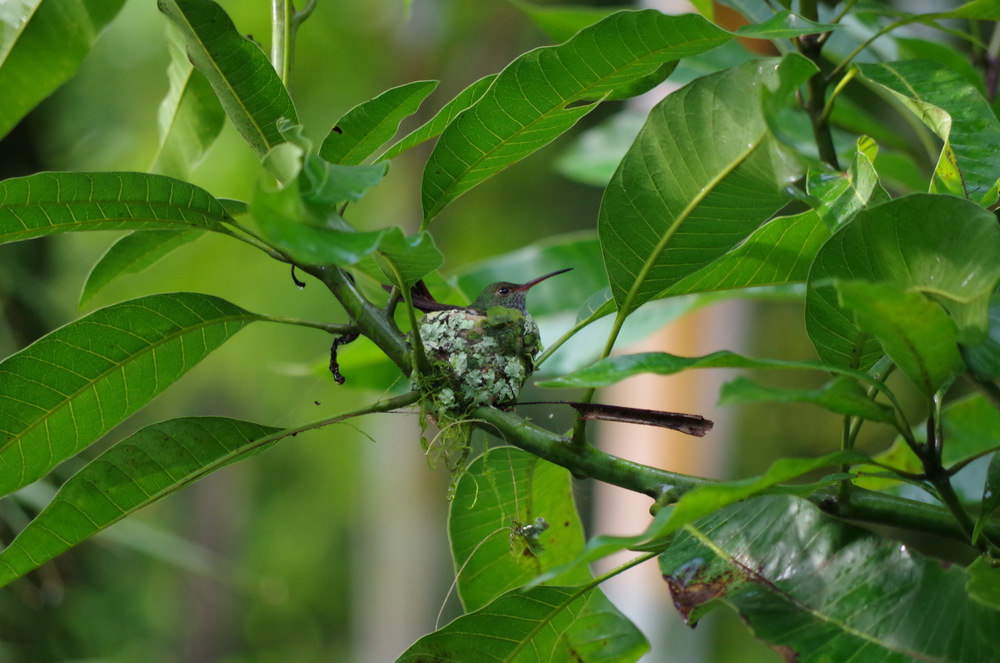
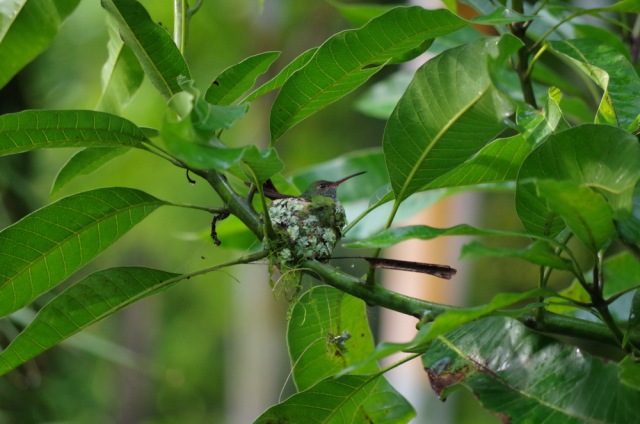
Colibri Hummingbird sitting on eggs.

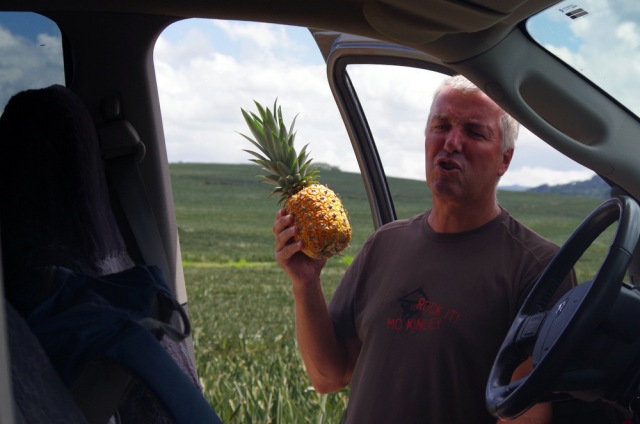
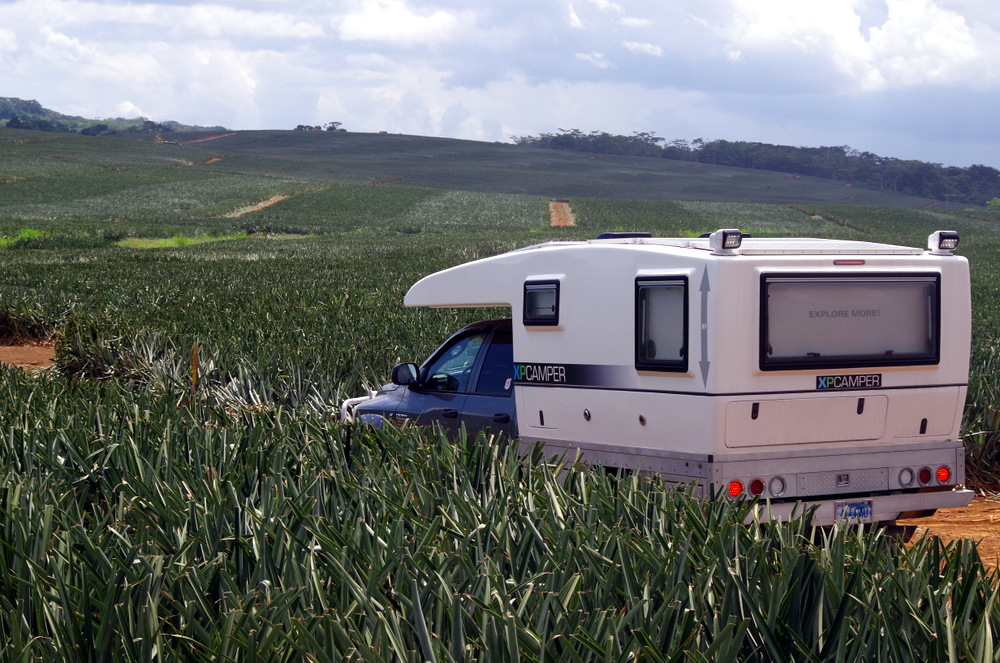
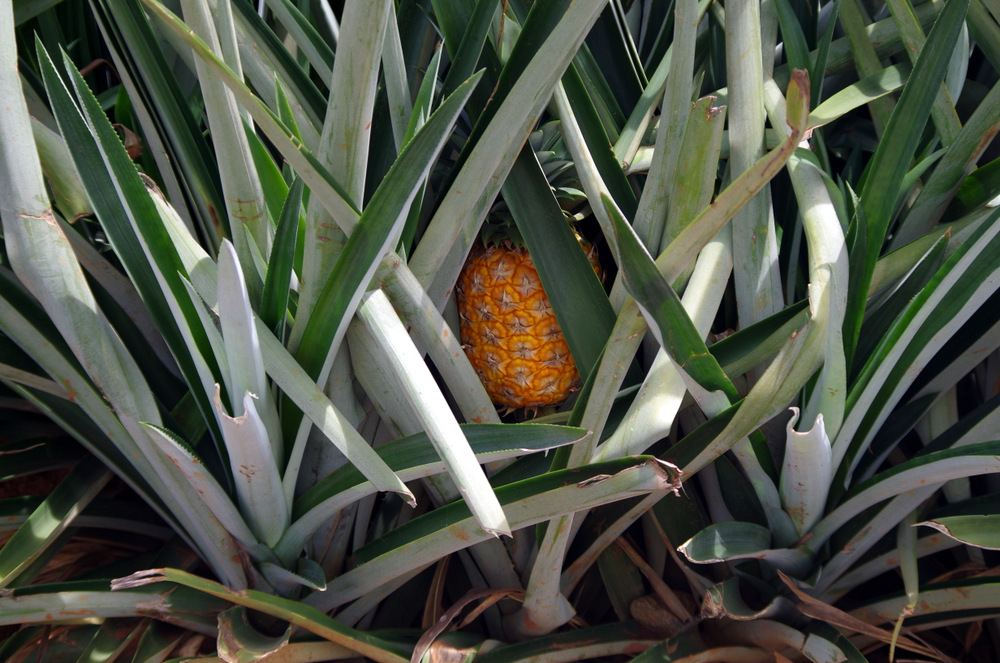
This is also a pineapple/banana/heart of palm growing area and we bought all three from a vendor. Fresh heart of palm is very good and now one of my favorite vegetables, hard to find though unless you live in the area. It is very tropical, hot and humid in the jungle and we camped beside the river for one night, in the yard of a very nice young couple that offers rafting excursions. On the other side of the river is one of the private reserves, so you get some wildlife overflow across the river for free. It rained that night, we saw a tiny red frog enjoying more rain, Anita had a good taste of the jungle I think.
P1000015

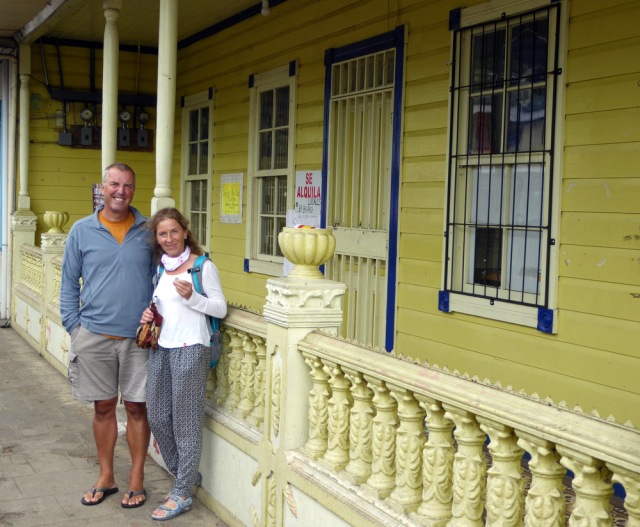
Siblings

Lake Arenal was next, we had stayed there before and headed straight for the German Bakery and Thomas, the owner, who is originally from Waltenhofen/Allgäu. The lake is beautiful and shores are not very populated, in fact, there are no houses along the lake. The utility company that provides everybody with power owns the lake (and the dam?) and fenced it off. So there is very limited access to the lake. One of the access points open to the public is in Nuevo Arenal (the original town is under water) and the town is nice enough to let people camp there. We never saw the volcano, the weather was stormy.
20150617_121042

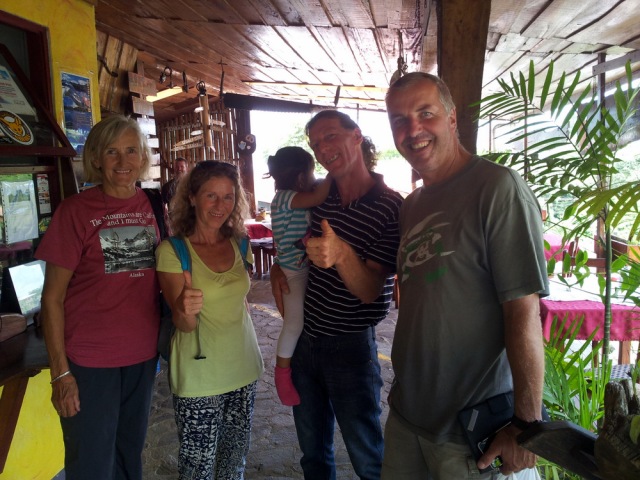
Hanging out with Thomas at the German Bakery in Nuevo Arenal.
20150613_082230

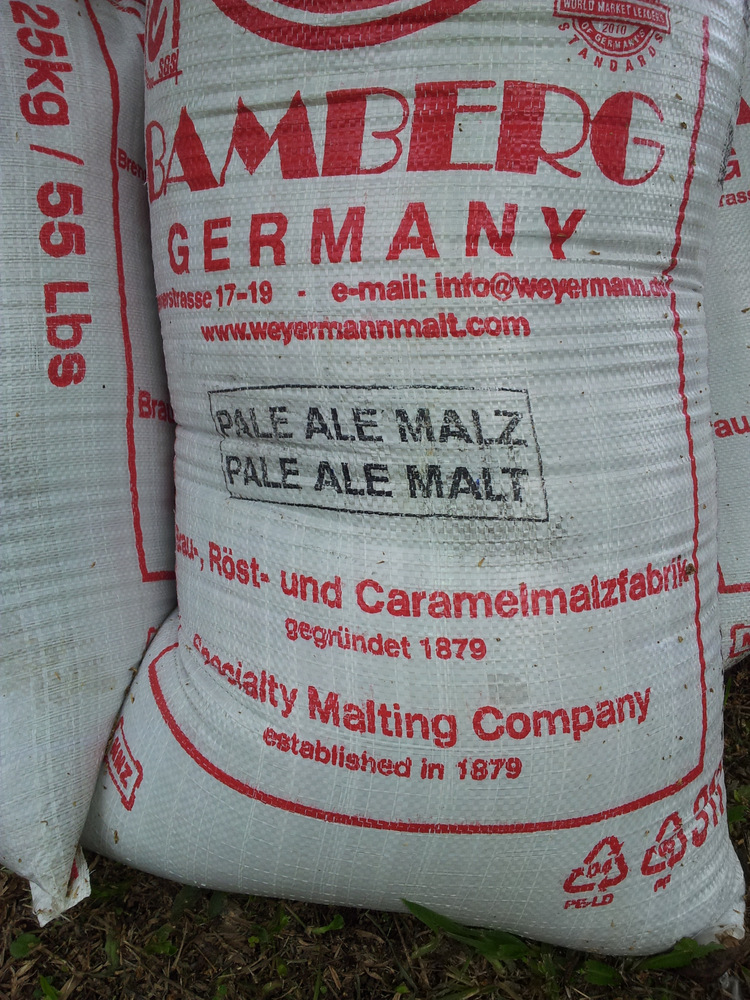
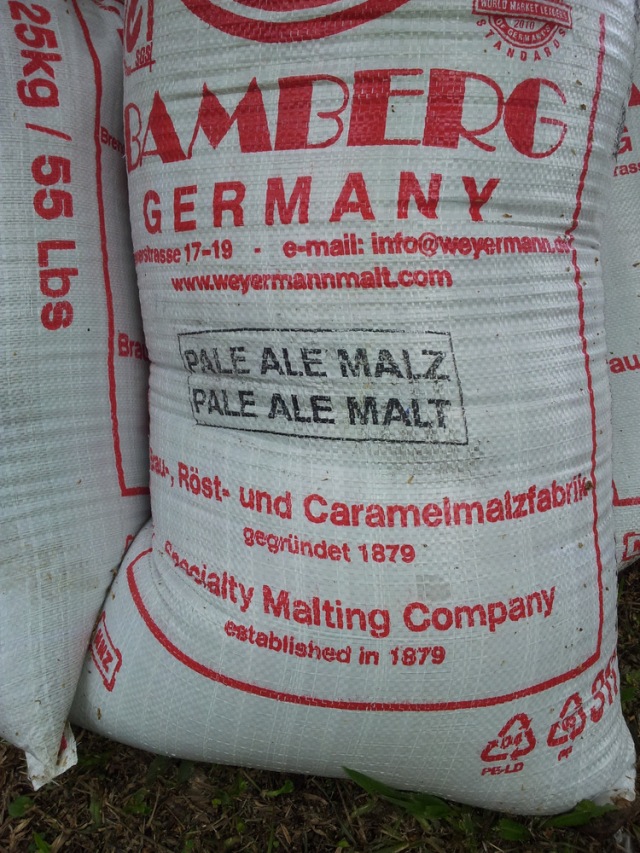
The secret at the brewery at lake Arenal.

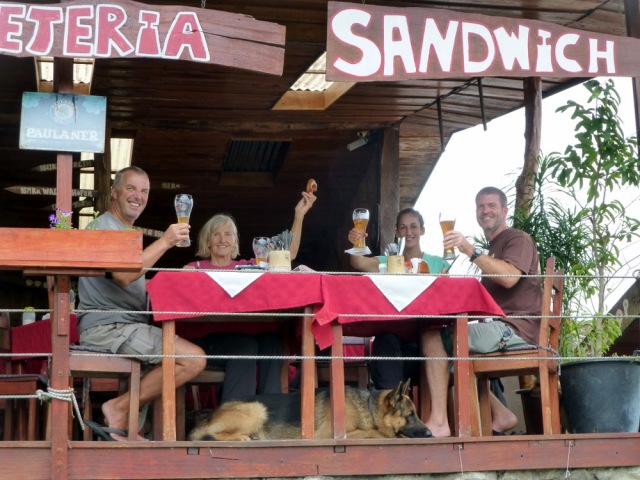
Here Carrie and Colin ( www.wakethedeaddiaries.com) showed up in the evening and we all decided to go have a real Bavarian breakfast at the German Bakery the next morning. Weisswurst, Brezen (Pretzel) and a Weizenbier at 11 am! Yes, we did that and we had a great time. Carrie and Colin: We will repeat that in South America next year!
P1020952

Bavarian breakfast with Karrie and Colin

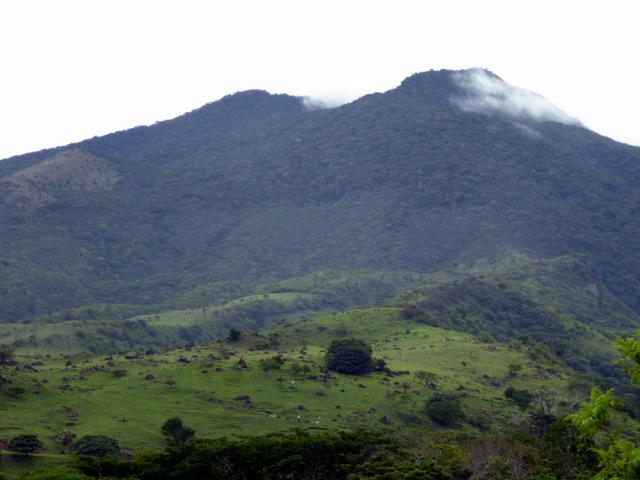
Volcano Miravalle is not a National Park and unless you take a guide you cannot hike there or summit it. The trail is overgrown and the forest harbors poisonous snakes and other nasty critters.
P1000181

Volcano Miravalles

P1000189

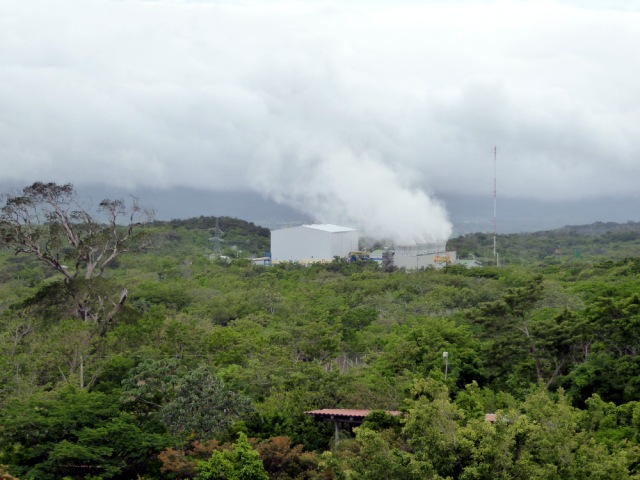
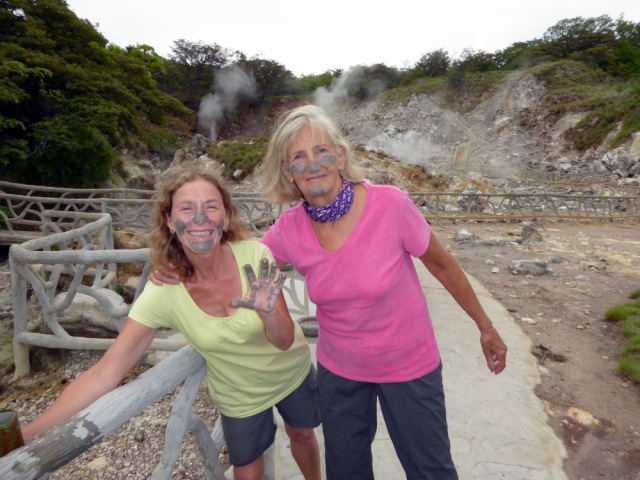
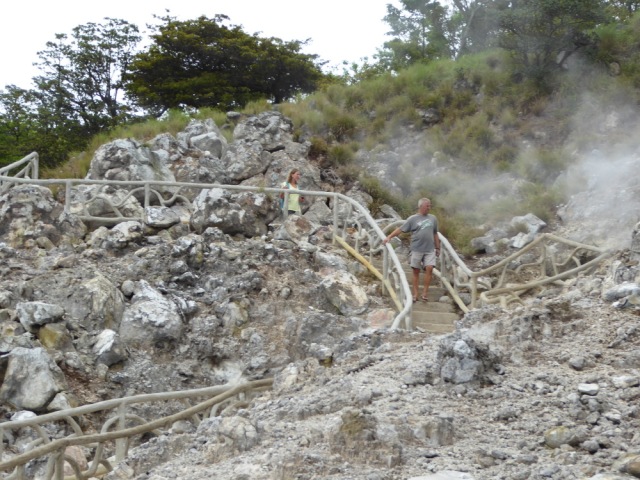
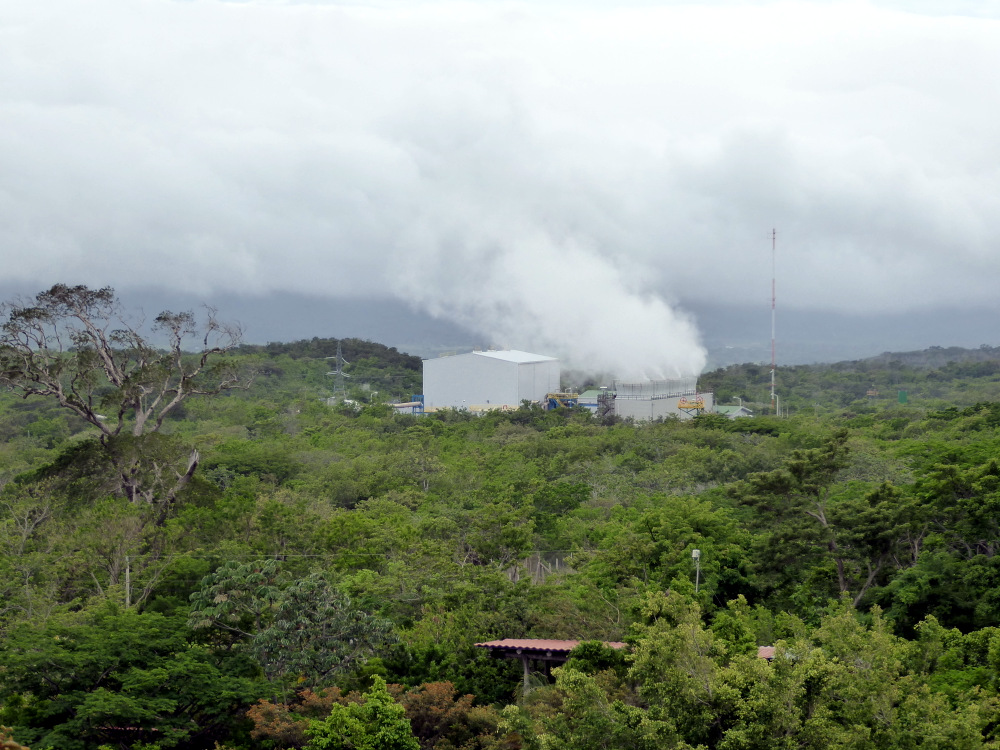
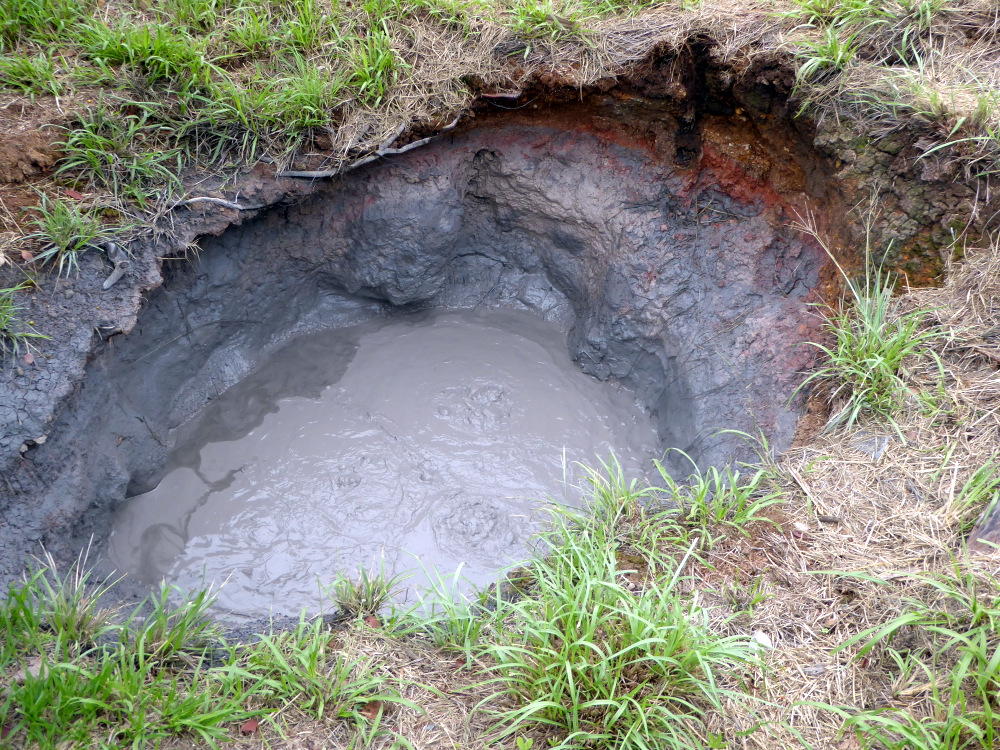
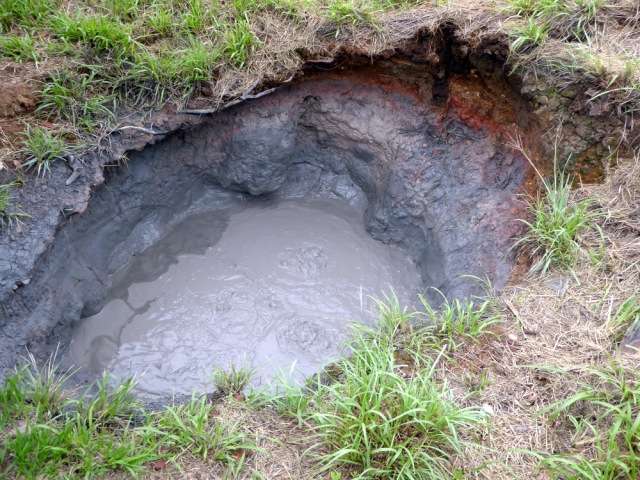
There is a geothermal power plant on its flanks , one can drive up past that plant to a place where the hot sulphur mud bubbles out of the ground. Las Hornillas charges you to walk around the place and if you want you can take a mud bath.
P1000176

Hot mud.

P1000175 P1000170

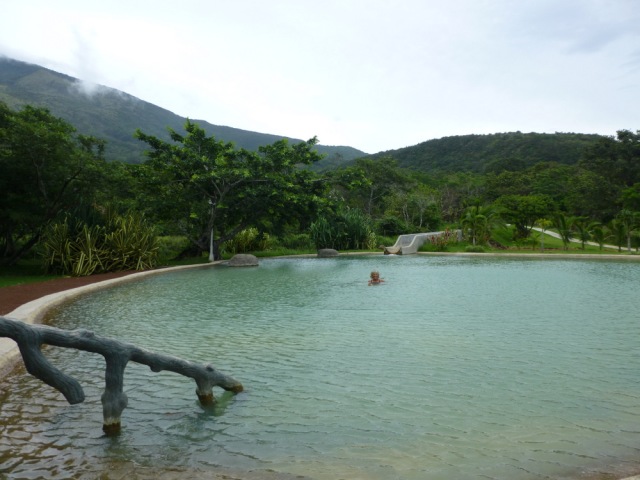
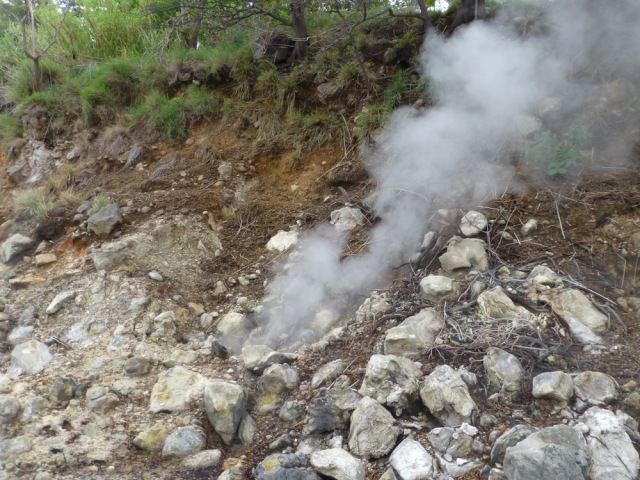
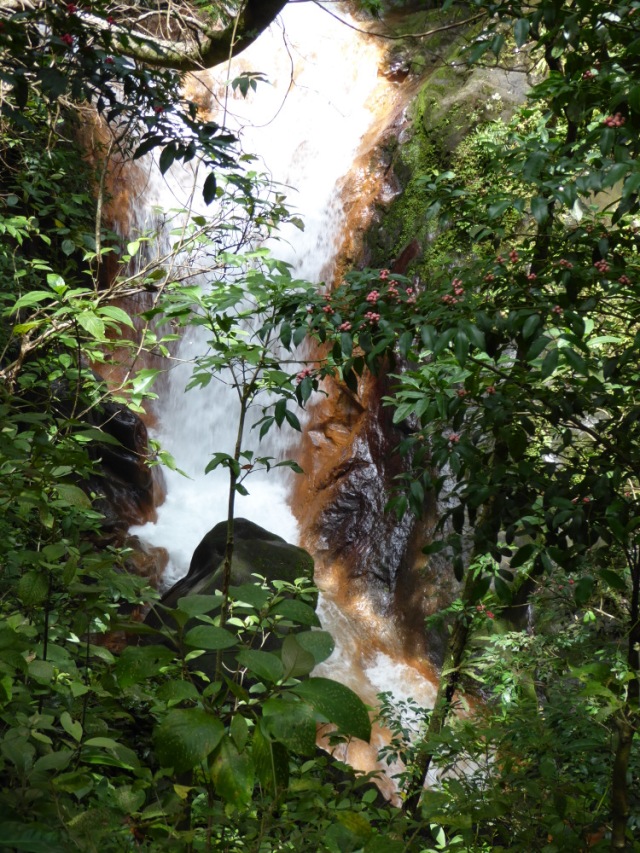
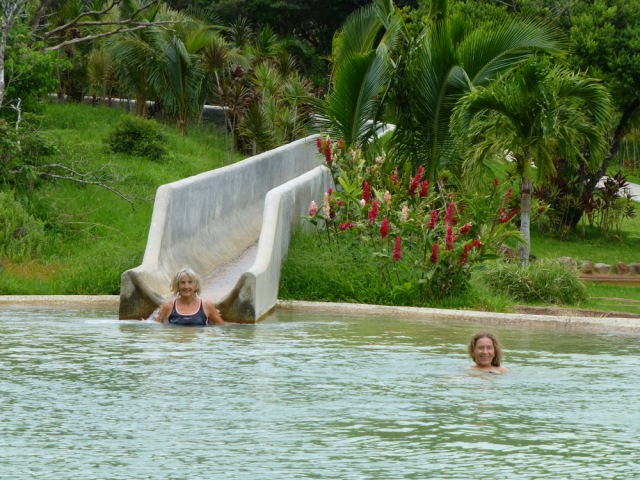
We drove farther up until the road actually terminated on top of a waterfall. There was a trail, not well maintained but flagged, so we followed it and hiked up into the jungle. It was a beautiful hike along a stream with lots of blooming jungle plants. We turned around when we lost the trail and could not find any flags anymore. That night we spent at a hot spring with a pool not far from there, sat in the hot water after sunset, watched the glow worms in the trees and the starry sky.
P1020987 P1000206 P1000194 P1000193

Since Anita was dying to vacation on the beach, she was hoping for sand, surf and sun. After we floated down the Coribici River we drove out to Playa Granda on the Nicoya Peninsula.

Thermal Springs Volcano Miravalles:
P1020981

A thermal spring where we camped.

P1020978

Nobody here during the week…..

P1020972

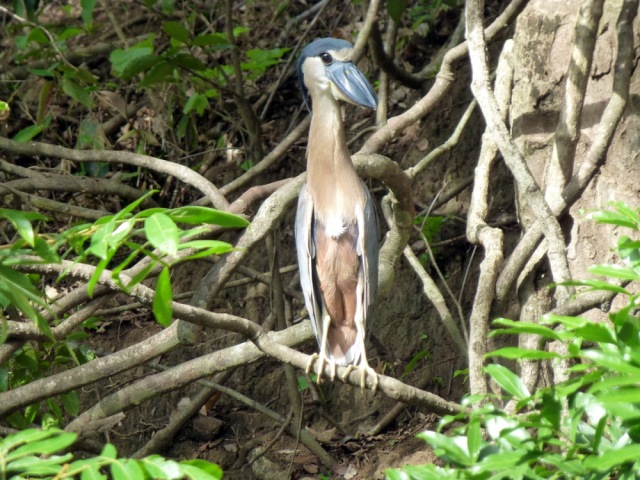
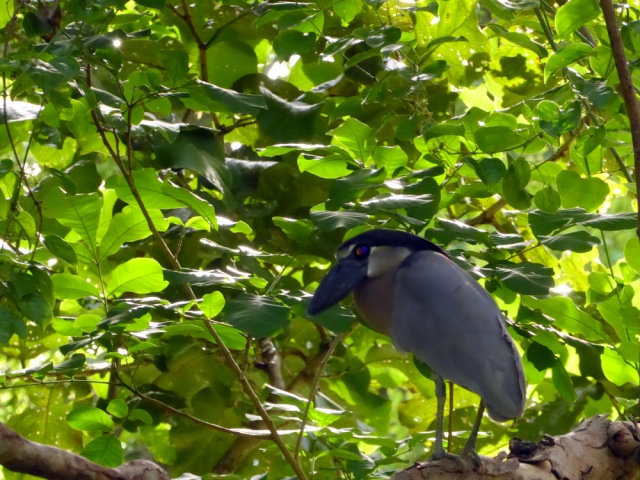
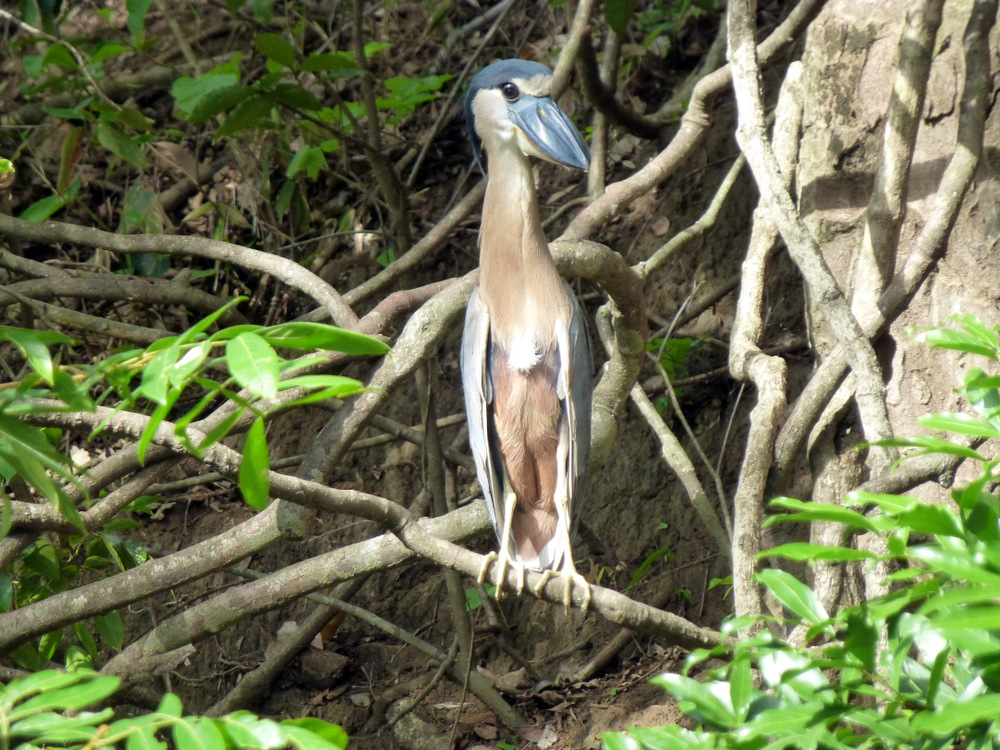
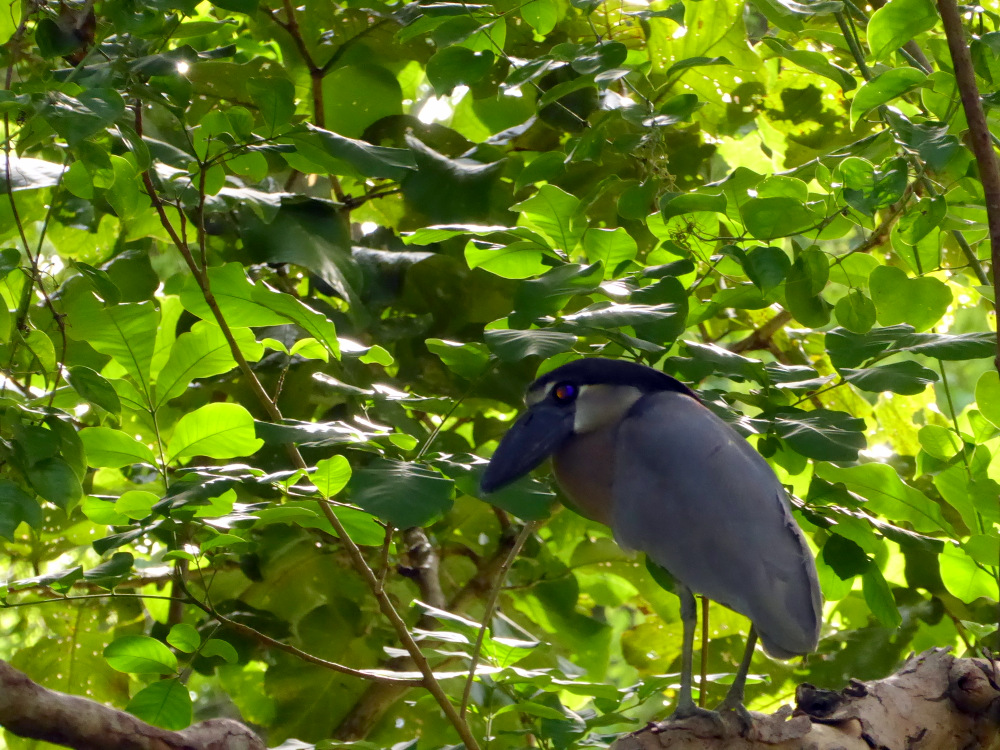
Boat-billed Heron

P1000152

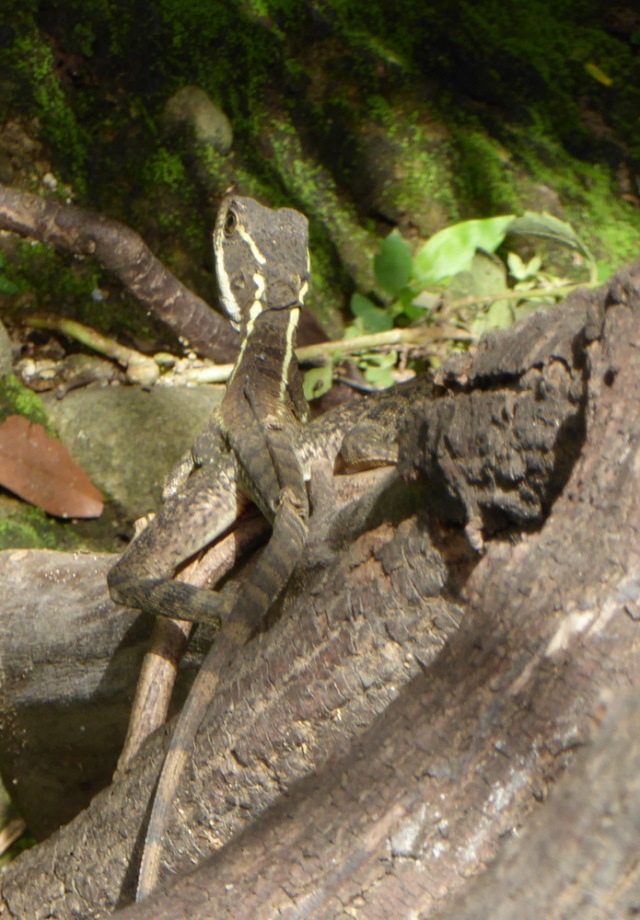
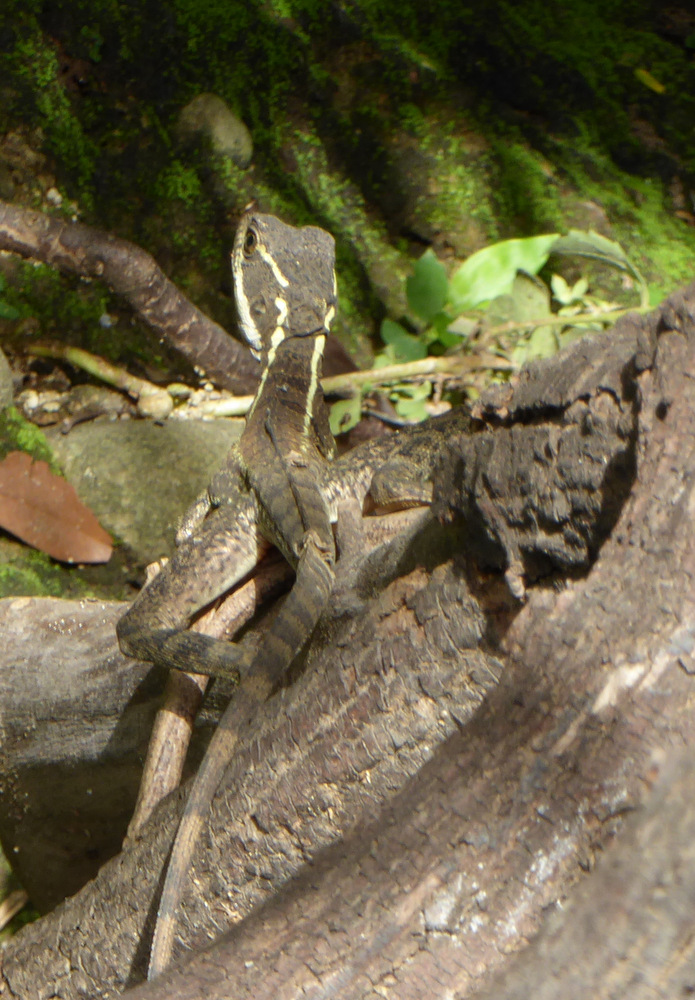
Baselisk

P1000151

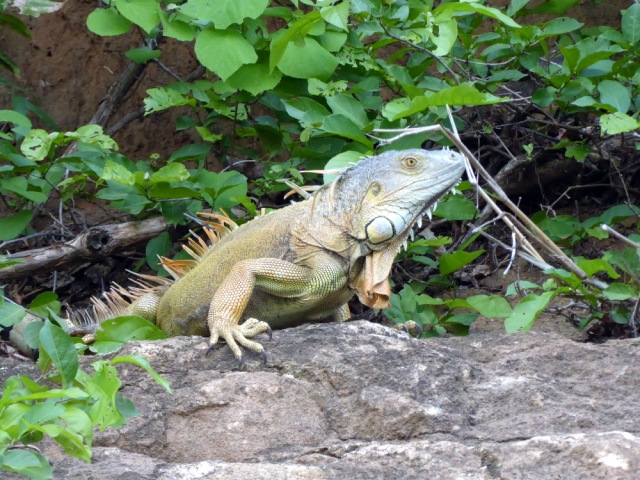
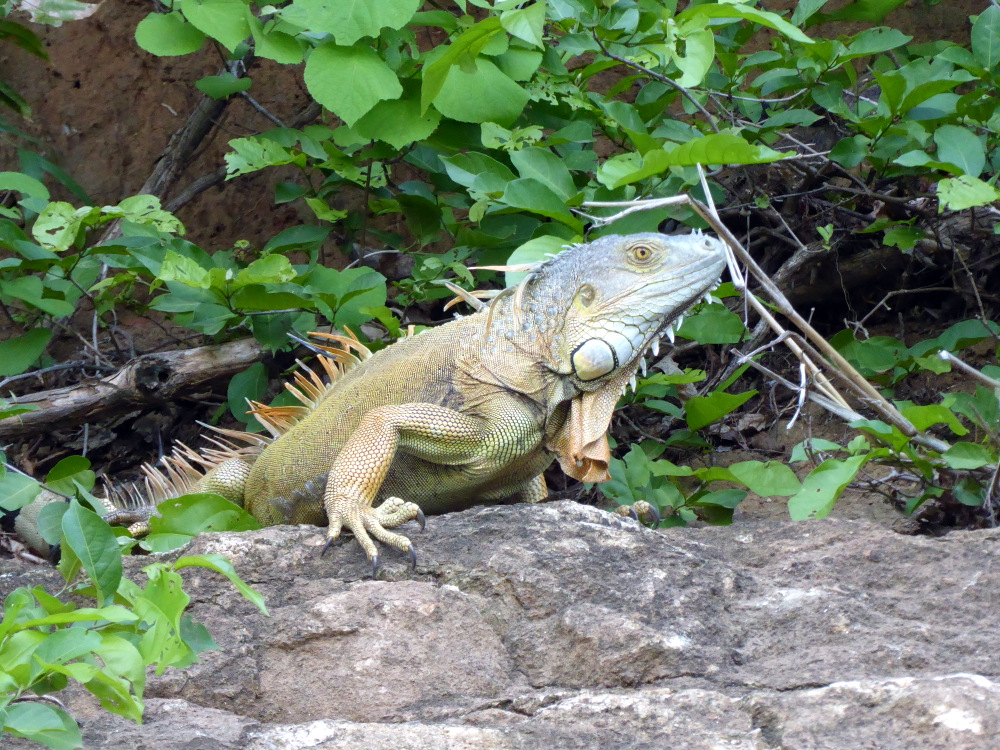
Iguana

P1020961 P1000145


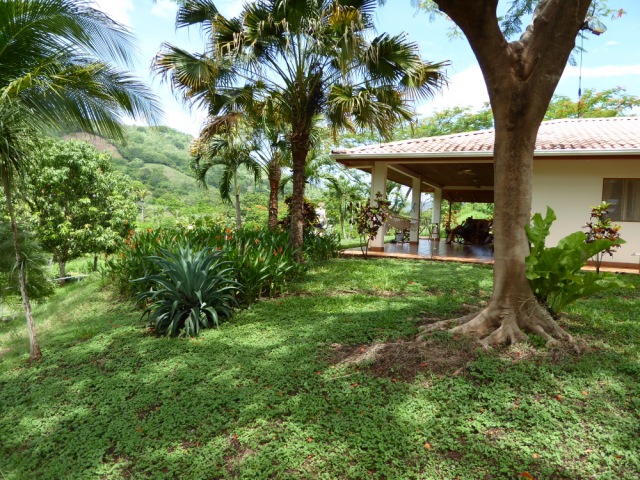
There are several places to “wild” camp right on the beach there, we picked one (Playa Grande) and had a miserable night with two fans blowing very warm air at us. The beach was beautiful, but after a long pre-sunrise walk we dreaded the heat and another sweaty night so we left for Samara. We had rented a beach house there, wanted to just lay back and regroup. But we were a day early and the house not ready. We contacted the owner and he was great, invited us to stay at his home up in the mountains behind the coast, in Nosarita Valley. As we followed him in his truck we had no idea where we would end up but he seemed like a great guy (and he was!). His place is a beautiful estate, there are fruit trees, a horse barn, a green house/growing area and he put us up in his guest house. Then he took us up into the mountains where he has a coffee finca. I want to rent that place some day, the spot is very special. Back down in the valley he invited us for dinner and grilled skewers of meat and made REAL pommes frites. What a guy! Brett, if you ever come to Alaska, we will take you out on the boat and cook you a fish!
P1000267

Guest house at Brett place.

P1000254

Looking down to Nosarita

P1000252

Nosarita

P1000240

Making REAL Belgian “frieten.”

P1000271 P1000260 P1000246 P1000236

Samara

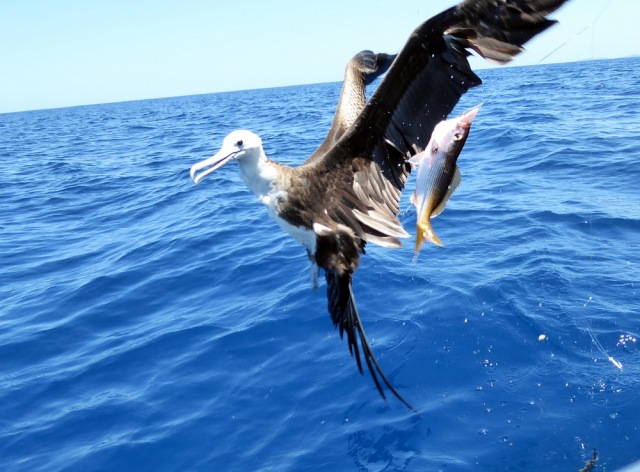
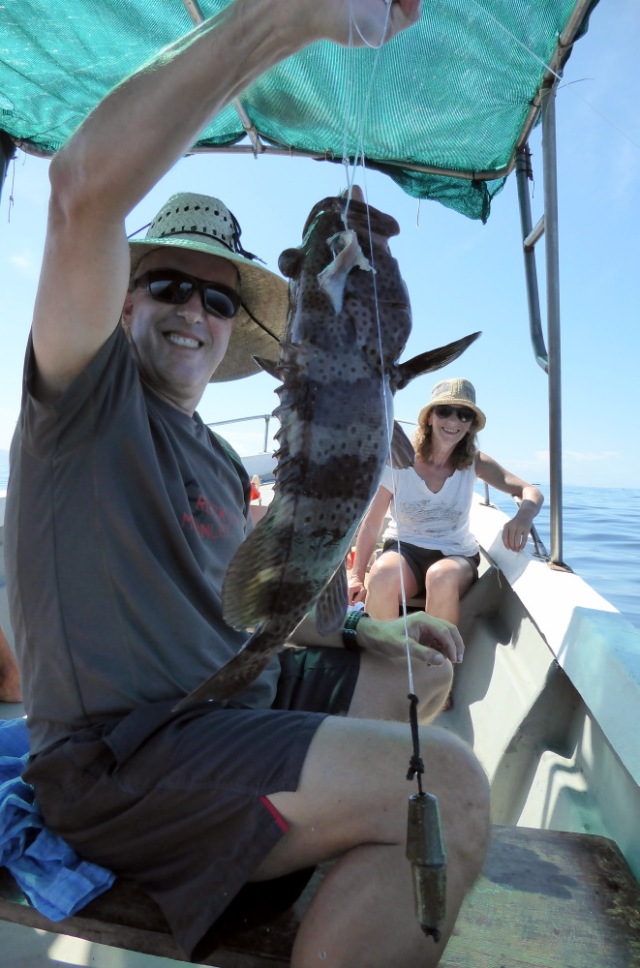
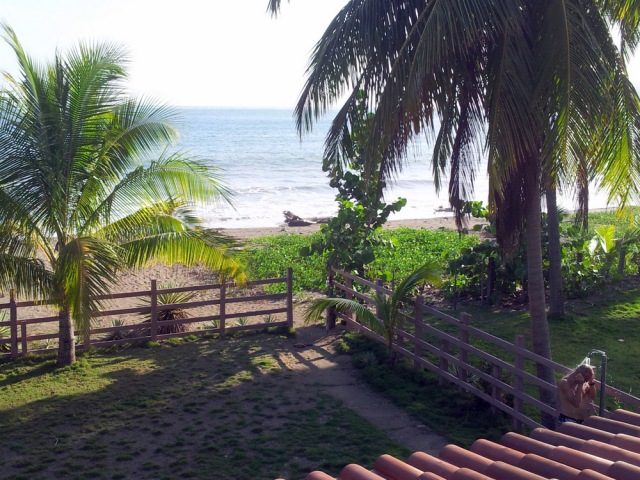
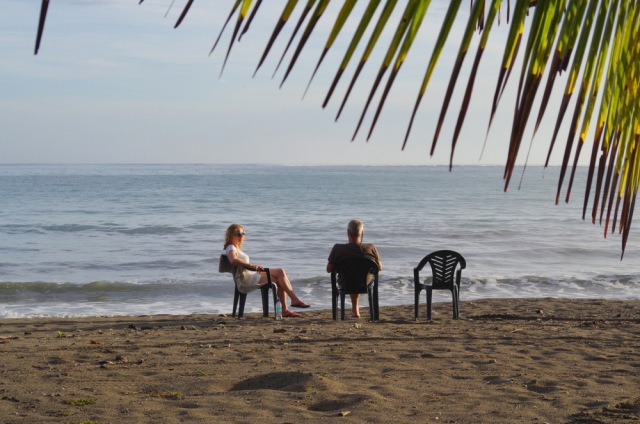
The house was perfect for us, right on the beach, two levels, Anita got the upstairs, each level has a full kitchen, bedroom and bath/shower. It had A/C and we were glad. We went for morning beach walks, swam and body surfed, read and ate a lot of fish. That is because we went out fishing with one of the fishermen and ended up with a hole bunch of huachenango (red snapper) und corvina (sea bass).
P1000366 P1000337

P1000314

Samara is pretty laid back and time just went by. Two weeks of bliss, we cleaned the camper inside and out, did more laundry (some of the clothes that did not like to dry at the last place had to be relaundered).
20150620_161238 IMGP4030 IMGP4047 IMGP4063 P1000311 P1000430

surferboy in Costa Rica

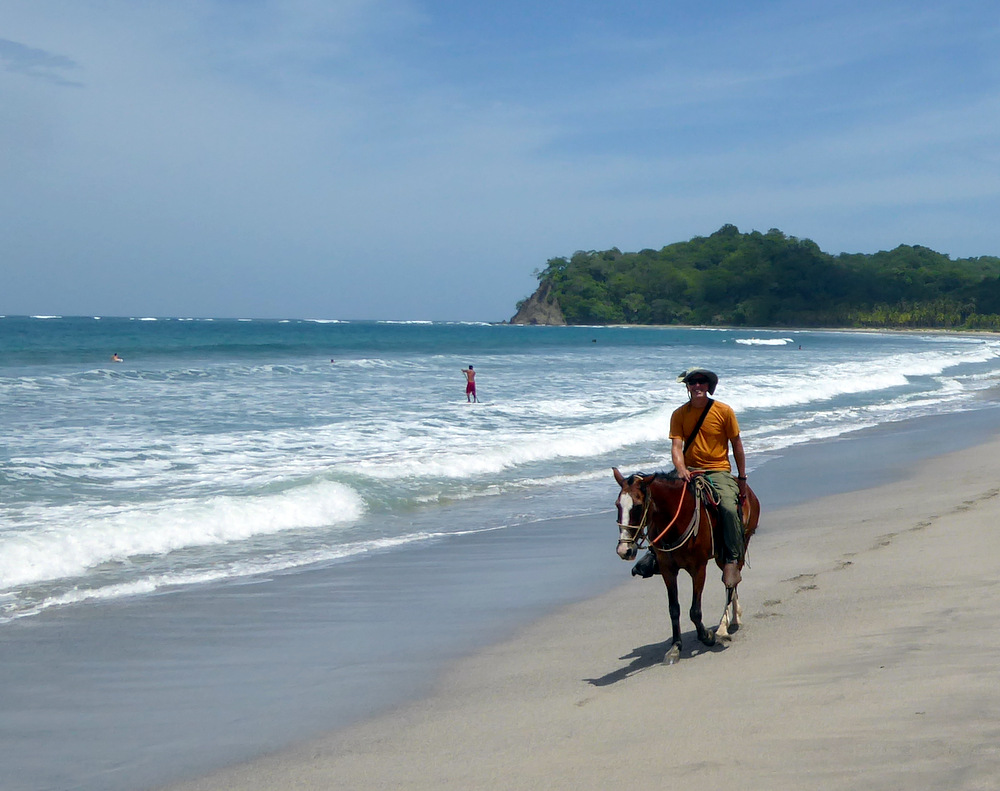
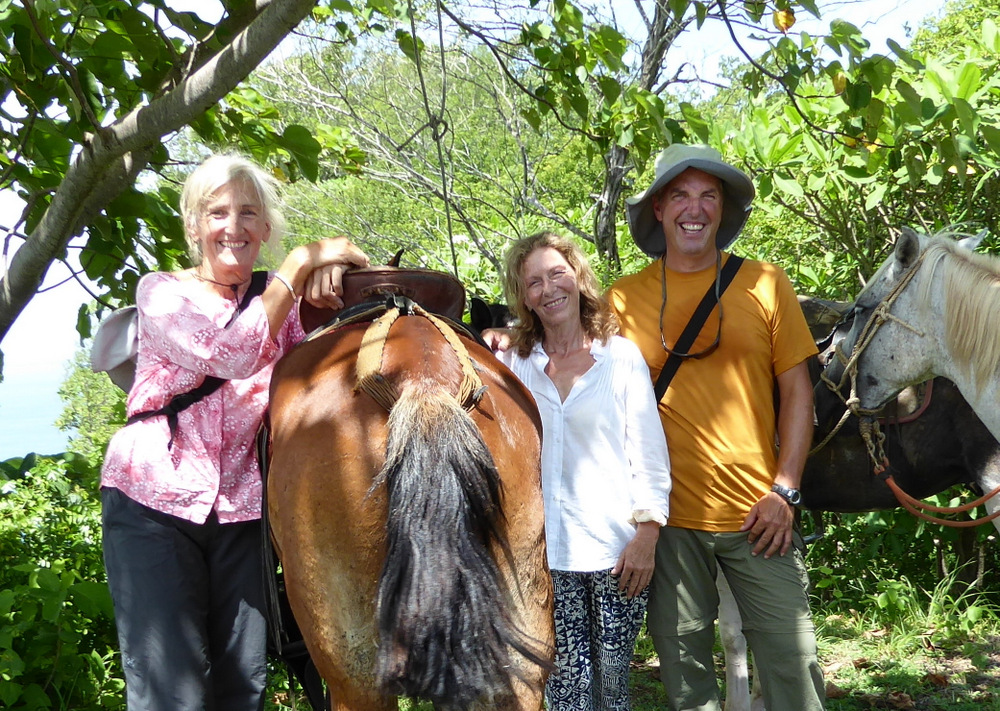
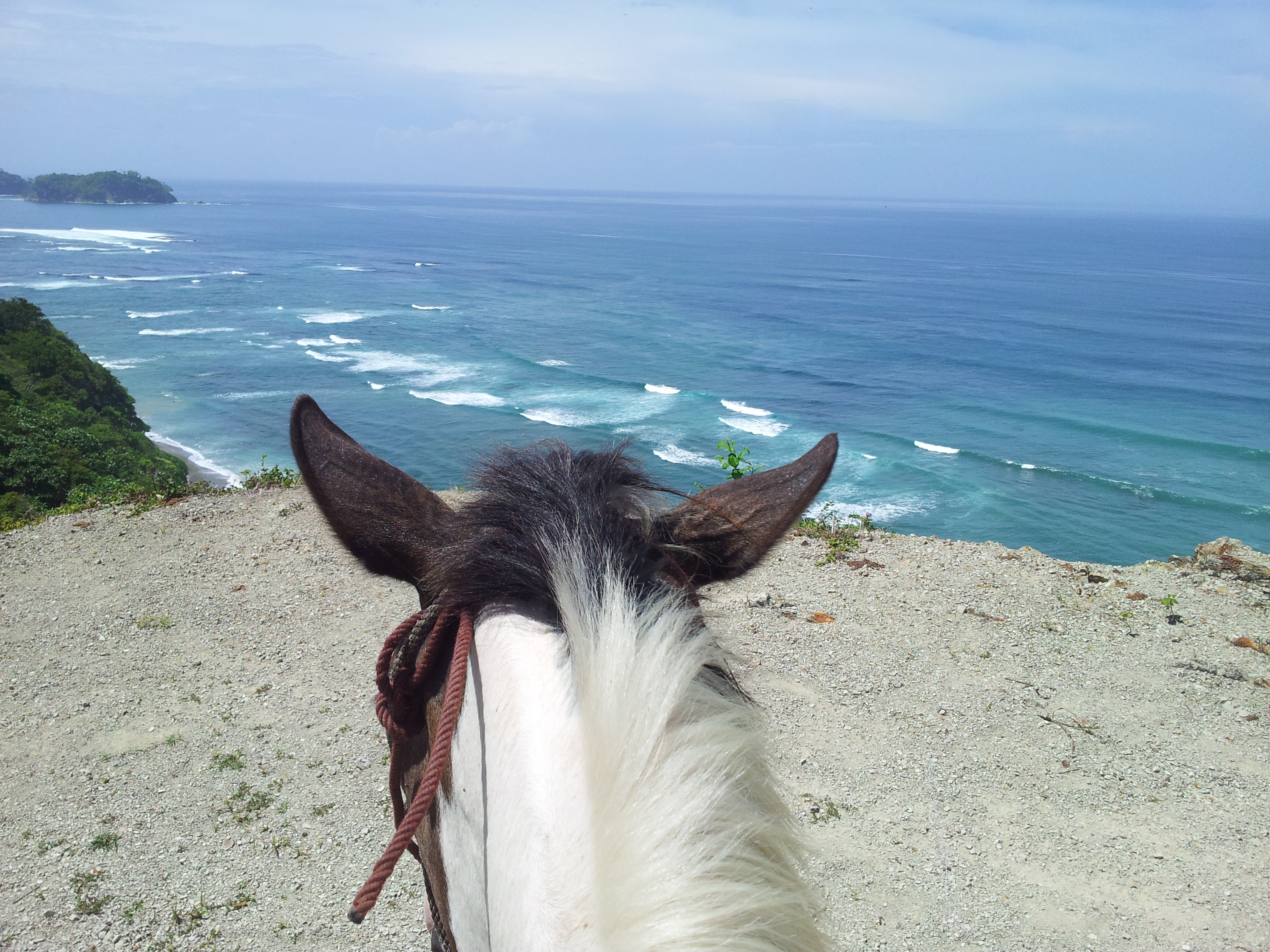
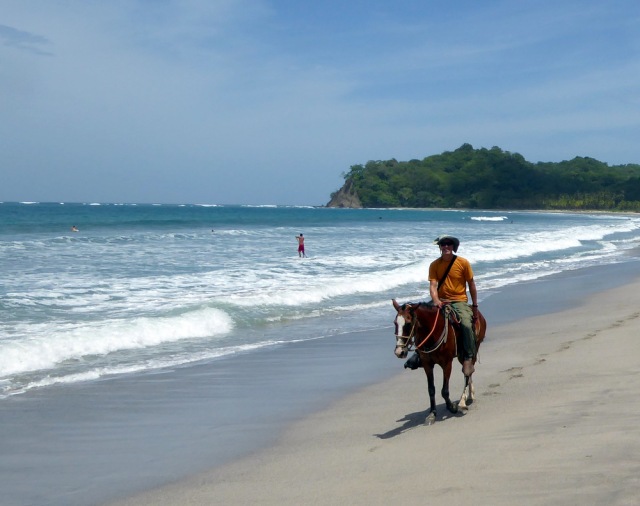
Every day Walter Nixon (a tico with a gringo name) rode past our house with his horses and offered to take use horseback riding. We finally went and had a blast, rode up to a view-point and galloped along Buena Vista beach. It made me think of all the years my friend Maureen and I used to go riding (after we got our kids off to school) on the beach and through the woods. Great memories.
20150627_100428

P1000480P1000465

20150627_103427

Pinto and I looking down to the beach of Samara.

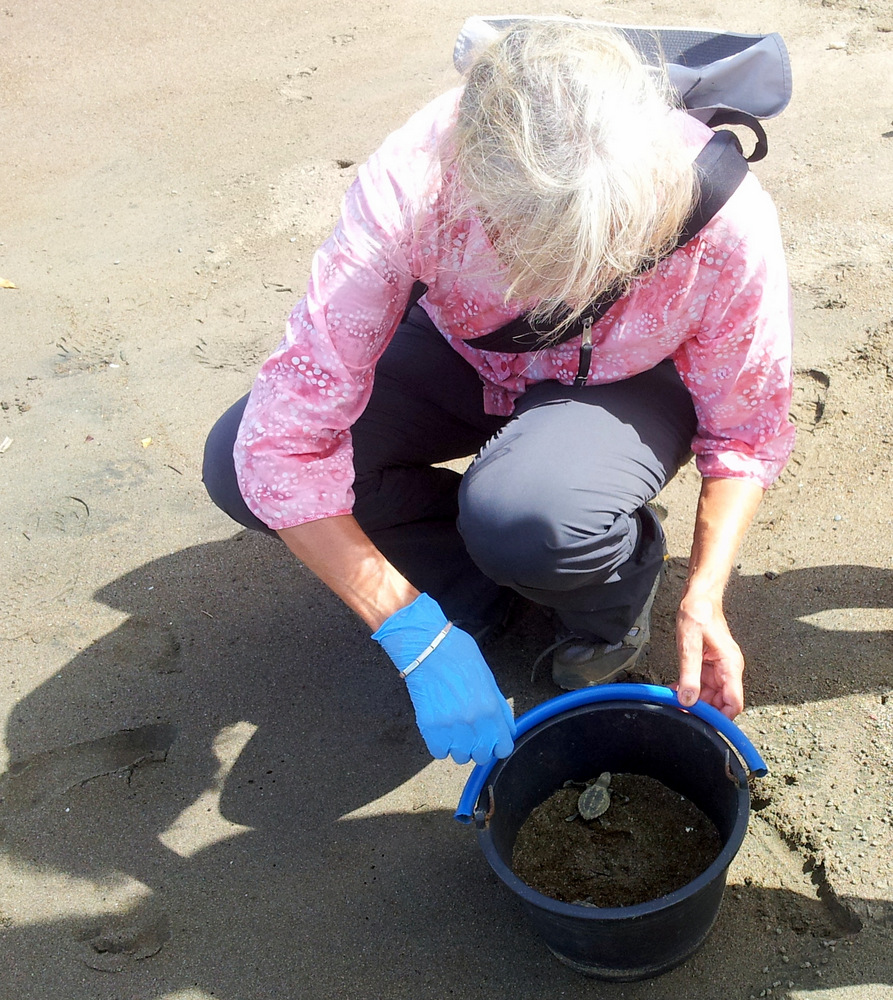
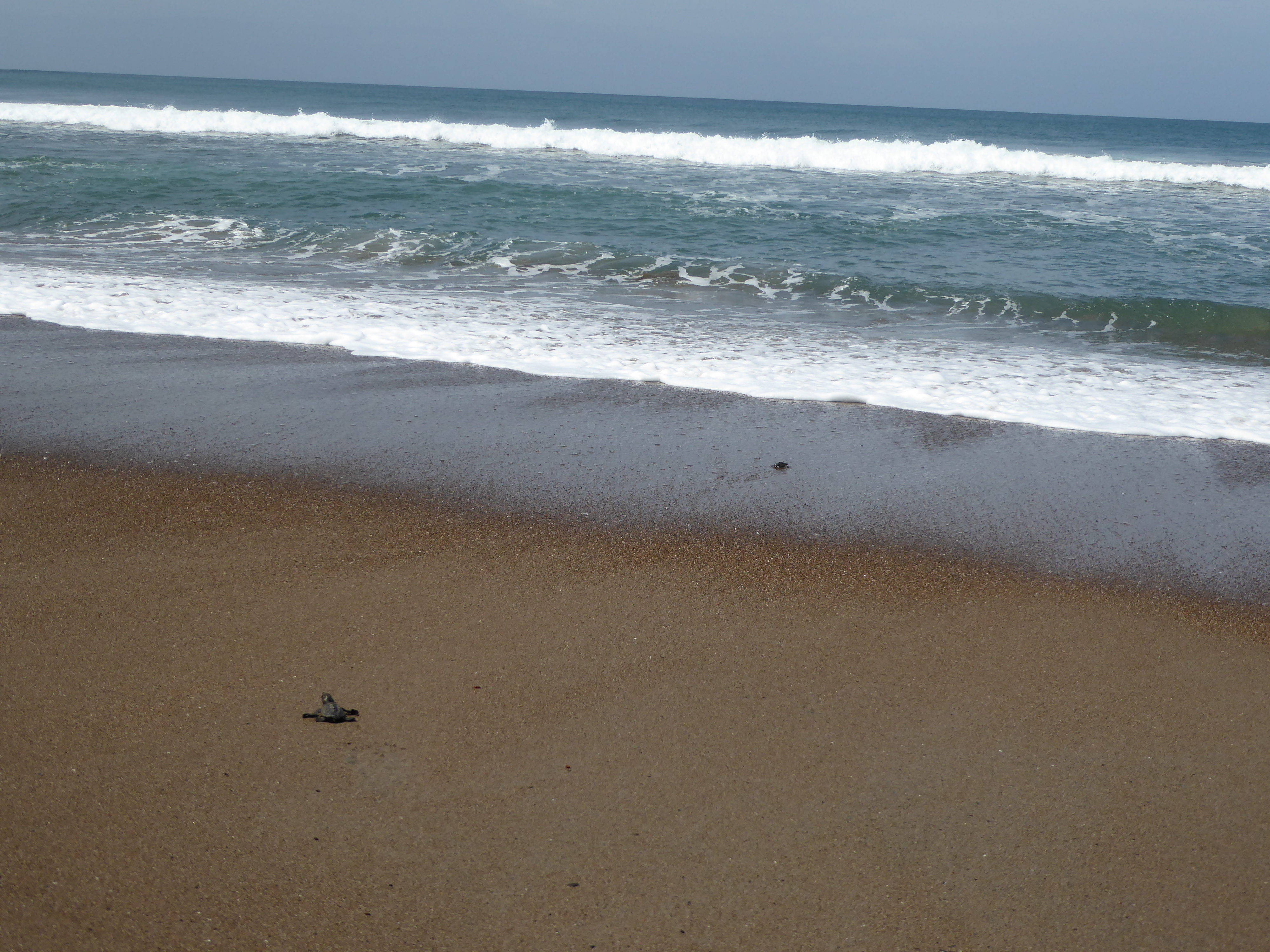
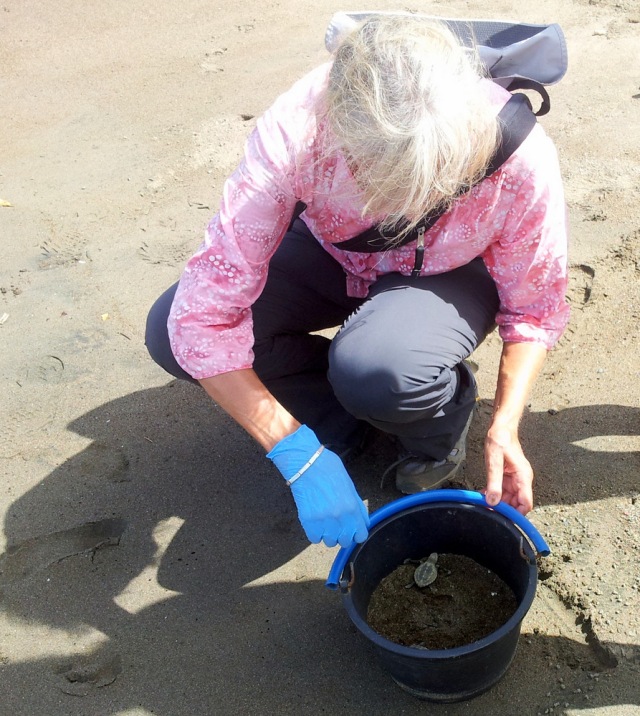
It was Anitas first time on a horse and she did really well. At Buena Vista Beach is a turtle rescue station. We stopped to talk to a volunteer, a young woman from the US. They are desperately trying to save the eggs from poachers and hatch them in an enclosed area of the beach. Some turtle babies had just hatched and we got to release them and watch them hit the surf. Poor little guys, their chances are so slim, we sent them off with best wishes.
20150627_094328

Baby Olive Ridleys

P1000460

Our plans to visit the Caribbean coast had to be changed because of extensive flooding and torrential rains in the area.

Soon Anitas vacation time came to a close and we dropped her off again at the airport. It was really nice to have her come and visit and I hope some of our friends and family members will consider such a visit in the future.

It was time to start planning the transit across the Darien Gap. The Pan-American Hyw stops in Panama and starts up again on the other side of a great swampy jungle in Columbia. We have to ship our camper from Colon in Panama to Cartagena in Columbia. There was a ferry for a few months this spring, but it is discontinued. So we booked a spot on a cargo ship for the 13. of July and it was time for us to head to Panama.

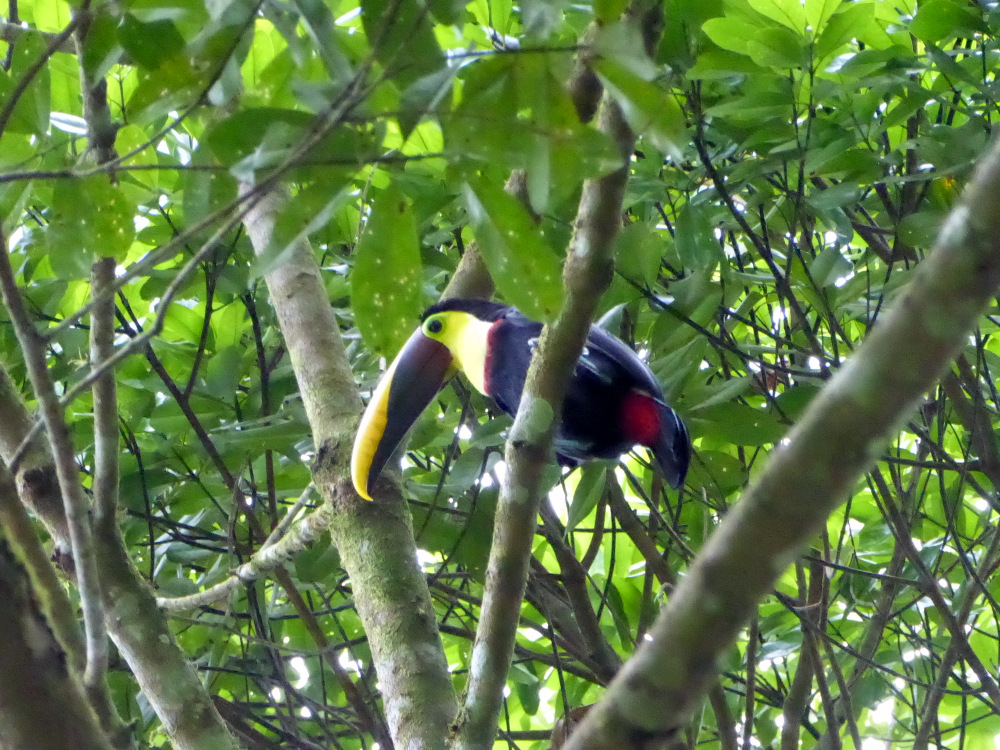
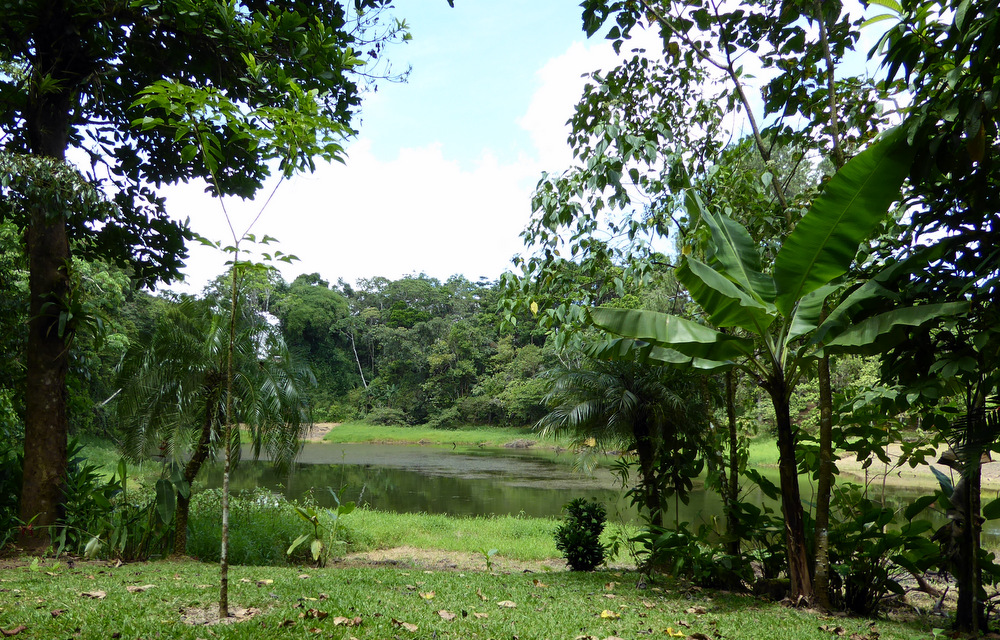
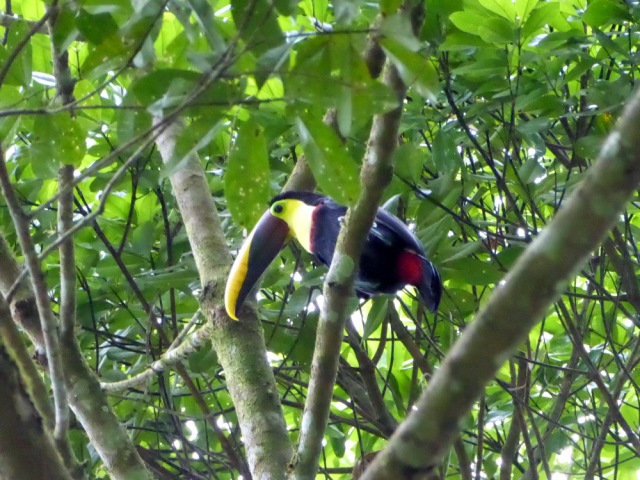
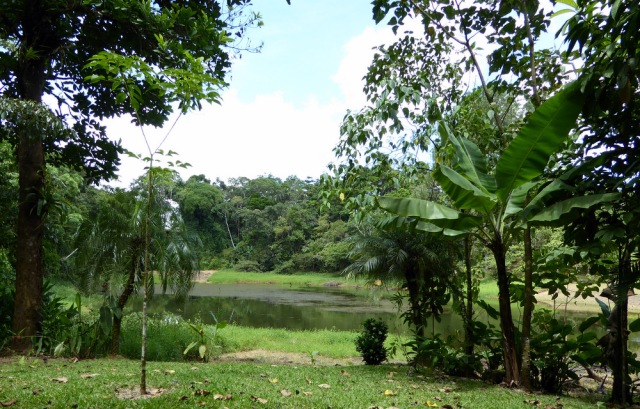
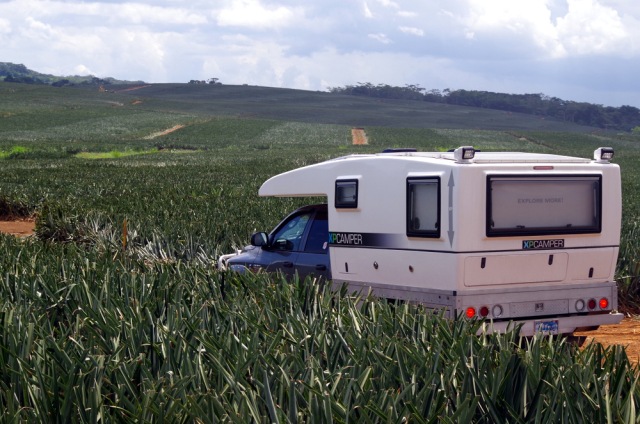
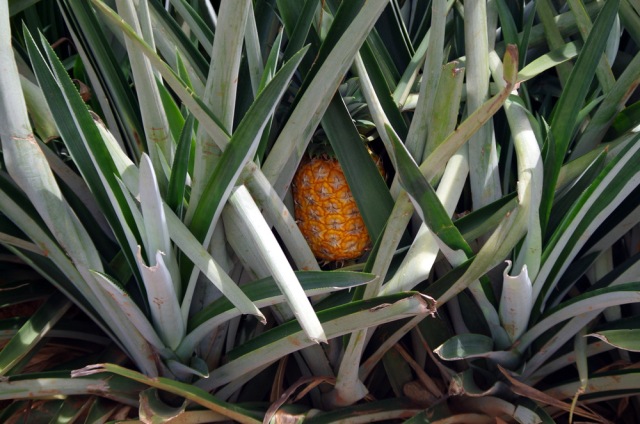
We went to the mountains again, drove on a beautiful road over Cerro del Muerte ( I definitely will come back and go hiking here, on thr Osa and Parque Amistad) past vast pineapple fields to a little town called San Vito. There is a small nature reserve above town and the owners have a camp spot in the middle of this beautiful garden/forest. Finca Cantaros: A former pasture with an ancient pond had been replanted with native plants and trees and the result is very special. There is a petroglyph stone and in the trees we saw, amongst many other birds, crested guans and toucans in the trees above the camper.
P1000596

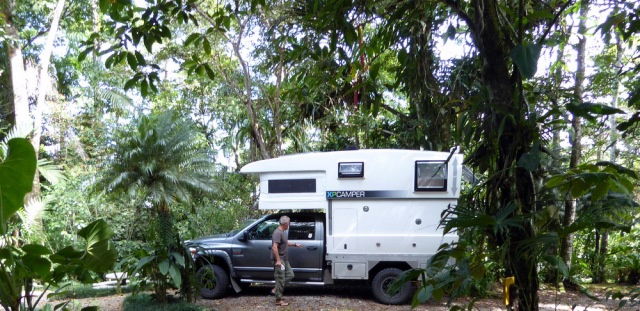
Our camp spot at Finca Cantaros

P1000603

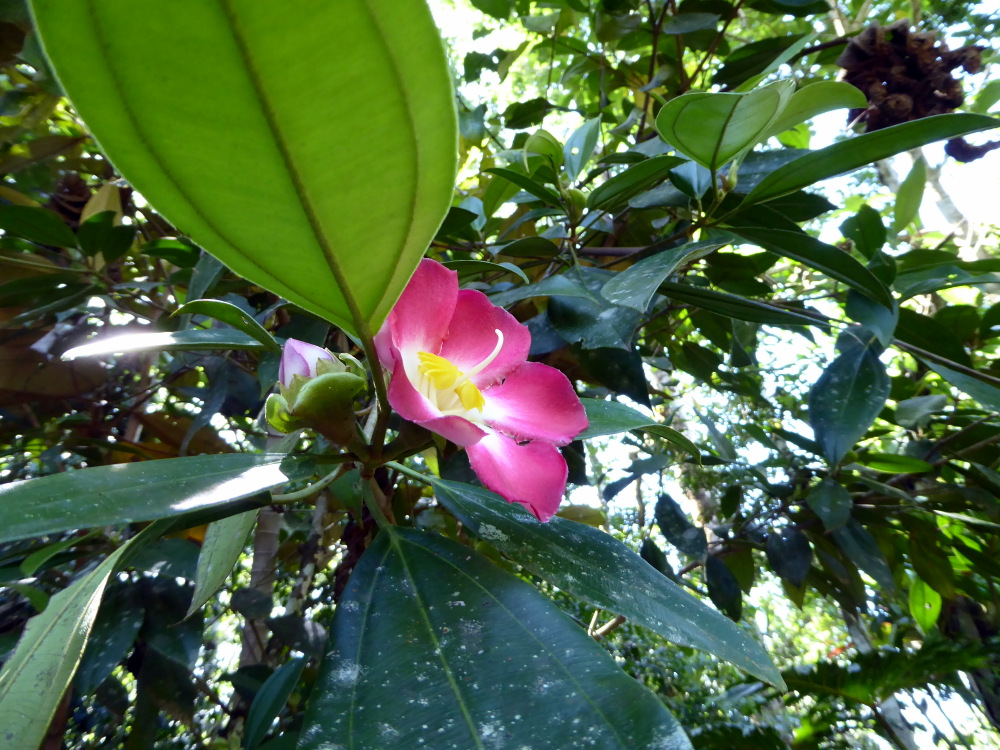
Melastome (look at the extra marginal veines in the leaf)
P1000614

Chestnut-mandibled Toucan at Finca Cantaros
P1000607

Laguna Zoncho

Finca Cantaros is one of more than 230 nature reserves that are affiliated with the Network of Private Nature Reserves of Costa Rica. (Total more than 140 000 hectares).

Two nights at this peaceful spot, the border to Panama was not far and we crossed it on a Sunday. A dirt road leads there and we almost crossed the border at Rio Sendero without knowing that we were there. No signs,flags or uniforms. We asked an old man where the border is and he said “right here”. Ok, we backed up again and did the border maze again.
IMGP4101 IMGP4106

IMGP4109

They missed one!

Costa Rica’s eco-tourism industry has been booming in the last few years. I wonder if there is a point where eco-tourism is too much for the shrinking wilderness enclaves. The coasts on both sides (Pacific and Caribbean) are in the hands of North American and European entrepreneurs. I also wonder why it has gotten so expensive since our last visit in 2007, if you go to the grocery store now, you will have sticker shock. (Especially if you come across the border from Nicaragua) It can’t be easy for the locals to pay those high prices.

6. July 2015

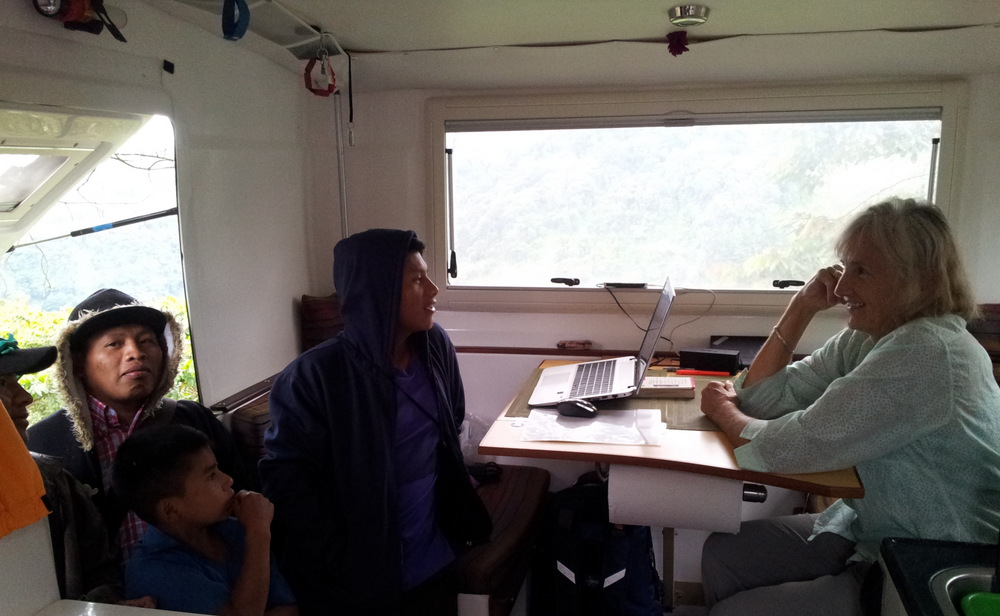
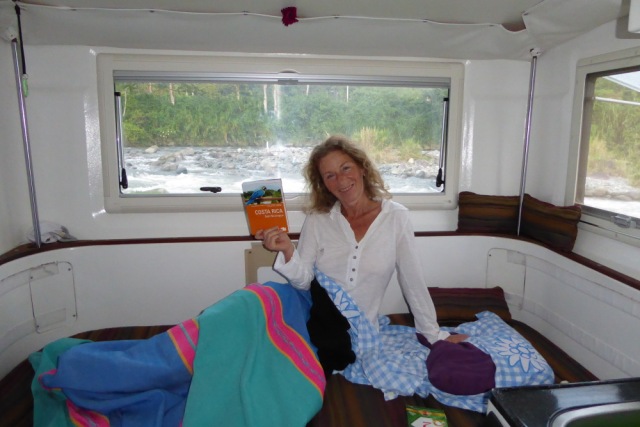
Now we are high up in the mountains above Boquete in Panama, at the end of a road at 1660 m. The view is amazing, volcano Baru out the back window, coffee fields below us, cloud forest above us. A group of indigenous from the Guaymi tribe are eating their dinner in front of our truck, they had been working in the coffee fields all day and a truck came up from town to bring their food. We had them in the camper for quite a while, they were amazed and we gave them some gifts. (Crayons and paper for the kids. Almonds: they did not know what they were, and two Costa Rica guide books: they were fascinated by them)They do not speak much Spanish, neither do we, communication was difficult, but they were very exited and our camper now smells like wood smoke.

Go back

Your message has been sent

Warning
Warning
Warning
Warning

Warning.


Posted in Costa Rica | 6 Comments

Nicaragua

Nicaragua

After another “Gong Show” at the border from Honduras to Nicaragua we headed straight for the hills around Matagalpa.

IMGP3778

Although I remember watching the news about the war in Nicaragua years ago, Sandinistas and Contras, Oliver North and CIA, it was always just another one of those uprisings one gets used to hearing about somewhere in the world. Hiking  in the mountains and valleys of the northern highlands of Nicaragua, it is hard to imagine that this was where the Sandinistas and Contras (fueled by the CIA) had their clashes. The losers were the campesinos that live there and try to make a living with what little they have.

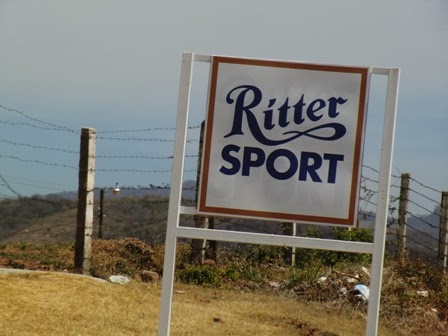
The area has a nice climate and lots of agriculture, Bananas, Coffee and Cocoa beans. We passed a familiar sign: “Ritter Sport”, Swabian (German) chocolate, Günter loves their “Rum-Trauben-Nuss“. Ritter buys much of the high-quality, organically cultivated cocoa here, it grows in only a few areas of the world.

CIMG8833

We drove to San Ramon and on higher into the mountains, it was late afternoon, people, horses and cows where on the dirt road. Several people carried instruments and were headed to a gathering, I would have loved to follow and hear them play. But alas, we had to find Finca Esperanza Verde where we planned to spend the night. We were lost for a while but that made it even more interesting. After stopping and talking to the locals a few times (who were very friendly) we finally we turned around and eventually found the right road.

20150531_085308

20150529_074734

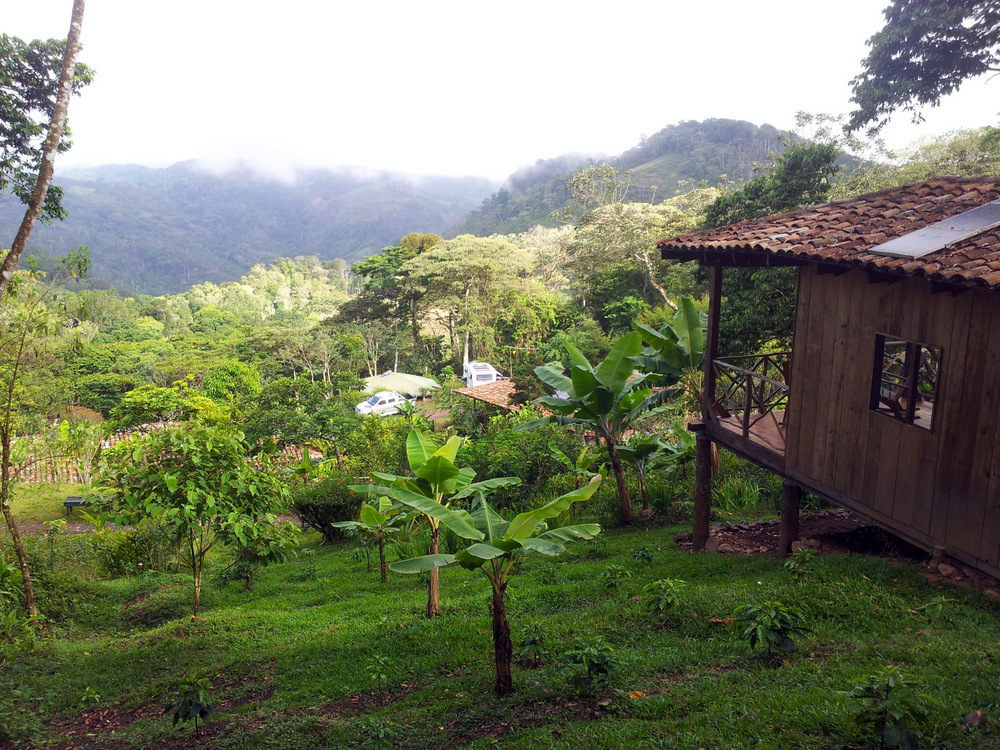
One of the cabins the finca rents, the camper down below.

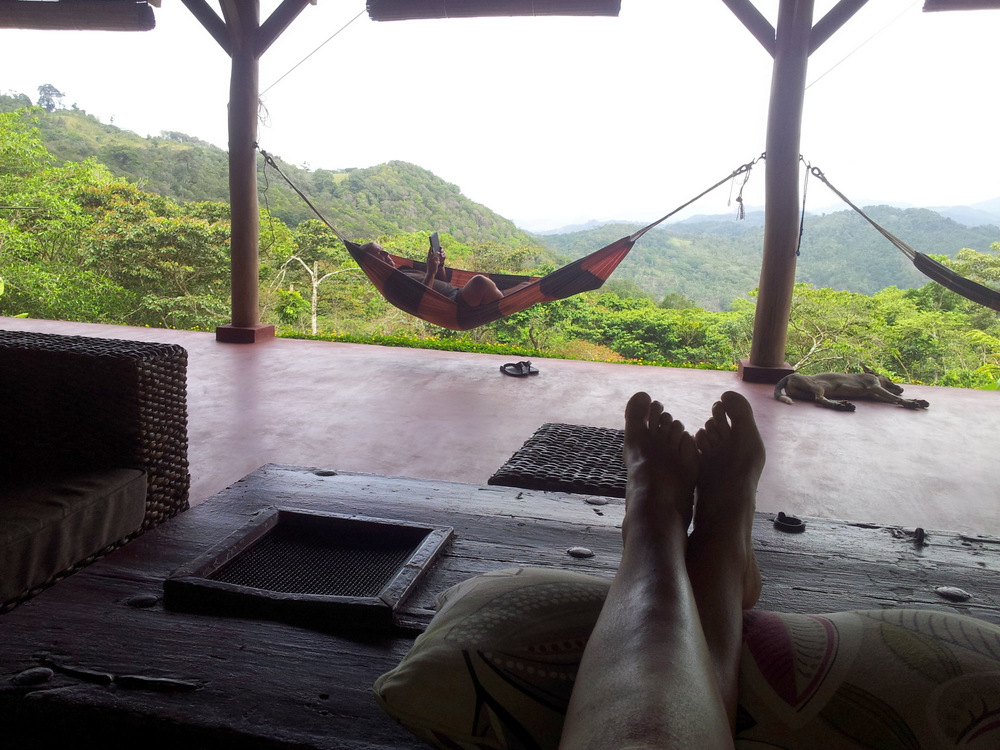
The finca is an organic coffee farm at around 1200 m. It was cool and the air was fresh and clean. The banana and papaya trees are grown to provide shade for the coffee plants, visitors are free to help themselves to bananas, they are everywhere and also an important food source for the animals in the forest. We camped right in the parking lot and had great views of the valleys beyond, the cloud forest and the sunsets. A very special place with many birds, plants and welcoming owners and crew. They maintain trails throughout the property, these trails are also used by the local people and it is fun to meet them and talk to them. We sent an email to our friends Vroni and Michael, they (and we) had been suffering from the heat in the lower elevations. Two days later they showed up as well and we had a great time hiking and relaxing in the cloud forest. The birds are plentiful and with any luck you see a sloth hanging on a branch.

IMGP3780

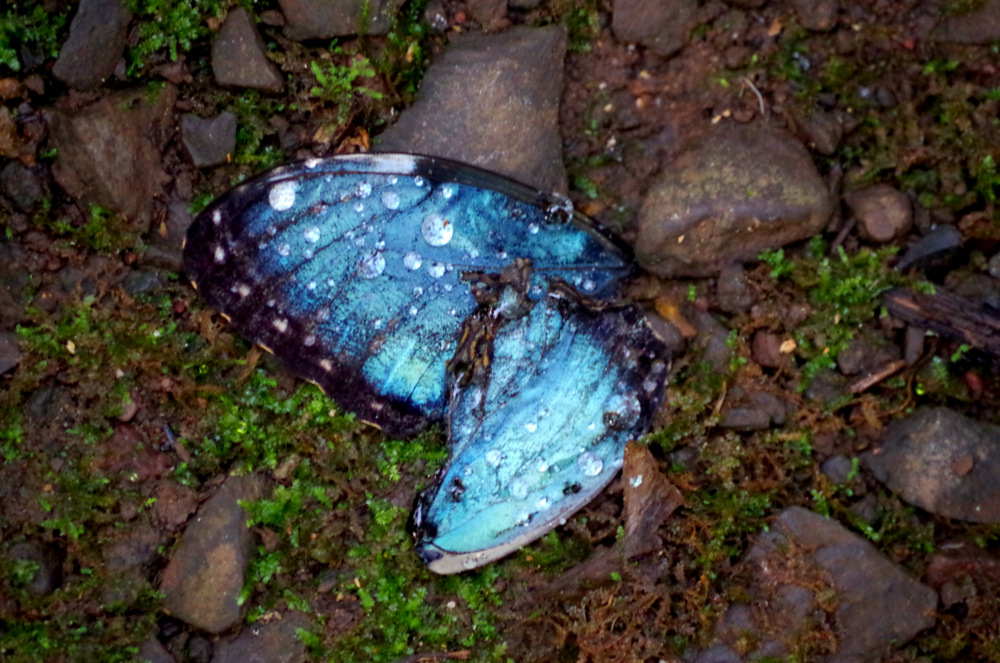
Morpho

IMGP3803

20150529_100522

Vivian, the owner, plans to level out a grassy patch on the property so she can accommodate  campers in the future. The tap water is potable, you can fill your tank and jugs.

IMGP3808

IMGP3777

IMGP3789

Leaf cutter ant. Blattschneiderameise.

We left for some “volcano time”, hiked around the crater of  Masaya volcano, saw the green parrots that somehow are able to live on the crater walls without being harmed by the noxious fumes and enjoyed the expansive views.

IMGP3828

Volcano Masaya and the crater trail.

IMGP3814

Vroni, Michael and Günter on Masaya.

20150601_162525

We swam in the crater lake Apoyo and stayed in the Paradiso hostel (parking lot), and we toured the beautiful city of Granada and drank ice cold pinolillo.

IMGP3849 IMGP3848 IMGP3839

IMGP3831

Always trying to escape the stifling heat and humidity. Ometepe island in Lake Nicaragua promised relieve, we read that the eastern shore has a pretty steady breeze. And so it was, hot but nice wind to cool the skin and keep the bugs off. Swimming in the lake was nice, it is quite warm.

20150608_093032

Taking the ferry to Ometepe Island. Nanuq und Dodgie side by side.

20150608_101709

Top of the XP.

IMGP3882

Playa Santa Cruz on Ometepe Island.

20150607_092759

OA! So ein Zufall, Besuch aus Hindelang!


20150607_092821 20150606_170404 20150606_155157 20150606_152700

Lake Nicaragua, despite being a freshwater lake, has sawfish, tarpon, and (bull)sharks. It had been presumed that the sharks were trapped within the lake, but this was found to be incorrect when it was discovered that they were able to jump along the rapids of the San Juan River (which connects Lake Nicaragua and the Caribbean Sea), almost like our salmon in Alaska do.

The lake is in trouble though. Here a news clip from the Tico Times:

 January 2015. According to documents from the Chinese company HKND Group, 106.8 kilometers of the planned interoceanic Grand Canal of Nicaragua will go through Lake Cocibolca, also known as Lake Nicaragua, the largest freshwater body in Central America.

The World Bank calls this lake the “Galapagos of Central America” because of its great biological diversity. The canal – if it is ever made – will enter the lake from the west – south of San Jorge – then cross the lake four kilometers to the south of the volcanic island of Ometepe. It then will hit the eastern shore eight kilometers south of San Miguelito.

The shipping channel in the lake must be 29 meters deep and 280 meters wide so that the largest container ships, bulk carriers and oil tankers in the world can use it. However, Lake Cocibolca is shallow. There are some deep areas, but on average, the lake is no deeper than nine meters. For that reason, HKND plans to dredge 715 million cubic meters of material from the bottom of the lake, possibly the biggest dredging job ever. In comparison, all dredging and excavating in the 100-year history of the Panama Canal has removed a total of 550 million cubic meters of material.

I hope this will never happen.

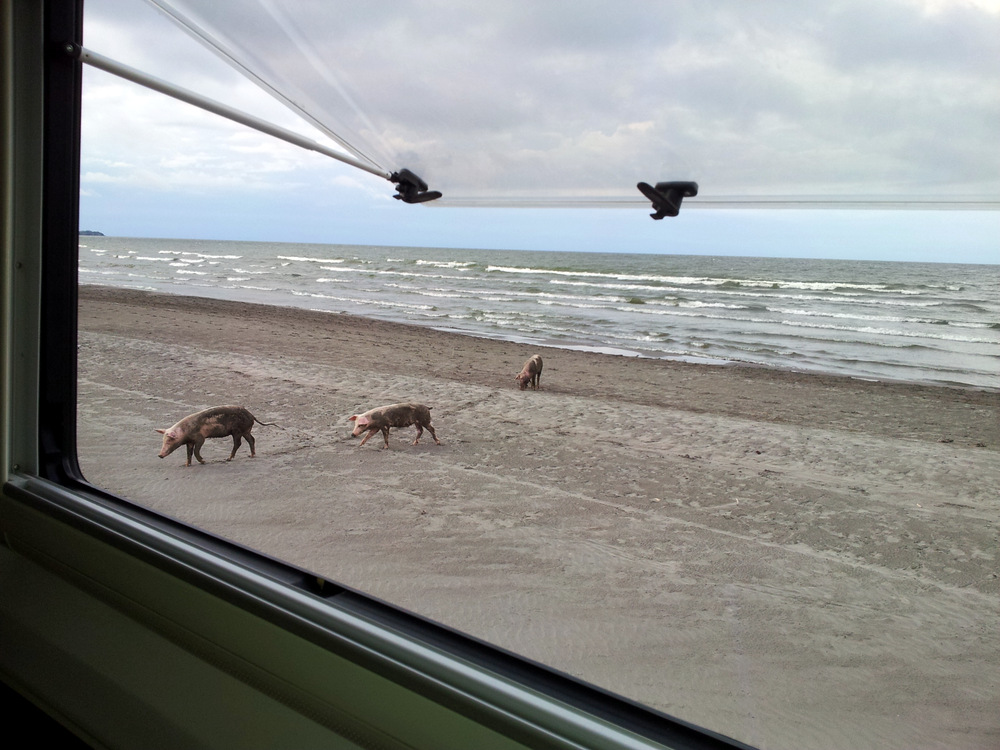
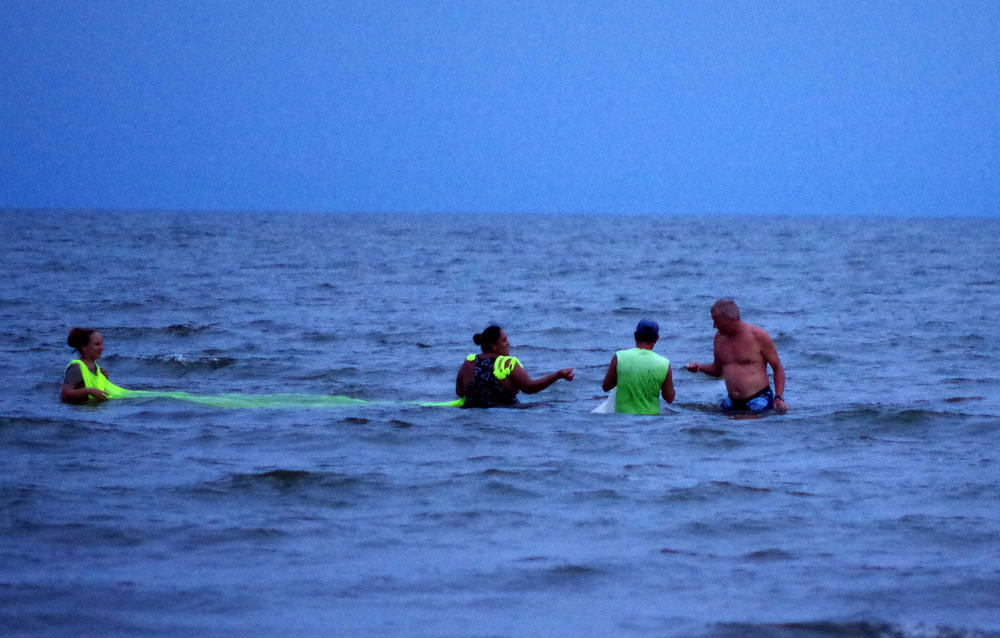
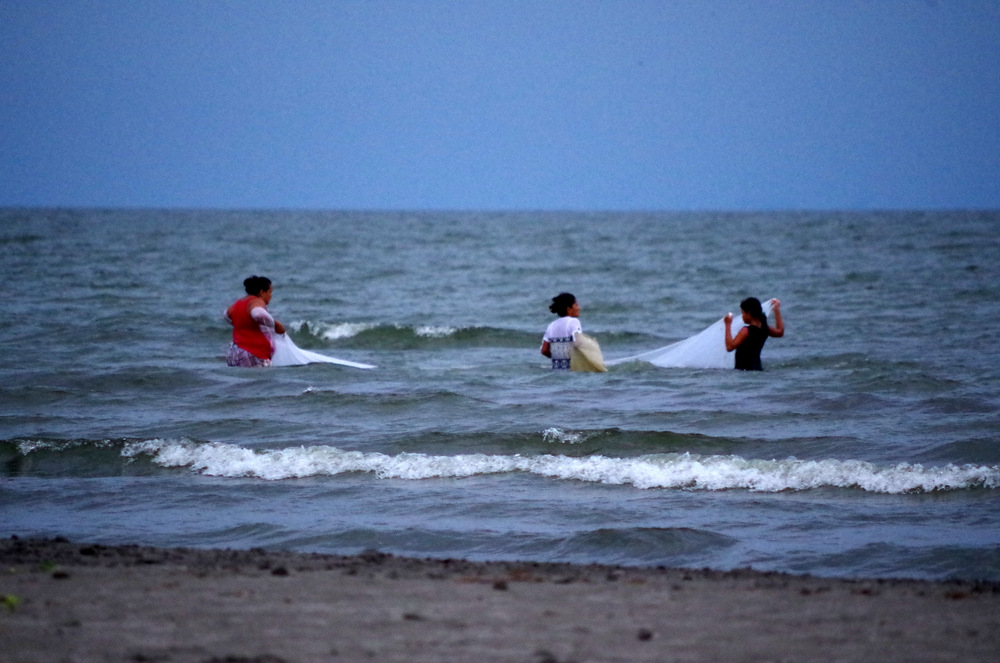
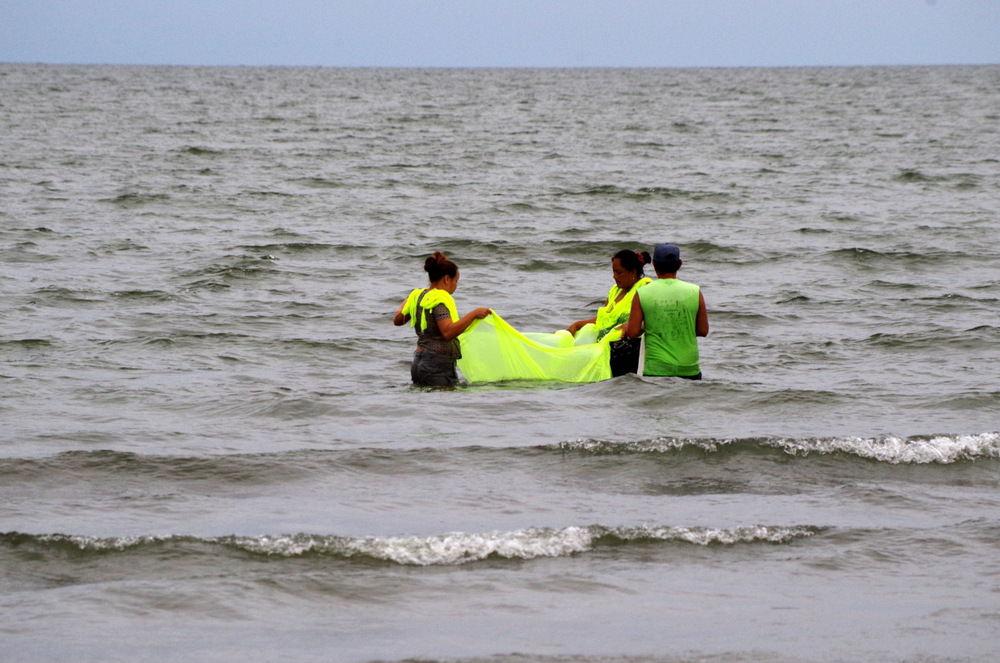
Horses and cows were brought to the lake every day by the farmers, and occasionally the pigs would come by. I found it interesting that a certain form of fishing for sardines in the lake was done by women and children.

IMGP3874

Günter checking their catch.

IMGP3868 IMGP3853

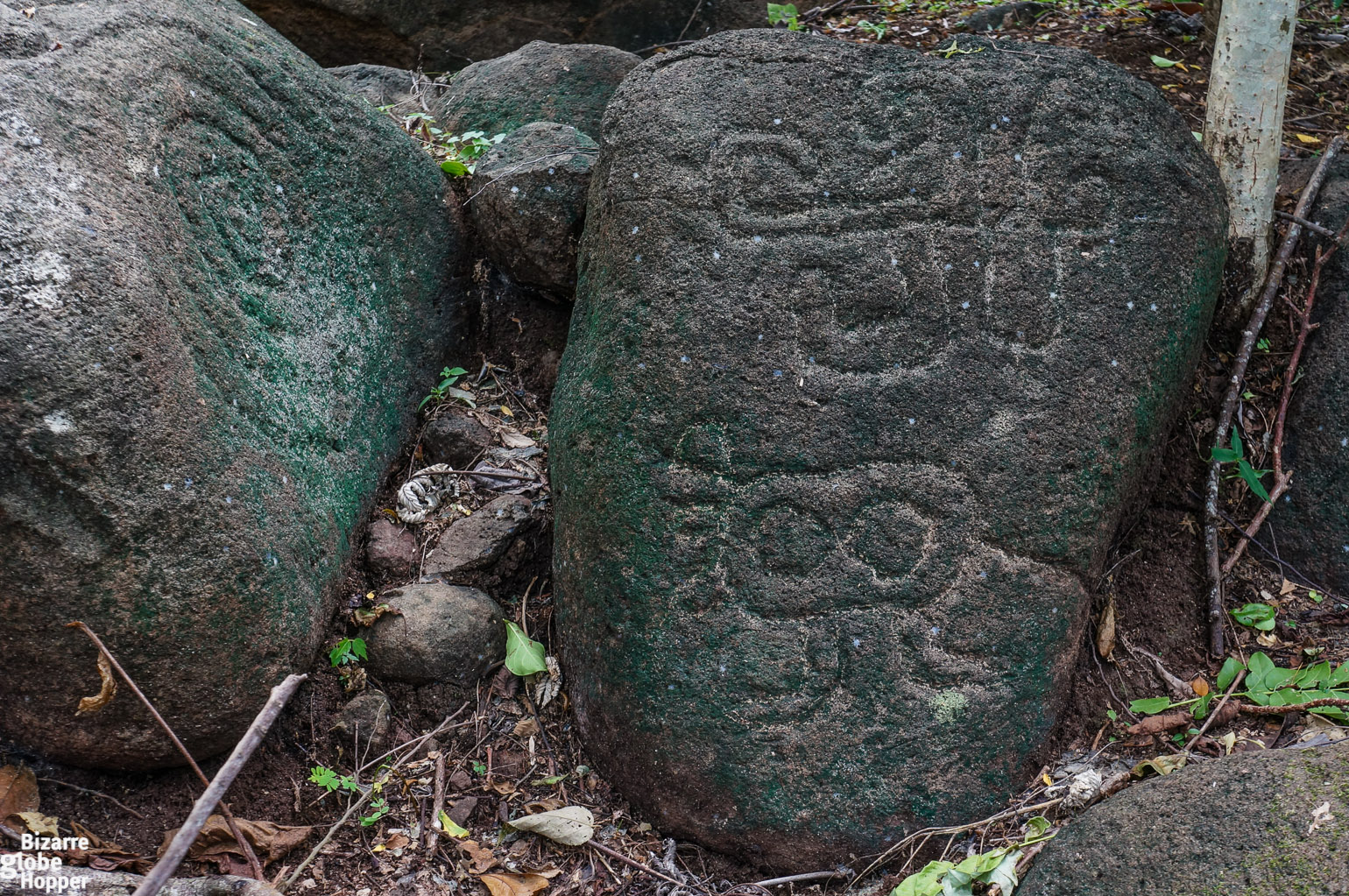
We rode out bicycles to Ojo de Agua, a spring with fresh cool water, great for swimming. (They allow camping!) Günter rode around Maderas volcano while I went half way and then explored the petroglyphs.

20150606_091439

Petroglyphs-in-Ometepe-island-Nicaragua

20150608_081755

Driving back to the Ferry, the rainy season is upon us.

20150605_145924

Good bye Ometepe Island.

Frequent thunderstorms told us that the rainy season is just around the corner.

Our laundry bag got heavier and heavier, no chance to get it washed, because of the high humidity it would never get dry. So we checked in the iOverlander app and decided to go to a finca on the other side of the border, in Costa Rica. There – we knew – is a nice Swiss couple and a washing machine.

Recommended reading on Nicaragua:

The Jaguar Smile  by Salman Rushdie

The country under my skin  by Gioconda Belli

Blood of brothers  by Stephen Kinzer


@Re: Camping on Playa Santa Domingo

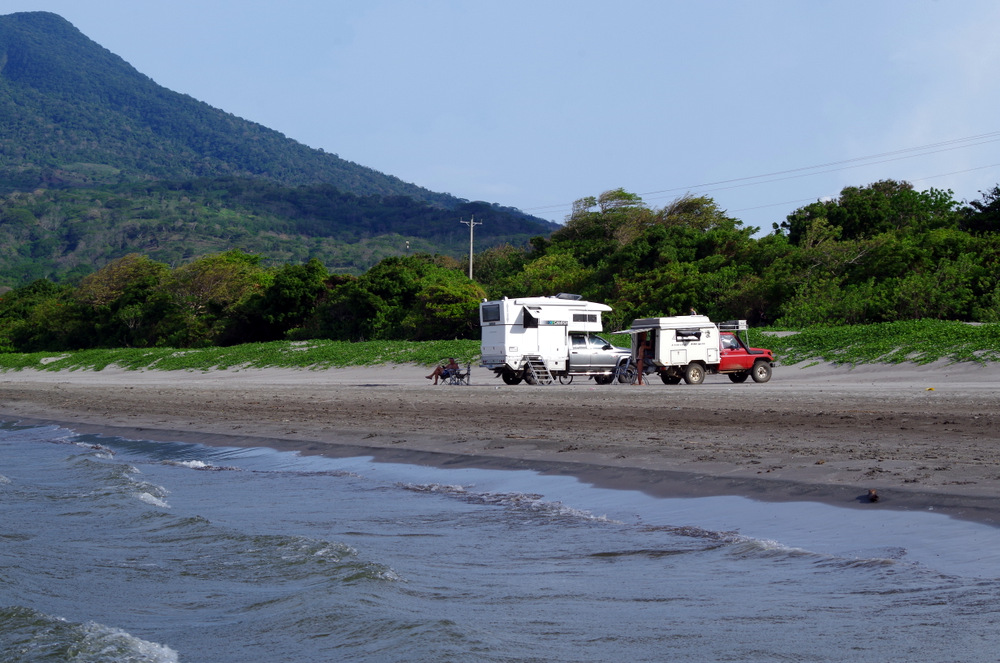
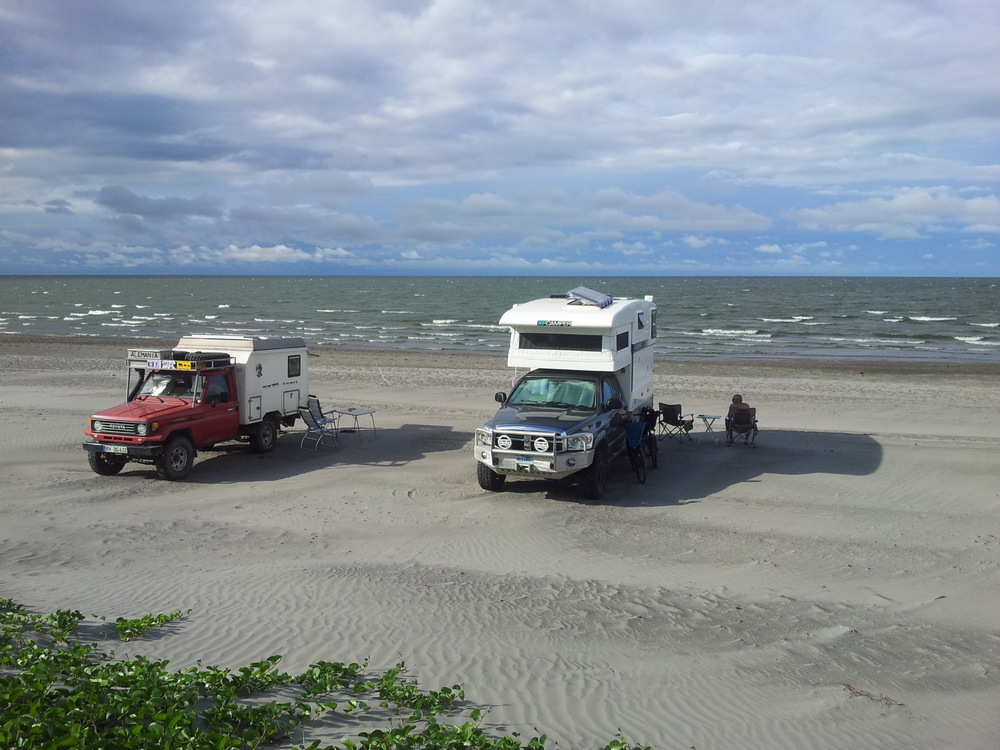
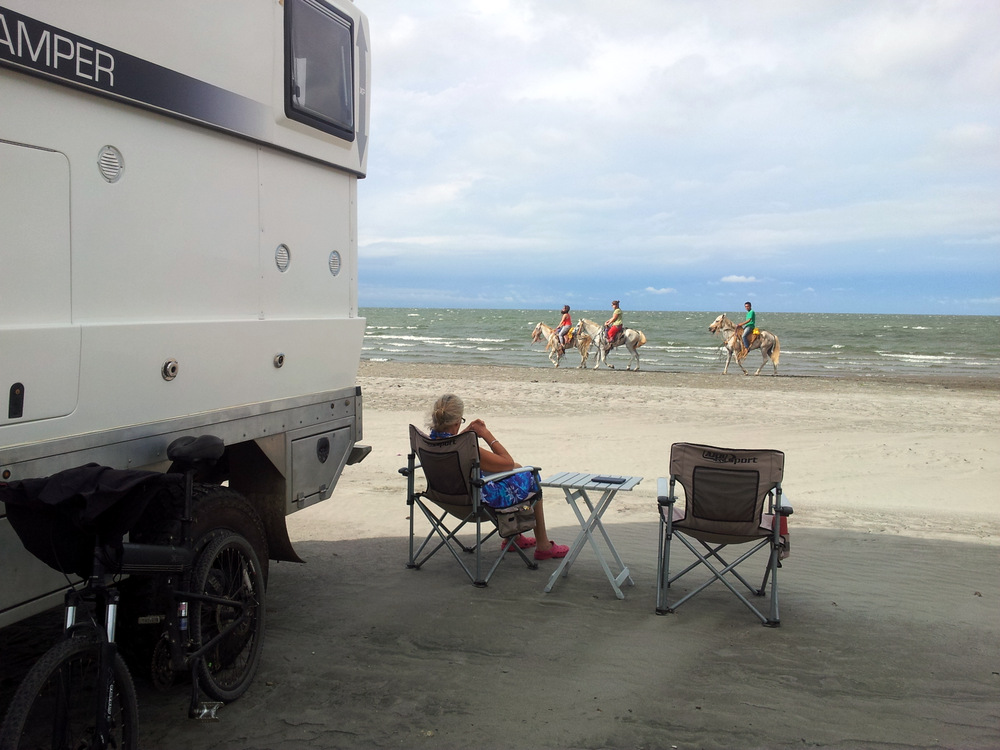
There is a home made sign on the northern part of Playa Santo Domingo that says that you are prohibited from driving on the beach. We drove on to Playa Santa Cruz where there was access and no sign. This access is also used by locals that drive to the beach to swim and picnic. We talked to one farmer on horseback and asked if it was ok for us to park our camper on the beach and he told us ” of course, stay as long as you like”.

Go back

Your message has been sent

Warning
Warning
Warning
Warning

Warning.

Posted in Nicaragua | Leave a comment

Honduras

Oh Honduras !

20150525_124217

This also is Honduras.

Banana Republic, Mosquito Coast, drug highway and danger. That is what came to my mind when we crossed the border from Guatemala to Honduras. We had enjoyed Guatemala for the most part and spent a few nights at a Hacienda close to the border. Los Laureles was huge, they grew corn, mangos, thoroughbred race horses and whatever else I could not see because it was too big. (Parque Ecológico Los Laureles, Chiquimula, Guatemala )

IMGP3490

Los Laureles race track

IMGP3495

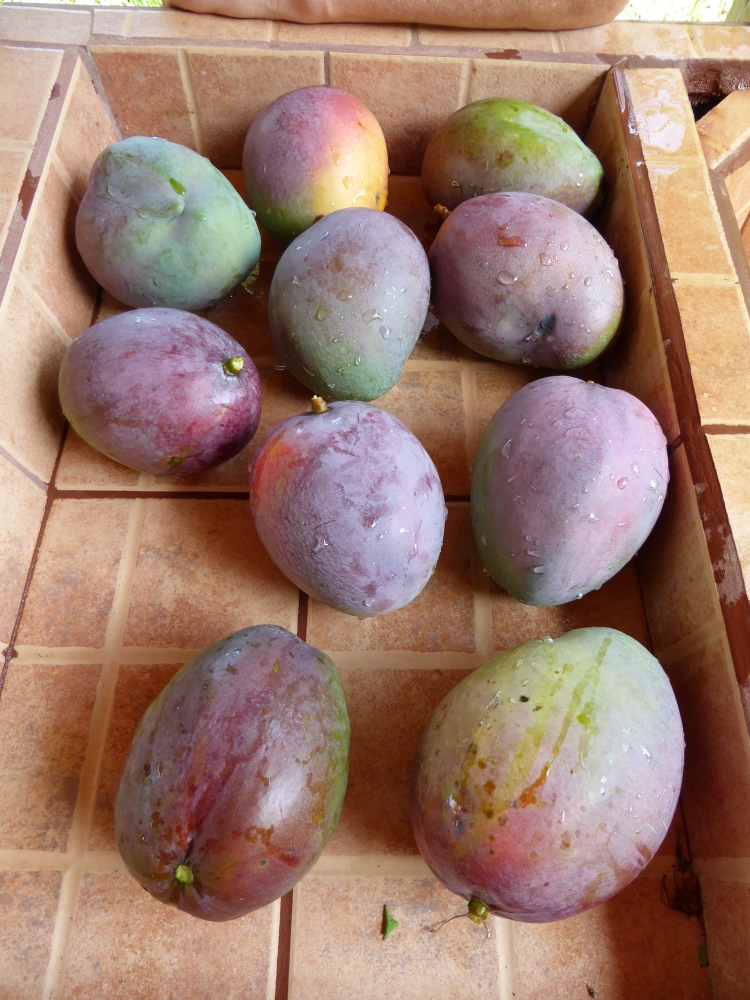
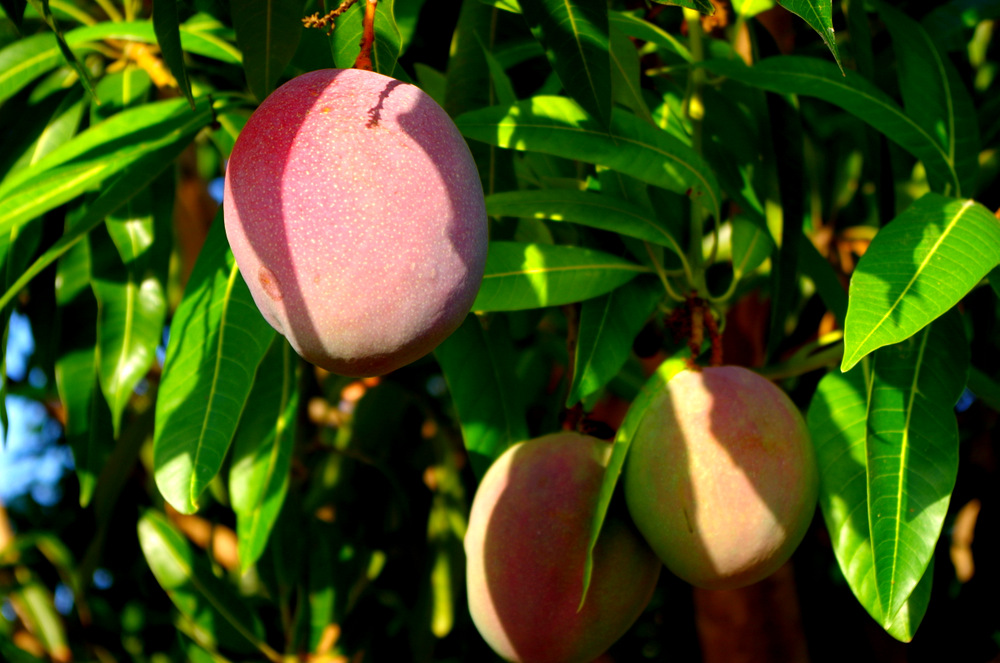
Mangoes

IMGP3497
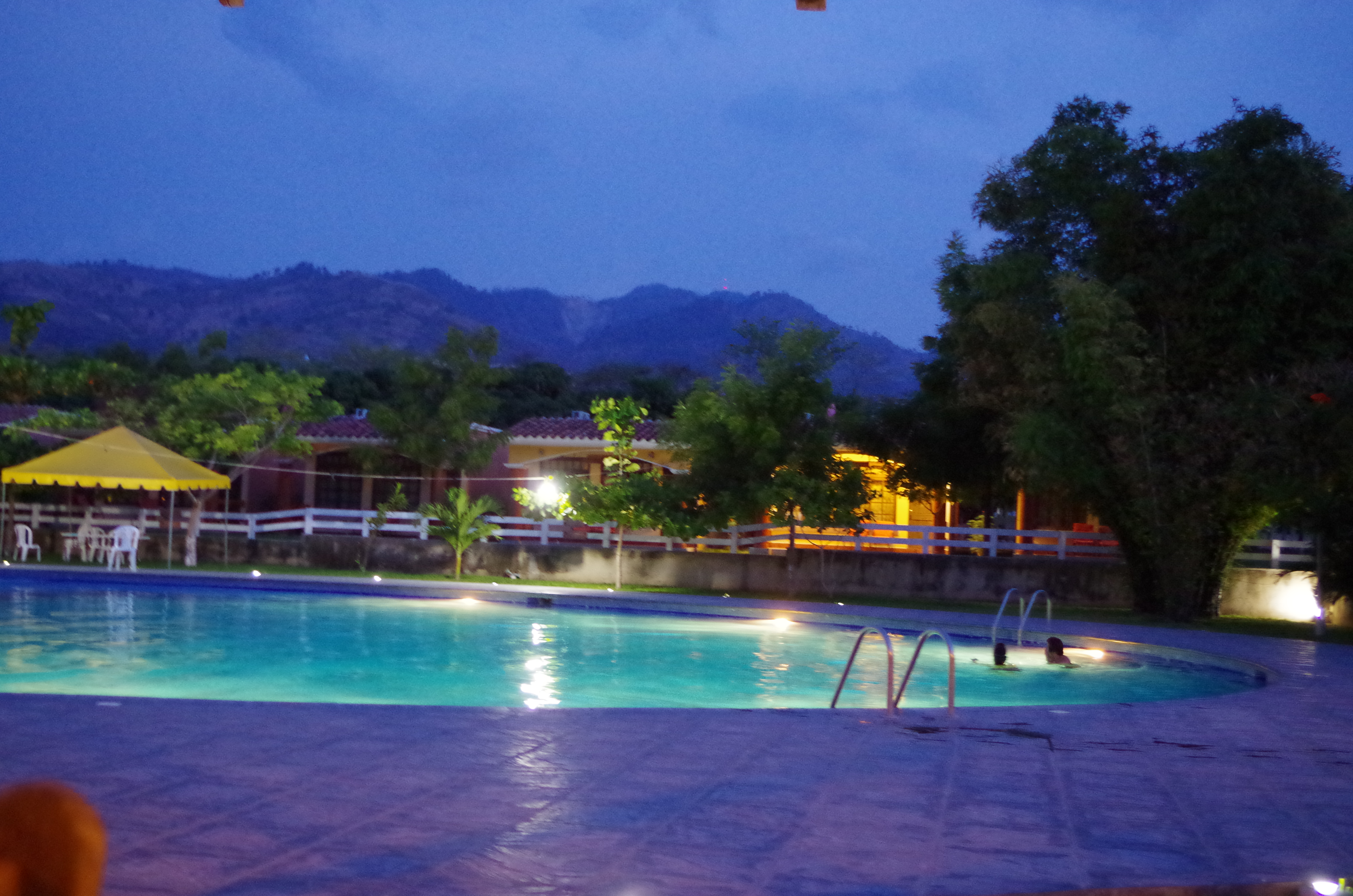
They rent cabanas and have a  nice pool and facilities, near the race track they have a nice restaurant and more lodgings. When we asked if we could camp they showed us an area in the mango orchard, close to the pool. It was a great spot. We lounged by the pool and had it mostly to ourselves, mangoes were ripe and we ate mango müsli every day. Camping was free, use of the pool was 50 quetzals. But it was hot and we like to DO things, it was impossible because you don’t want to move and just stay by the pool.

IMGP3503

Los Laureles pool


This was the case in Honduras too, we just couldn’t hike or bike anywhere because of the heat.
Crossing the border was funny because we got all our stamps and then they wanted 3 copies each of our stamped passports and car papers, well, they do not have a copier and we do not either. So we were told to go back across the border and use the copy guy on the Guatemala side. We did, ate some chicken-rice-bean dish with a few truckers in no-man’s-land and then we were off.
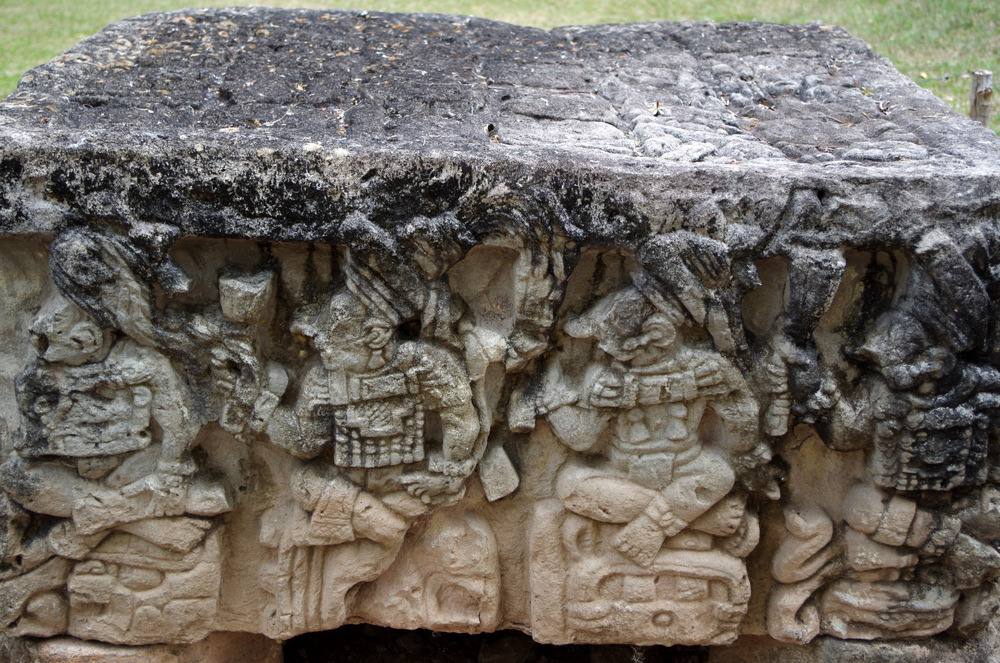
In Honduras we went straight to Copan, beautiful ruins and where it all started for the Mayas. It was nice in a way to close the loop of the Maya ruins here at one of the oldest sites.

IMGP3541


IMGP3514

20150514_092346

Copan


We drove through the gentle rolling hill country on nice new roads, a treat after pothole country Guatemala. Most of Honduras is wooded and hilly, with a few mountains, lakes and waterfalls. The little town of Gracias was our next stop, we read about the hot springs south of town and we decided to hike the 4 km to Los Thermales el Presidente. Well, hiking on trails from farm to farm can get confusing, we asked passing farmers and children about the way to the “Thermales” and after a while we did find it. Not before Günter was attacked by a pack of dogs though. He could not find a rock to throw and ended up kicking the ones snapping at his legs. The whole time I stood there and the dogs ignored me, finally they gave up on Günter and left. Needless to say, since that day Günter hikes with a bamboo stick.

20150515_103431-1

getting directions!

20150515_100416

20150526_174626

Moto Taxi

The hot springs were delightful and we spent the better part of the day there. For the return trip we took a moto taxi. On our hike there we passed men with revolvers in their belt and really did not want to meet them on the trail on our way back in the evening.

IMGP3574

IMGP3579

Gracias

IMGP3562

Hot springs

IMGP3567

Next we drove to lake Yojoa, got a camping spot in the orange grove of Finca Las Glorias.
They own beautiful Andalusian horses and I really enjoyed being close to a horse pasture and – yes- smelling them too. We hiked through coffee fields and forests, sat in the shade and read, it was “muy tranquilo”. The D&D brewery not far from there had good home made beer and our next camp spot was finca “Paradise” close to the brewery . We were all alone in the jungle, with our own little pool and Lenca (indian) ruins.

IMGP3584

Lake Yojoa

20150517_133607

Paso Fino


IMGP3664

Finca Las Glorias – Yojoa Lake

IMGP3601

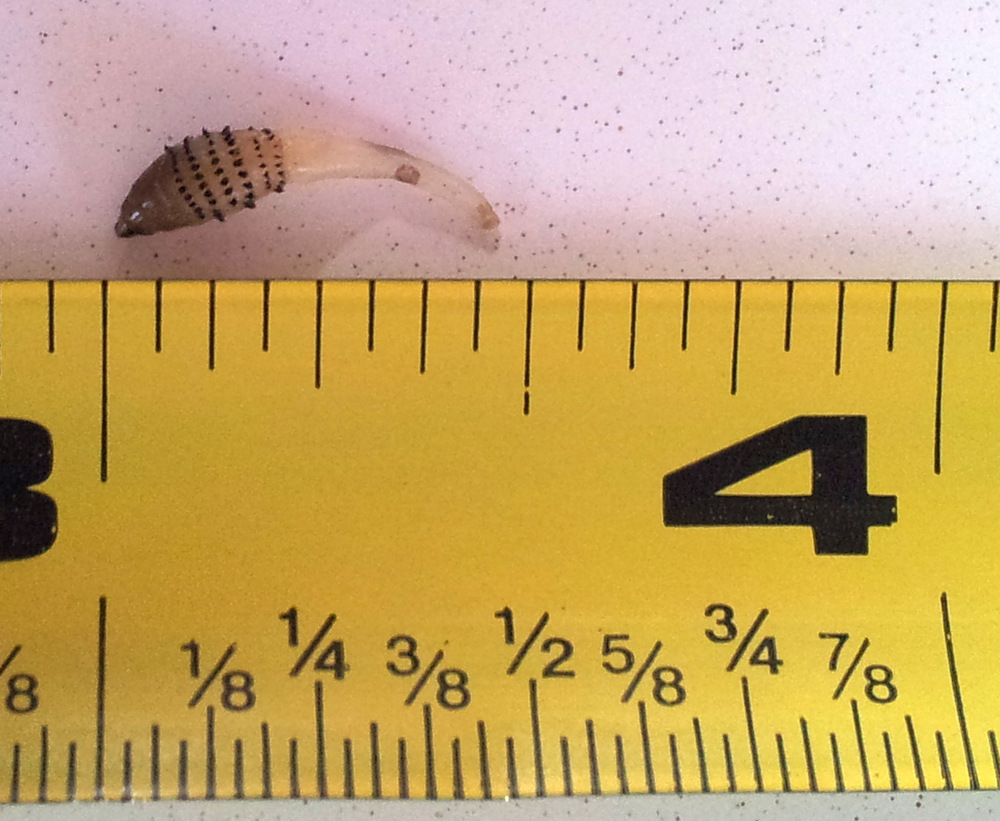
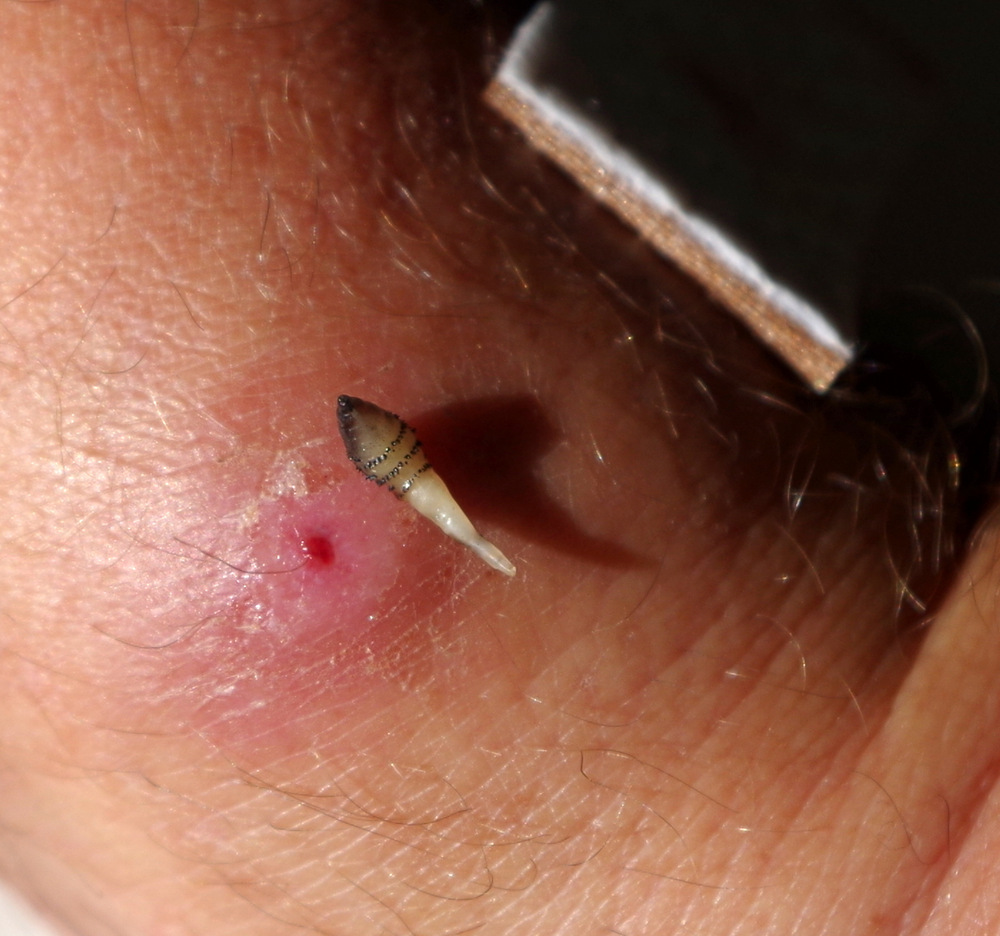
Günter had been complaining about a bug bite on his wrist, it would not heal and looked infected. I put Neosporin on it and a band aid, but if kept festering. So one morning he removed the band aid and told me to pull on the white thing sticking out of the sore. Well, I grabbed it with my fingernails and pulled, and pulled and pulled out a 1/2 inch long plug that turned out to be a bot, a kind of a grub from a fly. Eeeegh. It was from a human bot fly and had been deposited by a mosquito, probably in Belize. Poor Günter, it used to wake him up at night, he would tell me that it hurts and that there is “something in there”. I never thought that there really was. Once the bot was removed his wound healed up immediately and he is fine now. So all you travelers, keep away the mosquitos!

20150519_082311

A sacred Lenca indian site in the jungle.

20150517_071349

Günters bot!

IMGP3634

IMGP3700

Finca Paradiso

IMGP3680 IMGP3683


IMGP3657

Mot mot

IMGP3661

Mot mot

IMGP3718 IMGP3720

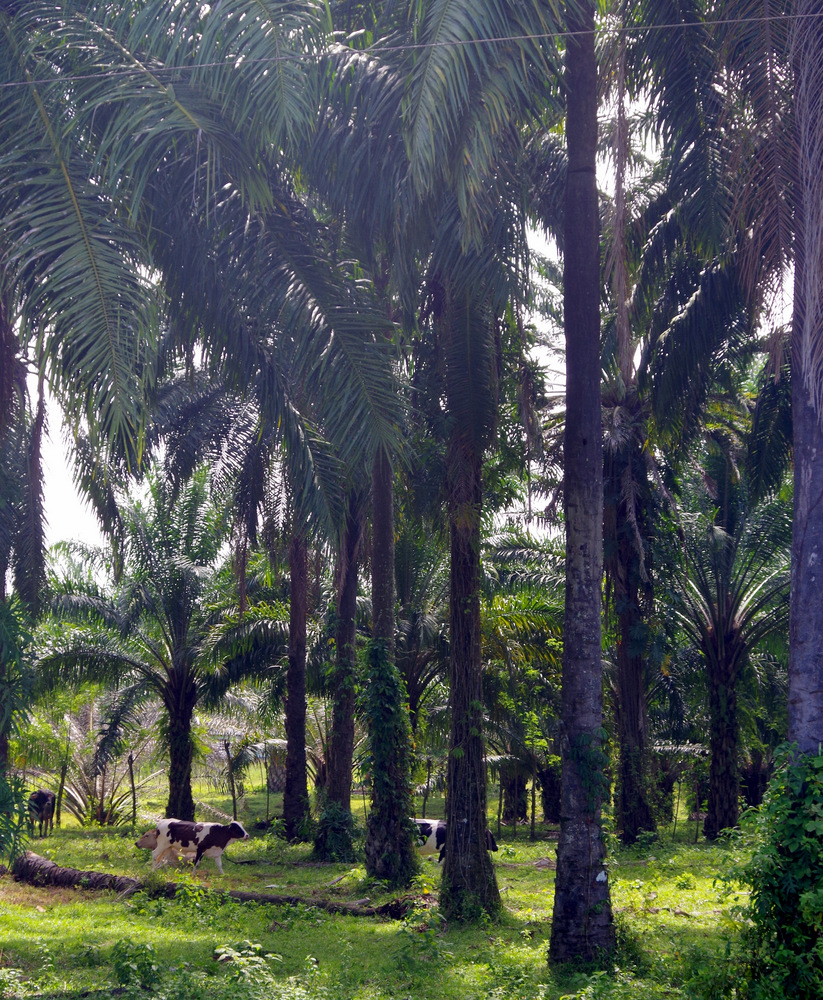
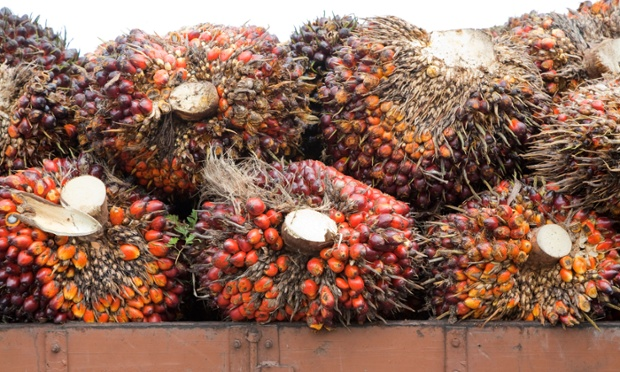
palm fruit

Pallm Fruit for oil.

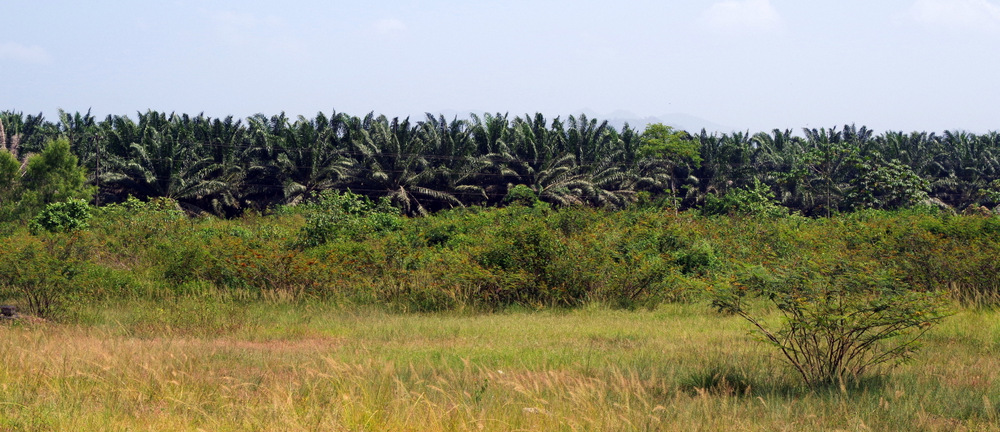
Having read about Casa Alemania in Trujillo on another blog we decided to head to the Caribbean one more time. The drive was amazing, palm –  (for palm oil) banana and pineapple plantations for hours. Dole reigns here.

We were told not to stop for anything on the roads of Honduras, so once a truck in front of us ran over a sow and her piglet, we drove around the dying animals and I got all chocked up. Then we saw a person laying in the grass and a few people standing around him – keep going – . There are ox carts, cow herds, horses and people on the road and driving is not easy, but Günter is a great driver.

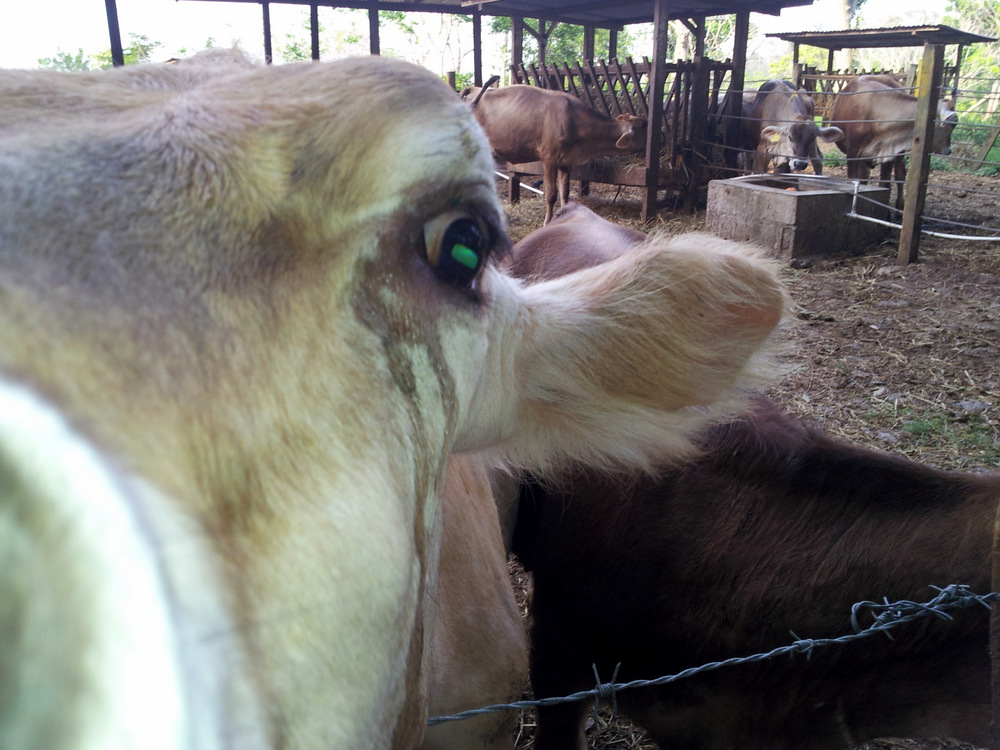
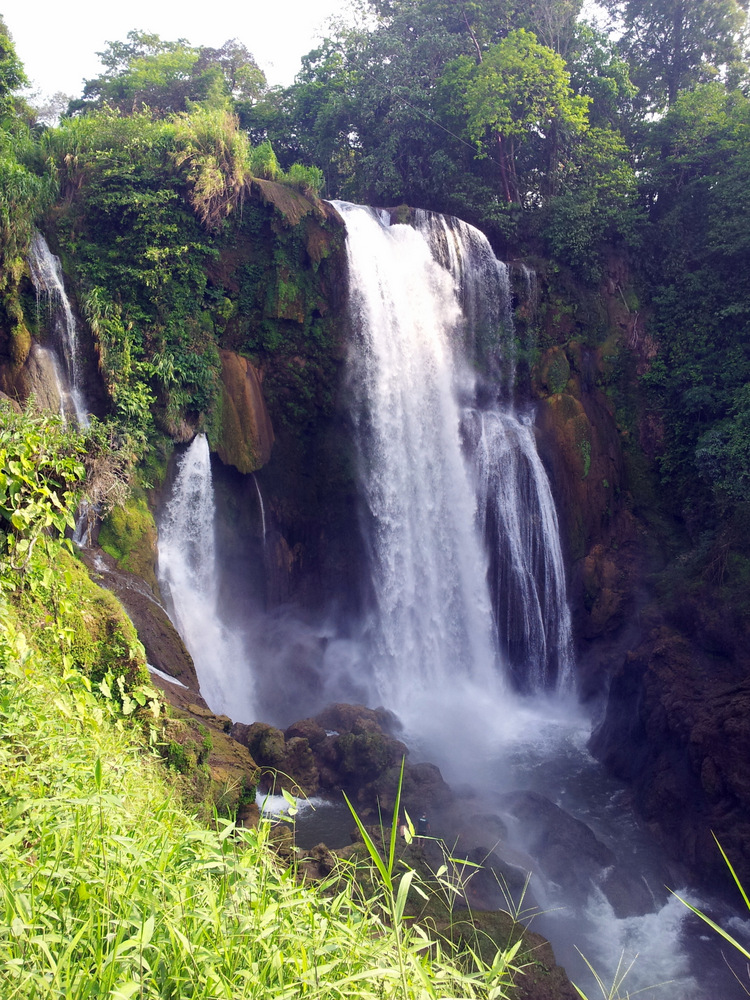
On a stop at Pulhapanzak waterfall in  San Buenaventura we parked beside a farm and when I went to look at the cattle I found them to be Swiss Browns, the cows we have in our part of the Alps. So far away from home they looked out of place, I went and spoke o them for a while in my dialect.

20150520_163209

Vorarlberger/Allgäuer Braunvieh

20150521_092354

Kuhwarme Milch 😉

20150520_153000

Pulhapanzak Falls

Finally in Trujillo we were happy to see Casa Alemania, the nice beach and welcoming wave from Gunter , the owner. Here we had a very relaxed time, Gunters wife and crew cooked great meals for us and we spent hours listening to Gunters stories. The other guests were all young people from the US and “on a mission” as they told as when we inquired. Trujillo was once an important port and the place where Columbus first set foot on the American continent. There is a fort in the center of time, a shady square, Pentecostal – Evangelican – Jehova Witnesses – Mormon and whatever else churches were lined up and all pretty busy on Sunday morning. We started walking around with our umbrellas, like the locals, better than a hat that just makes your head hotter. For refreshment we went to “Vino Tinto”, where John, an expat from Great Britain serves big beers and lots of stories.

20150522_063449

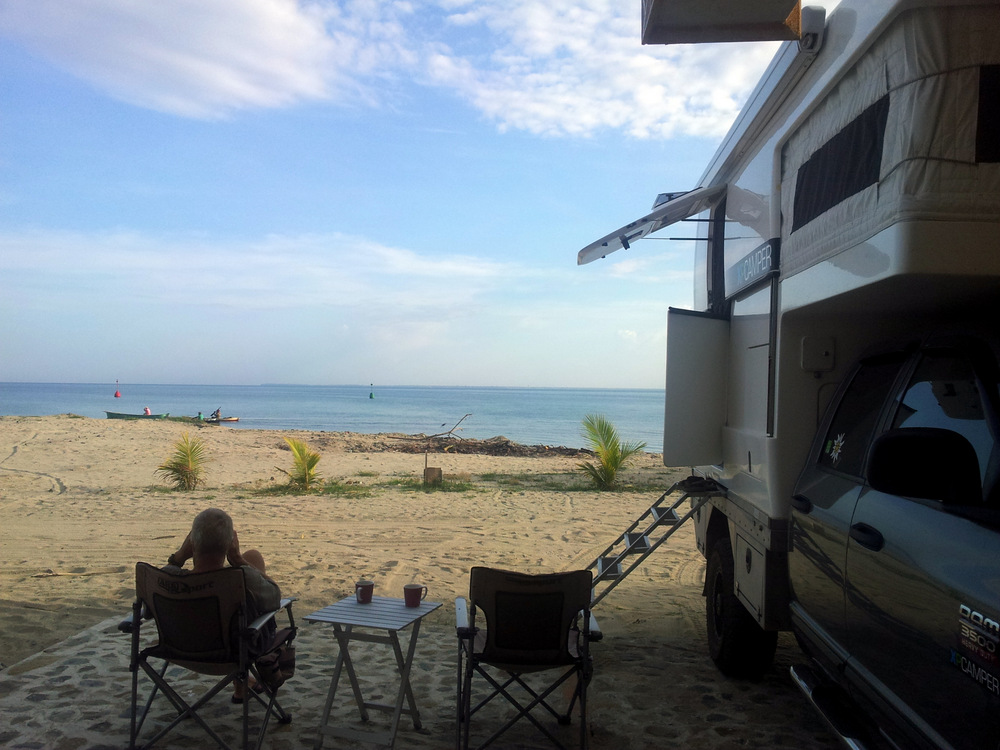
Our campsite at Casa Alemania, Trujillo.

20150522_125037

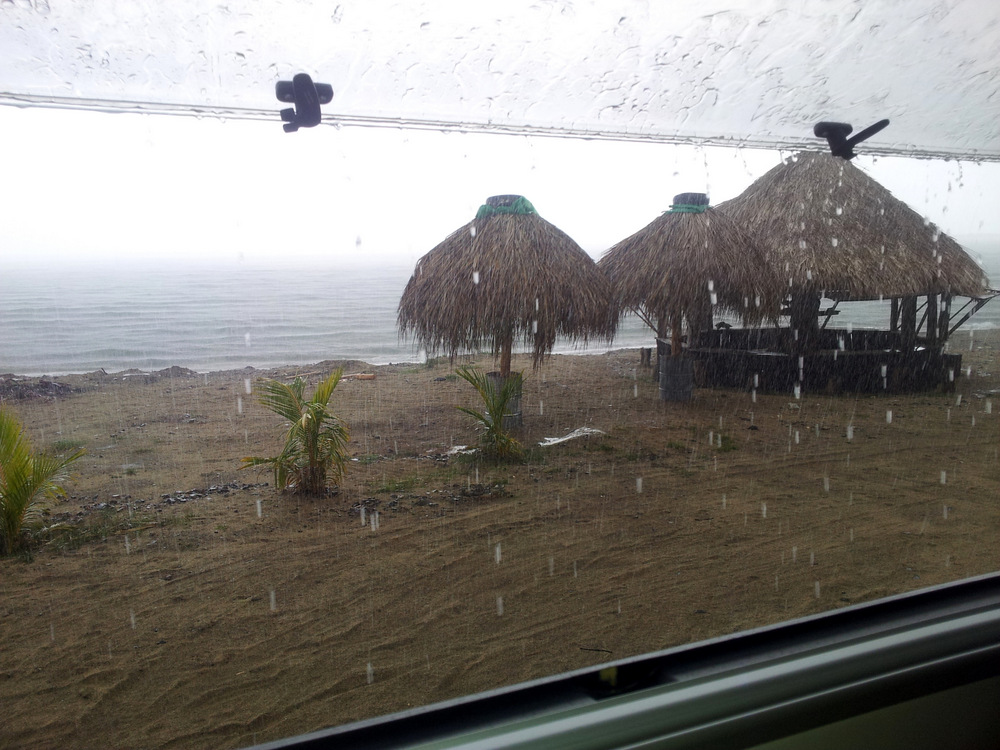
Tropical down pour in Trujillo.

20150523_115308

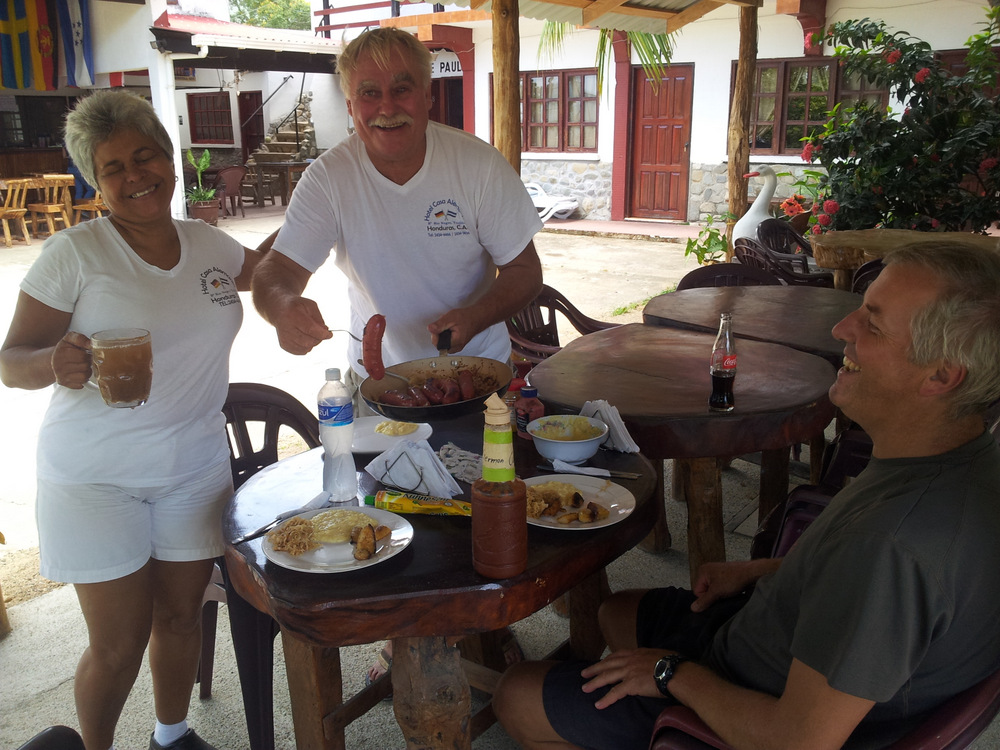
Gunter and Paula, our hosts at Casa Alemania, serving us Bratwurst und Sauerkraut.

20150524_100025
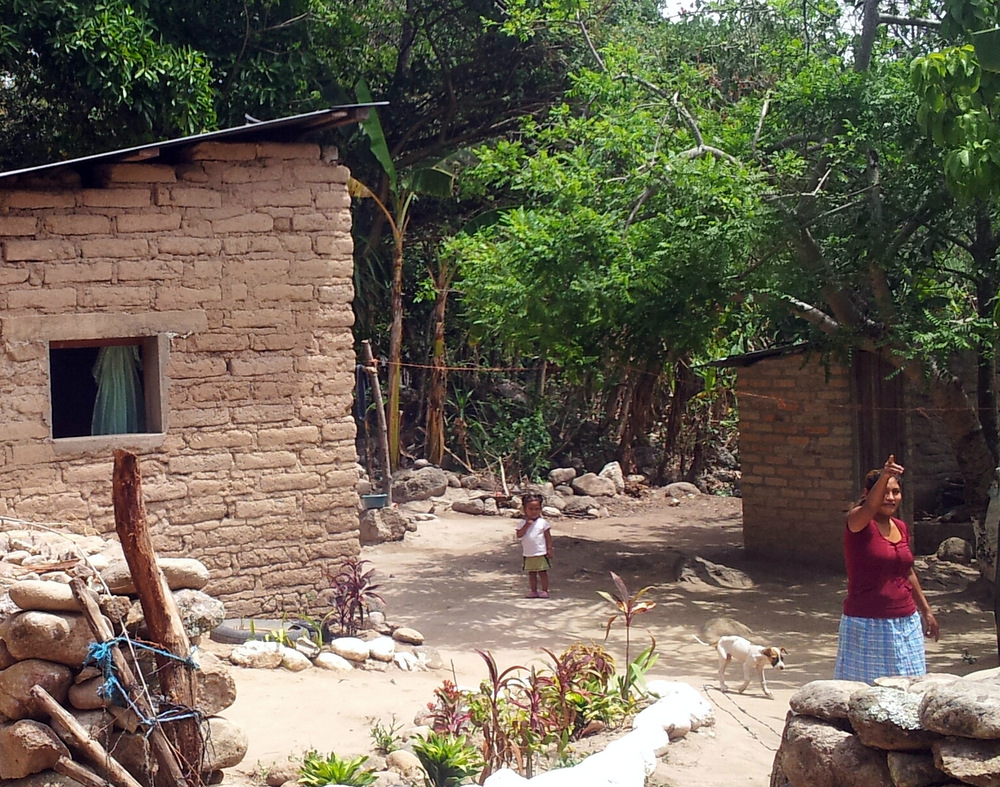
Günter’s sister will join us in Costa Rica mid June, so we had to start planning our time a little, something we haven’t done much. We still had two countries ahead of us and decided to start heading in the Nicaragua direction. One more stop was required and we chose El Tigre National Park. From Trujillo we turned off the main road and drove over the mountains on an unpaved road. The N 41 from Mame to Limones. It was a very beautiful drive, I can only recommend it. People wave at you and you can see how the farmers live in the mountains. Some of the mud brick homes were white washed, some even with ornate designs along the bottom.

Here some pictures of that drive:

20150525_120917

N 41

20150525_120358

The mountains and pine forests of NE Honduras

20150525_122912

A farm in the mountains.

20150525_124309-1
IMGP3734

IMGP3722

IMGP3724

IMGP3725

We drove down the southside of the mountains and headed for Valle de Angeles and El Tigre National Park.

The drive up to the entry of the park was tricky and cannot be done without 4×4 and high clearance. We parked alongside the park entrance building and former hospital of the El Rosario mine above San Juancito. For decades the Rosario Mine was one of the greatest sources of gold and silver in Central America. (1880 to 1954)
Although the mine has been shut down for more than half a century, its importance was such that an engraving of the mine buildings as they appeared in 1893 still appears on Honduran currency, on the back of the 500-lempira note. It was owned by an American company. After two nights beside the building and a great hike in the cloud forest we took off for the Nicaraguan border.

El Tigre NP pictures:

20150526_115311-1

Hiking to the cloud forest in El Tigre NP

IMGP3749

Wild bromelias and ochids grew everywhere.

20150526_141429

The trail.

20150526_135837

20150526_152933

El Tigre

20150526_160508-1

El Rosario camp site, no security, no problem. Horses and people passed us all day.

The drive back down:

20150527_081525 20150527_081458

20150526_095100

El Rosario

lempira2-130

El Rosario on 500 Lempira note.

IMGP3752

El Rosario and where the camper was parked.

IMGP3735

20150526_083737

The little town in Valle de Angeles in El Tigre NP

Suggested reading:

My Amish Childhood   by    Jerr S. Eicher

Enrique’s Journey   by  Sonia Nazario


Go back

Your message has been sent

Warning
Warning
Warning
Warning

Warning.

Posted in Honduras | 3 Comments

Guatemala

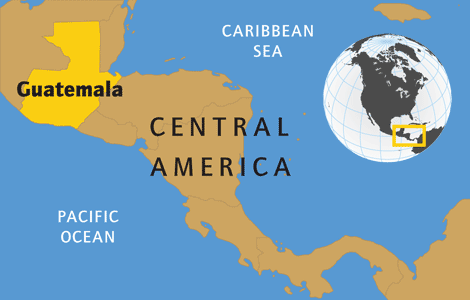
Crossing the border from Belize to Guatemala is a complicated undertaking. But I think they all are.

There are papers to sign, copies to be produced, fees to be paid and you have to wait and wait. We finally got our paperwork and window sticker and drove off, just to get stopped again at a little bridge where a young lady charged 50 quetzal to cross. Günter tried to barter but she started to yell at him, so: Ok – we paid.

Bienvenidos a Guatemala.

Here some impressions from the drive to Atitlan.

IMGP3300

20150427_13061220150427_130358

20150427_15480620150427_154734

IMGP3360

20150428_083609-1

Waiting for the bus.


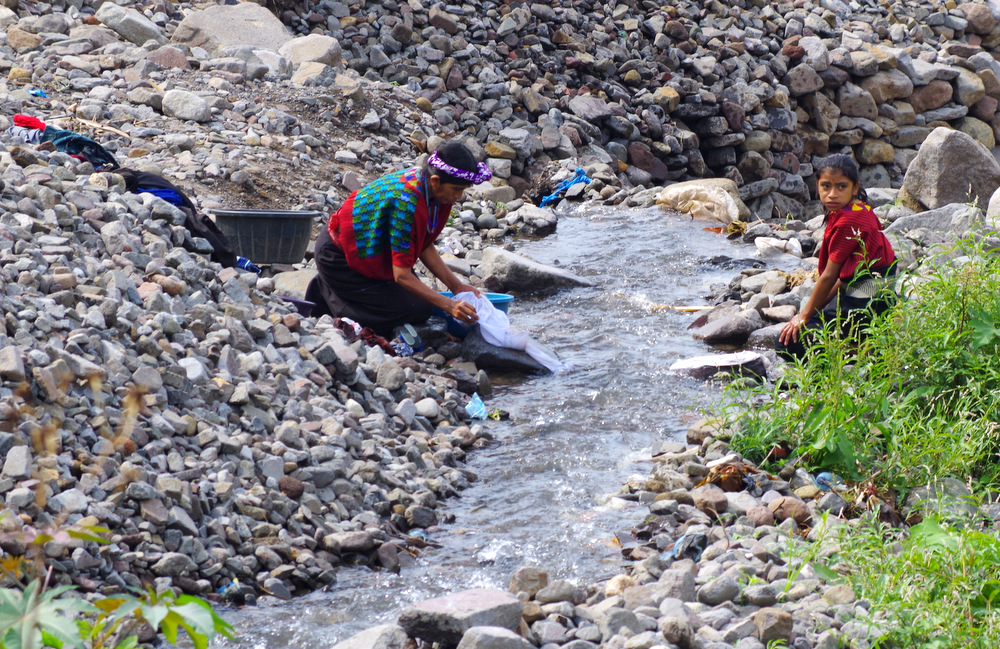
By now the thermometer hit 40° C and we beelined for the Verapaz Alta region. We did not go to Tikal because we had been there previously. I had read a book about coffee (“Uncommon Grounds”) and wanted to see the area where many German families had settled in the mid 1800s to grow coffee and spices. Coffee grows at certain altitudes and is not a hot climate crop. It was a long dusty drive on sometimes good – but mostly bad narrow roads winding their way up and down mountains. At dusk we were still far from Coban, there were many people on the roads; colorfully dressed groups of women walking with bowls of corn kernels on their heads, even little girls had their little bowl with grain balanced on their little heads as they walked and talked. Many people carried heavy loads of wood and plastic jugs of water. The bridges were almost not passable because of all the people getting water, doing laundry and bathing. Even the “Bomberos” fire trucks were stopped on bridges to fill their tanks. All this slowed us down and we ended up driving into the dark, something one tries to avoid. When the sun goes down and it gets cooler, more people come out of their homes to go about their business, they appeared out of nowhere and we were worried that we would hit somebody. It was stop and go in the dark at times, when we finally arrived at “Holanda”, an Eco Hotel south of Coban, Günter was worn out. Eco can mean anything, from a pool to a zip line which, by the way, is called “Tyrolesa”. I guess they think that’s how the Tyroleans in Austria get around. In Europe and Australia they call it “Flying Fox”, that could be a fruit bat or a good-looking woman zipping around on a wire?

20150426_163029

Walking through the fields near Coban.


20150426_162852

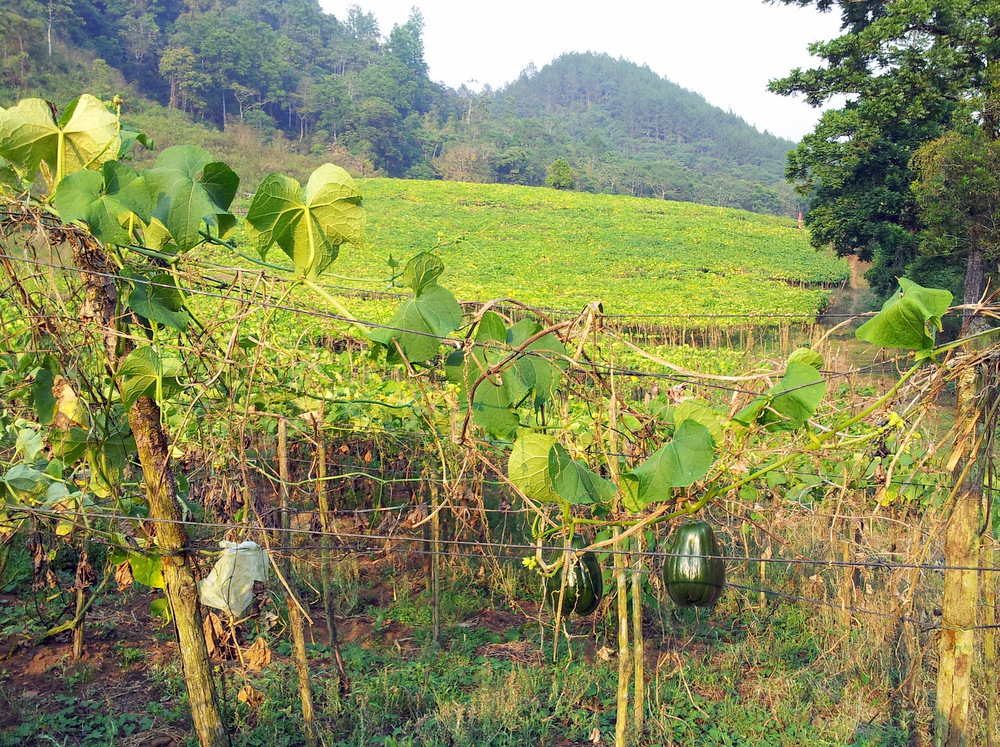
Chayotes, (a squash) we love to eat them.


20150427_112452-1

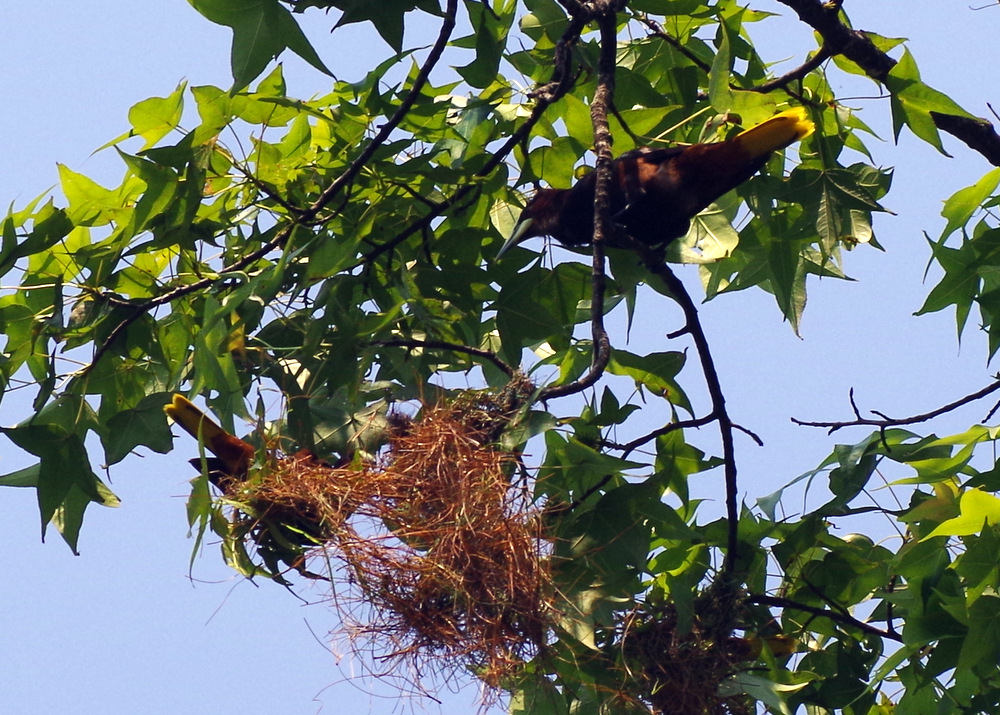
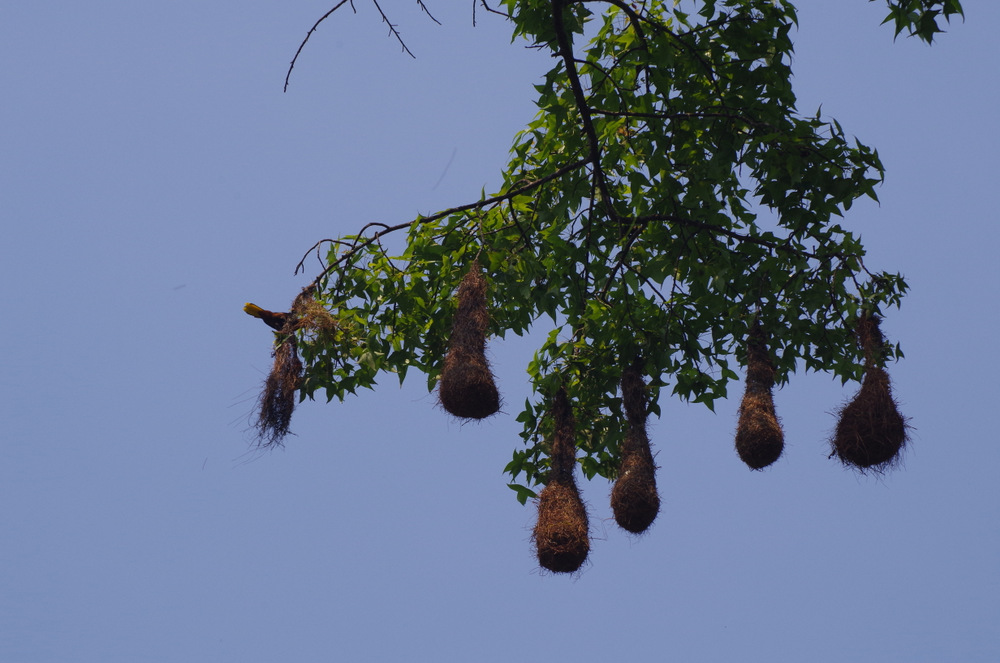
At the “Holanda” the night guard let us in, he was a slight young man with a BIG gun, never ever saw him without that big gun the whole time we were there. It was peaceful under the trees at at this camp site, it is not really a camp ground, just a little park, and we enjoyed it. A colony of birds (Montezuma Oropendola) had hanging nests in the big trees above us; they made funny sounds, from gurgling to whistling.

IMGP3311

Montezuma (Stirnvogel) oropendola building another hanging nest.


IMGP3306

The colony.


After the crazy drive Günter needed a break, so we stayed for a few days, went for walks through the surrounding farm land and visited the little town of San Juan Chamelco. Nights were cool and daytime temperatures hovered around 25° C. What a treat.

The road from Coban to Ustapan was rough and dusty, for the big trucks we tried to share it with it was just another day at the office. They were barreling down, creeping up and barreling down again. The same with the busses. By the time we got to Uspatan we were ready for a break, but the only hotel with a parking lot did not have room for us. So we drove on to the next town and found one hotel with an enclosed parking lot. Funny thing was, when I asked the owner if we could park there, she said we are taking up space for three cars so it would cost us 3x 70 quetzal (=U$ 28.00). That was steep and when I asked what a room costs she replied that a room with bathroom and shower costs 100 quetzal and parking is free (go figure) – we took a room. It had not window except for a little opening in the bathroom wall. We took the only room with a fan, a rusty-dusty-noisy one-legged contraption and tried to leave the room door open for a while. I was afraid I would suffocate in there, the lumpy bed had a threadbare sheet that barely covered the mattress, no top sheet and one frayed towel, that was it. There was no water and it took Günter a while to get them to turn it on. But we were in Guatemala and not in a town that sees many tourists, we had to adjust to their standards. We slept ok, the fan drowned out any noise from outside, there were fire crackers and lots of different music in town, the fire crackers are very popular in Guatemala and go off every night in every town.

20150427_170719-1

Pop is very popular.


20150509_083417

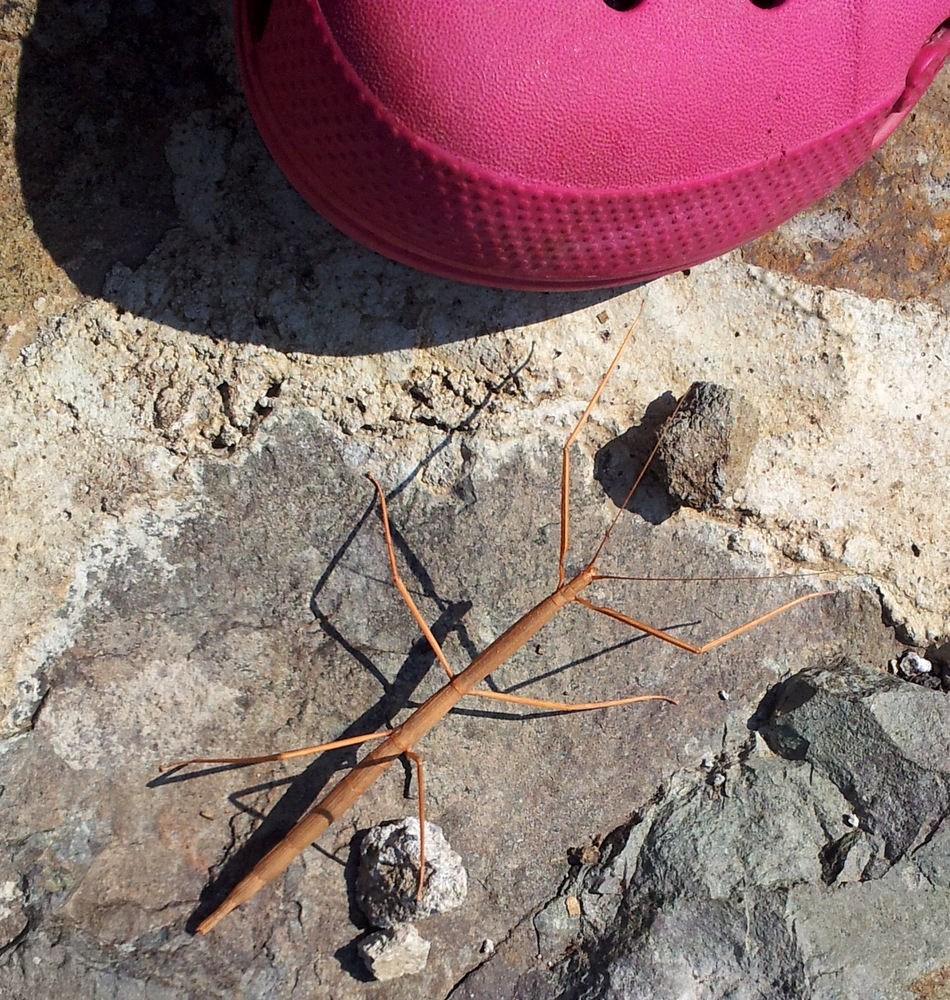
Yes, it is alive, a stick insect.


When we left the next day it was one of the few times on our trip where I was glad to move on.

The town was filthy and the river was too. Plastic garbage is such a curse, we western countries hand it out to them, bags and bottles, but when it comes to proper disposal, there is no help from all the companies that sell them the stuff. So it goes in the ditch, gets washed in the rivers and the ocean, there it washes up on beaches and ends up in animals stomachs. It is chucked out of trucks in the forest and beside the road, blows into fields and hangs in the bushed. It is a disgrace. But enough, I know there is a lot more of this ahead of us and all we can do is trying to minimize the use of plastic ourselves.

IMGP3348

Approaching Lake Atitlan.


IMGP3415

Our home for two weeks, Pierres at Pasaj Cap in San Marcos.


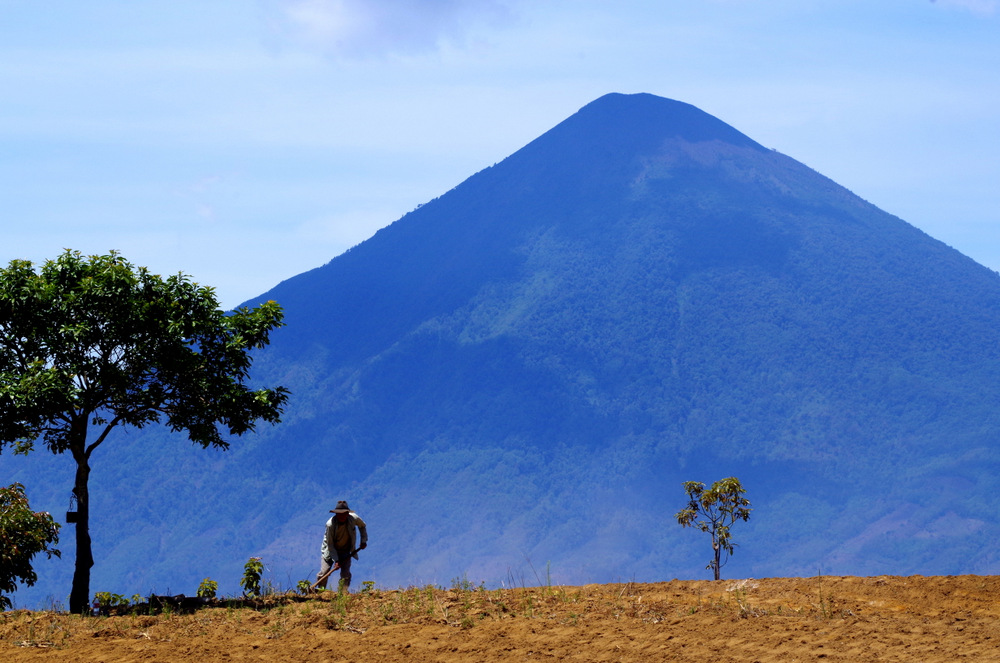
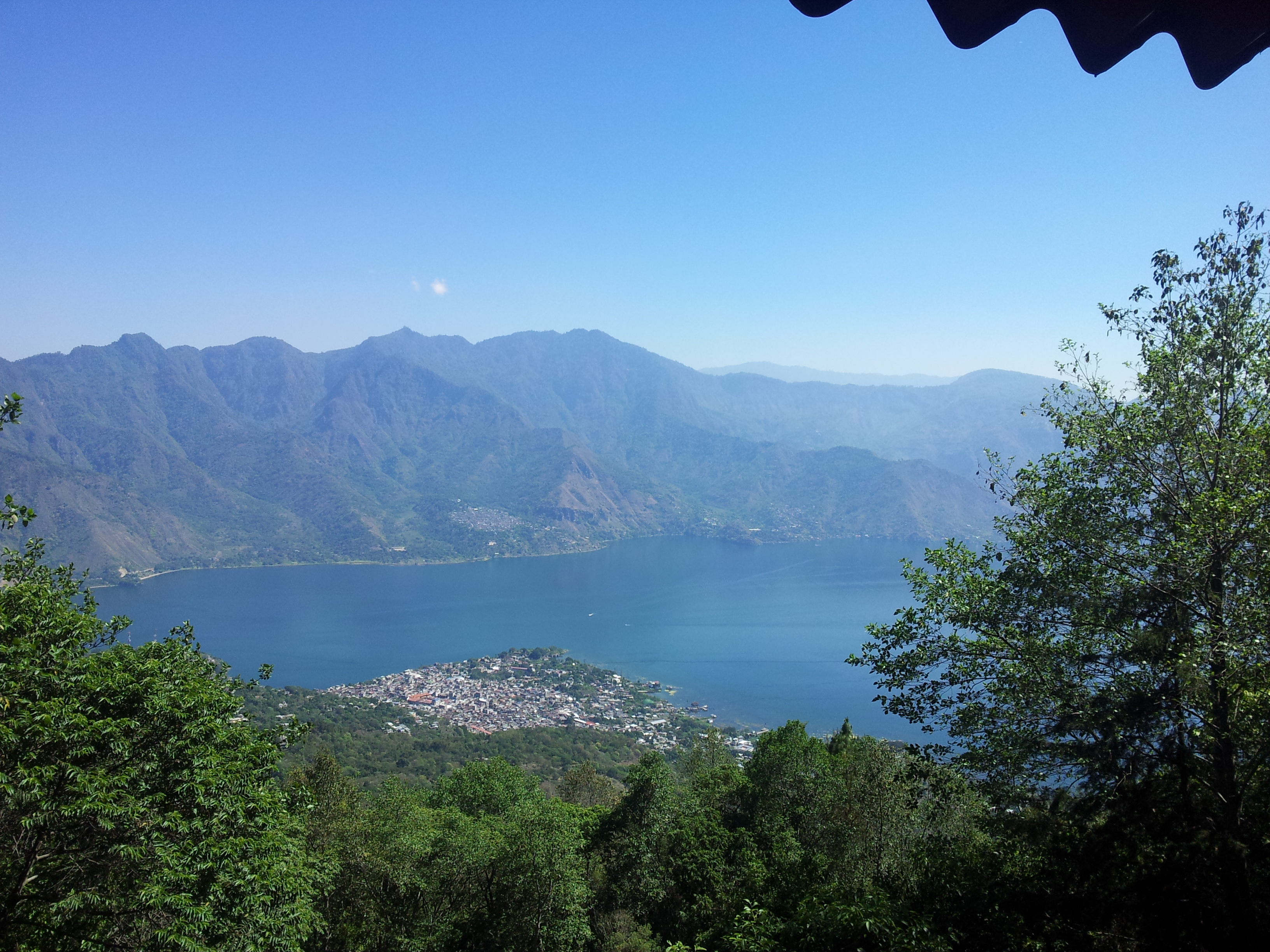
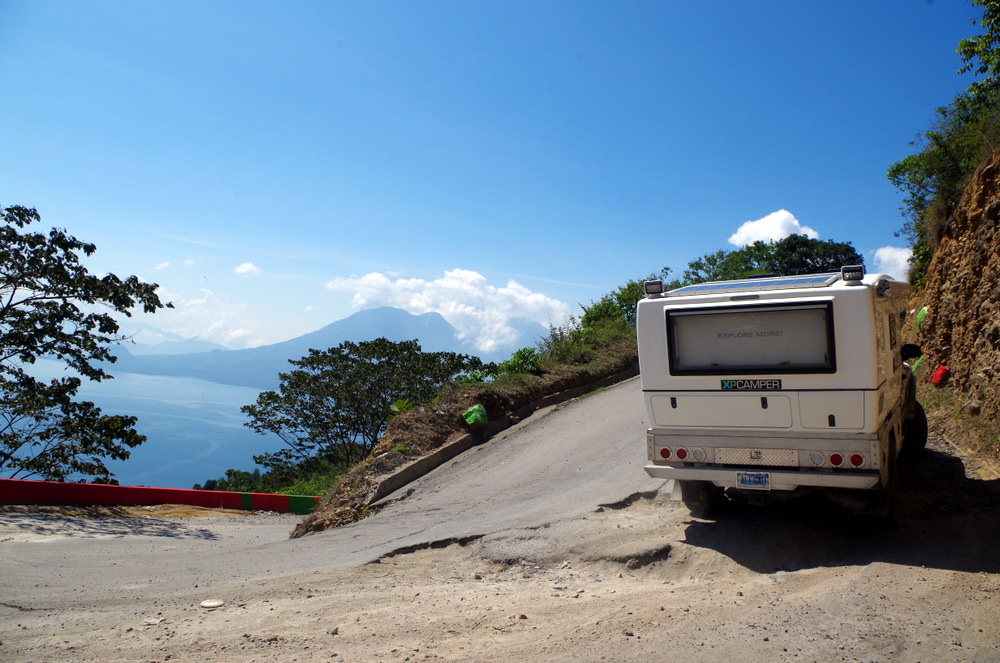
We finally made it to Lake Atitlan and Pierres place “Pasaj Cap” outside San Marcos, a nice estate on the lake, peaceful and lush with garden, trees and a dock from which we swam every day. There our camper stayed for almost two weeks. Vroni and Michael, overlanders from Nürnberg (aber schon Schwaben:-) showed up after we wrote them about this great place. We loved it there, the view was hard to beat, volcano San Pedro right across the lake, the other towns glimmering at night. A resident mockingbird lived nearby and woke us every morning around 5:30 am. I can’t believe how many different songs he had, he rarely left.

IMGP3425

Tropical mockingbird.


IMGP3449

San Marcos was a 10 minute walk away, and Hans aus Ulm was 2 hours away in the other direction. He lives in Jaibalito (no roads to it) and owns a Posada, serves Gulasch and Kässpätzle, sells sausages and German bread, roasts his own coffee, has lots of chickens and ducks, on and on. Günter said that Hans reminds him of an “Hüttenwirt”. We went there twice. A great place and a great guy.

IMGP3363

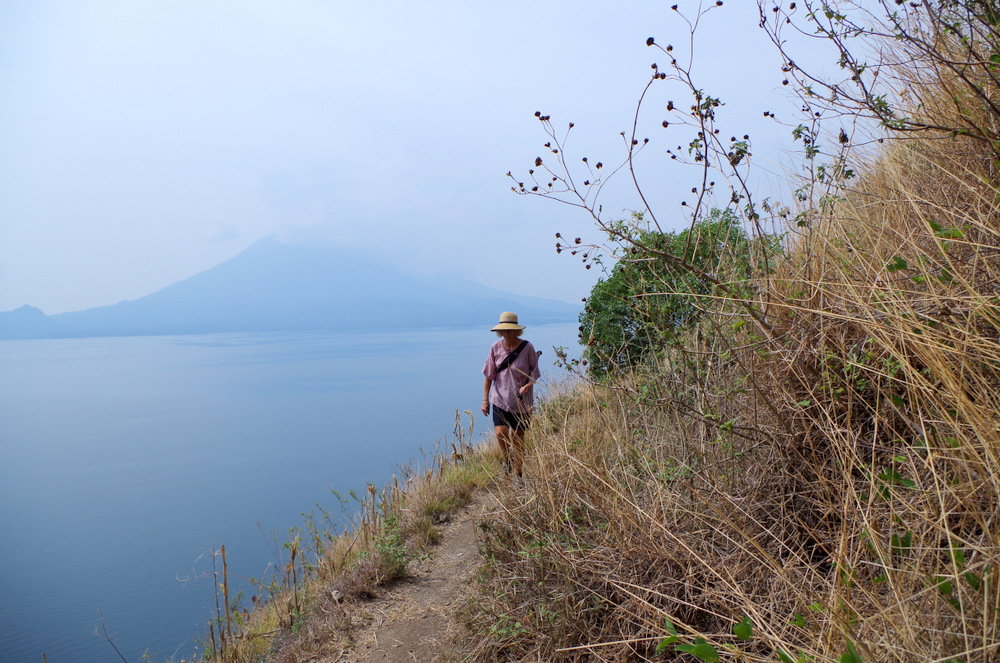
Hike to Jaibalito.


20150430_115538

Hans at Posada Jaibalito.


Of course, if you drink one of those 1 liter bottles of good Guatemalan beer, you can also take the boat taxi back and forgo the return hike.
20150501_112543

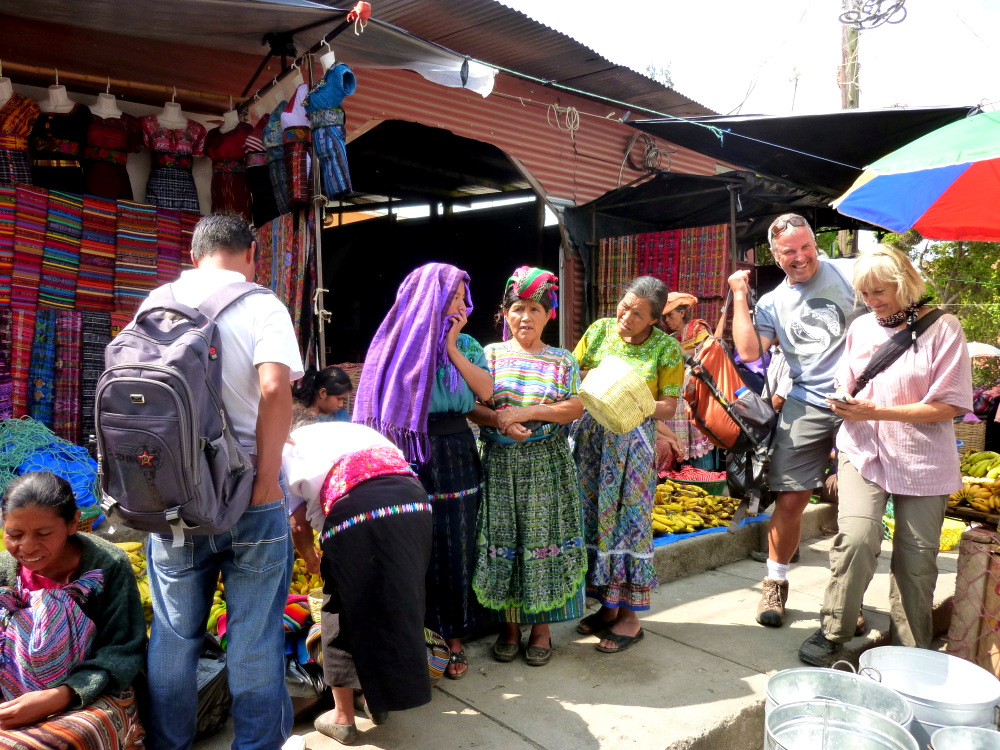
With our friends Vroni and Michael we took a tucktuck and a truck taxi up to the crater rim and after visiting the market in Santa Clara we hiked back down through incredible steep coffee fields.

P1070699

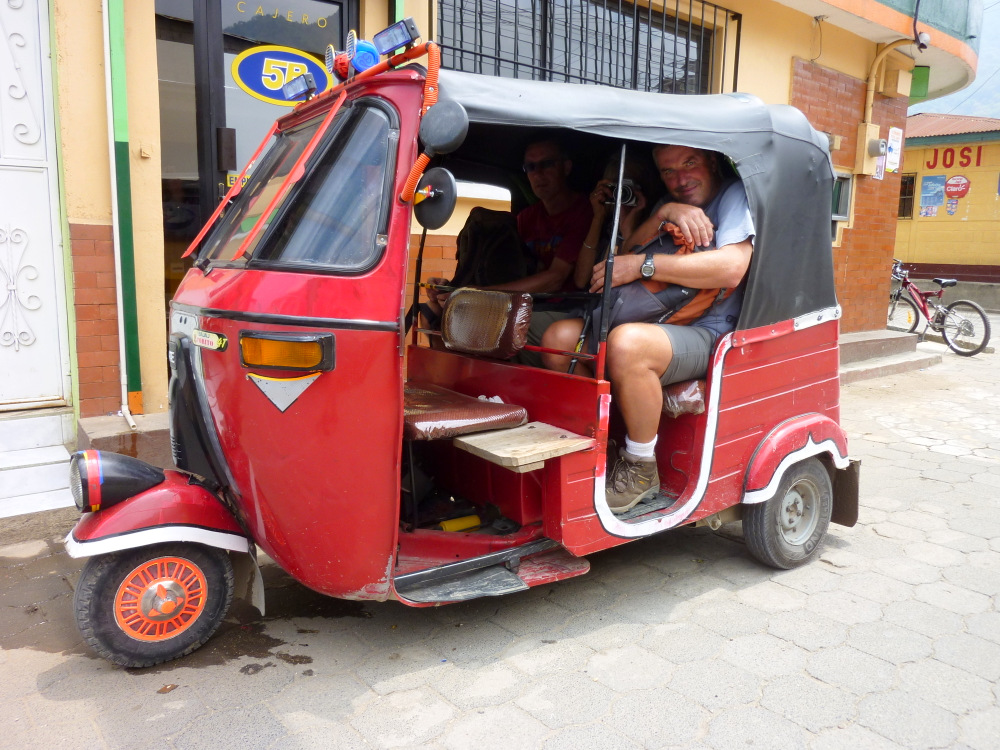
Tucktuck


P1070658

Truck taxi mit Vroni.


20150502_095314

Going to the market…..mit Michael und Vroni.


Between boat taxis, tucktucks, vans and truck taxis one does not need a car here.
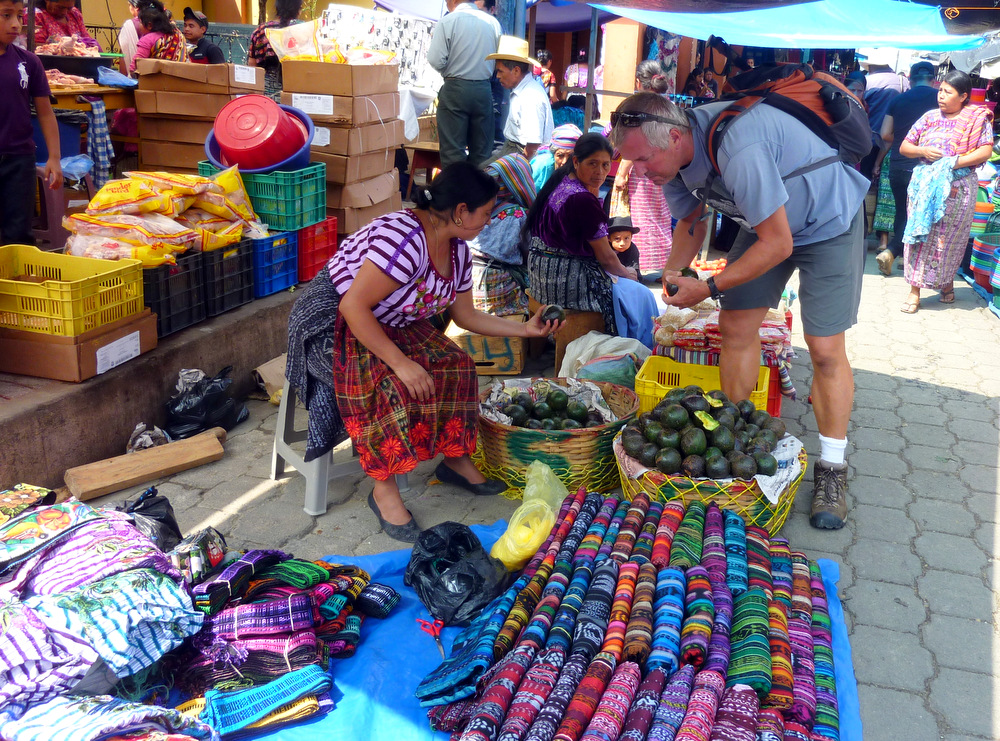
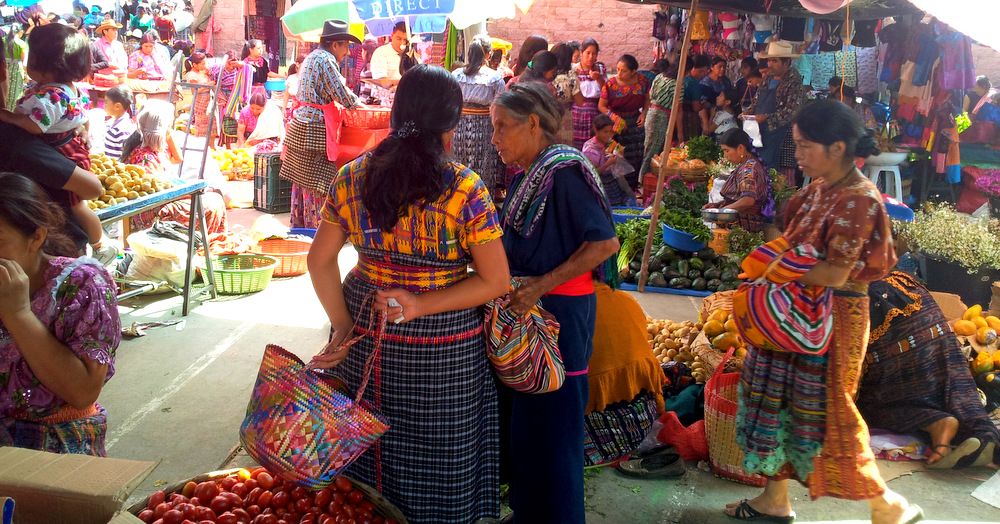
The market in Santa Clara.
P1070678

20150427_105713-1

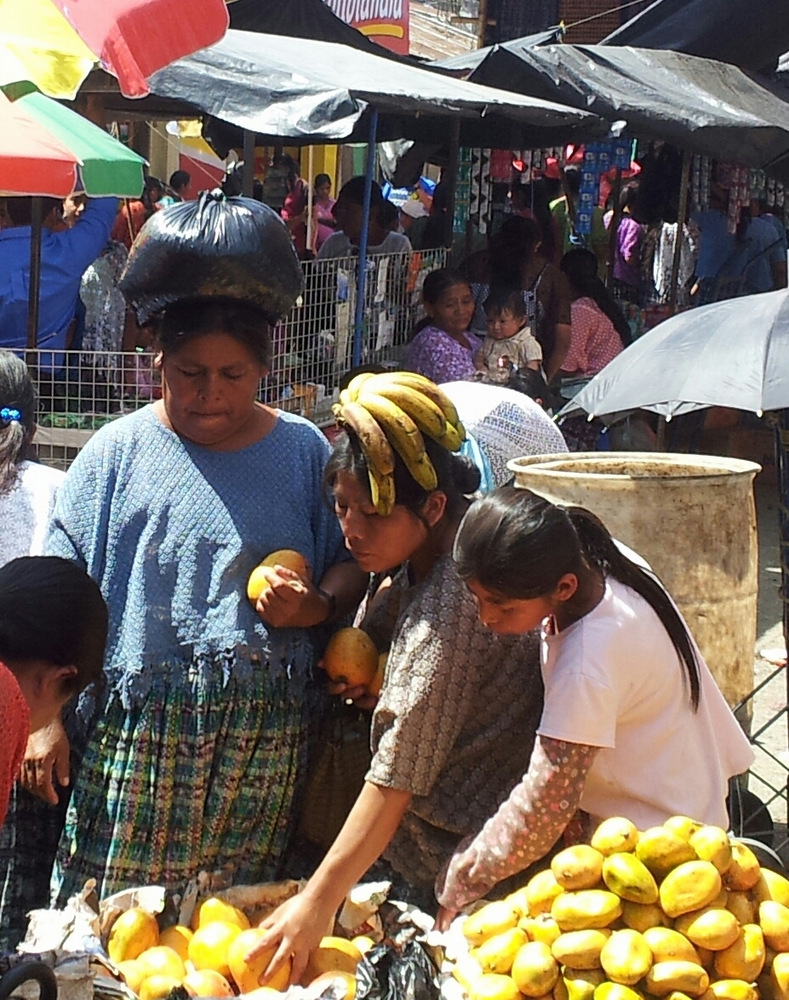
Carry your bananas on your head and you do not need a plastic bag.

20150502_094421

20150502_094034

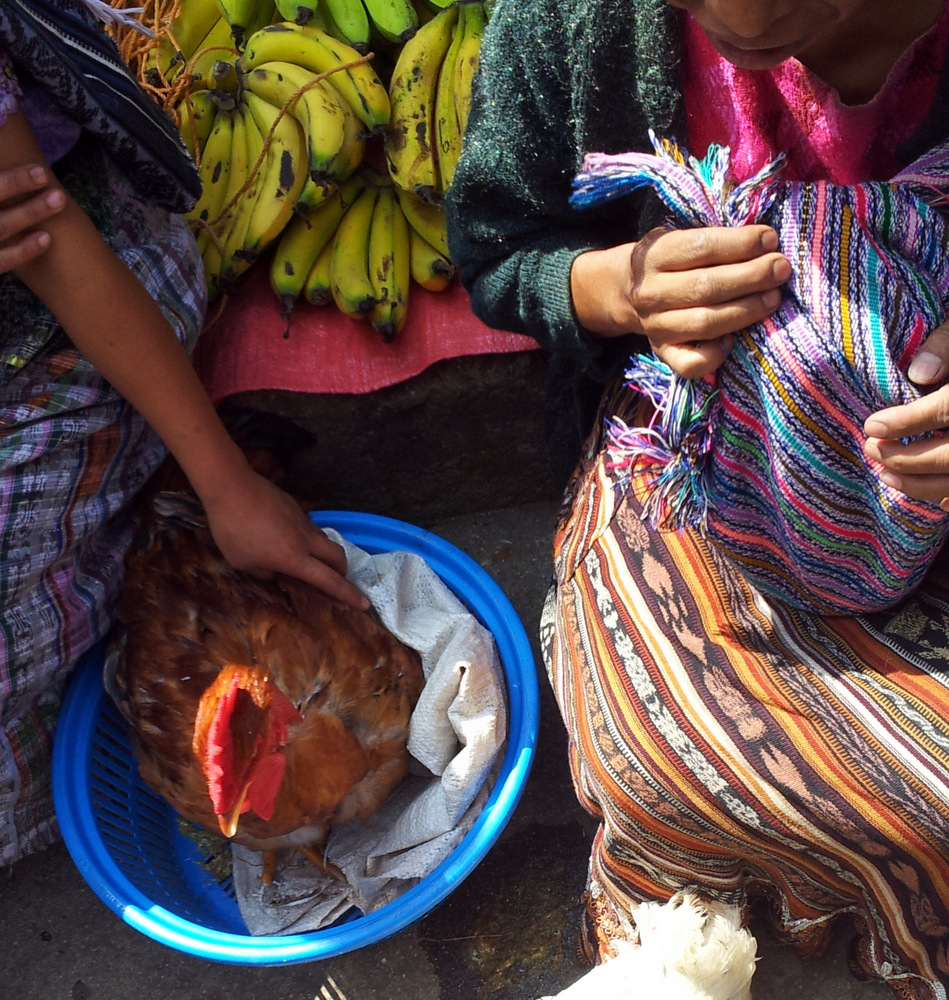
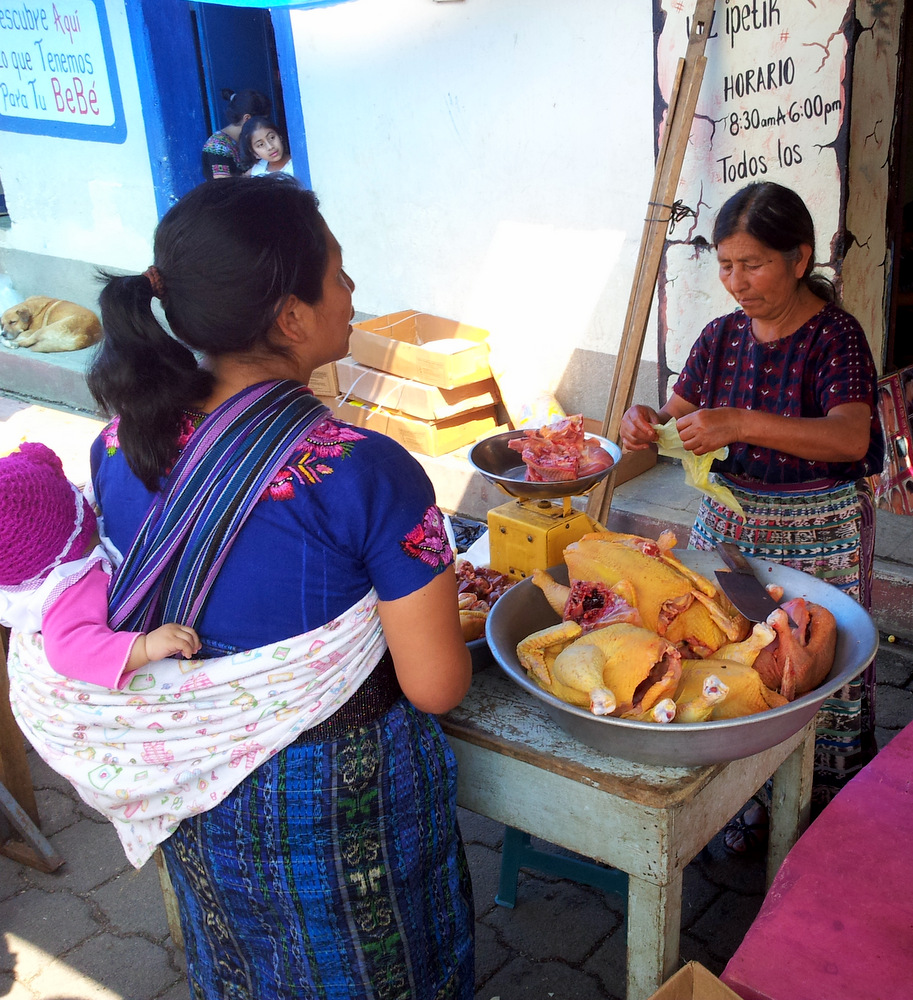
Shot for live chickens……


20150502_092238

……or dead chickens.


P1070674

Gunter climbed the volcano one day, he had to pay a fee to do so and was forced to take a guide but after an hour or so, told him to go home, he did. The view from the top was beautiful, you could see the other volcanos and below the lake.
20150505_094102

View from volcano San Pedro

FB_IMG_1430834130441

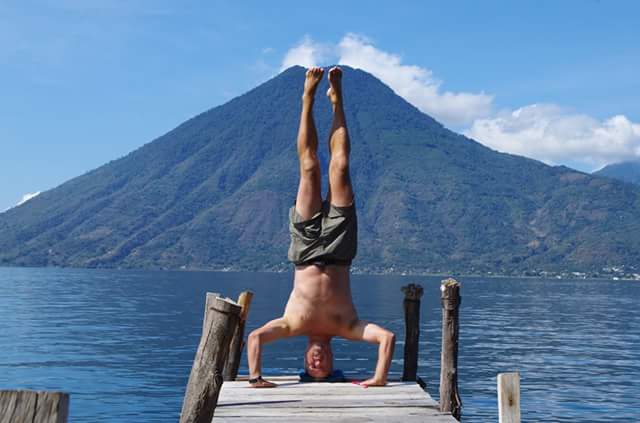
Pasaj Cap head stand.

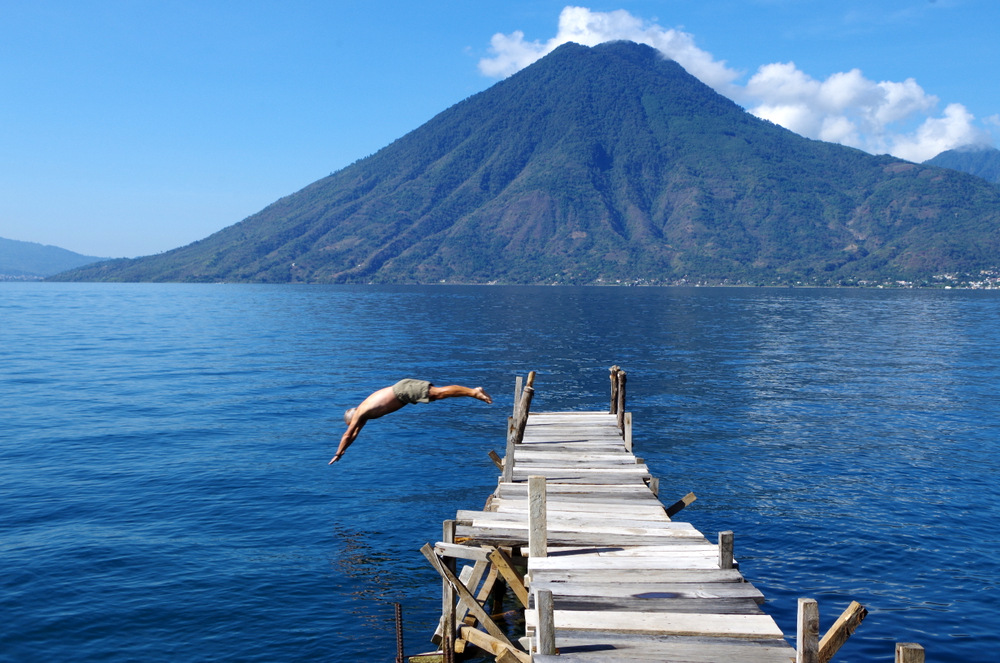
IMGP3455

…and then he jumped.

IMGP3452

IMGP3412

IMGP3474

The road to the lake.
 

IMGP3371


The New Age crowd, backpackers, rastas and baby boomers (some of which I swear still wear the same clothes they wore in 1968) all mingle with the locals in their colorful outfits. Most evenings you hear their drumming across the lake in the evening, and Benjamin aus Wien, in his early twenties, gave us lots of good advice: About how to get rid of parasites in your intestines and about the fact that Costa Rica is as expensive as Switzerland. It never gets boring once you walk into town. Alas, the day we planned to leave for Antigua, Günter came down with the stomach flu, not food poisoning, a gastrointestinal virus. Most of Pierres twelve employees got it, our friends Michael maybe and poor Vroni for sure. So, we stayed a little longer and when he improved we finally left for Antigua, a famous town and former capital city that has seen its share of earth quakes and destruction.
20150509_175622

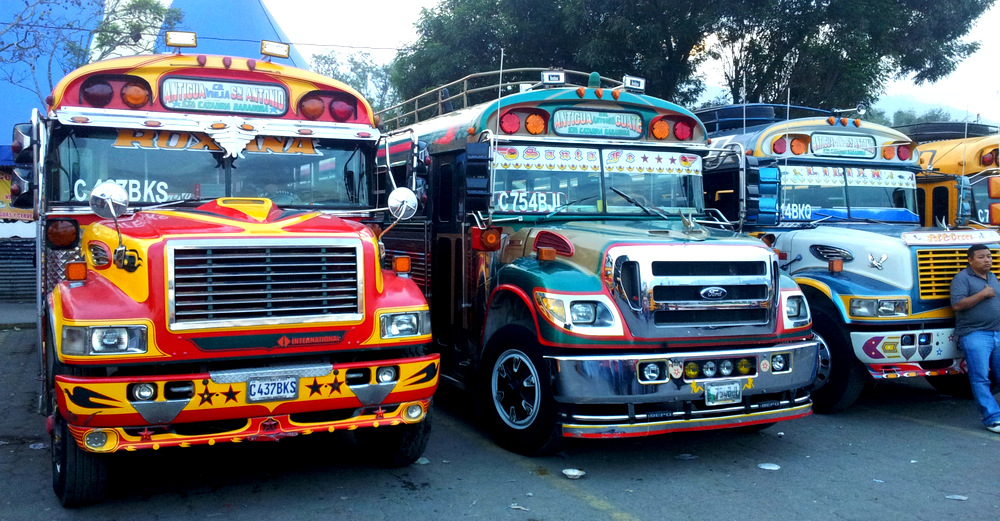
Former American school busses, they drive like they are on steroids.


20150429_135319

Making friends.


20150430_124738

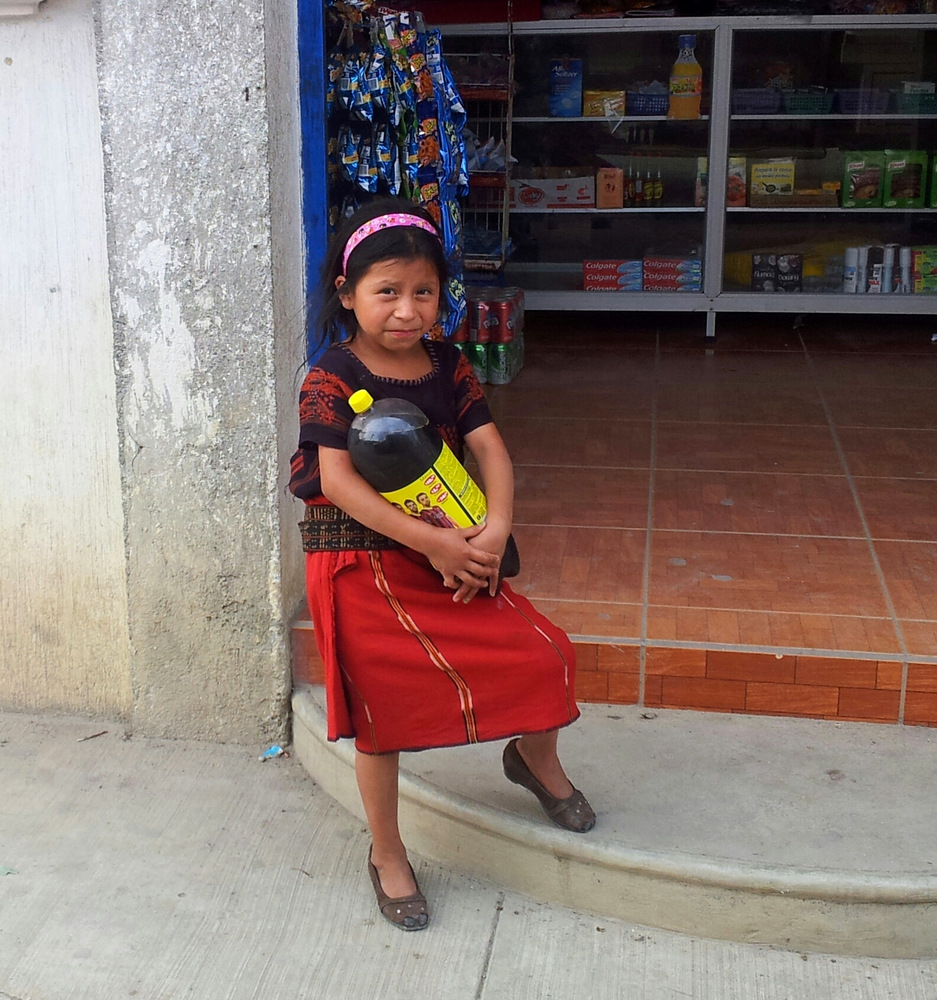
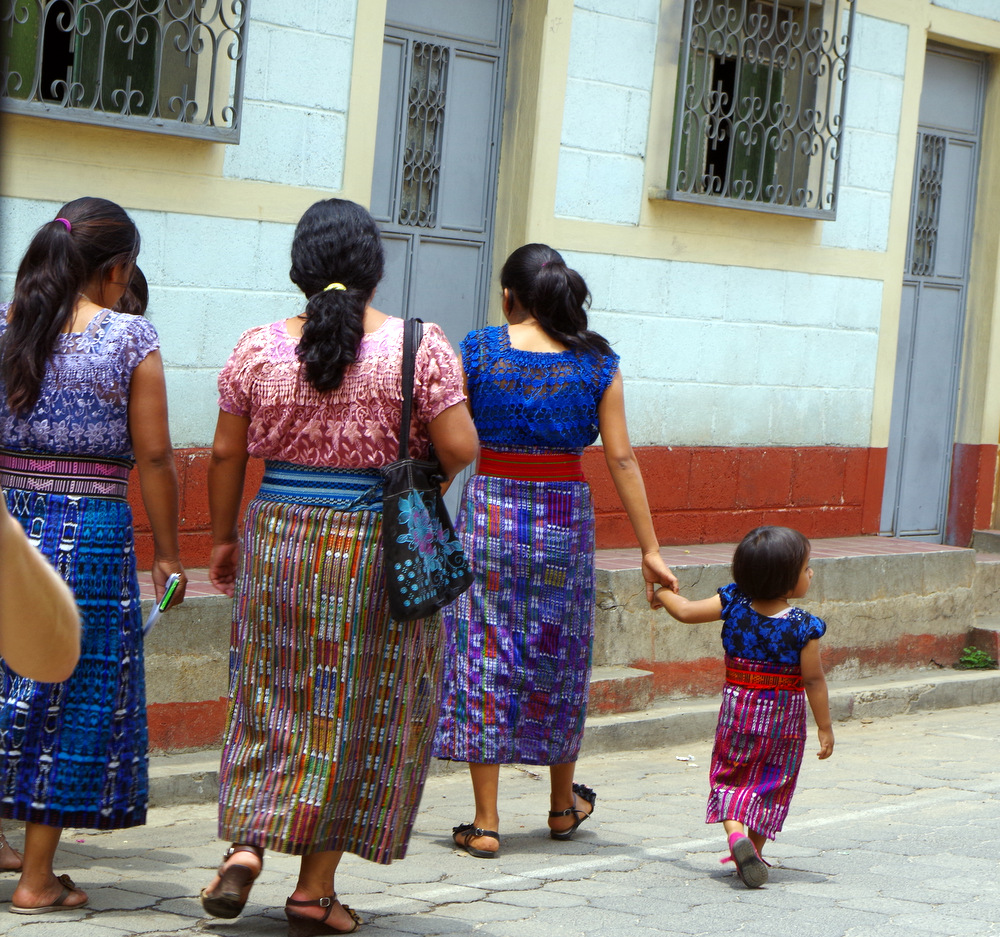
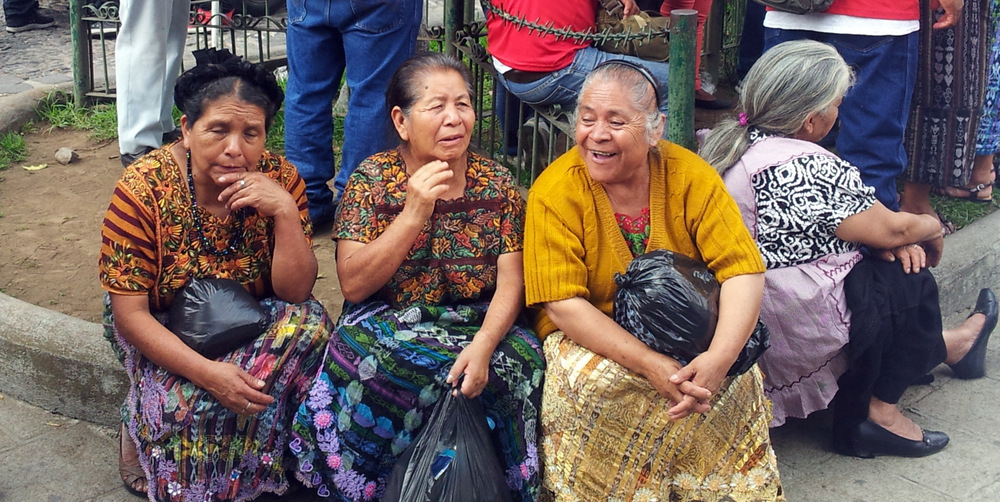
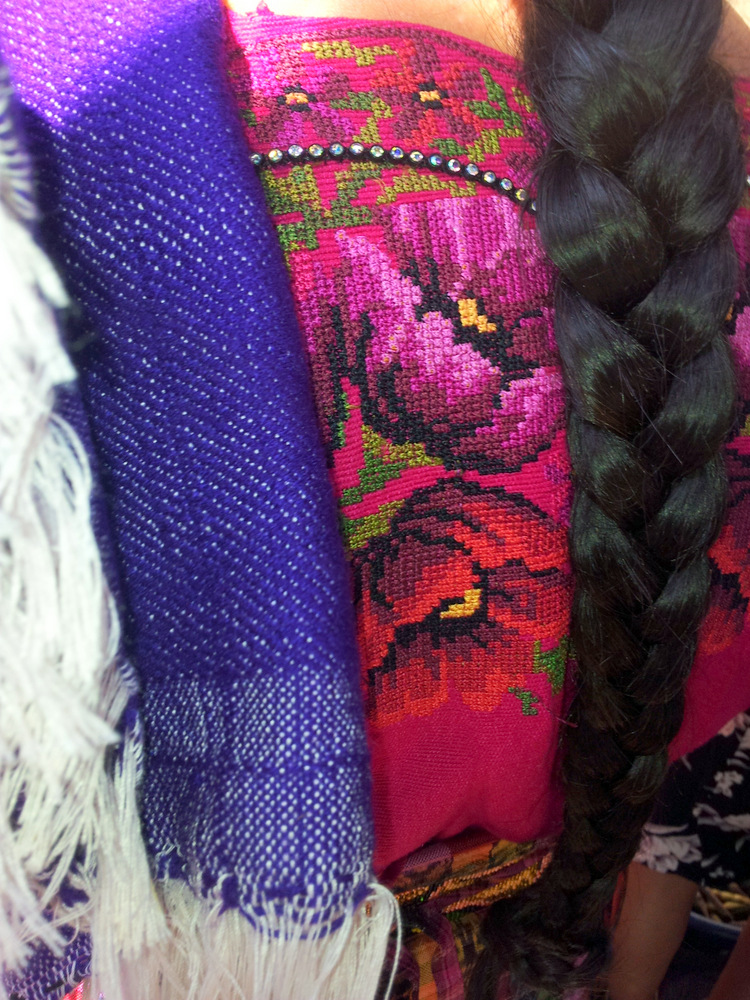
The skirts in this area are flat and folded in front, held together with ornate belts. Embroidered blouses are tucked in.


IMGP3401


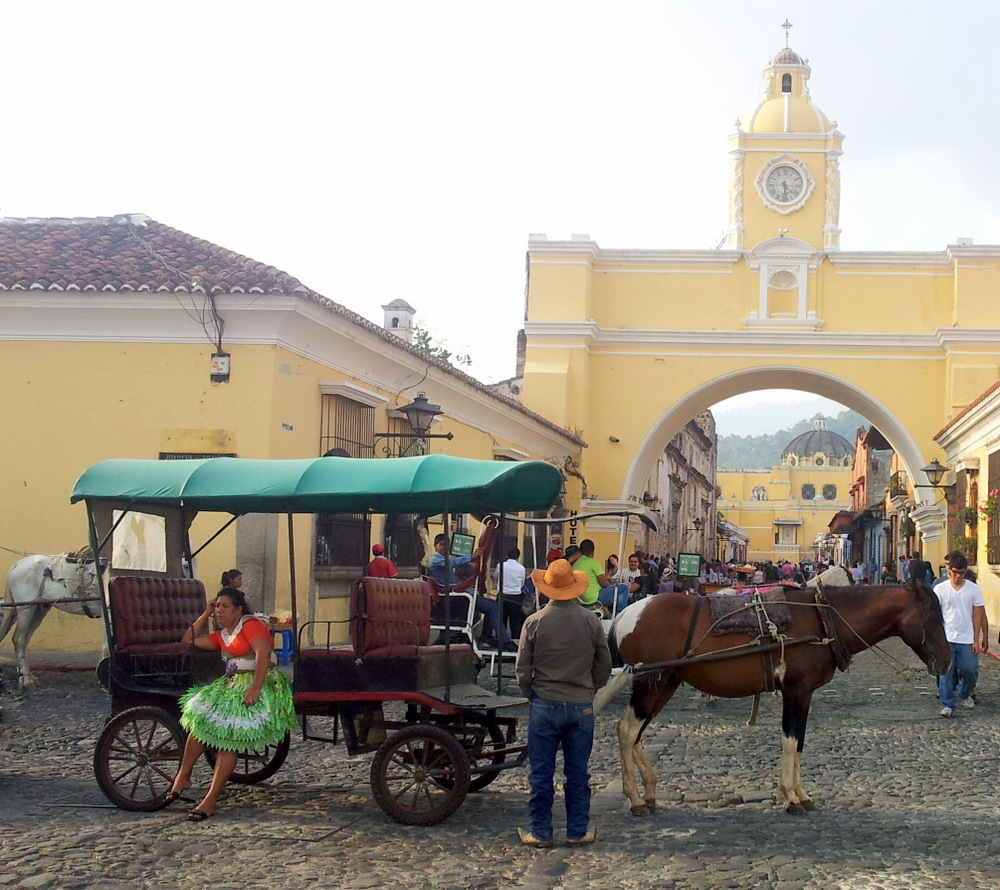
We got a parking spot at the tourist police lot (former hospital grounds), they share their toilets and showers with us, a local family cooks for them. Antigua is a historic and famous town and was interesting, but the traffic, fumes from the busses (former American school buses) and trucks and crowds pushing around made it unpleasant for me. It happened to be Mothers Day weekend and a lot of families came from the city (Guatemala City) to treat mom.

20150509_163017

Antigua


20150509_160800

20150509_151747

Buying votes for LIDER.


20150509_152058-1

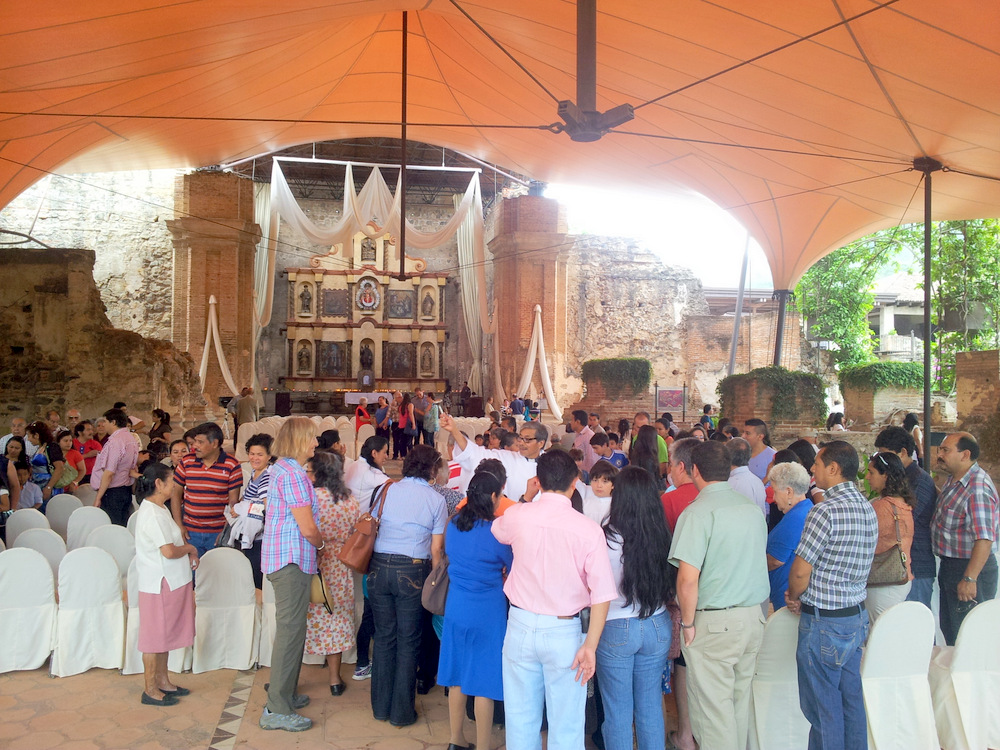
We toured some former monasteries, all ruined by several earthquakes, ate a nice lunch and then I got a long Ayurveda massage. A nice Mothers Day.

20150510_110835

Mothers Day blessing at Casa Santo Domingo in Antigua.


20150509_155906

20150502_092659

20150509_164925

We left after two nights, went to Guatemala City to stock up on basics and headed for the Honduran border.

guatemala-map

Go back

Your message has been sent

Warning
Warning
Warning
Warning

Warning.

Posted in Guatemala | 1 Comment

Belize

A small country with lots of diversity. Formerly British Honduras their official language is still English. On the coast it boasts coral reefs, islands and atolls, white sand beaches and mangrove forests. The interior was probably all jungle at one time, now a big part of it has been cleared to grow food, especially in the northern part of the country. Diverse are its inhabitants as well, there are the Mayas, “Whites”, Garifunas* and Creoles.

(* The Garifuna people are black people of mixed ancestry (African, Carib Indian and Arawak Indian) from the island of St. Vincent. In 1797, after fighting with the British, they were exiled from St. Vincent to Roatan; a small island off the coast of Honduras in Central America. After finding Roatan uninhabitable they set up villages along the Caribbean coast of neighboring countries Guatemala, Belize and Nicaragua.)

We crossed the border and immediately you could tell that you were in a different country, pastel colored houses on stilts give a distinct Caribbean feel. The music you hear in the towns changed from ranchero to reggae, it even smelled differently. To be able to speak English again and actually have a conversation without feeling like a moron was a real treat. It is also quite a bit more expensive than Mexico and the beer bottles are smaller, “thanks Billiken !” We wanted to go swimming in that amazing blue/turquoise sea and drove out to a little town called Sarteneja. It was really laid back there; the Backpackers Paradise had a spot for us under the mango trees. Needless to say, since it is mango season, we eat a lot of mangos, heaped them into our müsle and salads. We ate fresh fish a Richies Restaurant and found out too late that he would have let us camp right on the shore in front of his place. Sarteneja beaches are white and gorgeous but swimming from shore is not easy because it is shallow quite a ways out, however one is allowed to use any dock (yes, the private ones too) to walk out and jump in where it is a swimmable debt.

IMGP3107

Riding the bicycle to Sareneja

IMGP3111 IMGP3109 The drive out was long, the road mostly unpaved and dusty, we came through an area called New Belize and saw some Mennonites in their horse-drawn carriages and working the fields. You can’t miss them, they have their own distinct fashion: The men always wear black pants with suspenders, light-colored dress shirts and a straw hat. The women were longish dark dresses and either dark scarves or white scarves or straw hats with matching ribbons. Like the world stood still 150 years ago. IMGP3140 I have always been fascinated with the Anabaptists, read a book about the Hutterites and another about the Amish years ago.( The word is derived from the first leader of this group who was from Switzerland and whose name was Amann, hence Amisch) During the Reformation in Europe in the 16th century they had to flee and left for the USA and Canada.

IMGP3135

We passed them on the road to Sarteneja, the women never smiled back.

.We left Sartaneja after a few days and decided to find more Mennonites, on the map there were German town names near Blue Creek close to the Mexican border. When you come to Blue Creek you can tell there is something different going on there. No garbage in the ditches and fields, beautiful homes and rolling hills with cattle, rice and corn fields. It could be anywhere in the farm country of the Pacific Northwest. This is Mennonite country, they are clearing the jungle and building more farms. They feed Belize and all its tourists. They control the animal feed business, have a chain of car part stores and make and sell furniture. Blue Creek is a “progressive” Mennonite community, they have trucks and wear more modern clothing.

20150419_092841

This is where the Mennonite clearing ends and the jungle starts.

IMGP3154 Not so in the town of Shipyard, this was one of their first settlements in Belize (1958). Here the more conservative Mennonites live and work. They use horses for logging, farm work and to pull their wagons. Very beautiful and well taken care of horses. IMGP3181   IMGP3143 IMGP3134 It was late afternoon and we decided to go to La Milpa and see if we can camp in the jungle. We left Blue Creek and turned into a road with a gate. “No”, we were told, we need to have written permission to enter the Rio Bravo Conservation area. Well : Günter told the gate-keeper that we came all the way from Germany to see La Milpa, an unexcavated Maya city with over 60 temples. Finally the gate-keeper got on the radio and called in to explain and the guy at the camp made an exception. The gate lifted and we were sent to a camp where the archeologists usually live, they were not due to arrive until May. So we had 8 composting toilets and 8 showers , 4 for Günter and 4 for me.

20150419_092259

Entrance to the Rio Bravo Conservation Area.

The jungle was alive with parrots every morning and hummingbirds were buzzing around.

IMGP3149

These rare storks called Jabiru were hanging out in the rice fields near Blue Creek.

IMGP3233

They were all over the jungle.

IMGP3202

These parrots hung out above our camper at La Milpa.

IMGP3161

Five km through the jungle to explore the Maya site.

DCIM999GOPRO

The archeologists camp at La Milpa. Can you see our camper?

There was a crew of 13 people from National Geographic at a camp not far from us, they were there for a month to film the wildlife. The first night we were told that had seen a jaguar in the camp, well we didn’t see it, that would have been too good to be true. We hiked the 5 km to the archeological site the next morning and it really was amazing after having seen all the restored and rebuilt pyramids in Mexico . It gives you an idea how much work is behind excavating such a place. We climbed one 40 m high pyramid with the help of a rope, it was very steep because the walls had eroded away. Standing on top and looking across the jungle we wondered how much more was hidden out there. Several of the smaller temples had holes from grave robbers, some very old. I guess that profession has been around for a while.

20150418_102233

Climbing a pyramid the hard way.

20150418_104428

Günter Standing by.

20150418_105101

Grave robbers were here many years ago (we hope).

After a few nights in the jungle and an ant attack on my left foot we left for the coast again. The manager of the camp asked us to let everybody know that they are NOT set up for campers and did not want us to advertise . I think you can reserve a cabin there or Gallon Jug if you want to go there. Back to the Caribbean.

20150423_111535

Tobacco Caye

20150421_134855

IMGP3294

The cabins on the beach at Tobacco Caye Lodge.

20150423_123338

It’s read

Tobacco Caye is a tiny island (240 x 125 meters) located 16 km out at the coral reefs, it has 18 year round inhabitants, fishermen. There are a few cabanas for rent and there is not much to do there except snorkel, read and snorkel. We had been there 10 years ago and went back to the same place, the Tobacco Caye Lodge. There are two Garifuna ladies, Judi and Anna, that cook for you, three times a day they ring the triangle, you can hear it anywhere on the island, and you march to the cook house and get fed. We had a lots of fun with the ladies and asked for Garifuna food. That was interesting and very good. They shred the cassava and sing their Garifuna rhythmic a capella work songs, they pound plantains to make Fufu, they shred coconut and make a liquid they add to the pounded plantains , chop the conch……The result is a tasty conch soup with Hudutu. We also had Bundiga: Banana, grated and cooked in coconut milk, seasoned with local herbs and served with fresh snapper, and we even had a Garifuna hot cakes breakfast.

20150422_133301

Judi and her helper.

20150423_075643

Come and get it!

20150423_123008 IMGP3276 IMGP3278

IMGP3253

Stingray

IMGP3251

We ate one of them ! Conch.

IMGP3263 DCIM999GOPRO DCIM999GOPRO Here a short video clip of our time there:

There was a constant light breeze that kept us cool and the hammocks under the palms were great for after-snorkeling-naps. We spent three nights there and then got a boat ride back to the mainland. Our camper was parked safely in Captain Firmins fenced yard and was guarded by his big dogs, a Bullmastiff and a Malinois. “Sheep in wolfs clothing”. It was hot again, the thermometer climbed to 40 ° C and I was so very glad that we have  air conditioning in our truck. We decided to head for the mountains of Guatemala to find cooler temperatures.

Go back

Your message has been sent

Warning
Warning
Warning
Warning

Warning.

Posted in Belize | 3 Comments