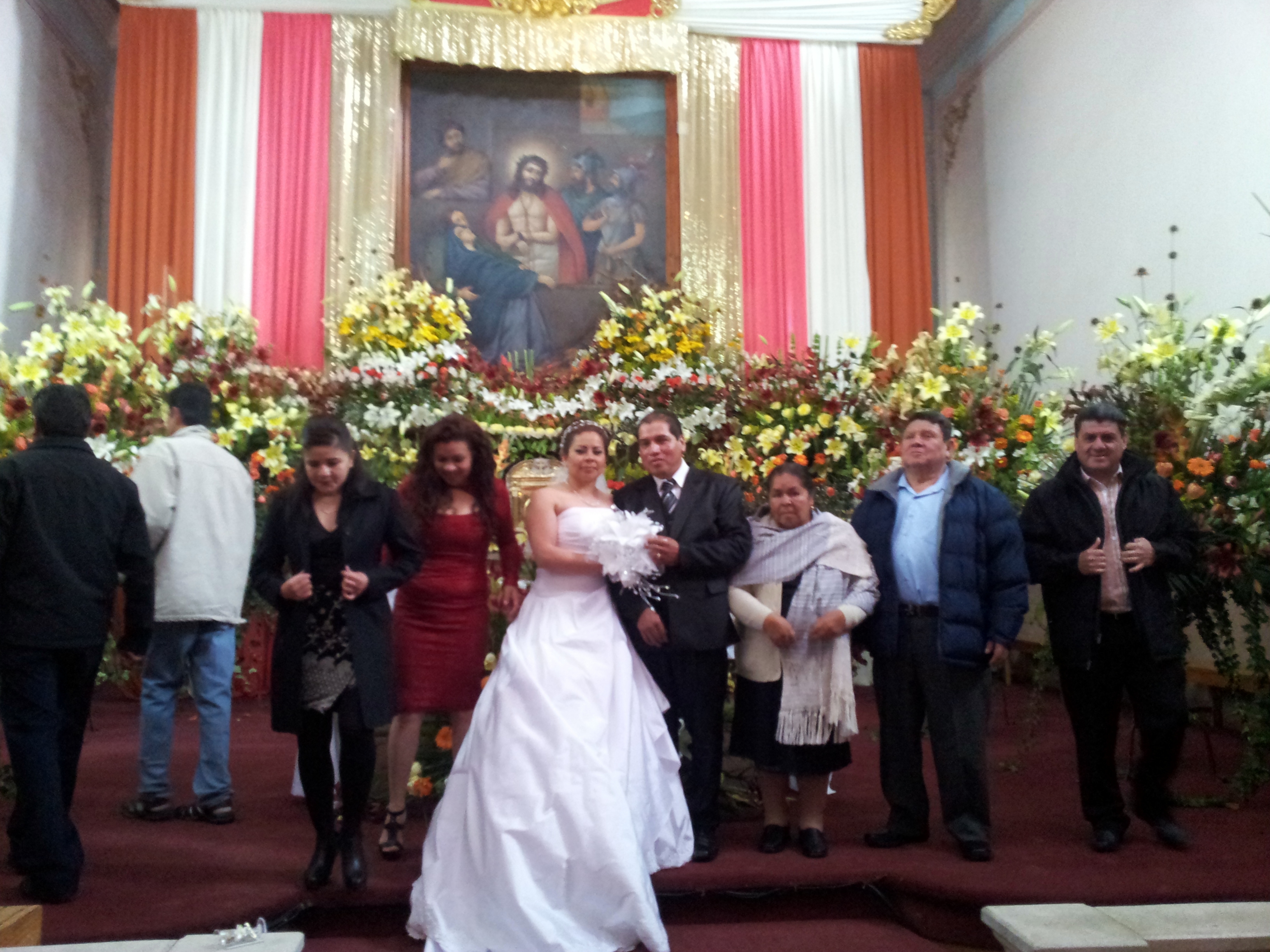
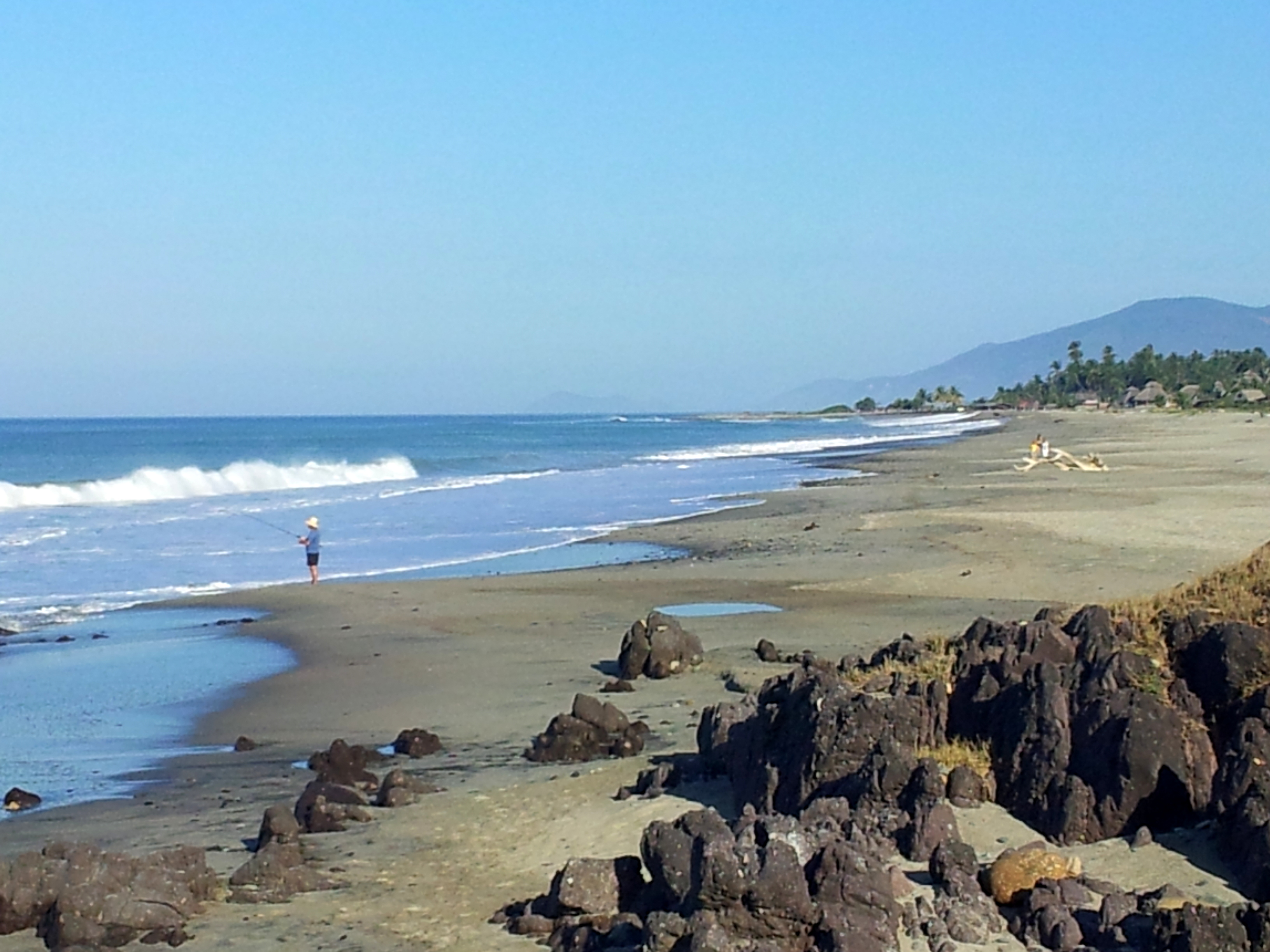
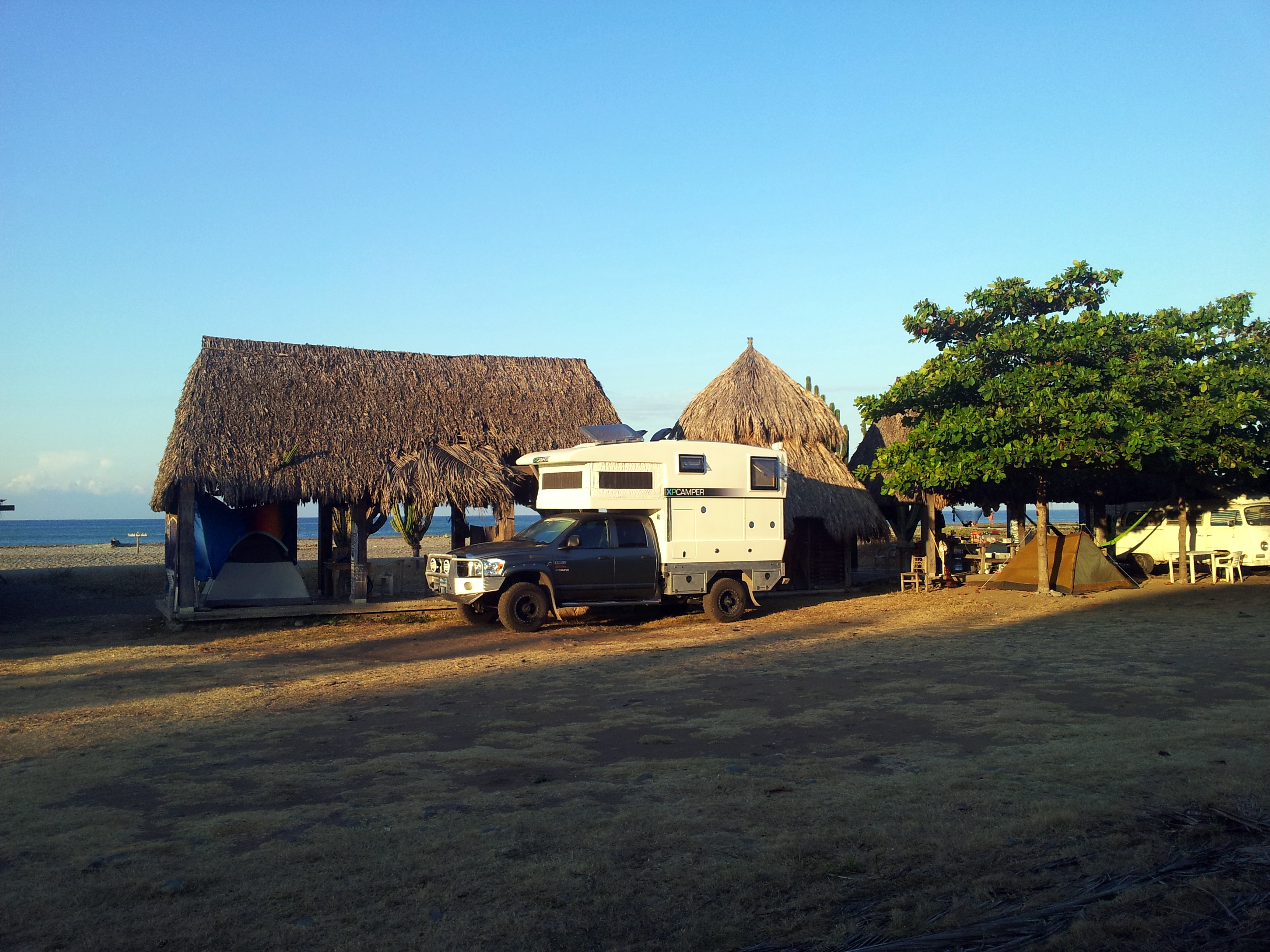
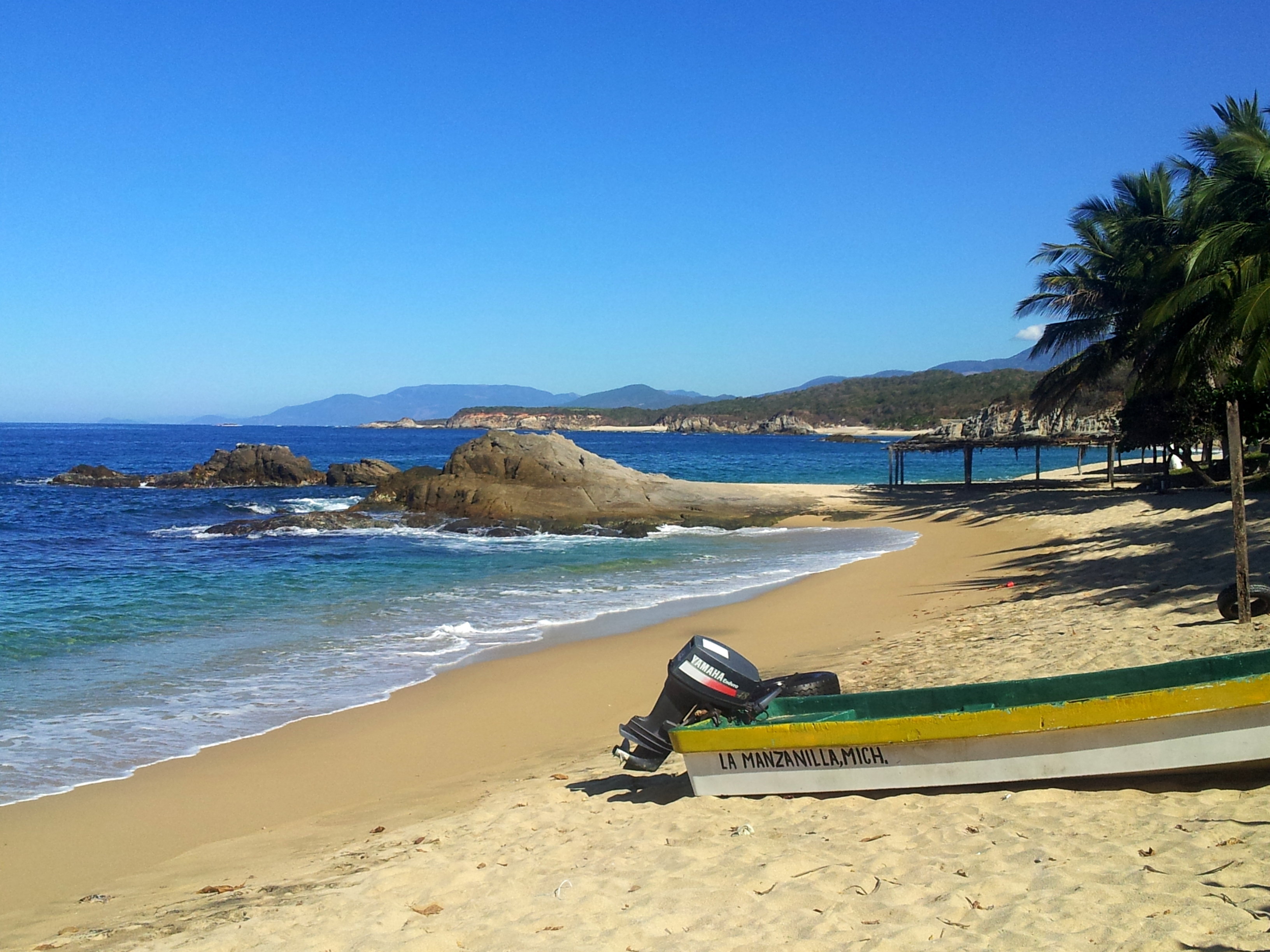
Guatemala

Crossing the border from Belize to Guatemala is a complicated undertaking. But I think they all are.

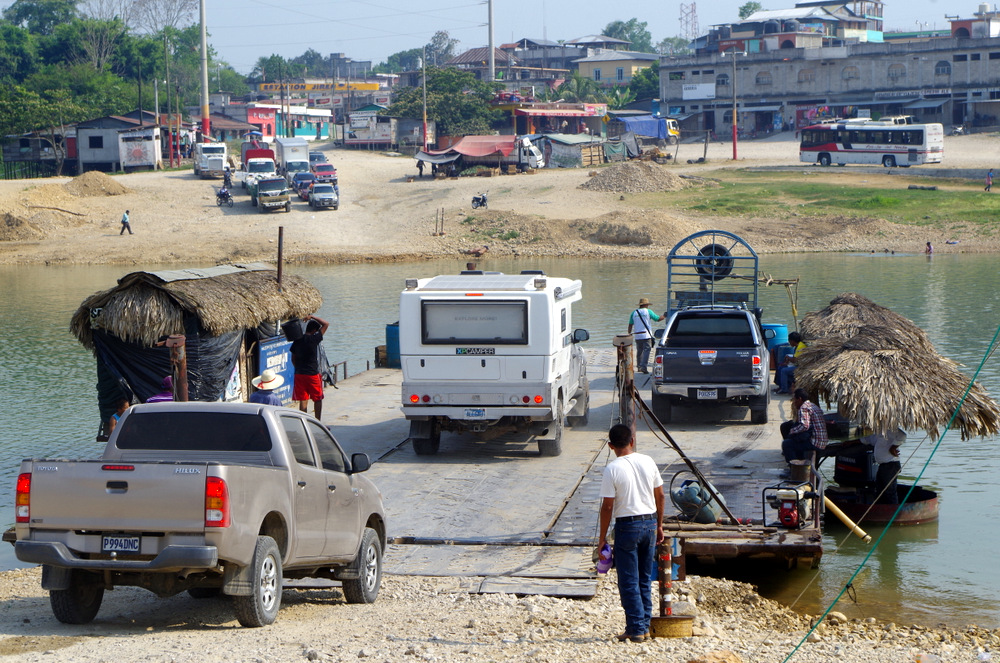
There are papers to sign, copies to be produced, fees to be paid and you have to wait and wait. We finally got our paperwork and window sticker and drove off, just to get stopped again at a little bridge where a young lady charged 50 quetzal to cross. Günter tried to barter but she started to yell at him, so: Ok – we paid.

Bienvenidos a Guatemala.

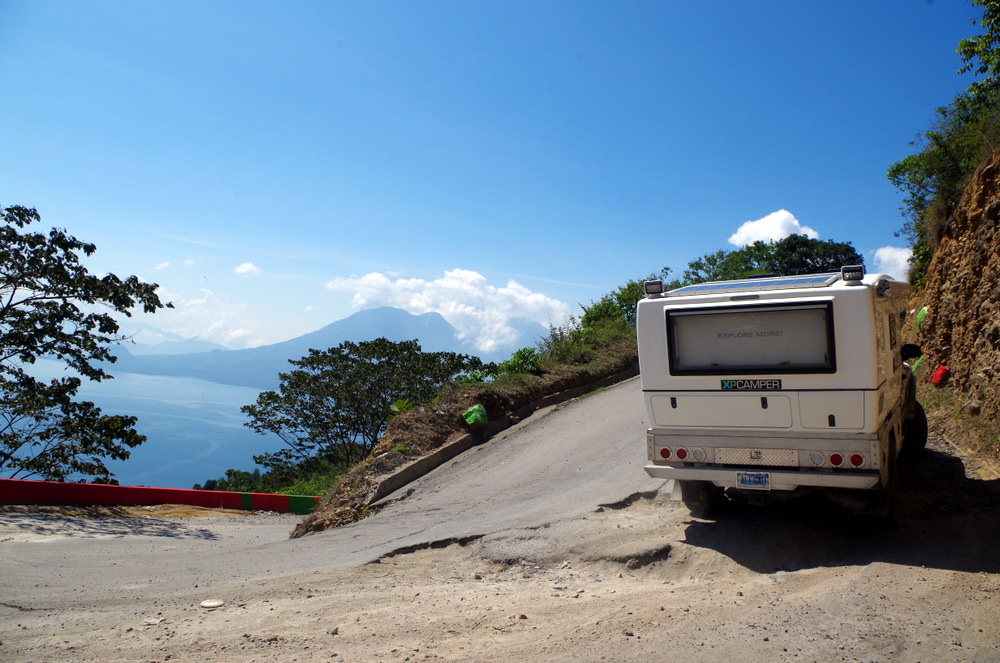
Here some impressions from the drive to Atitlan.
IMGP3300

20150427_13061220150427_130358

20150427_15480620150427_154734

IMGP3360

20150428_083609-1

Waiting for the bus.


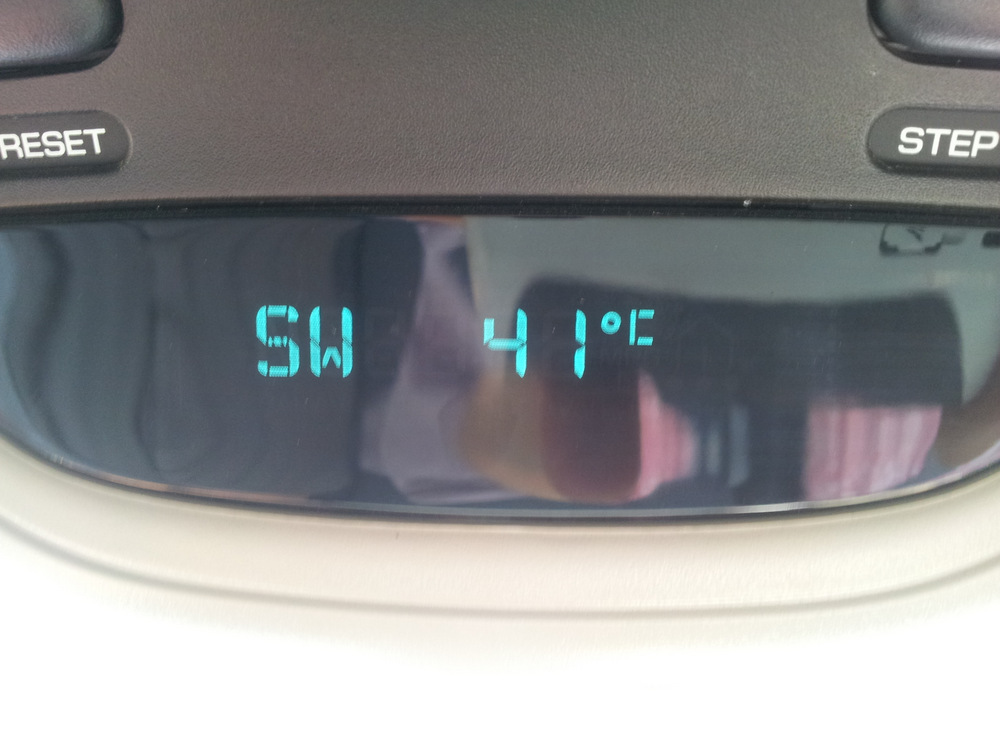
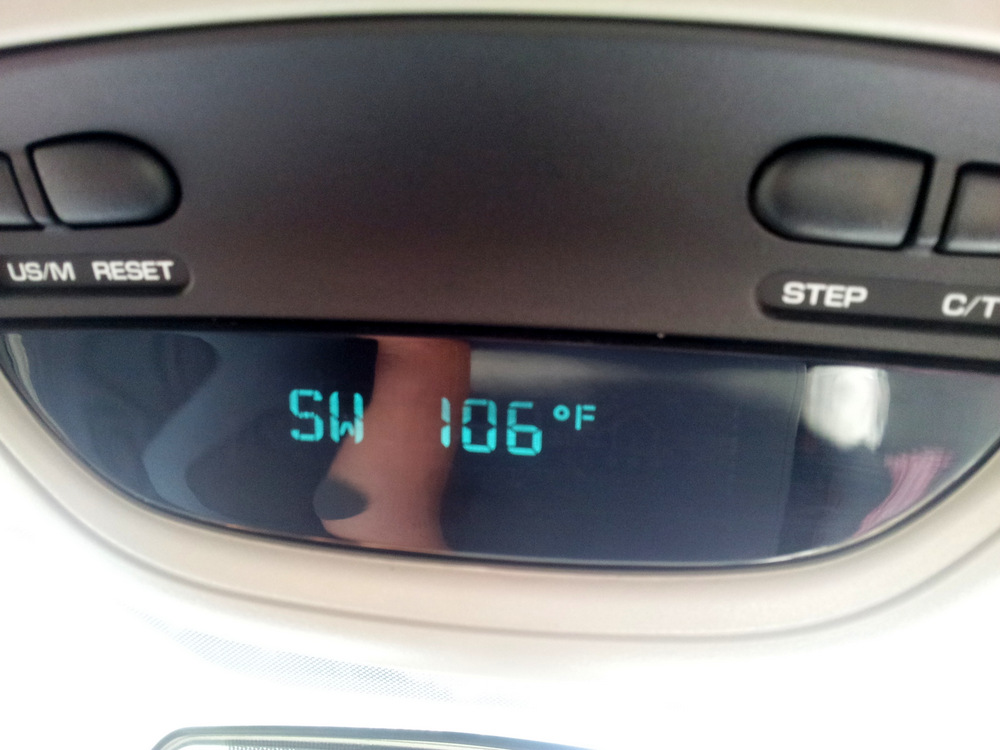
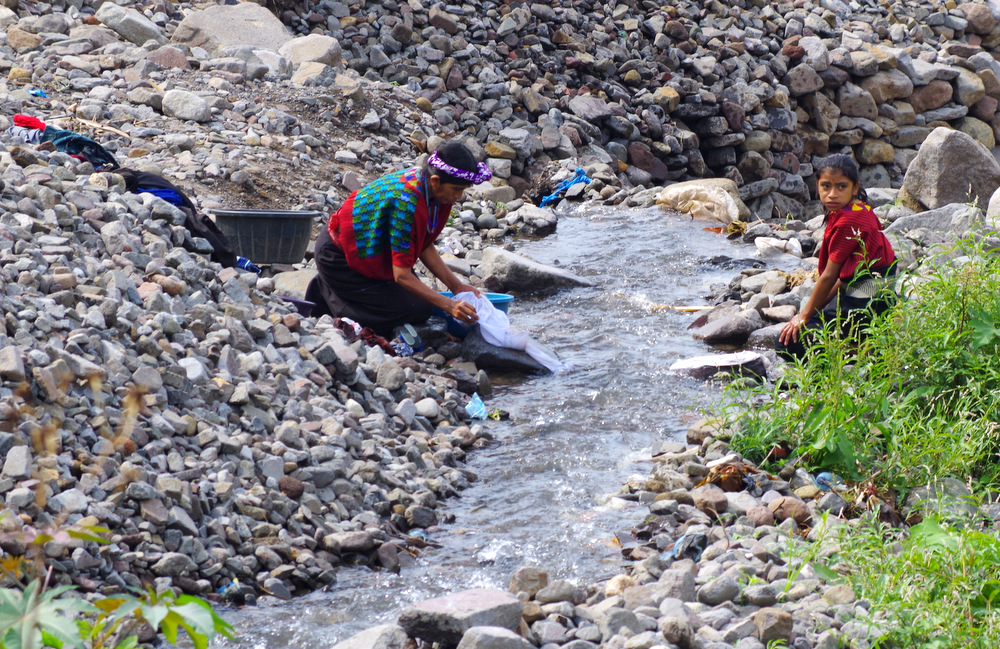
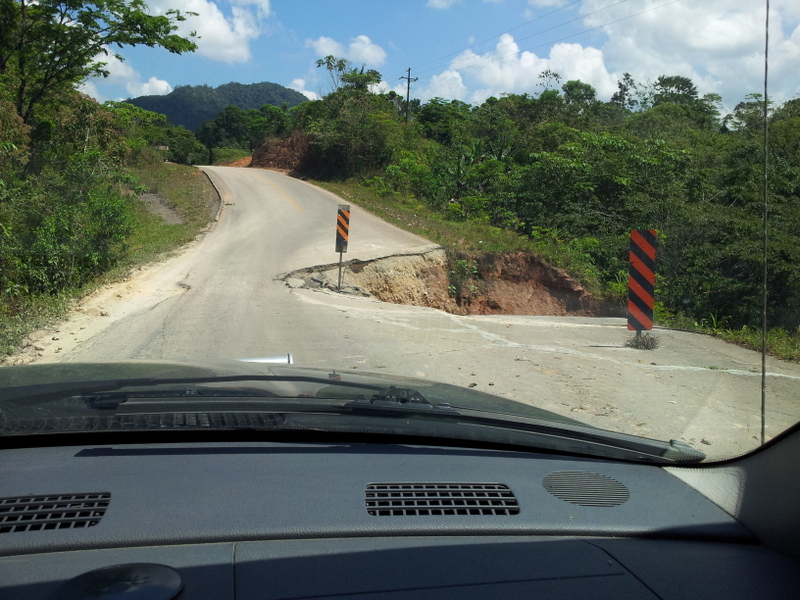
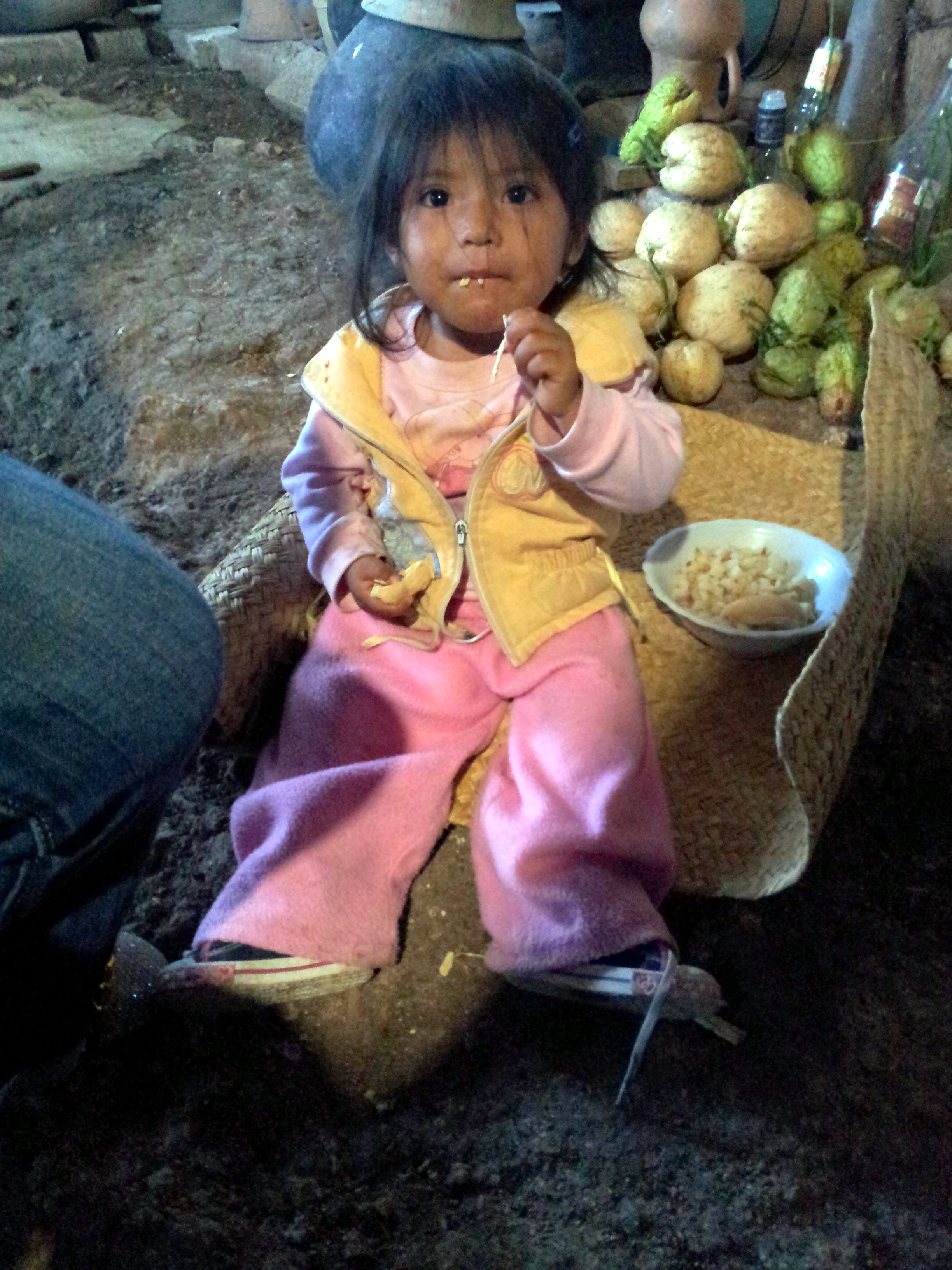
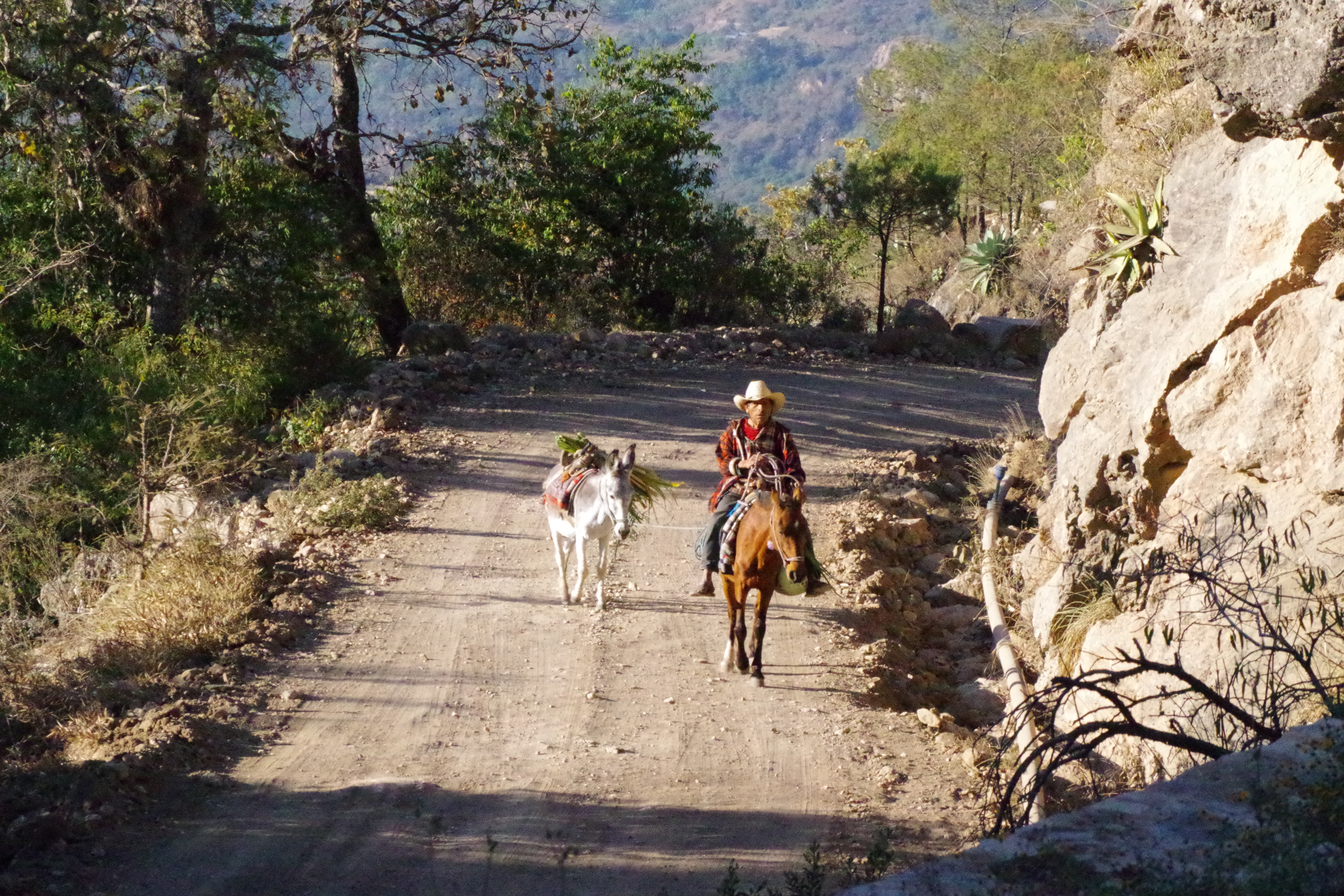
By now the thermometer hit 40° C and we beelined for the Verapaz Alta region. We did not go to Tikal because we had been there previously. I had read a book about coffee (“Uncommon Grounds”) and wanted to see the area where many German families had settled in the mid 1800s to grow coffee and spices. Coffee grows at certain altitudes and is not a hot climate crop. It was a long dusty drive on sometimes good – but mostly bad narrow roads winding their way up and down mountains. At dusk we were still far from Coban, there were many people on the roads; colorfully dressed groups of women walking with bowls of corn kernels on their heads, even little girls had their little bowl with grain balanced on their little heads as they walked and talked. Many people carried heavy loads of wood and plastic jugs of water. The bridges were almost not passable because of all the people getting water, doing laundry and bathing. Even the “Bomberos” fire trucks were stopped on bridges to fill their tanks. All this slowed us down and we ended up driving into the dark, something one tries to avoid. When the sun goes down and it gets cooler, more people come out of their homes to go about their business, they appeared out of nowhere and we were worried that we would hit somebody. It was stop and go in the dark at times, when we finally arrived at “Holanda”, an Eco Hotel south of Coban, Günter was worn out. Eco can mean anything, from a pool to a zip line which, by the way, is called “Tyrolesa”. I guess they think that’s how the Tyroleans in Austria get around. In Europe and Australia they call it “Flying Fox”, that could be a fruit bat or a good-looking woman zipping around on a wire?
20150426_163029

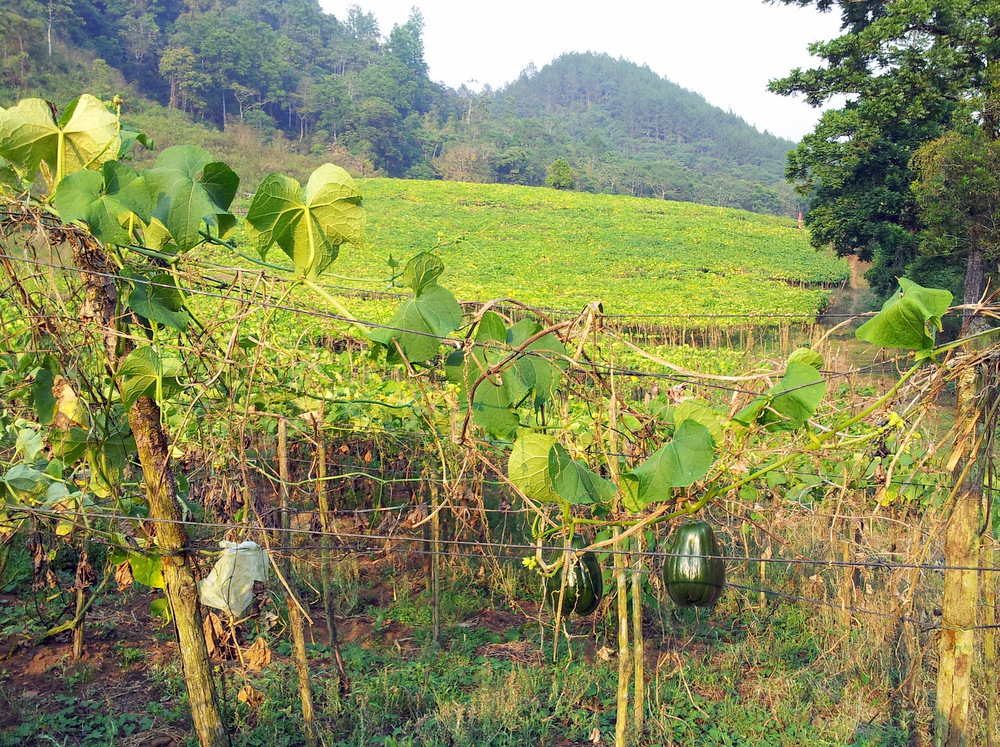
Walking through the fields near Coban.


20150426_162852

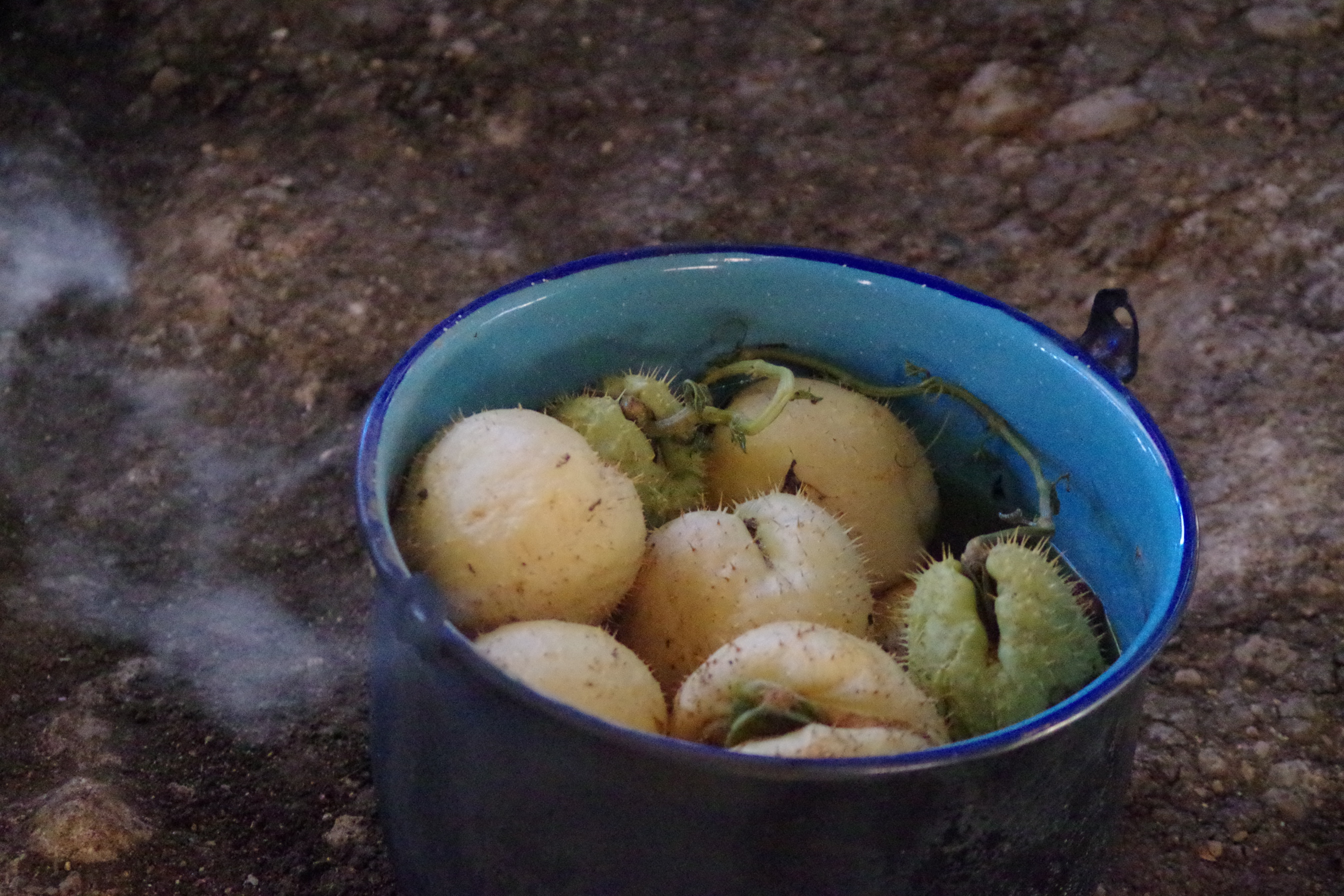
Chayotes, (a squash) we love to eat them.


20150427_112452-1

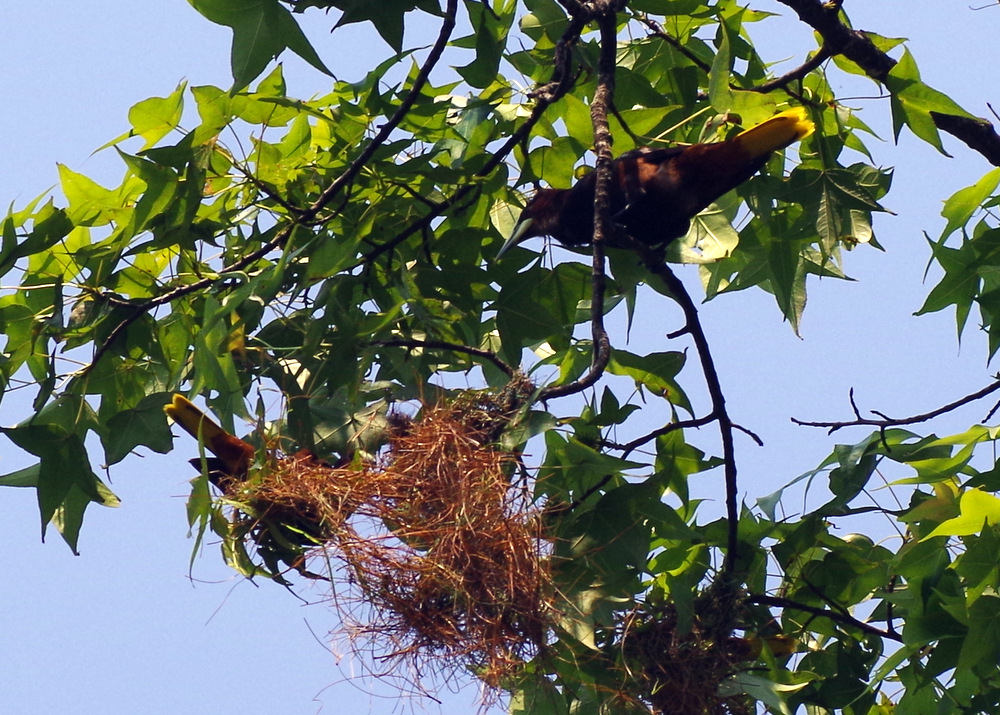
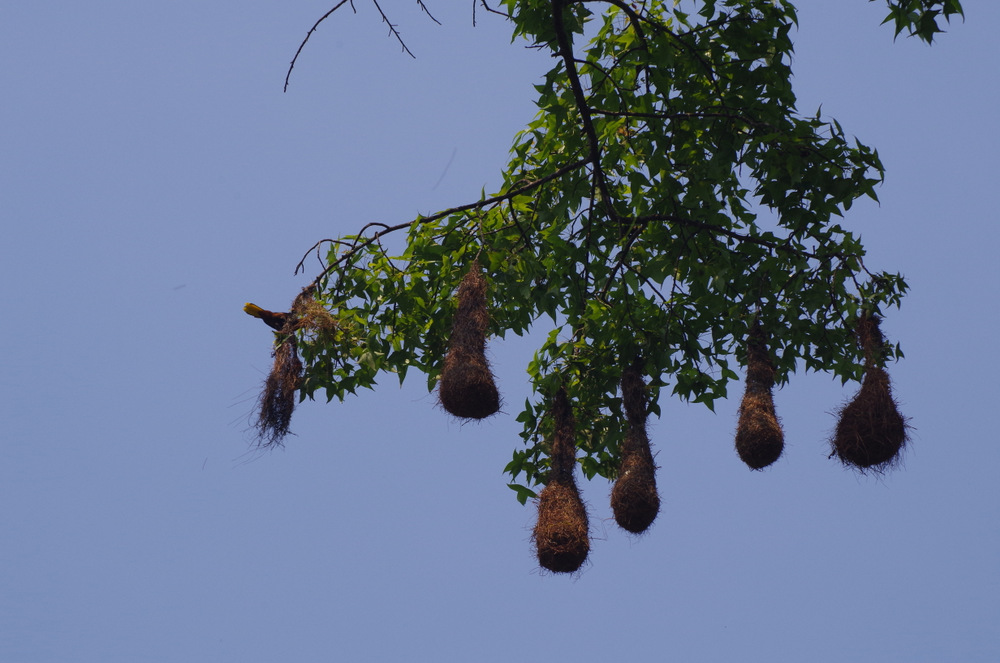
At the “Holanda” the night guard let us in, he was a slight young man with a BIG gun, never ever saw him without that big gun the whole time we were there. It was peaceful under the trees at at this camp site, it is not really a camp ground, just a little park, and we enjoyed it. A colony of birds (Montezuma Oropendola) had hanging nests in the big trees above us; they made funny sounds, from gurgling to whistling.
IMGP3311

Montezuma (Stirnvogel) oropendola building another hanging nest.


IMGP3306

The colony.


After the crazy drive Günter needed a break, so we stayed for a few days, went for walks through the surrounding farm land and visited the little town of San Juan Chamelco. Nights were cool and daytime temperatures hovered around 25° C. What a treat.

The road from Coban to Ustapan was rough and dusty, for the big trucks we tried to share it with it was just another day at the office. They were barreling down, creeping up and barreling down again. The same with the busses. By the time we got to Uspatan we were ready for a break, but the only hotel with a parking lot did not have room for us. So we drove on to the next town and found one hotel with an enclosed parking lot. Funny thing was, when I asked the owner if we could park there, she said we are taking up space for three cars so it would cost us 3x 70 quetzal (=U$ 28.00). That was steep and when I asked what a room costs she replied that a room with bathroom and shower costs 100 quetzal and parking is free (go figure) – we took a room. It had not window except for a little opening in the bathroom wall. We took the only room with a fan, a rusty-dusty-noisy one-legged contraption and tried to leave the room door open for a while. I was afraid I would suffocate in there, the lumpy bed had a threadbare sheet that barely covered the mattress, no top sheet and one frayed towel, that was it. There was no water and it took Günter a while to get them to turn it on. But we were in Guatemala and not in a town that sees many tourists, we had to adjust to their standards. We slept ok, the fan drowned out any noise from outside, there were fire crackers and lots of different music in town, the fire crackers are very popular in Guatemala and go off every night in every town.
20150427_170719-1

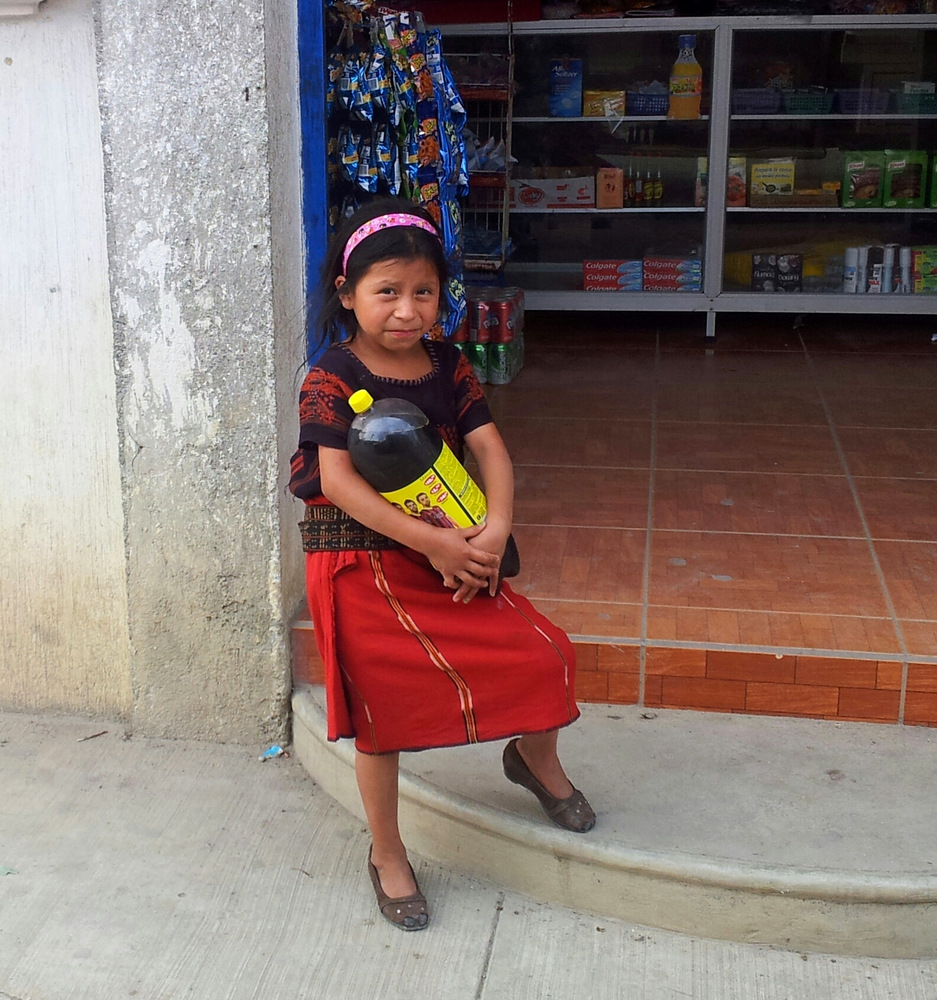
Pop is very popular.


20150509_083417

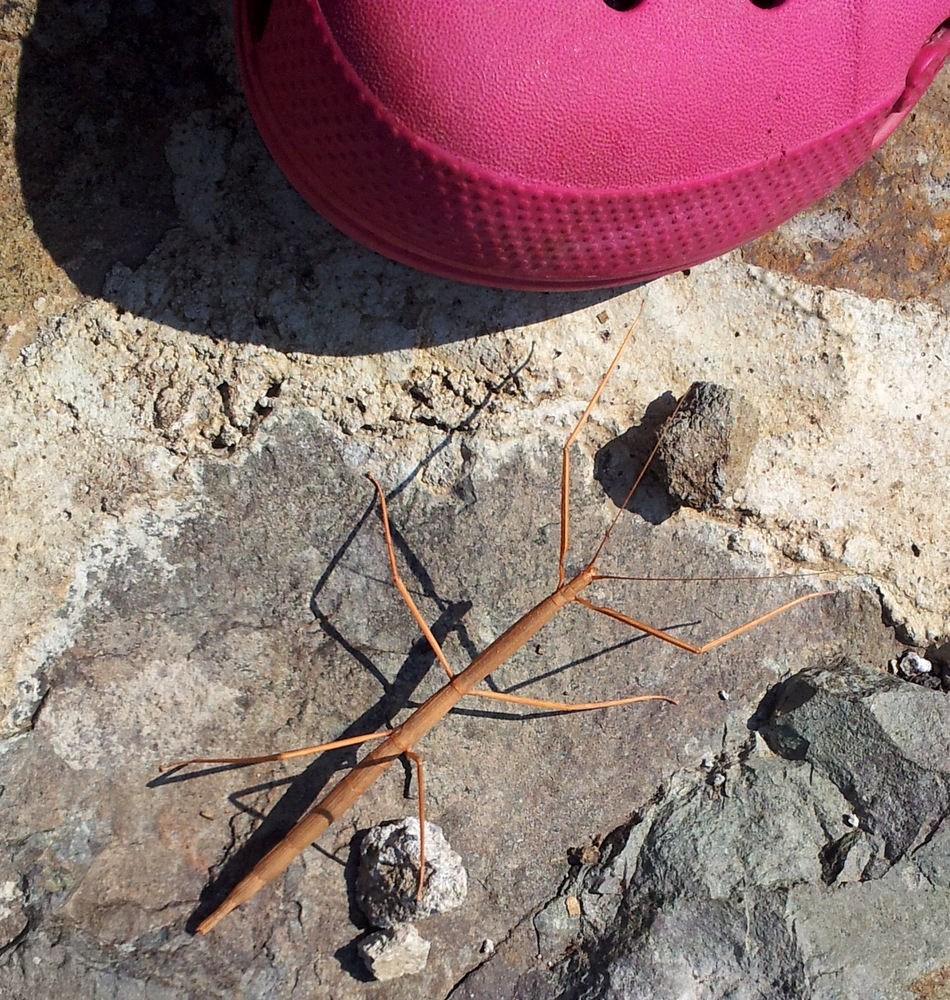
Yes, it is alive, a stick insect.


When we left the next day it was one of the few times on our trip where I was glad to move on.

The town was filthy and the river was too. Plastic garbage is such a curse, we western countries hand it out to them, bags and bottles, but when it comes to proper disposal, there is no help from all the companies that sell them the stuff. So it goes in the ditch, gets washed in the rivers and the ocean, there it washes up on beaches and ends up in animals stomachs. It is chucked out of trucks in the forest and beside the road, blows into fields and hangs in the bushed. It is a disgrace. But enough, I know there is a lot more of this ahead of us and all we can do is trying to minimize the use of plastic ourselves.
IMGP3348

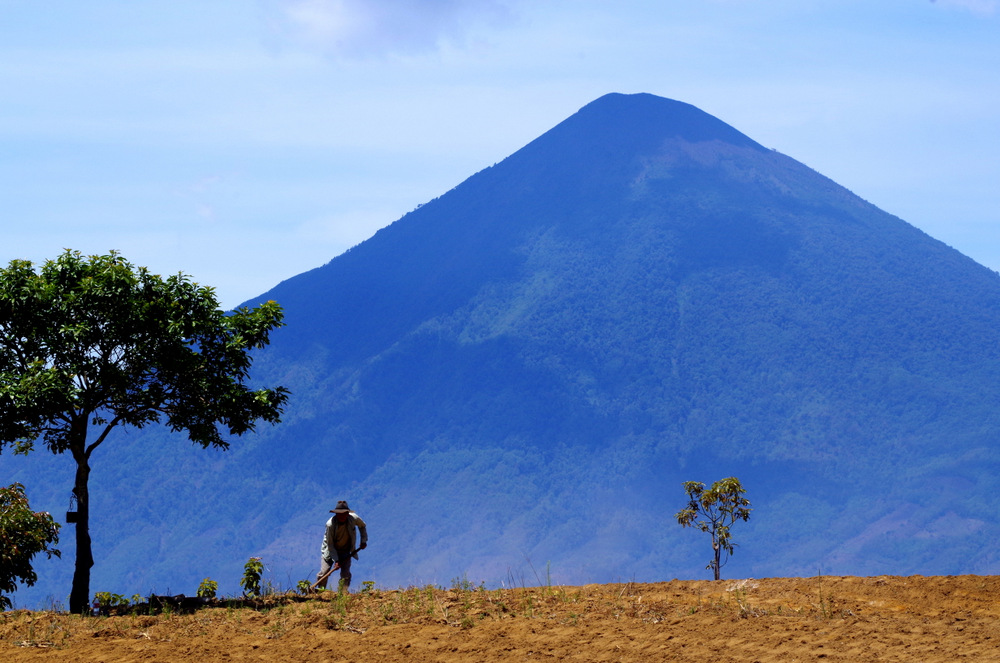
Approaching Lake Atitlan.


IMGP3415

Our home for two weeks, Pierres at Pasaj Cap in San Marcos.


We finally made it to Lake Atitlan and Pierres place “Pasaj Cap” outside San Marcos, a nice estate on the lake, peaceful and lush with garden, trees and a dock from which we swam every day. There our camper stayed for almost two weeks. Vroni and Michael, overlanders from Nürnberg (aber schon Schwaben:-) showed up after we wrote them about this great place. We loved it there, the view was hard to beat, volcano San Pedro right across the lake, the other towns glimmering at night. A resident mockingbird lived nearby and woke us every morning around 5:30 am. I can’t believe how many different songs he had, he rarely left.

IMGP3425

Tropical mockingbird.


IMGP3449

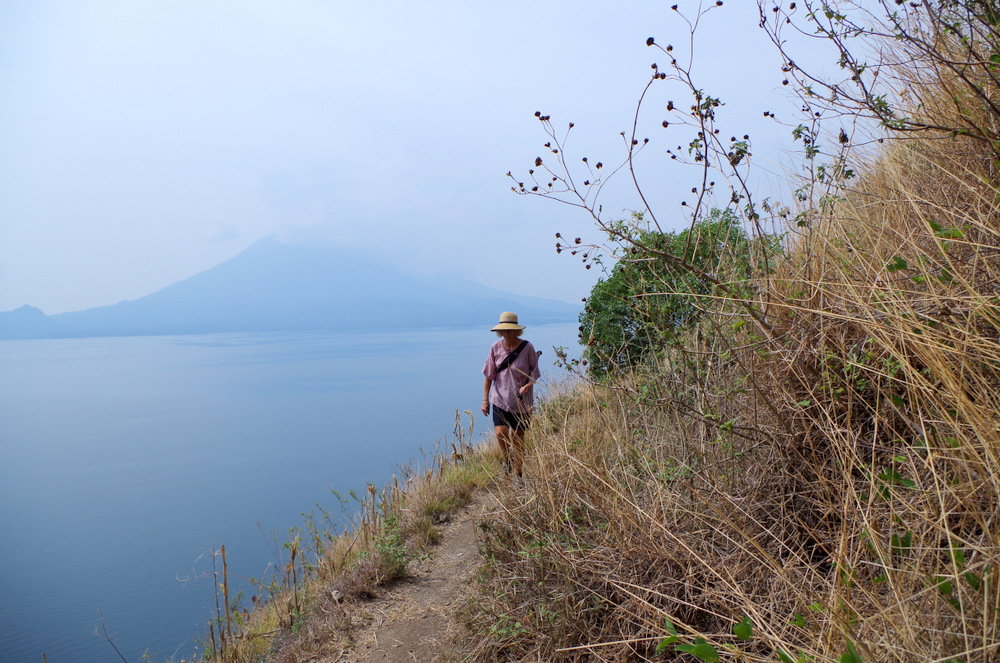
San Marcos was a 10 minute walk away, and Hans aus Ulm was 2 hours away in the other direction. He lives in Jaibalito (no roads to it) and owns a Posada, serves Gulasch and Kässpätzle, sells sausages and German bread, roasts his own coffee, has lots of chickens and ducks, on and on. Günter said that Hans reminds him of an “Hüttenwirt”. We went there twice. A great place and a great guy.
IMGP3363

Hike to Jaibalito.


20150430_115538

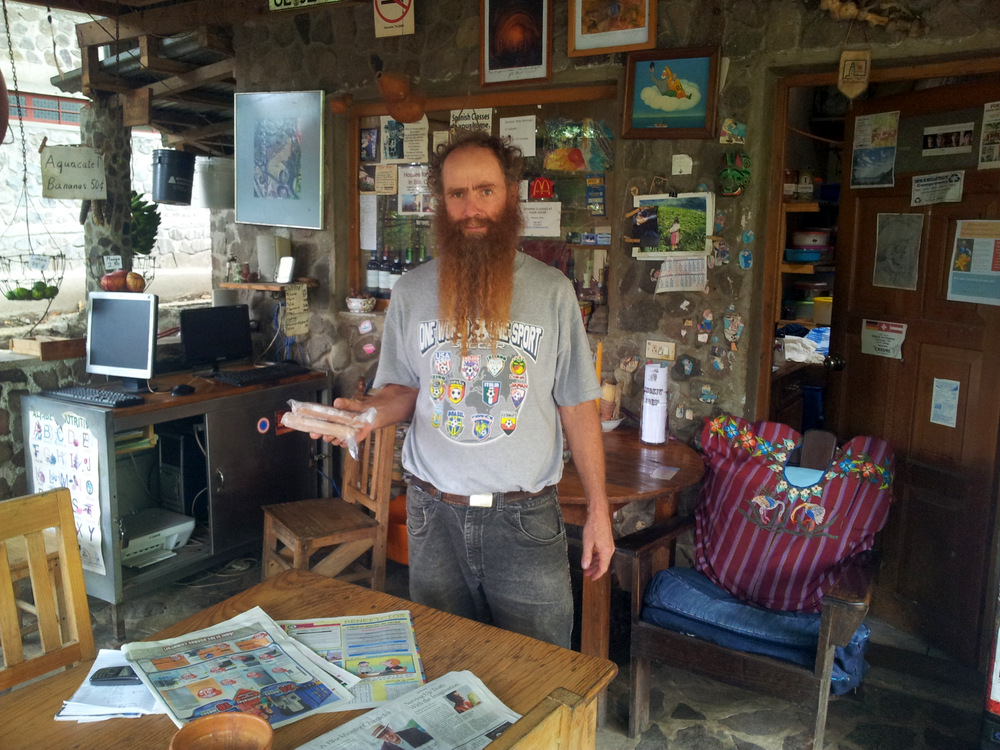
Hans at Posada Jaibalito.


Of course, if you drink one of those 1 liter bottles of good Guatemalan beer, you can also take the boat taxi back and forgo the return hike.

20150501_112543

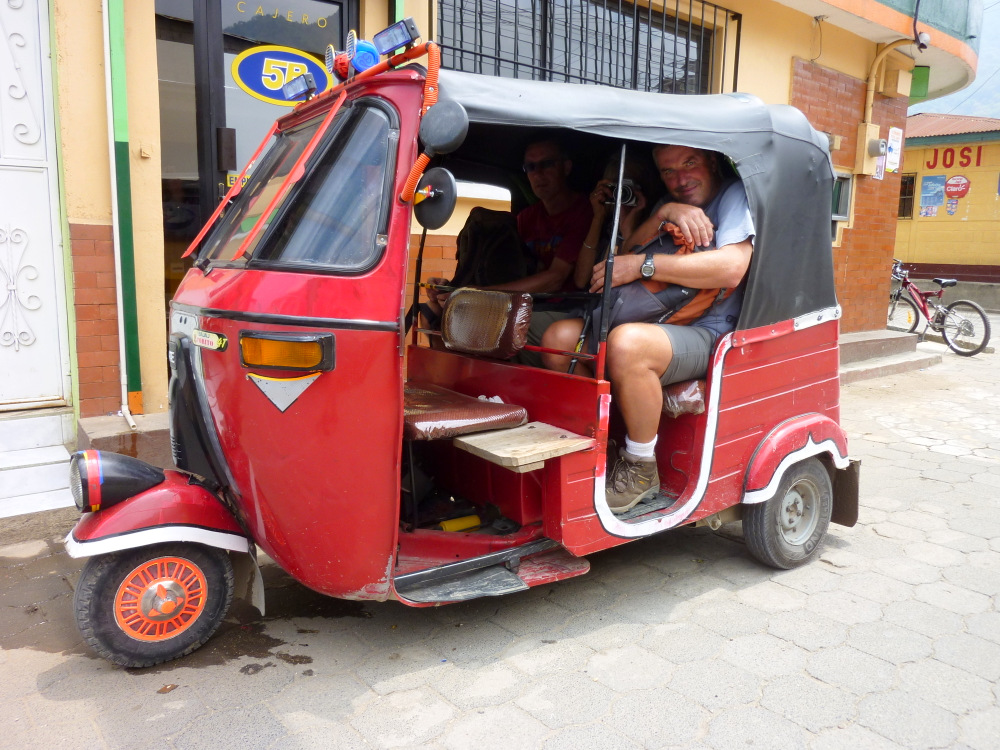
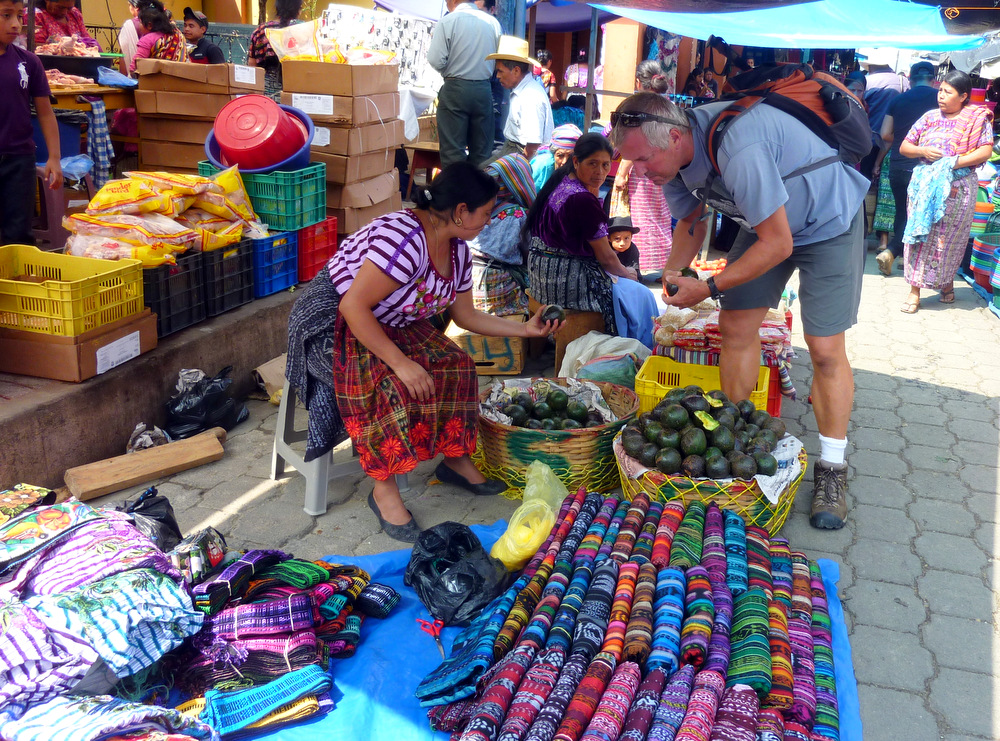
With our friends Vroni and Michael we took a tucktuck and a truck taxi up to the crater rim and after visiting the market in Santa Clara we hiked back down through incredible steep coffee fields.
P1070699

Tucktuck


P1070658

Truck taxi mit Vroni.


20150502_095314

Going to the market…..mit Michael und Vroni.


Between boat taxis, tucktucks, vans and truck taxis one does not need a car here.

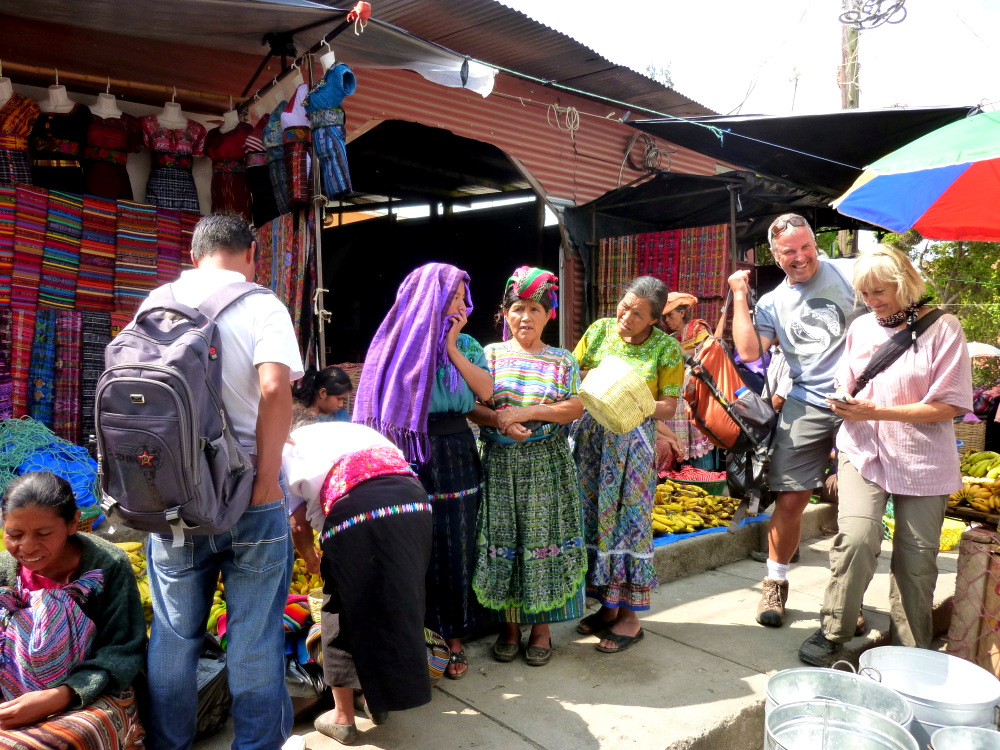
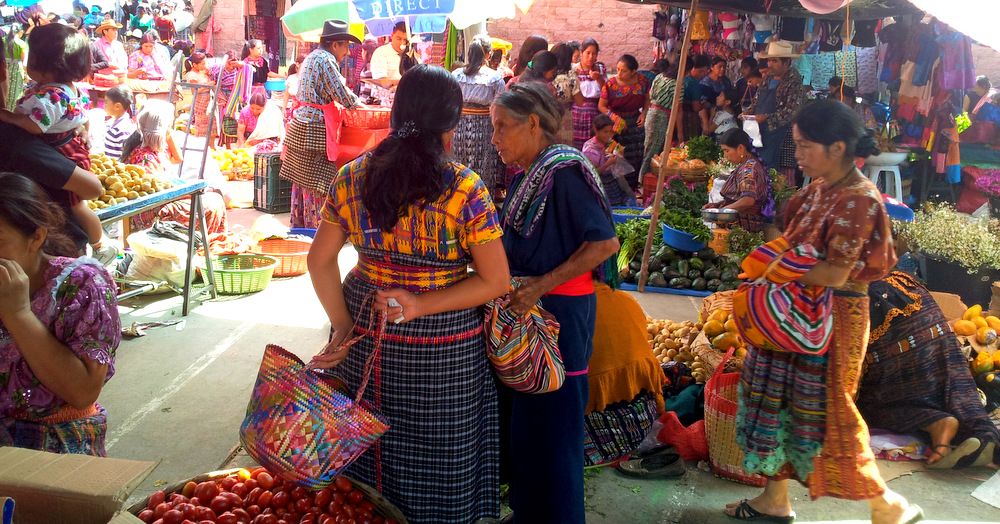
The market in Santa Clara.
P1070678

20150427_105713-1

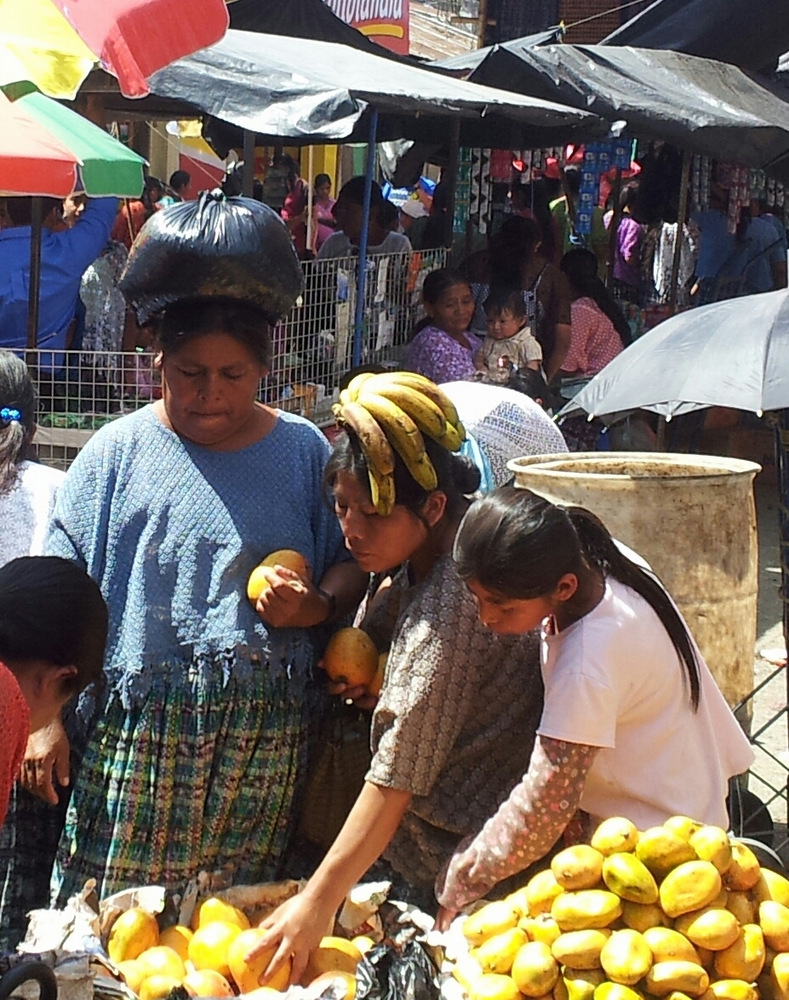
Carry your bananas on your head and you do not need a plastic bag.
20150502_094421

20150502_094034

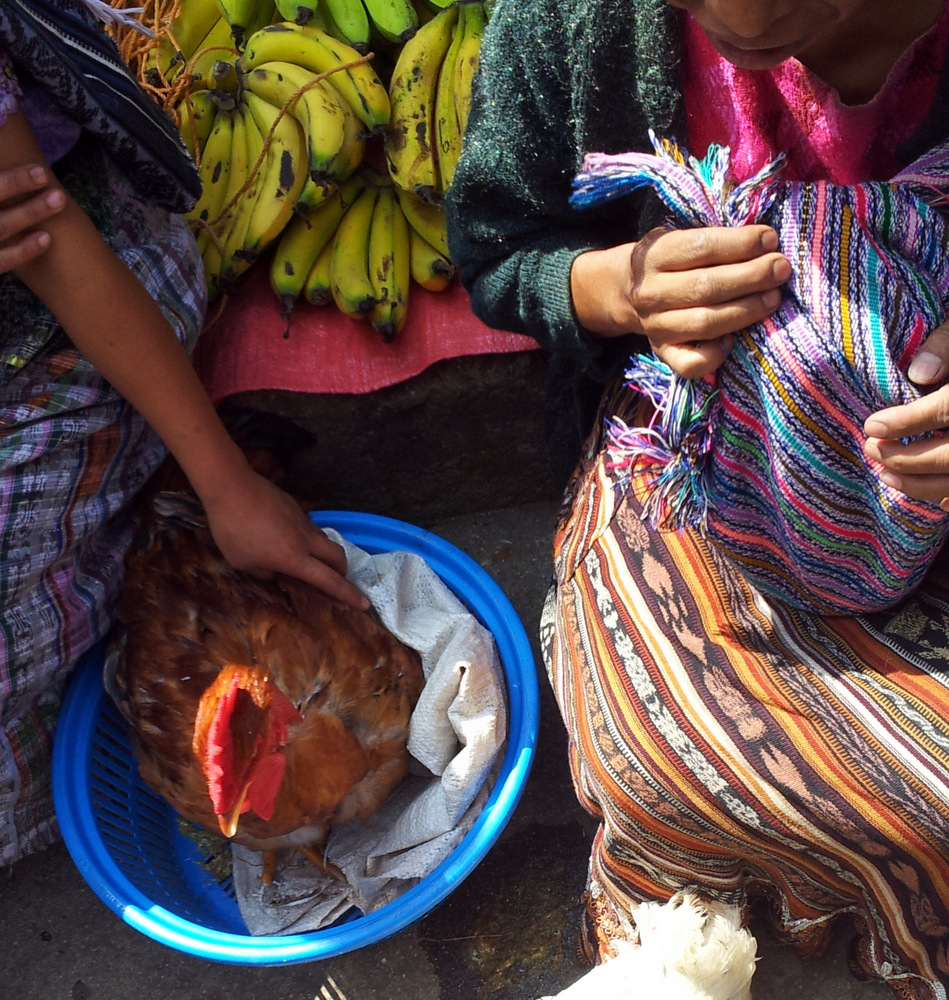
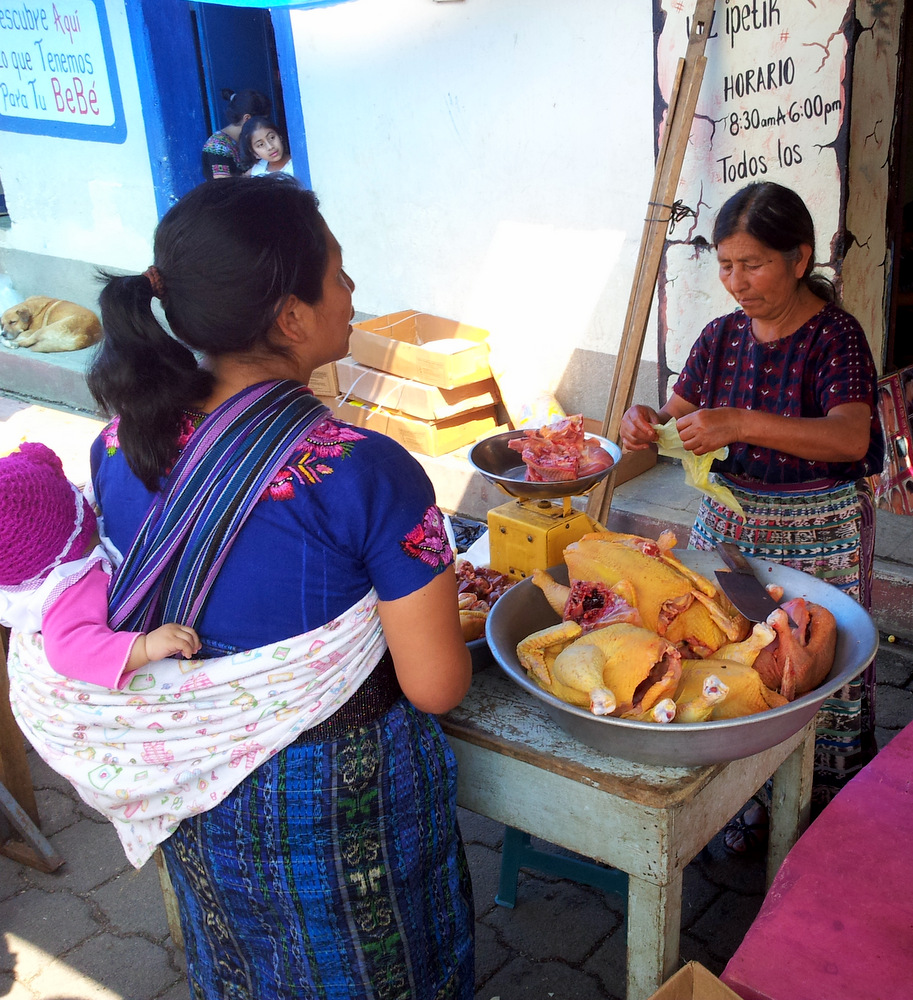
Shot for live chickens……


20150502_092238

……or dead chickens.


P1070674

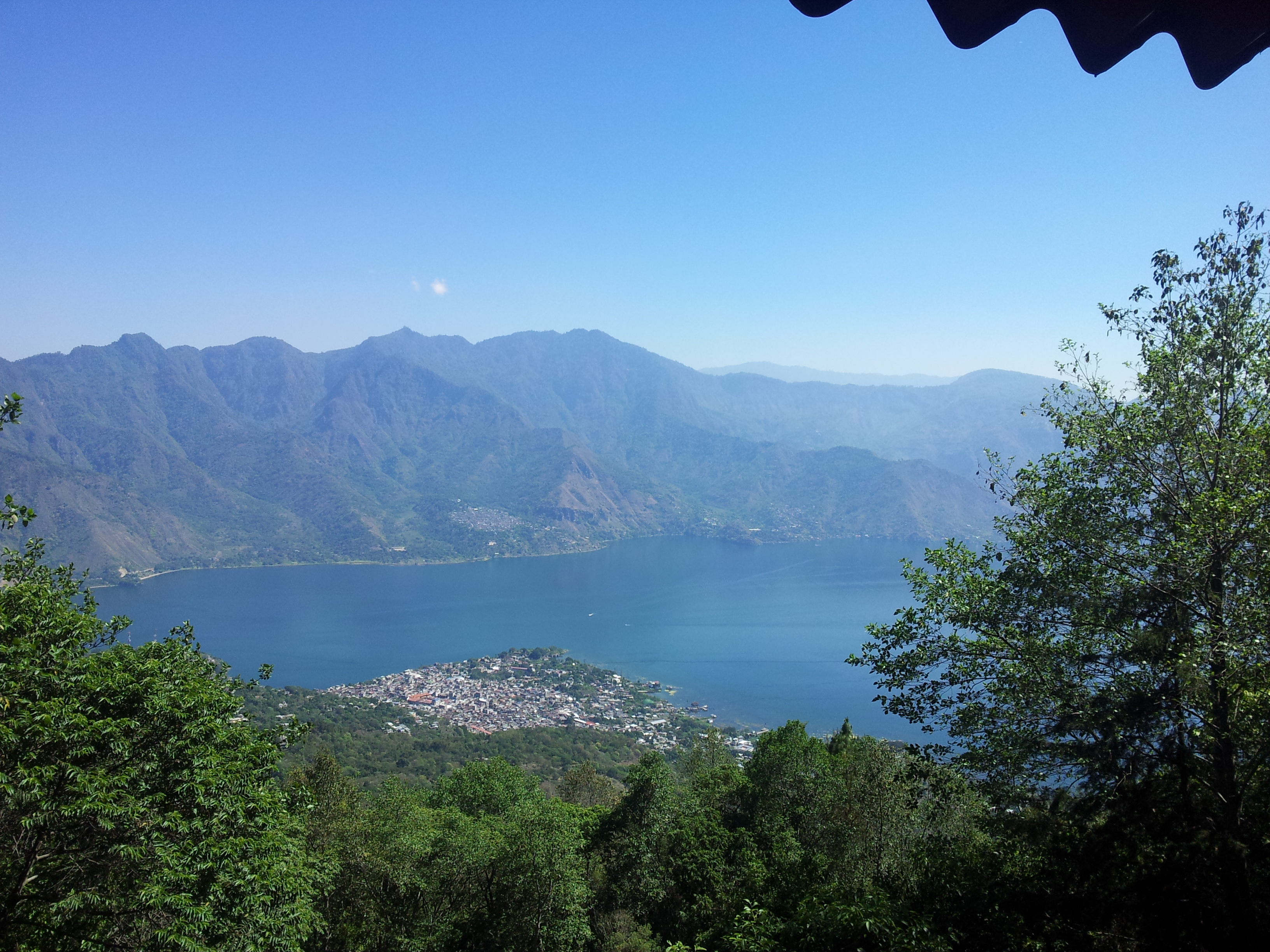
Gunter climbed the volcano one day, he had to pay a fee to do so and was forced to take a guide but after an hour or so, told him to go home, he did. The view from the top was beautiful, you could see the other volcanos and below the lake.
20150505_094102

View from volcano San Pedro

FB_IMG_1430834130441

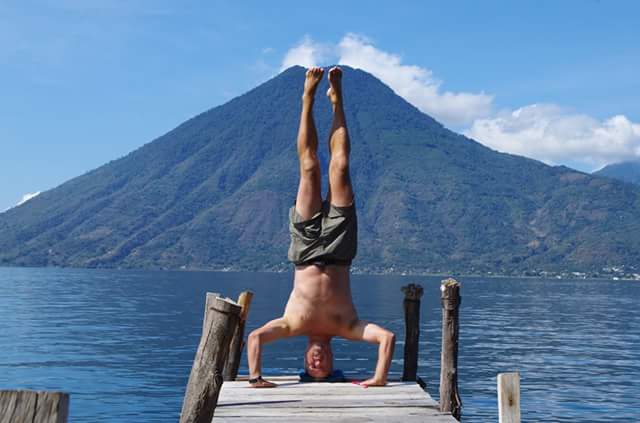
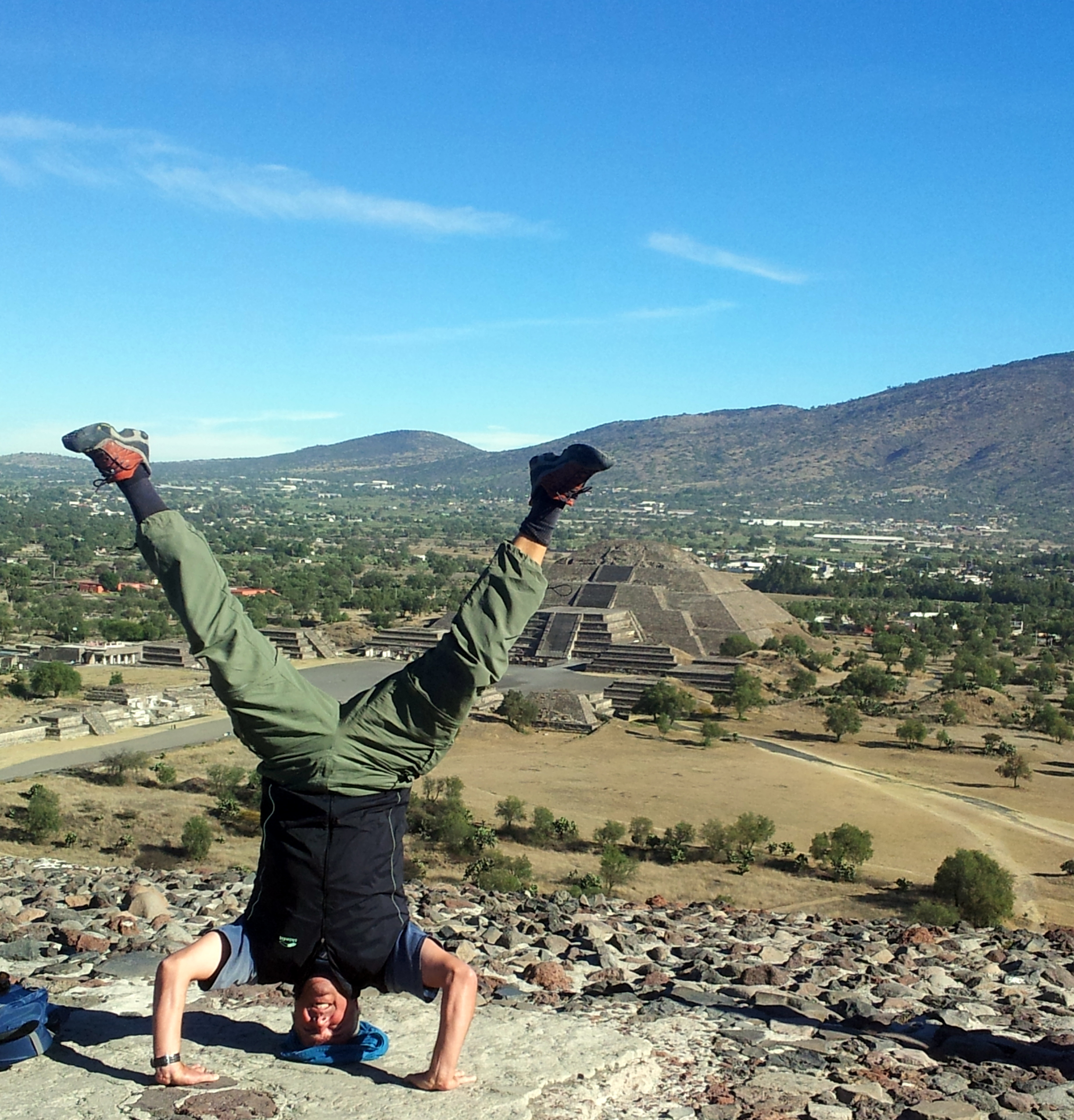
Pasaj Cap head stand.

IMGP3455

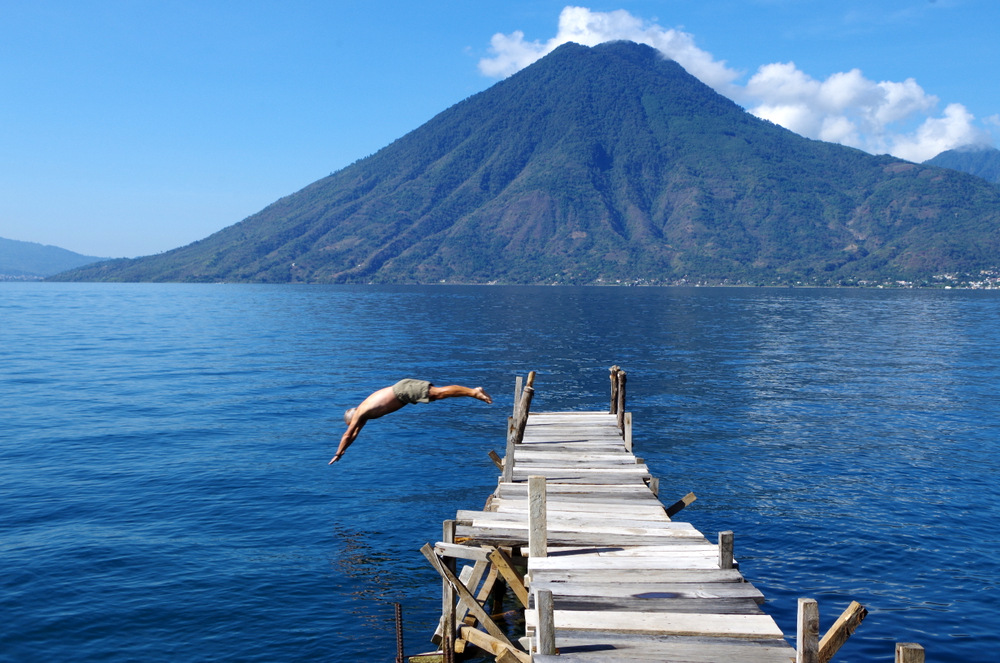
…and then he jumped.

IMGP3452

IMGP3412

IMGP3474

The road to the lake.


IMGP3371


The New Age crowd, backpackers, rastas and baby boomers (some of which I swear still wear the same clothes they wore in 1968) all mingle with the locals in their colorful outfits. Most evenings you hear their drumming across the lake in the evening, and Benjamin aus Wien, in his early twenties, gave us lots of good advice: About how to get rid of parasites in your intestines and about the fact that Costa Rica is as expensive as Switzerland. It never gets boring once you walk into town. Alas, the day we planned to leave for Antigua, Günter came down with the stomach flu, not food poisoning, a gastrointestinal virus. Most of Pierres twelve employees got it, our friends Michael maybe and poor Vroni for sure. So, we stayed a little longer and when he improved we finally left for Antigua, a famous town and former capital city that has seen its share of earth quakes and destruction.
20150509_175622

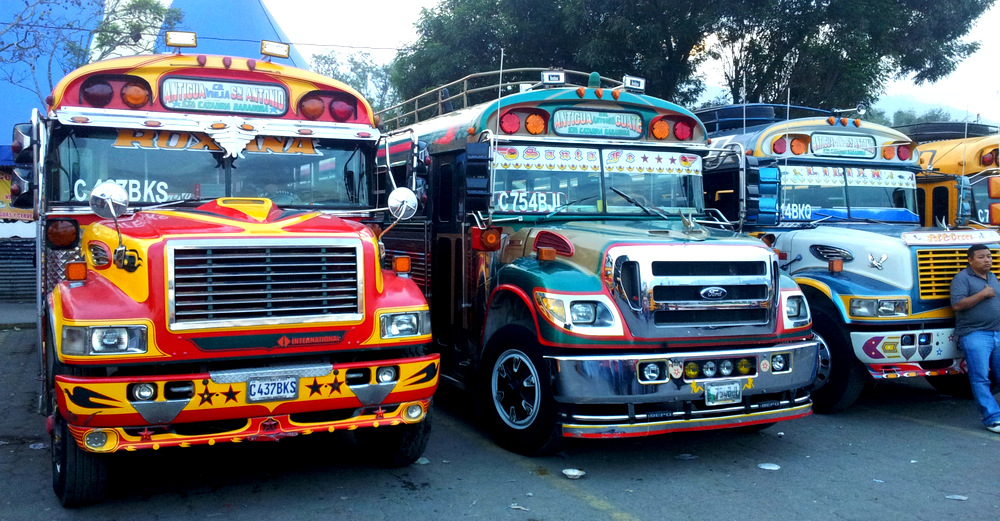
Former American school busses, they drive like they are on steroids.


20150429_135319

Making friends.


20150430_124738

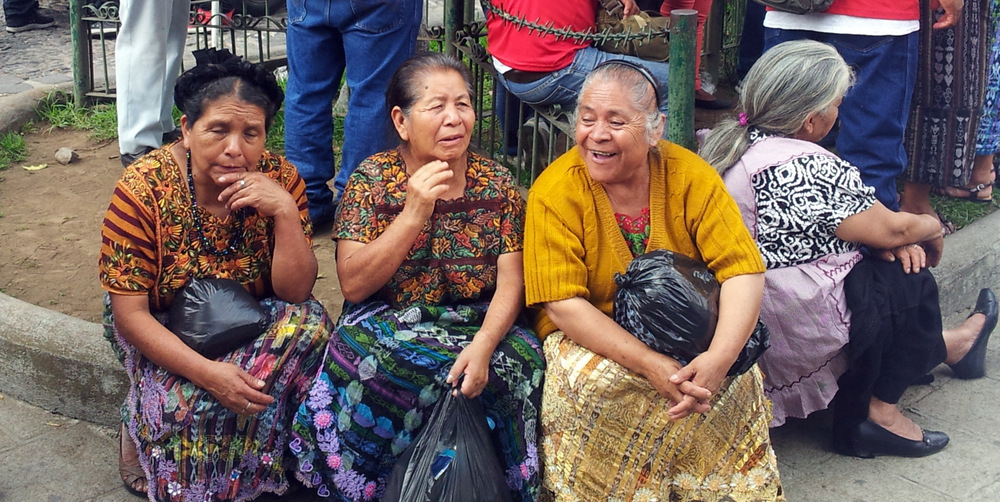
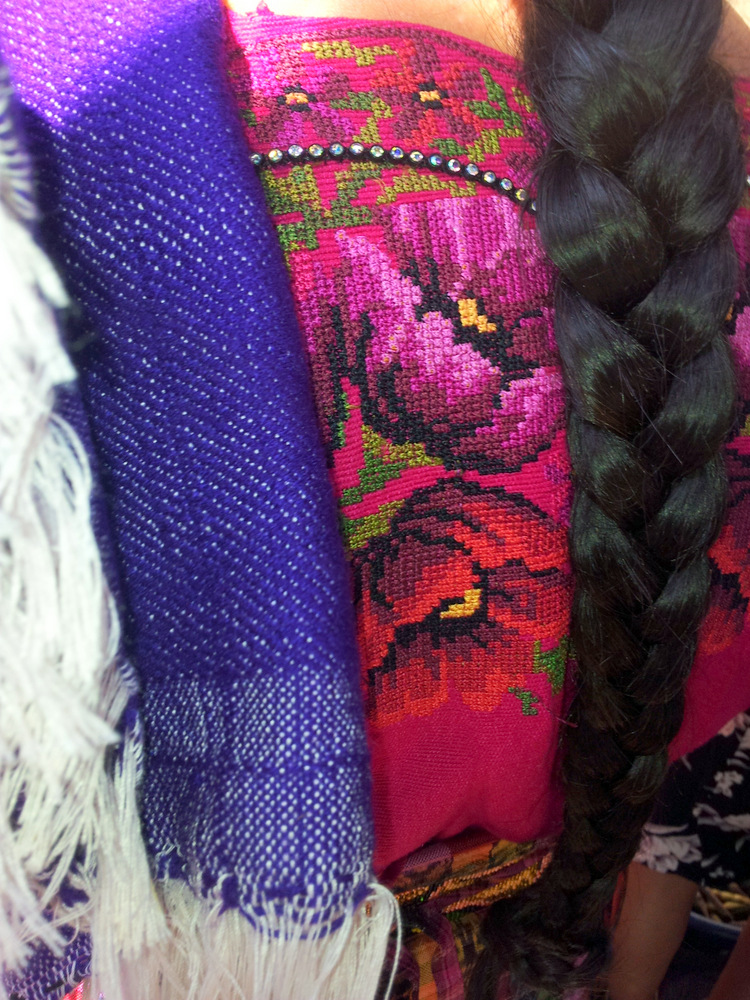
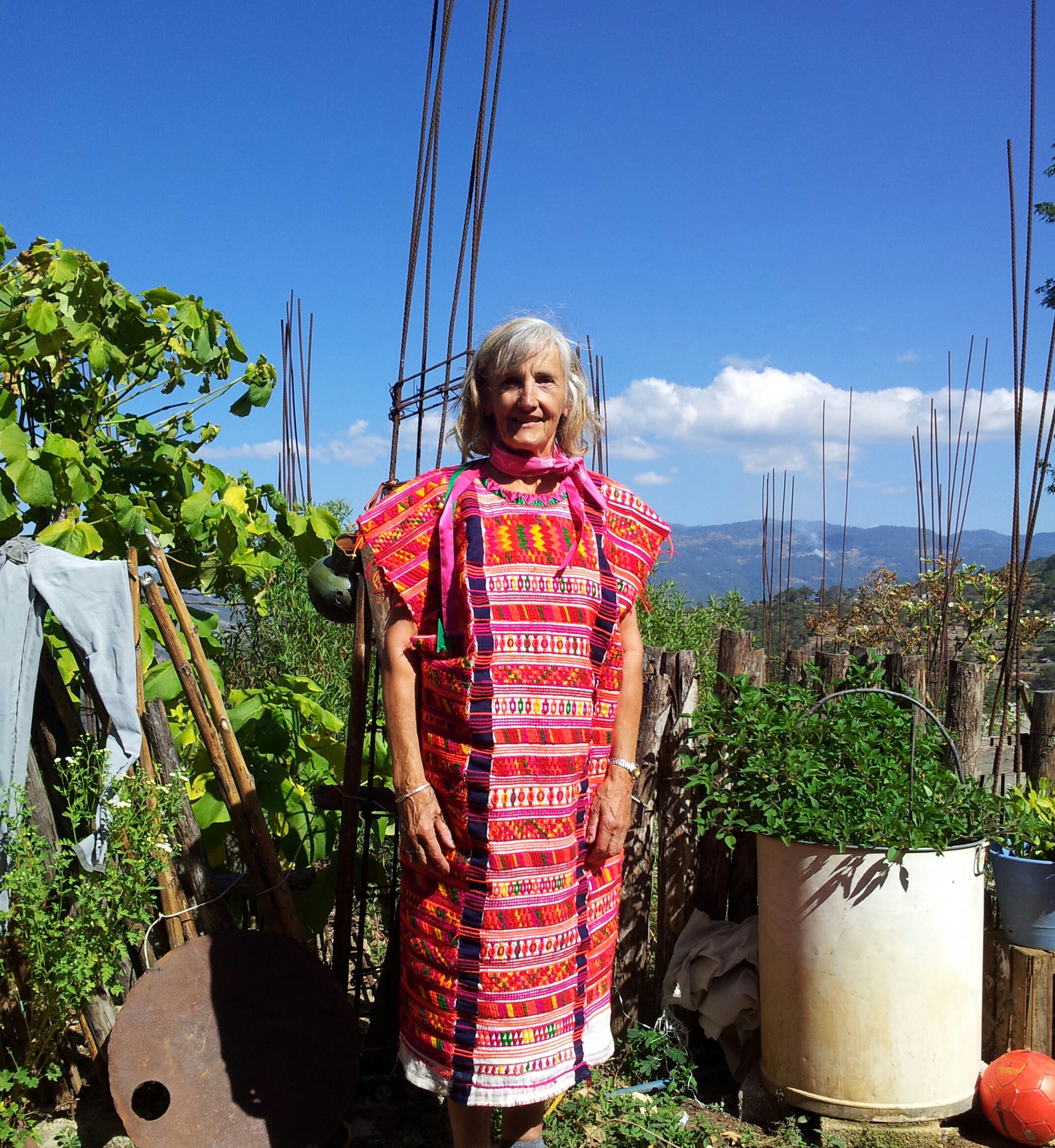
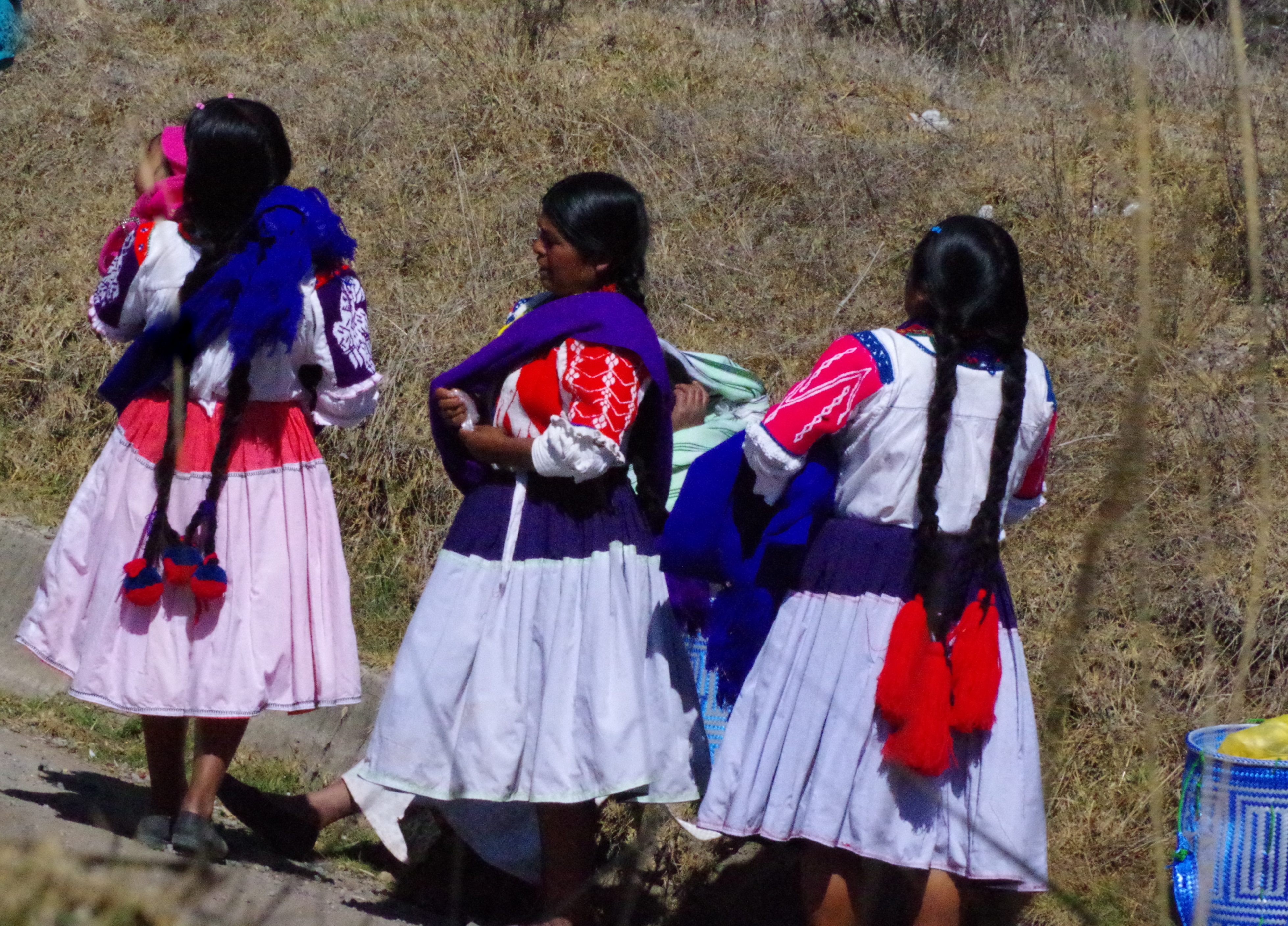
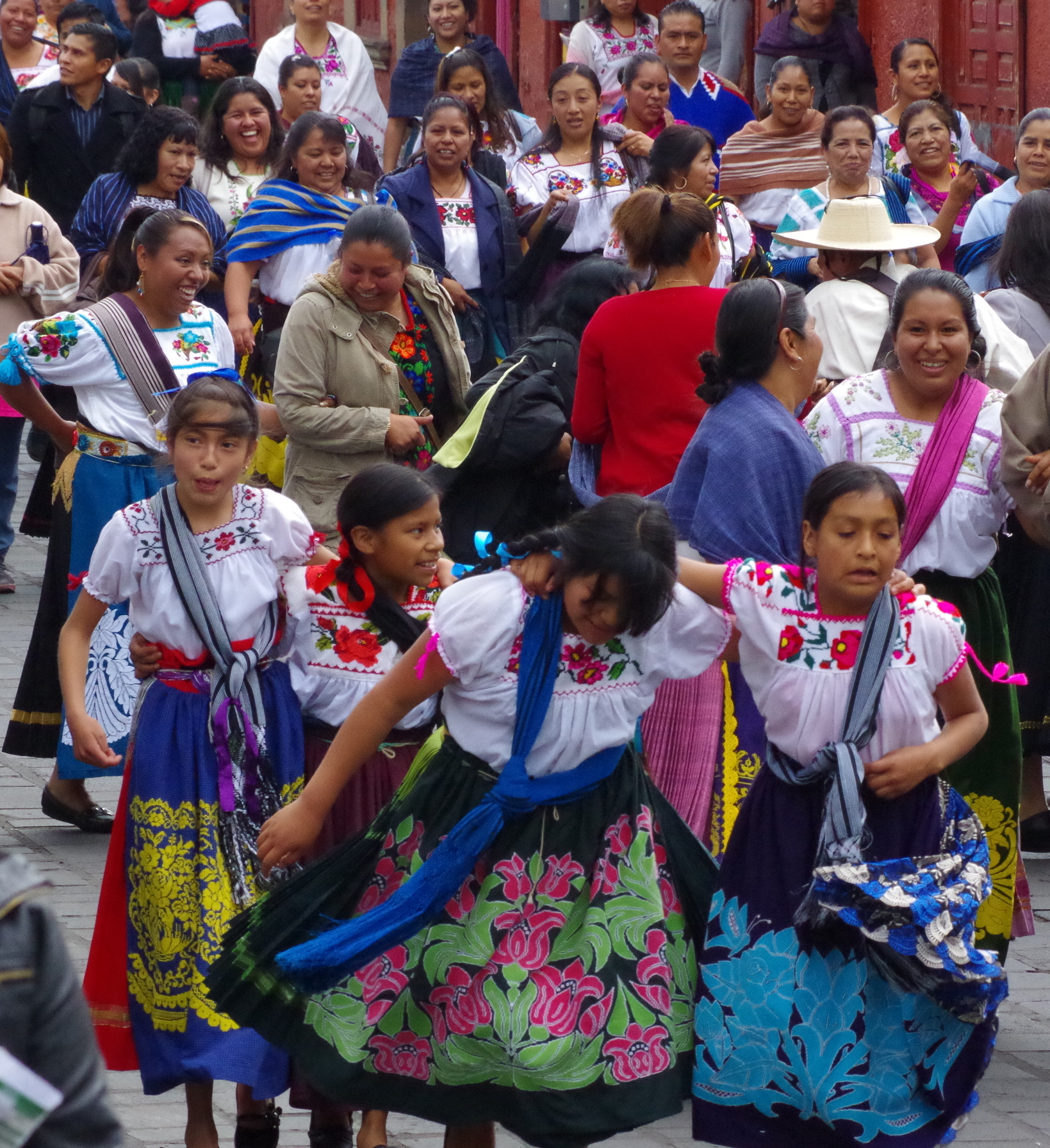
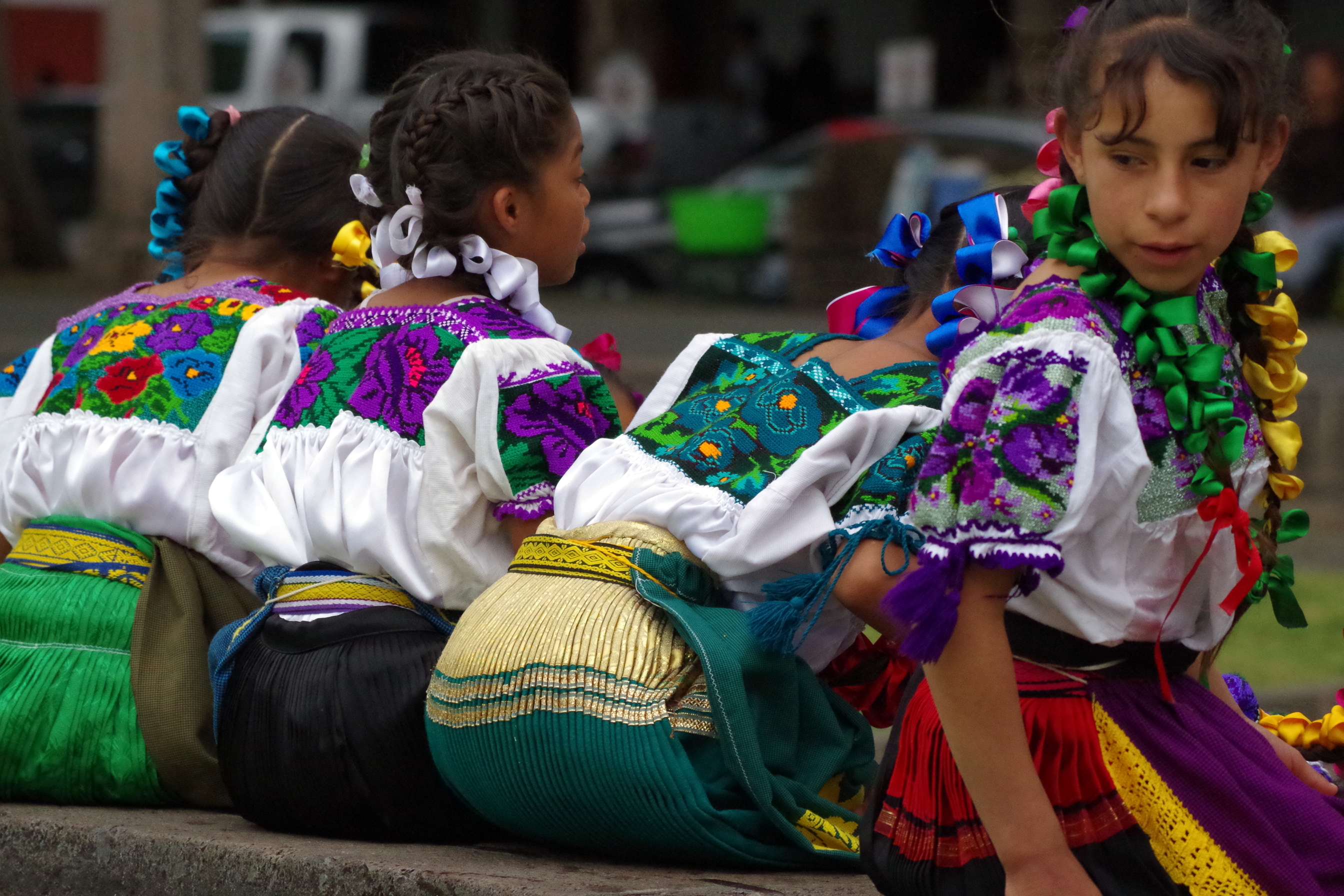
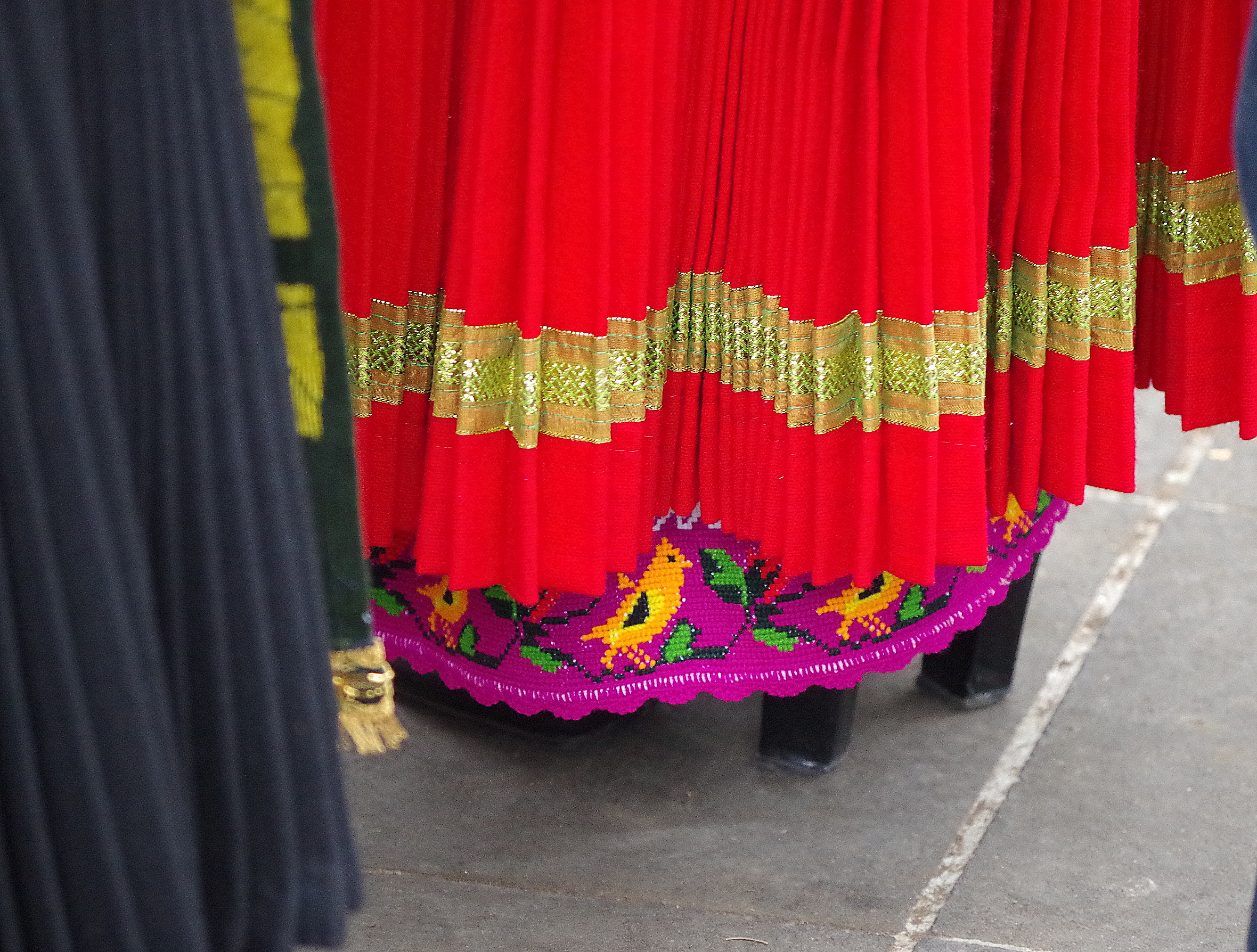
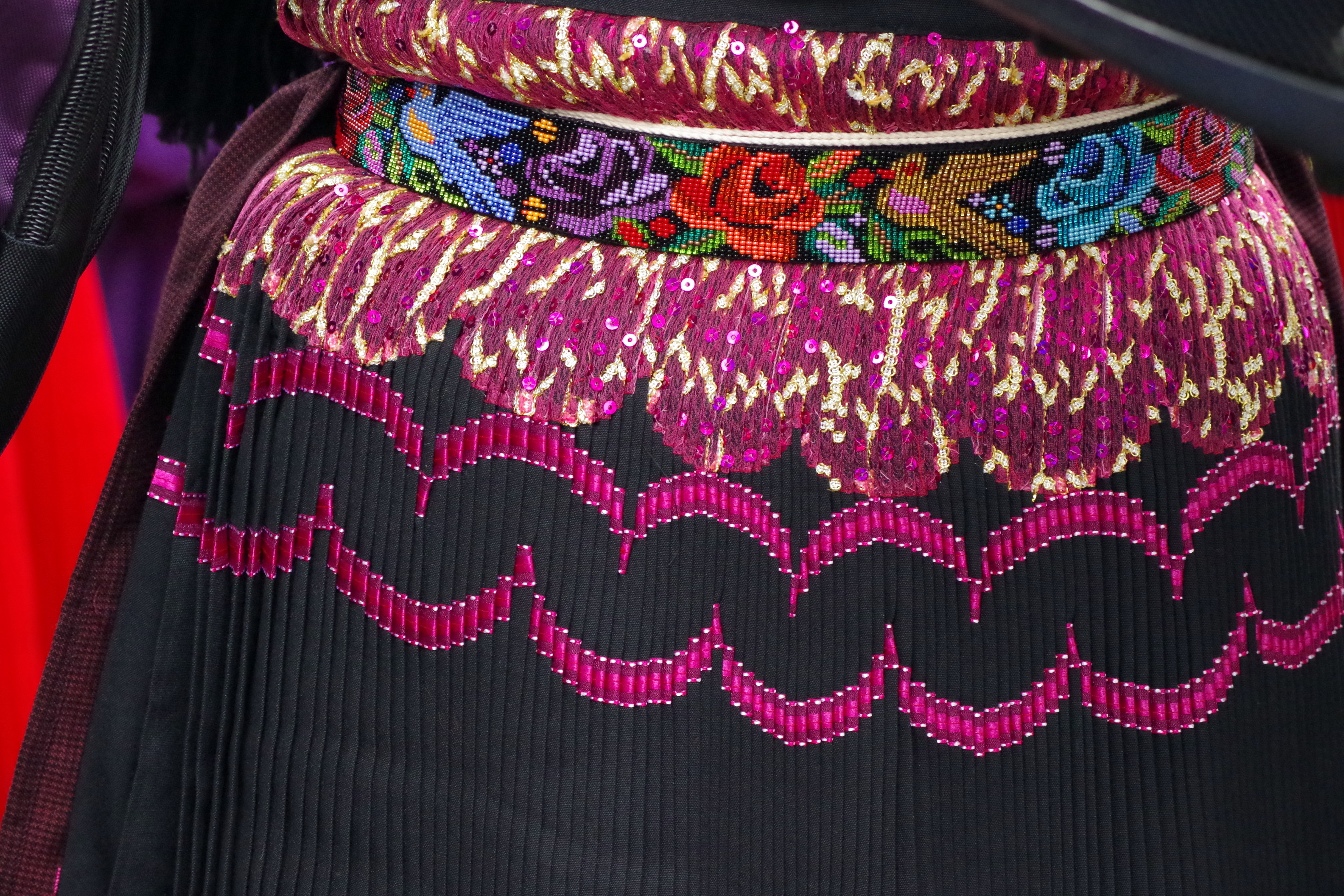
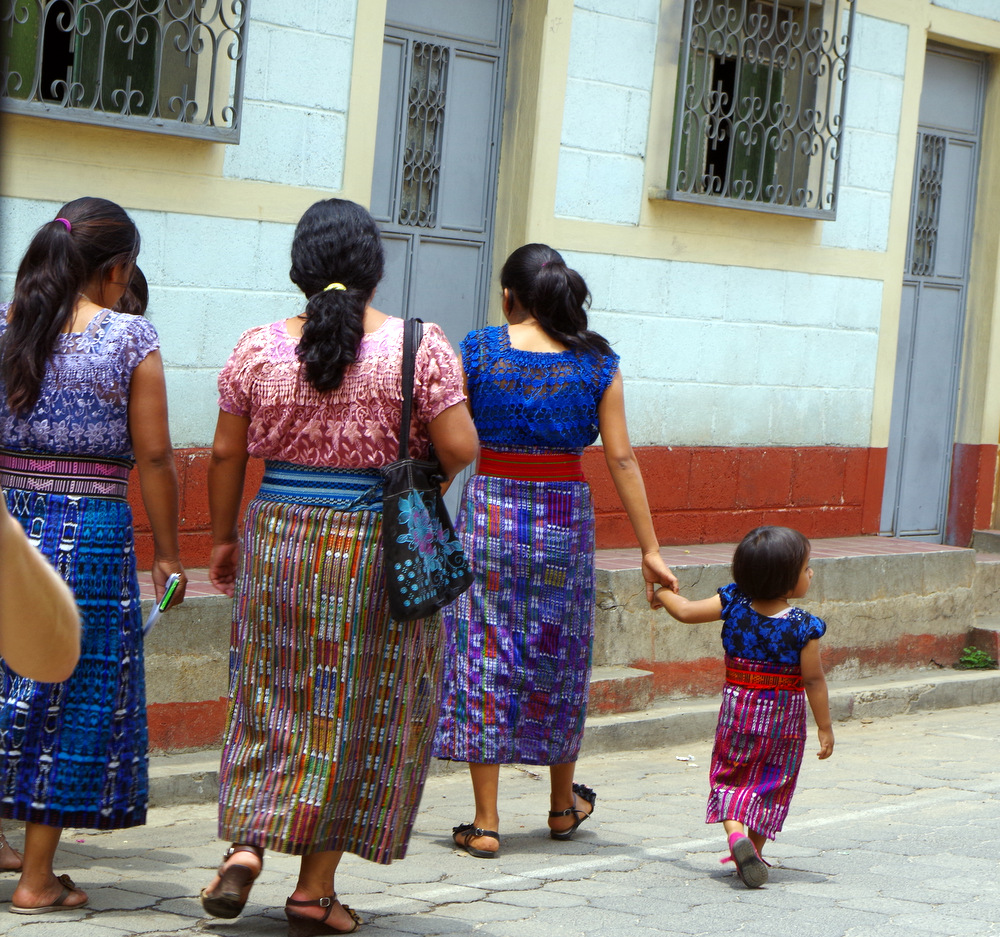
The skirts in this area are flat and folded in front, held together with ornate belts. Embroidered blouses are tucked in.
 

IMGP3401


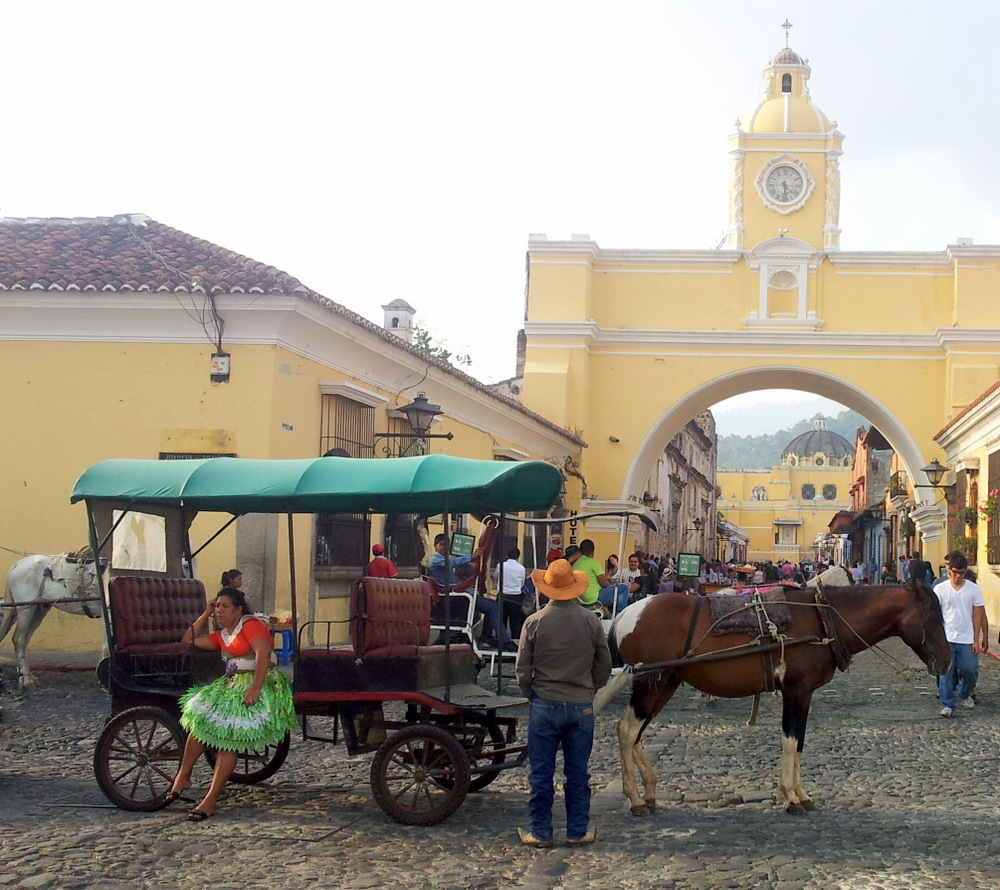
We got a parking spot at the tourist police lot (former hospital grounds), they share their toilets and showers with us, a local family cooks for them. Antigua is a historic and famous town and was interesting, but the traffic, fumes from the busses (former American school buses) and trucks and crowds pushing around made it unpleasant for me. It happened to be Mothers Day weekend and a lot of families came from the city (Guatemala City) to treat mom.
20150509_163017

Antigua


20150509_160800

20150509_151747

Buying votes for LIDER.


20150509_152058-1

We toured some former monasteries, all ruined by several earthquakes, ate a nice lunch and then I got a long Ayurveda massage. A nice Mothers Day.
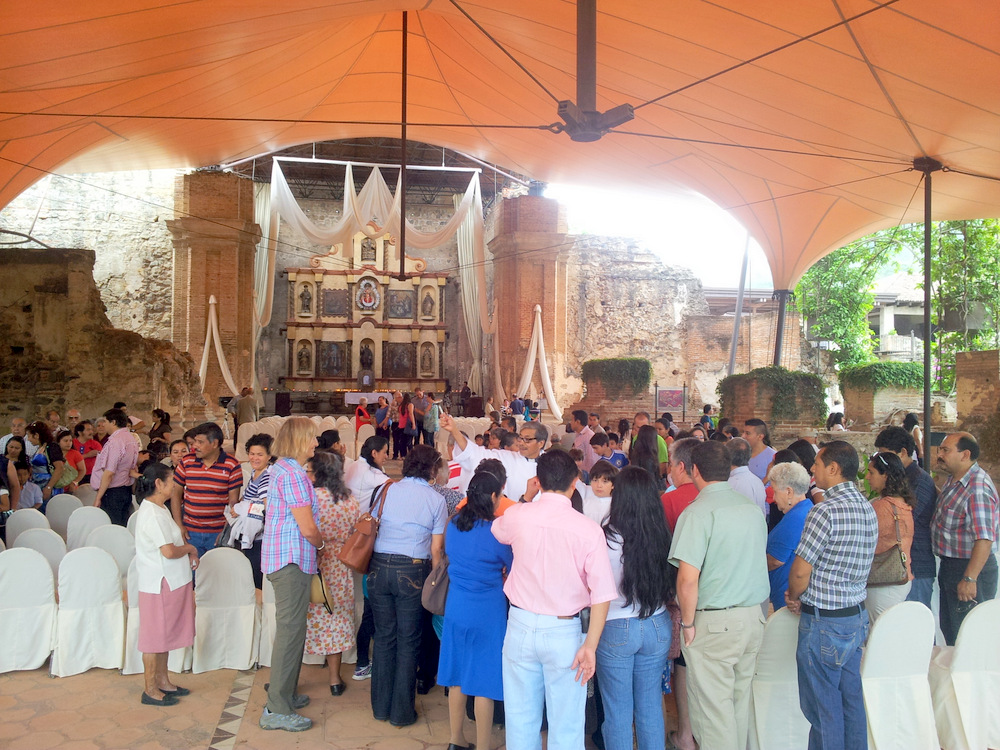
20150510_110835

Mothers Day blessing at Casa Santo Domingo in Antigua.


20150509_155906

20150502_092659

20150509_164925

We left after two nights, went to Guatemala City to stock up on basics and headed for the Honduran border.
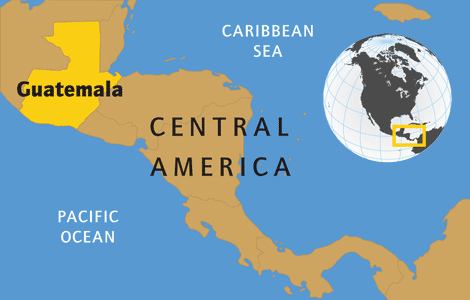
guatemala-map

← Back

Thank you for your response. ✨

Posted in Guatemala | 1 Comment

Belize

A small country with lots of diversity. Formerly British Honduras their official language is still English. On the coast it boasts coral reefs, islands and atolls, white sand beaches and mangrove forests. The interior was probably all jungle at one time, now a big part of it has been cleared to grow food, especially in the northern part of the country. Diverse are its inhabitants as well, there are the Mayas, “Whites”, Garifunas* and Creoles.

(* The Garifuna people are black people of mixed ancestry (African, Carib Indian and Arawak Indian) from the island of St. Vincent. In 1797, after fighting with the British, they were exiled from St. Vincent to Roatan; a small island off the coast of Honduras in Central America. After finding Roatan uninhabitable they set up villages along the Caribbean coast of neighboring countries Guatemala, Belize and Nicaragua.)

We crossed the border and immediately you could tell that you were in a different country, pastel colored houses on stilts give a distinct Caribbean feel. The music you hear in the towns changed from ranchero to reggae, it even smelled differently. To be able to speak English again and actually have a conversation without feeling like a moron was a real treat. It is also quite a bit more expensive than Mexico and the beer bottles are smaller, “thanks Billiken !” We wanted to go swimming in that amazing blue/turquoise sea and drove out to a little town called Sarteneja. It was really laid back there; the Backpackers Paradise had a spot for us under the mango trees. Needless to say, since it is mango season, we eat a lot of mangos, heaped them into our müsle and salads. We ate fresh fish a Richies Restaurant and found out too late that he would have let us camp right on the shore in front of his place. Sarteneja beaches are white and gorgeous but swimming from shore is not easy because it is shallow quite a ways out, however one is allowed to use any dock (yes, the private ones too) to walk out and jump in where it is a swimmable debt.

IMGP3107

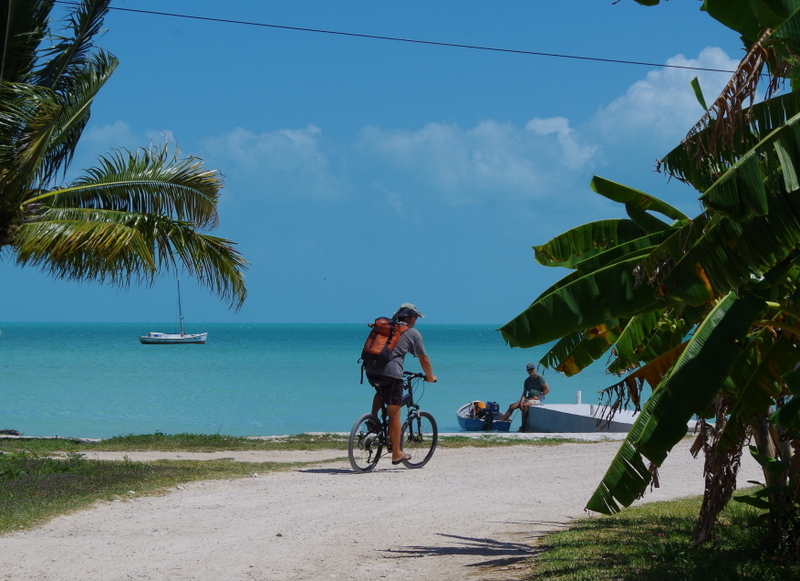
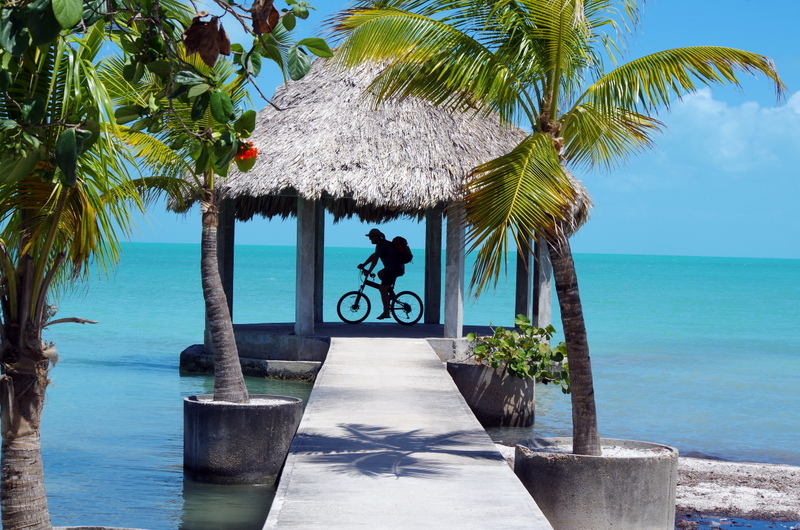
Riding the bicycle to Sareneja

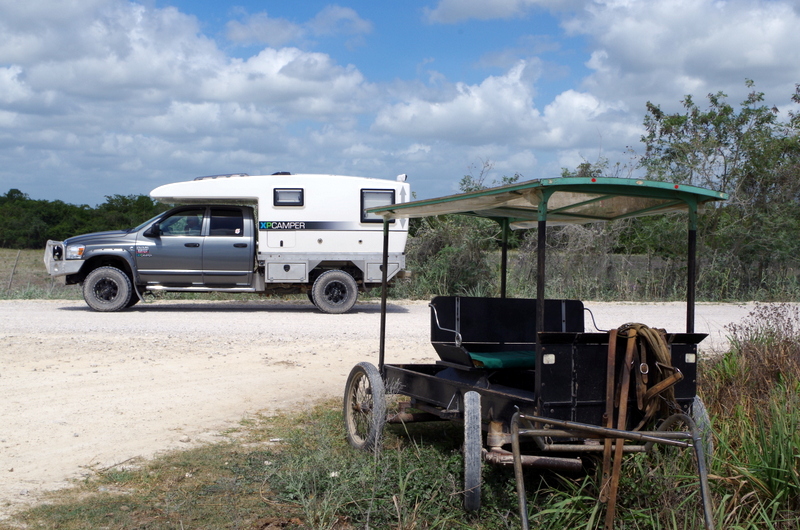
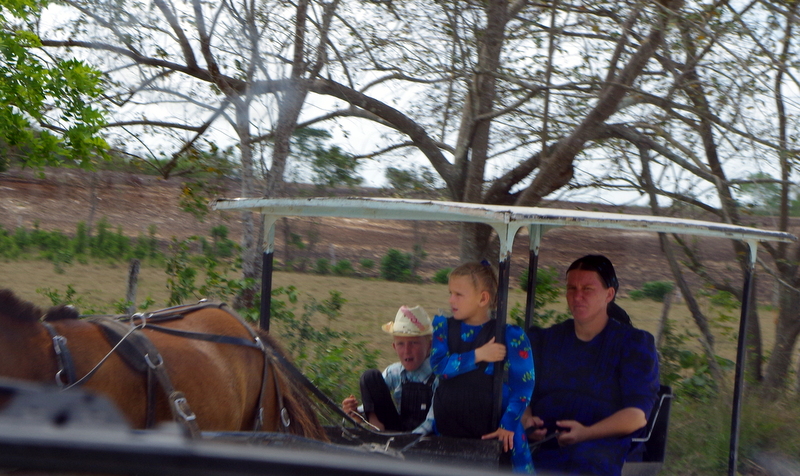
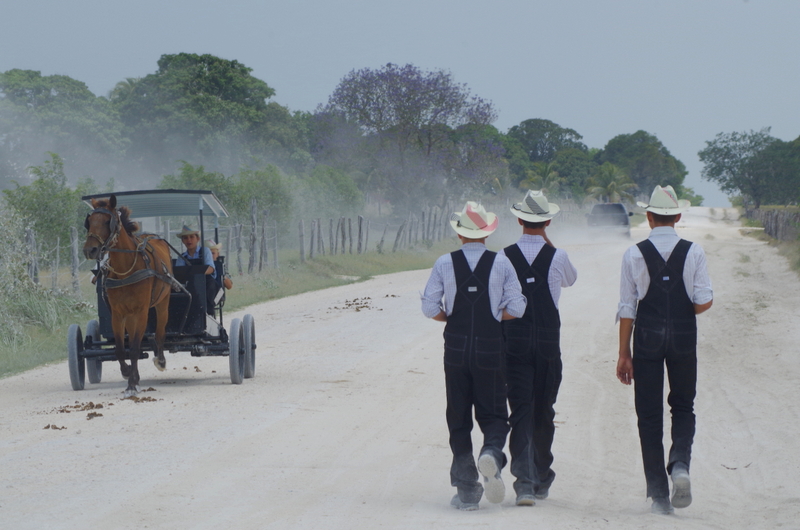
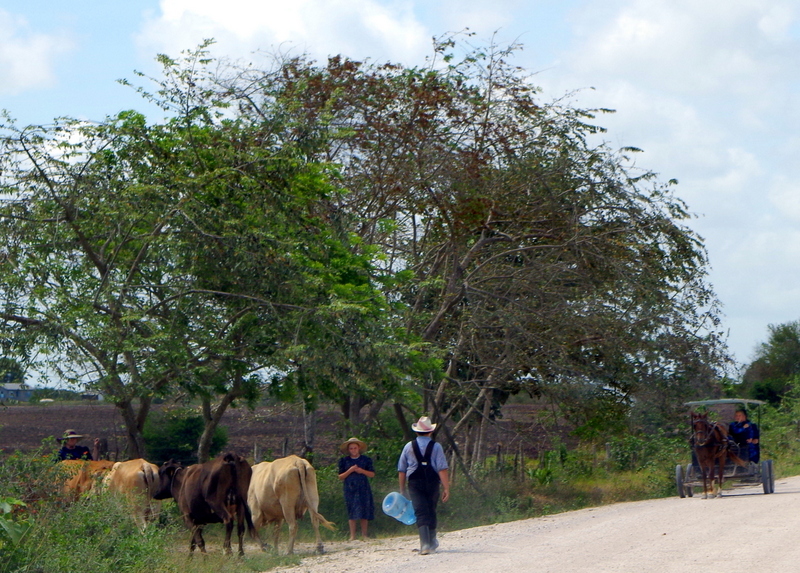
IMGP3111 IMGP3109 The drive out was long, the road mostly unpaved and dusty, we came through an area called New Belize and saw some Mennonites in their horse-drawn carriages and working the fields. You can’t miss them, they have their own distinct fashion: The men always wear black pants with suspenders, light-colored dress shirts and a straw hat. The women were longish dark dresses and either dark scarves or white scarves or straw hats with matching ribbons. Like the world stood still 150 years ago. IMGP3140 I have always been fascinated with the Anabaptists, read a book about the Hutterites and another about the Amish years ago.( The word is derived from the first leader of this group who was from Switzerland and whose name was Amann, hence Amisch) During the Reformation in Europe in the 16th century they had to flee and left for the USA and Canada.

IMGP3135

We passed them on the road to Sarteneja, the women never smiled back.

.We left Sartaneja after a few days and decided to find more Mennonites, on the map there were German town names near Blue Creek close to the Mexican border. When you come to Blue Creek you can tell there is something different going on there. No garbage in the ditches and fields, beautiful homes and rolling hills with cattle, rice and corn fields. It could be anywhere in the farm country of the Pacific Northwest. This is Mennonite country, they are clearing the jungle and building more farms. They feed Belize and all its tourists. They control the animal feed business, have a chain of car part stores and make and sell furniture. Blue Creek is a “progressive” Mennonite community, they have trucks and wear more modern clothing.
20150419_092841

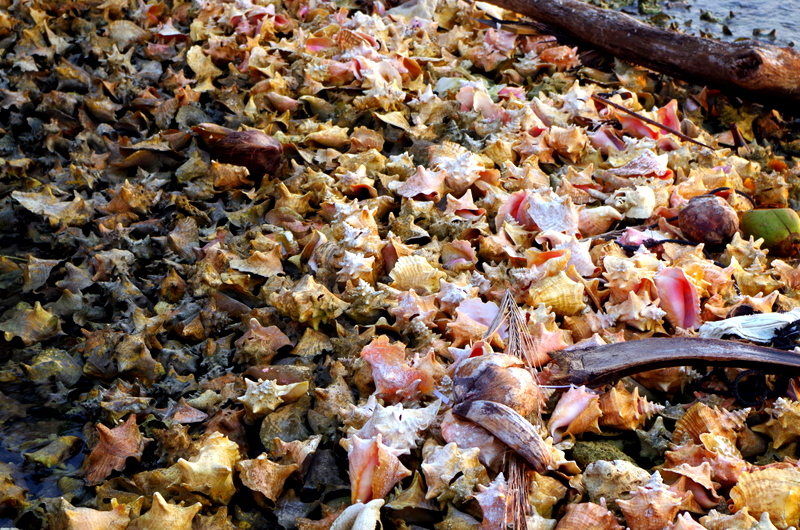
This is where the Mennonite clearing ends and the jungle starts.

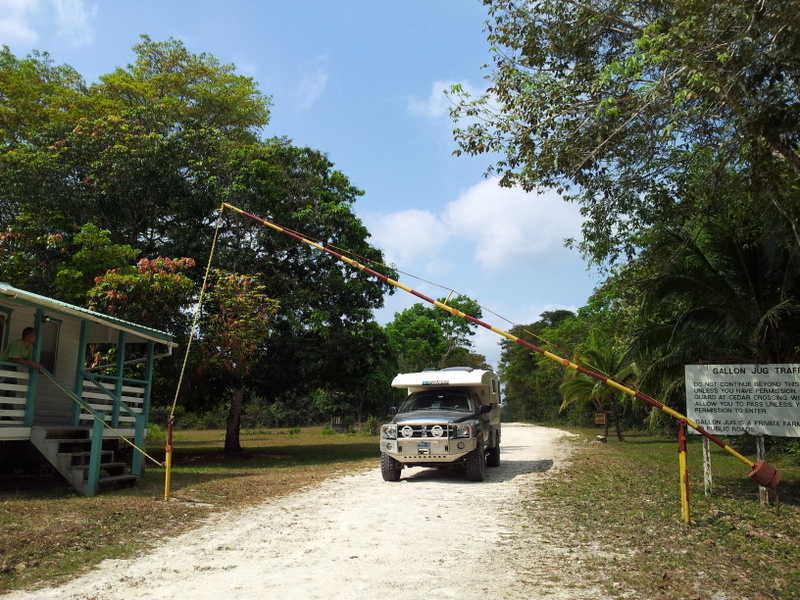
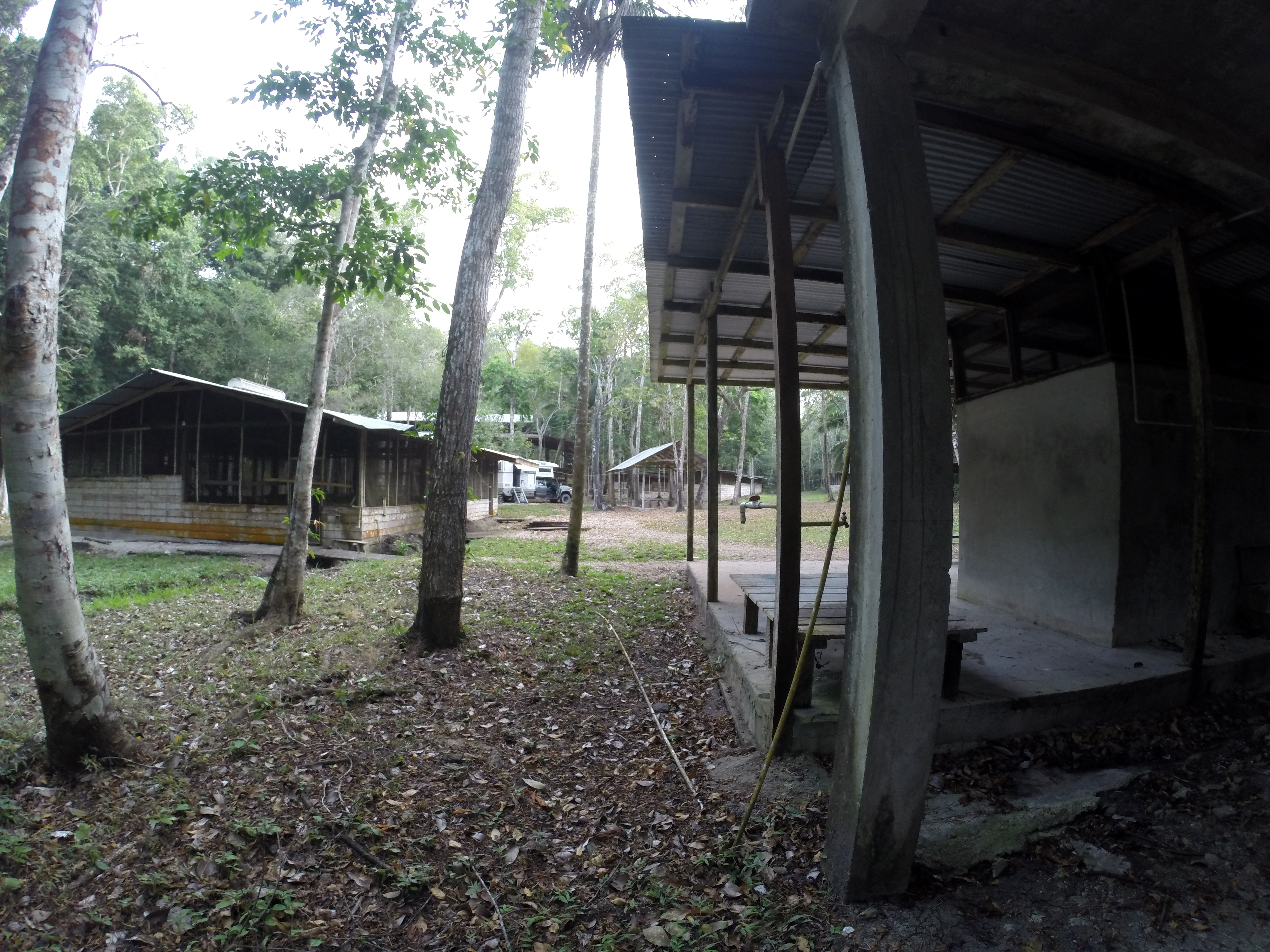
IMGP3154 Not so in the town of Shipyard, this was one of their first settlements in Belize (1958). Here the more conservative Mennonites live and work. They use horses for logging, farm work and to pull their wagons. Very beautiful and well taken care of horses. IMGP3181   IMGP3134 It was late afternoon and we decided to go to La Milpa and see if we can camp in the jungle. We left Blue Creek and turned into a road with a gate. “No”, we were told, we need to have written permission to enter the Rio Bravo Conservation area. Well : Günter told the gate-keeper that we came all the way from Germany to see La Milpa, an unexcavated Maya city with over 60 temples. Finally the gate-keeper got on the radio and called in to explain and the guy at the camp made an exception. The gate lifted and we were sent to a camp where the archeologists usually live, they were not due to arrive until May. So we had 8 composting toilets and 8 showers , 4 for Günter and 4 for me.

20150419_092259

Entrance to the Rio Bravo Conservation Area.

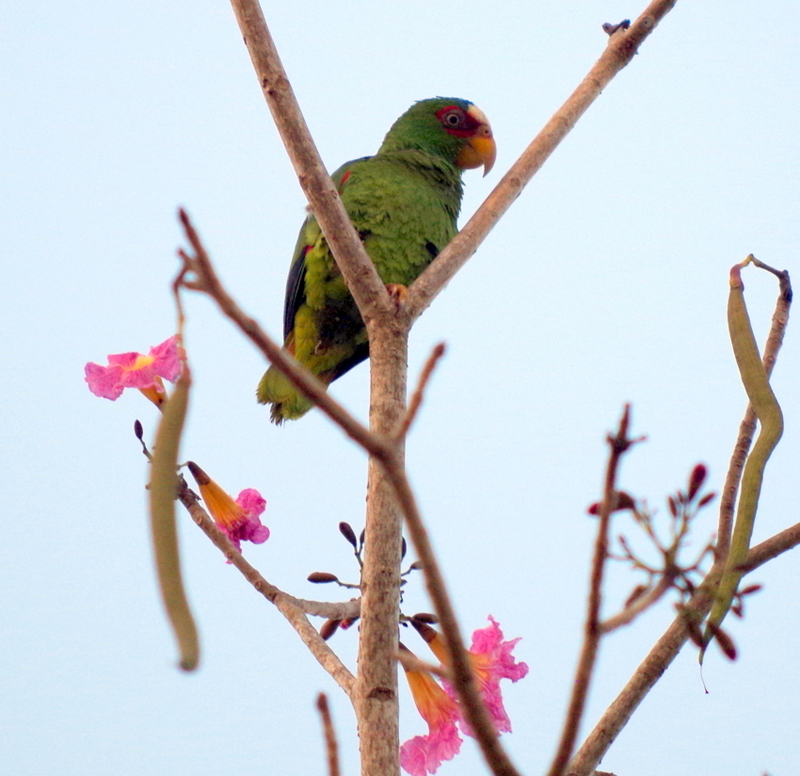
The jungle was alive with parrots every morning and hummingbirds were buzzing around.

IMGP3149

These rare storks called Jabiru were hanging out in the rice fields near Blue Creek.

IMGP3233

They were all over the jungle.

IMGP3202

These parrots hung out above our camper at La Milpa.

IMGP3161

Five km through the jungle to explore the Maya site.

DCIM999GOPRO

The archeologists camp at La Milpa. Can you see our camper?

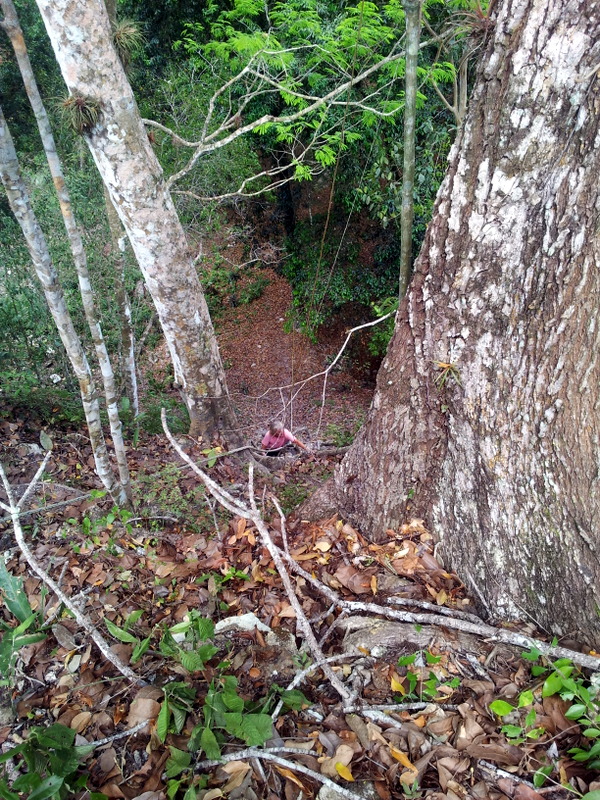
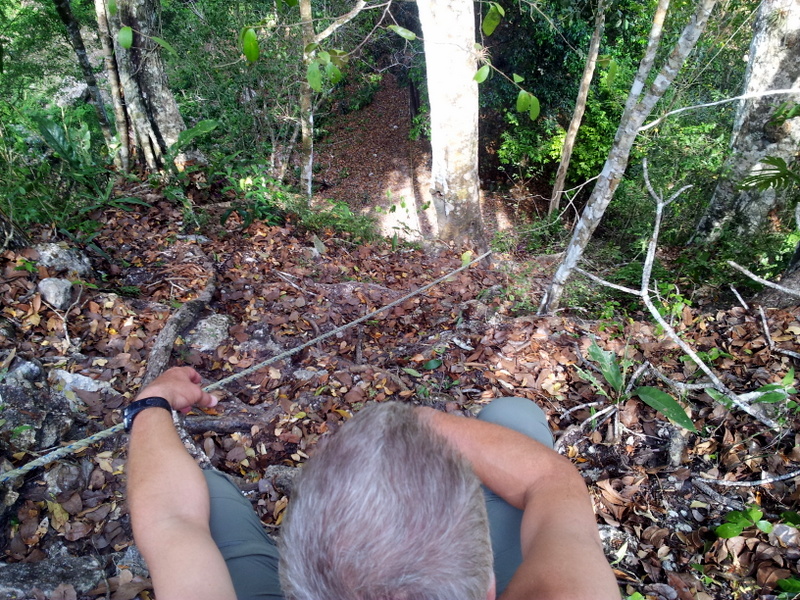
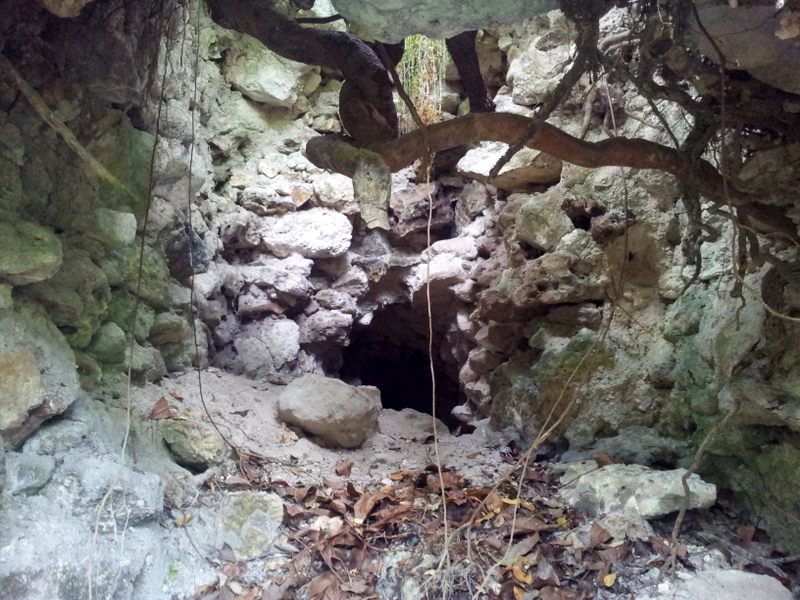
There was a crew of 13 people from National Geographic at a camp not far from us, they were there for a month to film the wildlife. The first night we were told that had seen a jaguar in the camp, well we didn’t see it, that would have been too good to be true. We hiked the 5 km to the archeological site the next morning and it really was amazing after having seen all the restored and rebuilt pyramids in Mexico . It gives you an idea how much work is behind excavating such a place. We climbed one 40 m high pyramid with the help of a rope, it was very steep because the walls had eroded away. Standing on top and looking across the jungle we wondered how much more was hidden out there. Several of the smaller temples had holes from grave robbers, some very old. I guess that profession has been around for a while.

20150418_102233

Climbing a pyramid the hard way.

20150418_104428

Günter Standing by.

20150418_105101

Grave robbers were here many years ago (we hope).

After a few nights in the jungle and an ant attack on my left foot we left for the coast again. The manager of the camp asked us to let everybody know that they are NOT set up for campers and did not want us to advertise . I think you can reserve a cabin there or Gallon Jug if you want to go there. Back to the Caribbean.

20150423_111535

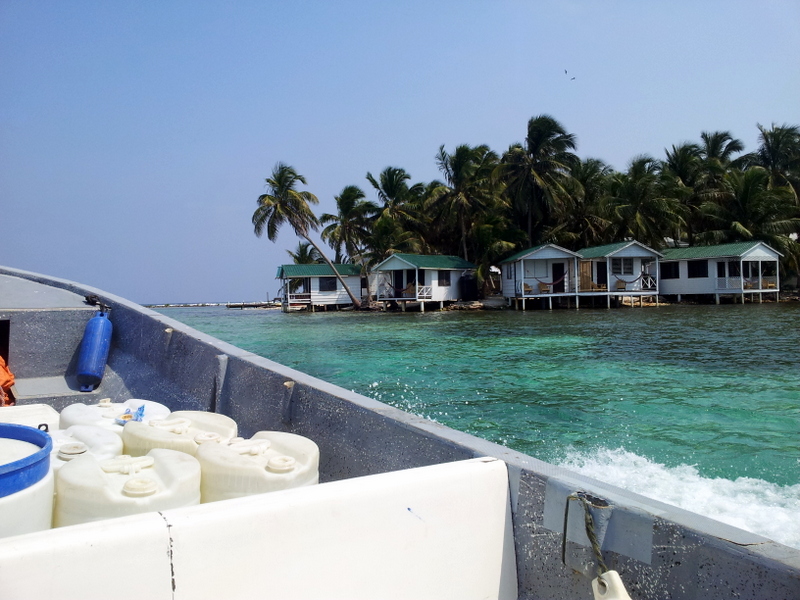
Tobacco Caye

20150421_134855

IMGP3294

The cabins on the beach at Tobacco Caye Lodge.

20150423_123338

It’s read

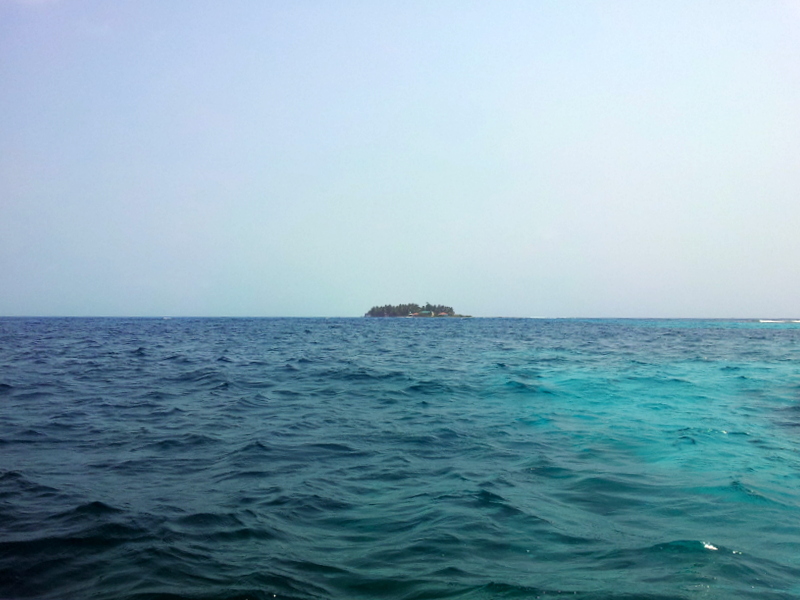
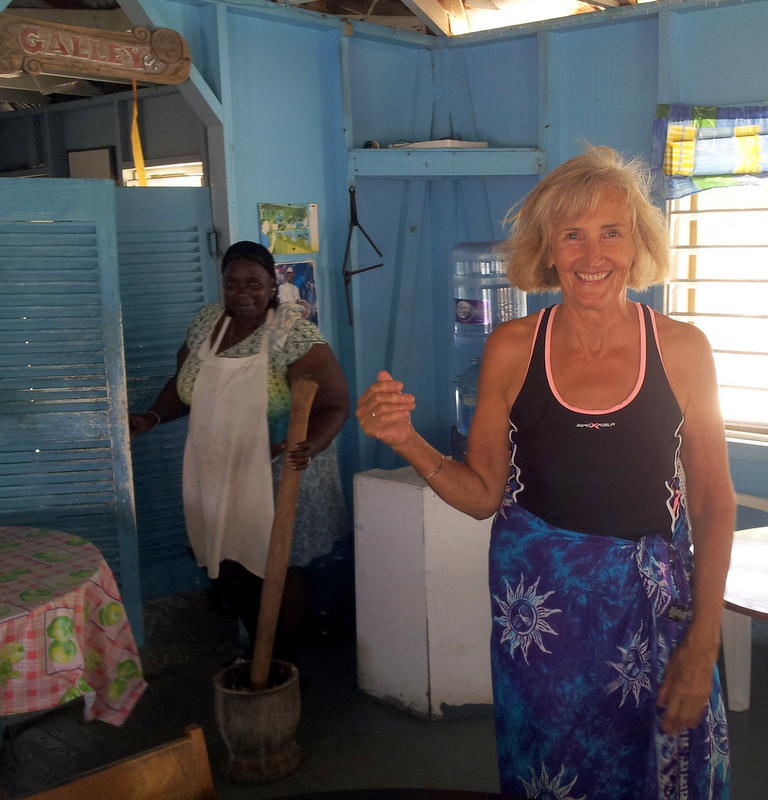
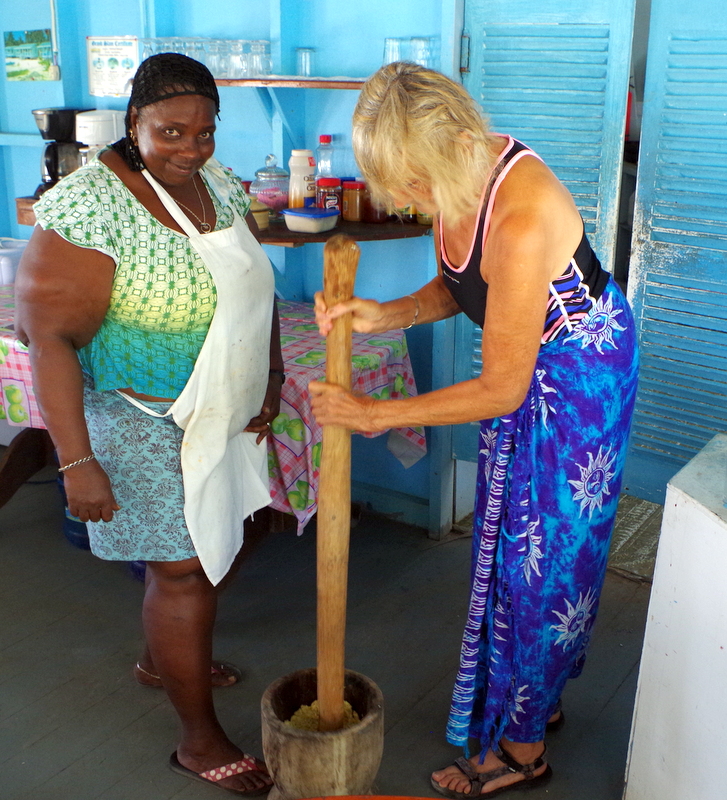
Tobacco Caye is a tiny island (240 x 125 meters) located 16 km out at the coral reefs, it has 18 year round inhabitants, fishermen. There are a few cabanas for rent and there is not much to do there except snorkel, read and snorkel. We had been there 10 years ago and went back to the same place, the Tobacco Caye Lodge. There are two Garifuna ladies, Judi and Anna, that cook for you, three times a day they ring the triangle, you can hear it anywhere on the island, and you march to the cook house and get fed. We had a lots of fun with the ladies and asked for Garifuna food. That was interesting and very good. They shred the cassava and sing their Garifuna rhythmic a capella work songs, they pound plantains to make Fufu, they shred coconut and make a liquid they add to the pounded plantains , chop the conch……The result is a tasty conch soup with Hudutu. We also had Bundiga: Banana, grated and cooked in coconut milk, seasoned with local herbs and served with fresh snapper, and we even had a Garifuna hot cakes breakfast.

20150422_133301

Judi and her helper.
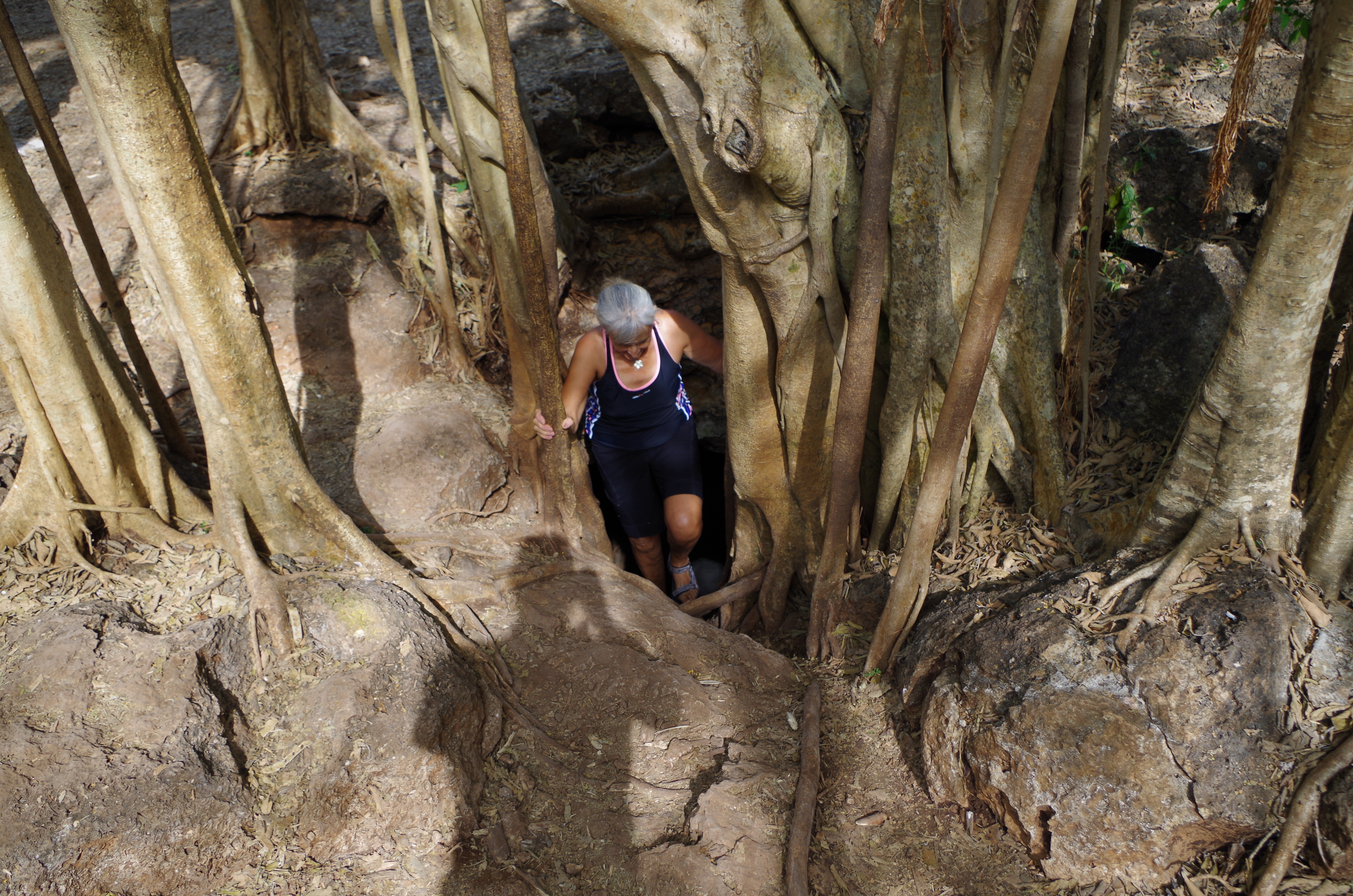
20150423_075643

Come and get it!

IMGP3278

IMGP3253

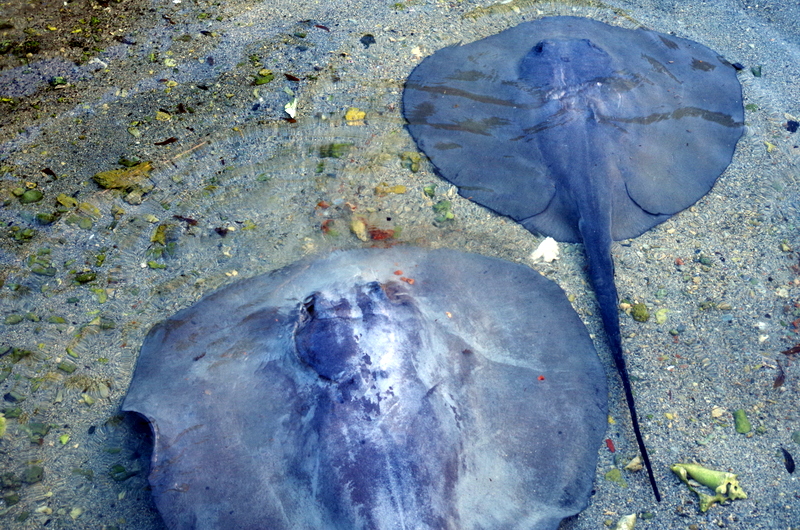
Stingray

IMGP3251

We ate one of them ! Conch.

DCIM999GOPRO Here a short video clip of our time there:

There was a constant light breeze that kept us cool and the hammocks under the palms were great for after-snorkeling-naps. We spent three nights there and then got a boat ride back to the mainland. Our camper was parked safely in Captain Firmins fenced yard and was guarded by his big dogs, a Bullmastiff and a Malinois. “Sheep in wolfs clothing”. It was hot again, the thermometer climbed to 40 ° C and I was so very glad that we have  air conditioning in our truck. We decided to head for the mountains of Guatemala to find cooler temperatures.

← Back

Thank you for your response. ✨

Posted in Belize | 3 Comments

Yucatan

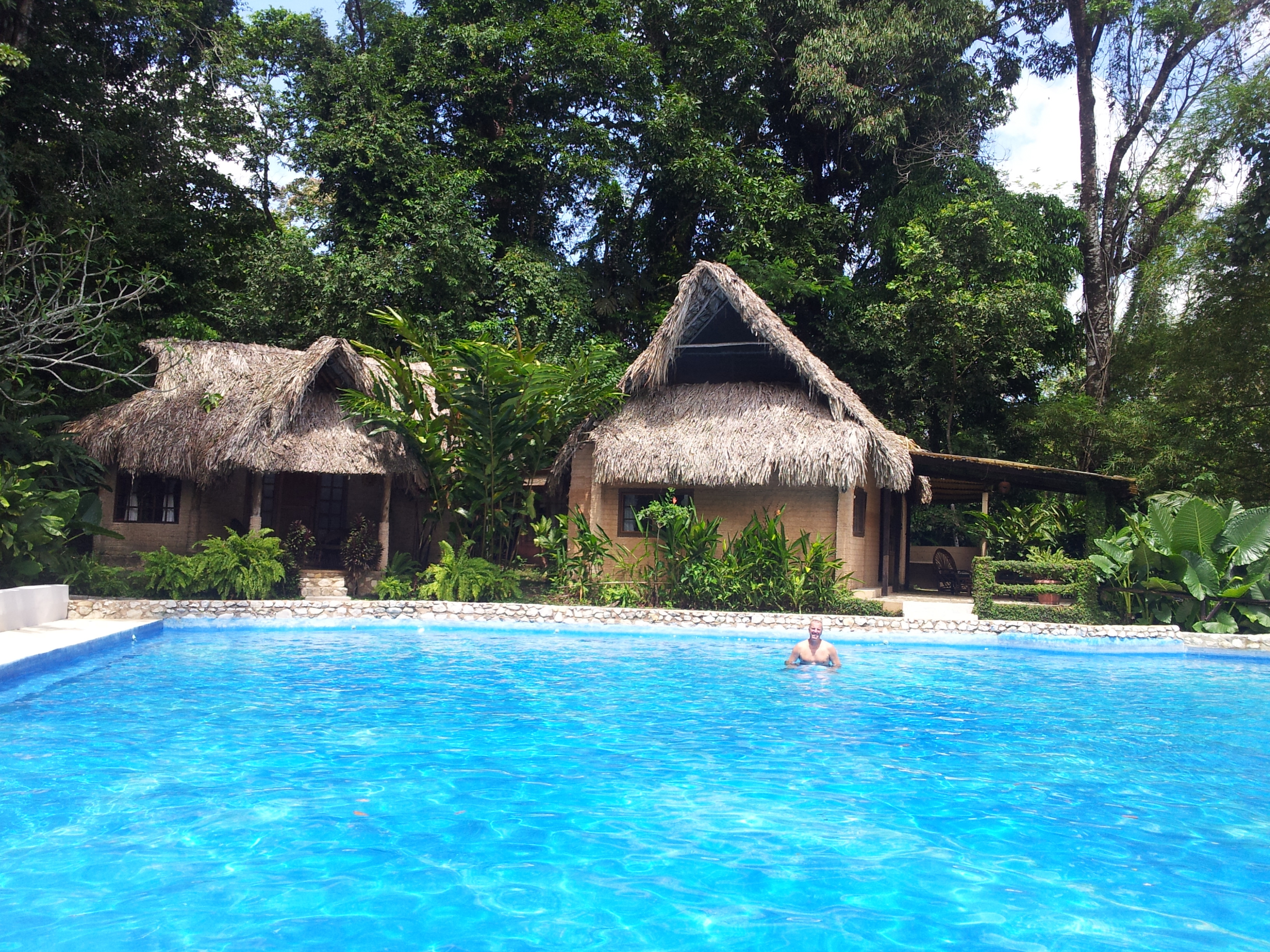
Palenque and its Mayan ruins was our next stop, we parked at Maya Bell resort and were very happy to have a swimming pool. It was getting hotter and hotter as we traveled through the jungle and we both do not do well in excessive heat. The pool offered us a way to cool down and get a little exercise, it is hard to go hiking or for a bike ride when it is that hot. The camp site was at the edge of the jungle and we had a family of monkeys hang out above us in the trees. It is amazing how loud a little howler monkey can howl at 4 am, but we soon got used to them. They are fun to have around and you can sit and watch them until you have a stiff neck.

20150330_111622

Our campground “Maya Bell” in Palenque.

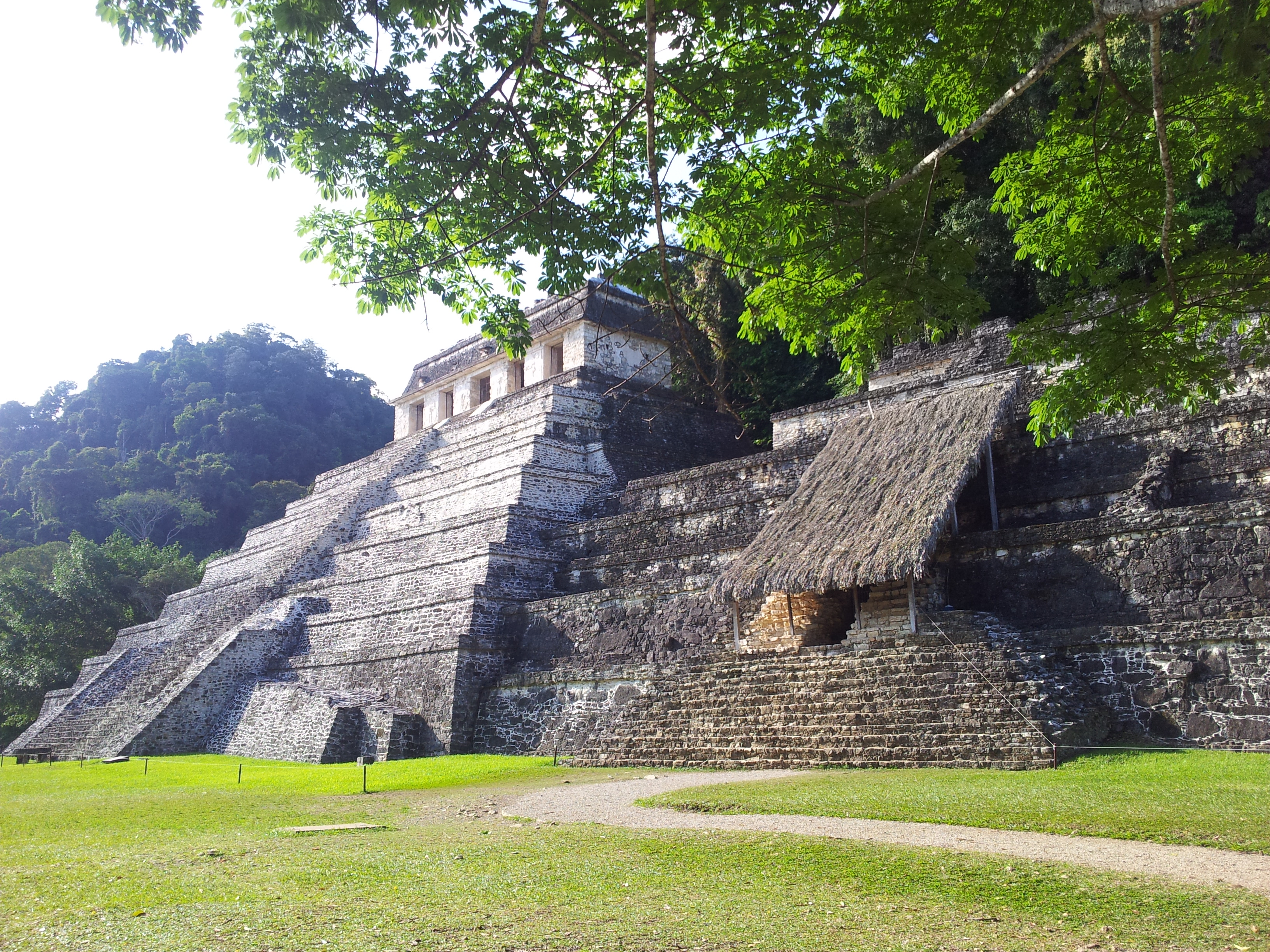
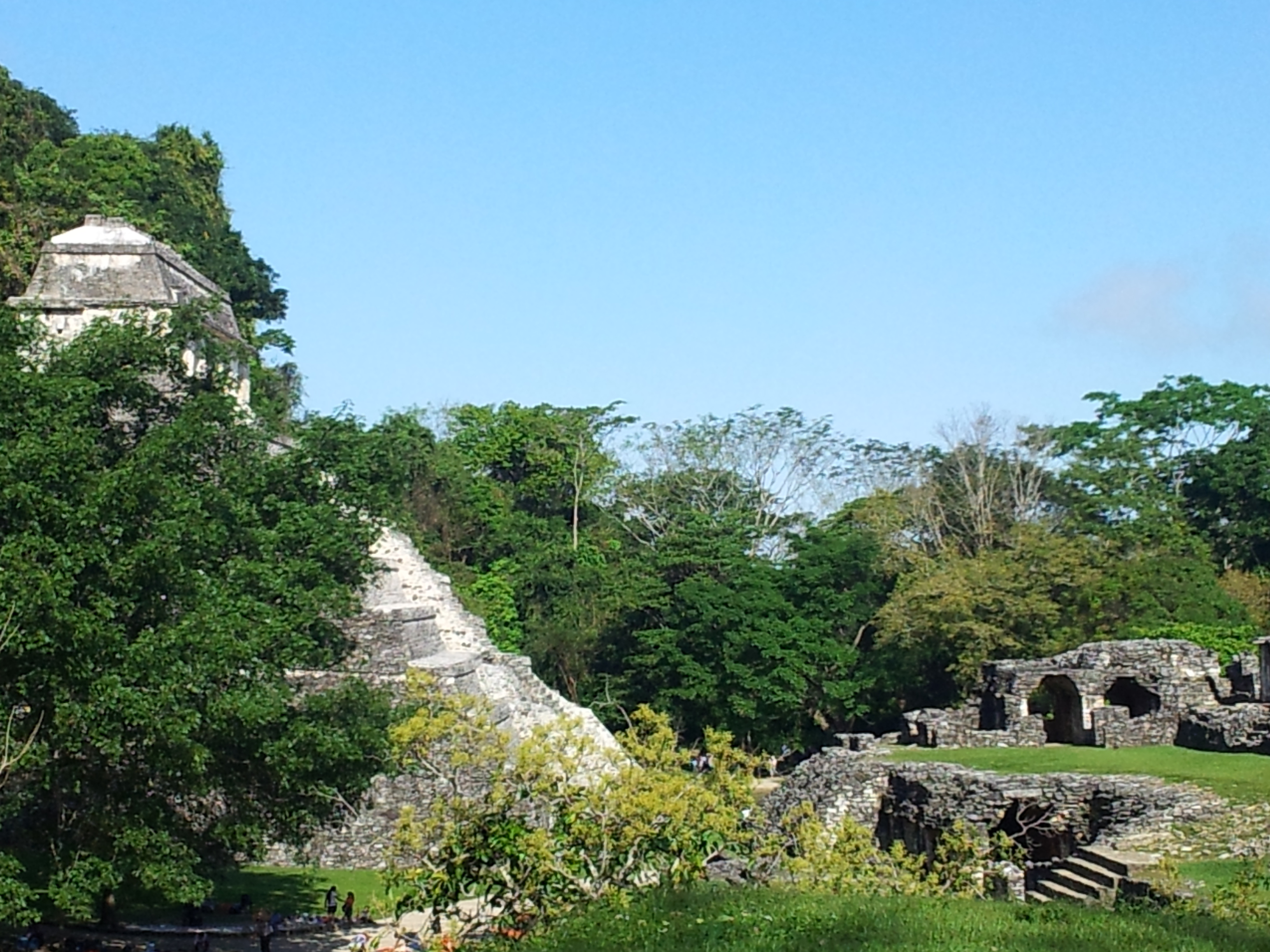
We hiked up to the ruins shortly after 7 am and were dripping sweat by the time we got the entrance at 8 am. But wandering through these ancient ruins was amazing and we spent the morning exploring until the first tour bus arrived. It was a large French tour group and we tried to stay away from them as well as we could. There are underground walkways in one of the main buildings and as I wandered around I lost track of Günter. At one point I was trapped in a side room when that same tour group came through. Finally they moved on I continued in the other direction, as I rounded the corner I came upon a French straggler, he was relieving himself in the corner of this 2000 year old underground room.
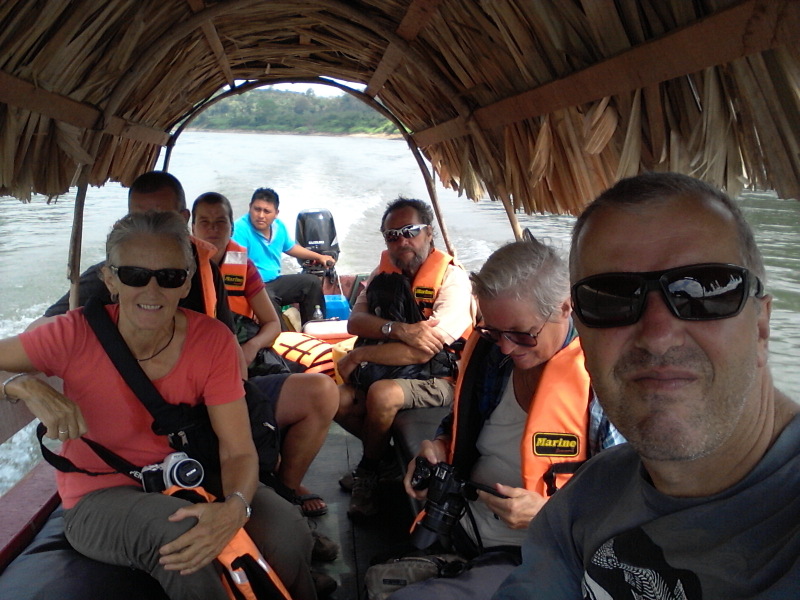
I couldn’t believe it, he took off in a hurry when he saw me and I charged after him, I was so angry.( I have seen them do this back in France, against trees, in parks and against walls and buildings, like dogs. ) Finally I confronted him and told him he was a pig, I did so in front of his fellow travelers and then I put in a complaint with the tour guide.

20150330_080733

20150330_082840

IMGP2865

We left after that and decided not to go to any more famous destination sites for a while.

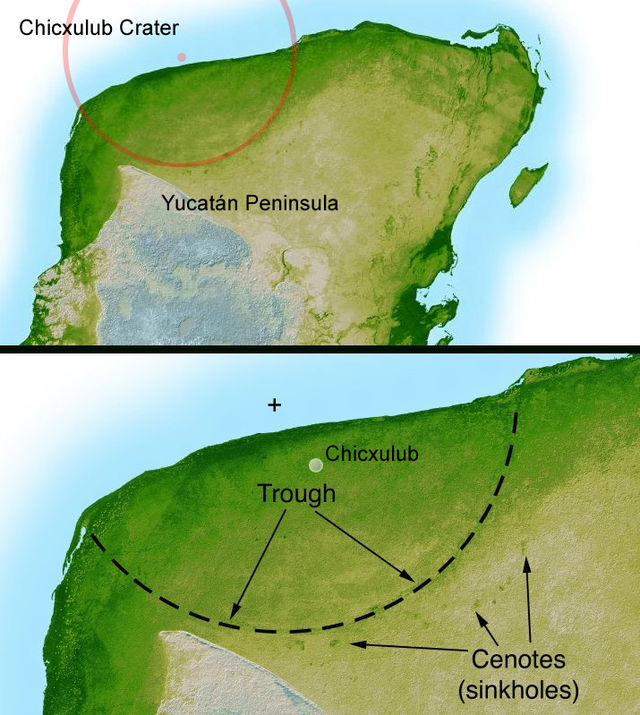
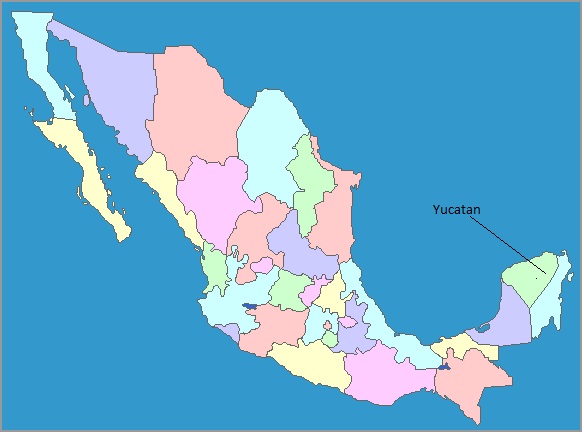
The Yucatan is Labyrinths of limestone caves and other karst formations that punctuate the state, there are subterranean rivers and lakes everywhere. The lakes are called cenotes, most are hidden underground.

The Chicxulub crater is a prehistoric impact crater buried underneath the Yucatán Peninsula in Mexico.  The crater is more than 180 kilometres (110 mi) in diameter and 20 km (12 mi) in depth, making the feature one of the largest confirmed impact structures on Earth; the impacting meteorite that formed the crater was at least 10 km (6 mi) in diameter. Of course this happened 65 million years ago. Along the former crater rim are Cenotes.
640px-Yucatan_chix_crater

It has been estimated that there are approximately 30,000 cenotes or exposed access points to these cavern and cave systems and thousands of miles of underwater cave passageways have already been explored and exploration continues. Two of these cave systems have over 140 km of explored passages. Some cenotes contain spectacular cave formations, while others are important archaeological sites, and several were considered sacred by the Mayans. A few are open to the public for swimming and diving.

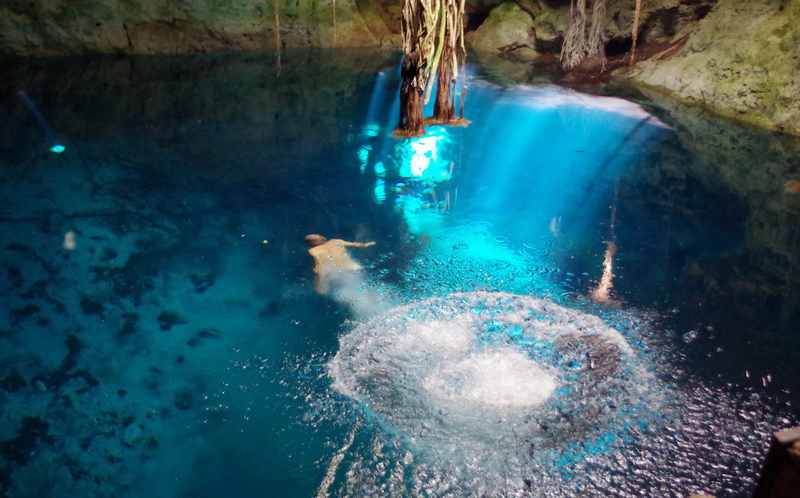
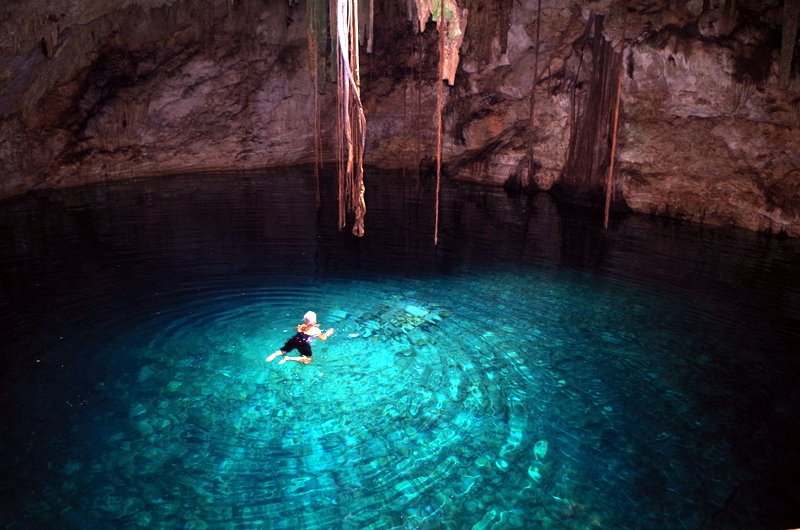
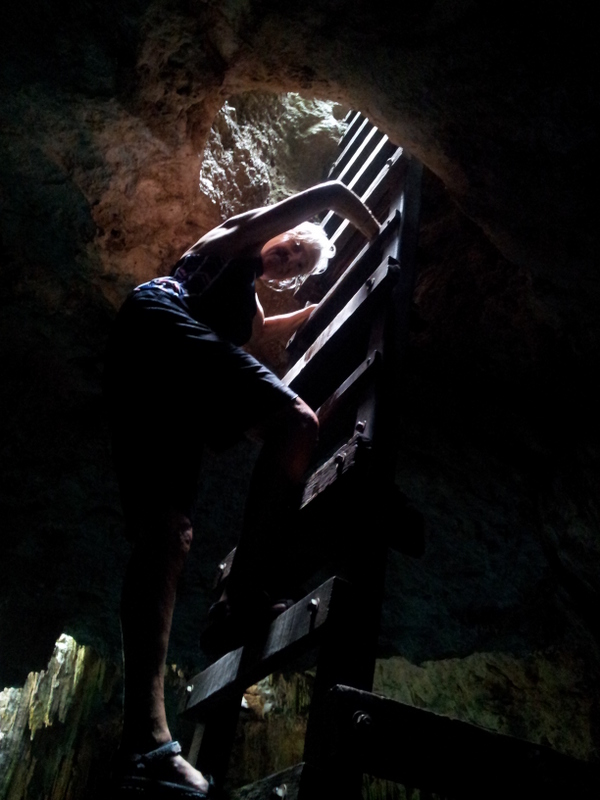
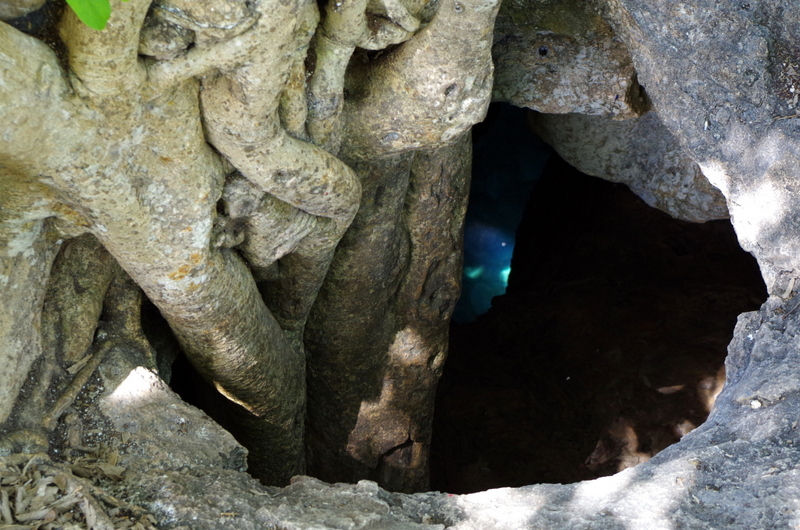
You can visit them, enter through a hole in the ground and climb down a ladder, down there you will marvel at the rock formations and crystal clear water, we dove in and went for a refreshing swim in two of the three cenotes we visited . We decided to go the same ones Sam and Erica had written about. It was the week before Easter called Semana santa or “Karwoche” in German. Together with Christmas, these holidays is the most popular vacation time for the Mexicans. So we drove to the little town of Cozuma, the drive was very interesting, we took back roads and came through little Mayan towns with their thatched huts made of sticks and mud. It would have been nice to stop and walk around and talk to the people but at 95° + F we just could not do it.

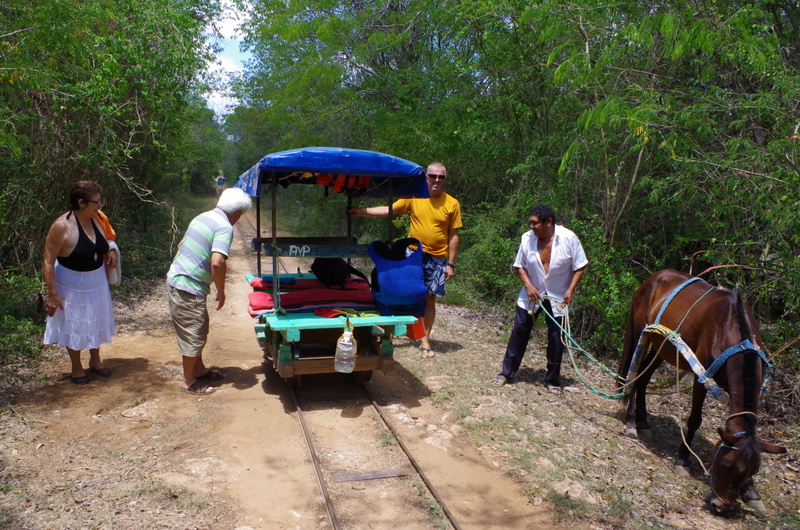
To get to the cenotes you take a horse drawn cart that runs on narrow gauge tracks. We shared the cost with a very nice couple from Mexico City and enjoyed their company. The cenotes are located on former sisal plantations and the tracks were leftover from the days when the cactus leaves were transported to the factories.

IMGP2927

The entrance to the first Cenote.


20150403_095720

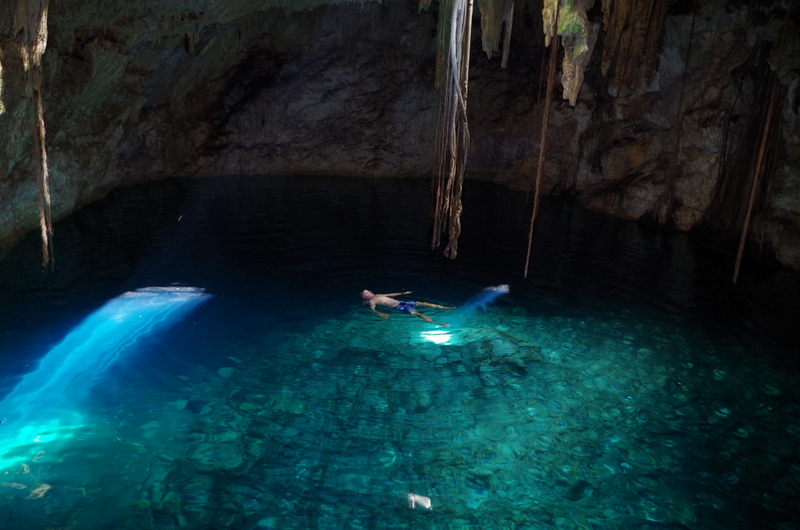
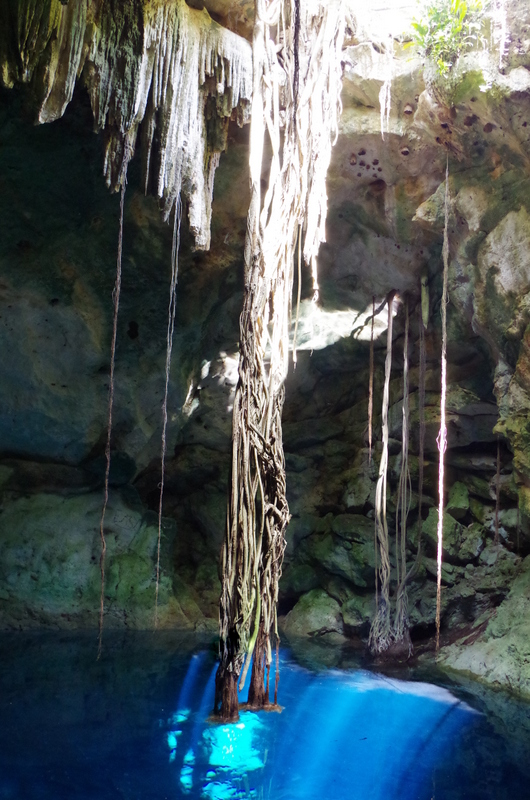
They were really beautiful, the entrances were small, as you climbed down the latter the narrow hole opened up and you were suddenly in a beautiful cave with a clear lake and sun beams coming down through other holes on the surface. Swimming down there was a real treat and I felt like staying forever, floating on my back and looking at the stalactites above me.

IMGP2975

you can see the water down there.

IMGP3012

We had to lift the cart off the tracks several times to let oncoming “traffic” pass.

IMGP2957 IMGP2987 IMGP2994 IMGP2931 IMGP2977

We moved on, went to Campeche, it was hot, checked Merida, even hotter, checked the weather in Tulum and it showed a balmy 86 ° F. Tulum it was, we got there and since it was Easter weekend we kept going south, it got dark so we stopped overnight at the beach.

IMGP3068

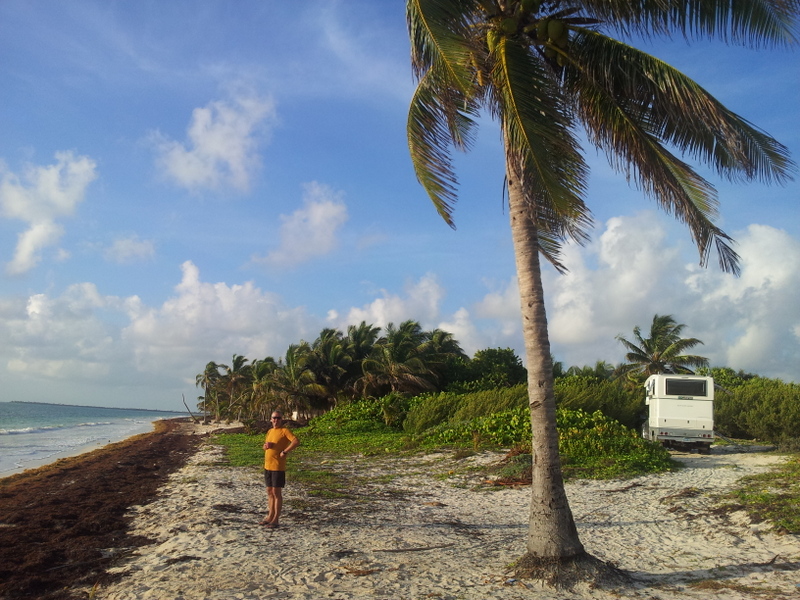
20150404_063324 until we got to Punta Allen and the end of the road. A quiet town of around 500 people on the tip of the peninsula. We camped under the palm trees of a little place called “Costa del Sol”.

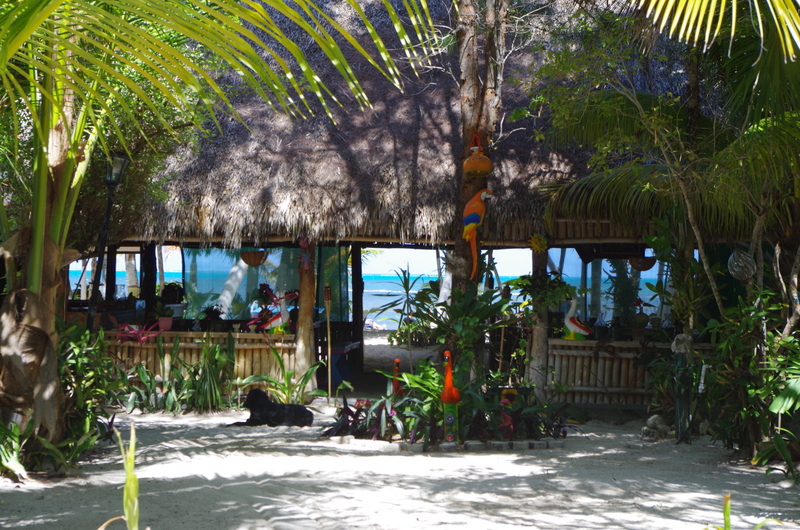
IMGP3029

Costa del Sol restaurant and hang out.

IMGP3033

Here is where we spent the hot part of the day, in the hammock.

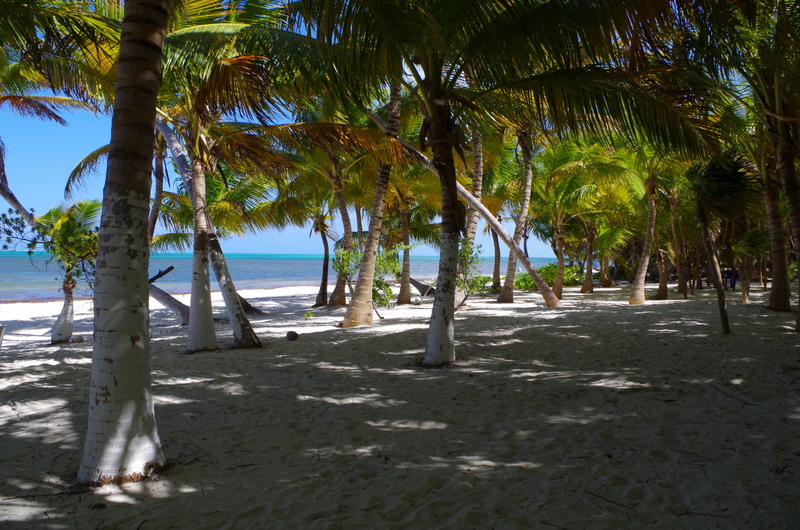
It was quiet and peaceful, every evening we watched the moon come up and every morning we watched the sun rise. White sand and turquoise waters, a constant breeze to keep you cool and the bugs away, just what we were looking for. The excessive Saragossa seaweed this year made it hard to go swimming , but there was a little cove just north of us that was a great swimming place. The fishermen here will take you out in their boats and you can go bird watching, the flamingos were already gone, but the frigate birds are living there in large colonies. There are playful dolphins,to watch, sharks, turtles and manta rays. If you are lucky you might see a manatee. You can also  hire a local fisherman to take you out to fish or snorkel near the reef out front.
IMGP3051

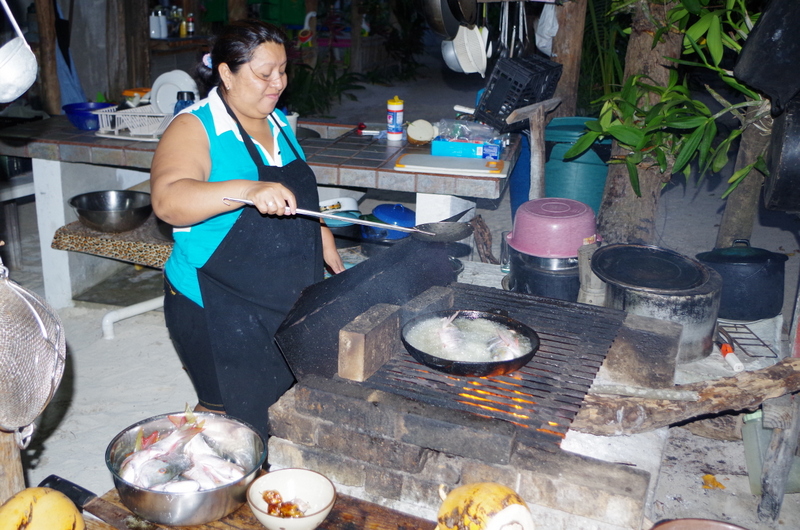
Nati cooking freshly caught Snook.

IMGP3047

20150406_095744

Rent a boat here, ask for Carlos or his brother.

20150406_093113

We rode the bikes out to the light house.

I did not like to leave there, but there is always the new and different places beckoning and after we spent a few days in Cancun we left for Belize. In Cancun we brought our camper to the Dodge dealer for an oil change and check up. They did  a great job and also cleaned it inside and out. Nice. The next day we brought it to a place that does underbody oil wash. That guy cleaned it inside and out again. Our Dodge has never been that clean.

IMGP3091

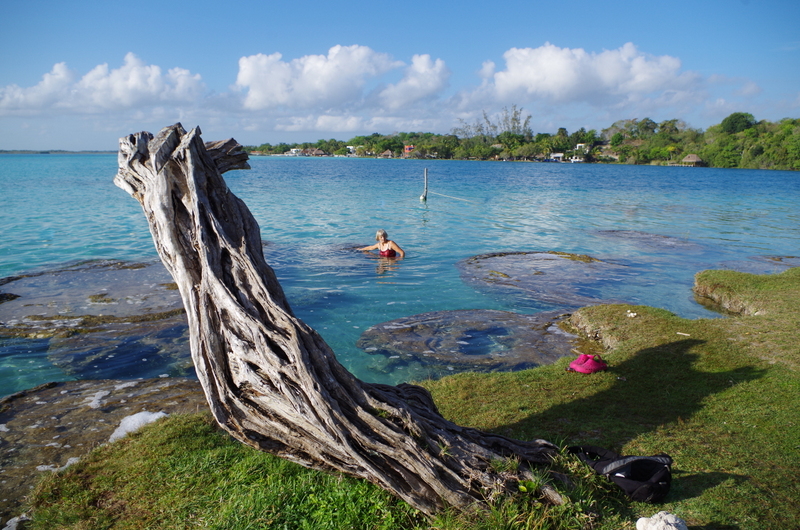
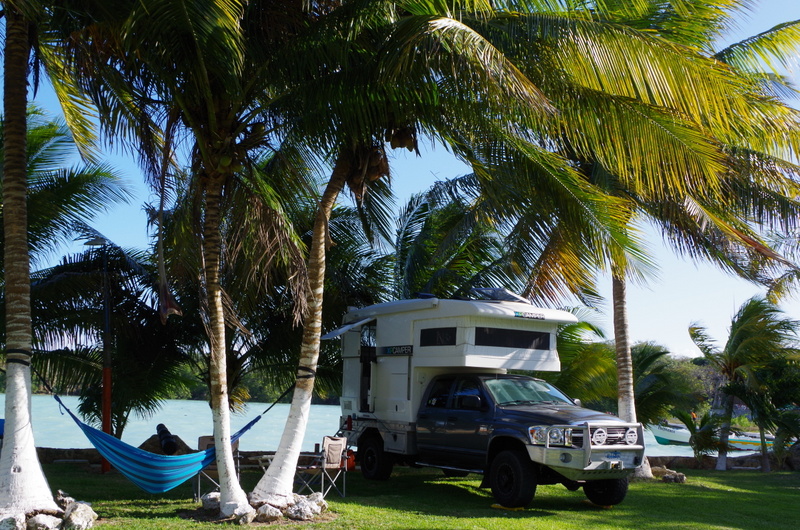
Cocolito camp ground at Laguna Bacalar.

IMGP3087

Morning swim in Laguna Bacalar.

IMGP3093

After an overnight stop at a campground on lake Bacalar we are now in Chetumal and are pleasantly surprised at how nice it is. The campground Yax Ha  is around 10 km north of town on the beach, lovely grounds, pool, wifi.

IMGP3099

We broke out the bicycles and are ready to explore.

Yucatan

← Back

Thank you for your response. ✨

Posted in Mexico | 5 Comments

Oaxaca to Chiapas

Oaxaca is a beautiful city and a favorite of most Mexico visitors. We parked our camper in a campground that has seen better days, but is close enough to the historic center so you can reach it by foot. The campground was empty except for one VW bus which turned out to be from Switzerland and that’s how we met Martin and Claudia, we really enjoyed their company. The three of us walked to town the next day and strolled through the market, visited the museum and ate a nice meal.

20150307_134716

Dorado mit Kürbiskernsosse Dorado with Pumpkinseedsauce


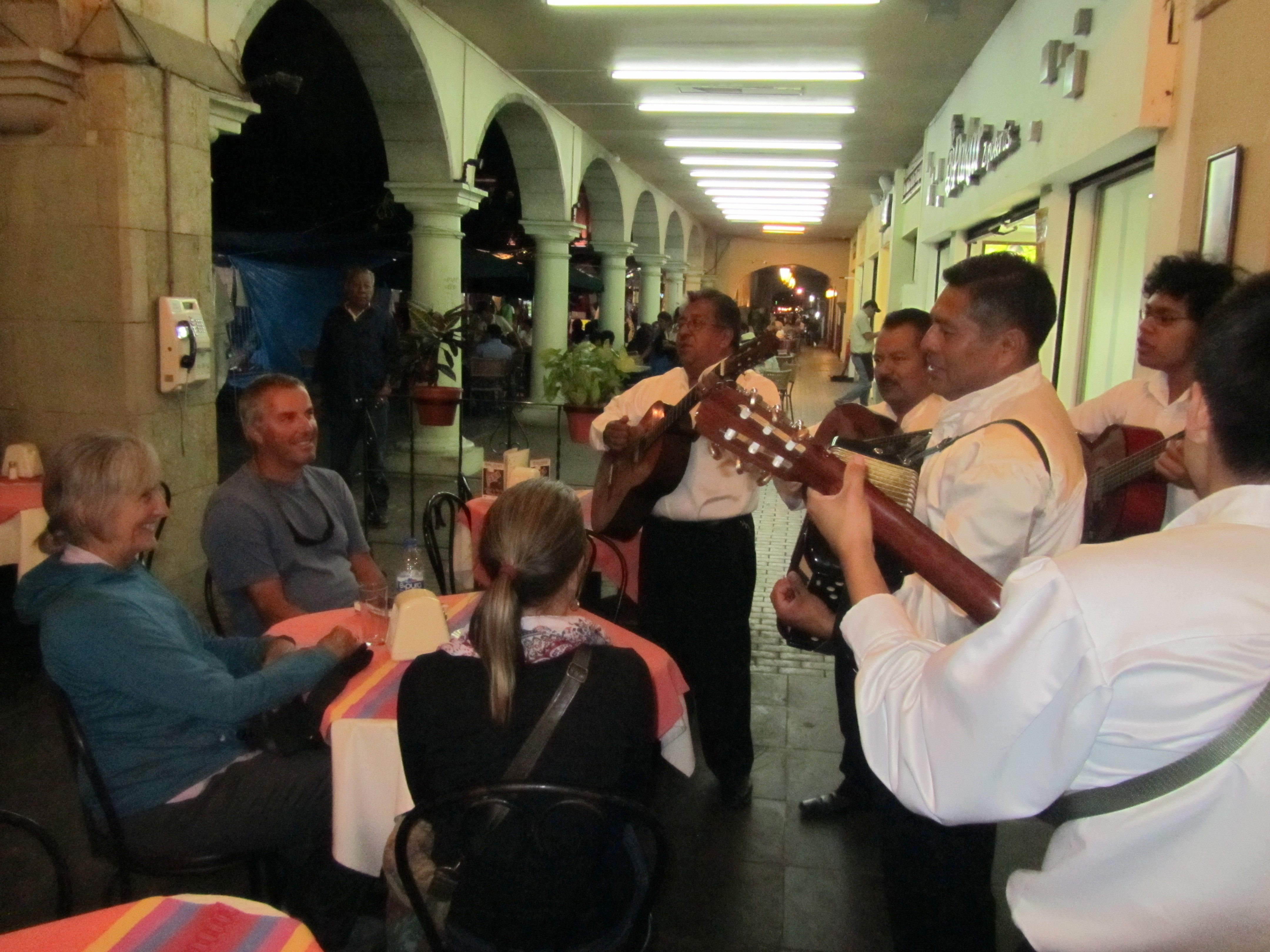
It was my birthday and Günter asked to band to play “Besame mucho” for me, how sweet. Since we have no room for “things” I did not buy anything at the market, but boy, it was hard. The villagers from the outlying areas bring their handicrafts to market, colorful clothing, rugs and blankets, jewelry and pottery.

2015-03-06 20.19.21

Geburtstagsständle


20150306_165436

20150306_170334

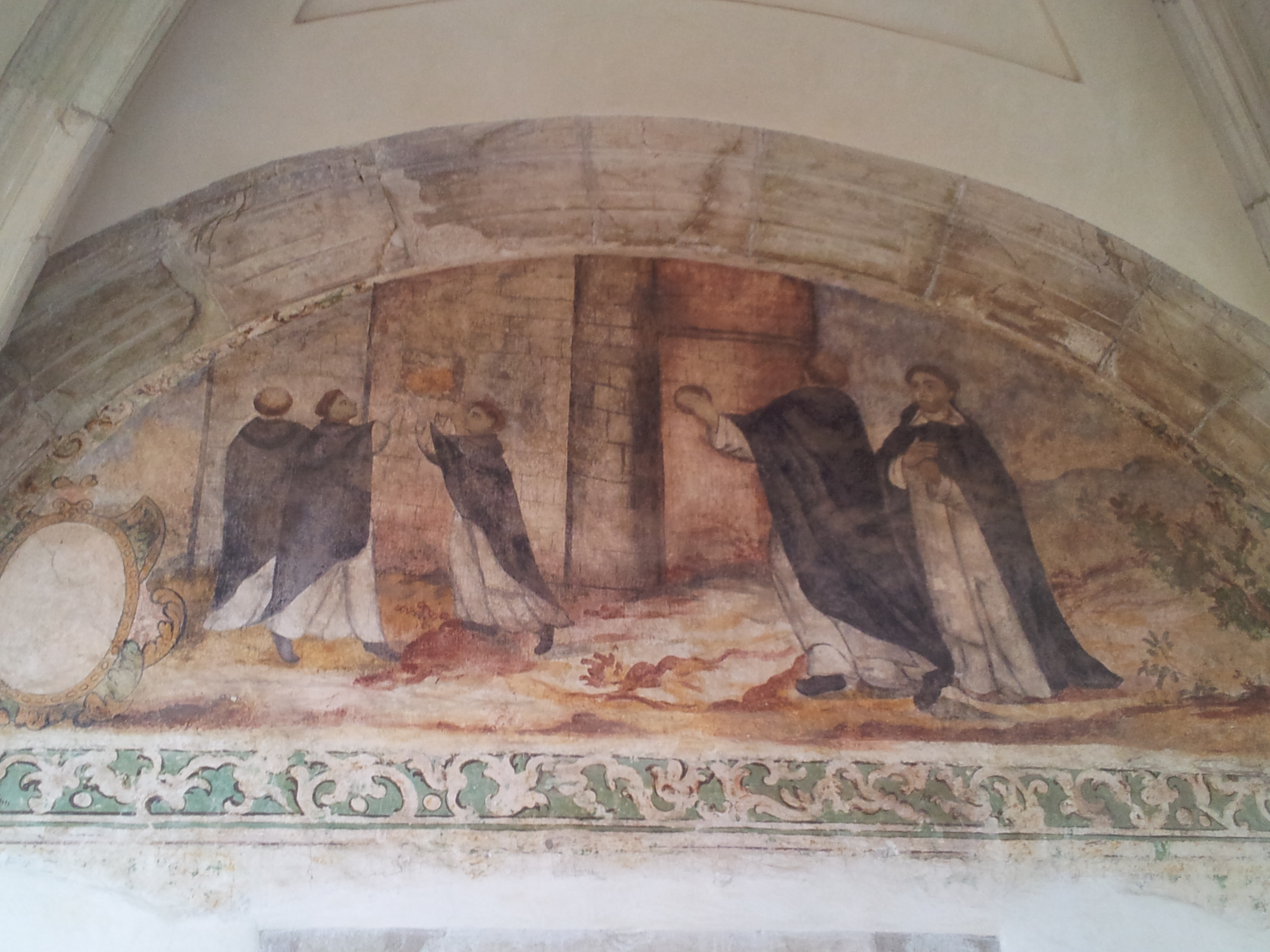
The Dominican Monks at a ball game.

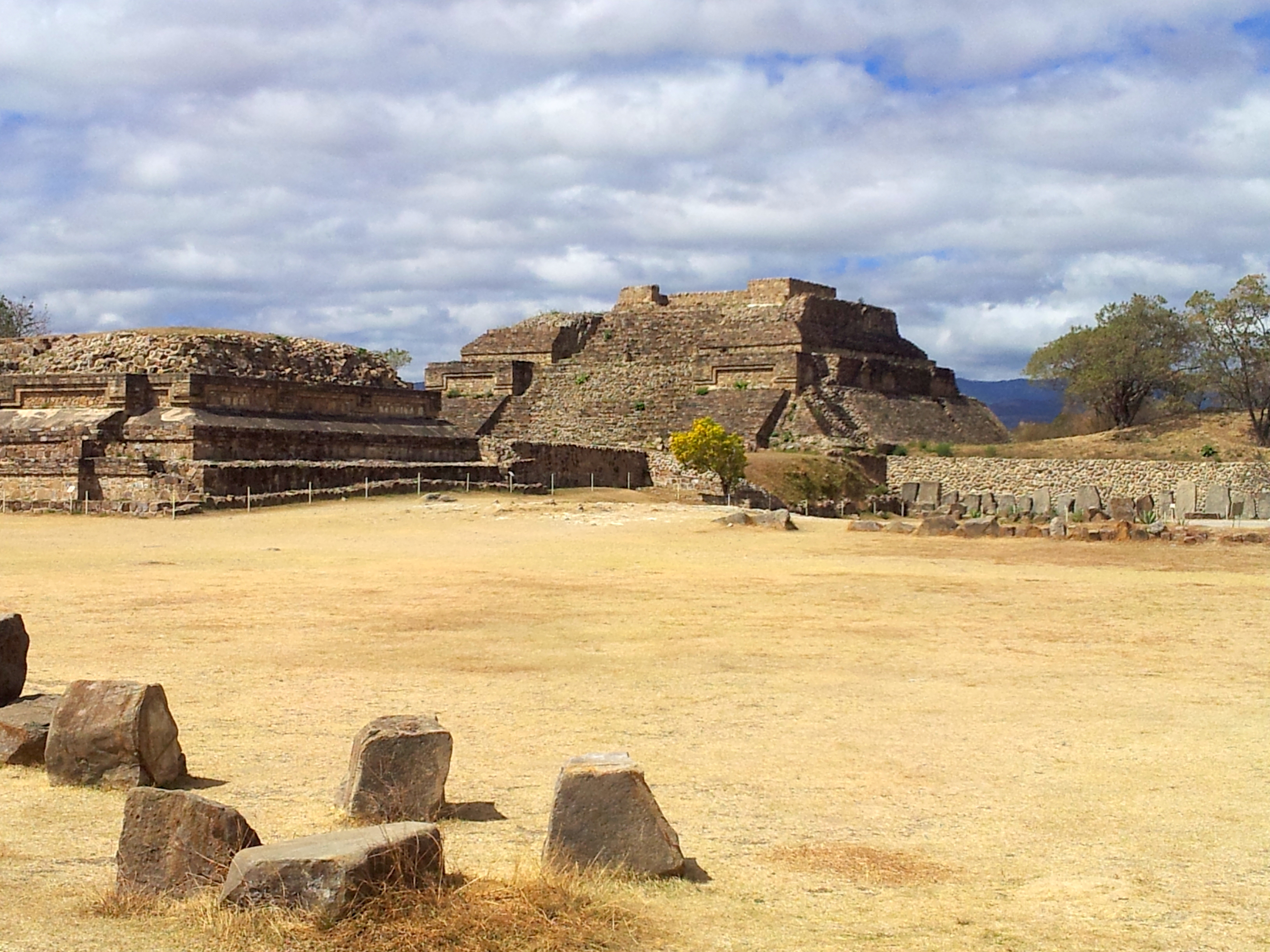
After visiting Monte Alban, the famous ruins above the city, we headed out of town and up to the hills again.

20150307_104222

Monte Alban

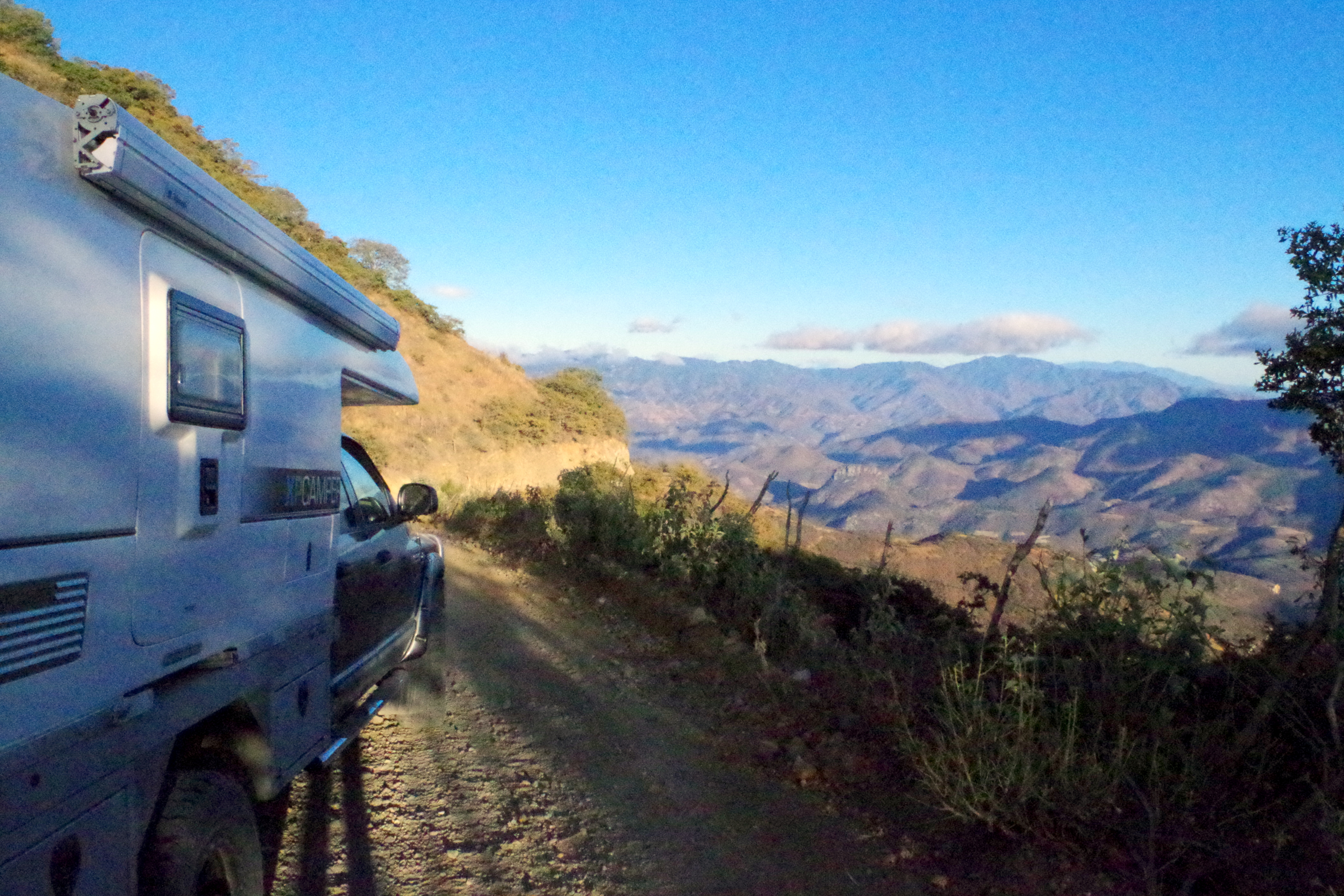
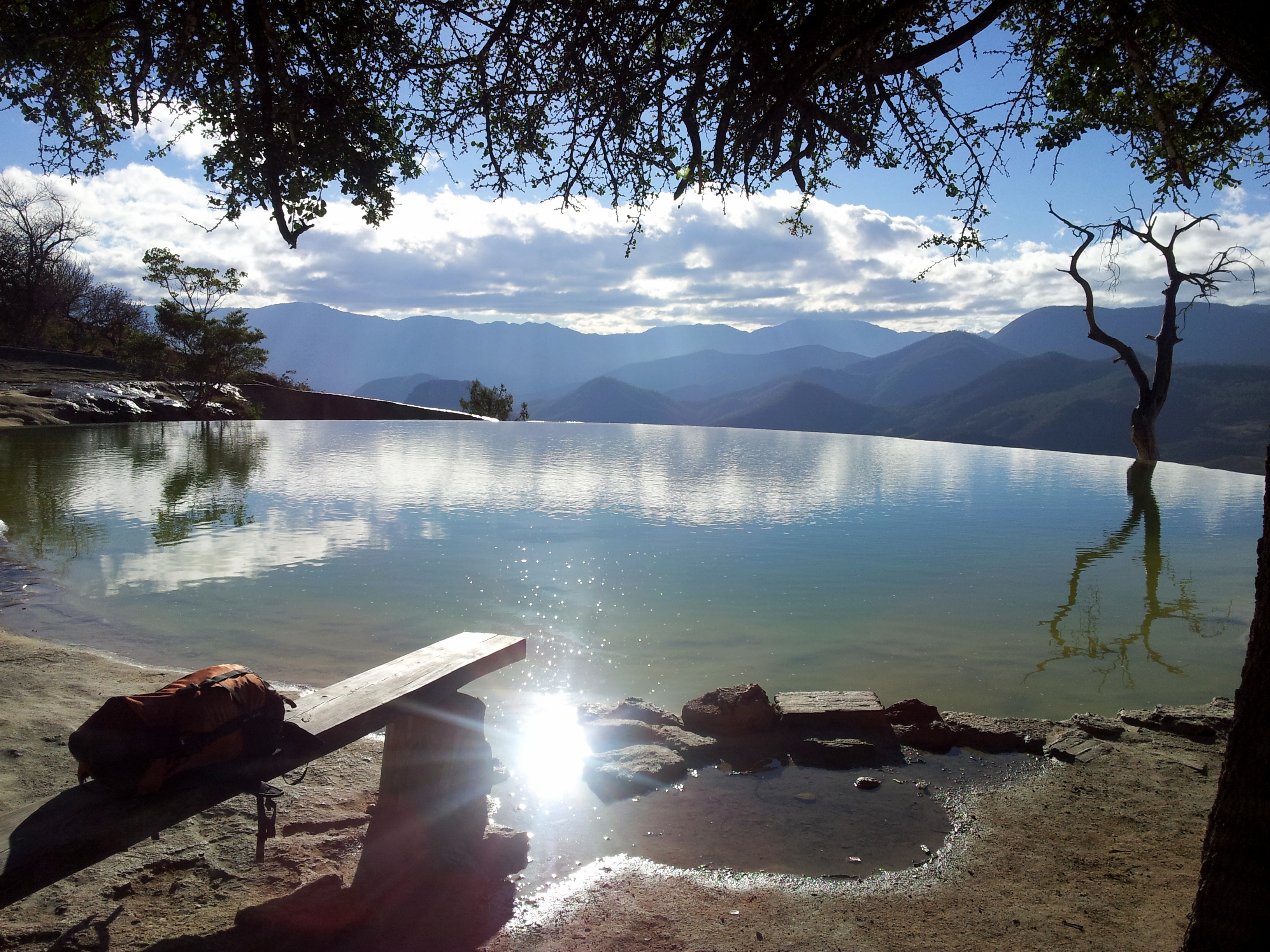
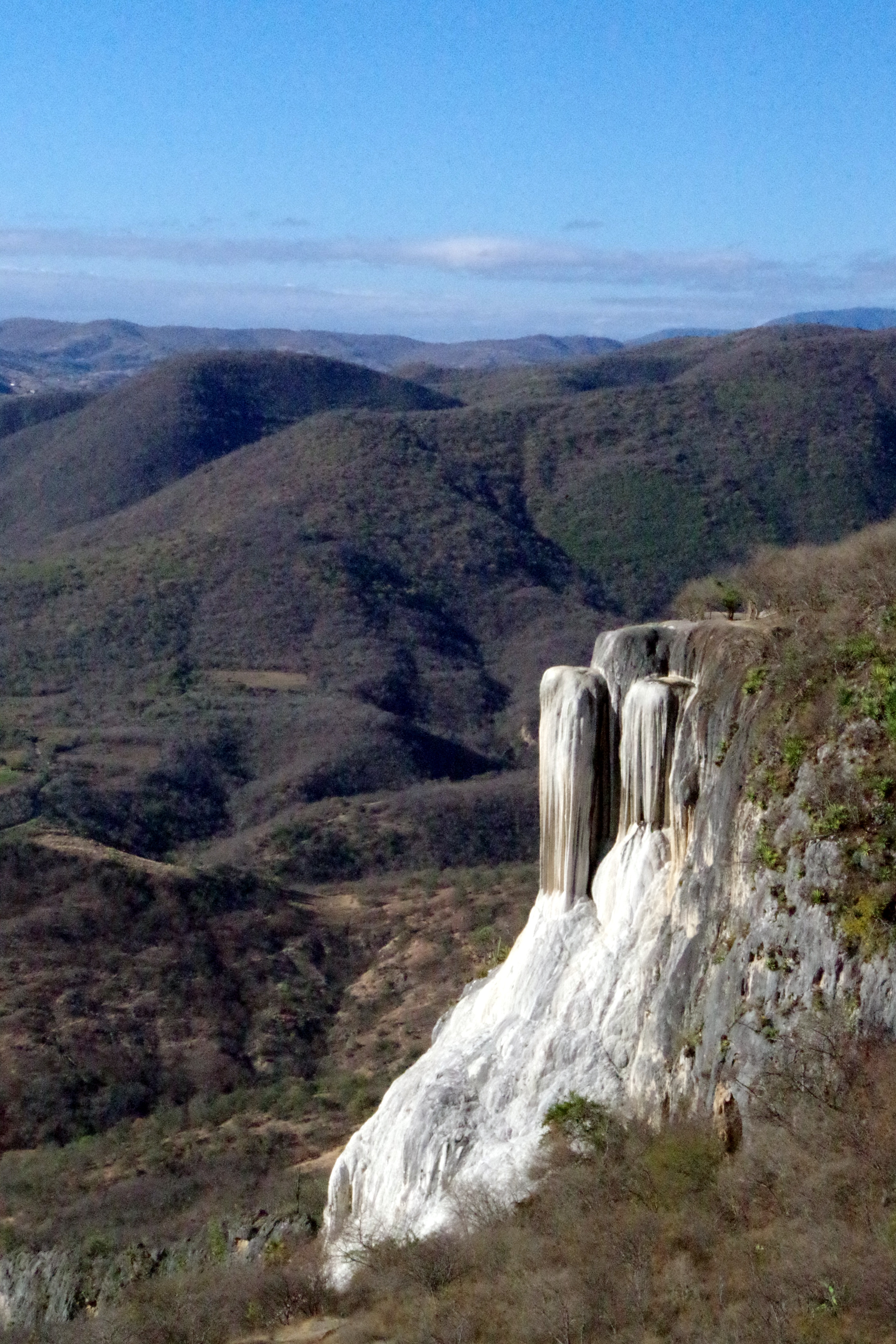
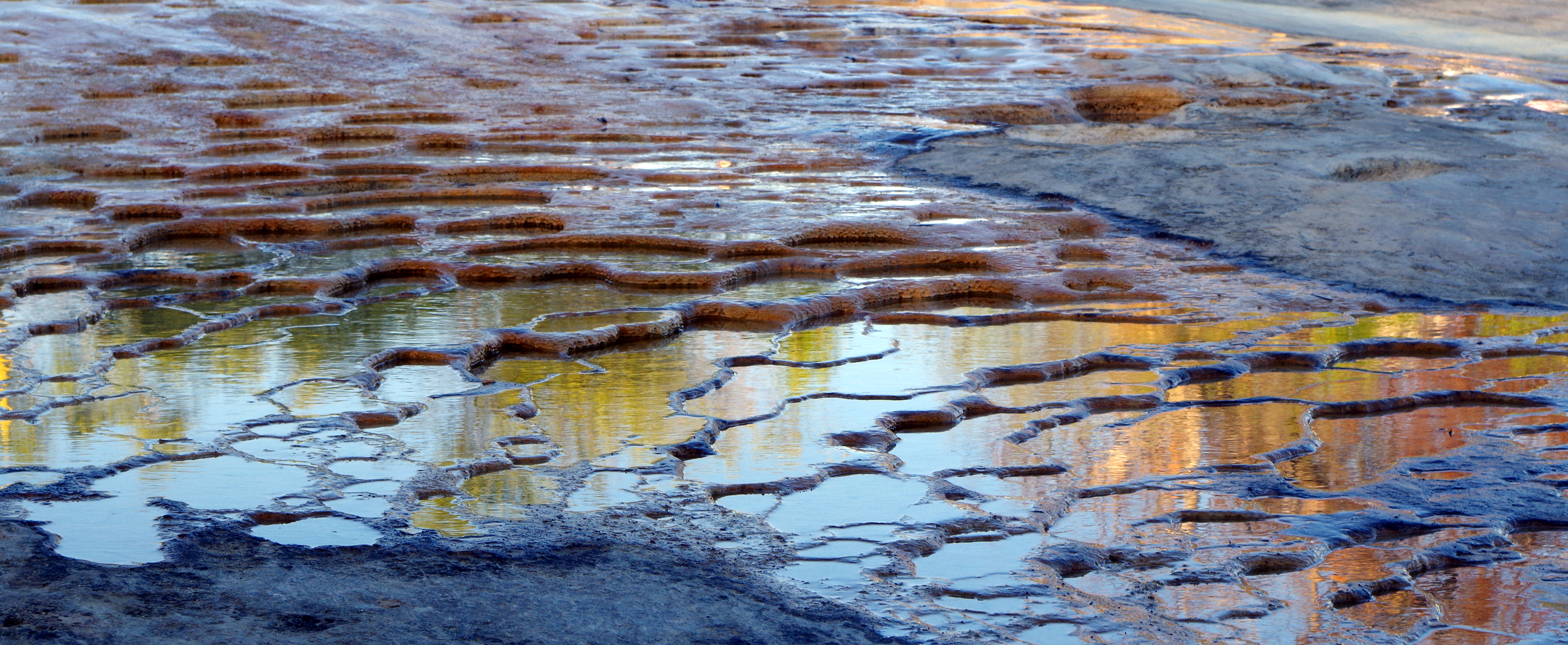
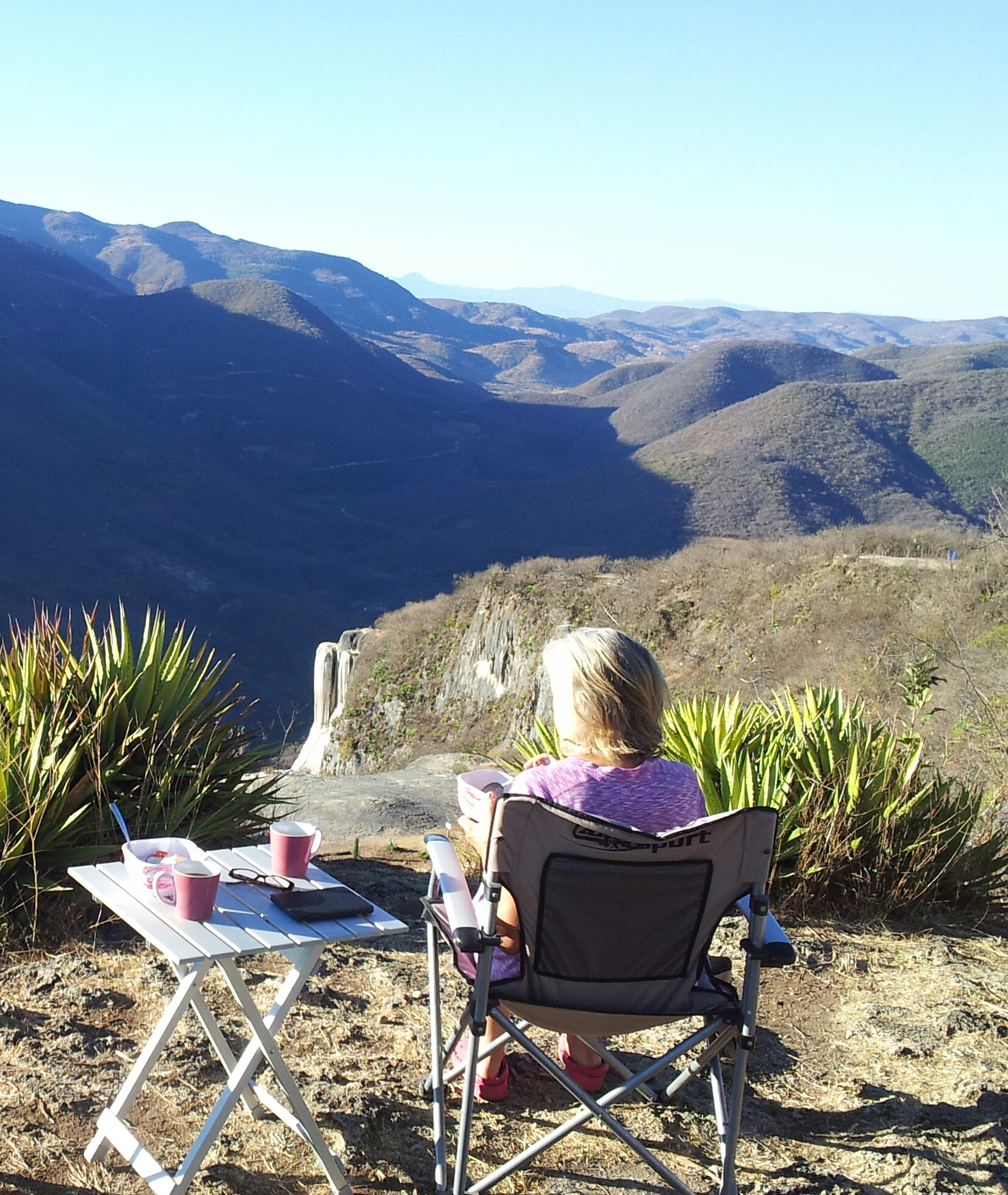
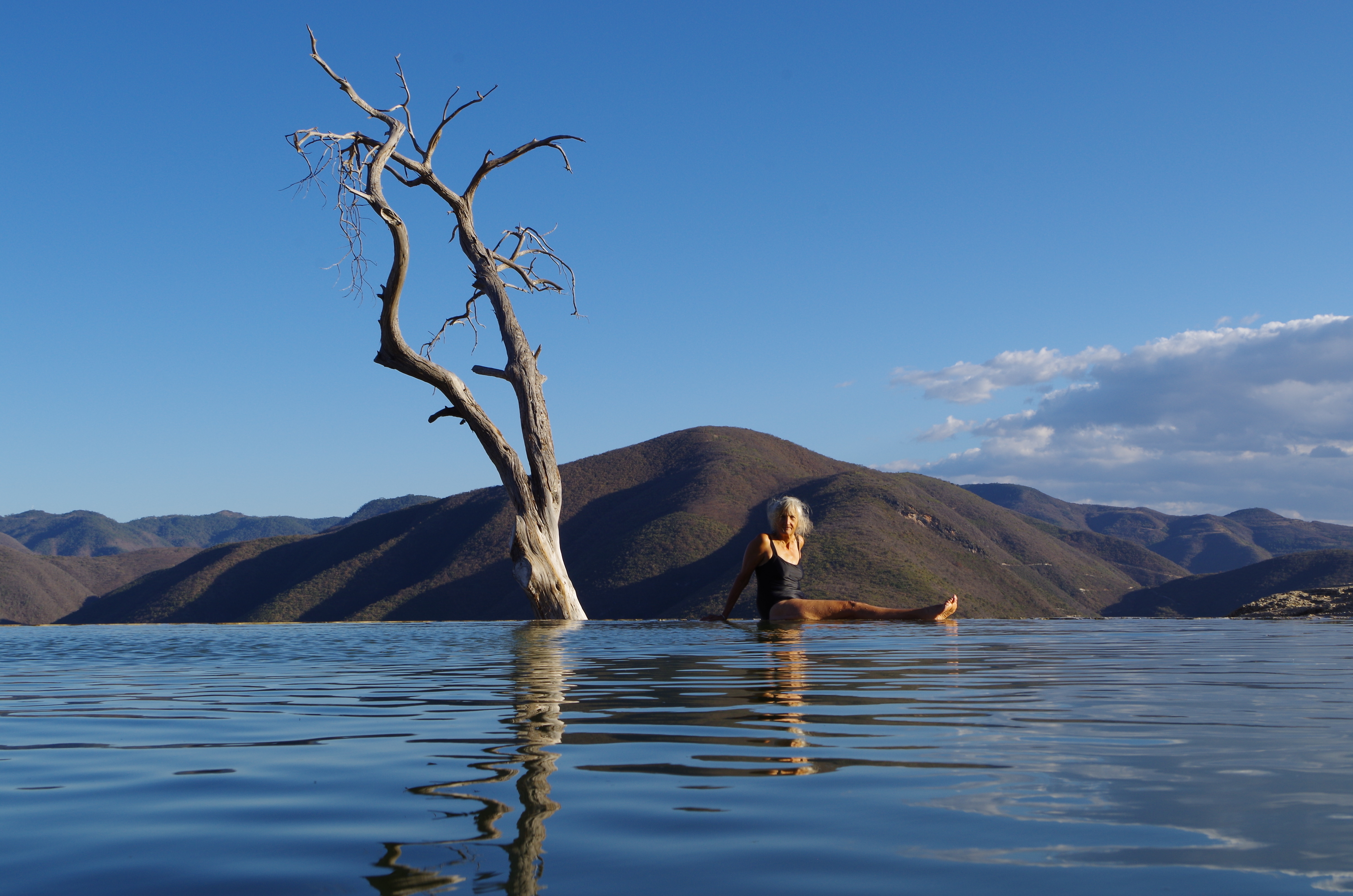
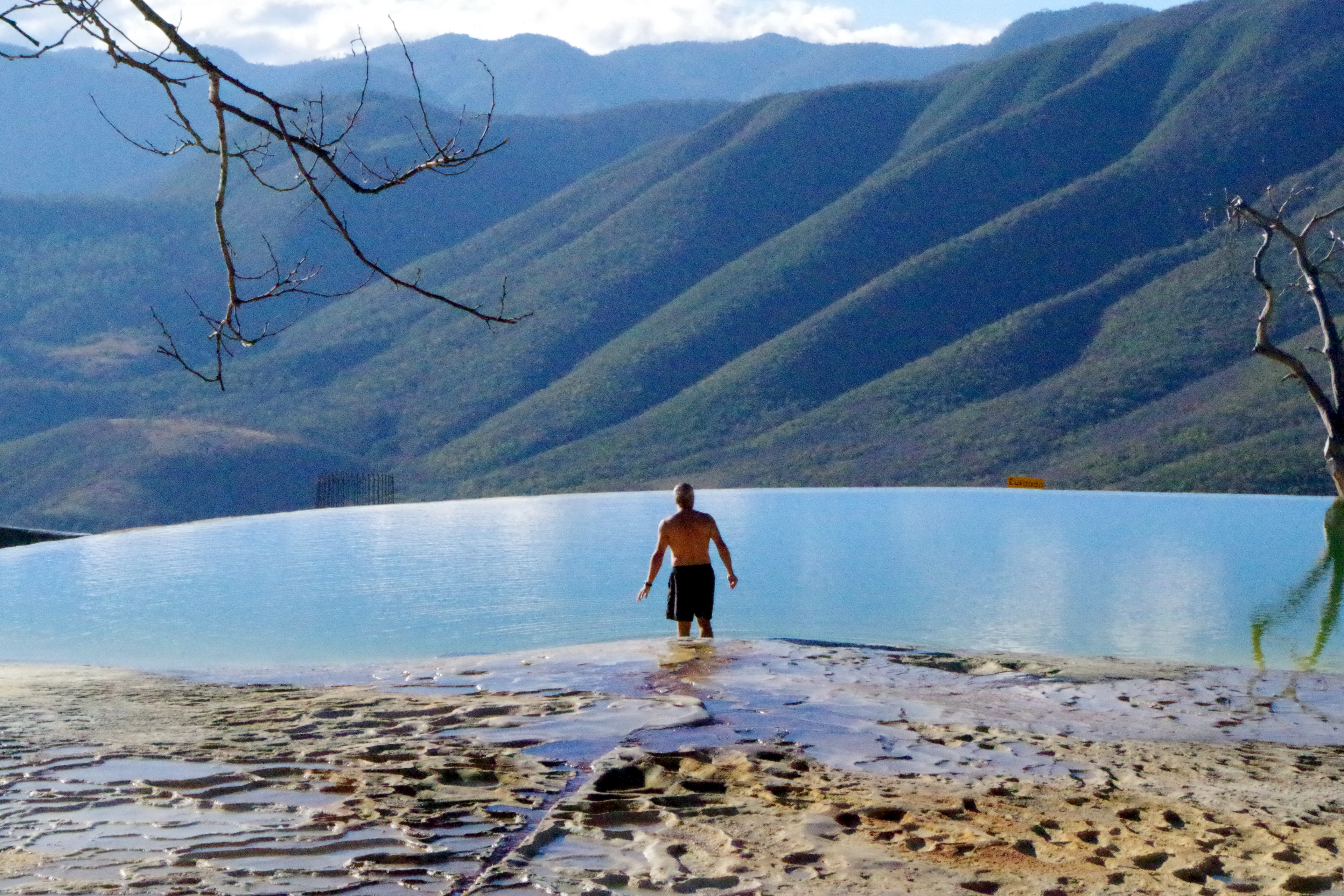
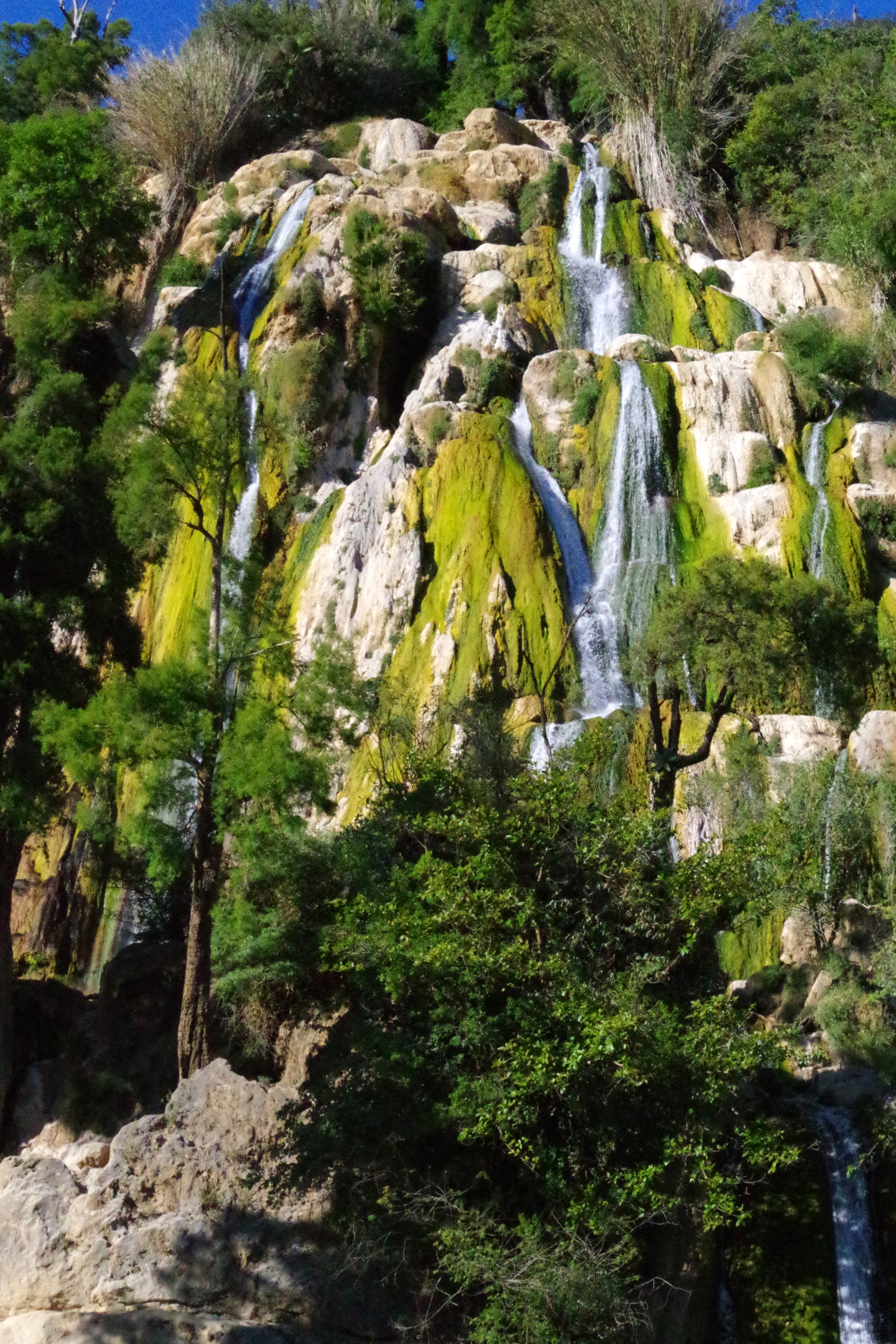
The road to Hierve de Agua is a good graded dirt road and leads over a pass down the other side to a remote valley. Basically, there are several springs that carry mineral rich water and over the years, the constant running water has turned into what looks like petrified waterfalls. There are some pools on top of some of them where you can go for a swim or just sit relax. The air was fresh and cool, the views were beautiful and we woke up to birdsong in the morning. So we stayed for a few days, went for short hikes and swam in the pools. In the valley across you could see the corn and agave fields, people moving about on foot or donkeys. I loved it there.

IMGP2334

The road to Hierve de Agua

20150308_080652

IMGP2358

IMGP2419

20150309_074550-1

IMGP2406

my favorite hang out

IMGP2351

IMGP2388


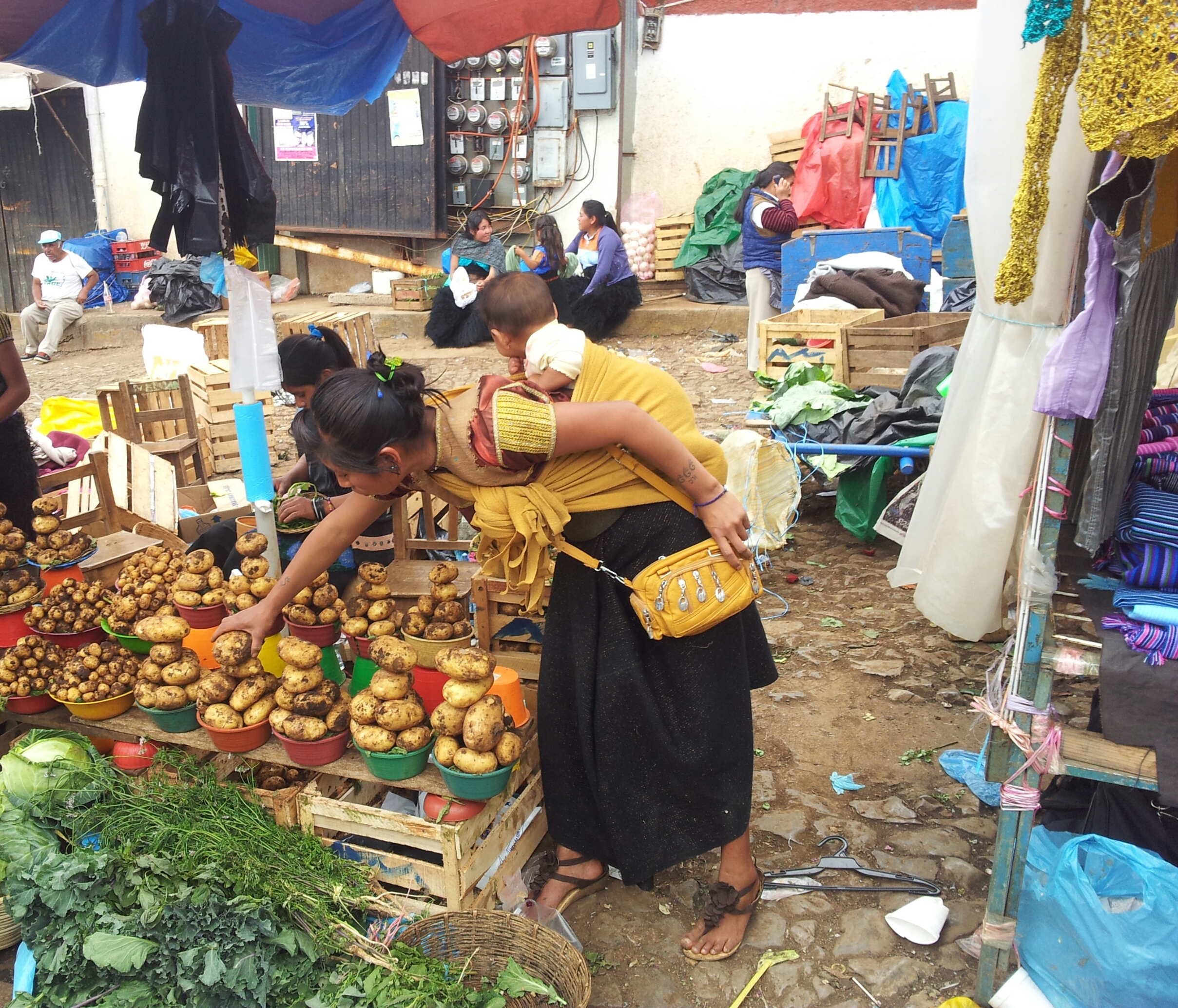
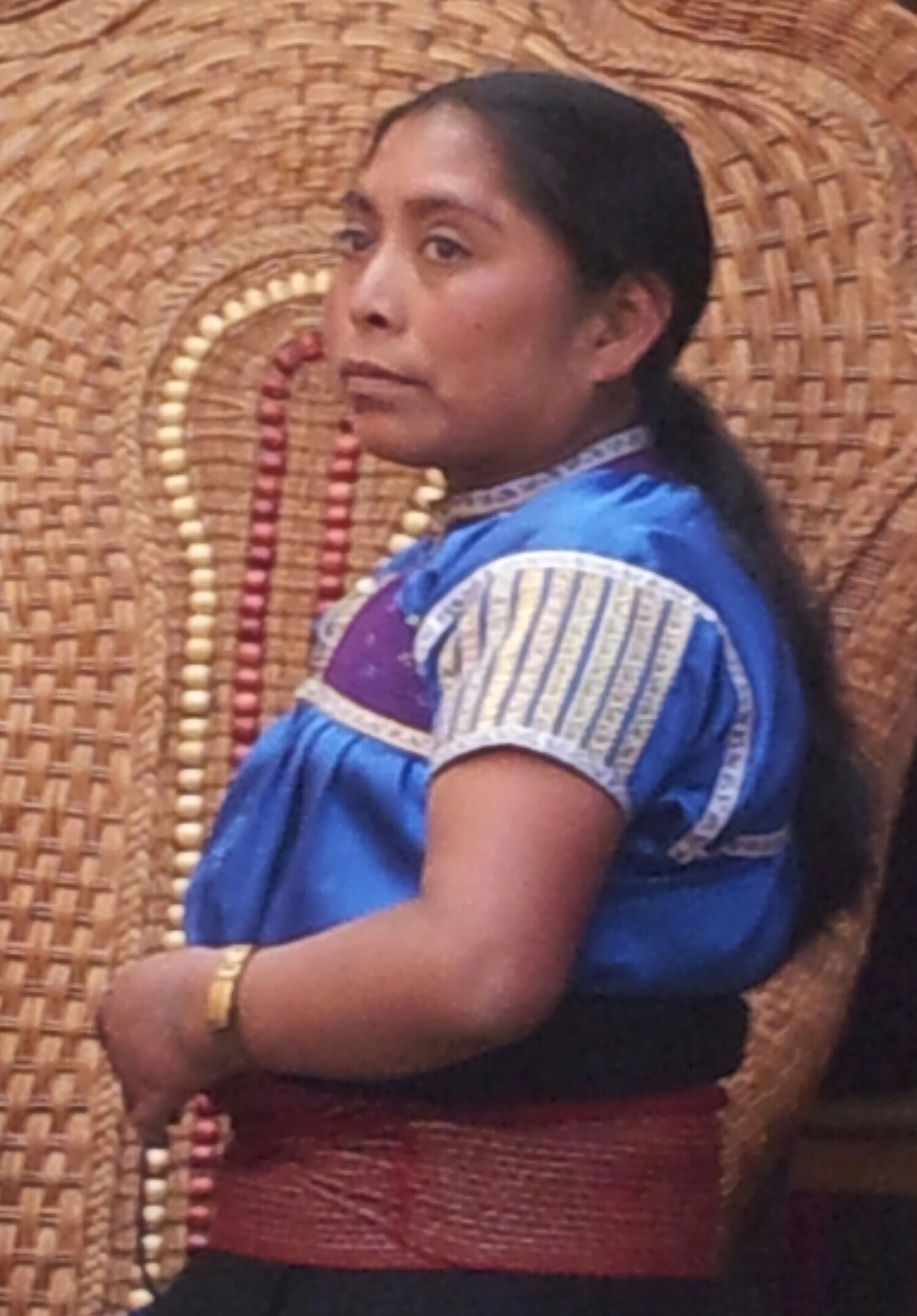
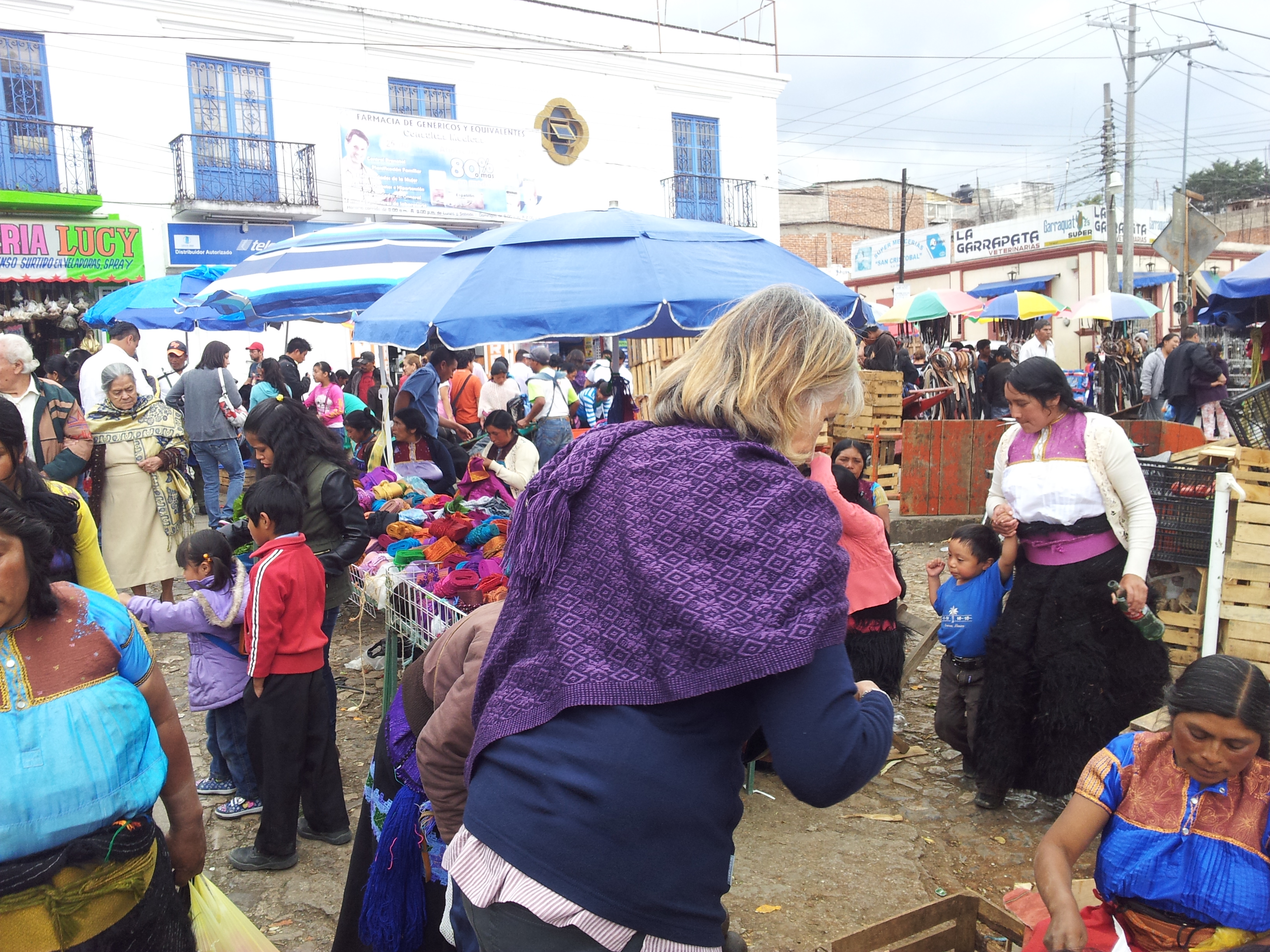
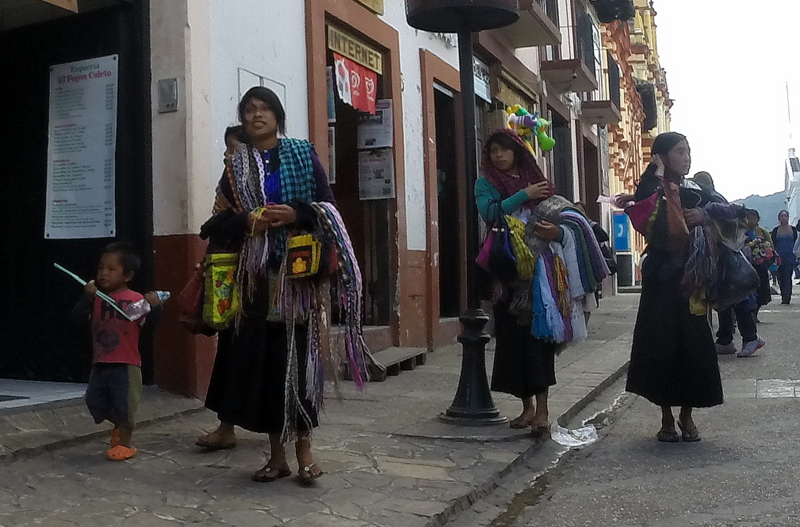
The last part of Mexico was Chiapas and the Yucatan. San Cristobal de las Casas is a nice colonial town in the highlands of Chiapas, it is popular with international tourists. The campground is close to town and a 20 minute walk brings you downtown where you can watch Totzil women try to sell their weavings. They wear thick wool skirts (it is winter remember), held together at the waist by colorful wide belts and beautiful blouses, always with a shawl for warmth or to carry a baby or … You can also get a latte, join a yoga class and eat sushi in this town. You can also go to the dentist, which I did, while eating nuts I chipped a tooth. Dr Flores spoke good English, fixed my tooth and told me about regional dishes, quite interesting. We went to one of the restaurants he recommended and ate fried plantains stuffed with sweet refried beans. Delicious!

San Cristobal-054

San Cristobal-021

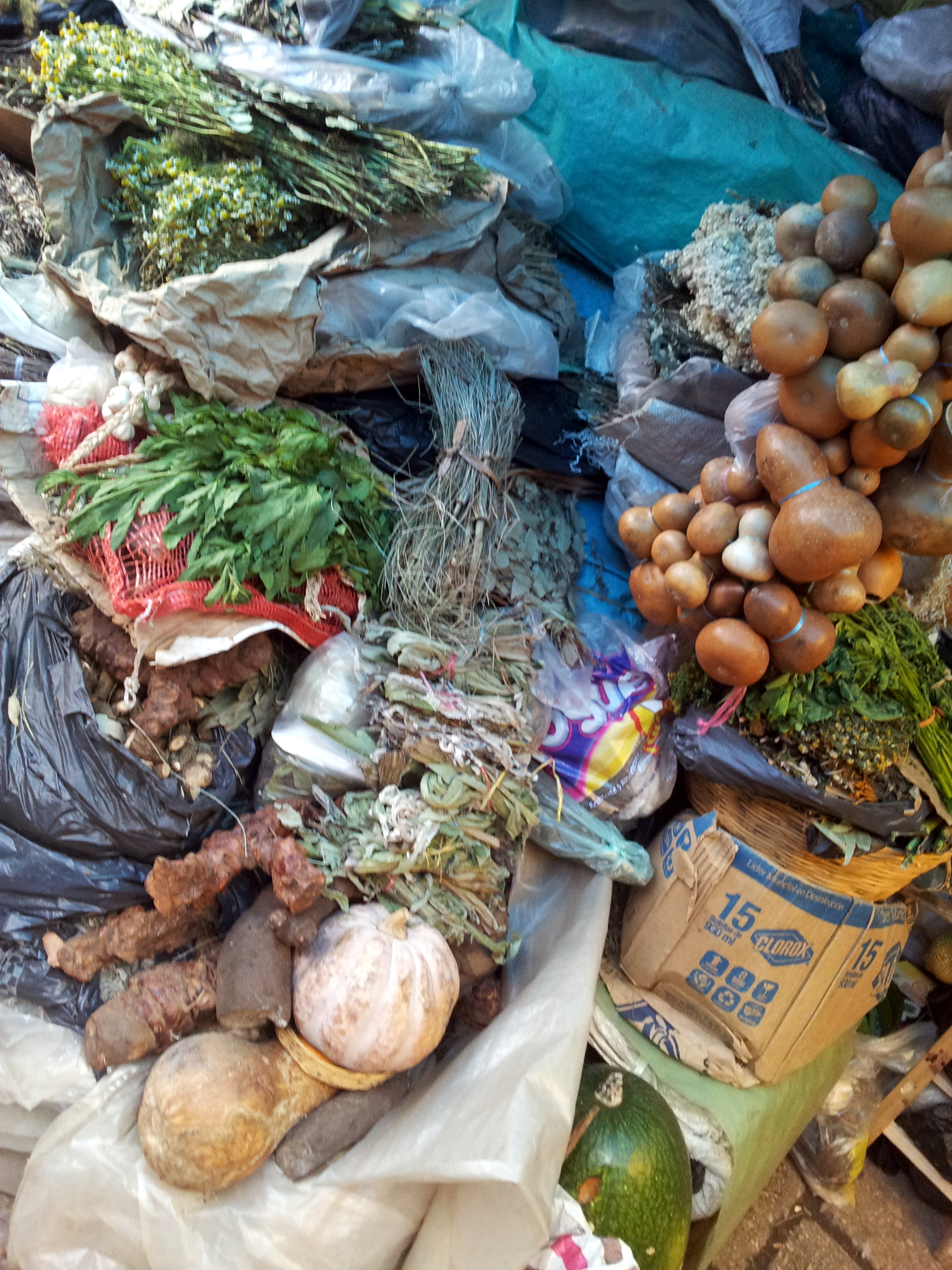
Herbal medicin – I got yelled at for taking this picture.


20150317_142917-1

San Cristobal-019

Shopping in San Cristobal

DCIM999GOPRO


At this camp ground we met several overlanders, mostly Europeans, a fun group of travelers going both ways, north to south and south to north. We learned a lot from their stories and are looking forward to what’s ahead of us. Central America, South America.


DSCF3154

New friends


The Tzotzil and Tzelzal people living in the mountains around St Cristobal are shy and really do not want to deal with all the foreigners coming to the area. I don’t blame them, ever since the Spaniards came and conquered their land; the arrival of white people was not to their advantage. We really felt it when we went to the little town of Chamula and after visiting their “church” and eating at the market we took a bus back to San Cristobal.

To visit the church in Chamula you have to pay a few pesos. When you enter you are greeted by the smell of pine needles (the floor is covered with them) and the light of hundreds of candles. Except for the mumblings of the worshippers, who kneel on the pine needles, it is quiet. This used to be a catholic church, but the altar is gone, the priest is gone and the only catholic ritual they still practice is the baptismal.

The Tzozils and Tzeltals have combined their own ancient Mayan religion with some catholic aspects and so you see the statue of St John the Baptist looking down at worshippers that pray to ancient gods.

We watched a man and his family praying on their knees, lighting candles, taking gulps of Coca Cola and cane liquor to promote burping (out the evil stuff inside). He swung a basket over his candles and we saw that there was a live chicken inside.

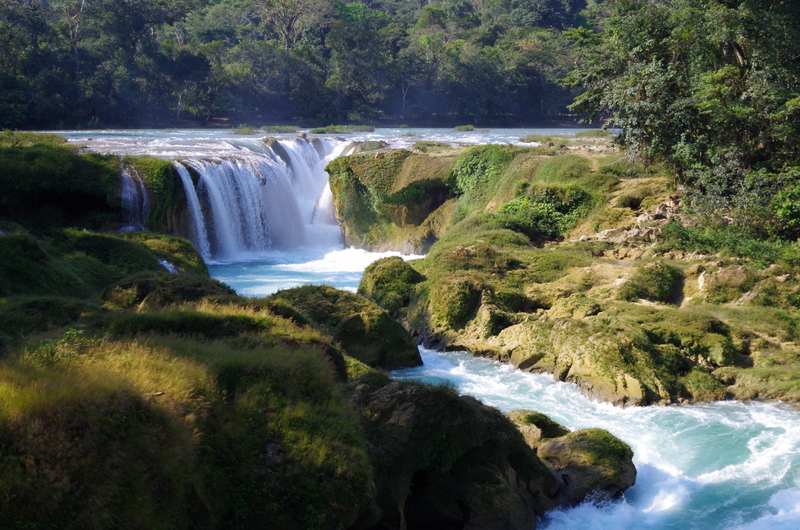
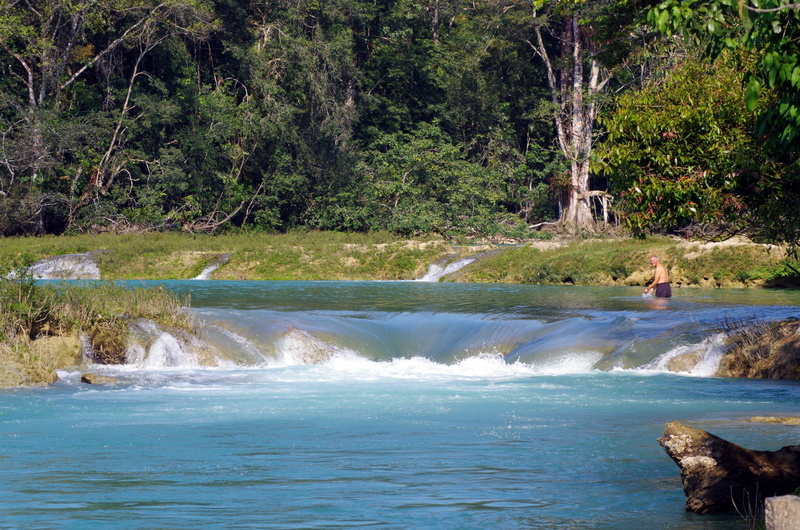
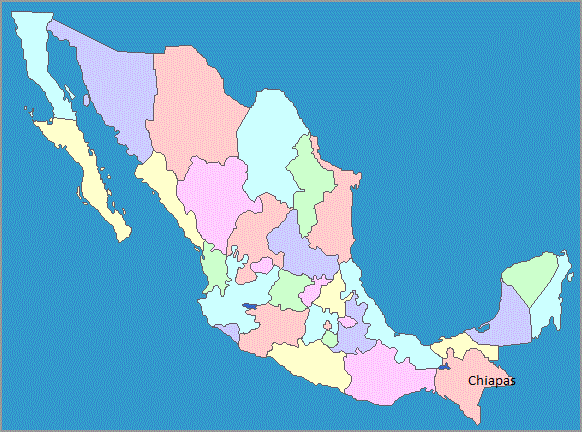
A large area of Chiapas consist of jungle, the Lacandon Rainforest, and hidden in the jungle are many ruins, some excavated, some not yet touched or found. Most people have heard of the famous Maya ruins like Chichen Itza, Palenque or Tulum. We decided to drive along the border to Guatemala and visit the lesser known ruins of Yaxchilan and Bonampak. On the way there are great rivers, many lakes and waterfalls. So we took our time, hiked up waterfalls, swam in crystal clear lakes and rivers coming from the jungle.

El Chiflon-016

El Chiflon

Lagos Montebellos G klein

Las Nubes-016

Las Nubes

Las Nubes-031

Las Nubes-033

Las Nubes2


Las Nubes-038

swimming in the river

Las Guyacamayas-021

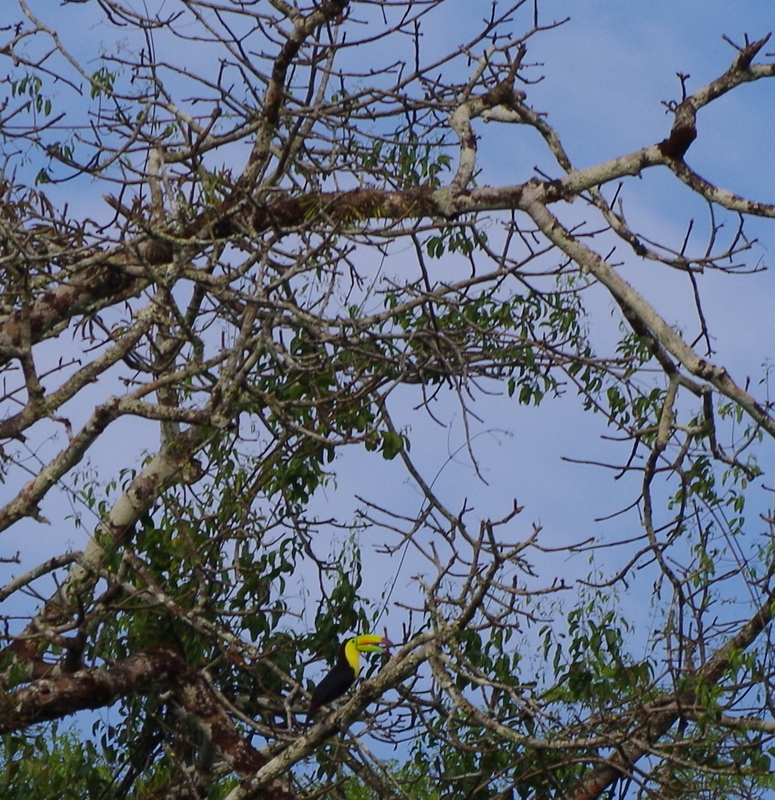
Toucan

Las Guacamayas-023

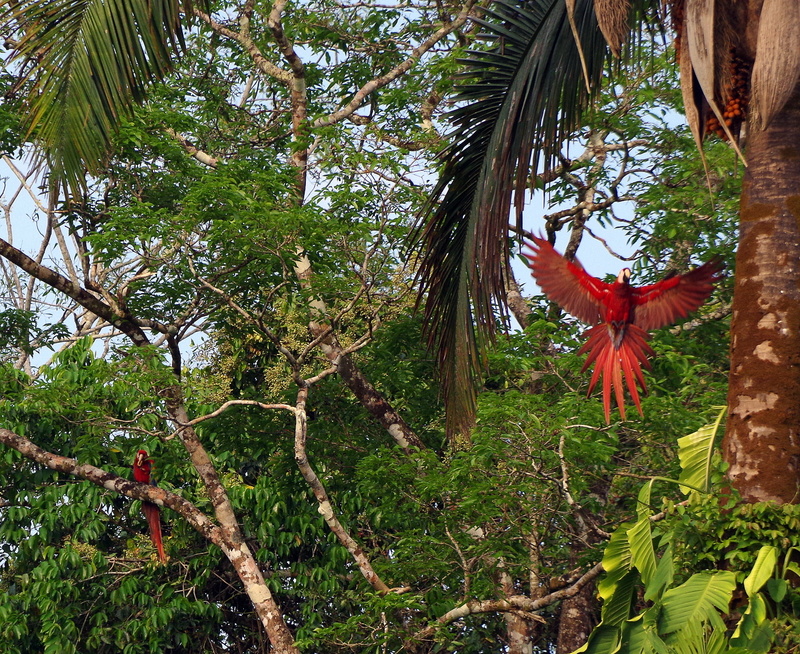
Scarlet Macaw pair

Las Guacamayas-025

Scarlet Macaw

Las Guyacamayas-029

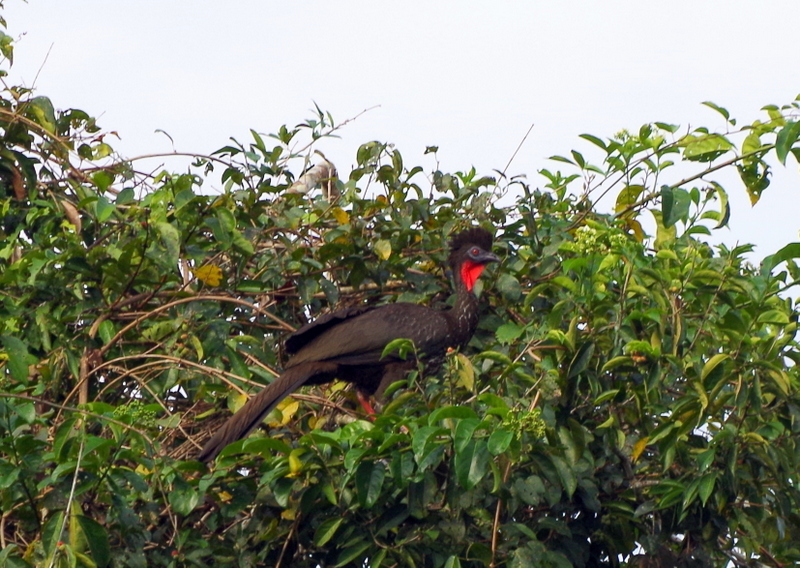
What is it ? (size of a chicken)


San Cristobal is situated in the highlands and as we slowly descended down it got warmer every day. We packed up our down blanket and brought out the “Endless Breeze” fan. Most of the time it is too hot to go for walks during the day, early mornings are perfect, after that we try to move as little as possible, stay in the shade and cool off in the river or lake. Food spoils rapidly and the bugs turn you into food. I don’t like to start the stove and know now why all the homes have outdoor kitchens. Luckily children come by around lunchtime and sell freshly made empanadas or tamales, for a few pesos you can have a delicious lunch and the children are happy. With the last pound of whole wheat flour a made a loaf of bread in the Cobb grill and grilled veggies to go with the delicous ham we bought in San Cristobal at a Jamoneria.

Yuxchilan-006

what you need for an afternoon in the hammock

20150321_130454

oops

IMGP2720

Spider monkey – Klammeraffe

Las Guacamayas-039

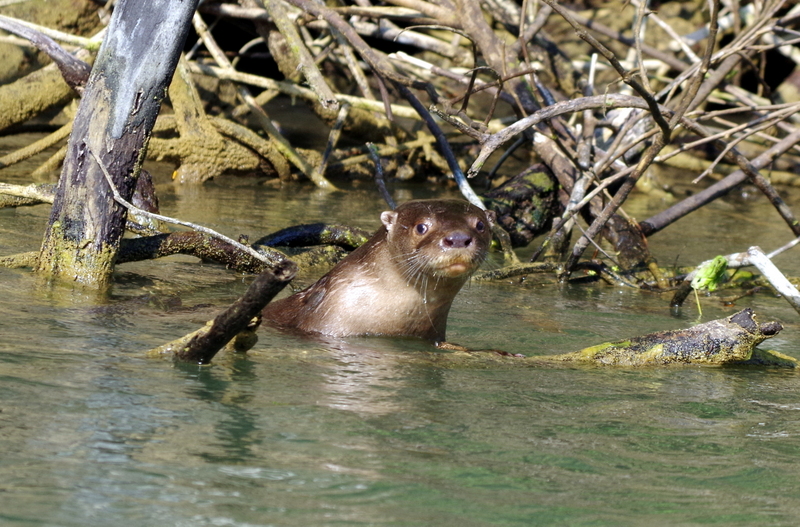
Otter

Las Guyacamayas-048

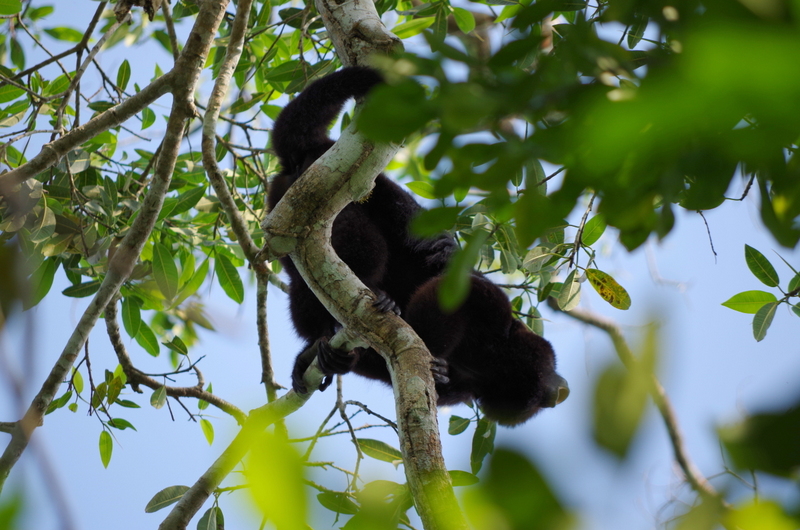
Howler monkey – Brüllaffe

Yuxchilan-002

On the river

Yuxchilan-019

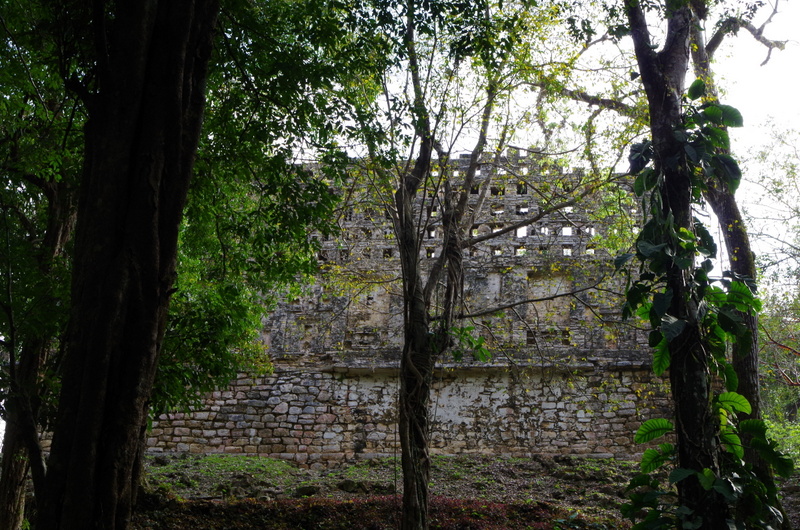
Yaxchilan

Yaxchilan-030

Yaxchilan2


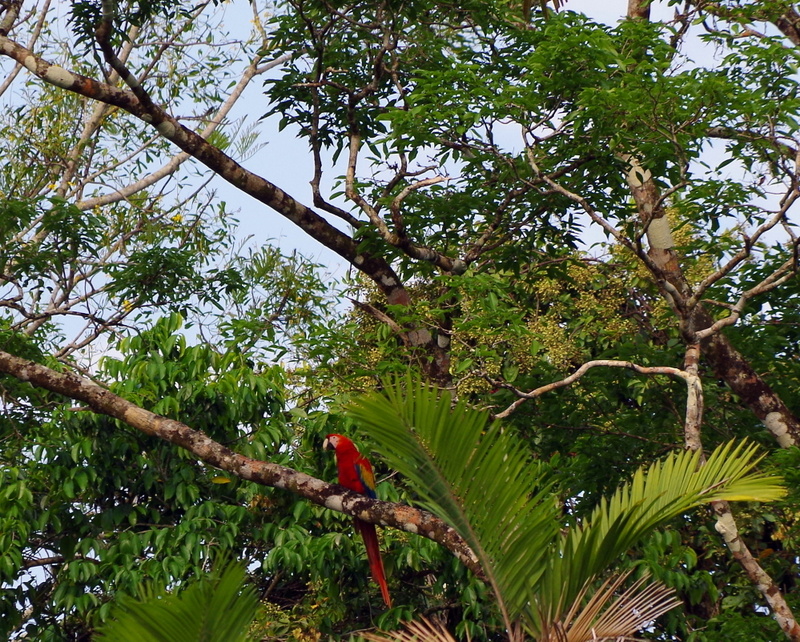
The Chiapas rainforest is the second largest rainforest in the Americas. The jungle is the last stronghold of the scarlet macaw and we were lucky enough to see them in the wild.

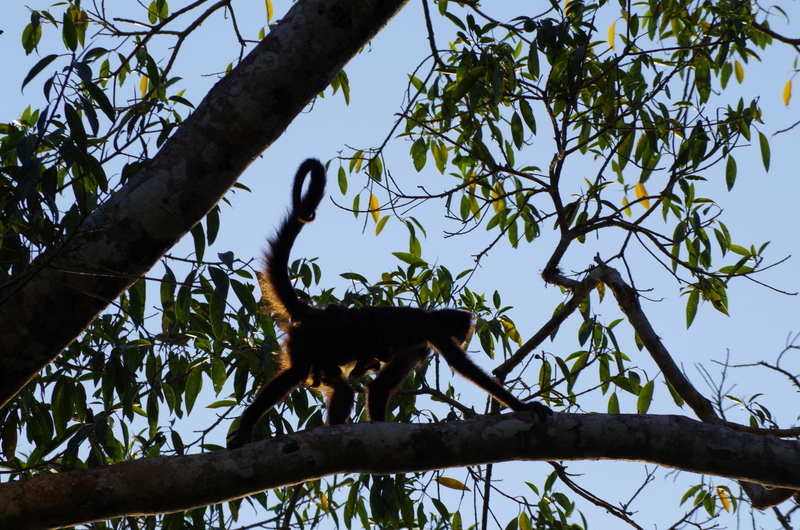
We saw them flying over our camper in pairs when we camped at the Lacandon river at Guacamaya, we saw them near Bonampak and we saw them on a boat ride deeper into the jungle, there were of course many other birds like Toucans, hummingbirds, king fishers. Beautiful flowers and plants grow under and in the trees. At the campsite the howler monkeys woke us every morning as they came through on their way up the river. The spider monkeys were right behind, so much fun to watch. In the evenings we had fireflies all around us and the stars above.

20150326_083244

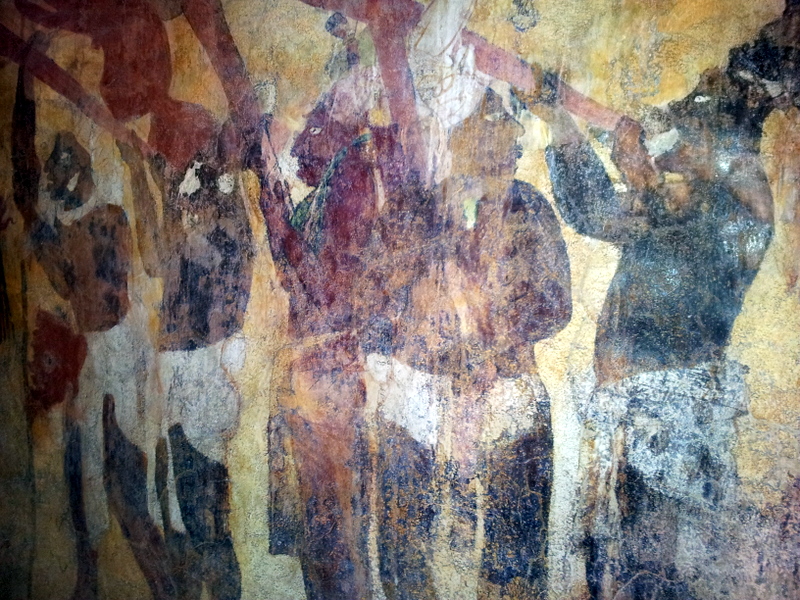
Barbara and Uwe as well as Veronika and Michael, both couples from Germany and seasoned world travelers took the same route. We camped near the Usumacinta River; it is the border between Guatemala and Mexico (under some trees near the Jaguar hotel) and made arrangements for a boat for the six of us the next morning to take us 22 km downriver, to Yaxchilan. 7 am was nice and cool and the boat ride was pleasant, the ruins and the setting were amazing.

20150326_100606

Boat ride to Yaxchilan


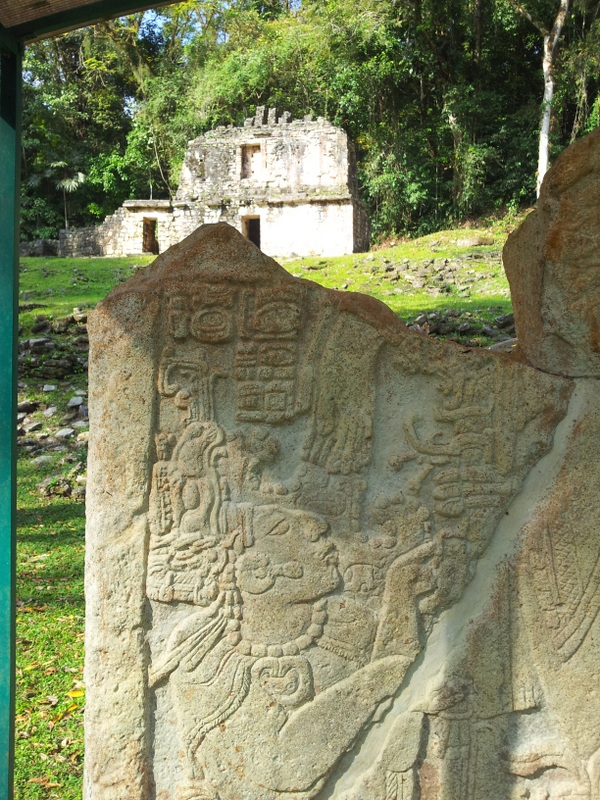
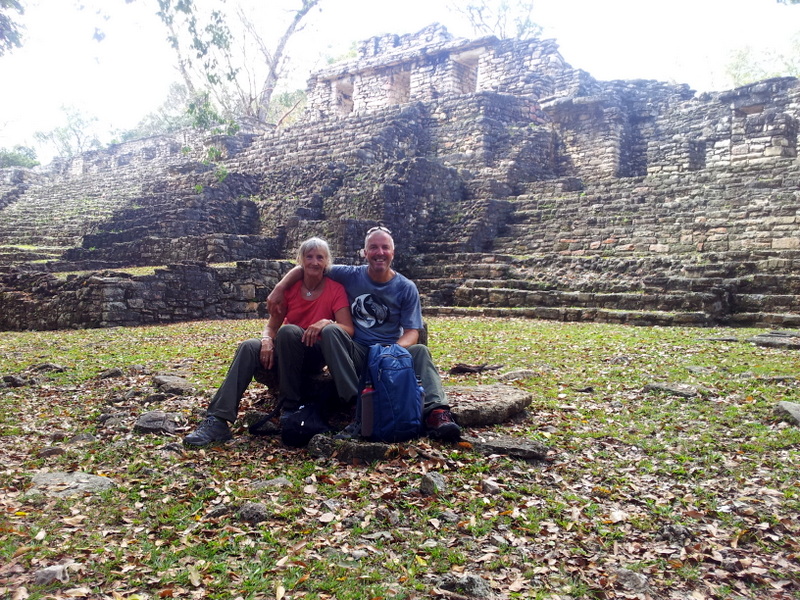
We climbed jungle covered hills to find hilltop pyramids, tunnels with bats and panels with Mayan inscriptions.

20150328_091532

Bonampak

20150328_084414

Bonampak


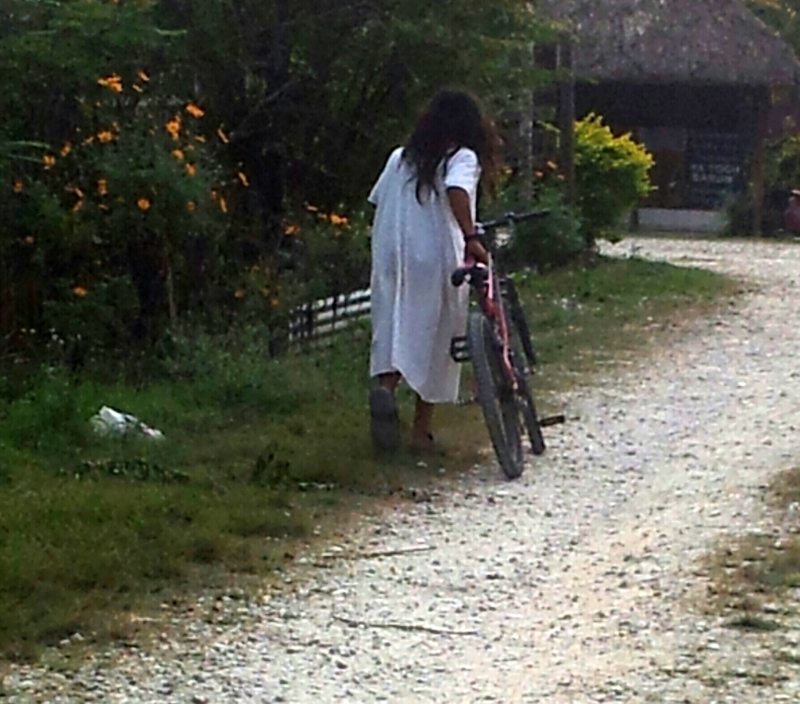
Bonampak was another site we enjoyed, the town we stayed in was a Lacandon village, the lancandones are quite different from the Mayans we saw in other areas. Gone are the colorful dresses, some people wear modern clothing, but some of them still wear their traditional white long tunics, especially men and boys. The boys in the house next to where we were camping were playing and bike riding in their white outfits all day. They also have thick long black hair and look more like their relatives in the Amazon rainforest.

20150327_163224-1


20150327_150506 20150327_150140

20150326_094400

The Chiapas rainforest is very interesting and the jungle and its inhabitants so amazing, deforestation is an ongoing problem and I hope it can be halted and the area preserved for future generations.

chiapas-map

← Back

Thank you for your response. ✨


Posted in Mexico | 4 Comments

Popo, Itza and La Mixteca


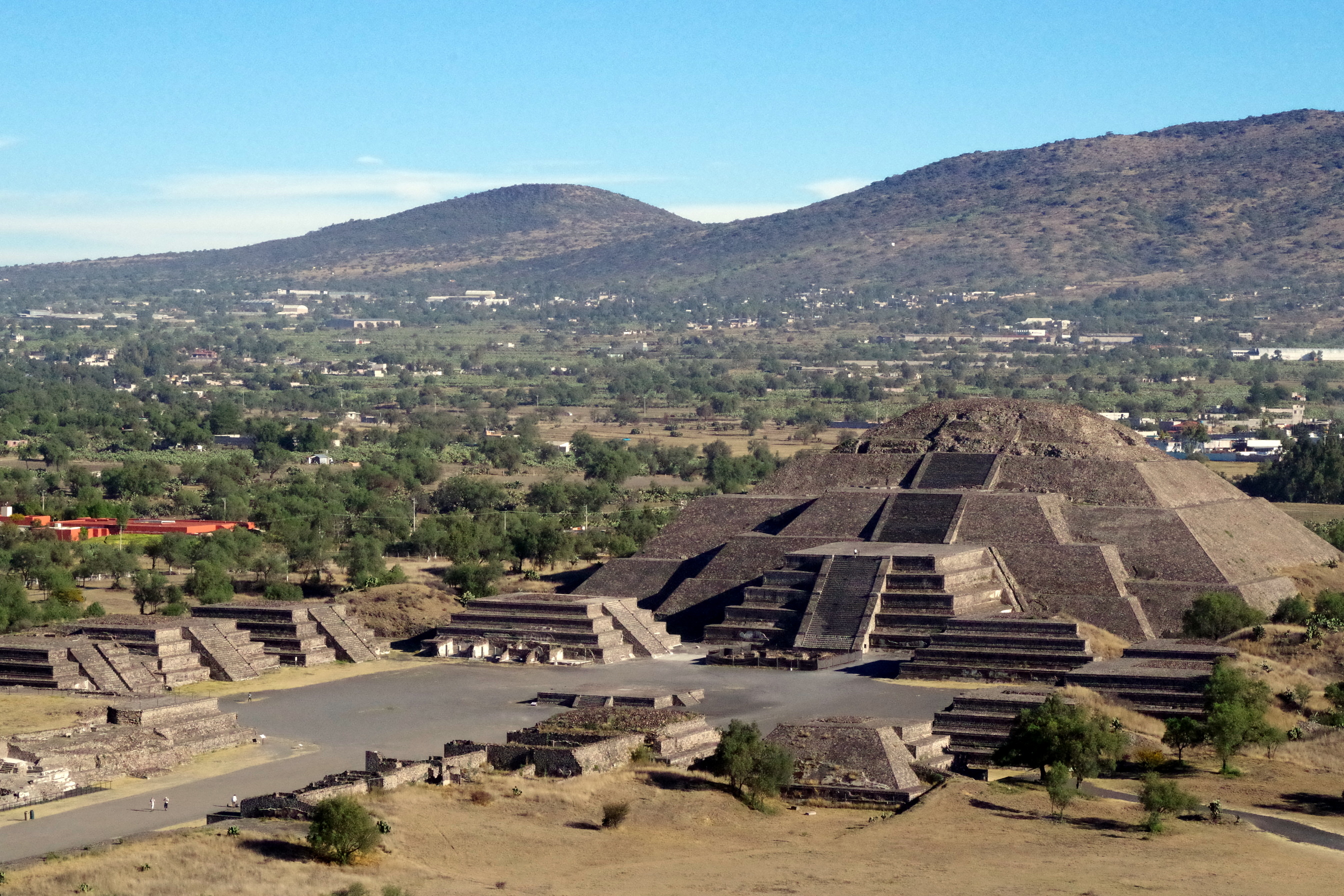
Mexico City is worth seeing, but we both decided to drive around the city and go to the temples of the sun and the moon in Teotichuan. Both of us had visited Mexico City before.

IMGP2017

Temple of the moon.


We went to the RV park in San Juan, it is a jumping off point for many overlanders and RV travelers. There we met a nice German couple, two Kiwis that had been on the road for a while and worked and studied while traveling, Marc the Frenchman, a plethora of knowledge with lots of helpful information, many more. The next day we spent all morning walking around the amazing temples of Teotichuan, climbing up and climbing down the temples and stairs. We talked about what it must have been like to live there before Cortez put an end to this period. Ran into Klaus from Passau, der Schlaraffe! (ein Männerbund, Schlaraffia is a worldwide German-speaking society founded in Prague (then Austrian Empire) in 1859 with a pledge of friendship, art and humor. )

20150223_090643

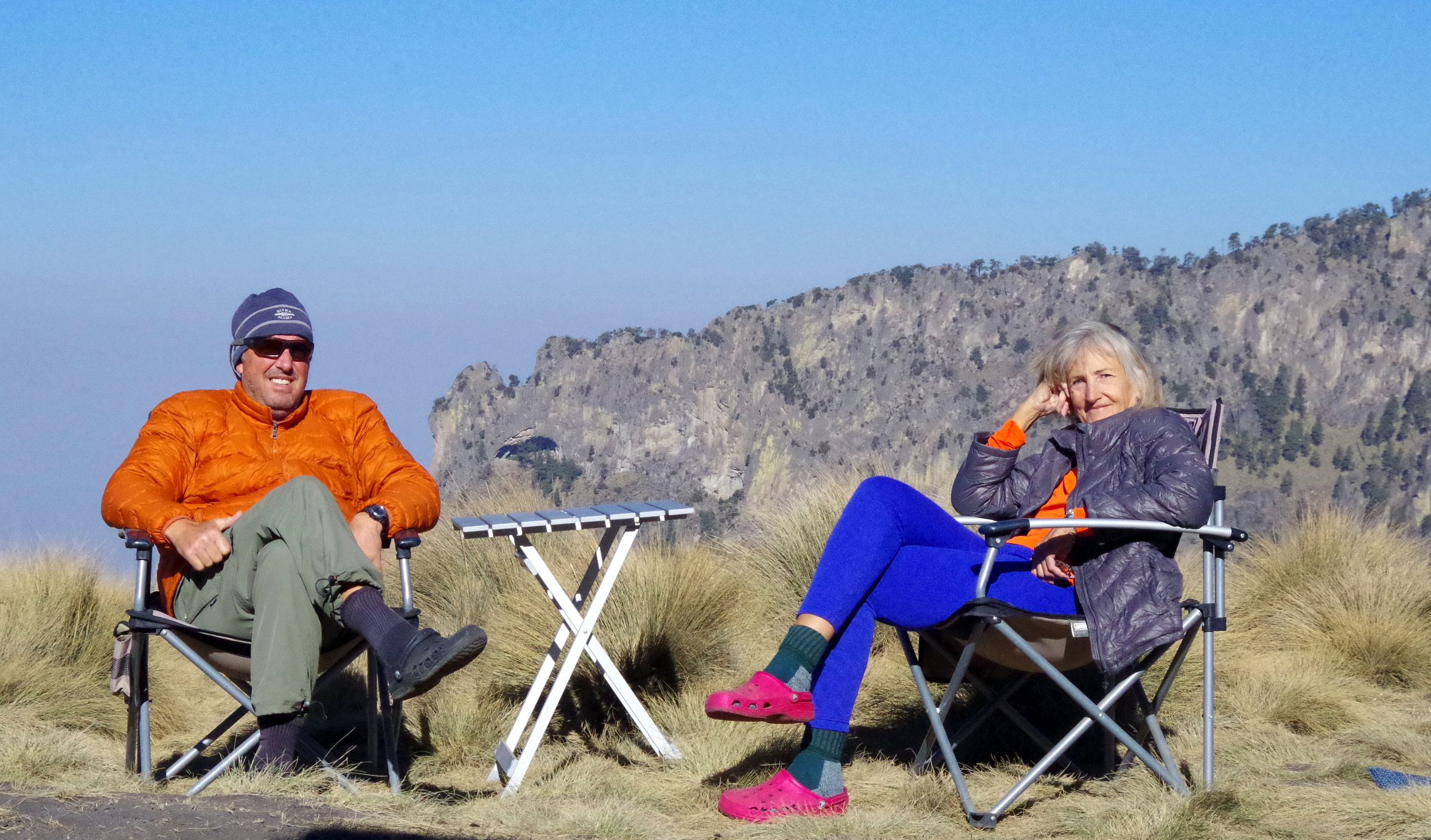
Günter and I were born and raised in the Alps, our home towns just a few kilometers apart, and it is in the mountains where we feel most at home.

So we left and drove up to the pass between Popocatepetl and Iztaccihuatl, I remember the tounge breakers from School. There was a forlorn park office up there at Paso de Cortes with an almost empty showroom and one guy that never stopped watching his soap while he collected our park fee.

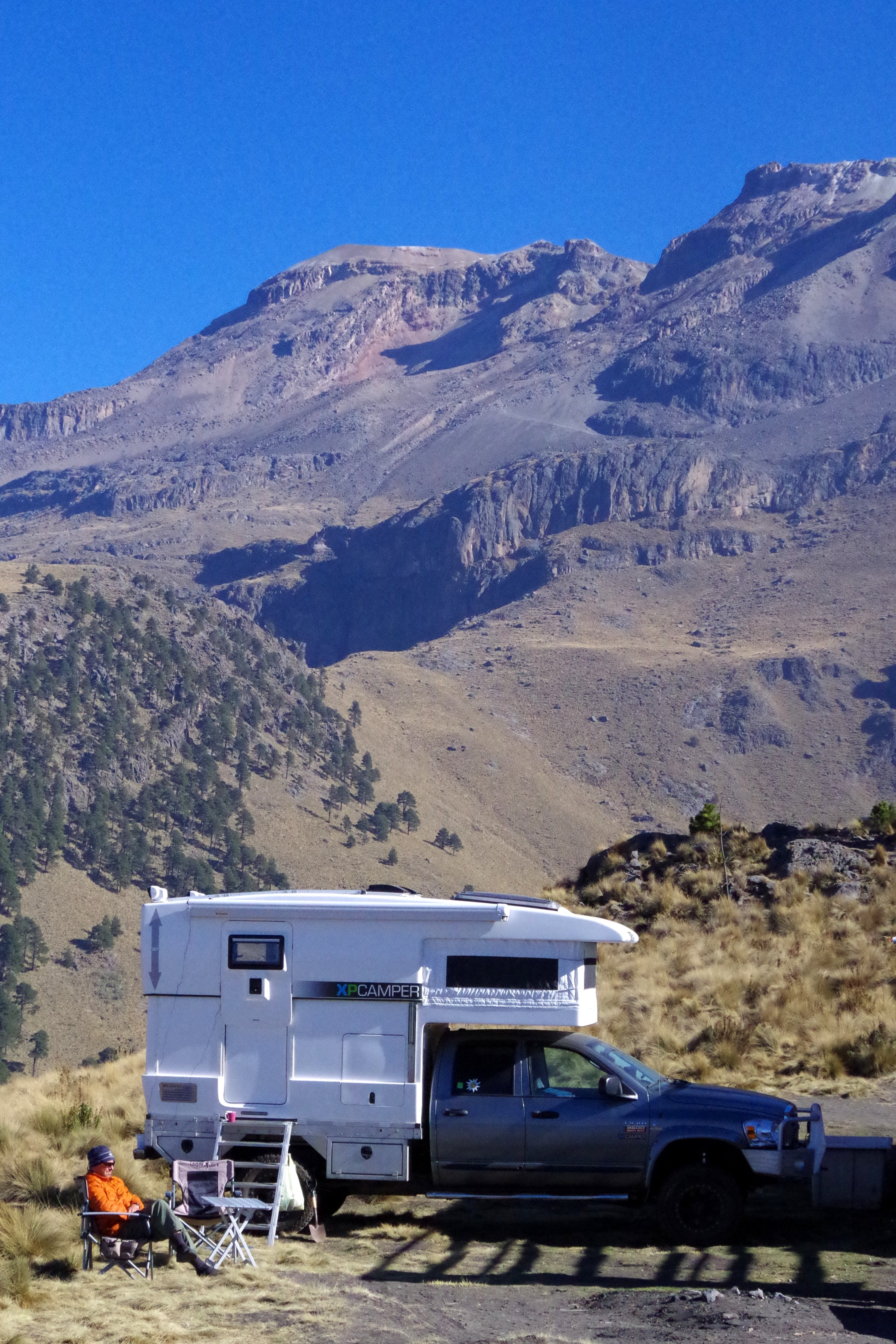
The gate then was opened by an old man and we drove up higher on a good dirt road until we were at 3976 m at La Joya, a staging area for climbers.

IMGP2043 IMGP2053

It was a great camp site with sweeping views of the valleys below and other volcanos in the distance. The air was thin and when we went to hike up Itza the next morning I knew I would slow Günter down, so I sent him ahead and decided to hike up a different trail to the opposite ridge. We both carry walky talkies for situations where we split up.

IMGP2088

The trail.

But in the afternoon the weather changed and clouds and fog rolled in, Günter got up at the 4500m level, but he had to turn around and come back. Nevertheless, it was a great hike with beautiful vistas, birds and rabbits (the smallest rabbit race in the world).

IMGP2065

20150225_122057

The only other people we met were some Mexican mountaineers and a couple from Austria (Linz) and their Mexican guide.

IMGP2102

Popocatepetl

Popo was quite active and glowed red at night. We spent two nights up there and could have stayed longer, but the altitude headaches were bothering us and warmer temperatures down below were beckoning (at the camp site there was frost on the ground every morning).

So we drove down the east side of the pass to Metepec, a very nice little town with a park that is a converted textile factory. We took a vacation from the vacation, had a nice spot between the trees to park the camper, clean facilities and the best showers in Mexico. There were several swimming pools, a museum and hotel lobby with wifi. With our bicycles we explored the nearby villages, stopped a while at Atlixco – an interesting town, and rode through fields of roses and other flowers that are grown here for sale in the US and locally.

Our Spanish is getting a little better and we can now talk to the people when we wonder why they do this or that or where things are or the weather or ……

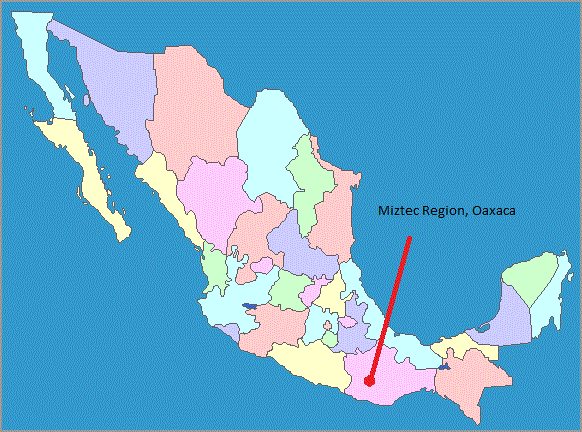
Mixteca Alta – the cool verdant roof of Oaxaca.

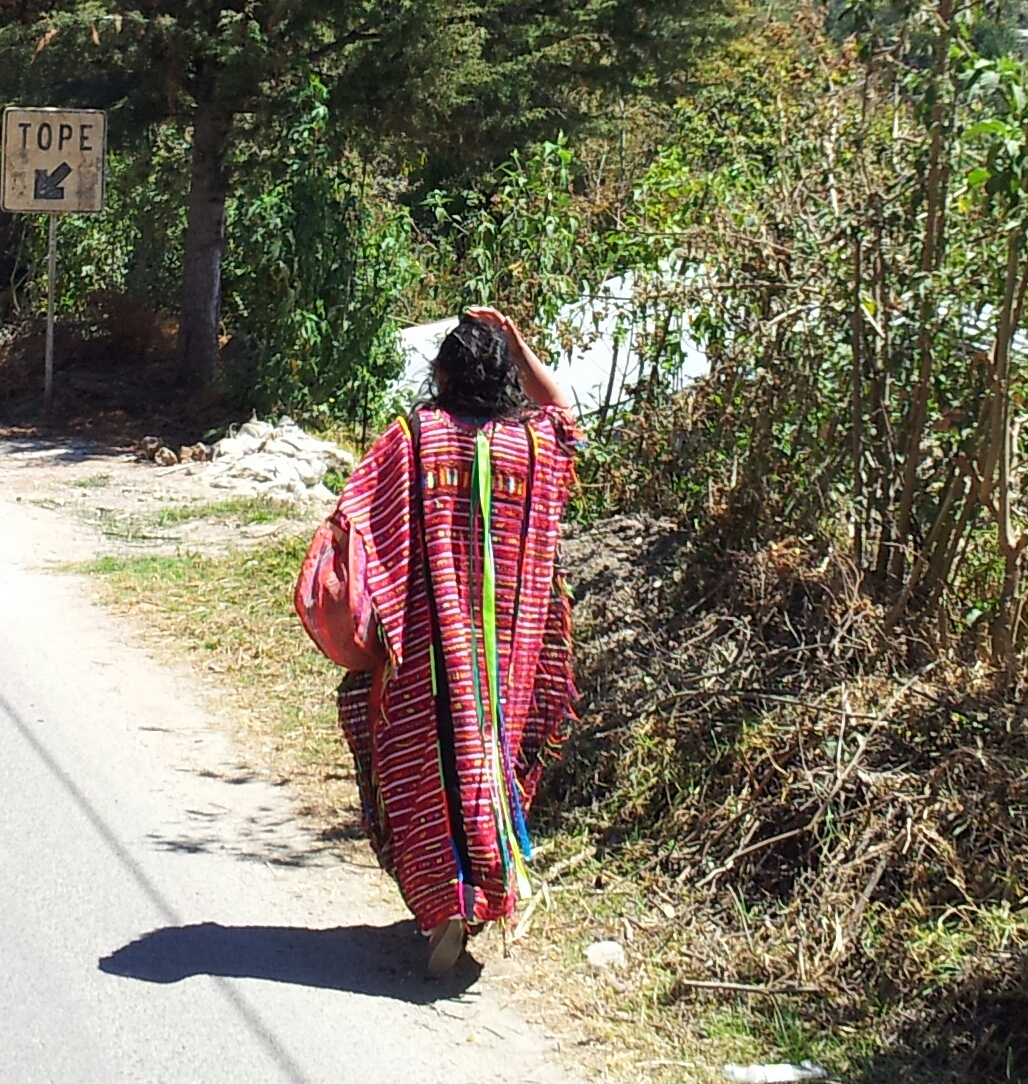
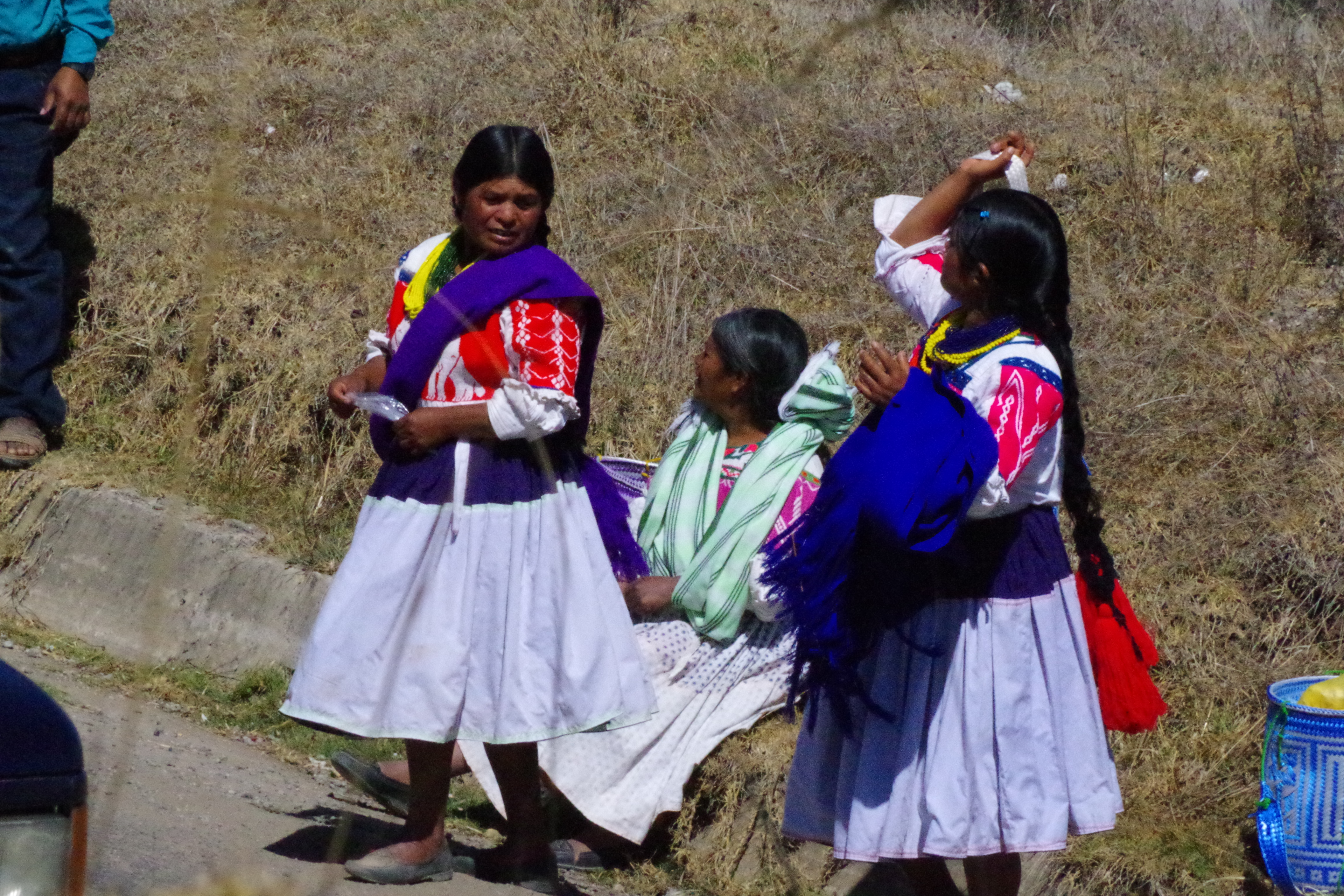
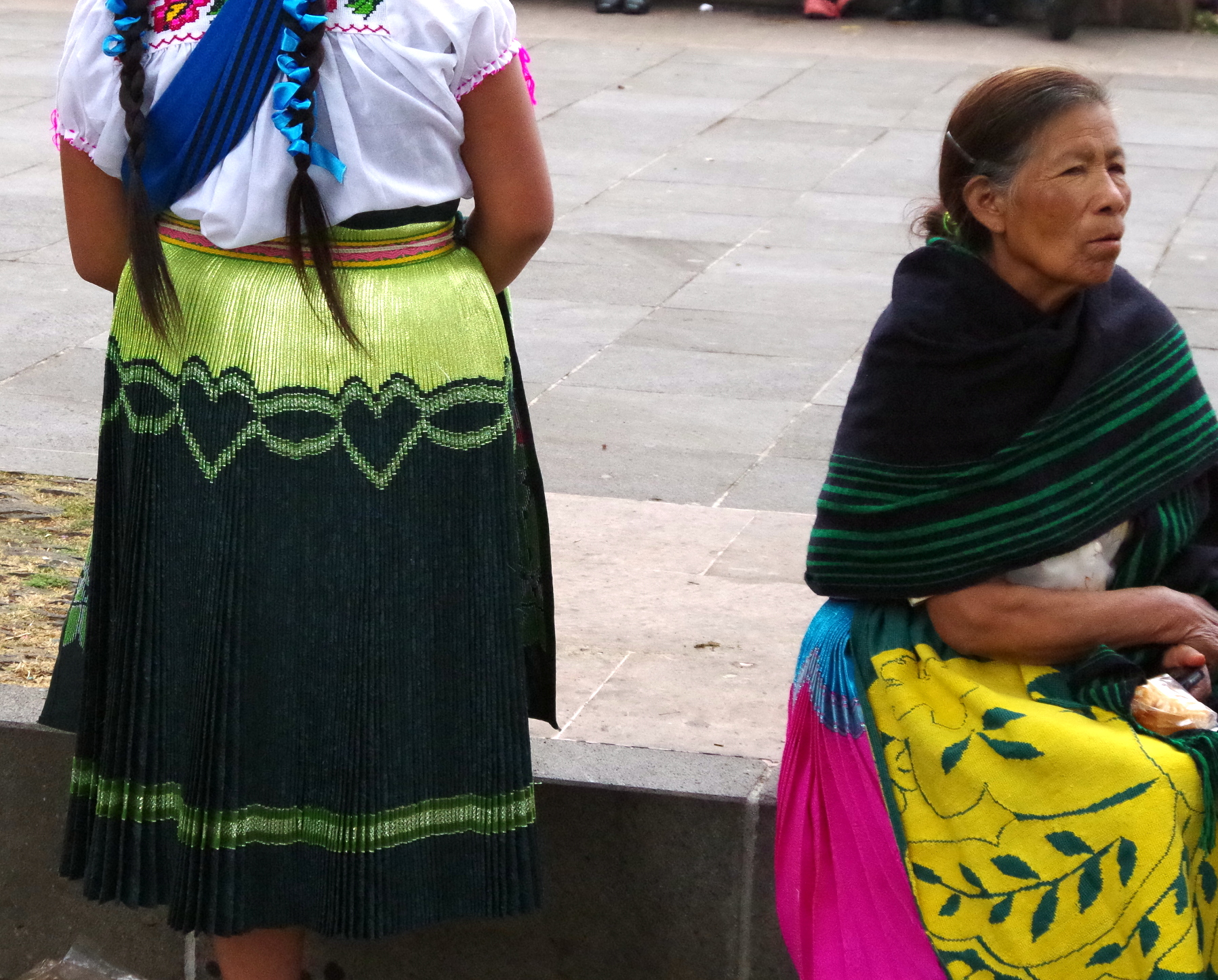
Instead of taking the toll road, we decided to take the long road to the city of Oaxaca and drove south toward the western highlands, the land of the Mixtecas. An indigenous tribe “People of the clouds” have lived there for thousands of years. The women wear colorful hand-woven long dresses to keep them warm, underneath is a black skirt and a blouse, when it gets warm they hitch up the dress and tie it to their waist. As you drive from town to town you can see the women in those dresses (huipiles). Most of them do not want their picture taken, so I only have some photos from their backs.

20150303_120957-1

The countryside is beautiful, the mountains covered with pine and oak forests, little farms dot the hills, goats, sheep and pack animals are beside (and on) the roads. Not many people drive here and we did not see any “white” people for several days.


20150305_132325

We stopped in Tonala for great street food, Laguna Encantada (nice but crowded with Mexican bathers) and spent a few days at San Miguel de la Cueva, a quiet little town with a great camp spot by a pond and the entrance to a limestone cave.

IMGP2134

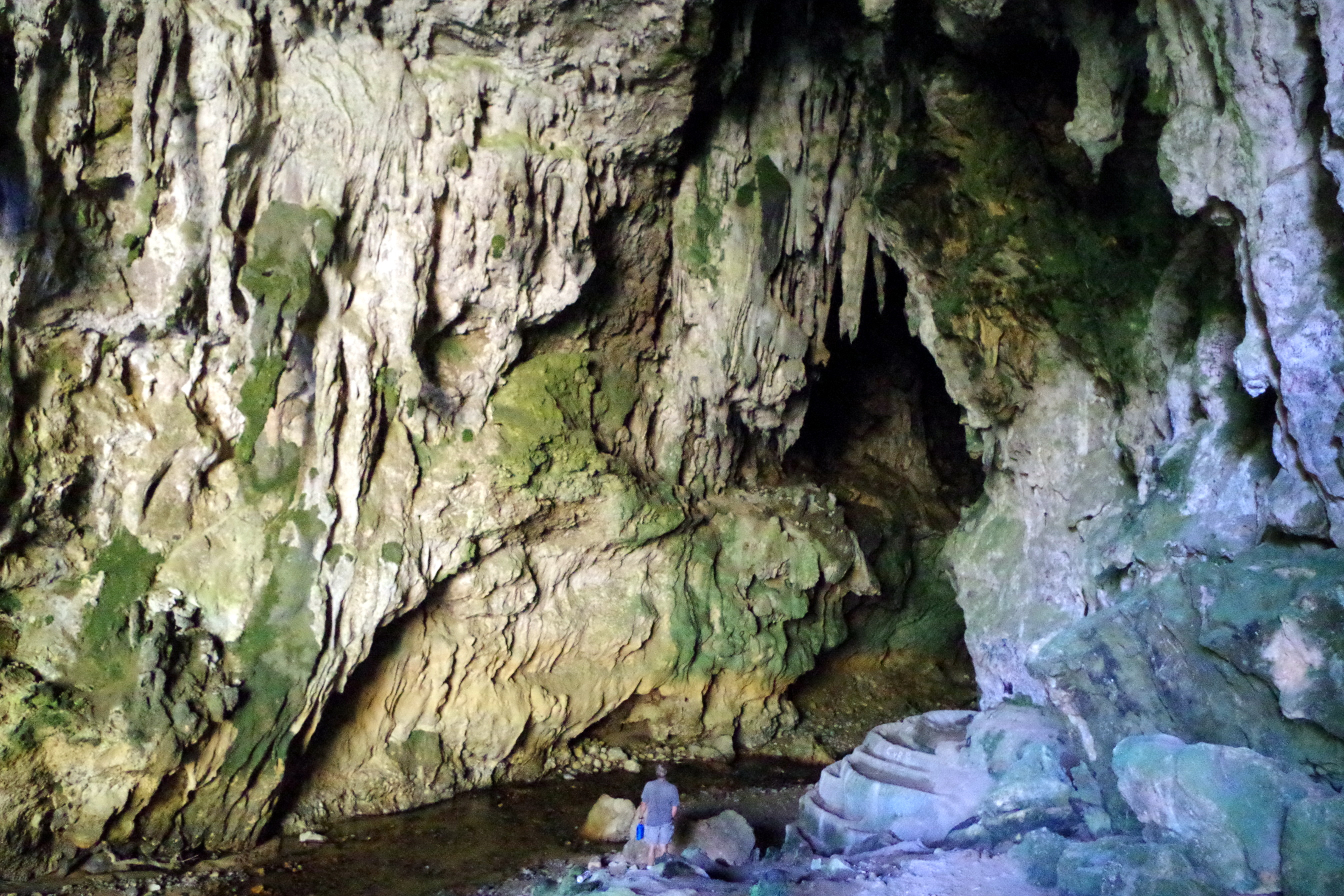
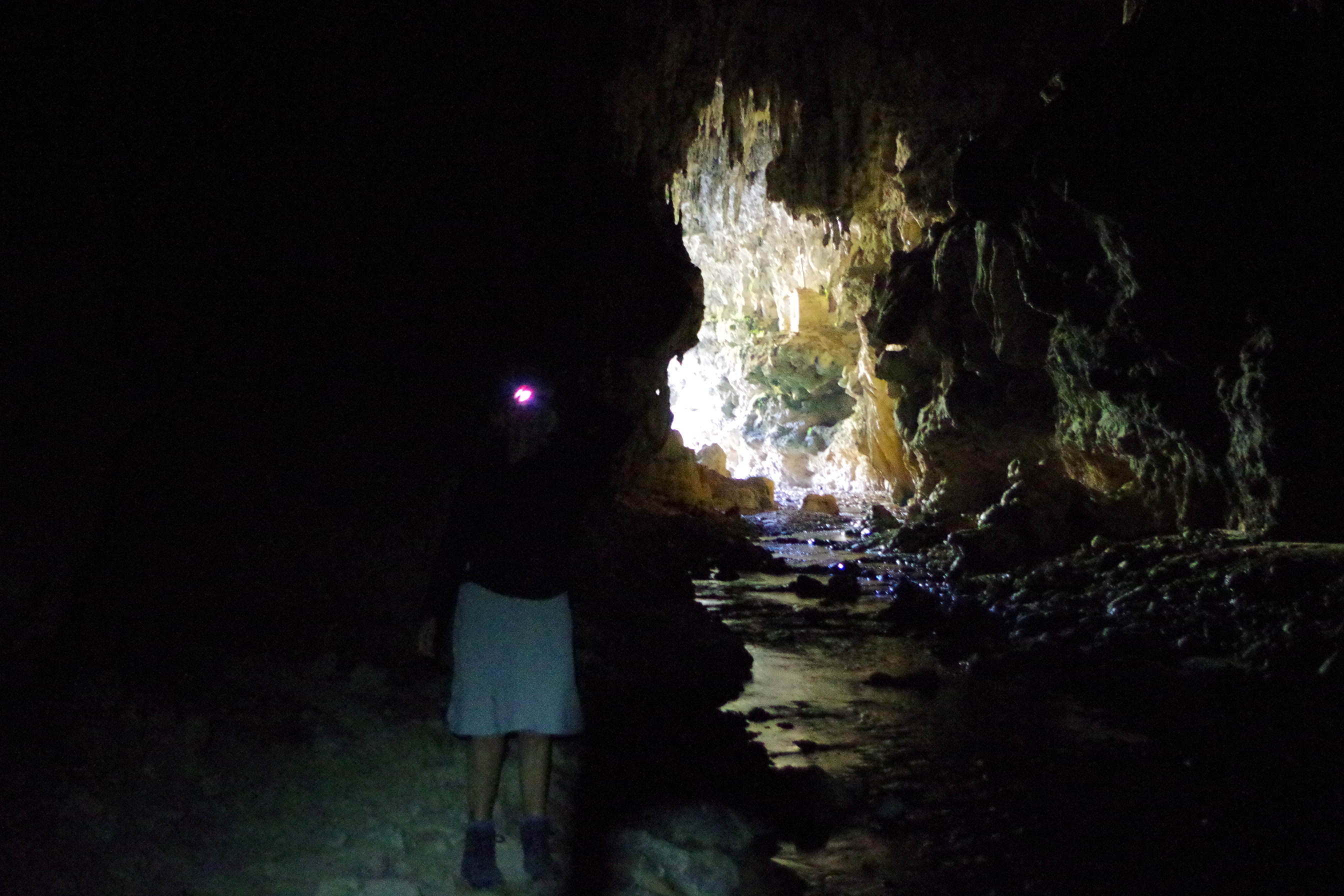
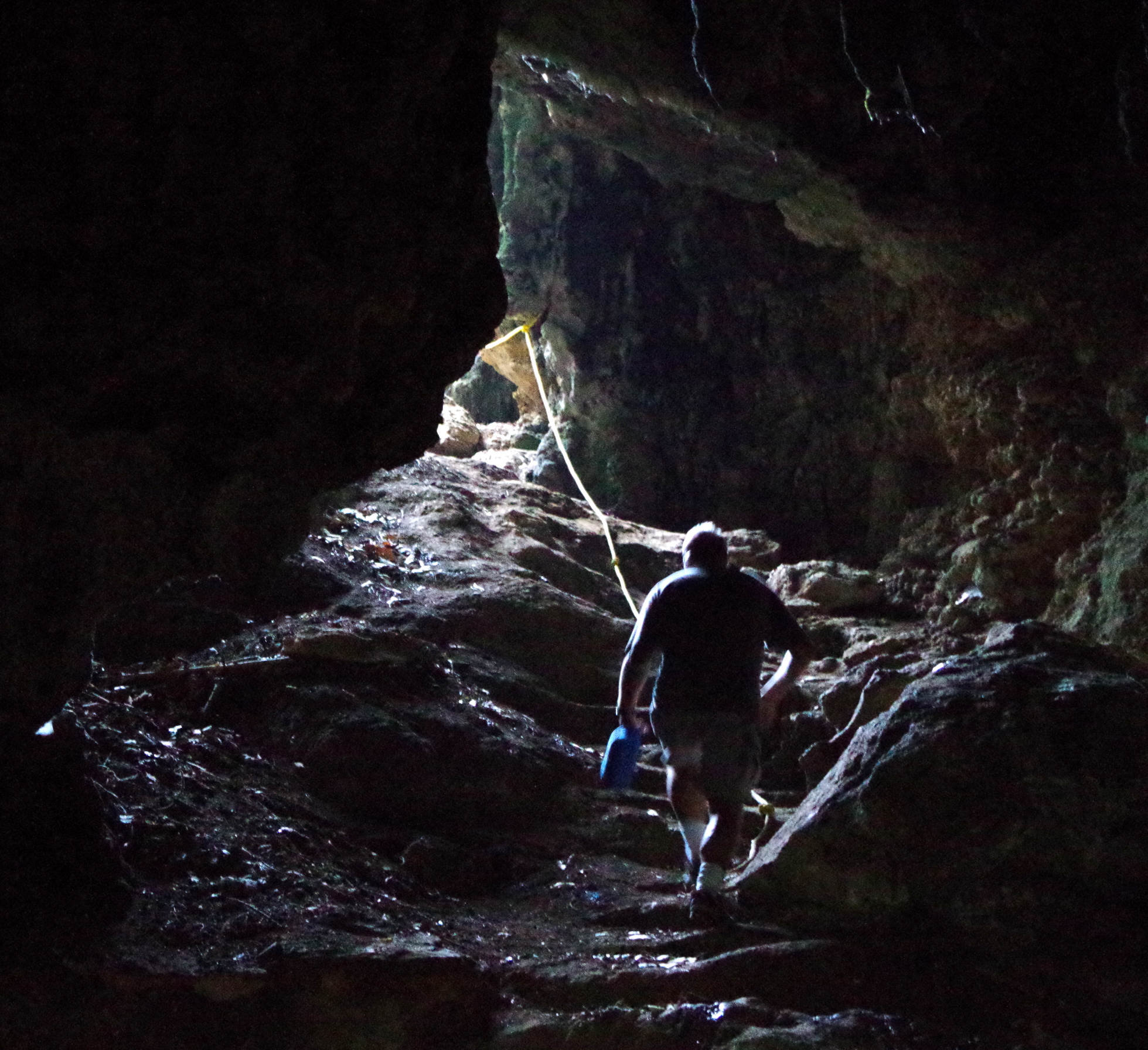
Günter grabbed our head lamps and we hiked through the cave – following the creek – and came out the other side. Wow, there were stalactites and bats and ferns on the cave ceiling, the gurgling stream beside us. This area is great for hiking in the hills and pine forest, we packed a lunch the next day and folowed the goat herdres trails up into the hills. A beautiful  hike with great vistas.

IMGP2144

Günter at the cave entrance.


IMGP2148

IMGP2159

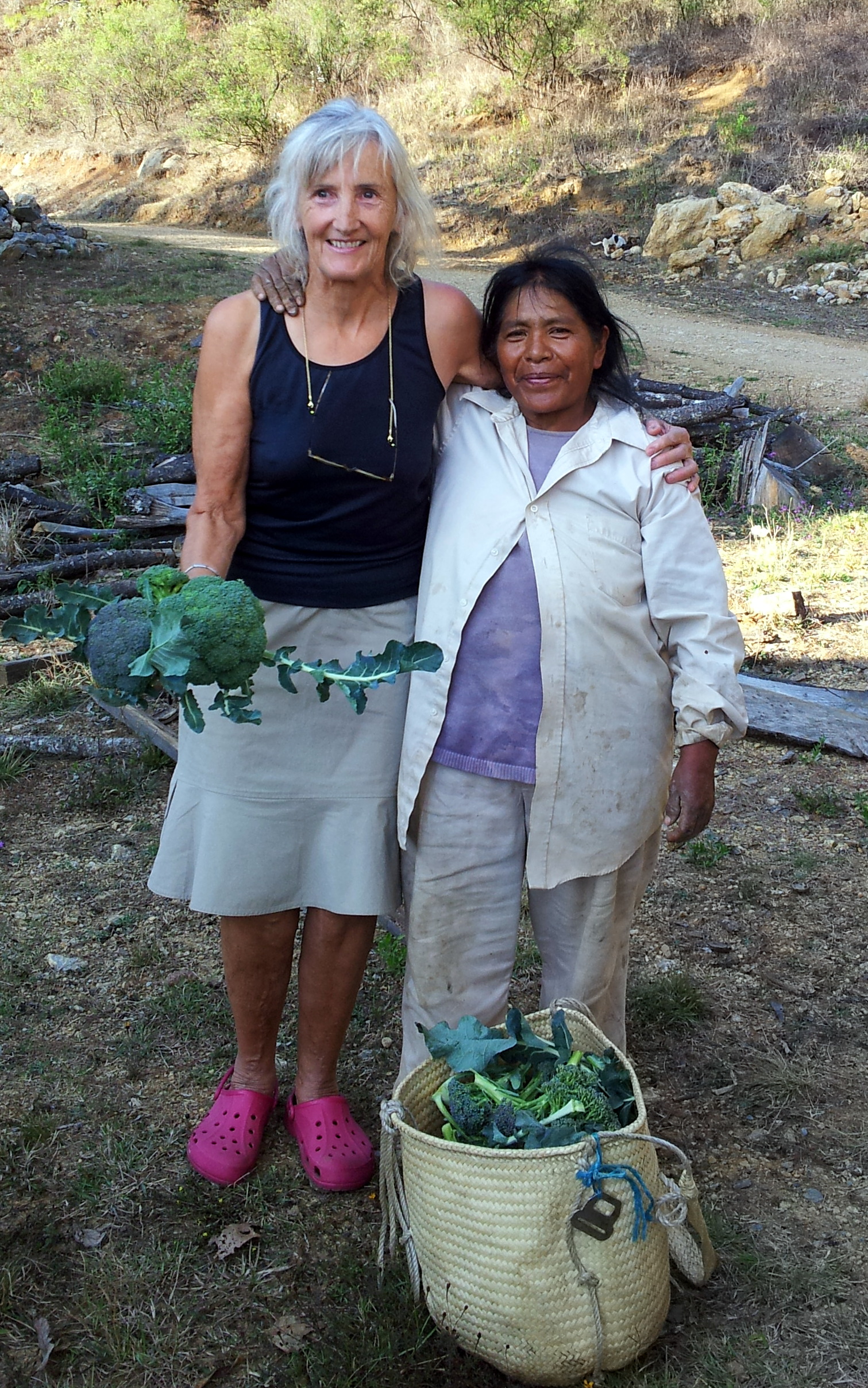
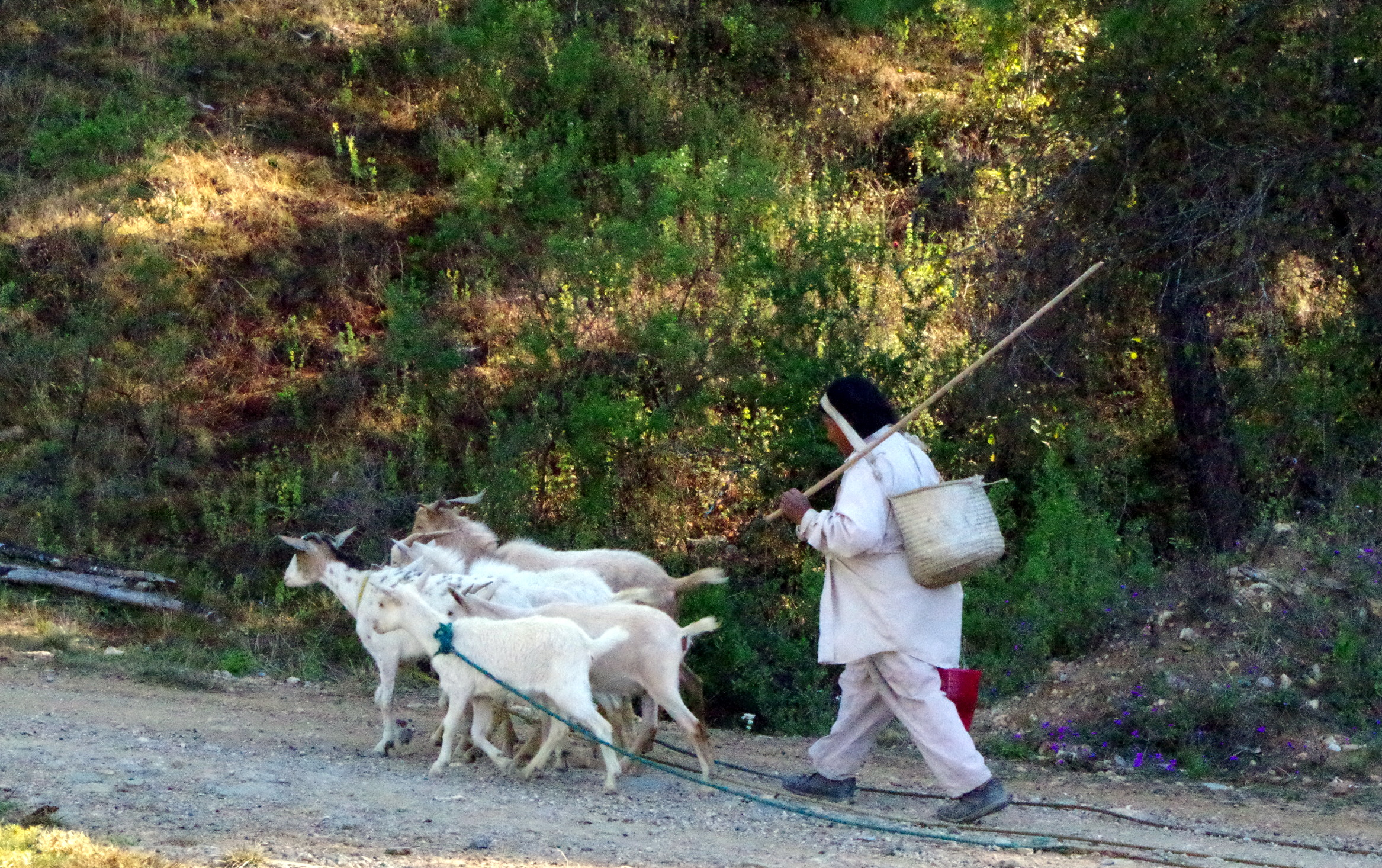
Goat herders and farmers pass by the campsite in the morning on their way to their fields, and again in the evening. They grow broccoli this time of year up there and will bring some back on their way home if you ask. It was great!

IMGP2281

20150302_105052

20150302_173707

IMGP2182

When we continued our travels we drove farther into the mountains, one day we decided to take the next turn off and drive to next town town to find some lunch.

That is fun, we never know where we end up and often it is a nice surprise. Most towns have food stalls and we have been eating great food from street vendors. Tortillas, tamales, birria or barbacoa, it is all good and – NO – we have never had a stomach upset yet. Knock on wood. After driving a few kilometers on that road we ended at a village and we parked by the school.

20150303_134121

Several people came over to look at the camper and one of the men approached us in English. He had been in the US for seven years, laying carpets in Georgia. Like so many other ex migrant workers in the US we have met, he had heart wrenching stories about the trip to “El Norte”. When Guenter told him that he is a fisherman, the man wanted to show us the fish pond on his farm. The town is not very big and the people grow beans, corn and vegetables on terraced fields. Martimiano, our new friend showed us his fields, the cave entrances on his property and of course, his fish Pond.

20150303_140502-1

surveying the fields

20150303_150449

The house

20150304_085749

Maria Paula, preparing blue Tortillas.

20150304_081630

Maria Paula and Martimiano

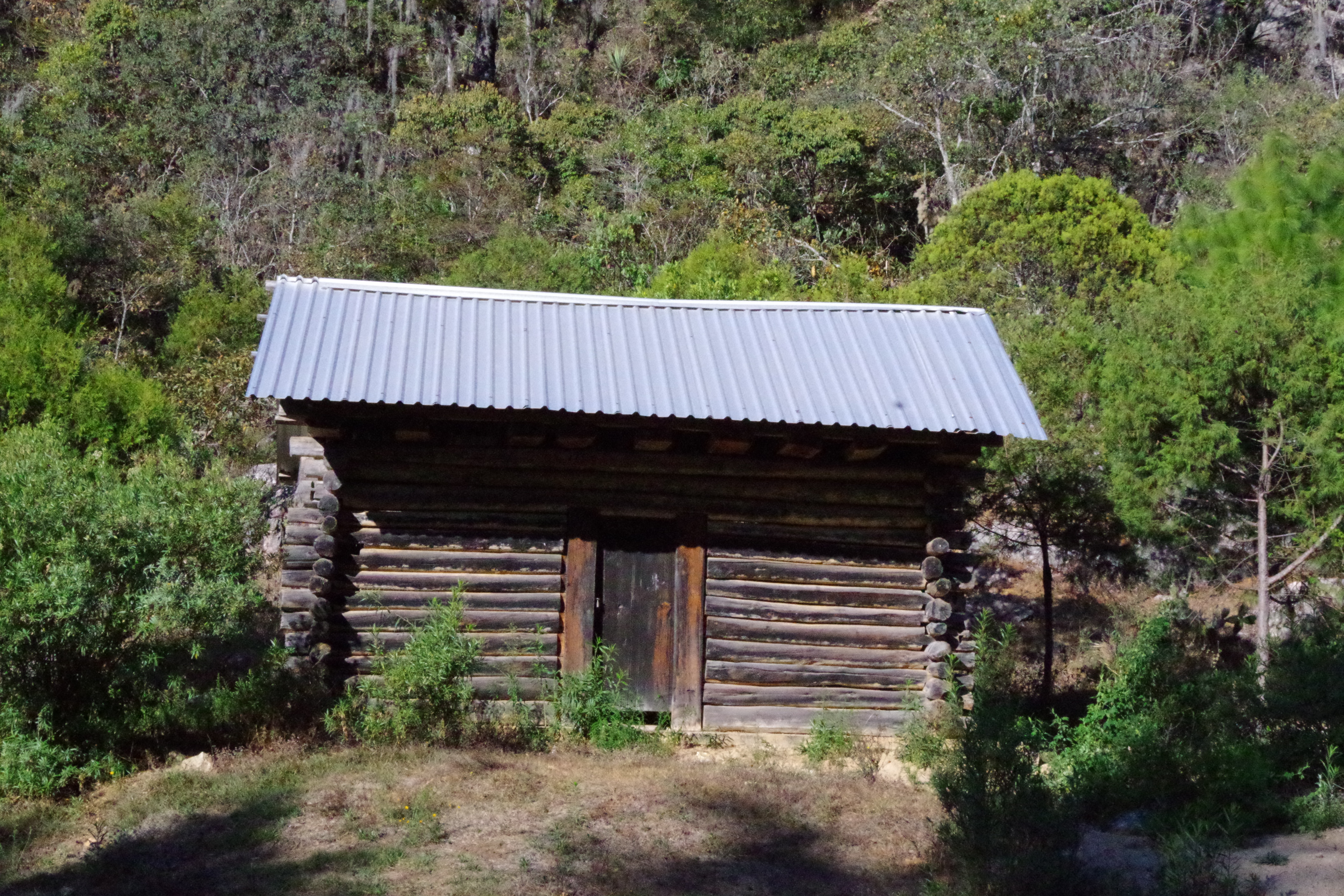
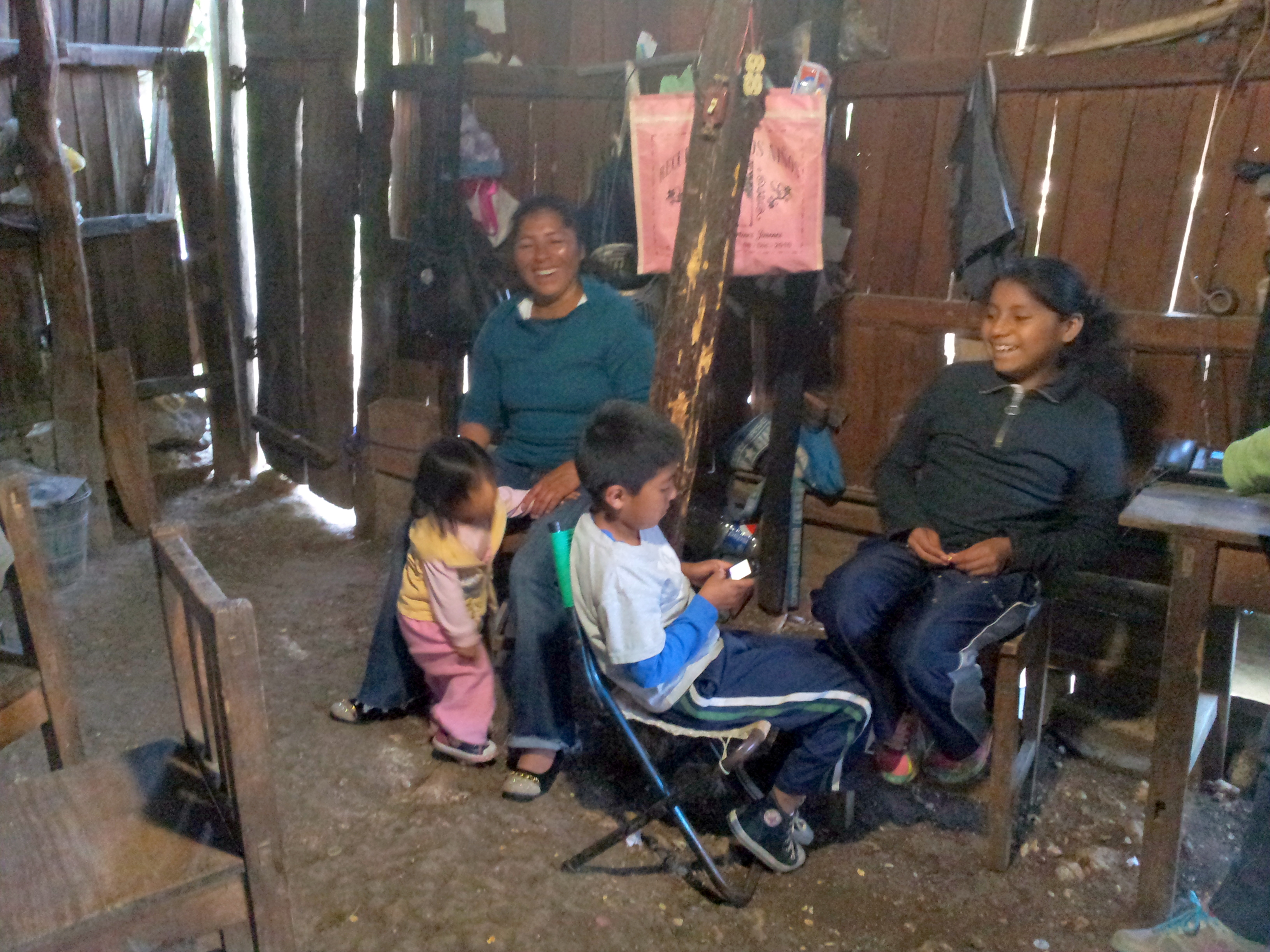
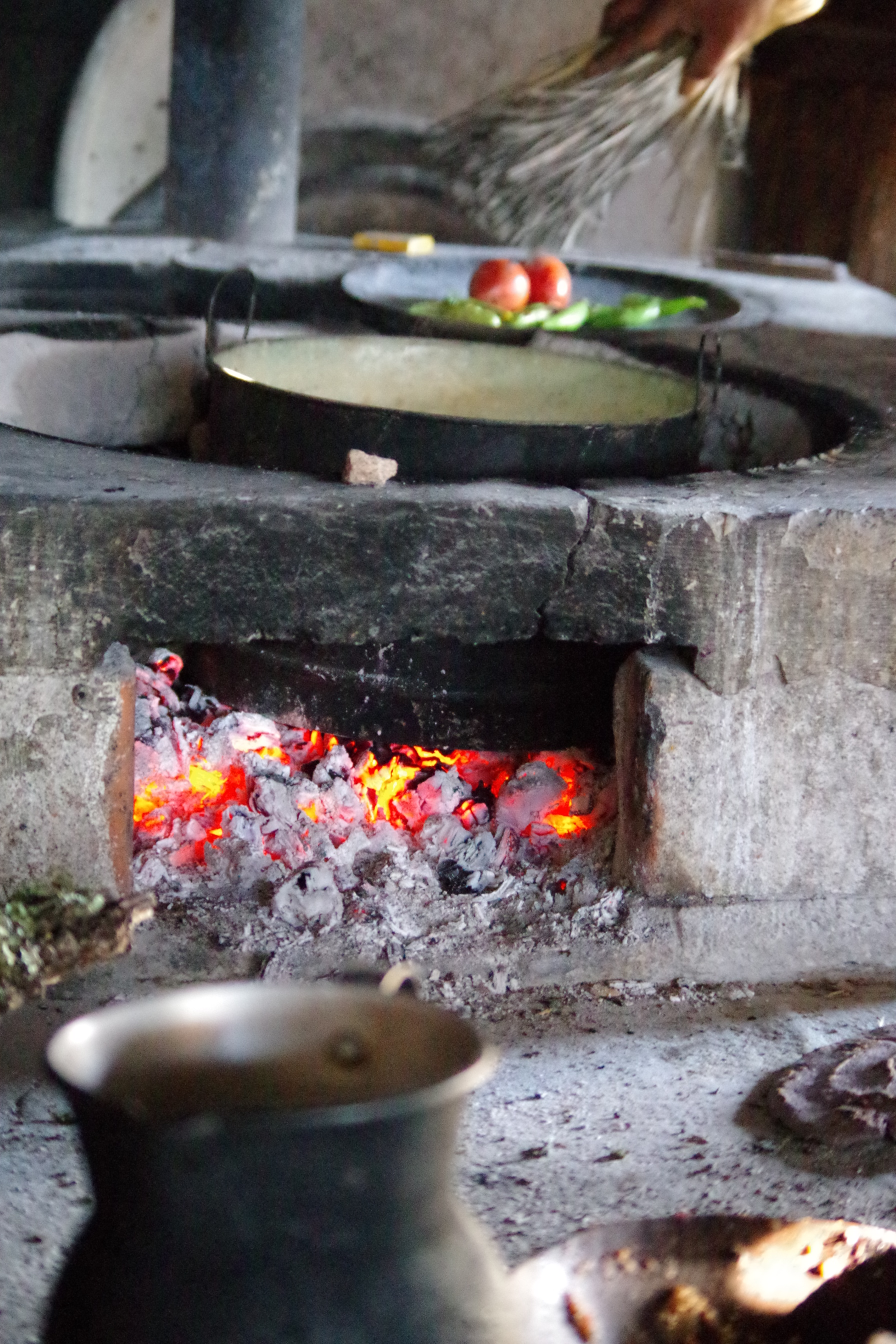
(The sacred cave is farther down the hill, it is big and full of stalactites and bats, every year in May, on Holy Cross day, the priest holds a mass in that cave.) Martimiano and Günter hit it off and talked about raising fish and pond building. Martimiano invite us to his house and we climbed up the hill, actually their home consists of three little houses made of wood. The old one housed the children (two teenagers out of seven children still live at home), the middle house was the kitchen (with an open fire) and nerve center, the newer house in front was where the parents slept and where the loom stood. The floors were compacted earth and swept every day. There were fruit trees, flowers, pumpkins and watermelons, a vegetable garden, several turkeys, a horse,pigs and dogs, a demazcal, water trough and stacks of wood for cooking. While we stood there and marveled at a beautiful scented yellow orchid growing in a tree, Martimianos wife Maria Paula came home, horse in tow. Both she and the horse were loaded with wood she had gathered all day, she had gone four miles one way he told us.

20150303_150648

Maria Paula with a load of wood on her back,


Maria Paula spoke very little Spanish and the family conversed in Mixtec. She had a sparkle in her eye when she was talking and was very friendly. We all sat in front of the house and tried to talk, it was so interesting to hear their stories about life. About having to raise children without a father when he was gone for seven years and just sent money. About a conflict with the neighboring town, it came to a head in the 1940s with 300 people killed (Martimiano showed us the mass grave and we saw human bones sticking out of the dirt where the grave had eroded). Nevertheless, they are happy and love their family, fiestas and food. We ended up staying for dinner and watched Maria make blue tortillas, pozole, eggs and salsa, all served with mole sauce, more salsa and roasted pumpkin seeds.

20150303_171435

Cara

Their niece and her children came over from next door and ate with us. It was delicious, we ate out of clay bowls. They also had green coffee beans, they dry and roast them as they go. It was very good coffee.

20150303_163900

When I inquired about their culture and traditions Maria brought out one of her national costumes and a photo album. She wanted me to put on the “huipile” and I did, well part of it anyway. I was way too tall for the skirt, the Mixtec people are small.

20150303_151648-1

Late that evening we promised to come back up the next morning, Maria wanted to show me how to make tortillas, and then we walked down the hill back to our camper. We had been told by city hall (one guy) to park near the communal tractor because it is a save place. I guess they guard their tractor :-).

When I climbed the hill again the next morning I reflected on all the little trails from house to house, field to field, everybody was busy walking on those trails. Old people slowly navigating the steep rocky paths, children skipping down an their way to school, men with donkeys or horses heading to their fields. Everybody smiling and passing me with a happy “Buenas dias”. That’s what it must have been like in my home town a hundred years ago, I thought to myself.

Breakfast was another fiest of blue tortillas, eggs, salsa, red mole and boiled chayotes.

20150303_150844

Isaia unsaddling the horse

20150304_092446

View of town from the house.

IMGP2228

Chayote for breakfast

20150303_161218 20150303_151031 20150303_170637 IMGP2230

We gave them the last two pieces of smoked salmon from our freezer and said our farewells later that day. They packed up a bag of more tortillas, ground coffee and boiled chayotes for the trip. Then they made us promise to stop by on our way back from Argentina and we did.

(If you are interested in a visit, please send us an e-mail: caviar at alaska dot net)

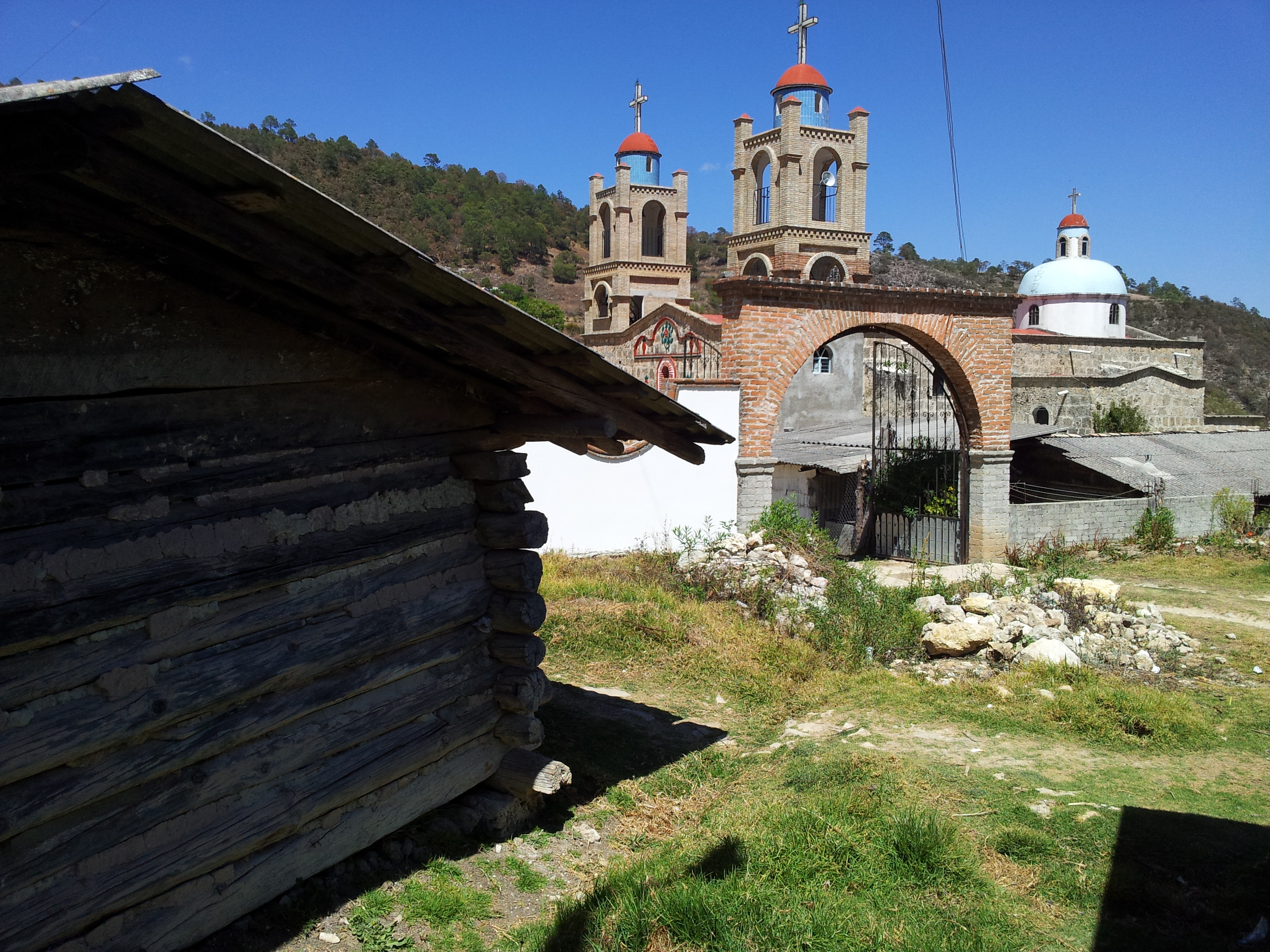
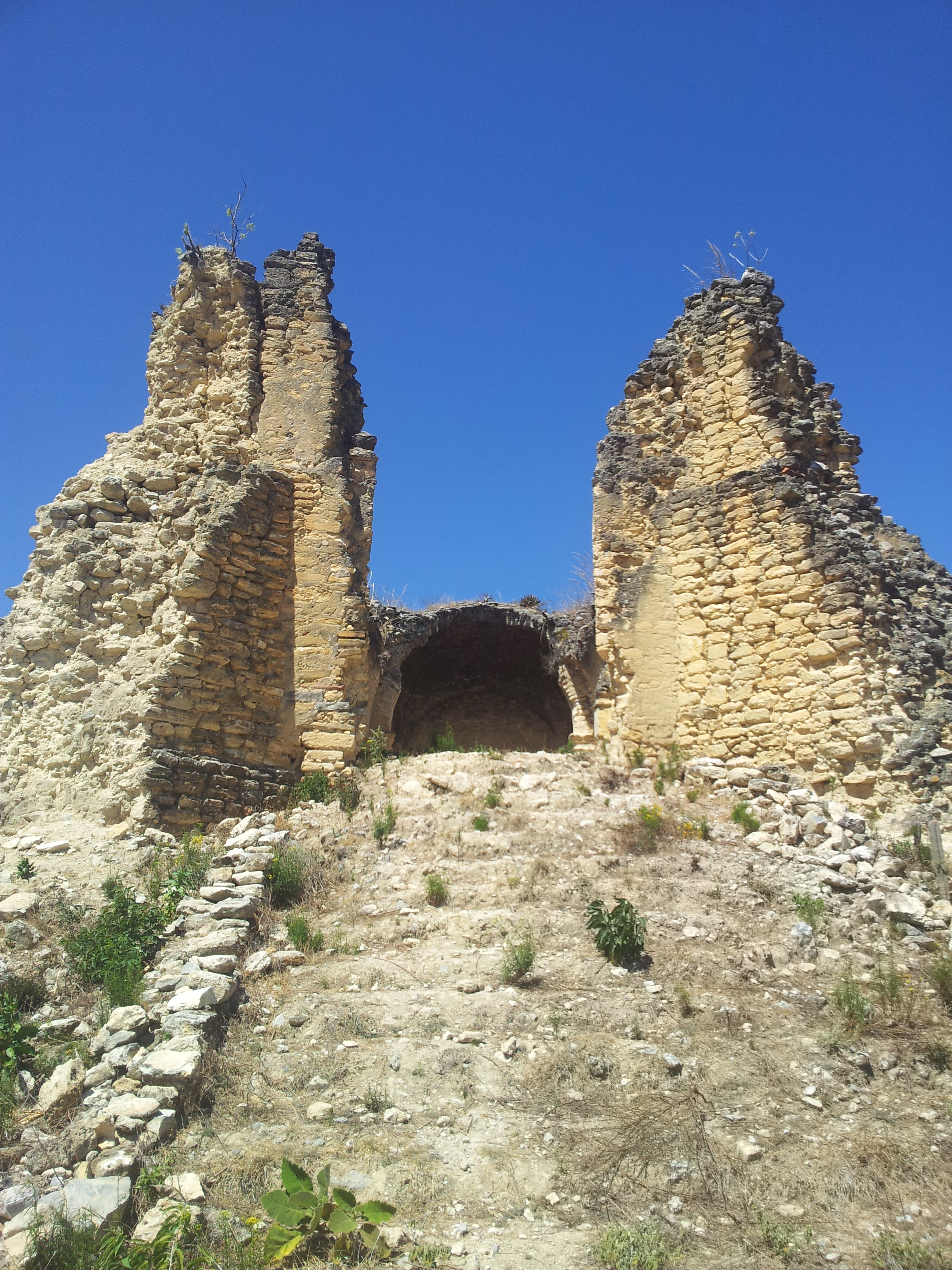
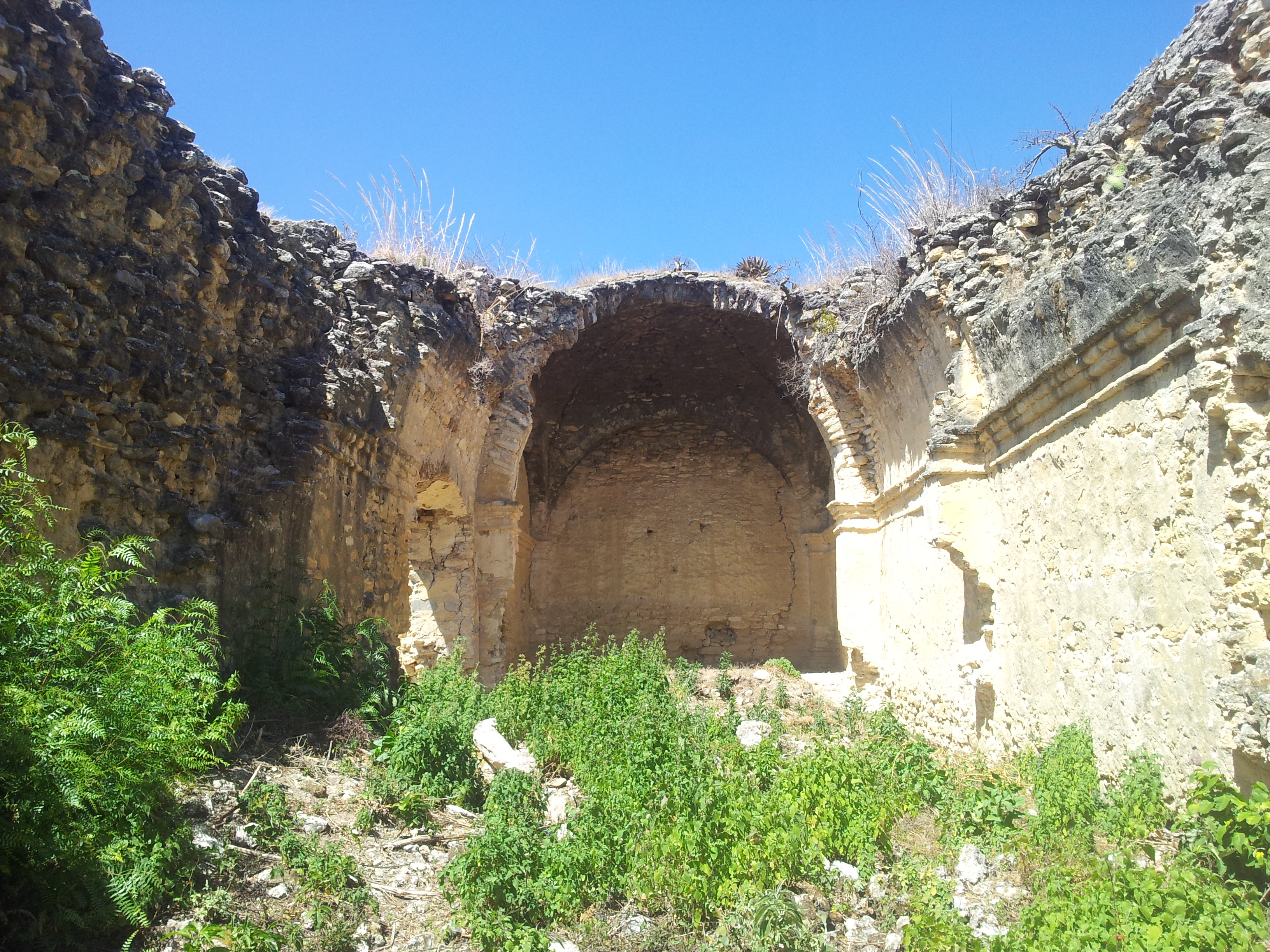
On we drove through mountains and pine/oak forests, past wooden houses and log cabins, high rocky peaks, fertile valleys and waterfalls. A very beautiful area. The Dominicans were everywhere many years ago and the result are many many churches, some restored, some crumbling.

San Miguel de Achiutla-001 San Miguel de Achiutla-002

We could have stayed a lot longer…….When we were at Cascada Esmaralda at Santiago Yosondua we camped in the yard of a little restaurant with a very nice family that fed us chicken soup and fresh sweet bread. Camping was free and the toilets new and very clean.

IMGP2270

view from the camper window


20150304_163426

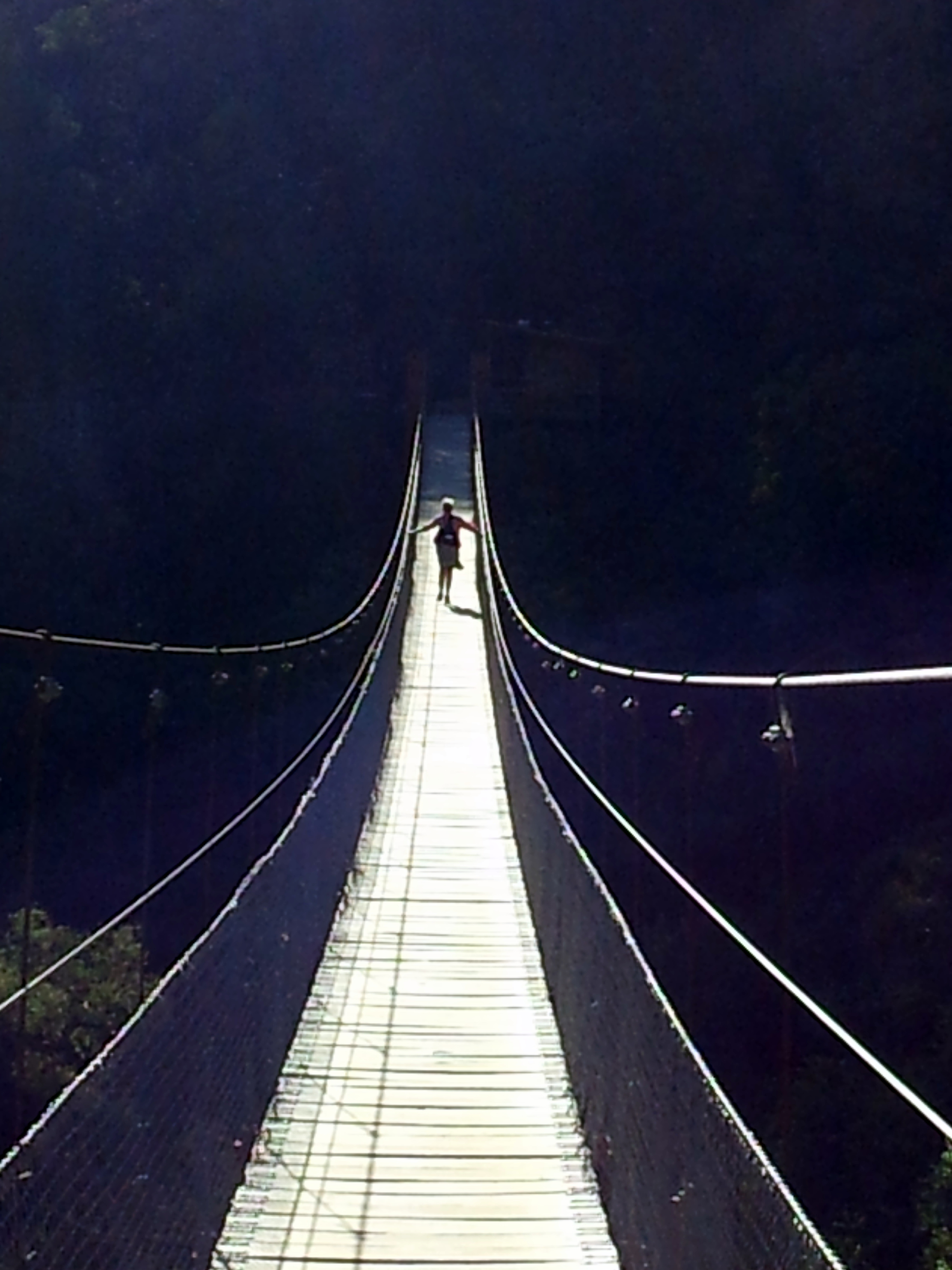
A beautiful waterfall and hanging Bridge.

IMGP2254

Cascada Esmeralda


We planned to take the (dirt) back roads to Oaxaca from there. After talking to some locals though we changed our mind, they said that a few of the remote little towns on the way there are feuding and they themselves would not go to that area because ” everybody carries guns”. That was enough for me and while Günter was still debating the route I was sure I did NOT want to go there. The road was one lane and rough and steep in places to boot.

We backtracked instead and drove the longer but saver road with a stop in San Miguel de Achiutla and on to the beautiful city of Oaxaca.

IMGP2292

IMGP2293

mexico-map=miztec


(We had some issues with the camera so the photos are bad quality, sorry.)

← Back

Thank you for your response. ✨


Posted in Mexico | 4 Comments

Monarch Butterflies, a different kind of “snowbird”.

February 2015

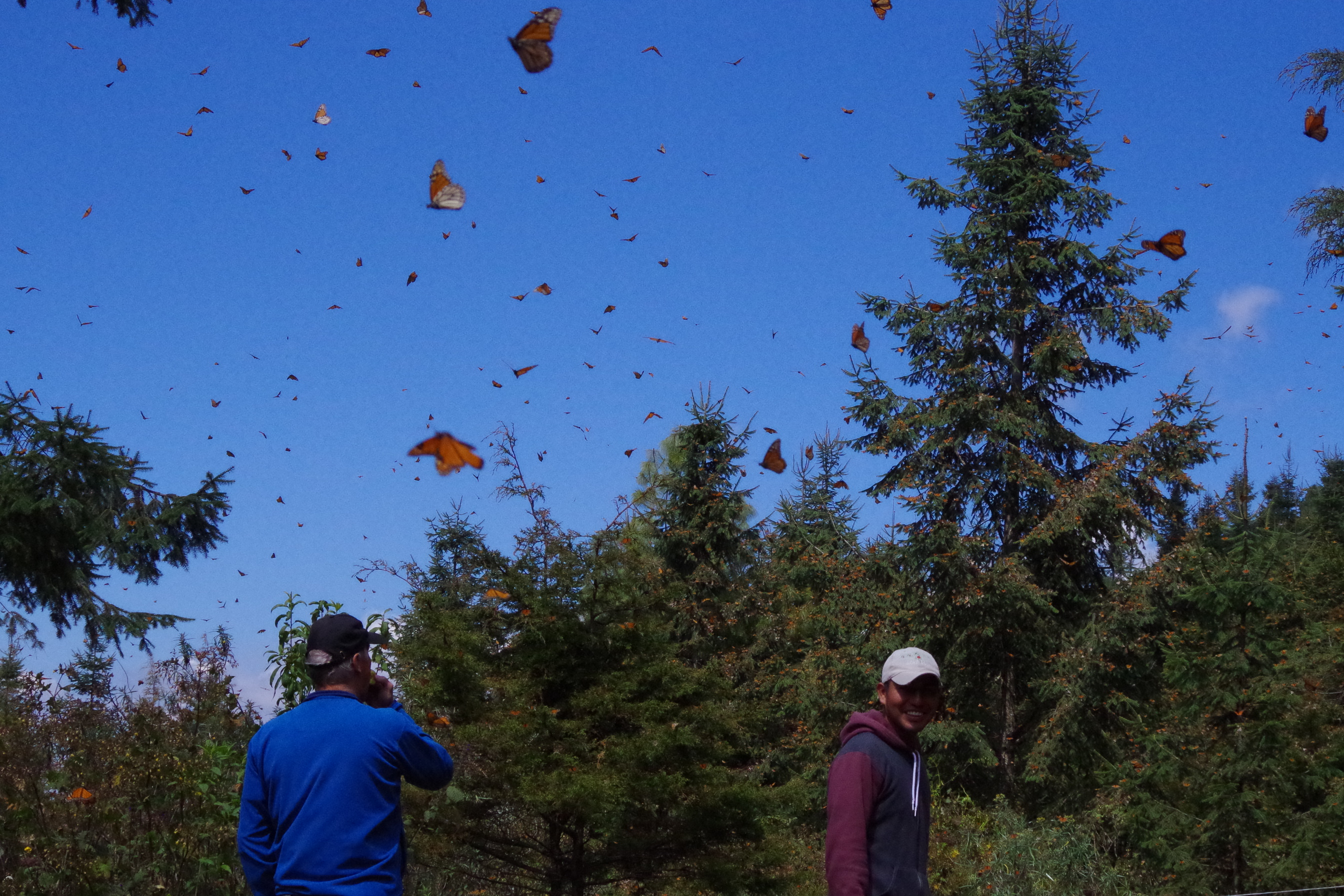
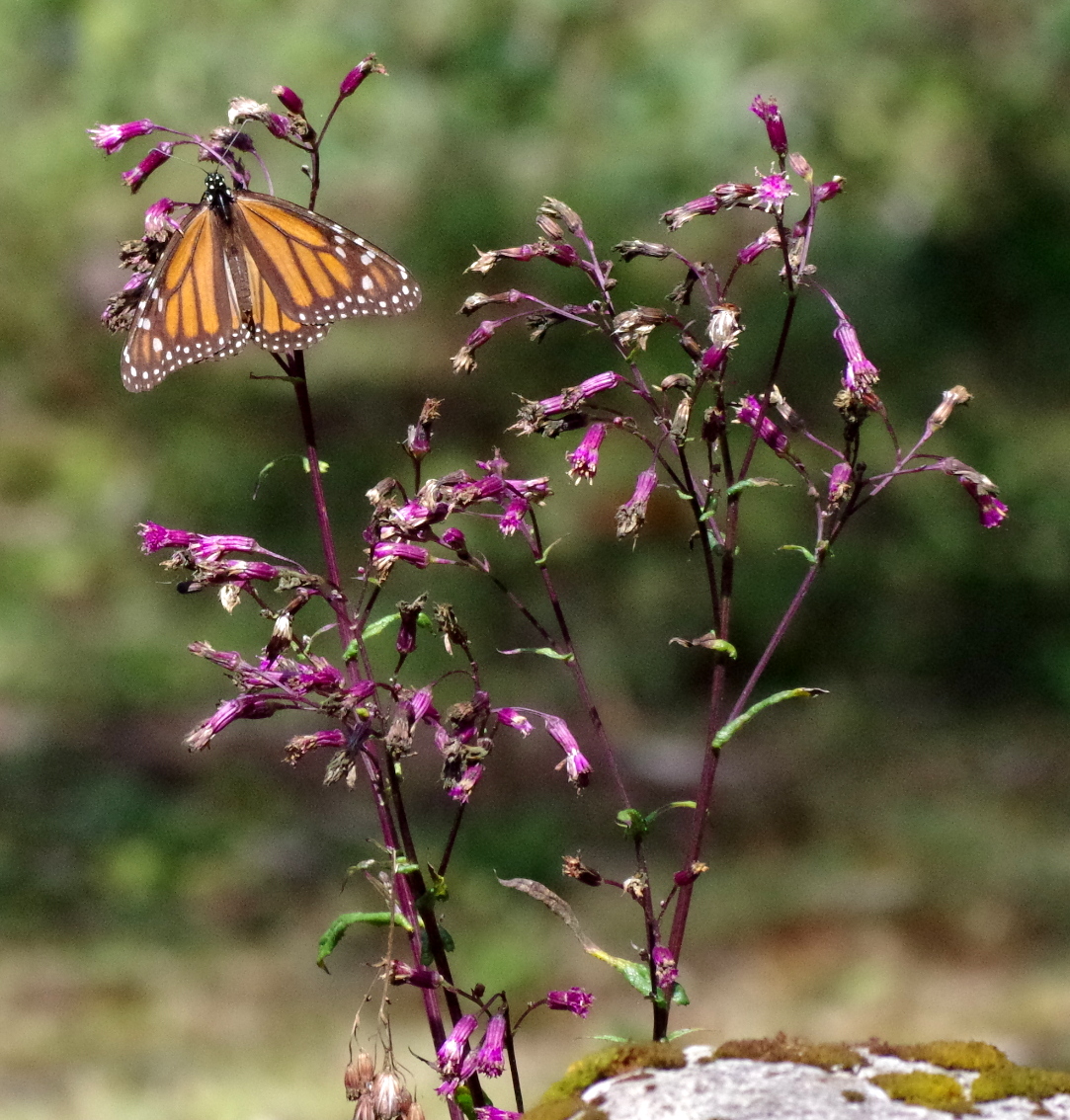
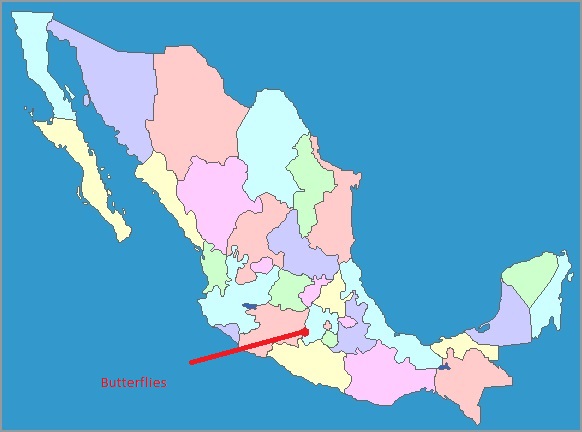
Years ago I read a National Geographic article about the incredible migration of the Monarch Butterfly. They leave their range in Canada and USA in the fall and fly all the way to the mountains east of Mexico City for the winter. There they congregate in a few places high up in the mountains and wait until it gets warmer, as soon as the sun comes out they fly around and look for potential mates. Most males die after they mate and the rest of the butterflies leave the mountain tops in mid March and head north again.

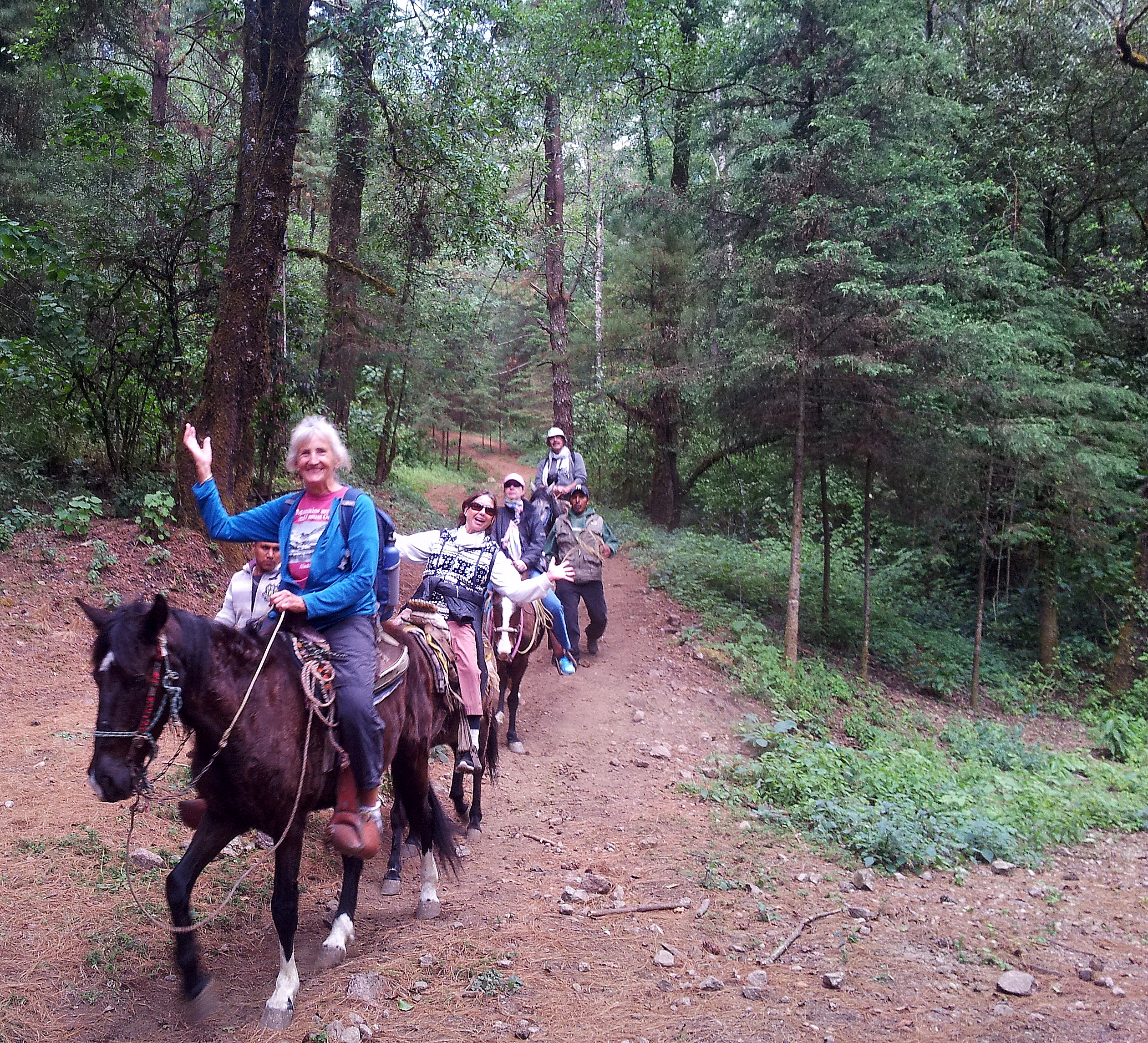
People ask us sometimes if we have a trip plan. No, we don’t. We plan ahead for a week at the most. But one thing we had planned was a trip to the mountains where the Monarchs spend the winter. There are four different areas open to the public. You are not allowed to go up to those mountains without a guide. You can choose to ride a horse or hike. We went to Cerro Pelon and the little pueblo called Macheros ( 400 inhabitants and 100 horses). The Butterfly B&B there rents rooms and can arrange for the guides and horses, there is also a “Parador Touristico” that has camping spots, toilets and showers and rooms for rent. The tours start from there.

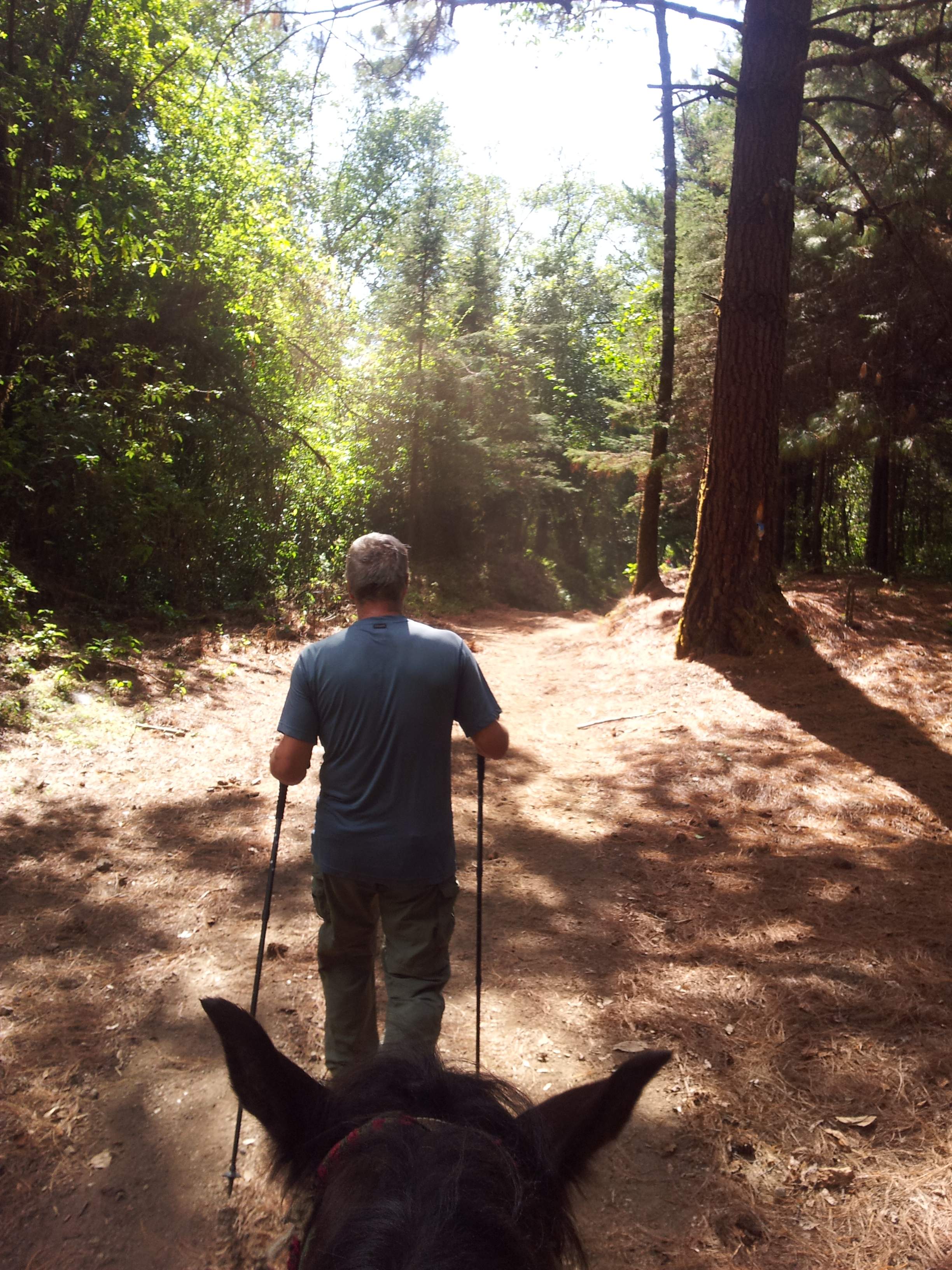
I decided to ride a horse (Negro), the air is thin up there, the mountain is steep and most of all, I love to be on a horse.

20150219_151938

Günter wanted to walk. It took us 1 1-2 hours up a steep trail through a beautiful forest, pine trees , firs, madronas and even cedars got larger as we moved higher. It is home for many birds, a bird watchers paradise, different hummingbirds buzzed by, vermillion flycatchers were a common sight and even troncons live here. But most of all, as we came up to the top of the mountain, we saw the butterflies.

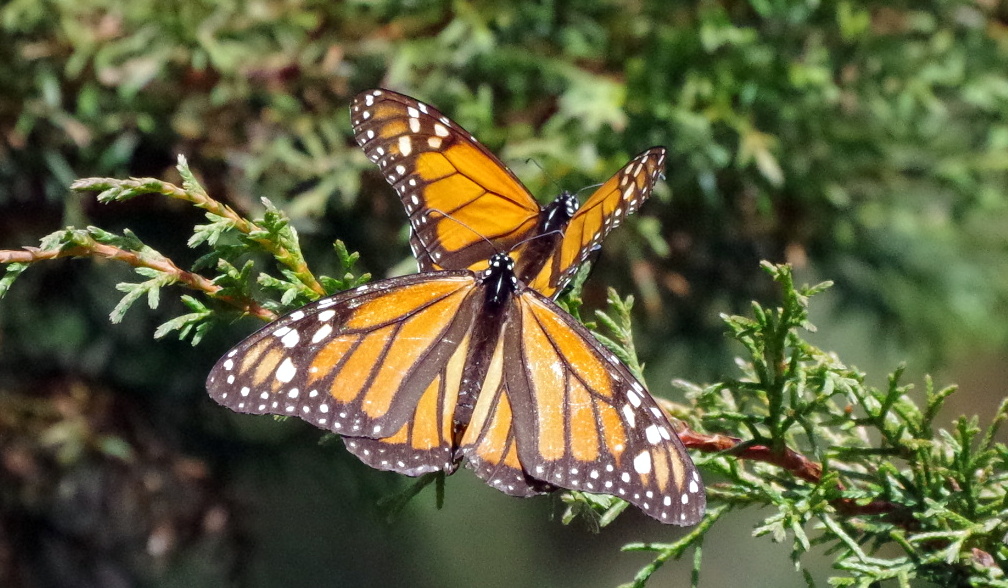
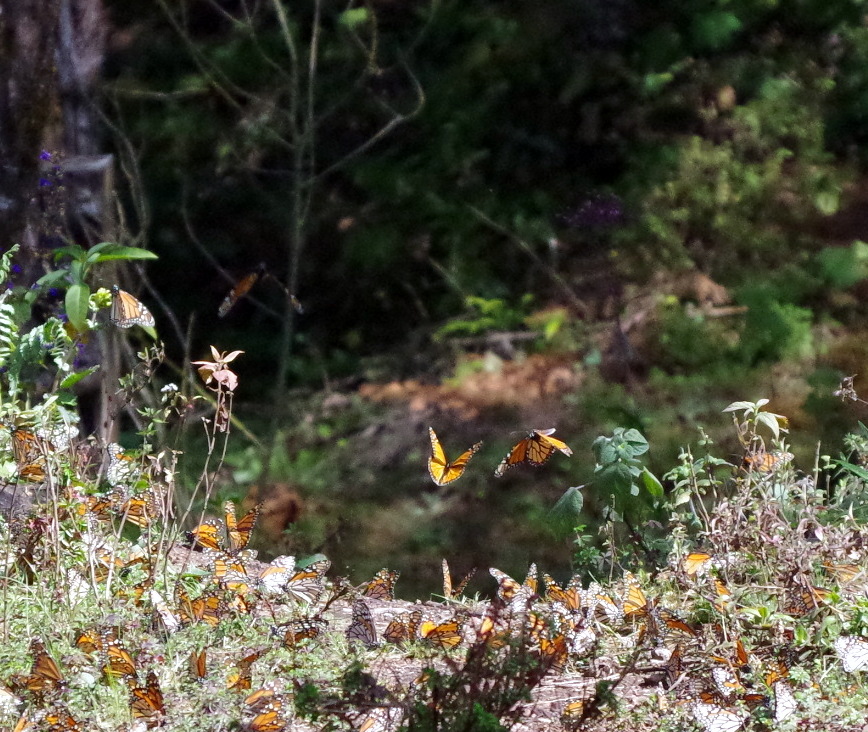
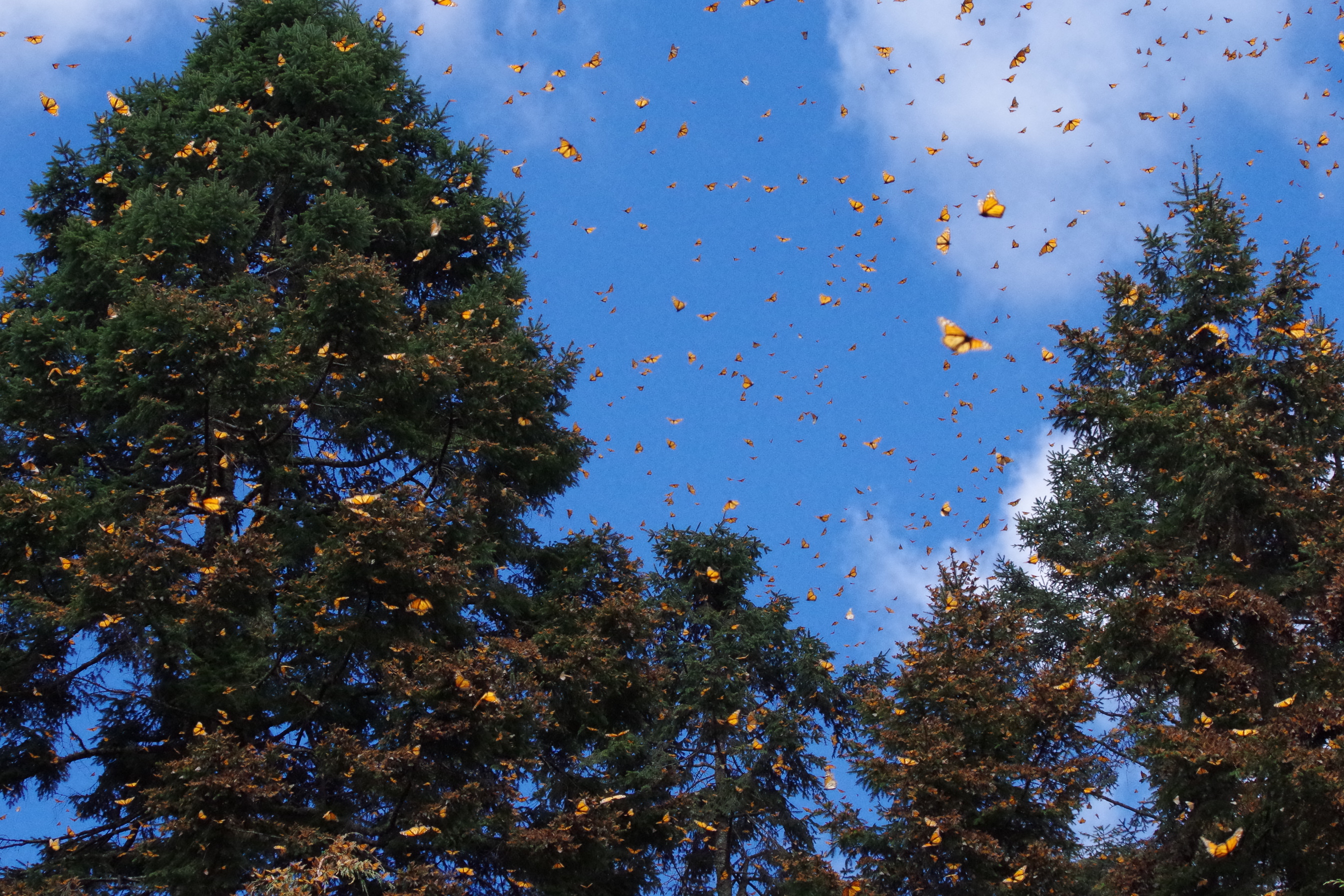
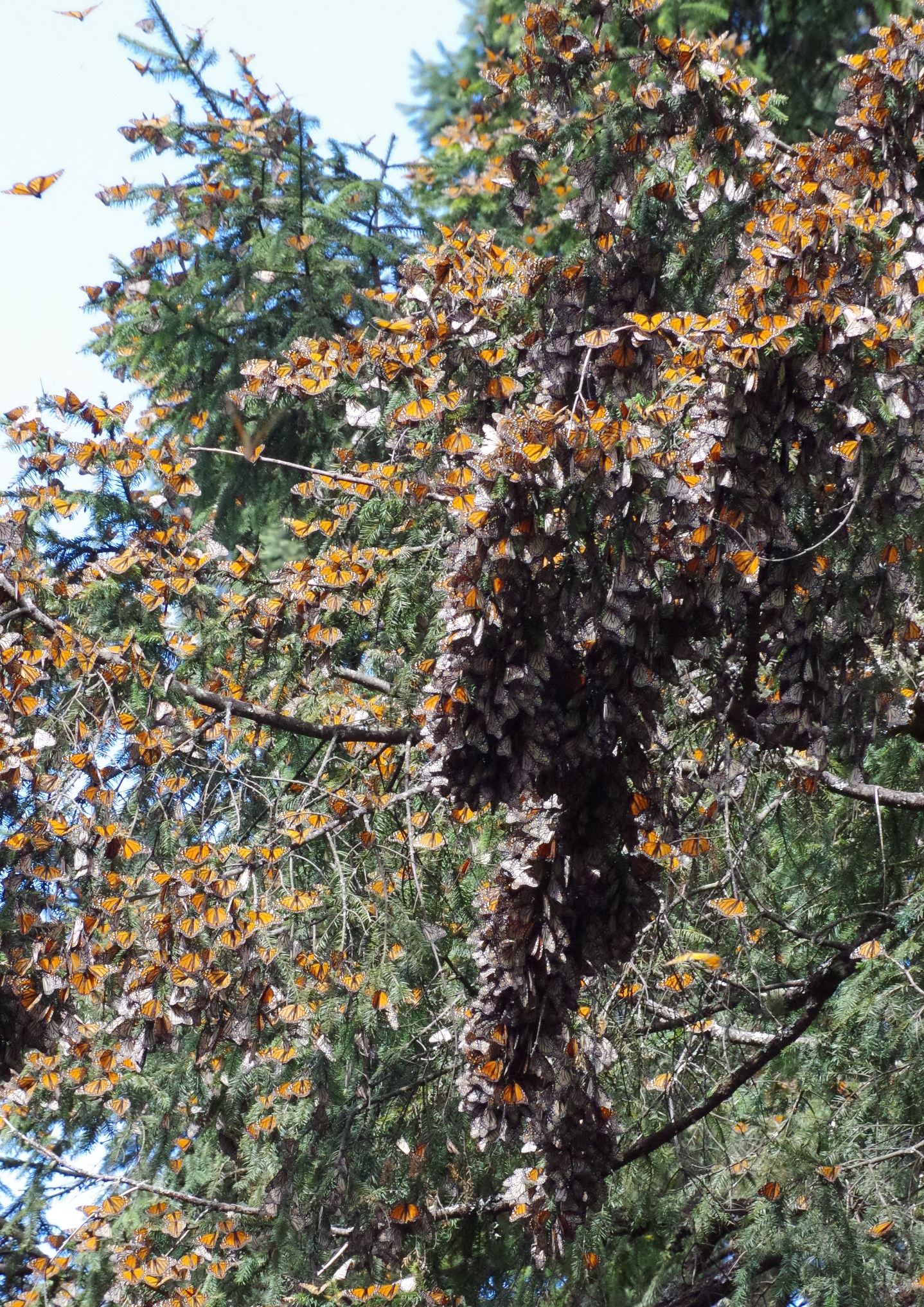
First one or two, so more and more and by the time we got off our horses (there were eight of us) we were engulfed in butterflies. It was amazing and quite a sight. I cannot put the right words to it, one has to be there. There were clusters of them hanging on branches, a carpet of them on the ground looking for moisture and when the sun came out behind a cloud they exploded into an airborne mass of orange snowflakes. You can hear them, there are so many wings flitting, it sound like rain.

IMGP1871

Mating Monarchs


IMGP1962

Günter and Joel in the midst of it.

IMGP1838

Looking for moisture on the ground.

IMGP1951

IMGP1908

They cluster up when it gets cold.


IMGP1975

We spent a few hours just sitting in the forest and watching them, then it was time for ride back down.

20150219_152735 I was glad to get off the horse once we were back in town. My legs were jelly from the steep downhill ride. Günter was fine, no jelly there. We spent two more days in Macheros, went hiking and for a nice bike ride, there are many little farming settlements and the possibilities are endless.

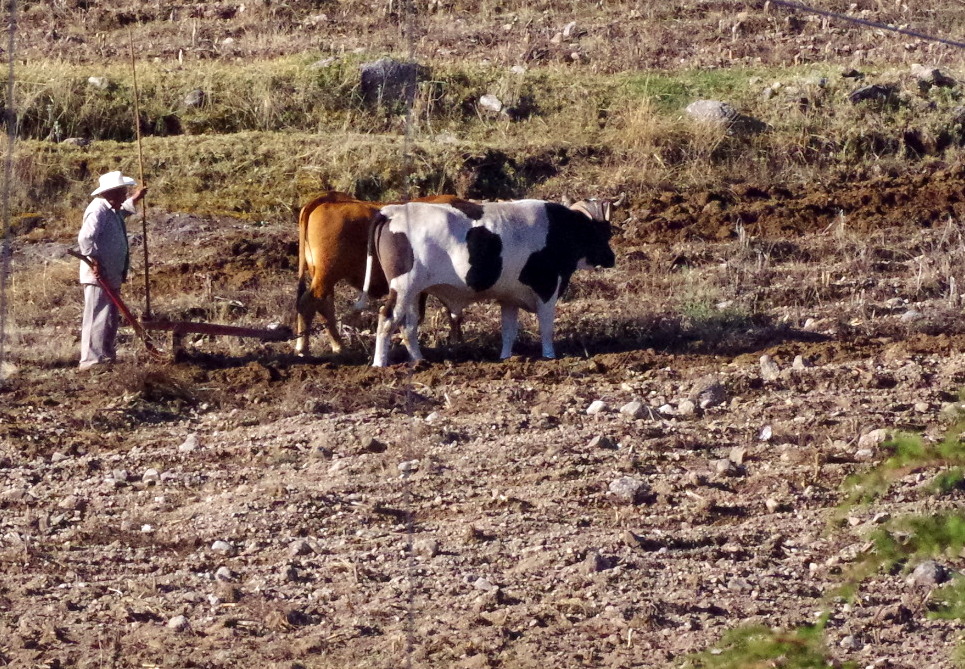
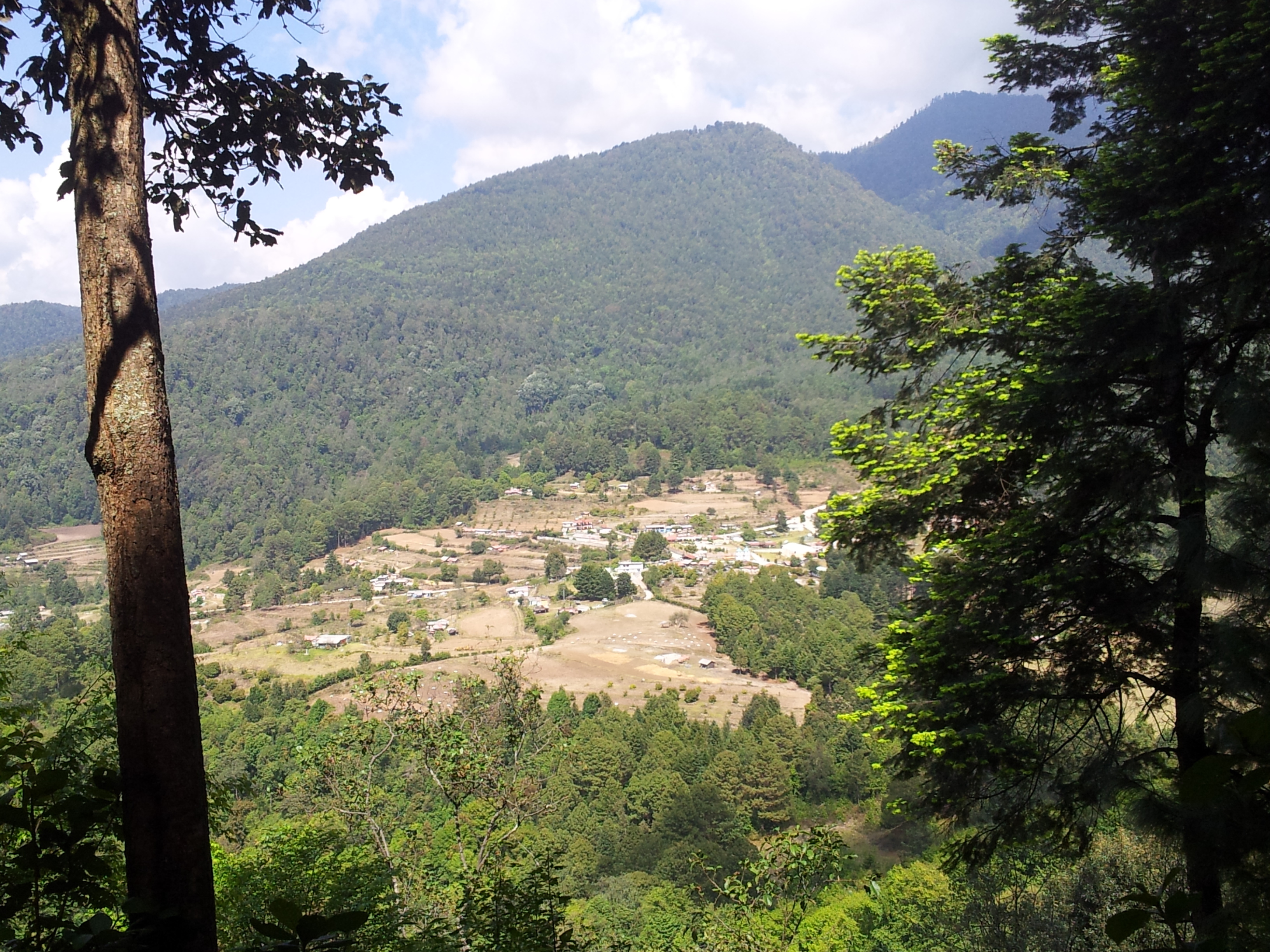
The People in Macheros grow corn and increasingly avocados to get by, still plow their fields with oxen or horses and dry the corn cobs on the roof. Guiding tourists to the Butterfly reserve and being able to rent their horses is an important income for these farmers. So by hiring them you help out the local evonomy.

IMGP1995

20150220_135449

Macheros


We took a back road to Valle de Bravo and the countryside reminded us of northern Italy. Valle de Bravo is nice but was very crowded when we got there. A weekend destination for well to do Mexicans from the capitol city. So after a quick stroll through town and some shopping at the market we drove on to Teoticuan and got there just before dark because we drove in circles for a while. It is hard to drive close to Mexico City without getting sucked in, one wrong turn and you are on the road to hell.

mexico-map

← Back

Thank you for your response. ✨

Posted in Mexico | 1 Comment

more of Michoacán

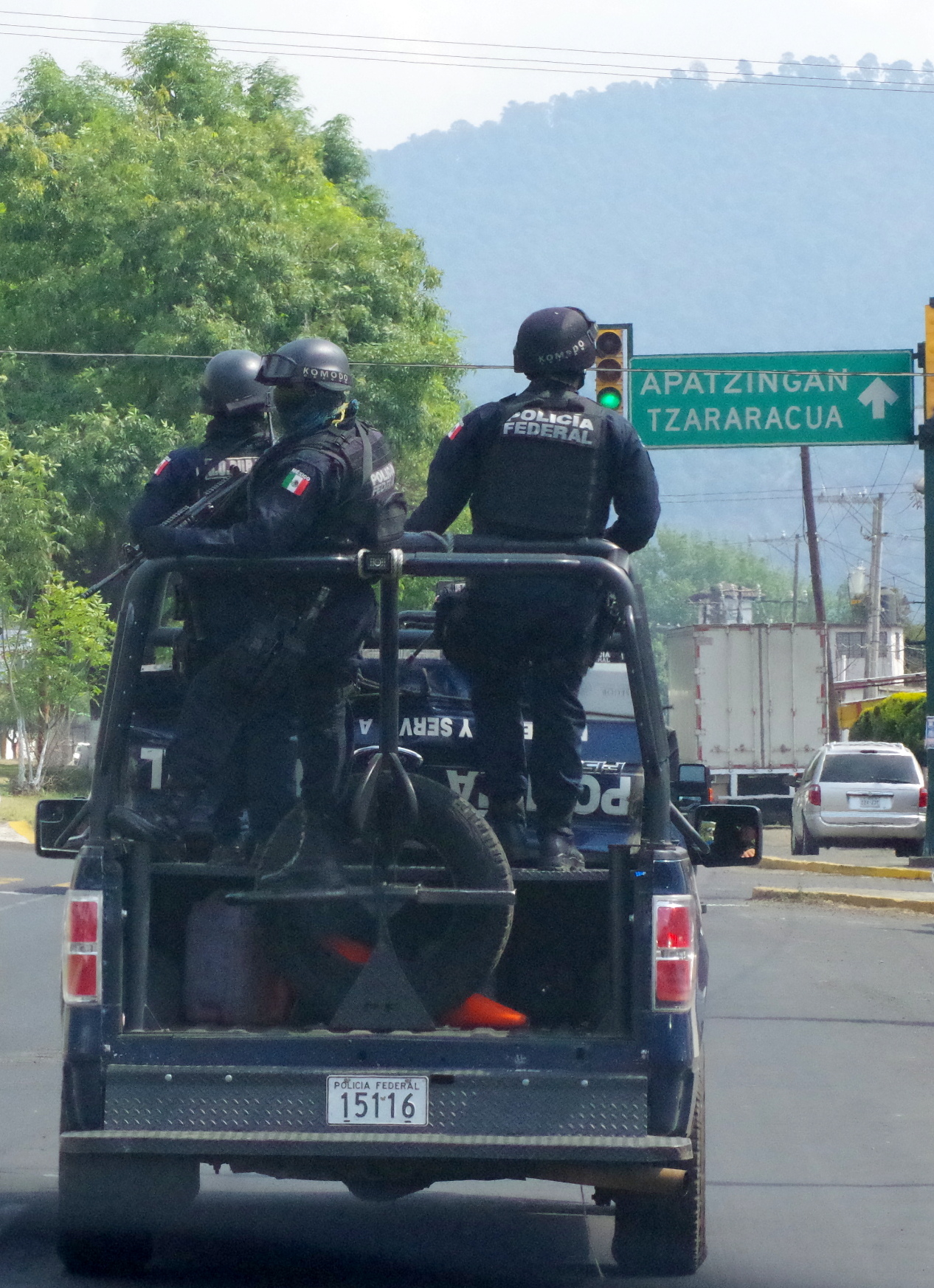
We left the Michoacán coast and headed up into the mountains again, there were several police stops but they usually just gave us some advice where not to go and sent us on our way. We also saw armed civilian groups and military and were not sure if that was normal.IMGP1692

(We found out later that soon after we were in that part of the state, the leader of the Knights Templar drug cartel that had the state in a grip had been captured. His cartel had replaced “La Familia” cartel after the death of their leader.)

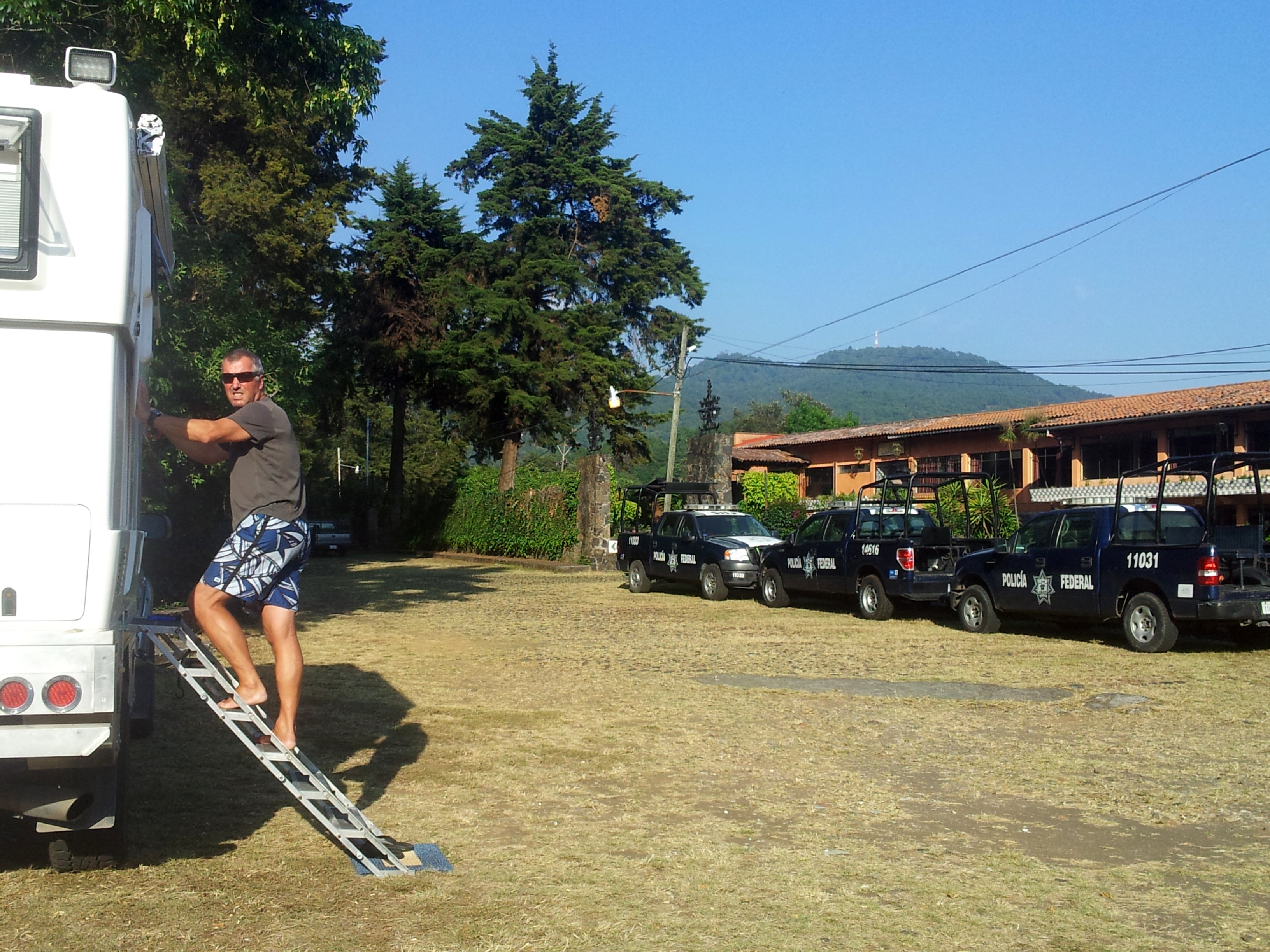
We came to Uruapan and parked in the parking lot of hotel “Pie de la Sierra”, it was full of police trucks and we felt save.20150209_165040

The hotel had a pool and wifi, we stayed for two days and we explored the city which I really liked. It has some great buildings, like the former church now library, and former cinema now food court. The park is lush and cool and walking distance from downtown. We bought two trout from the farm there and had a delicious trout dinner in our camper.

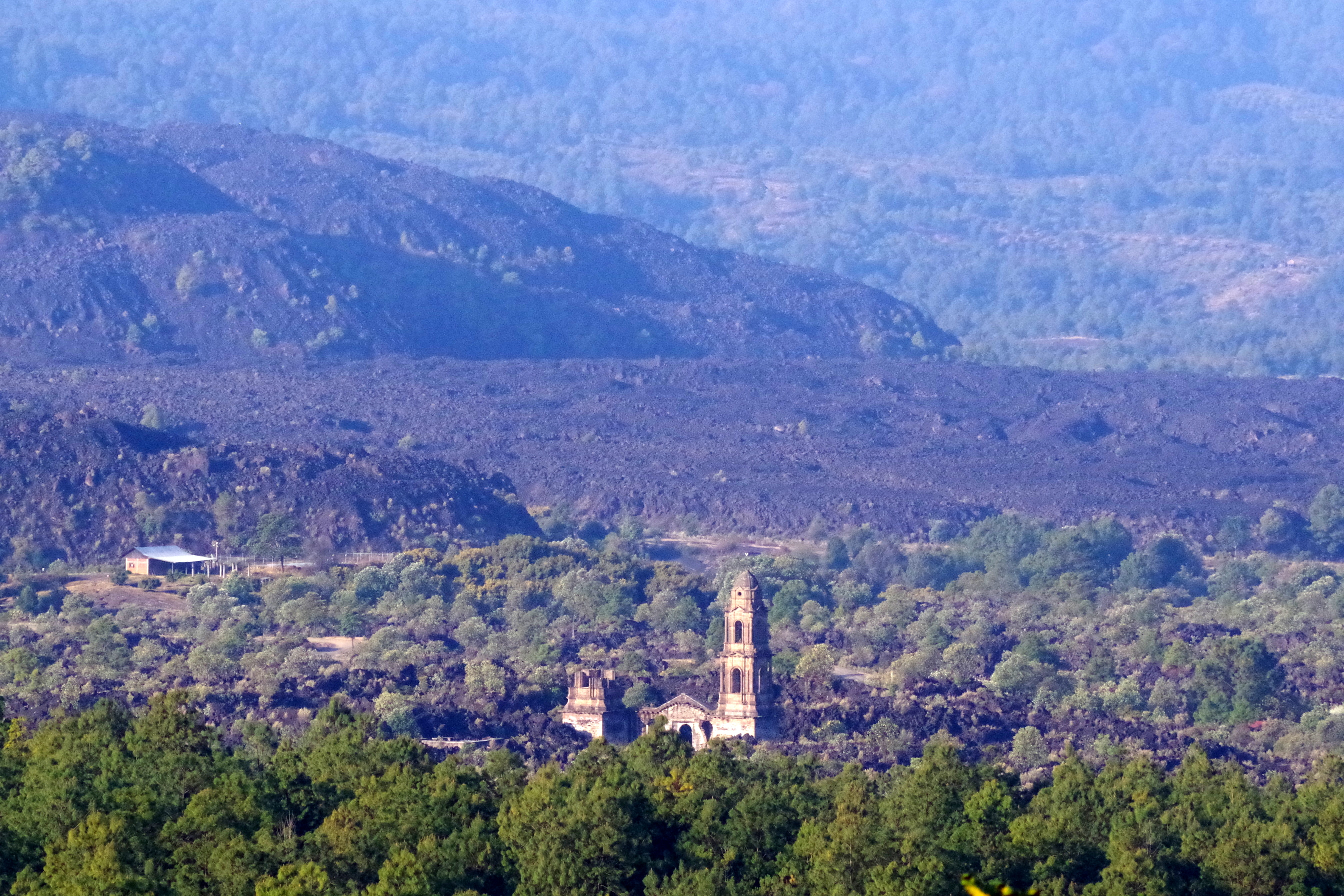
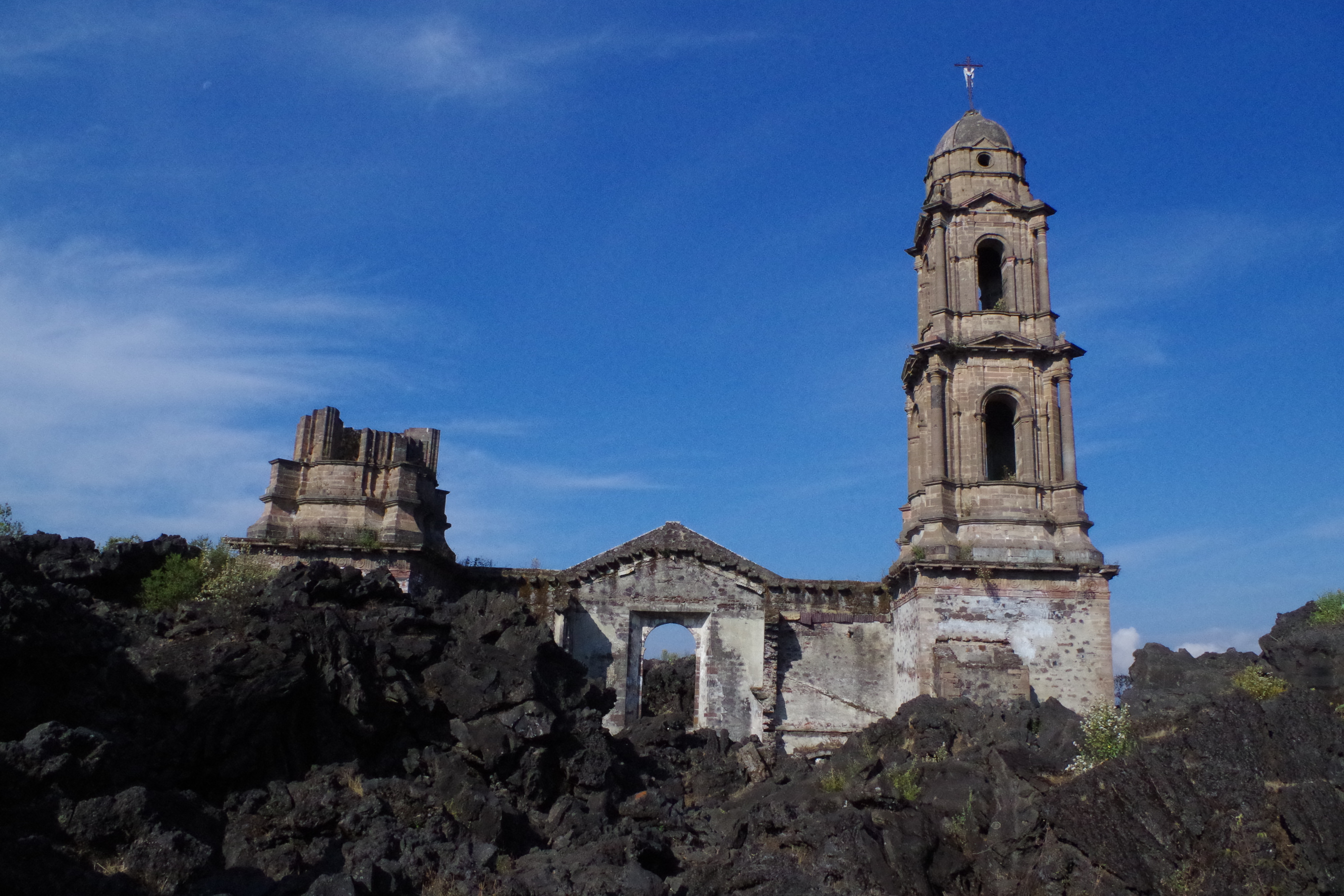
Avocados, coffee and pistachios are the main crops here. On our way to Patzcuaro we stopped at Angahuan for the night and walked to the site where the church of San Juan was engulfed by lava from volcano El Paricutin.IMGP1670 IMGP1679IMGP1682

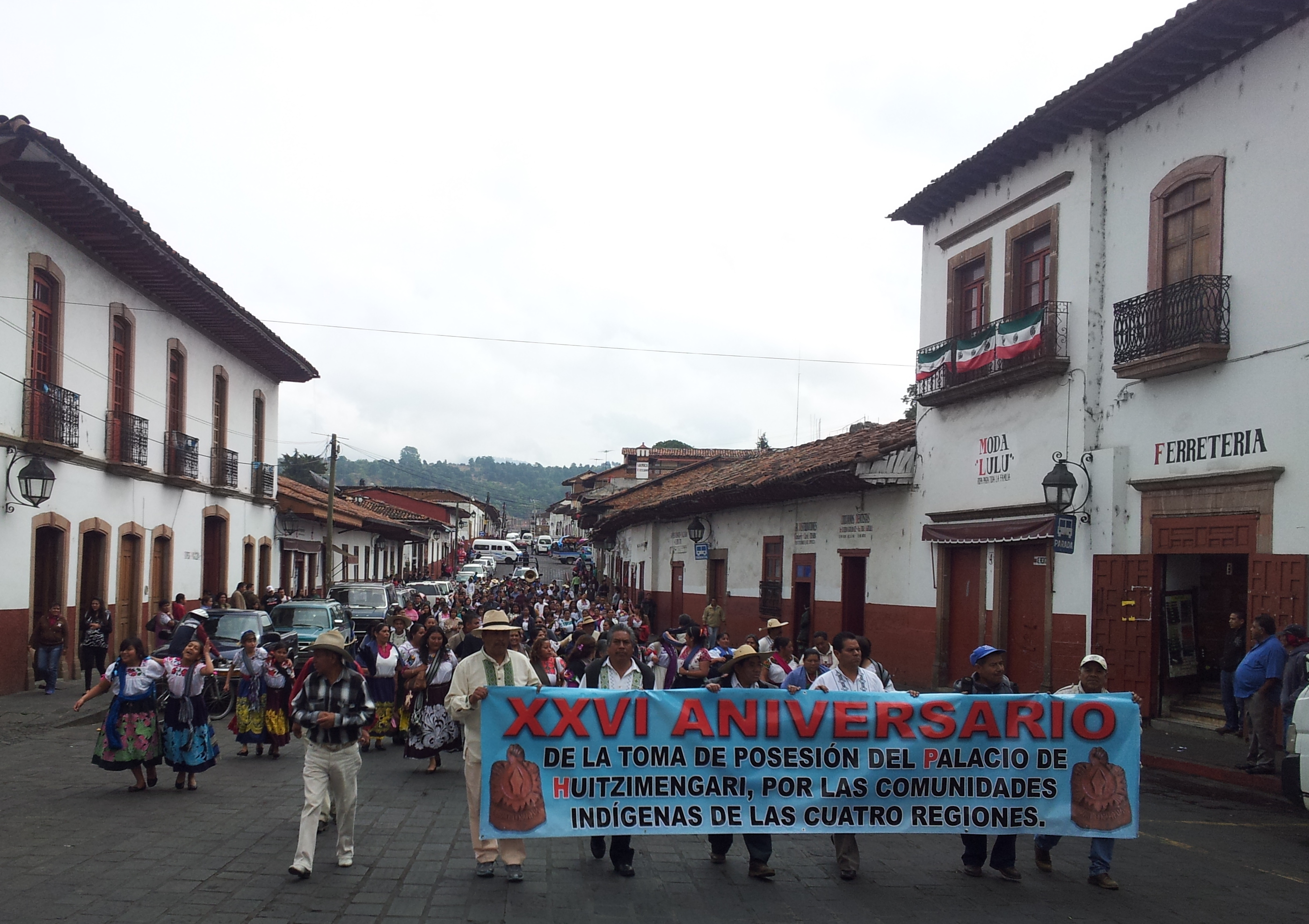
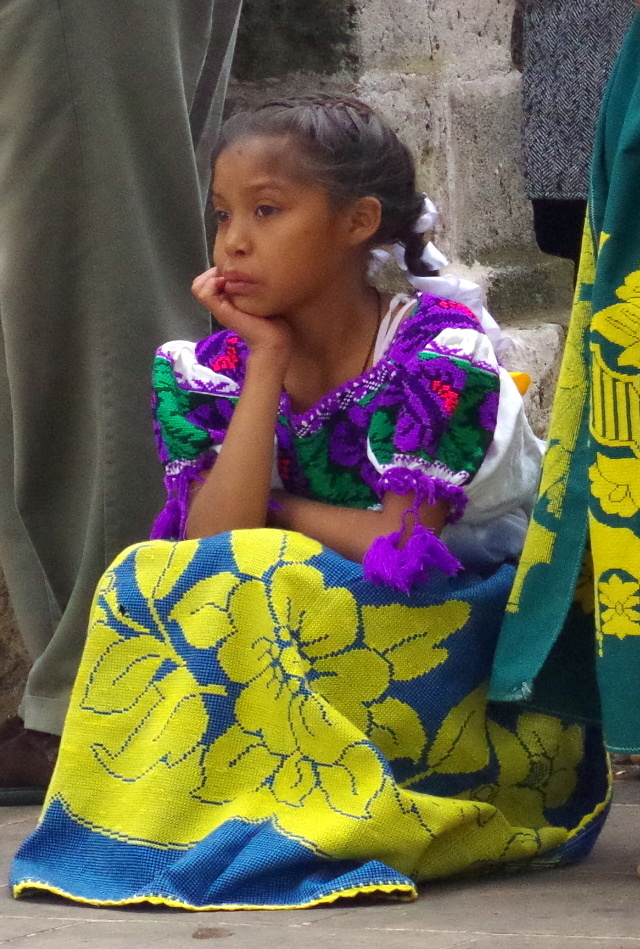
Patzcuaro was the next town, there we broke out our bicycles and explored settlements along the lake. The town is nice with restored colonial buildings and several churches. The museum of folk art was our favorite museum so far. There was a gathering of the Purepechas of the outlying towns and we saw beautiful national costumes. I was very impressed by the workmanship and beautiful people wearing their outfits with pride.

20150213_121044


IMGP1742IMGP1732

IMGP1752

IMGP1761 IMGP1760 IMGP1759

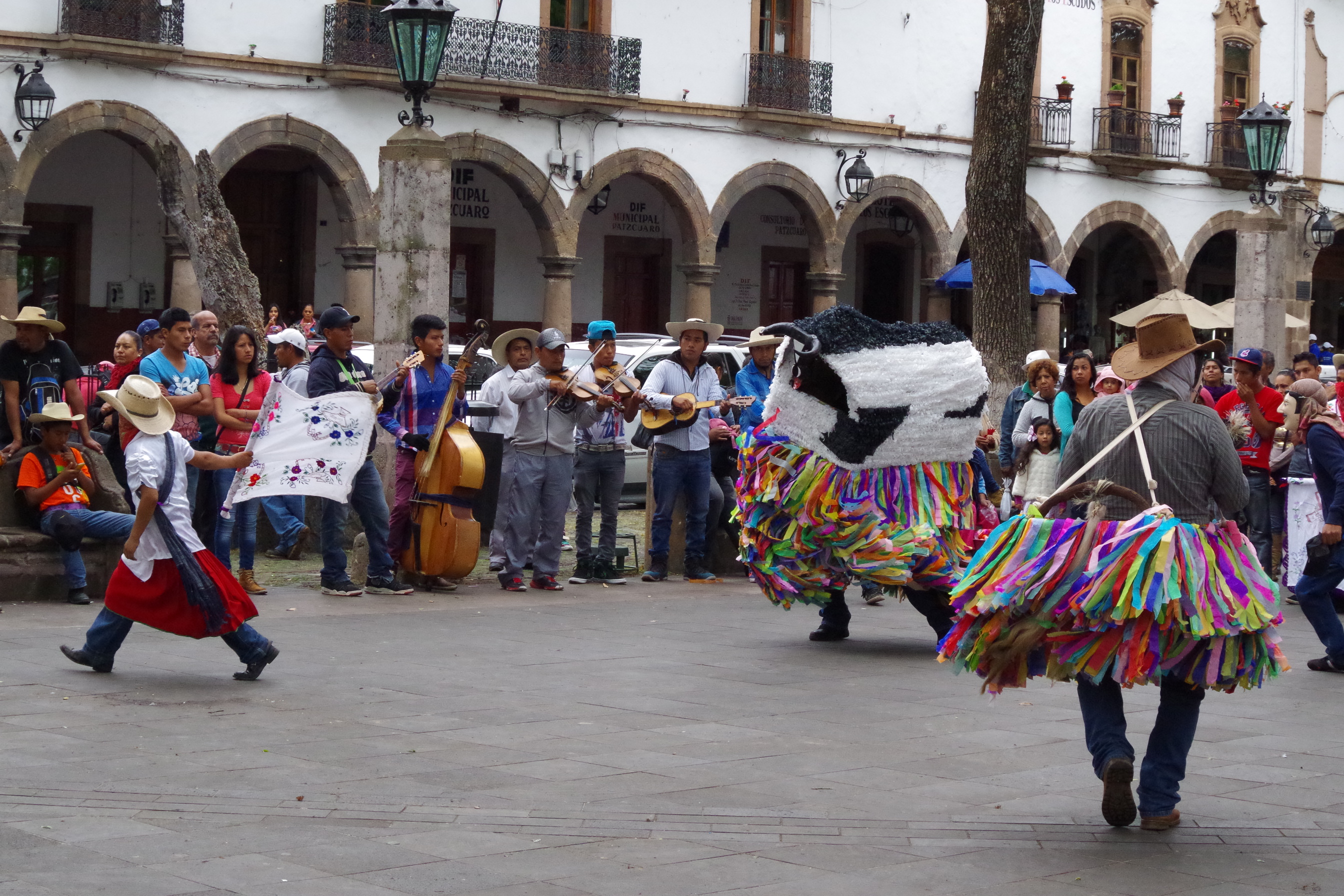
IMGP1745-001Carneval was a lot of fun to watch. Little “Toritos” that looked like giant piñatas ran through town while young men in girls dresses teased it by dancing in front of it and waving flags.

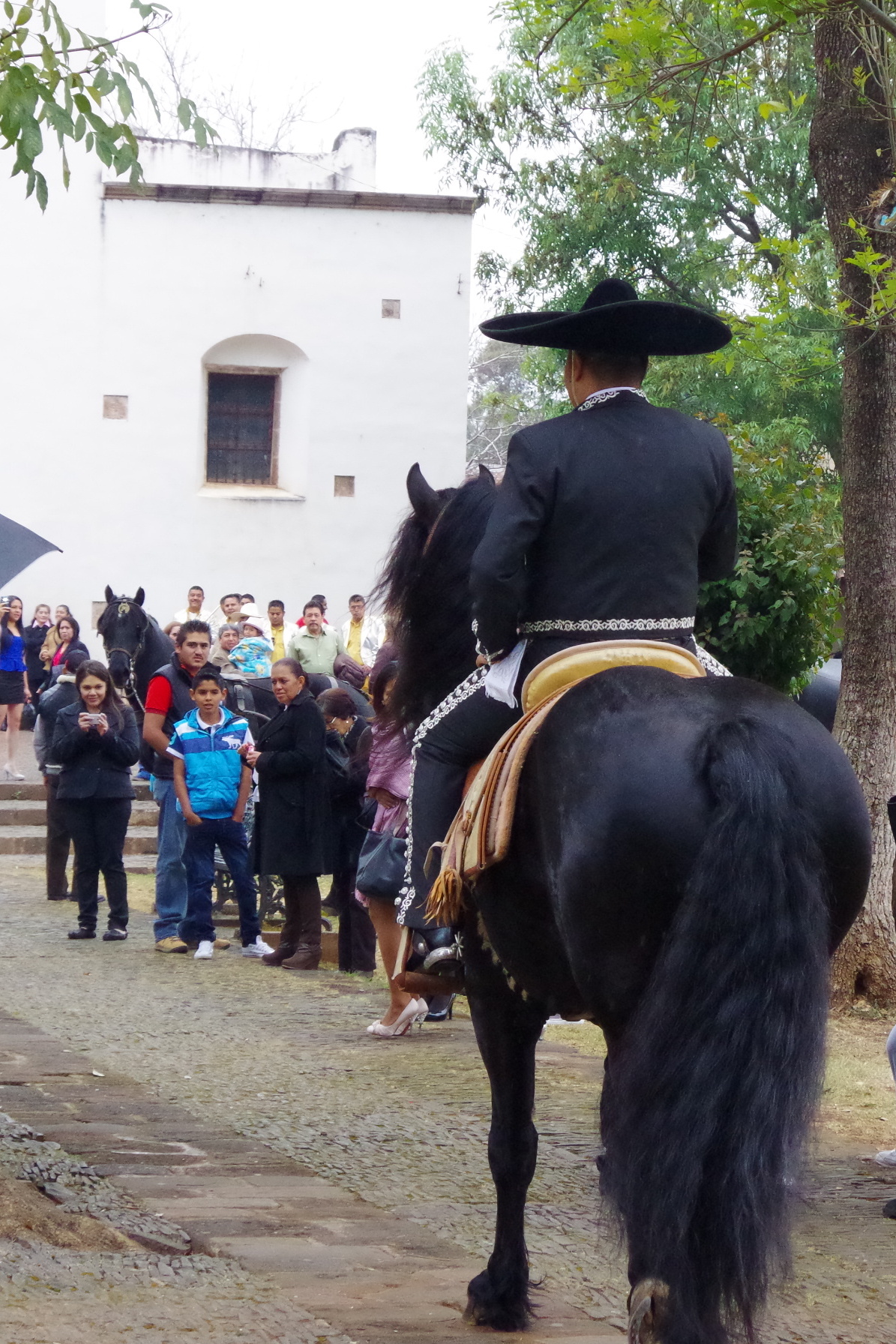
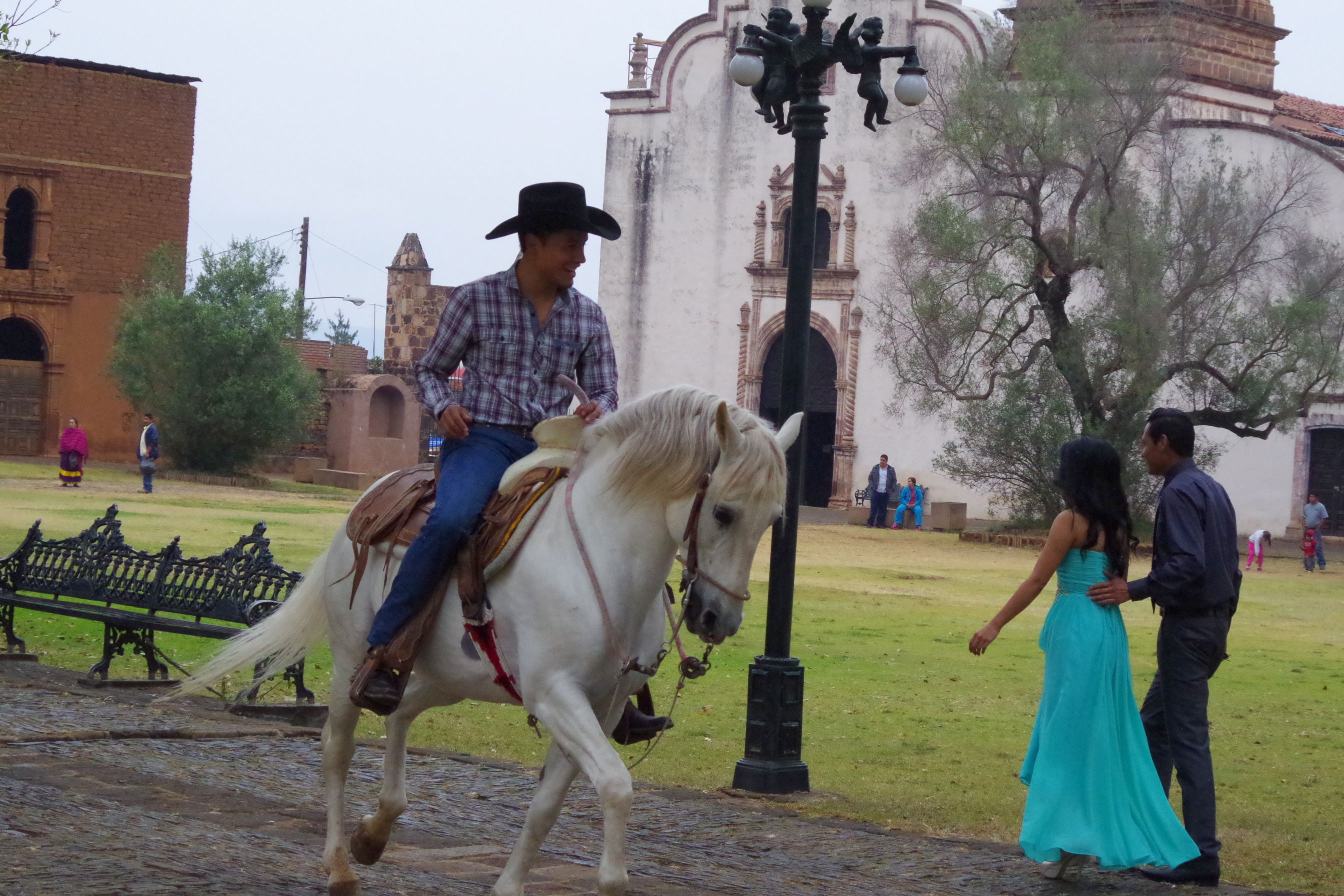
IMGP1802We liked Tzintzuntzan best, its a small town along lake Patzcuaro. We went to the church of the monastery of San Francisco and were amazed at the flower decoration in the church and at the entrance. The church started filling up and soon we realized that we were attending a wedding. We stayed and watched. The groom came riding down a lane lined by 600 year old olive trees, flanked by his friends, all on beautiful horses.IMGP1781IMGP1785

The bride came in a carriage with her parents.

IMGP1777

20150214_134127

After the church ceremony the bride and groom, family and friends as well as the band, walked through town to an open air restaurant .

IMGP1794

The weather was overcast and rainy for a few days and we stayed and took care of laundry and shopping before heading toward the little town of Macheros to find the butterflies.

← Back

Thank you for your response. ✨


Posted in Mexico | 3 Comments

Michoacán Coast

When we talked to our Mexican friends this fall they warned us about this state.

There has been some unrest and a lot of media attention. Gang rivalry is a problem for the people of this state.  But we also read about the beautiful and remote beaches, largely untouched by large scale tourism yet. We also read about the indigenous people, mountains, lakes, hot springs and the annual gathering of the Monarch butterflies.

So we decided to go for it. After we spent a week with our snowbird friends in La Manzanilla and Melaque we filled our 70 gal water tank, stocked up on groceries in Manzanilla and then headed south along the coast.

And what a beautiful coast it is, the road winds through lush countryside, past little towns and many many beautiful beaches ringed by palm trees.

20150131_090340

Lone Alaskan fisherman at La Ticla


We stopped at La Ticla, a popular surf beach and here we stayed for a few days. We don’t surf, but we did have a good time with the surfers.

20150131_080319

Our hamaquera at La Ticla. Jason from Canada to our right.

Since the waves are too high for me to go swimming I decided to swim in the river (Lonely Planet says it is swimmable), that was short lived though. When I was waist deep in the river and just about to make the plunge, a big hog surfaced like a hippopotamus near the river bank, two more pigs came out of the bushed and dropped in. That was enough for me; I decided not to join them.

20150130_091905-1

Mexican Yoga

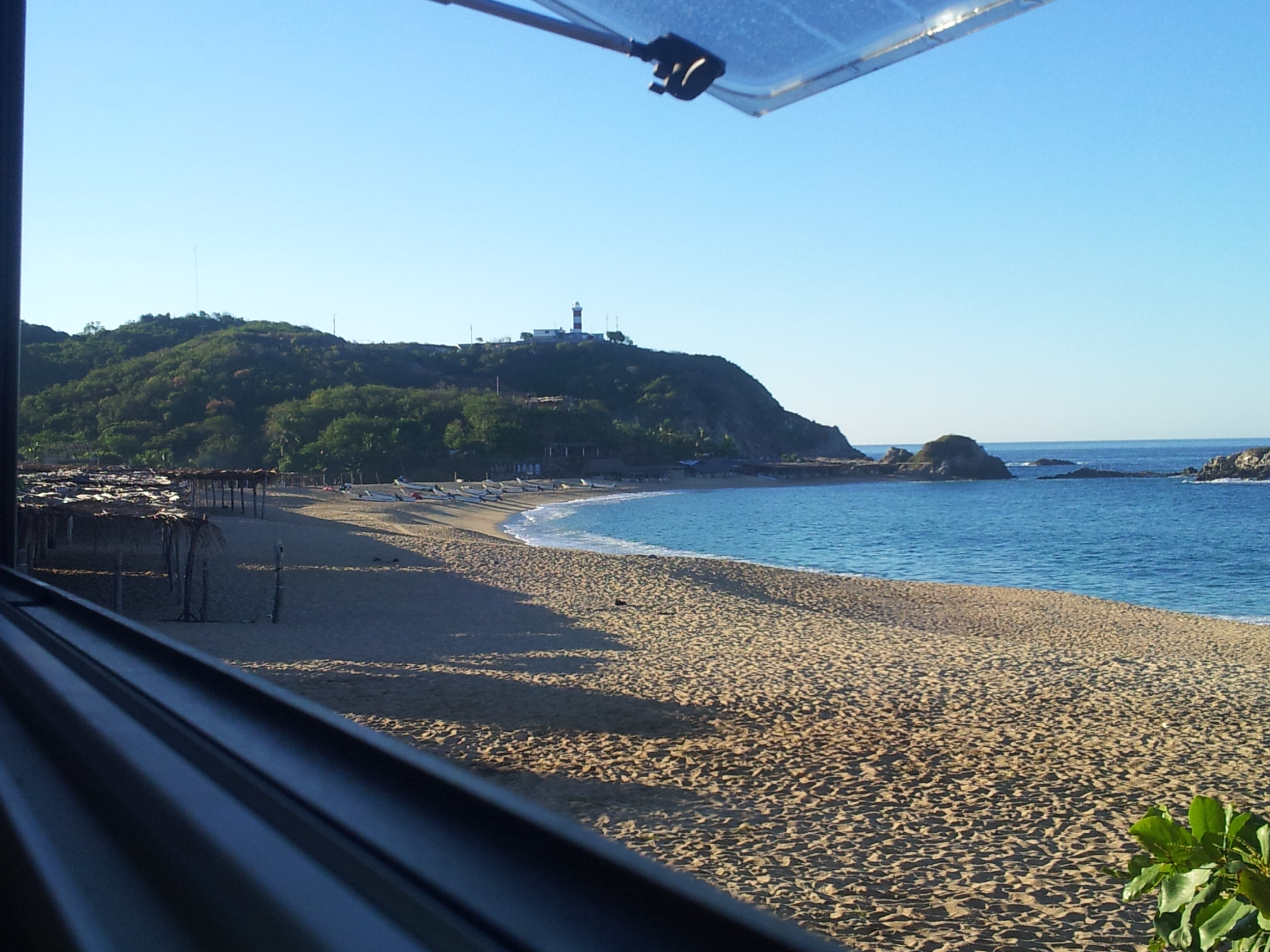
We drove on after a few days, in search of a swimmable beach for me. But there had been some stormy weather and no calm seas were in sight. We camped at a few more beautiful beaches, went for long hikes and read in the hammock. El Faro was very nice, the people friendly and the beach beautiful, even here it was a little rough to swim. Camping is limited if you have a camper and impossible if you have a motor home or big RV. There are also two beautiful beaches for camping just north of El Faro: El Zapote ( km 177 dirt road) and La Manzanillera ( 174.5 km).

20150204_103058

La Manzanillera with El Zapote beaches in the background.

Both have enramadas where you can park for a few pesos.  If the seas are calm enough you can swim and snorkel here.

20150204_082332

El Faro morning.

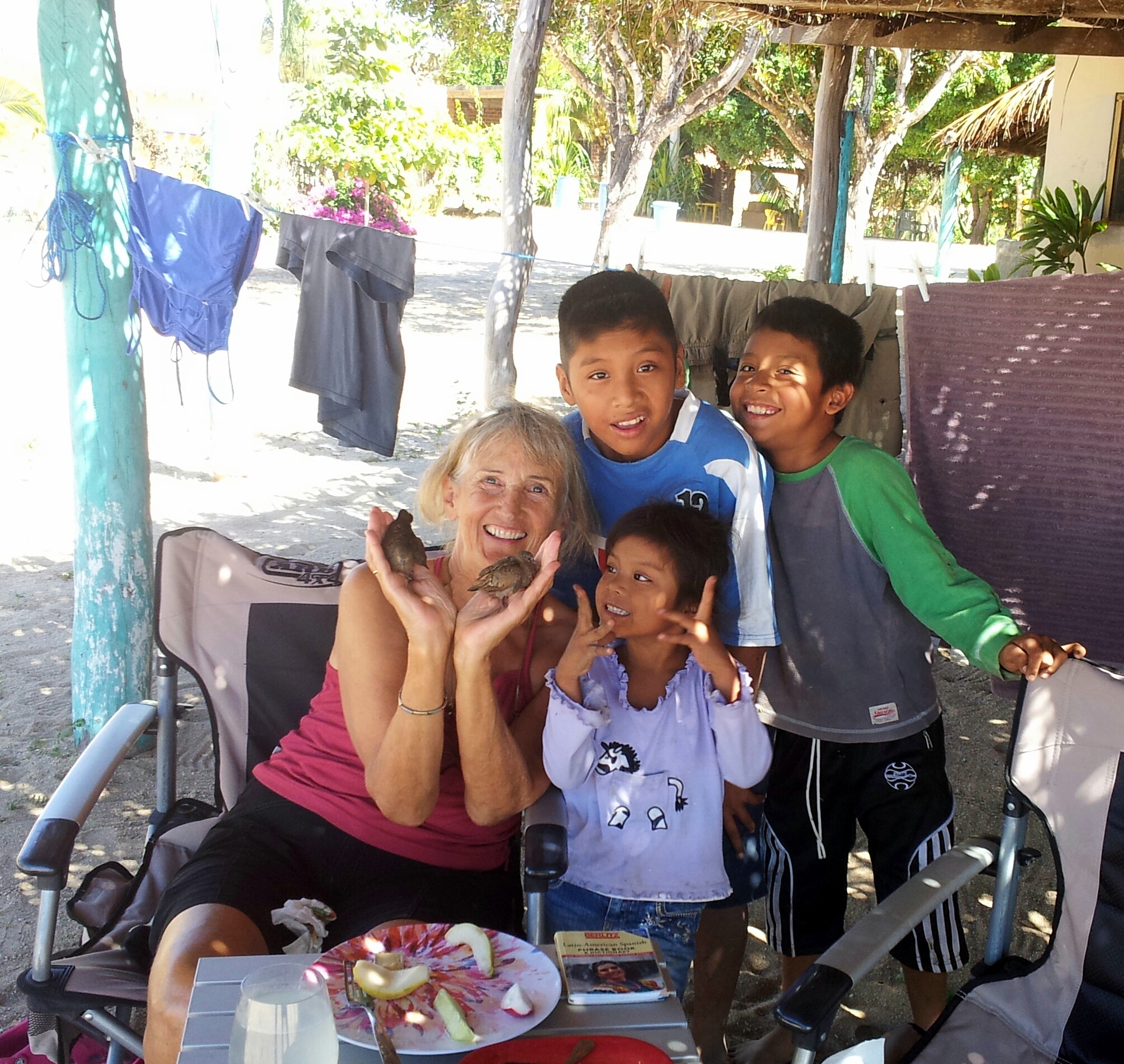
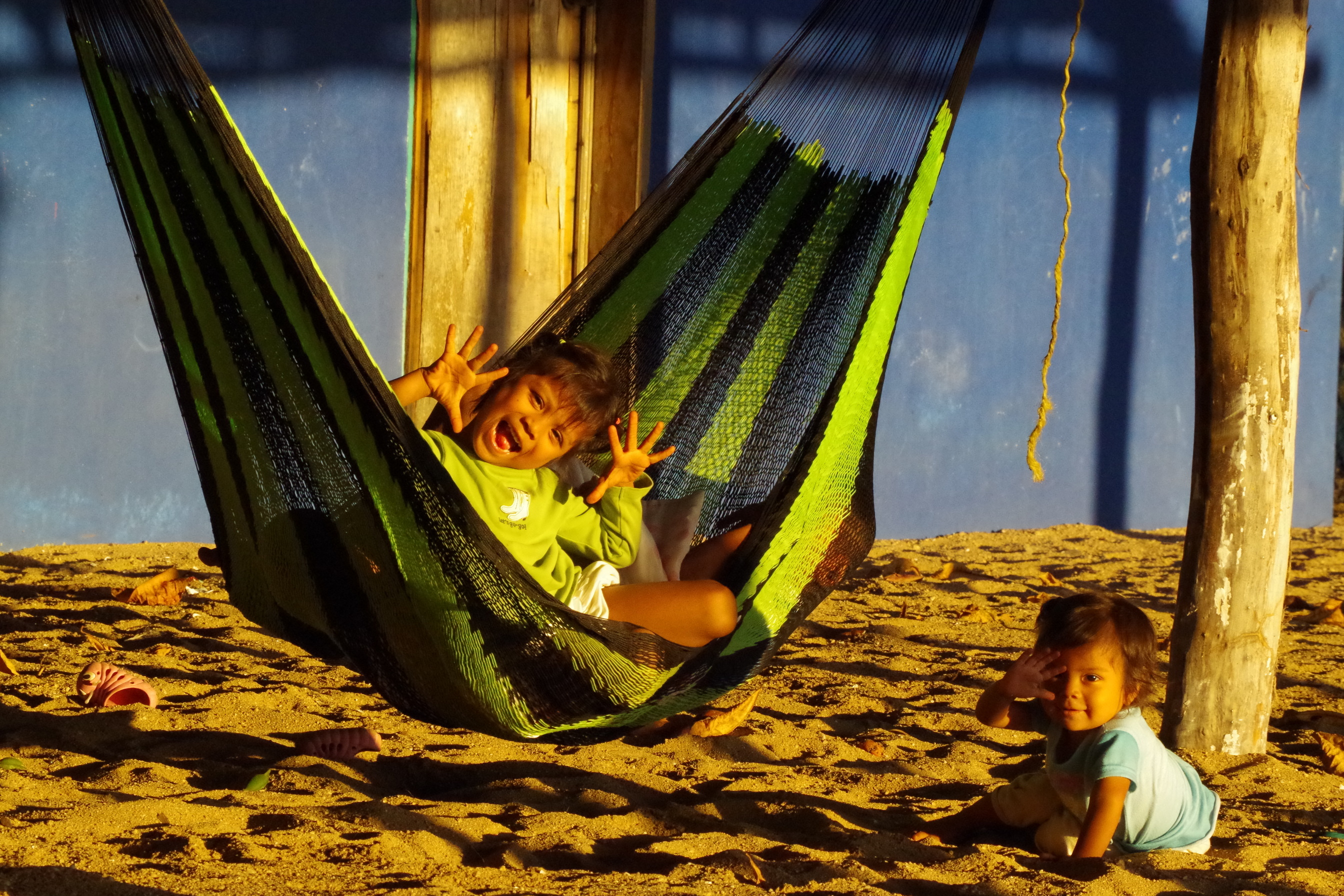
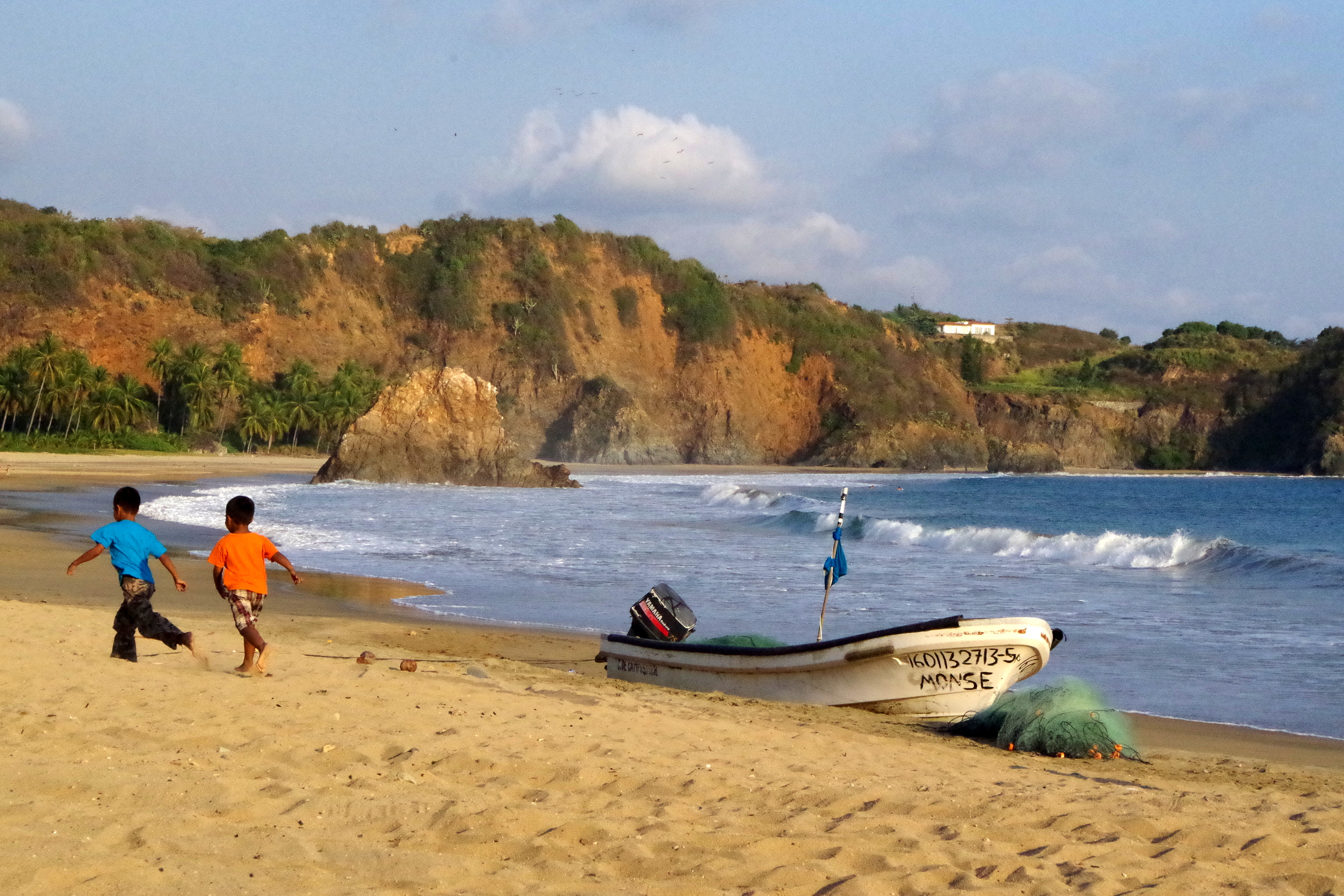
We enjoyed the children here, they brought us things like little ground doves and hung a dead snake on our fence. They also “helped” us with the Rosetta Stone lesson by telling us the answers haha. We bought raffle tickets for the school and the winning price was a 50 kg sack of corn.

20150204_123544-1

Just in front of our camper there was a turtle nest (they are all over the place) and empty egg shells in the sand.

IMGP1537

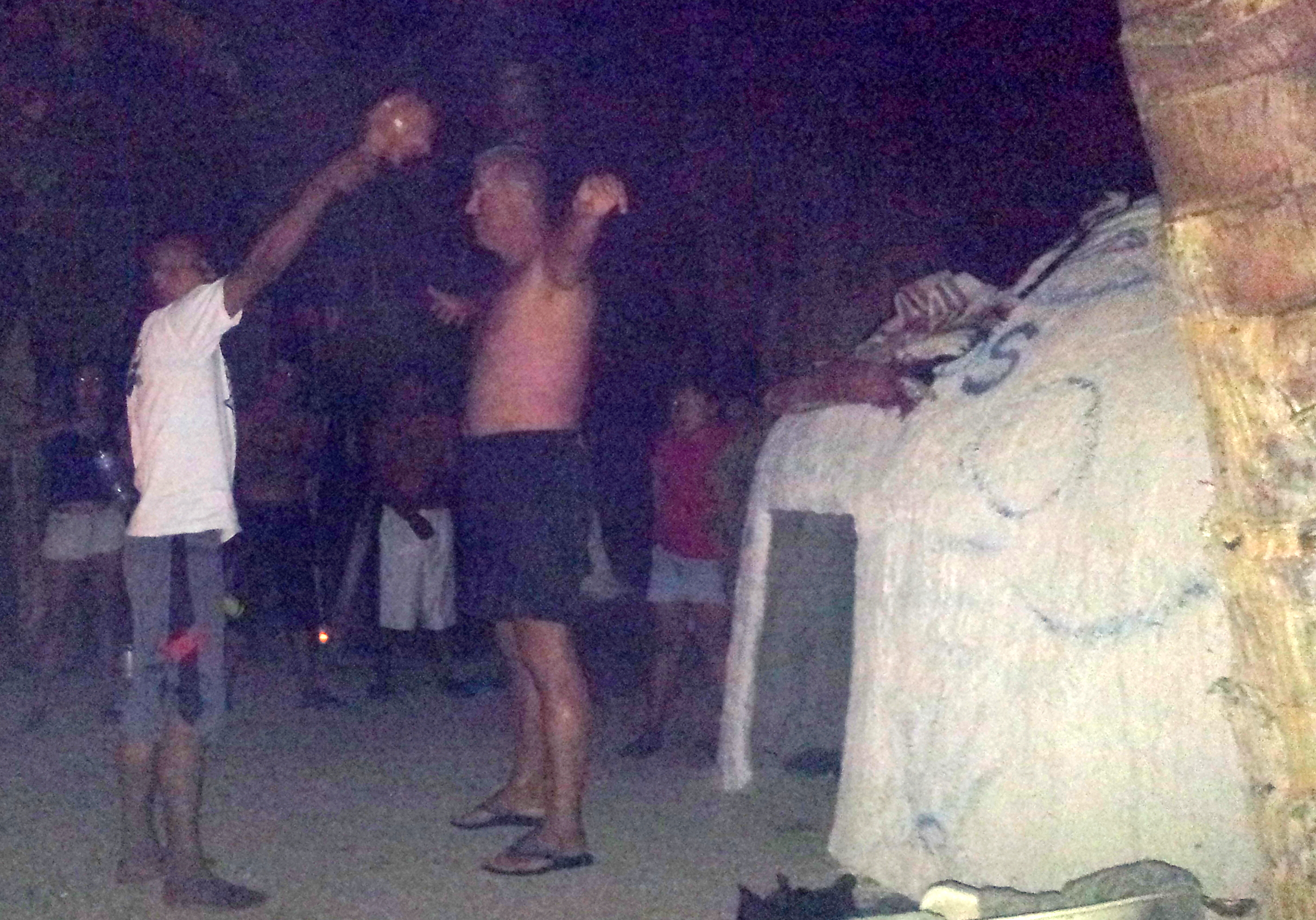
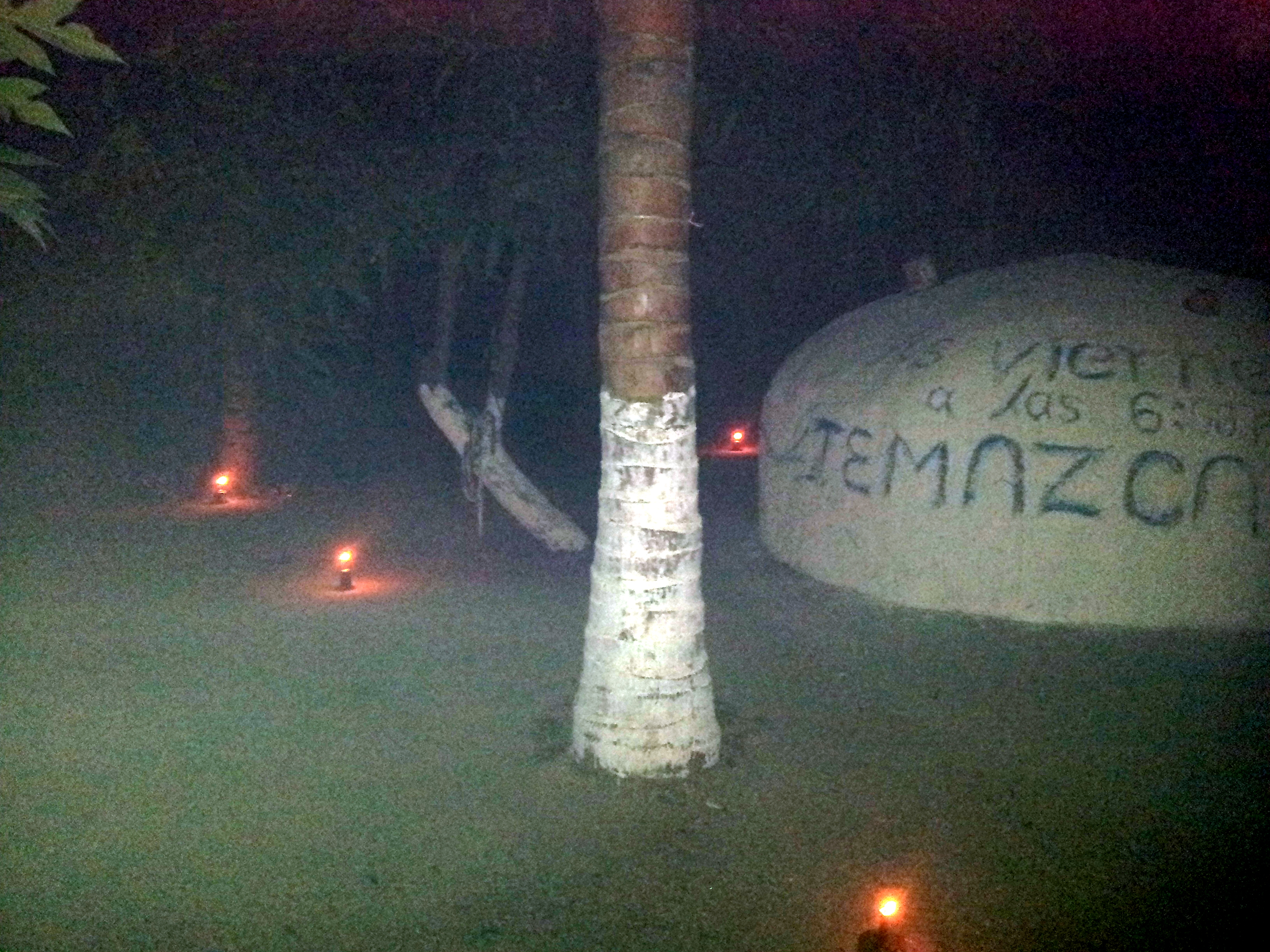
In El Faro we made some Mexican friends that asked us if we wanted to accompany them to a nightly visit to a Temazcal, “because it is winter and cold right now” they said. Well to us 85° F is not that cold, but like to go to the sauna back home, so we went along.

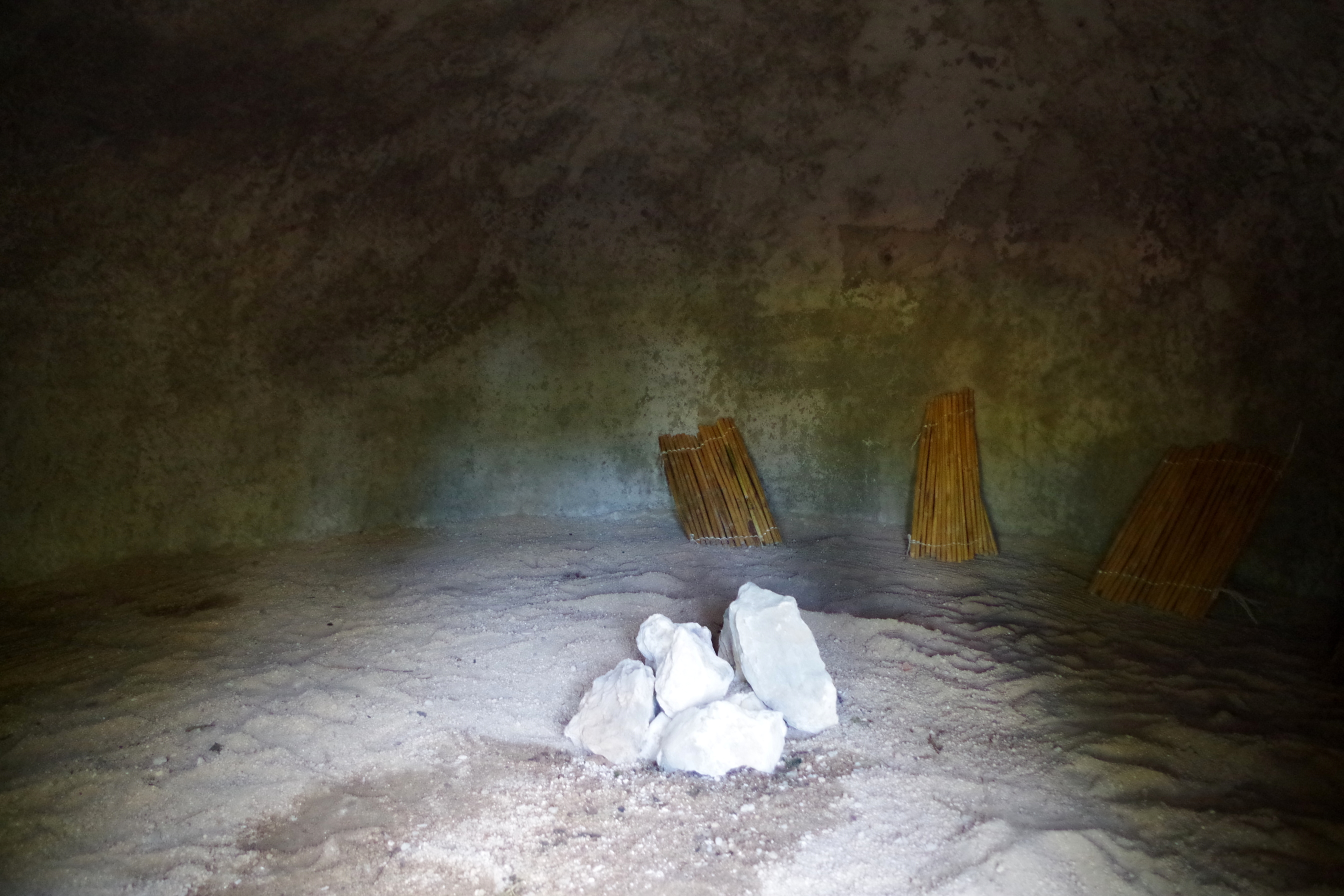
(The Temazcal is a permanent structure, constructed from volcanic rock and cement and is usually a circular dome. To produce the heat, volcanic stones are heated. Volcanic stones are safe because they do not explode from the temperature. They are then placed in a pit located in the center of the Temazcal.)

20150203_203402

We walked with them through the little town to a farm where we sat around in the dark for a while and waited for the rocks to get hot enough. A few more people showed up and finally we were told to come to the entrance of the structure. There one after the other was “cleansed” with smoke from herbs before crawling inside through a narrow entrance.

20150203_193354

It was great, there were twelve of us, we sat in a circle along the wall and the rocks were in the middle. One guy sprayed them with water occasionally and we were dripping with sweat and steam for about an hour. Back outside, wrapped in towels we sat under the full moon, with candles flickering between the banana trees and hibiscus bushed. It was a great end to our stay in the little town.

IMGP1564

As we drove south we saw a lot of police and also several large groups of heavily armed citizens, usually they had check points at bridges and intersections with roads that headed into the mountains. We just kept on driving, I smiled and greeted all of them but not all smiled back.

IMGP1643

Caleta de Campos

We stayed at a few more beaches, hung out beside enramadas that did not charge us for camping. In exchange we ate at their restaurants.

IMGP1619

IMGP1660

Parking near a net shed made us feel right at home. We were here for several days, the owners of the enramada were very nice. Grandma made fresh tortillas every morning right beside our camper and woke us up with the gentle pit pat you hear all over Mexico. Her huevos rancheros were very tasty.

After 10 days of bliss we decided to head back toward the cooler mountains and drove north to Uruapan and Patzcuaro.

← Back

Thank you for your response. ✨


Posted in Mexico | 3 Comments

The mountains are calling and I have to go! ( John Muir)


After a few days in San Blas we had enough of the jejene (tiny biting bug) battle and left for the hills around Guadalajara. San Blas was fun though, we rode our bicycles around town every day, got the laundry done, checked out the ruins on the hill and watched the Three Kings Day festivities on January 6th. We rented a boat and went through the mangroves to the springs to swim in the fresh water. (I made a little video clip of that: “Birds of the mangroves” in the previous post)

I had been there and done that in the mid 70s and not much has changed since then.

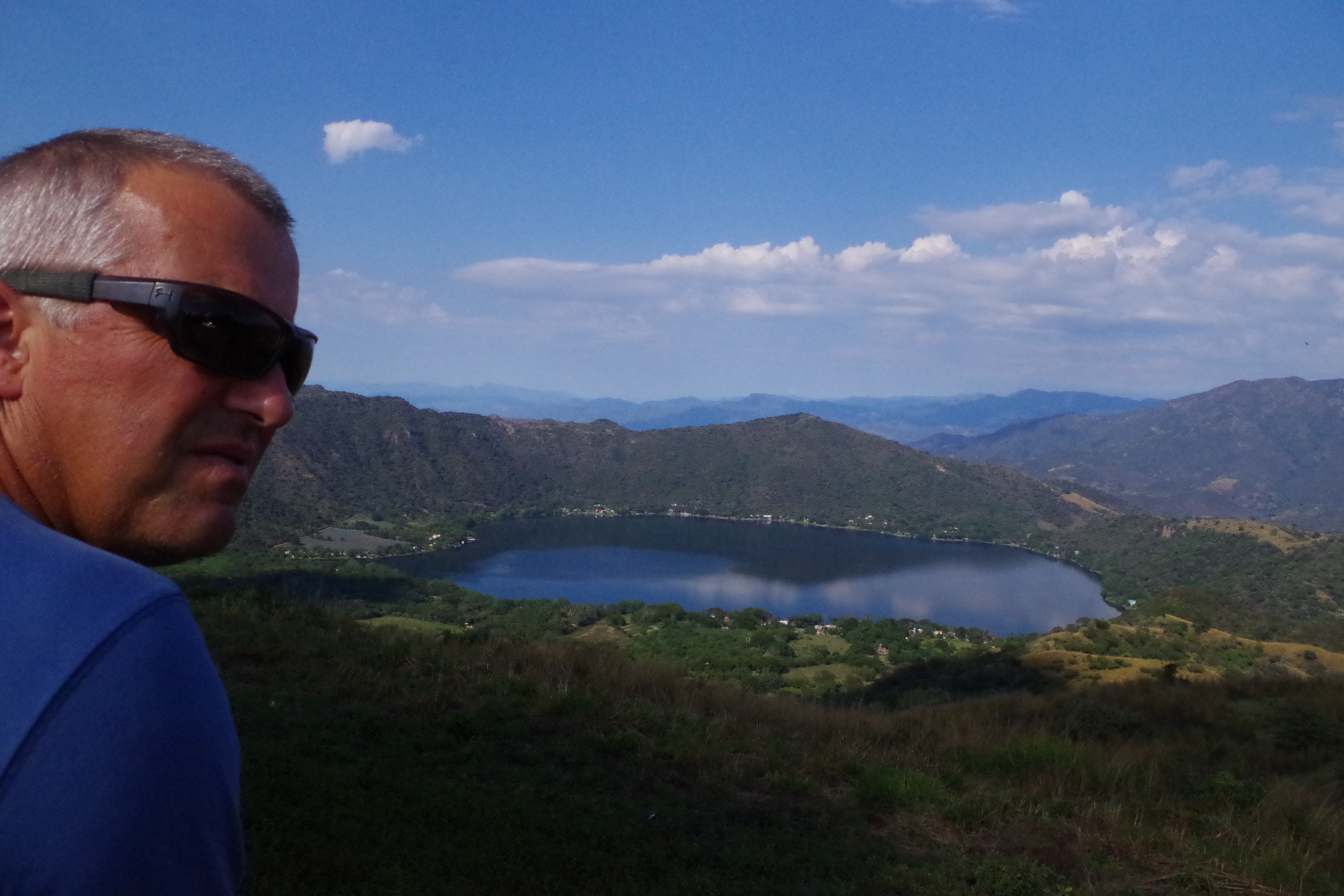
We drove to Tepic where we got our camera cleaned and then spent a few days at a lake (Santa Maria del Oro). It was quiet there and other than the occasional sounds from the farm animals around us we hd a quiet time there. Our camper stood between coffee bushes and citrus trees. The hike around the lake was nice but marred by the fact that the view is blocked a lot by the high walls every house puts up for privacy and protection.

IMGP1275

Santa Maria del Oro


We wanted to visit Guadalajara, the secon biggest city of Mexico.

So we drove to a Chimulco nearby , a campground with thermal pools (Balneareos). The campground was populated with Canadian snowbirds and quite nice. We used it as a base to visit Guadalajara, took the bus to the city, several different ones, an experience by itself.

During our travels we get lost often and do not really care most of the time. But once we took a milk run bus from Tlaquepaque back to the center of the city and then decided to splurge and take a cab to the new bus depot which, we found out during the cab ride, was near Tlaquapaque. So that was a two hour round trip for nothing.

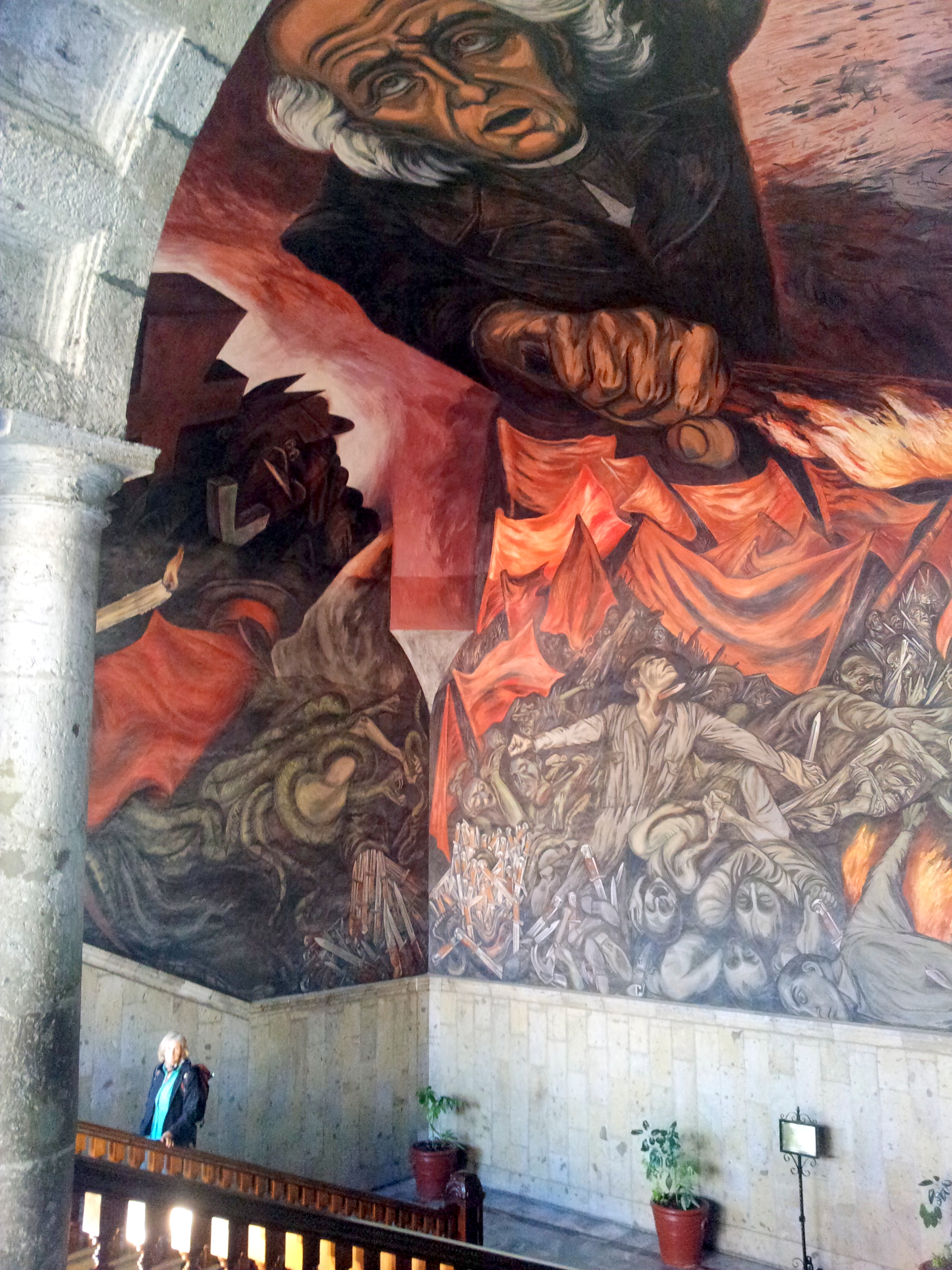
The historic center of the city was beautiful and interesting, there was a lot to see. Museums, markets, historic buildings, the usual.

20150112_094131

José Clemente Orozco (November 23, 1883 – September 7, 1949)


We got a room in an old hotel (Frances) that had its famous visitors pictures on a wall, the most recent one was from the 1960s, it showed Charles Bronson and some others actors. The giant chandelier in the entry hall had about as many years worth of dust on it. There were two bars on the same block and the live music very loud, which seems to be normal in this country. The second night we decided to go join them since we couldn’t sleep anyway. It was great to watch the scene, the women wore skin tight clothing and very high heeled shoes, there were mostly singles that waited for the men to ask them to dance. The beer flowed freely and the flirting too.

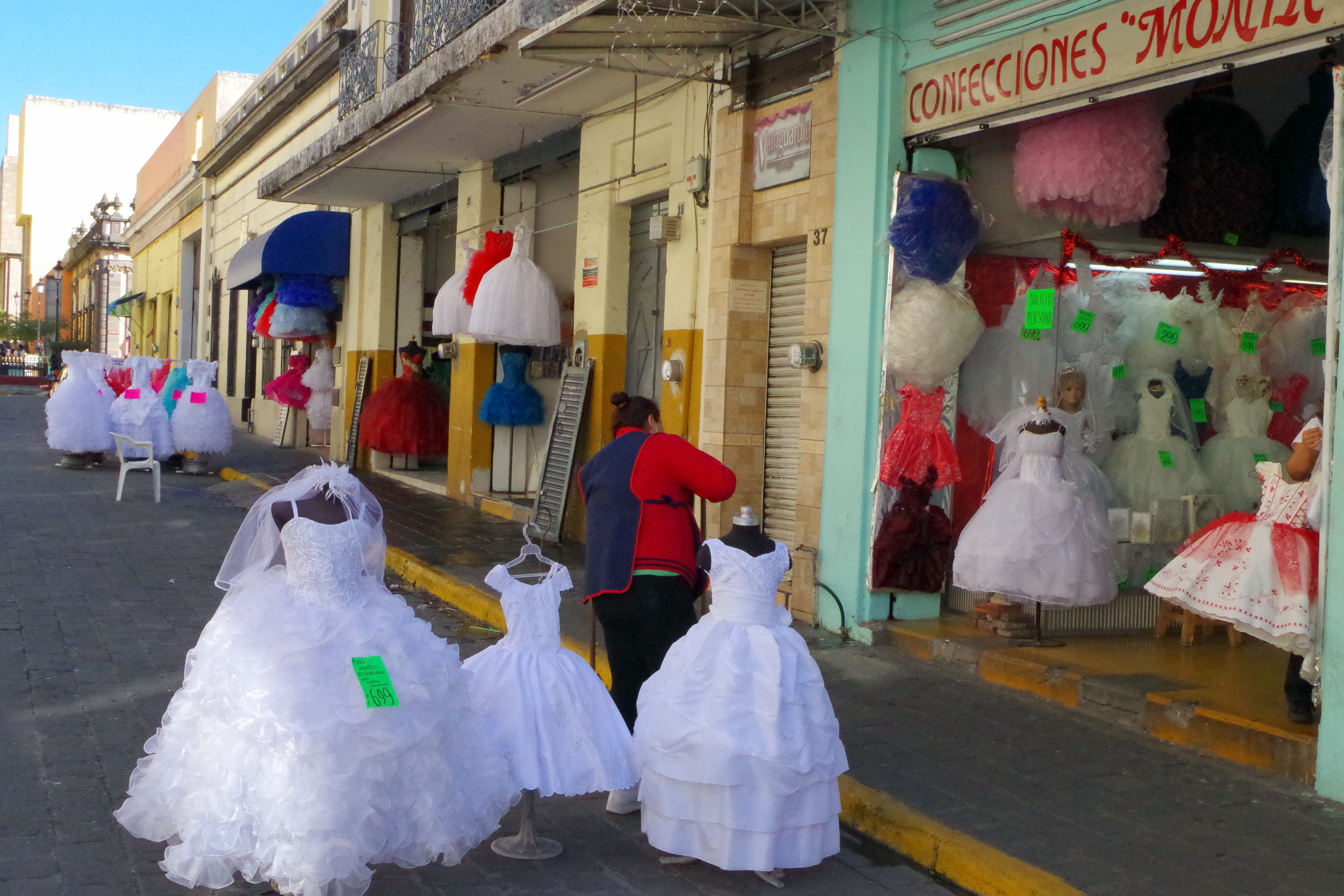
IMGP1294

I do not know what the occasion would be for those dresses, the whole road was nothing but dress stores like these.


When we left the city we were dying for some clean air and headed east to a small town called Valley the Juarez at the 2000 m level. It is situated by a lake and the hills above town were covered with pine forests. It was great for bike riding, the town is quiet and the people friendly. We camped at Hacienda el Retiro and shared the field with a Canadian couple and two horses.

IMGP1361

Valle de Juarez


The town of Mazamitla is nearby, a popular vacation spot for people from the city.

IMGP1388

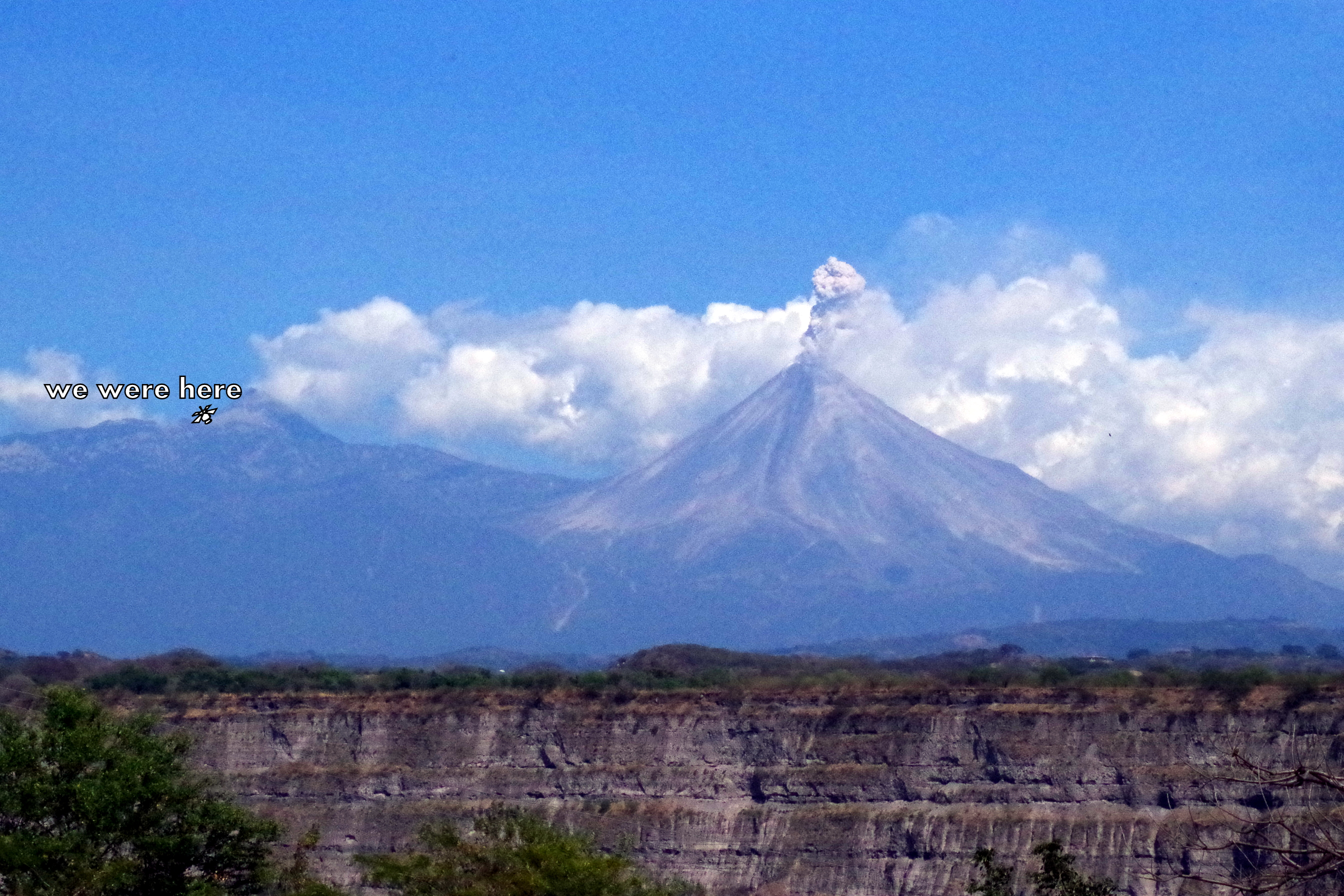
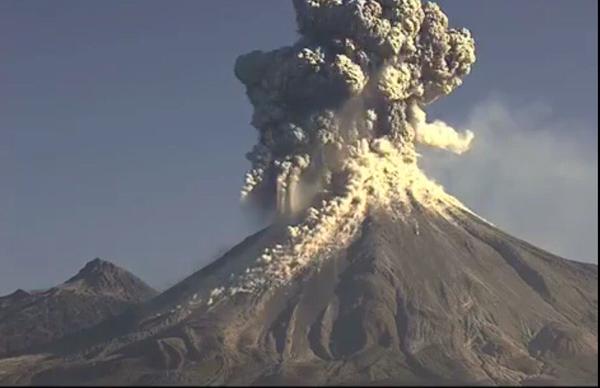
We took this picture on the 18th of Jan, it erupted that morning and again on the 21st.


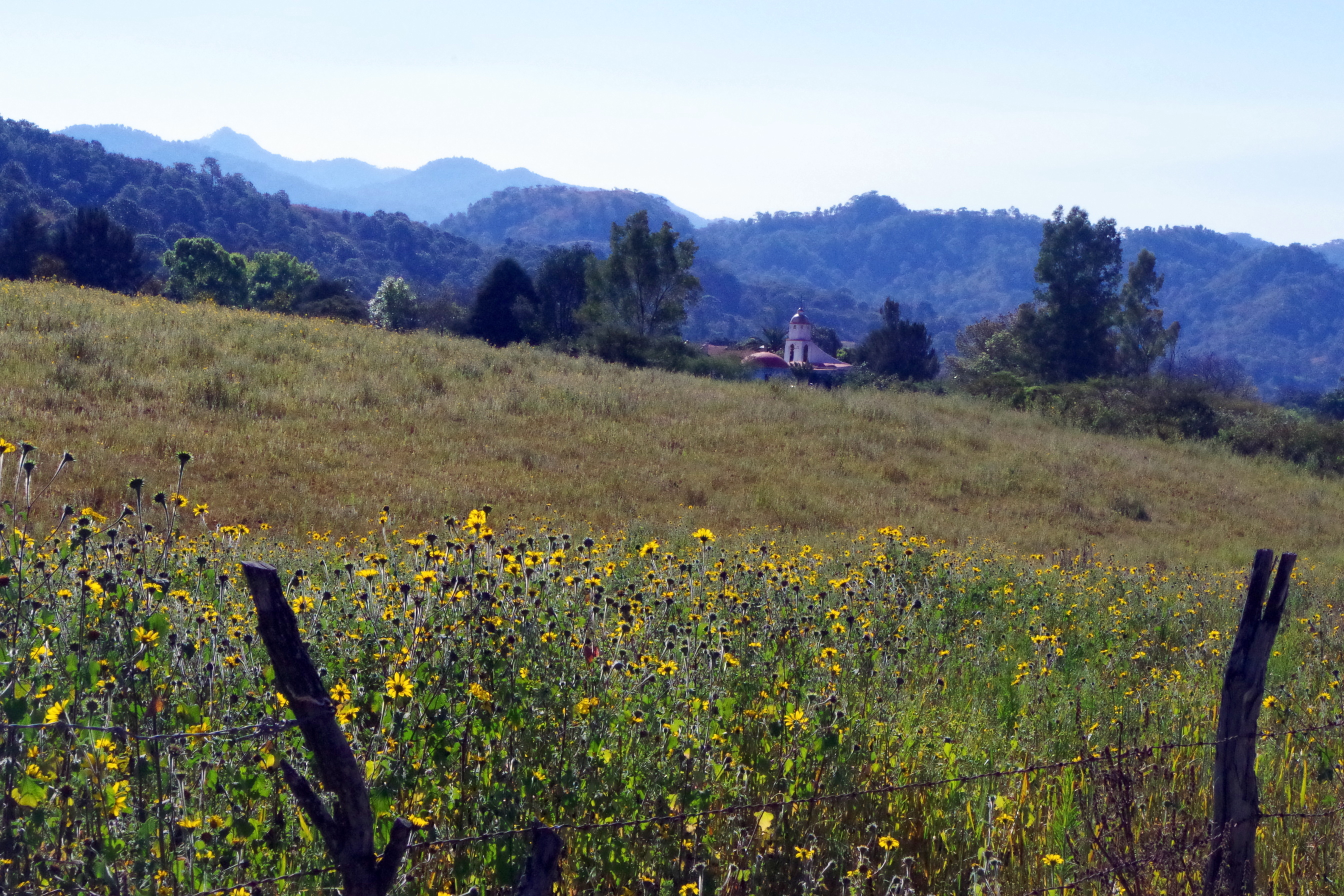
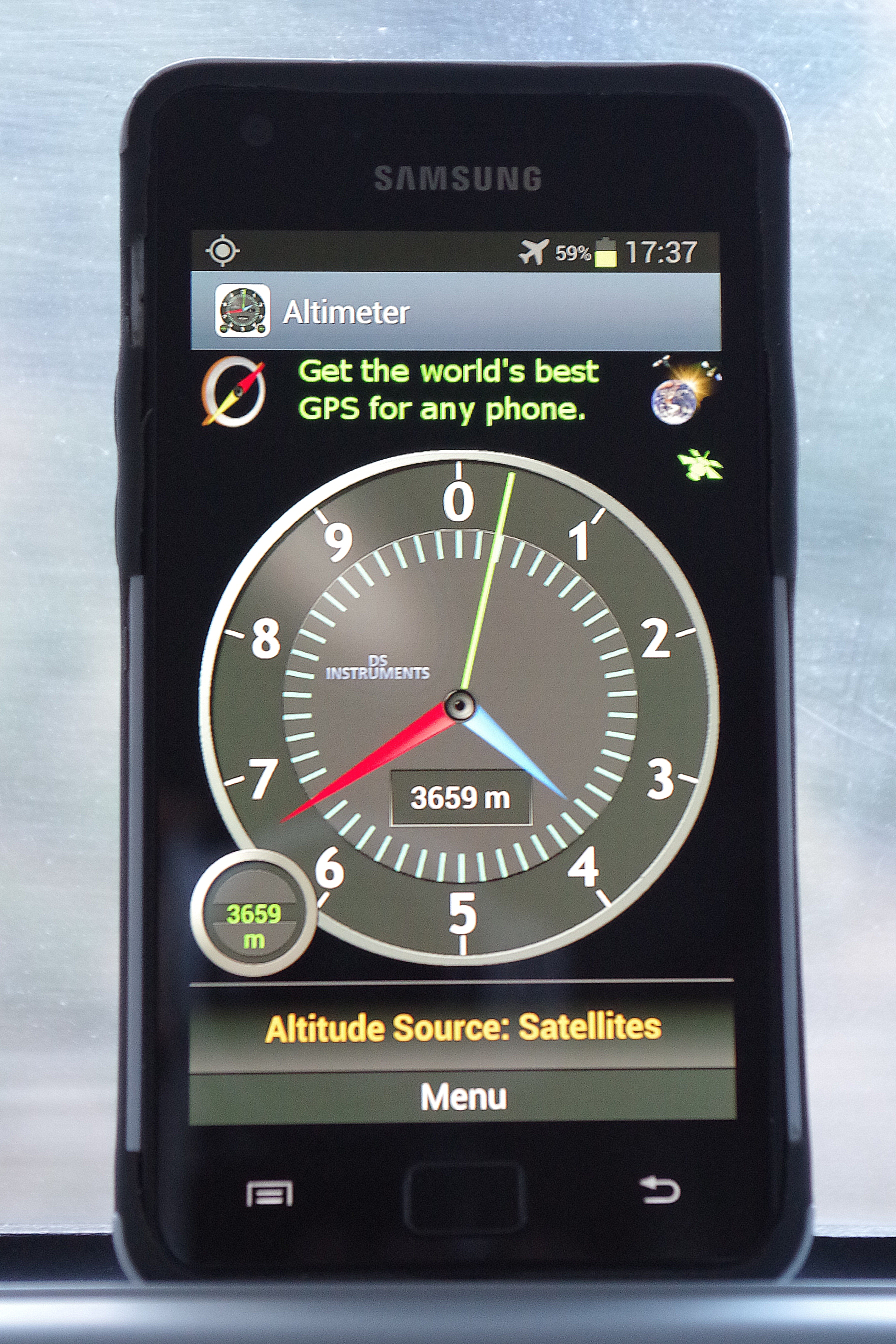
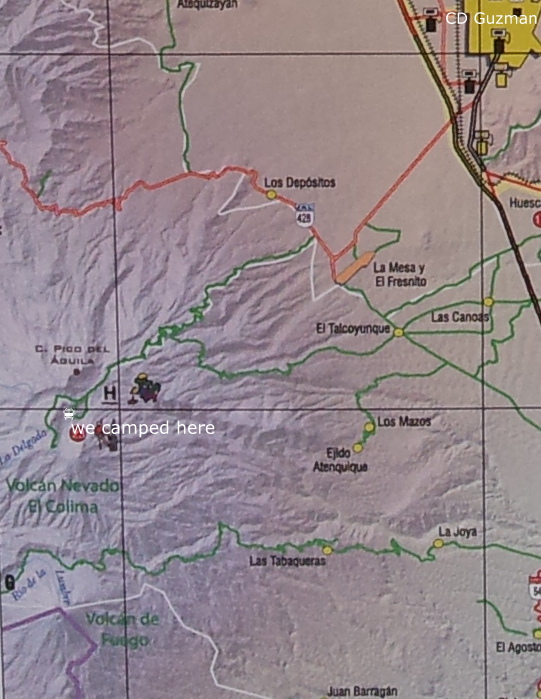
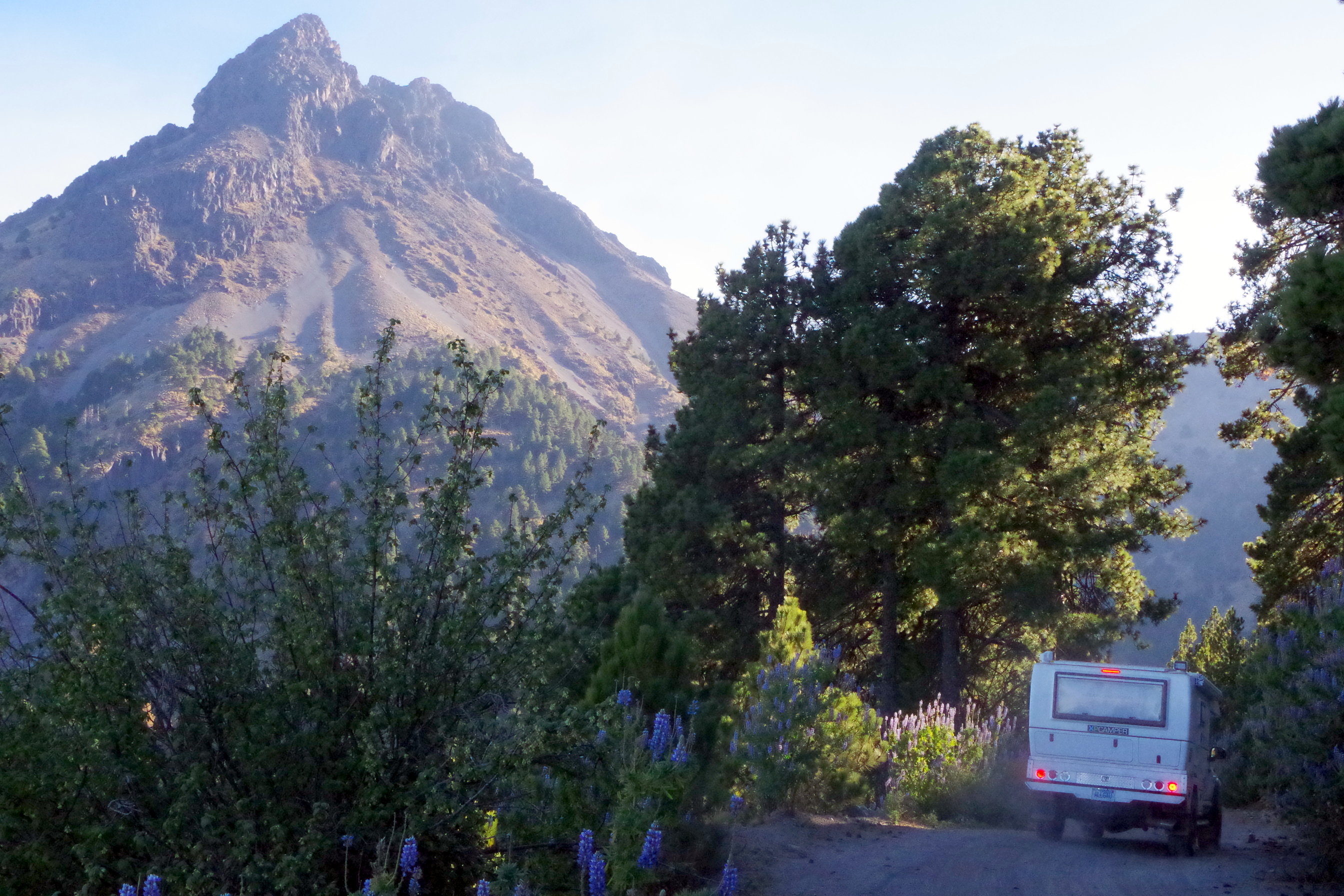
We decided to go over to the two volcanos near Colima and try to go hiking there. So we drove up to Vulcan Nevada de Colima, up 3700 m where we camped in the pine forest. It is a decent, but att imes steep dirt road. We both had slight headaches from the altitude and decided to wait before attemting to climb the mountain.

IMGP137120150115_153004

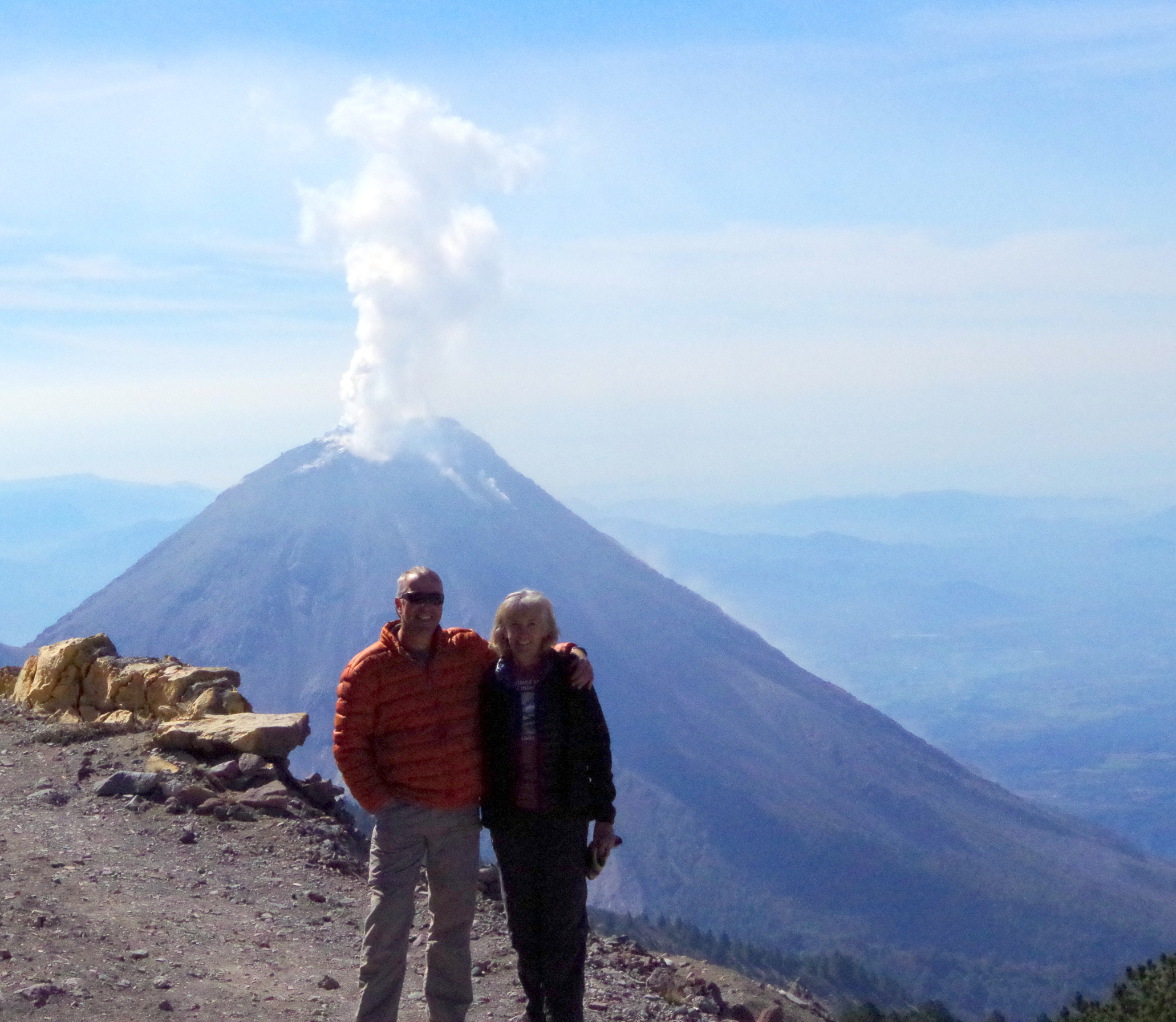
The second night we awoke to the strumming of a guitar and people talking around a fire closeby. A group of students from Guadalajara had showed up to go hiking the next day. So did we, hiked up a road that is the access for the cell towers and volcano observatory the next morning. Incredible views of the active sister volcano awaited us on top of the ridge. Volcan de Colima had just erupted two days before we got here and we could see the steaming rocks and lava tumble down the side of the mountains.

IMGP1366

Centuries-old legends say that more than 3,000 years ago the God of fire looked down from the volcano, Nevado de Colima, to advise and give solace to the inhabitants of this region. His hot-tempered younger brother, who resided in the Volcan de Colima, instilled fear in the hearts of his worshippers and would severely punish those who didn’t please him.

colima-21jan15

Jan 21st 2015!!!!!

We did some more hiking the following day, saw a few deer and big cat tracks on the trail.

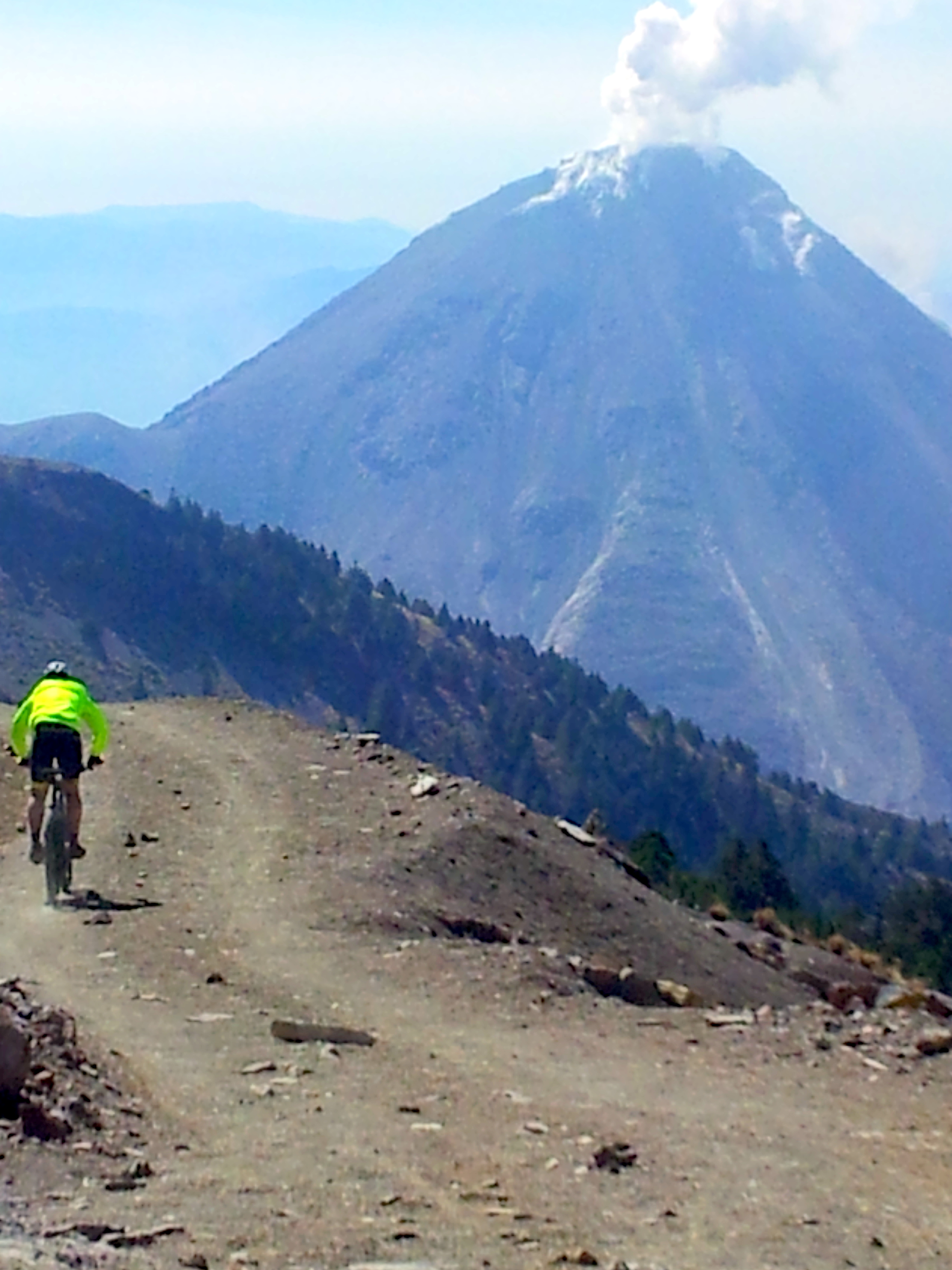
There were also some mountain bikers up there, I don’t know how they did it because the air is quite thin and it makes breathing hard.

Many bushes were in full bloom and you could see almost every color, at night we had frost so these plants looked quite tropical but must be hardy.

IMGP1382

We drove back down after a few days and were greeted by the heat and smoke (this time from the sugar cane fields) in the vally. Sugarcane and corn seem to grow everywhere in the valleys, there are coffee plantations and avocados on the flanks of the volcano.

Our XP camper was coated with ash when we left the area.

20150117_114246

crazy biker at 12 000 ft


Coca Cola is a very popular drink in Mexico and it is still made with cane sugar instead of high fructose corn sirup. I bought a bottle and you can really tell the difference, it tasted like the coke of my childhood.

We have good friends from Washington State vacationing on the coast and decided to head that way to visit them and for some beach time. Instead of the toll road we took a backroad through the mountians that was very beautiful. But it was afternoon and we always try to find a camping spot early so we do not get stuck somewhere where we do not want to be when it gets dark.

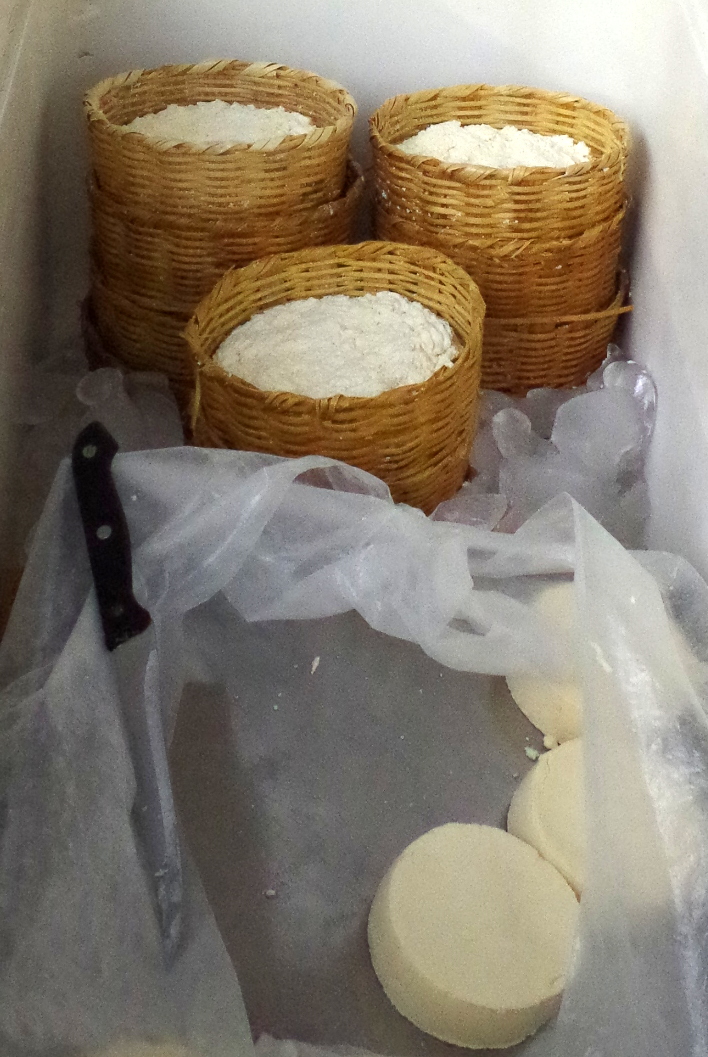
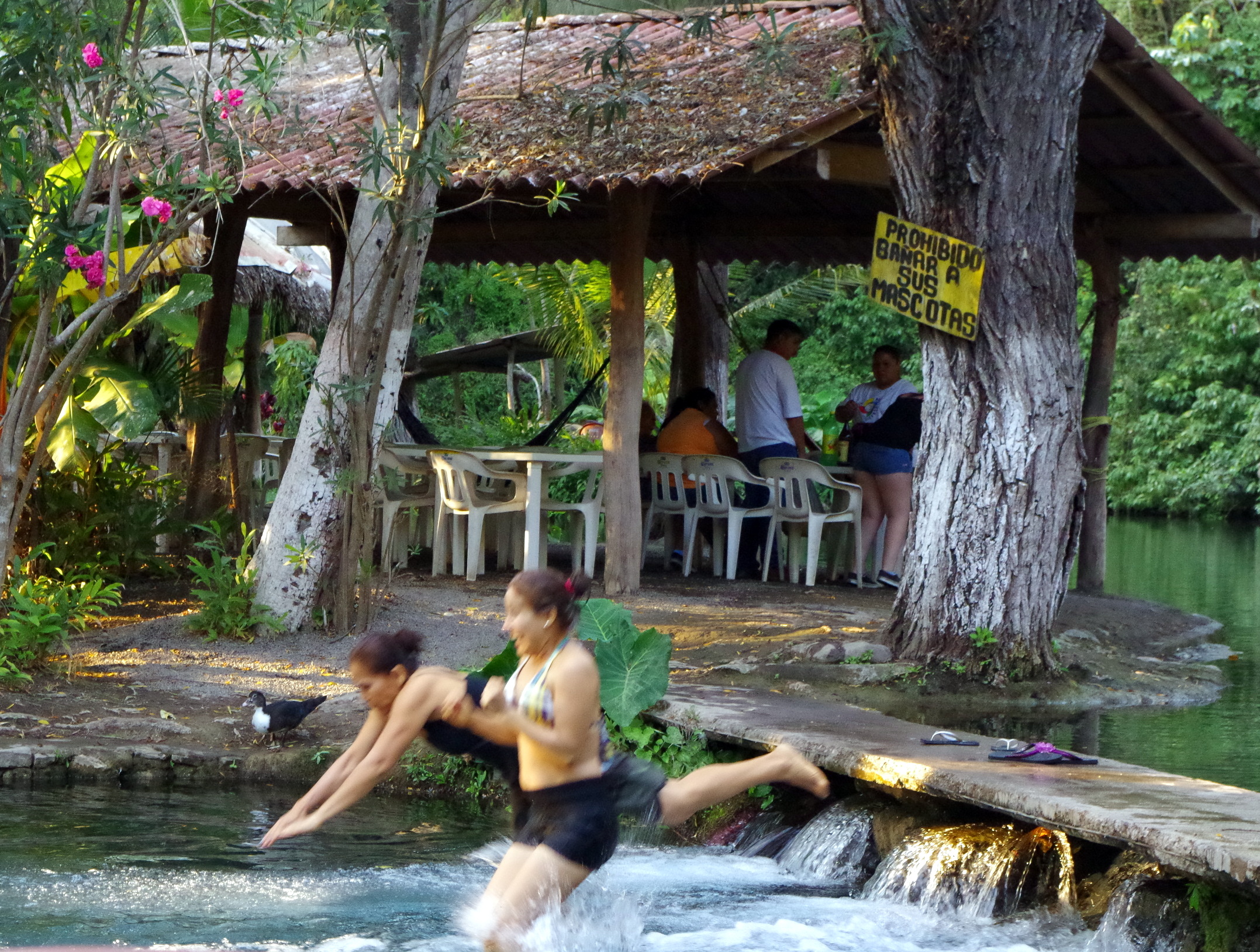
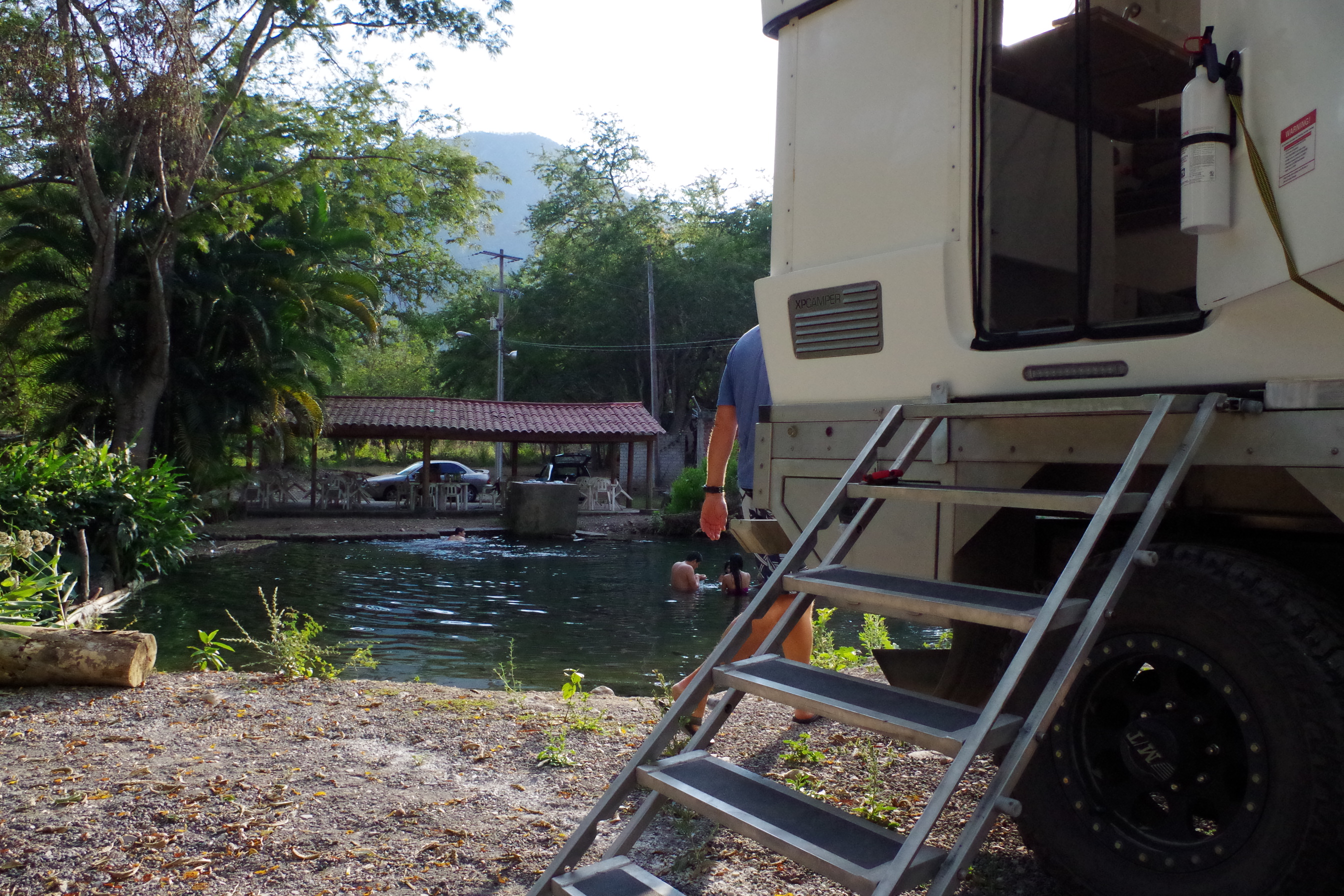
Mexicans like their balneareos, that can be a pool, or an aquatic park with slides or just a local swimming hole where they dam the creek or river and charge a few pesos if you went to go for a dip and swim. We turned (hard) left at Agua Fria, drove down to the river and asked if we could stay overnight. “Si,si” they said and we parked by the river near the cows. The family lives on the premises, a small farm with chickens, ducks, 4 dogs and six cows, each with a calf. The river was cool and refreshing, we decided to stay for a few days and enjoy this great place. During the day sometimes some Mexican families came for picnicks and swimming. The owner cookes for you if you are hungry. Fresh eggs from the chickens, cheese from the cows (like cottage cheese), quesadillios, ceviche. Whatever is on hand.

IMGP1398

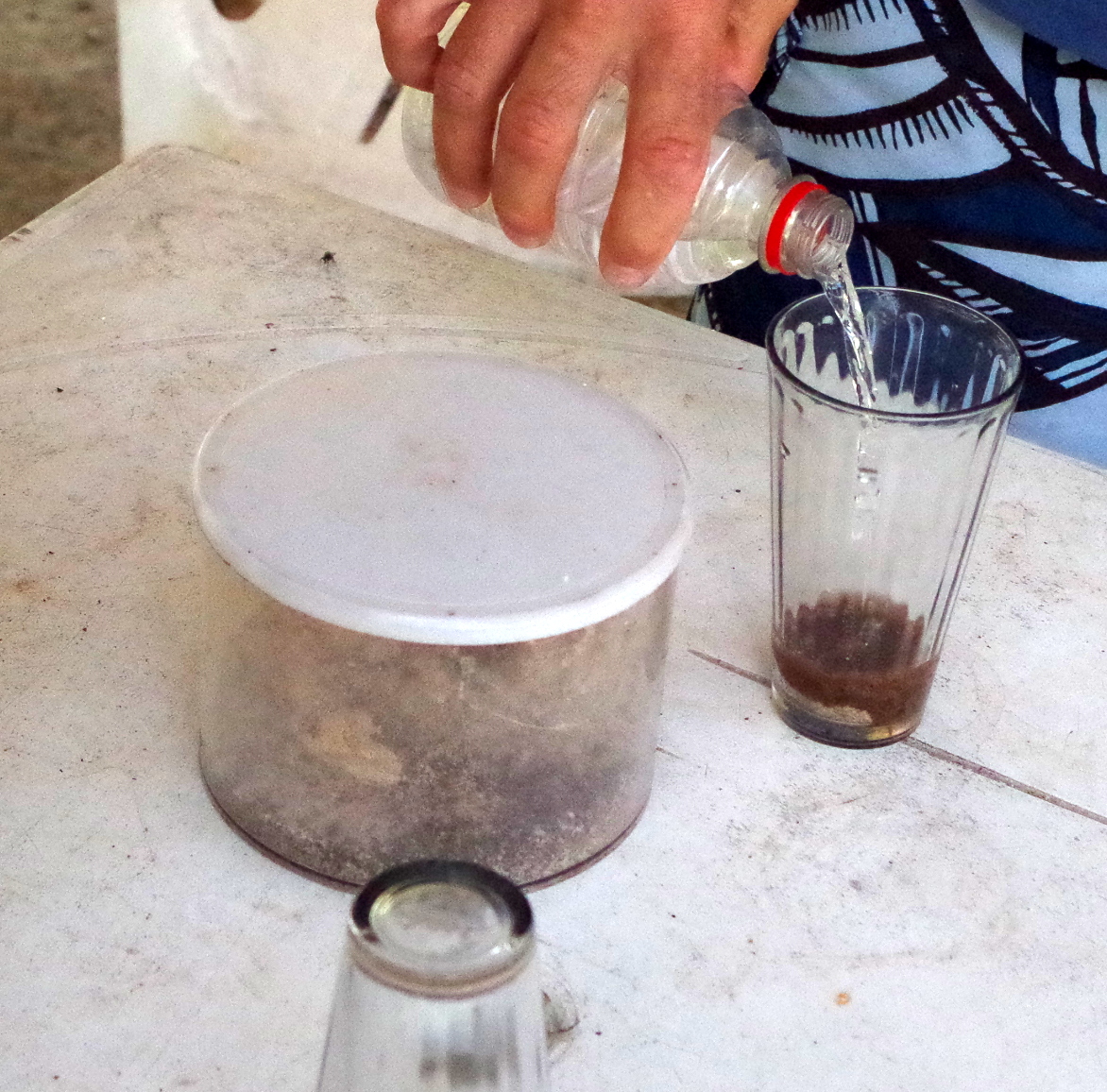
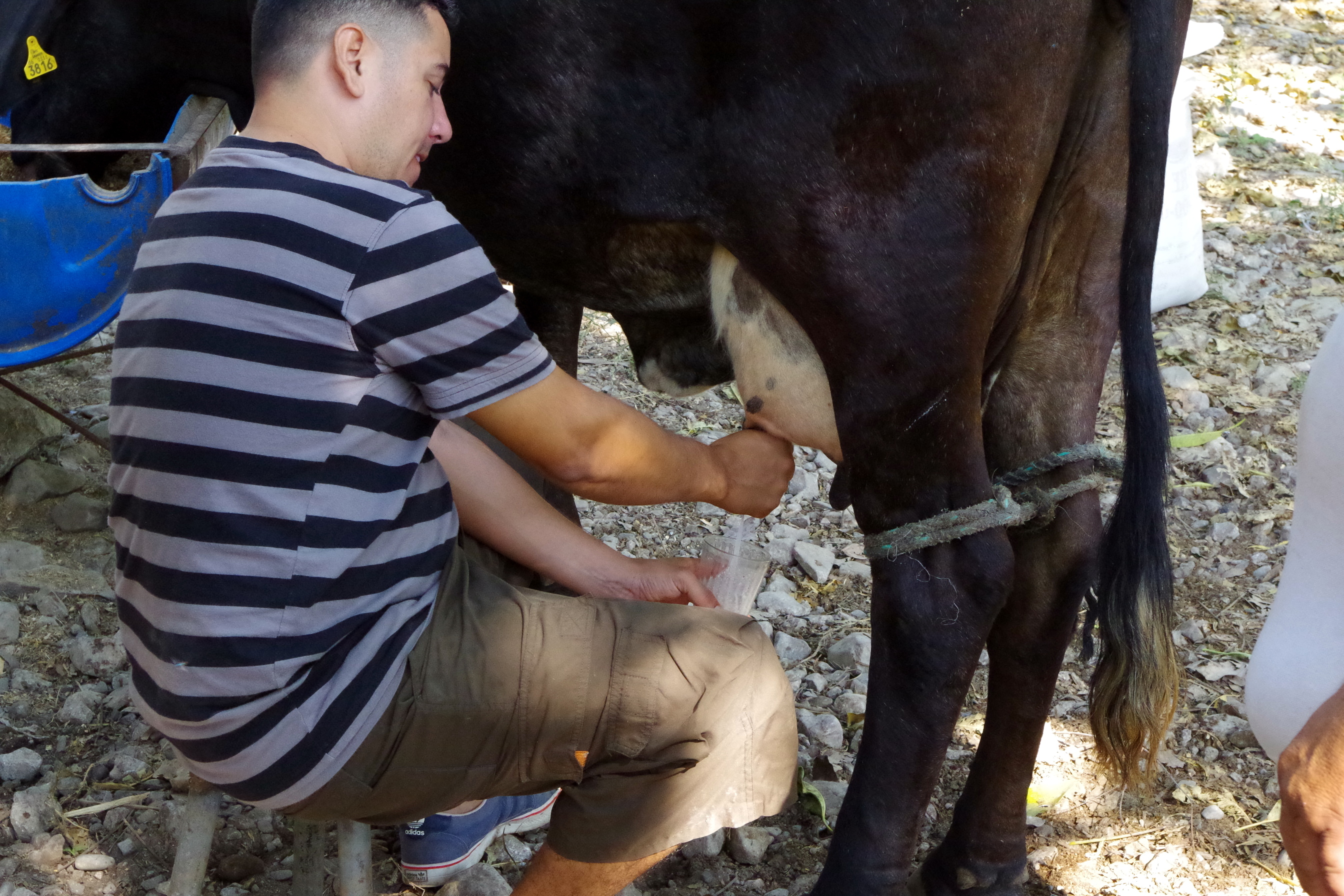
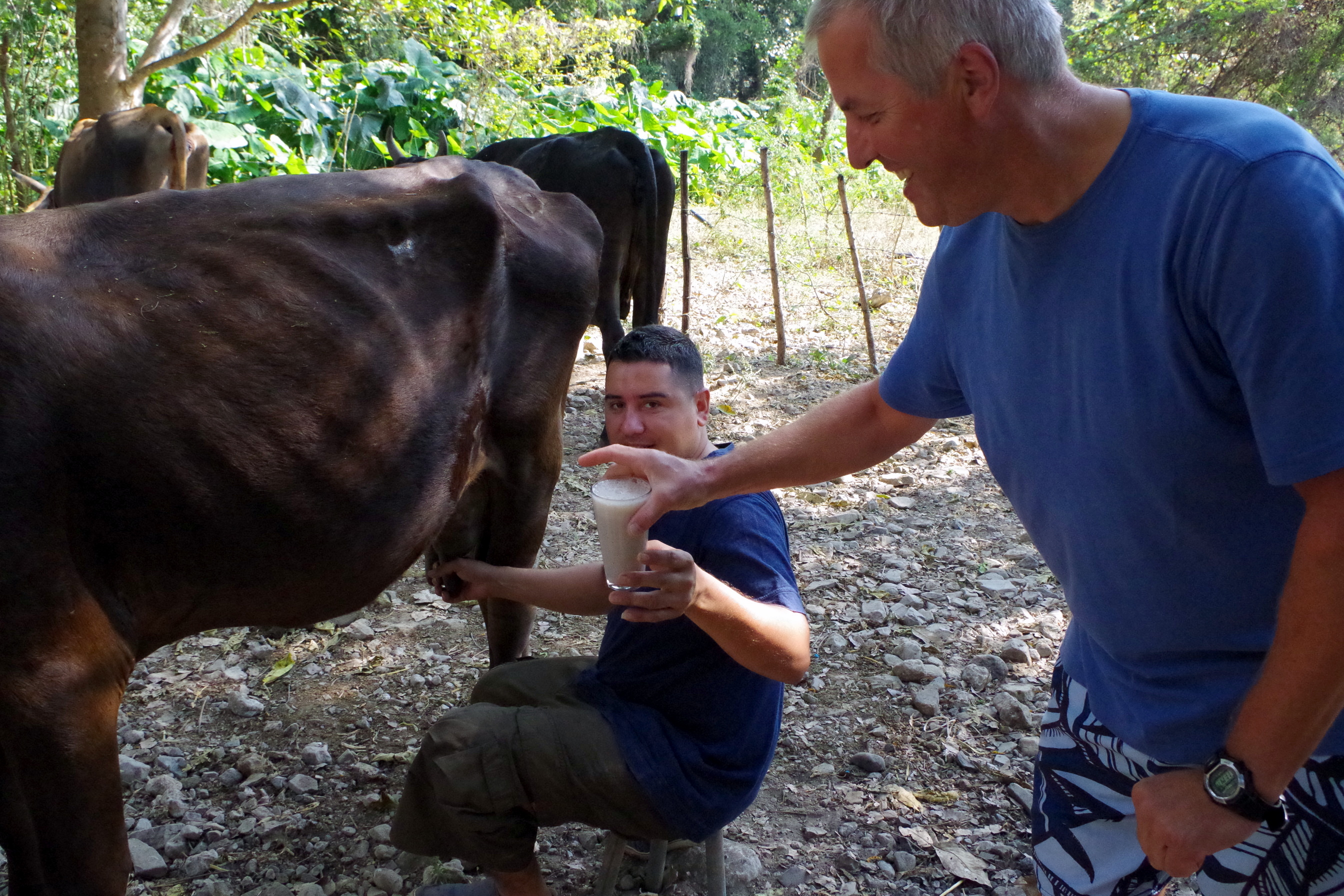
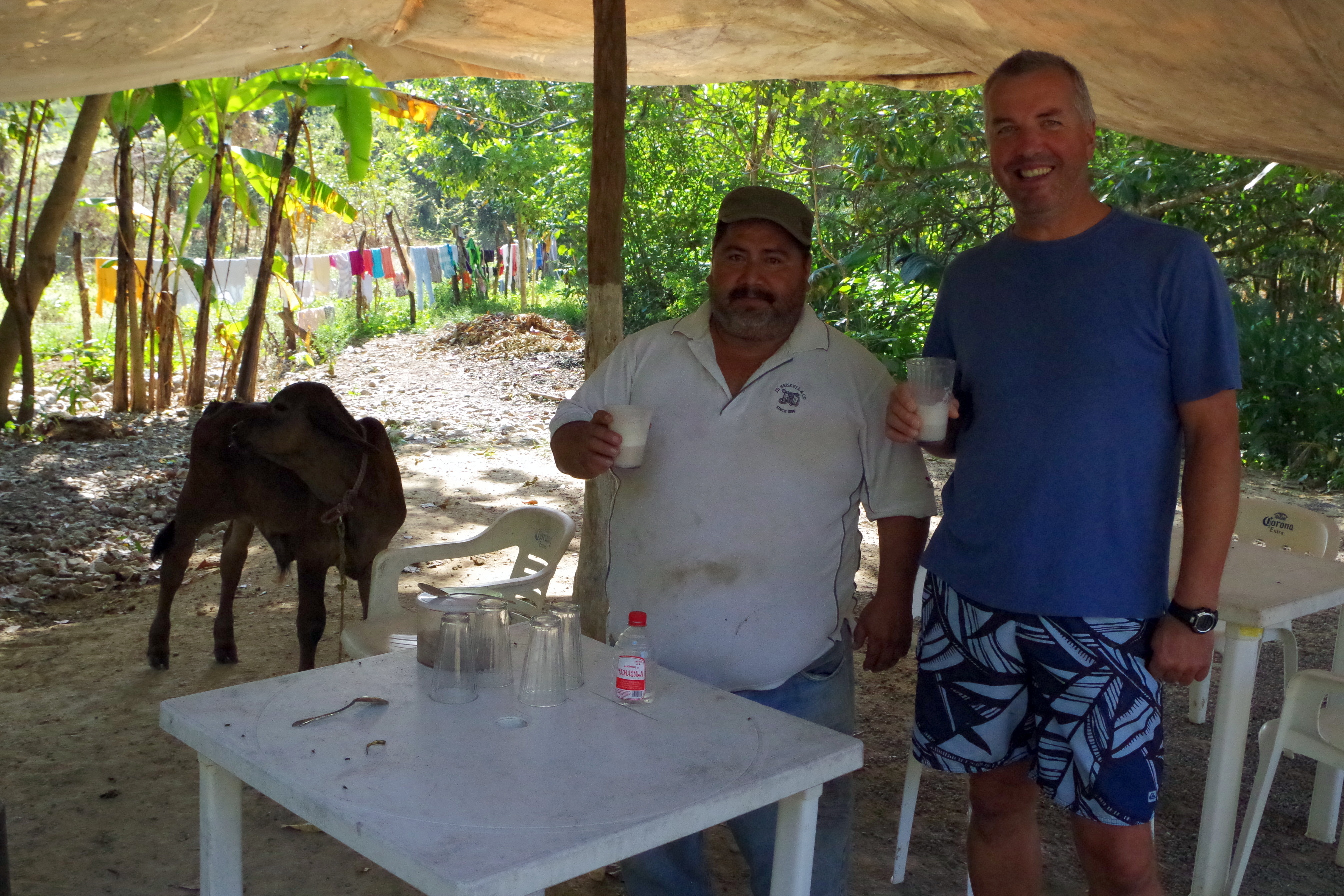
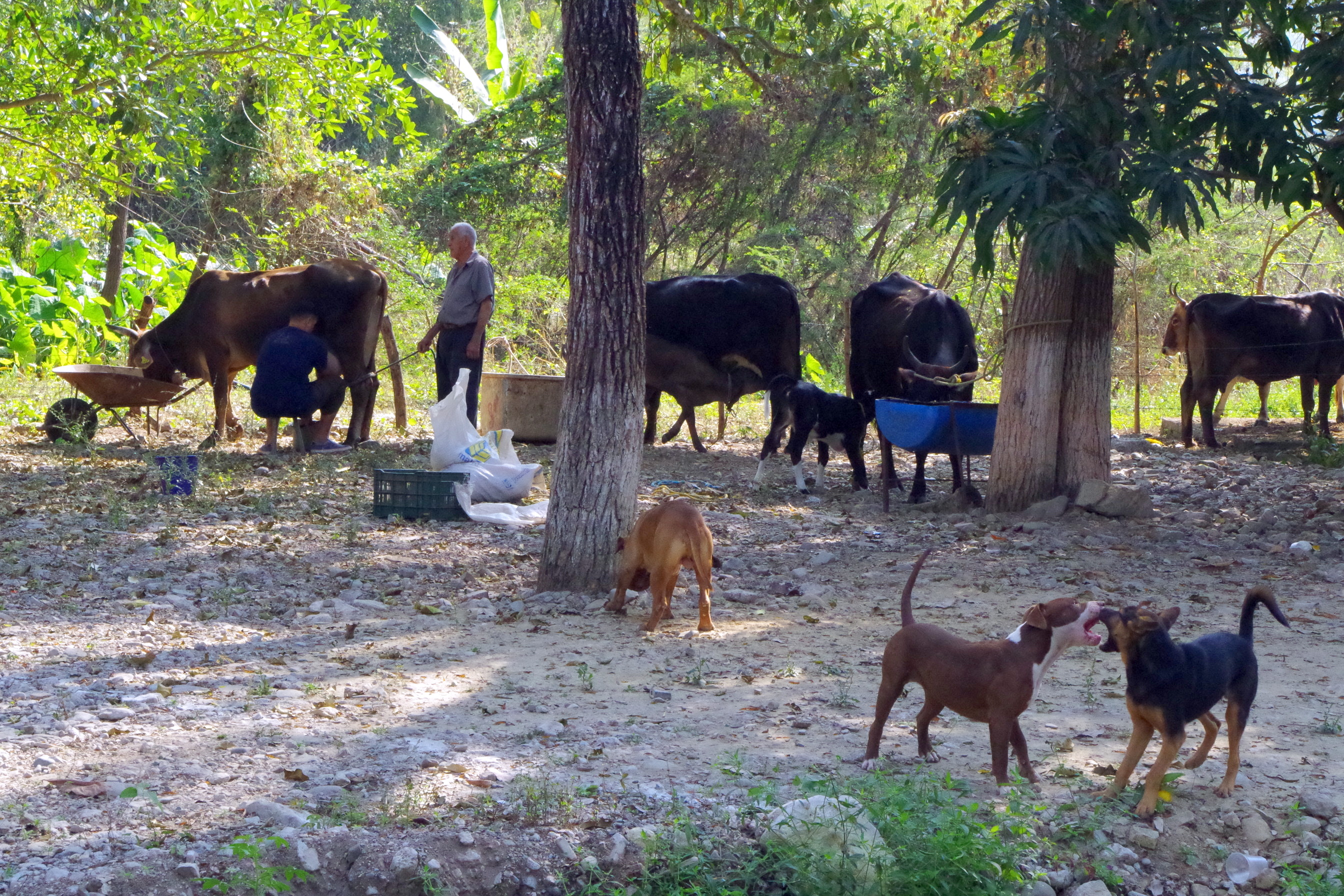
Grandpa and son milked the cows every morning and called us over every time asking if we want some milk to drink. We soon found out that they did not mean straight milk. The first day they showed us how to mix some cocoa powder with alcohol (the bottle says it is for desinfecting purposes) in a large glass, then you go over to the cow being milked and the milker will fill your glass with fresh cow warm milk.IMGP1434IMGP1419


IMGP1438


IMGP1415

I have to say it tasted very good, but it was just a bit early in the morning for a drink. So every morning it was the same ritual, we came over and Günter had his daily breakfast cocktail. I asked if they do this all the time and they said yes, every day – all year. That’s why grandpa looks so good.

We really liked that family and their place, I can only recommend it. 15 pesos a person for swimming, we gave them another 20 for camping. Toilets are clean, no showers but a great clean river:

Ramada Don Lolo

Agua Fria, 17 km west of Colima.


IMGP1404IMGP1396


IMGP1428

Contact us:

← Back

Thank you for your response. ✨

20150120_132018


Posted in Mexico | 8 Comments

Christmas, good friends, farewells and a new year.

Christmas recipe for traveling Oberstorfians and Walsers:

Take some beautiful traditional Christmas music from the alpine region, mix it with the trumpets playing Stille Nacht from the church steeple on Christmas eve and muffle that with the quietly falling snow flakes of the holy night. Then close your eyes…

Around noon on the 24th of December I retreated to our camper, found Radio Vorarlberg online and listened to music and christmas stories from home. I missed the yearly “Concert” from Koletta and family that often happened in our house and concluded their “Christmas Ralley”. But I found the video clip from three years ago and played that.

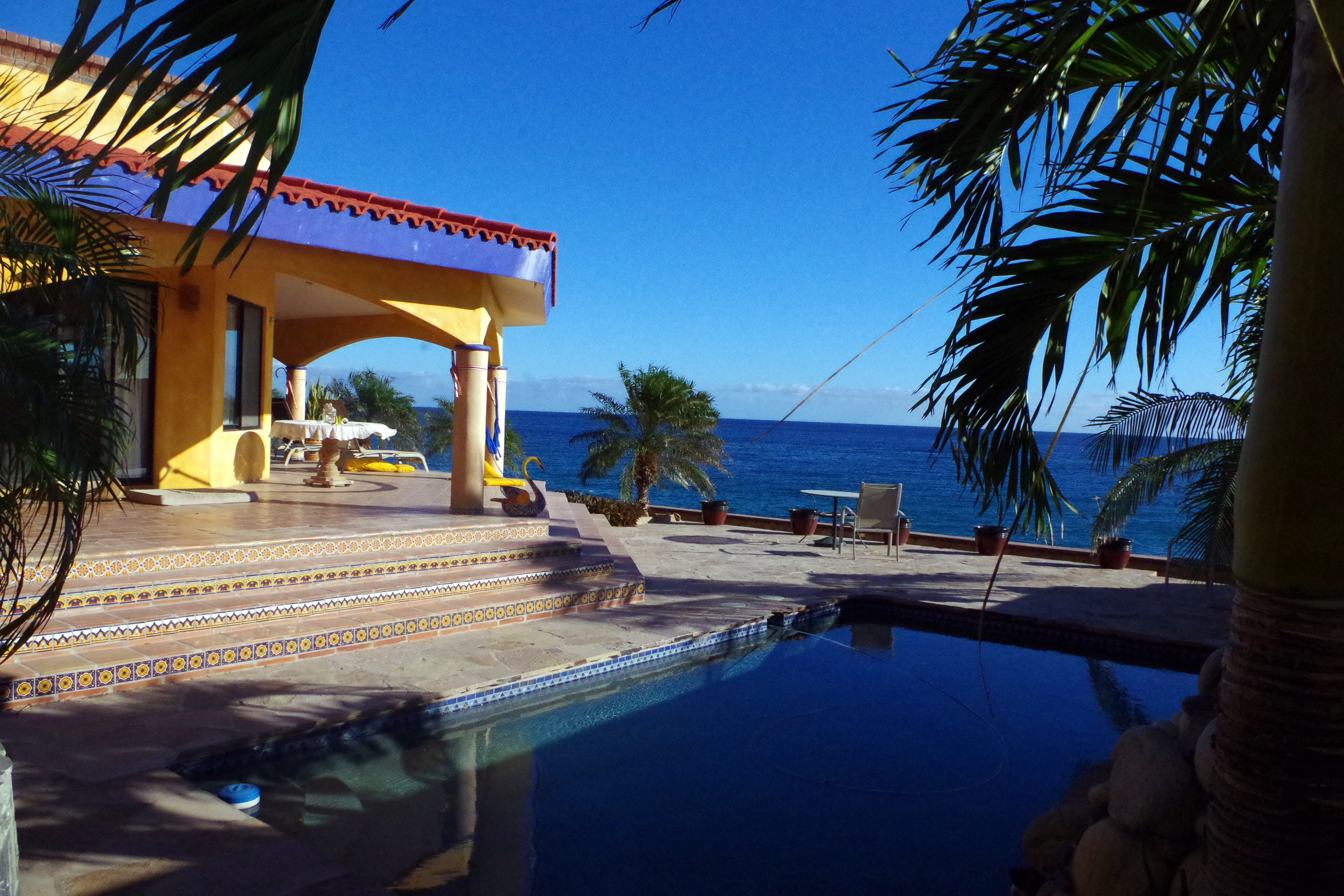
We spent two weeks over Christmas with our friends Rosa and Leon in Los Barriles at their beautiful waterfront home, parked the camper in their yard and enjoyed life in “compound”. The days flew by with visiting, fishing (so we could cook more great meals) and early morning walks with the dogs. Christmas dinner was a 20 lb turkey with all the trimmings, friends and neighbors came over for the feast and a good time was had by all. Life was easy and relaxed at “Casa Pescador”, it was great to reconnect and have some good laughs.

20141225_091610

Casa Pescador


When we left we did so with the promise to come back (and finish the garden shed project ;-)again.

IMGP1117

From La Paz we took the ferry to Topolobampo on the mainland of Mexico. The ship reminded me of our Alaska ferries, no frills but nice and clean, the paperwork could be streamlined a little better. But oh well, this is Mexico.

We got to Topolabampo in the evening and at 11 pm drove with all the trucks and semis toward Las Mochis. At one point we got pulled over by the police who kept asking Günter if he had been drinking alcohol. Then they told us not to drive at night and to take a hotel in Las Mochis because it is very dangerous at night. Bad roads, cows, crazy truck drivers and bad people he told us are present on the highway at night. We know that, but with the ferry schedule the way it is, you have no option. Downtown Los Mochis we asked at the Ibis hotel if we could park and they were very nice and showed us a spot and notified the security guard. So far so good.

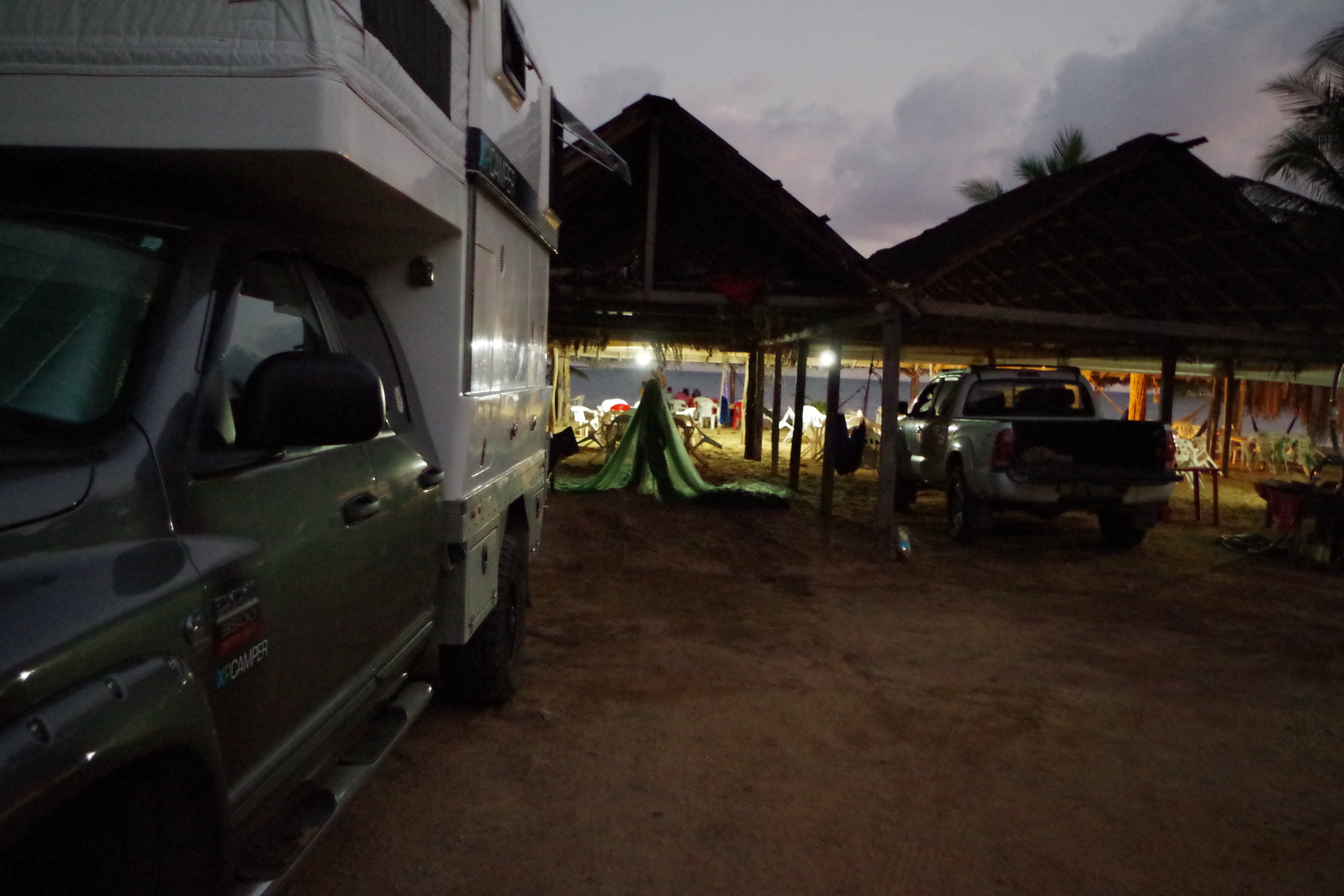
The next day we drove the toll road south to Celestino, (north of Mazatlan) and went to a small camp ground on the beach. Other than Rick, a “long timer” from Canada there was nobody there but Nancy the cat, which soon was “our ” cat since Günter fed it milk.

IMGP1192


There are several shrimp hatcheries here along the beach, they hatch the shrimp roe and raise them to 1/2 inch size and then sell them to shrimp farms. All the shrimp you can buy here are most likely not wild caught. At many roadside stands along the roads you can buy them fresh or dried.

Günter has been fishing with his new fishing pole (Christmas present) no luck so far. I have been fixing chiles rellenos with poblanos we got from some locals, the recipe is from Rosa (no breading) who also showed me how to make Jamaica ( hibiscus) tea concentrate. You add it to a glass of cold water and have a nice cold drink anytime you want. Put it in a wine glass and pretend it is red wine haha. I have also been baking bread with the Cobb Grill and it works very well. Next I will try banana bread.

After a few days we took off again and chose to ignore the toll road and take the old highway south.

The country was dotted with little towns. Lush gardens, fields of corn, peppers and tomatoes, mango orchards and palm trees flew by. Soon the dry Baja desert was just a memory as the country side got more and more tropical. Local markets sell fresh fruits and vegetables and we stocked up on papayas, mandarins, grapes, cactus fruit and limes.

Out on the coast again we found a little fishing town called Teacapan where, along the beach at the edge of town, several Canadian “snow birds” with their large campers and trucks, their pets, satellite dishes and all kinds of outdoor toys are settled in for the winter. The sandy beach here goes for miles and miles with countless palm trees and an occasional village.

Our camping spot is nice, but with three Canadian rigs and their 5 barking dogs with will probably not last long.

We like to ride the bicycles around town, talk to children, barefoot and shy, but very curious. I always have to resist giving them a treat, it would encourage them to beg. In Los Barriles I bought a harmonica at a garage sale, now I wait for the right occasion and the right child to hand it over as payment for a favor.

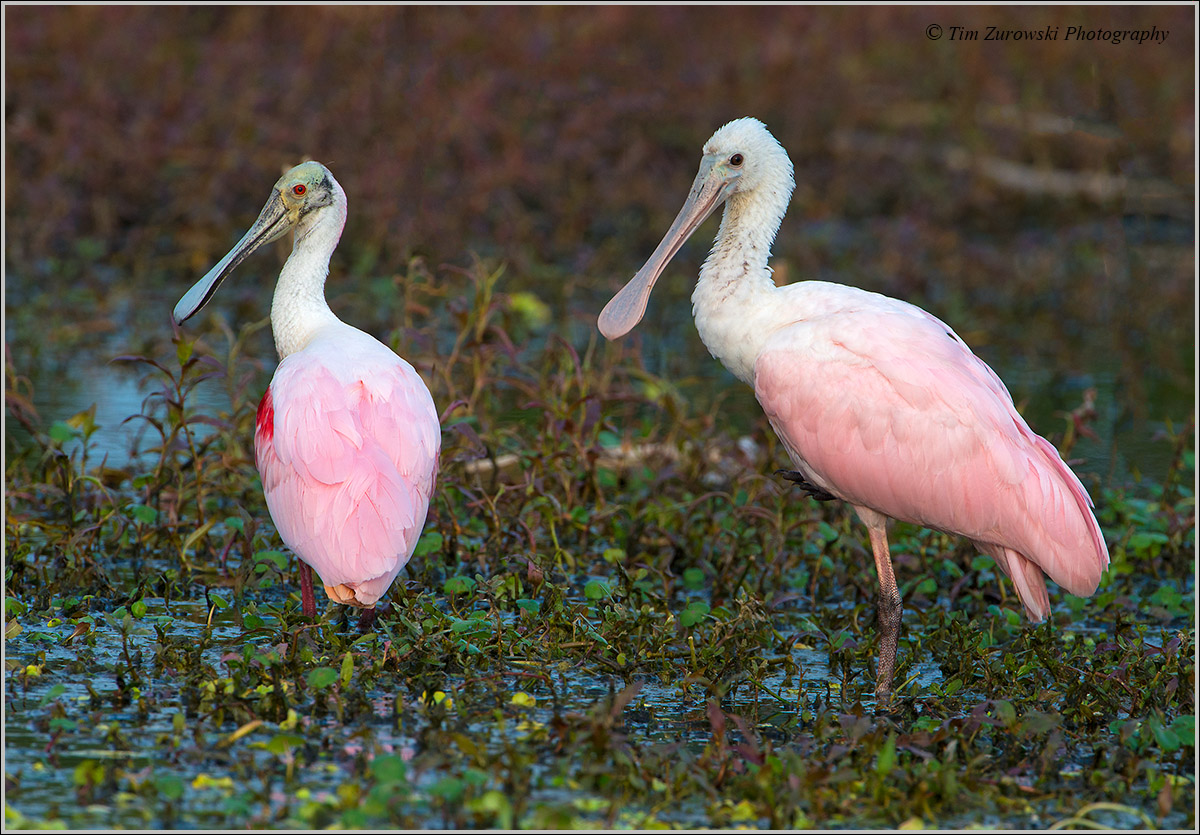
The estuaries around here are a birdwatchers paradise, in this 80 km lagoon we have seen some beautiful birds like Roseate Spoonbills, Wood Storks, a multitude of colorful smaller birds as well as iguanas and turtles. I am glad we bought a bird book in La Paz!

Roseate-Spoonbill-339

So, we will now ride the bikes into town to “Ciber Evolution” across from the bakery and upload this part of our travel diary to the blog. And buy some bread as well.

Happy New Year to all of you!


IMGP1127


IMGP1135

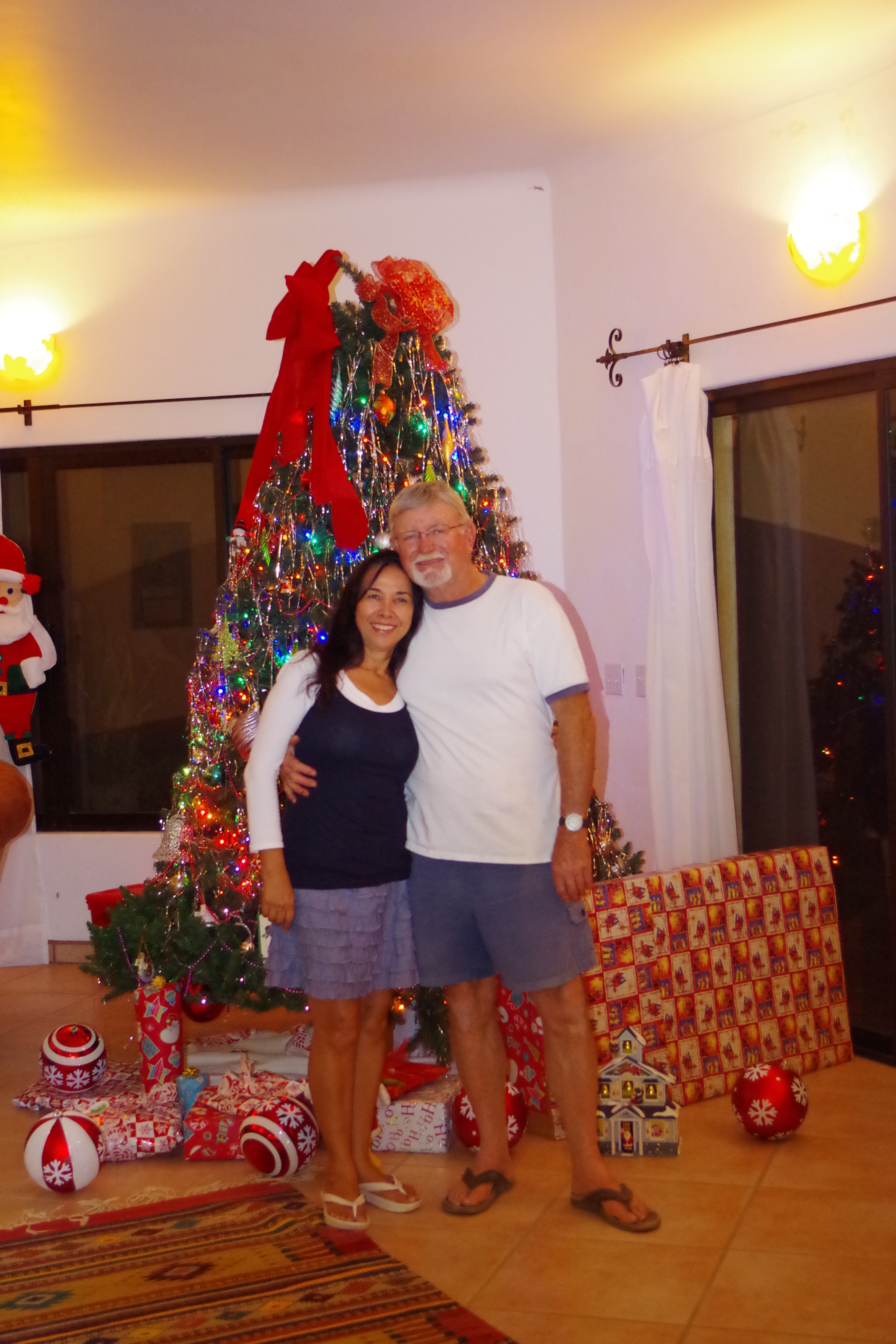
Rosa and Leon in Los Barriles


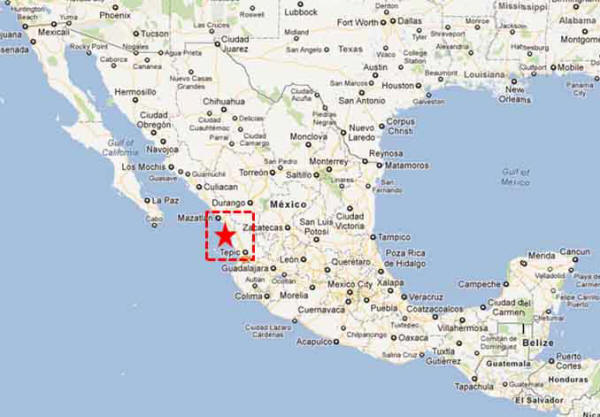
Teacapan%20small%20map

Teacapan


IMGP1102

Petri Heil

← Back

Thank you for your response. ✨


Posted in Mexico | 5 Comments